By Brad Needham

World’s best designed newspaper. One could argue as the newspaper world contracts, the title of world’s best designed newspaper means less. I will argue the contrary. As print revenue is in decline, anyone in the newspaper world has heard about cuts or newspaper closures. There are fewer resources available. Yet some newspapers refuse to take their foot off the gas pedal. Some newspapers are still prioritizing the print reader experience. And in this post, I salute them.

For the third year in a row I have been fortunate enough to be a facilitator on the World’s Best Designed Newspaper team at the Society for News Design’s annual creative competition. This year’s was its 45th. My role is to help the judges with anything they need. I always feel so privileged to hear some of the world’s best designers debate what newspaper (or newspapers) should be declared World’s Best.

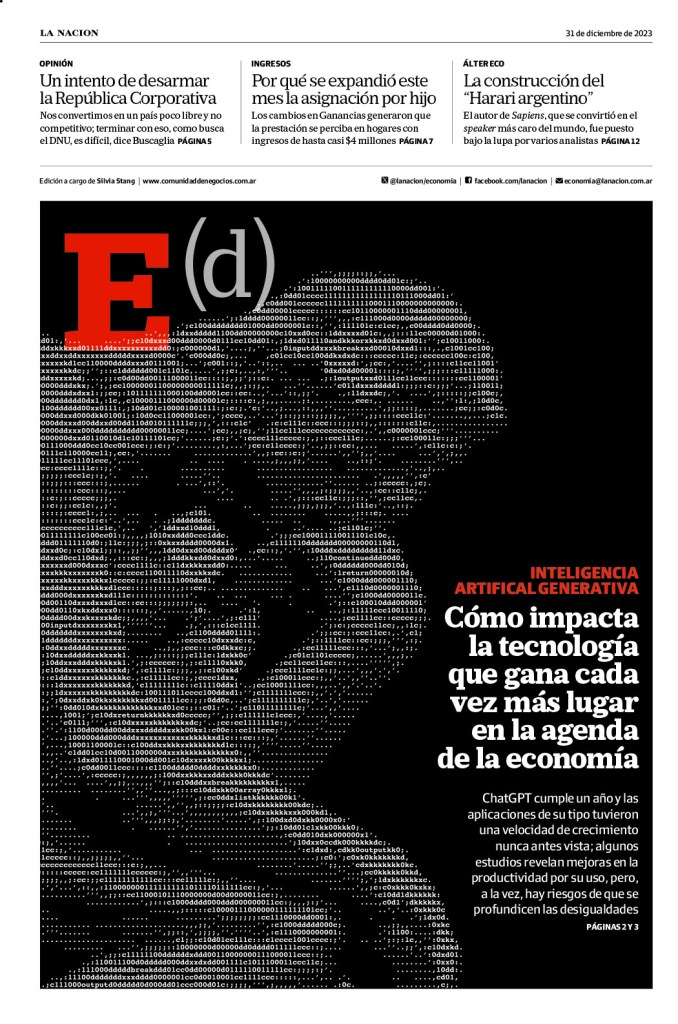
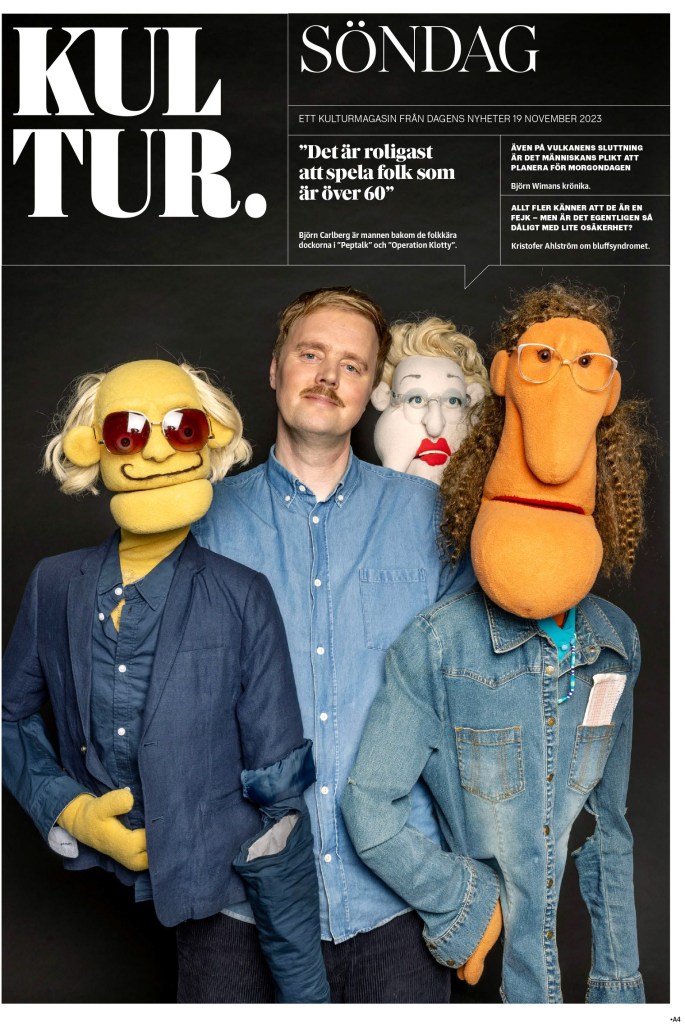
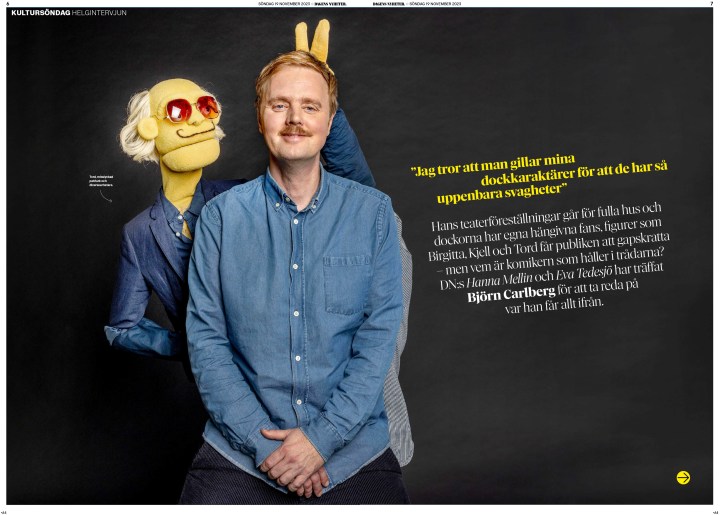
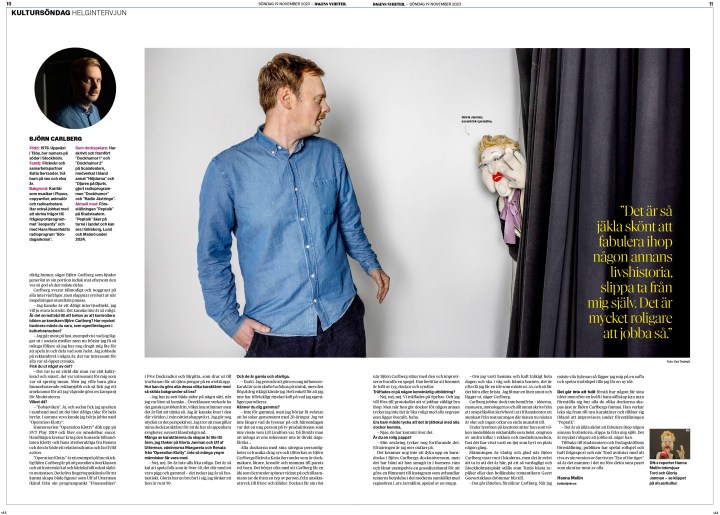
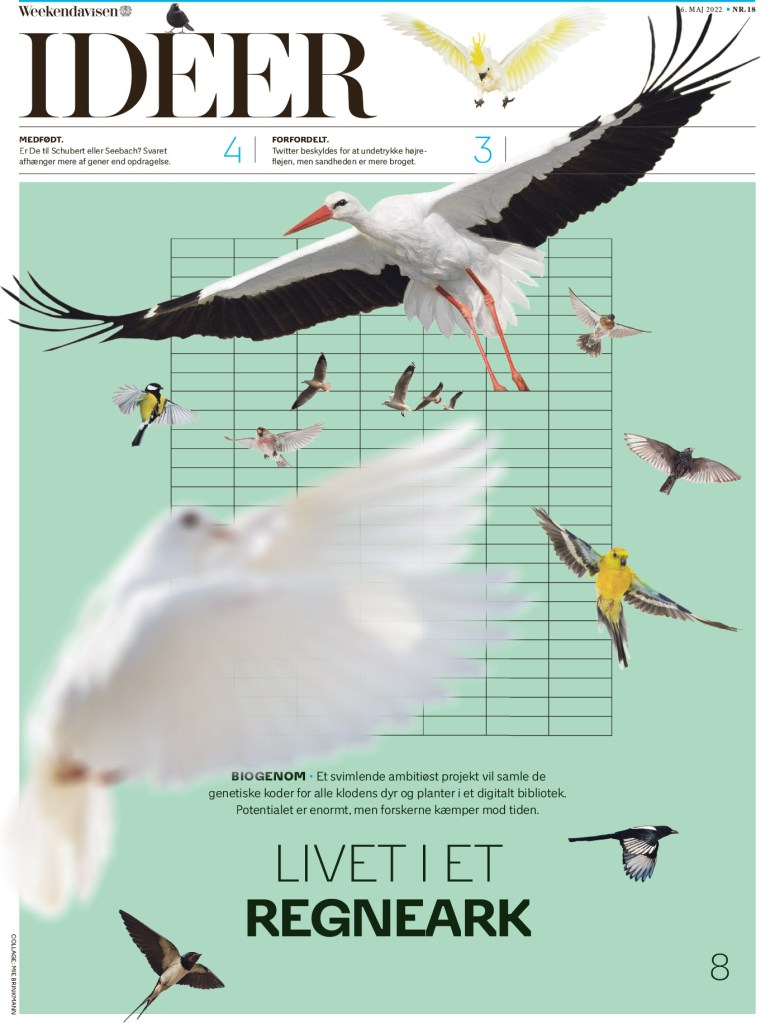
After much back and forth, and some fascinating discussions, the judges pared the entry pool down to four finalists. This year, none of the finalists were from North America. They were: Die Zeit, La Nacion, Politiken and Weekendavisen.

Before I get to the winner (I will talk about and show pages from all finalists), I want to touch on the judging panel at SND45. The panel included Vanessa Wyse (Sudio Wyse), Wayne Kamdoi (The New York Times), Raju Narisetti (McKinsey & Company) and Kris Viesselman (consultant). Below is a little more about them, some taken from their SND bios. There is more to say about all of them as they have had and continue to have impressive careers.

  • Vanessa Wyse is the founder and creative director of Studio Wyse in Toronto. She has over 20 years’ experience working with some of the worlds’ largest media brands and institutions including Pinterest, The Globe and Mail, Fairfax Media, The University of Toronto and Air Canada. The Grid, a smaller but mighty now shuttered Canadian weekly publication, where she was the founding creative director, was the first publication to win three consecutive World’s Best Designed Newspaper awards.
  • Wayne Kamidoi is an art director for The New York Times, focusing on enterprise in its print hub. He was an art director in Sports for more than 20 years after joining The Times from the Detroit Free Press. He is also one of the few newspaper designers I’ve seen people come up to and talk about feeling lucky to be in their presence. He was a rock star at SND45.
  • Raju Narisetti is leader of global publishing at McKinsey & Company. Over a 35-year career, he has created, reimagined and managed major media organizations in the U.S., Europe and Asia. Raju spent 14 years at The Wall Street Journal where he went from a reporting intern to editor of WSJ Europe, and later managing editor, digital, of the global WSJ. Also, Raju has a Wikipedia entry, so that’s fun!
  • Kris Viesselman is a creative director, editor, designer and ring leader. She has been a top editor and top creative at a number of media companies and has worked as a consultant with a wide range of clients. Kris is a past president of SND and has consulted and presented in five continents.

Before I get to what judges were looking for a World’s Best Designed Newspaper, I feel like we need to see some pages! I will start with the runners up, which means I need to announce the winners. This year the judges selected two newspapers as World’s Best Designed. They are … Die Zeit (for the third year in a row!) and Weekendavisen (the second win in four years!). Which leaves us with La Nacion and Politiken. I will start with La Nacion, and the judges’ statement.

La Nacion

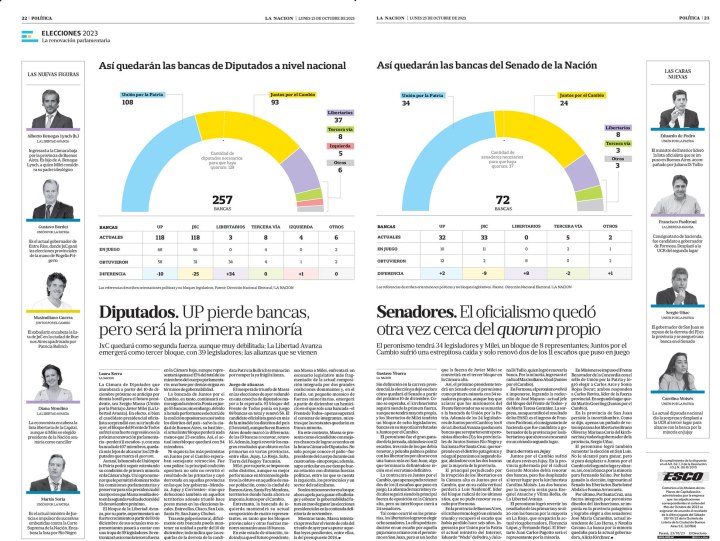
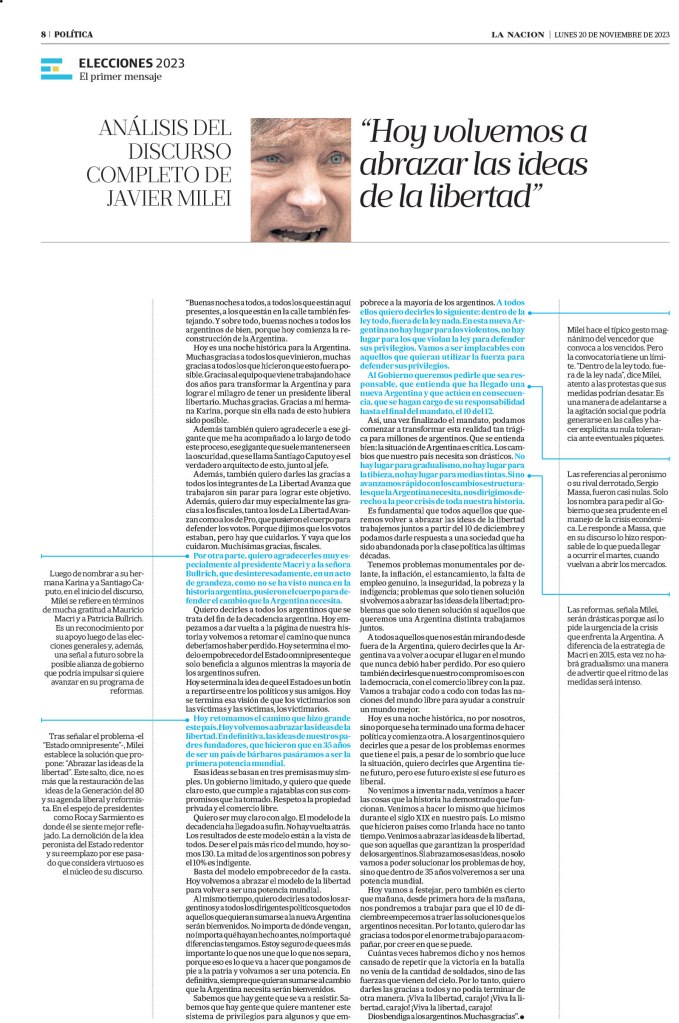
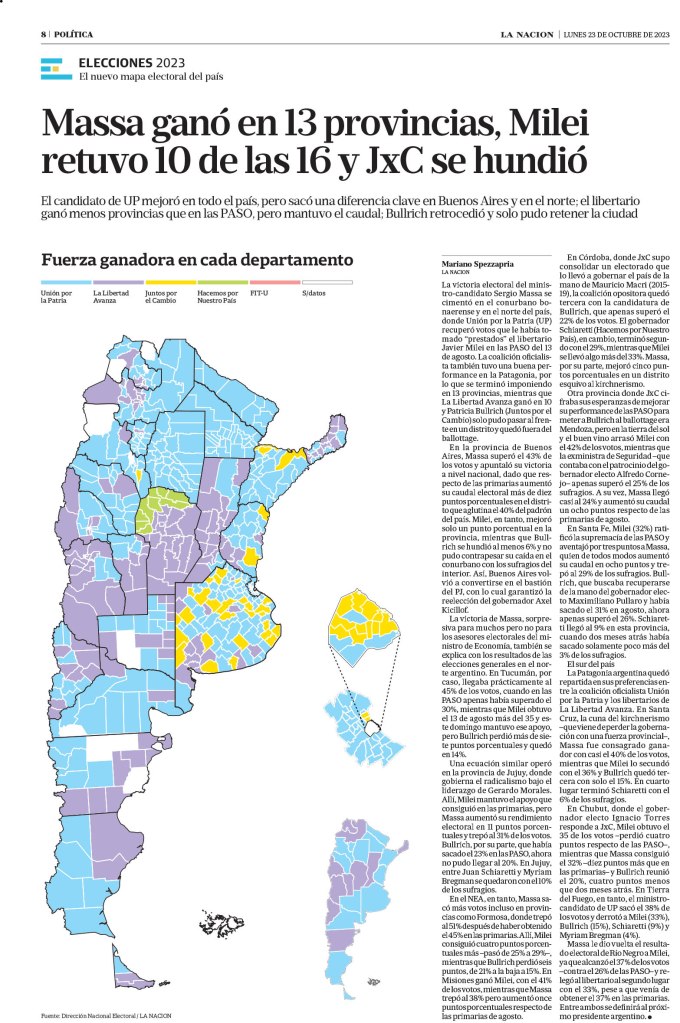
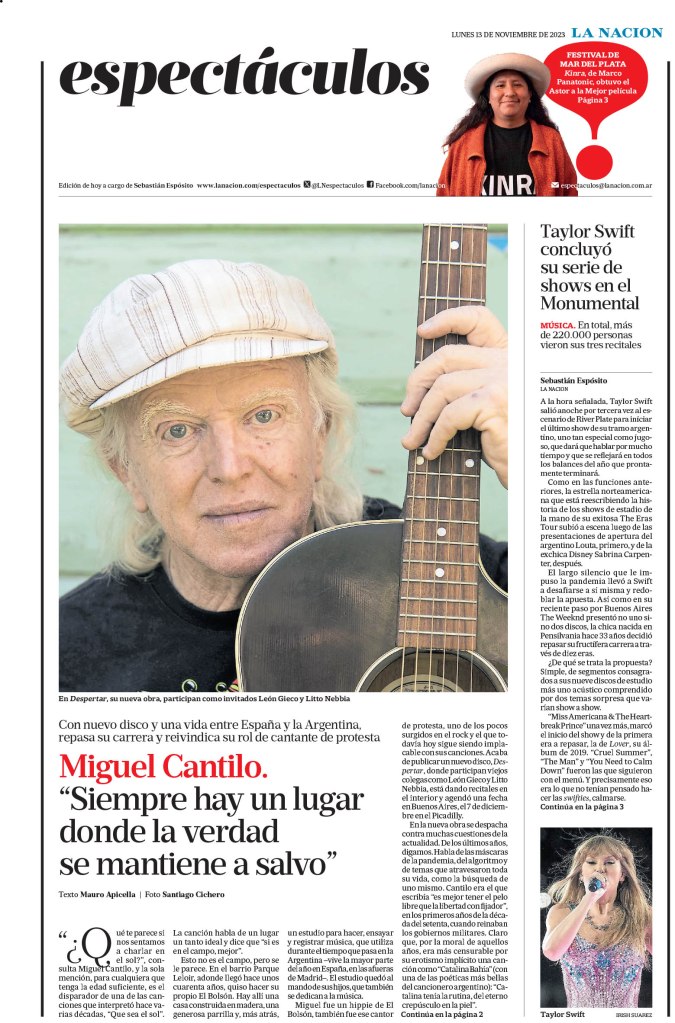
“La Nacion is a terrific example of how to build a 50- to 80-page daily newspaper, one that offers a cohesive reading experience with gravitas and dynamism, even on some of the biggest breaking news days. Its elegant information graphics, powerful blend of illustrations and robust news photography, coupled with consistently smart selection of typefaces poured into organic shapes, is sophisticated yet highly accessible, and makes for a very satisfying, complete offering.”
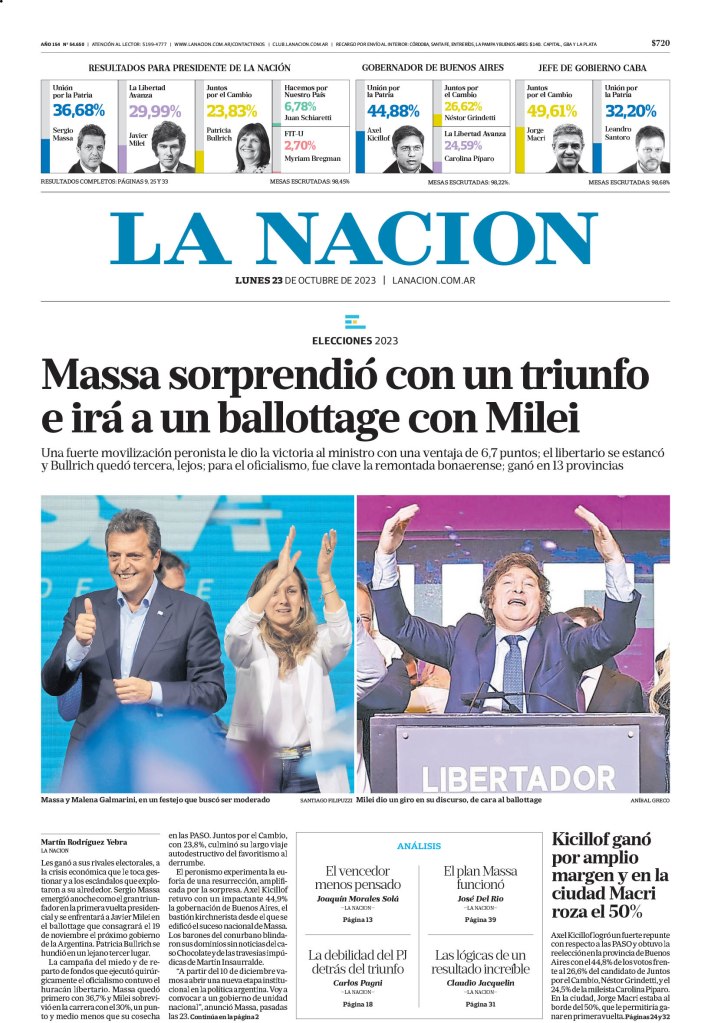
One of the things I loved about La Nacion was its inside spreads.
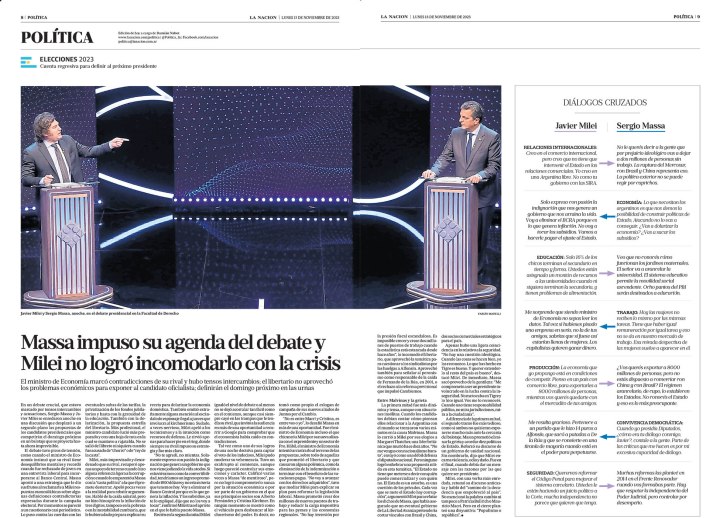
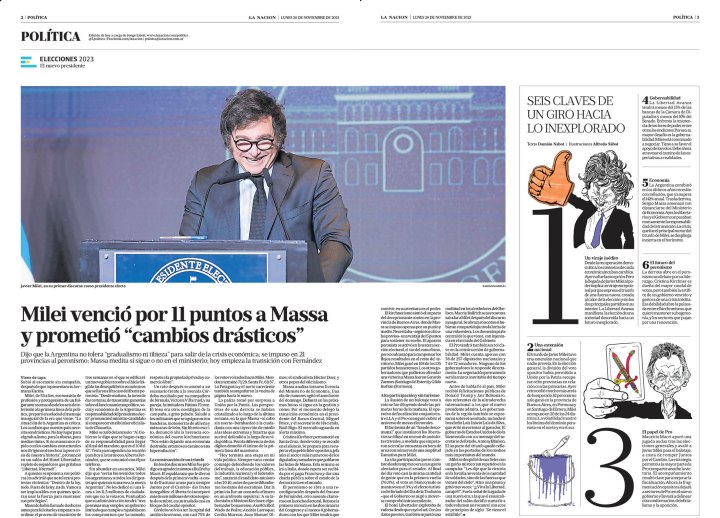
And a couple more, where they use nice graphics or photos to drive the pages.
Politiken

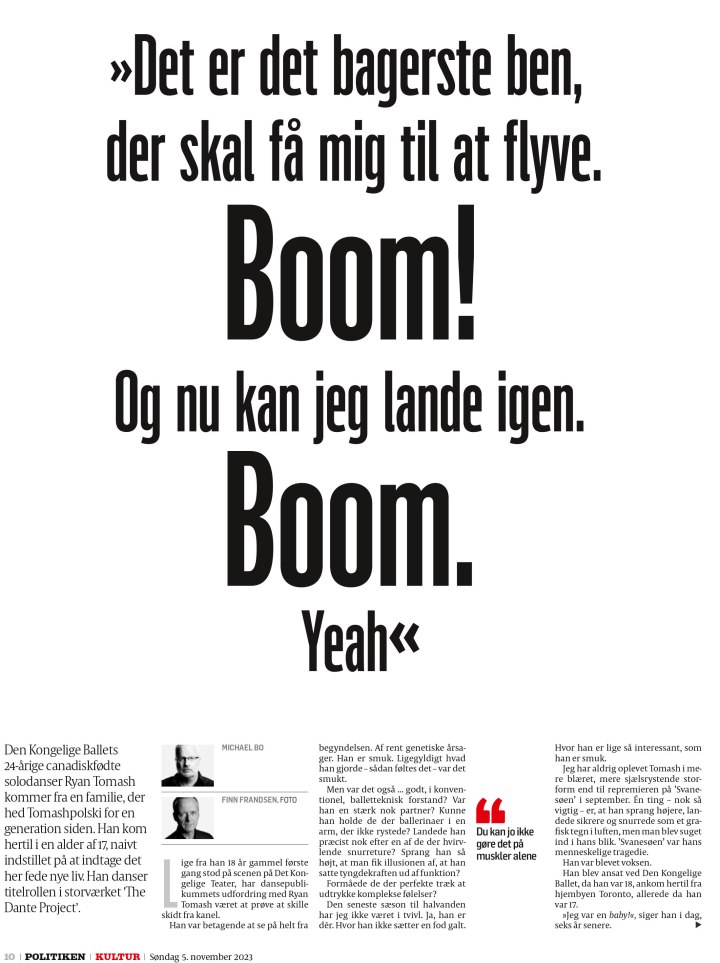
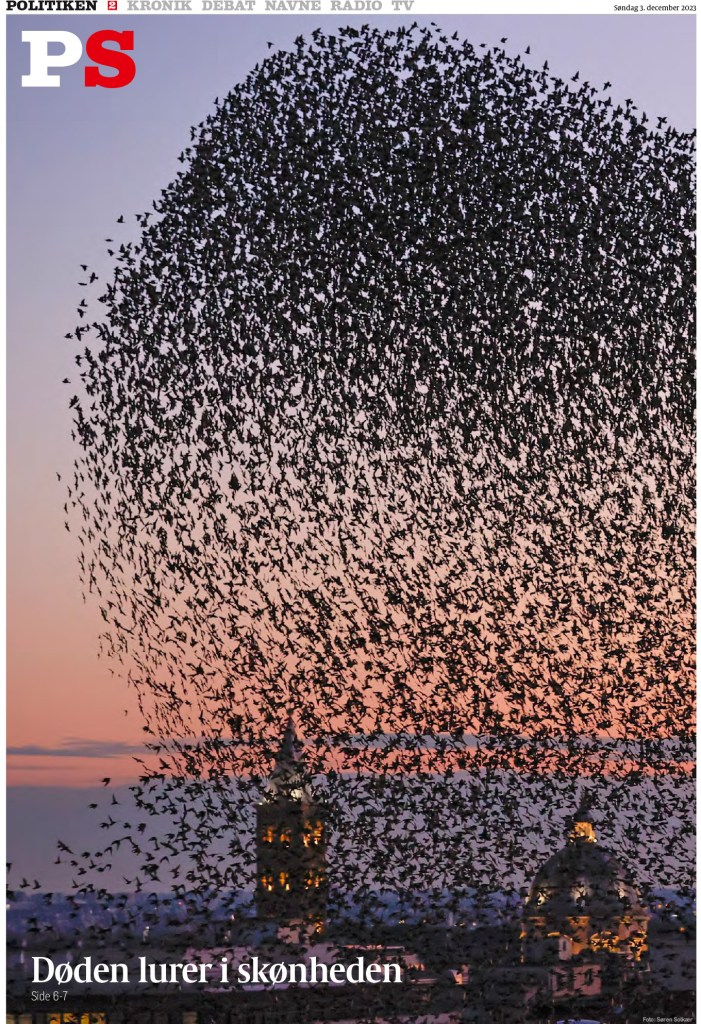
“Politiken’s dynamic design conveys a sense of urgency, while maintaining its overall elegance. Distinctive visual content is the foundation for storytelling that runs the spectrum from sober to edgy to delightful. Despite this range of tones, a cohesive report emerges, propelled by carefully selected — and deployed — typefaces and navigational devices. The result is a curated publication that is iconically Politiken — at once powerful, important and beautiful.”

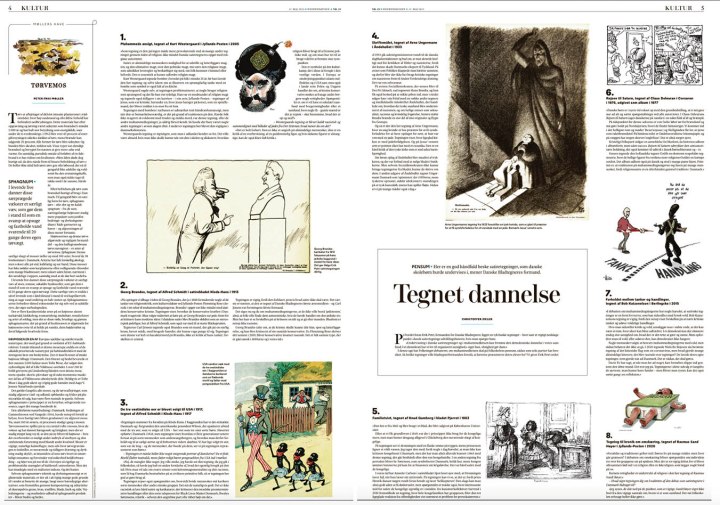
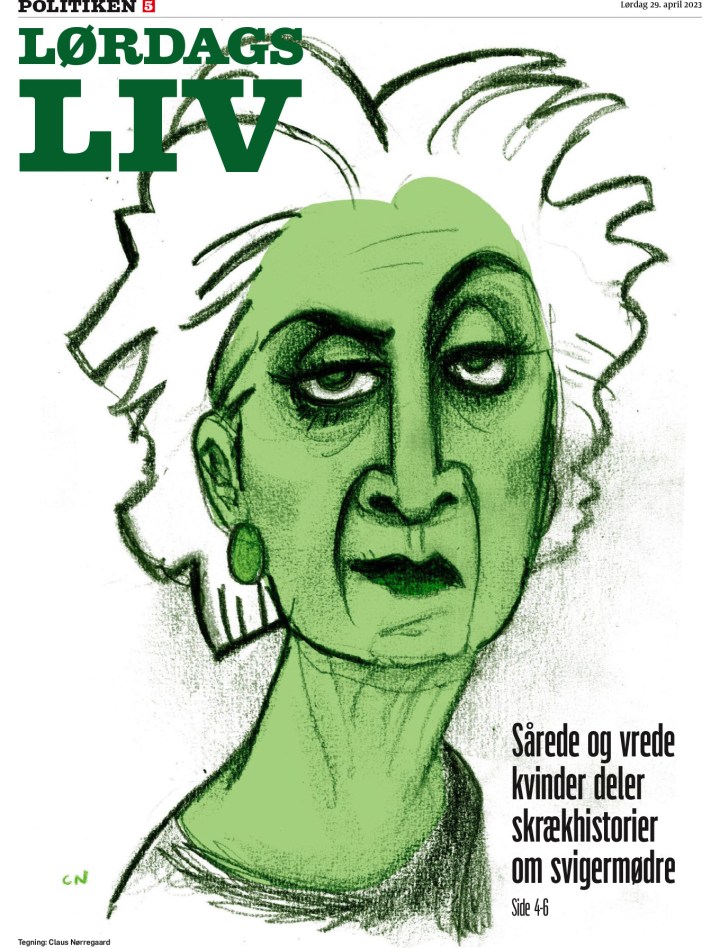
I will start with a variety of pages, all done differently: big photo, nice illustration, typography. They use such a variety of design techniques, but still remain clearly Politiken. Anyone who follows my Instagram will know I am a fan of Politiken.
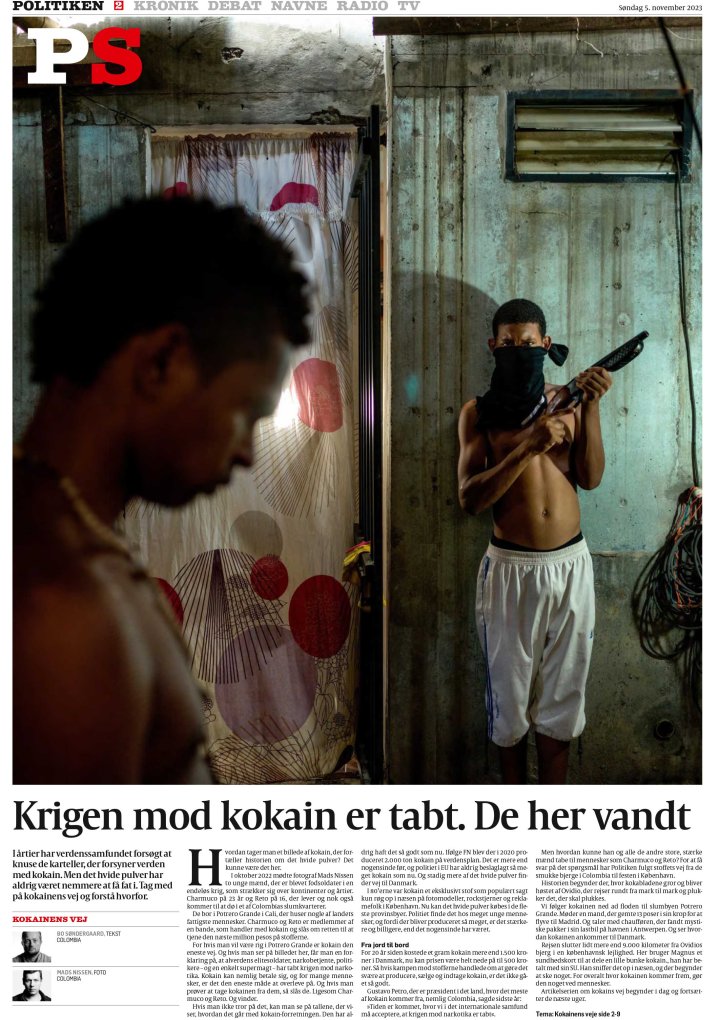
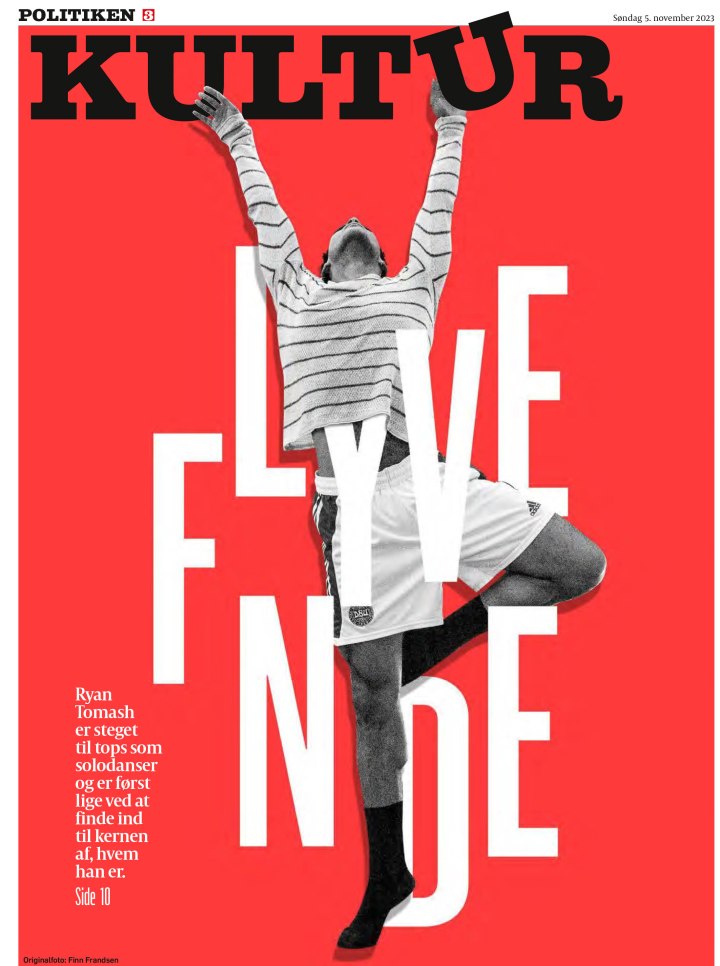
And a few more. I have shared more from both these publications in previous posts.
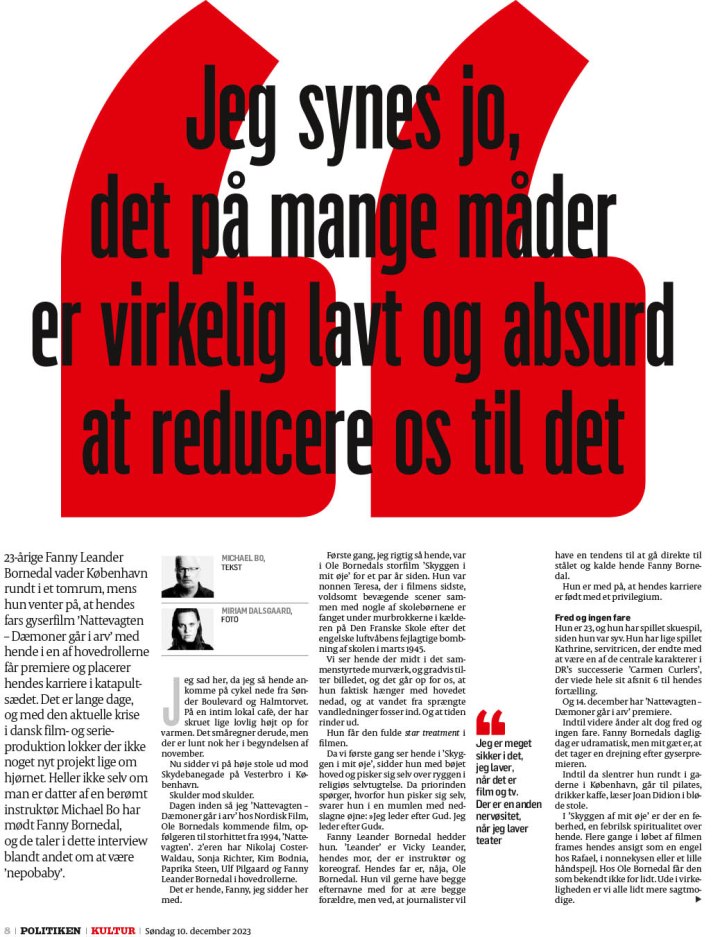
And now for the winners. Here is what the judges said they were looking for.

“We were seeking smart, lively publications that were cohesively designed. The ones that stood out had a clear vision and brand identity that was reflected in their typography and signature visuals. They had a strong sense of place and a clear focus on their target audiences. While we valued consistency, we were delighted to see surprises — places where extra planning, collaboration and innovative ideation was apparent. Maximizing the strengths of print presentation helped some rise above the rest. In our increasingly digital-first world, we applauded print’s ability to offer readers thoughtfully curated content that is both unique and rewarding.”

Weekendavisen

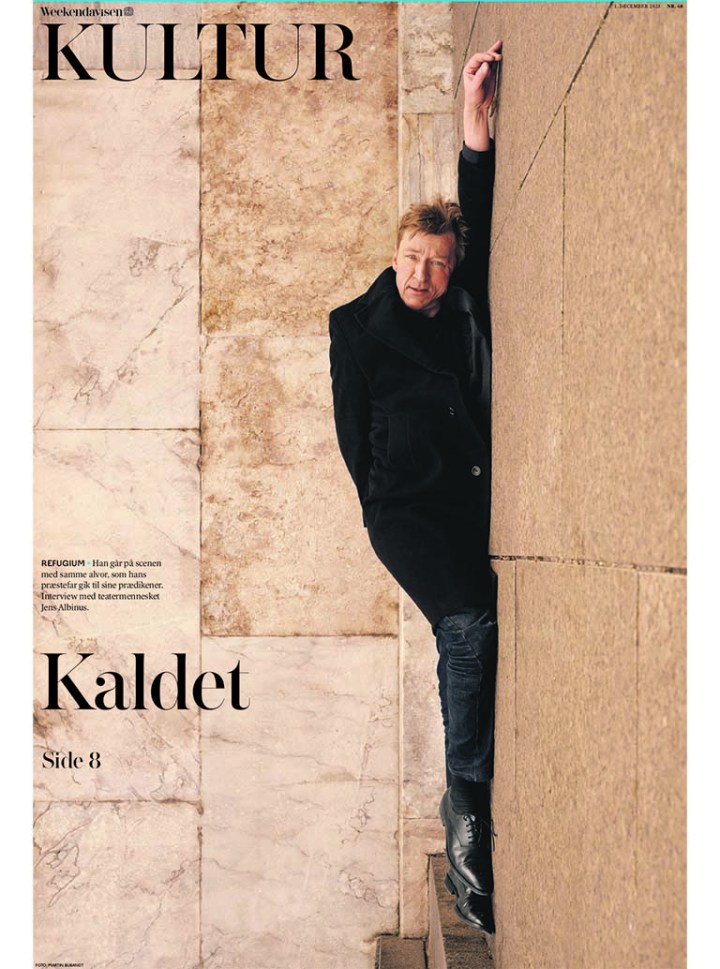
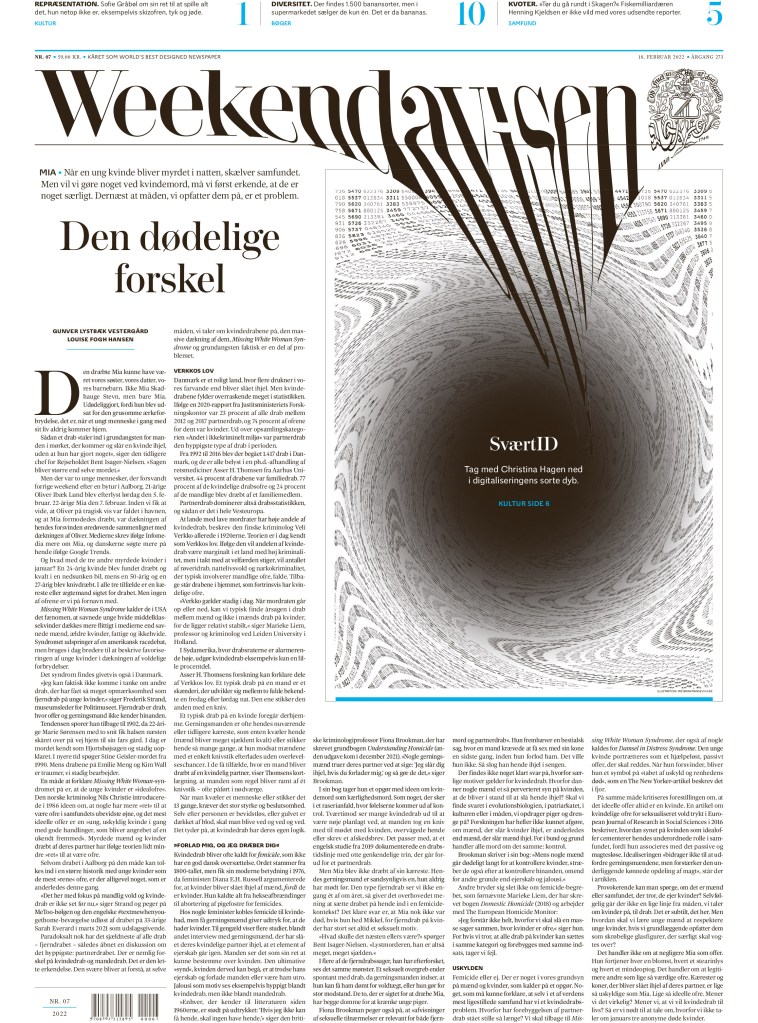
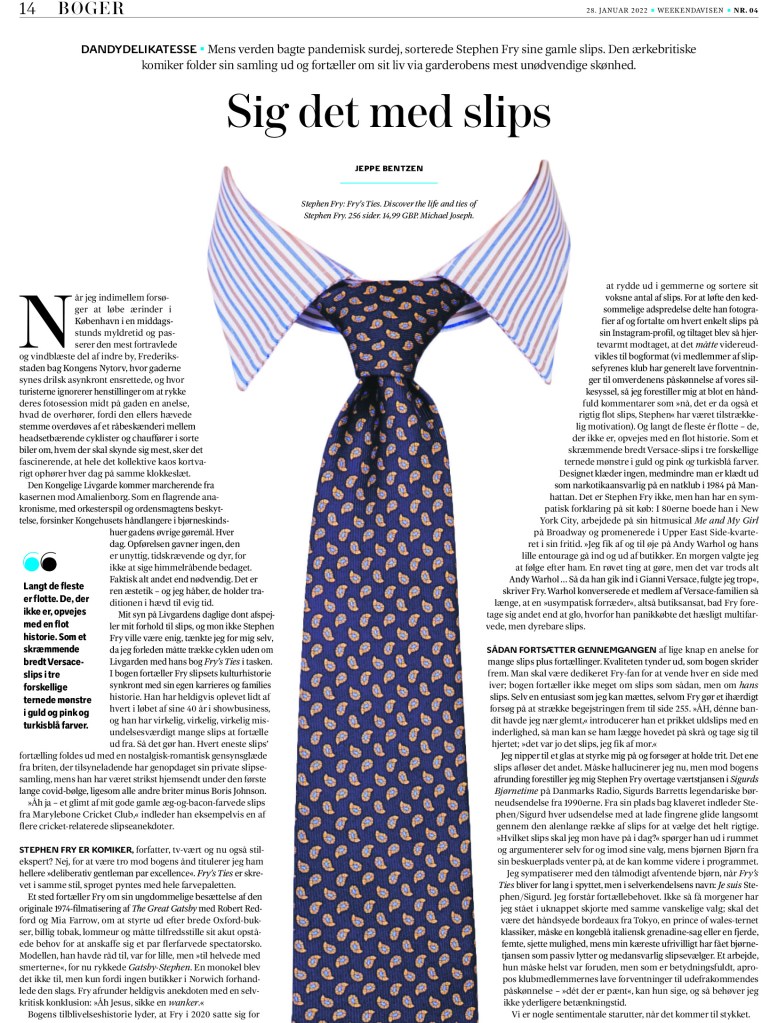
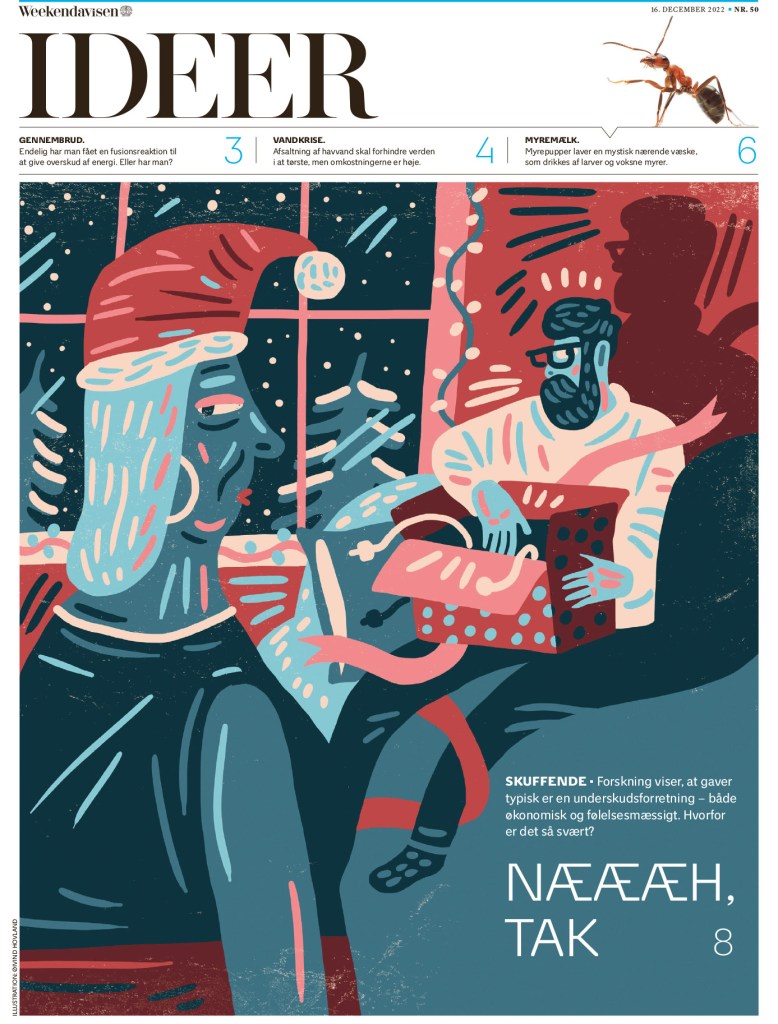
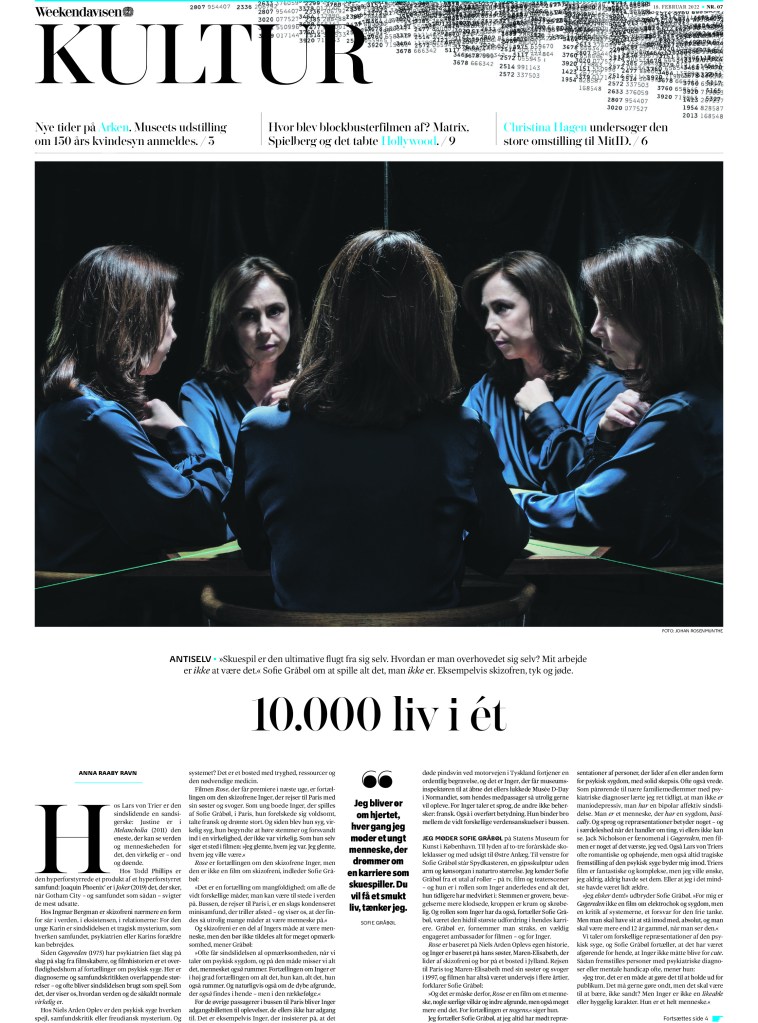
“Weekendavisen is a joy to read, with visual impact in all of the right places. The offspring of one of the oldest newspapers in the world, Berlinske Tidende, Weekendavisen offers its readers a contemporary feel, while adhering to its traditional roots. From front to back, Weekendavisen is a cohesive experience that is serious, evocative, innovative and playful. Its designers are not afraid to take risks. Restraint is the key to its success — nothing seems forced, always executed with purpose. Its many strengths include elegant typography, a carefully curated and restrained color palette, on-point illustrations and a sense of whimsy. The icing on the cake: Solve the puzzles on a smartly packaged spread.”

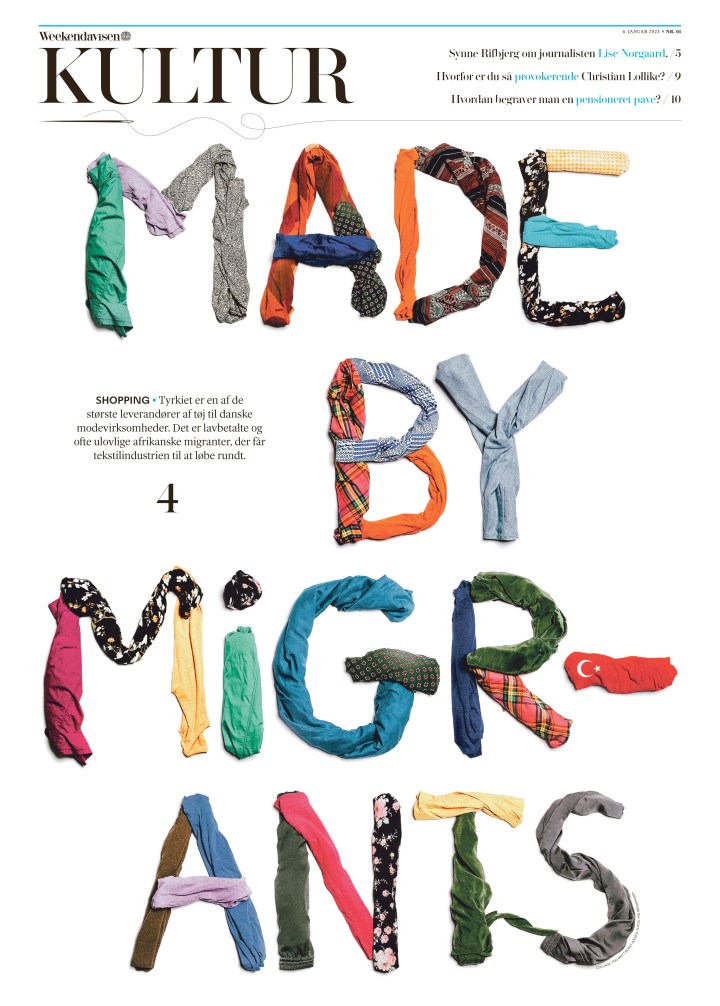
One of the similarities between the two winners is that they aren’t afraid to take chances. They make some very bold design choices, but one has to ask, are they taking chances if they succeed so often? Or do they just know it’s going to be great? These first to covers. Mind blown.
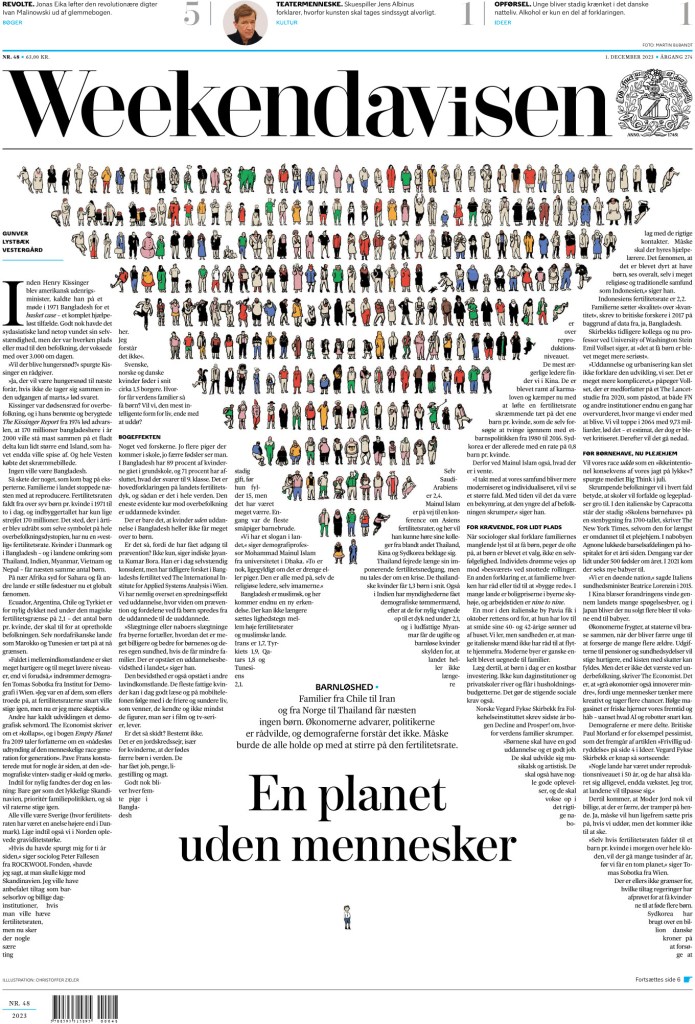
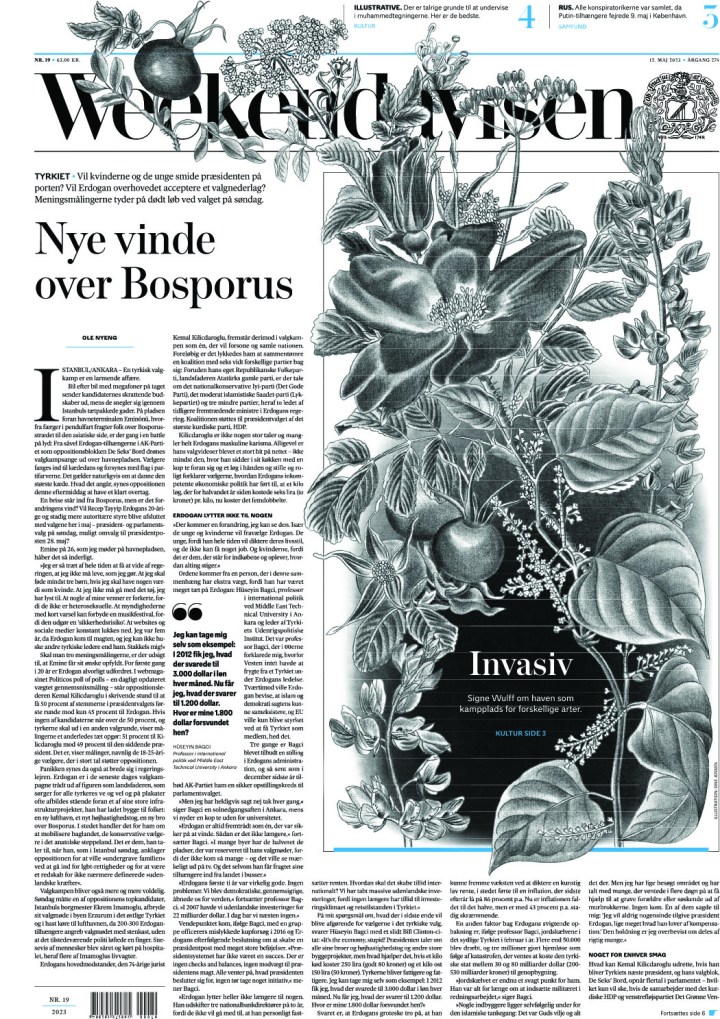
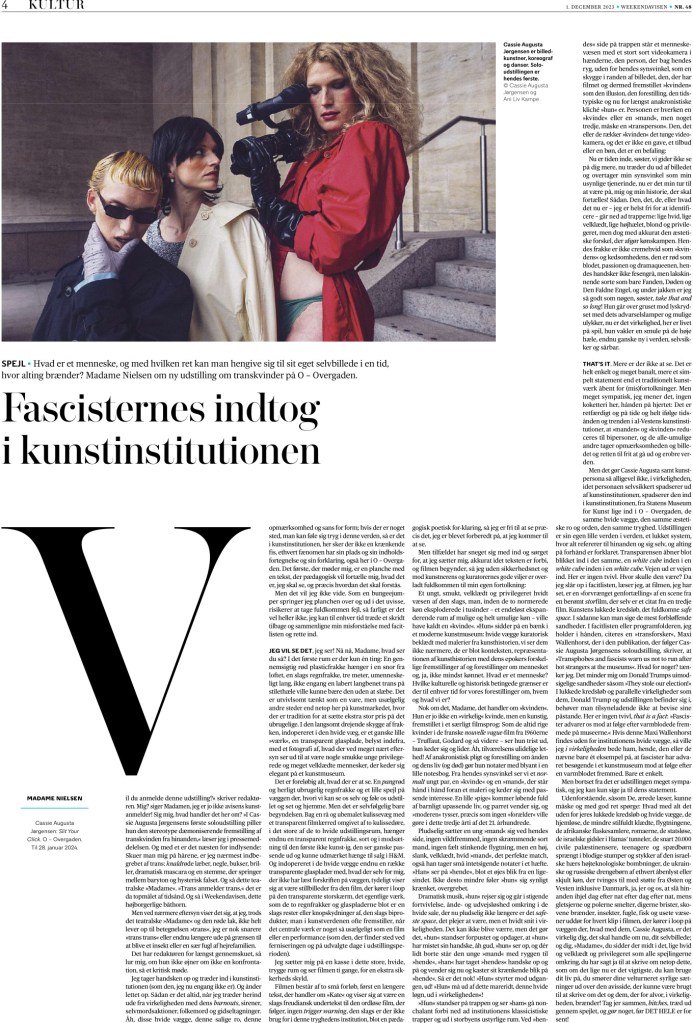
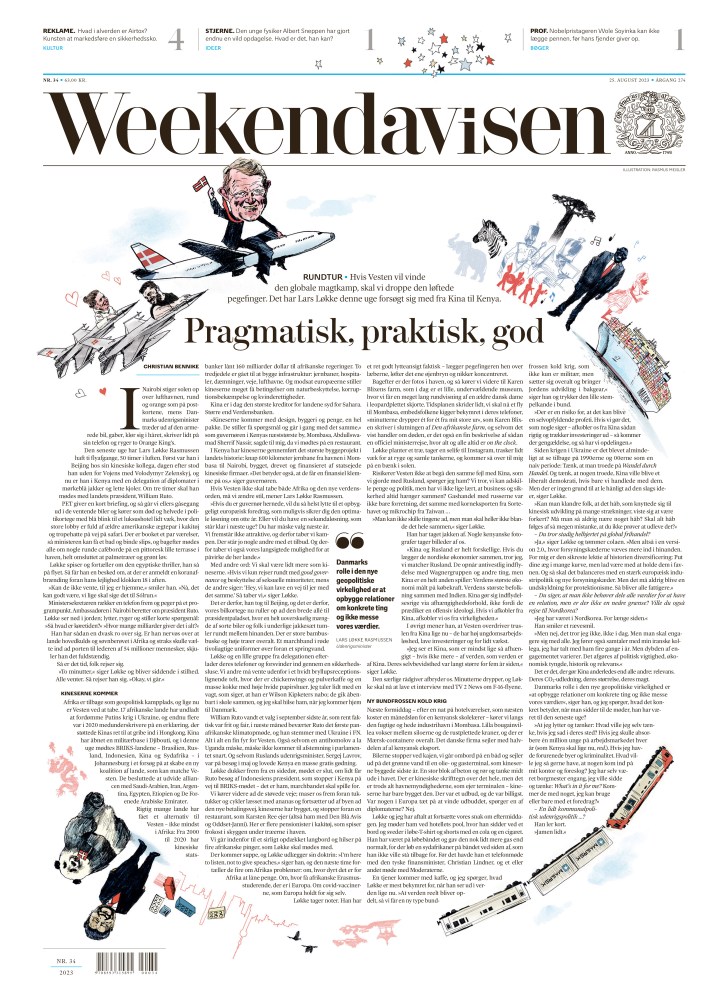
Both also use typography so well, in ways other papers might be afraid to try. You see a lot of that with Die Zeit, but here are a couple from Weekendavisen.
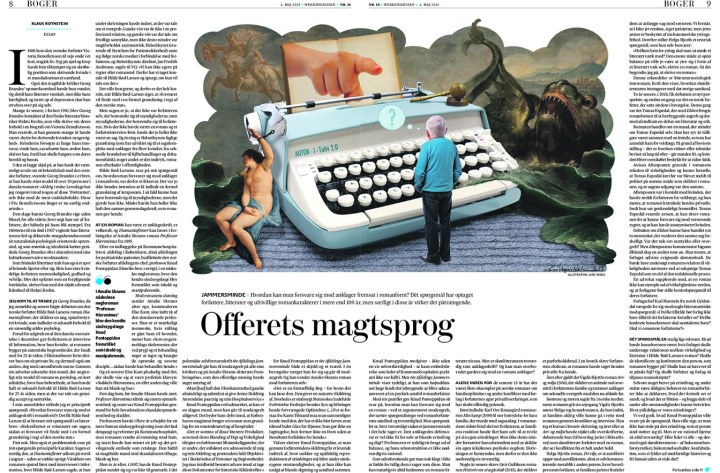
Here is an example of how to make a lot of text beautiful. I love this spread.
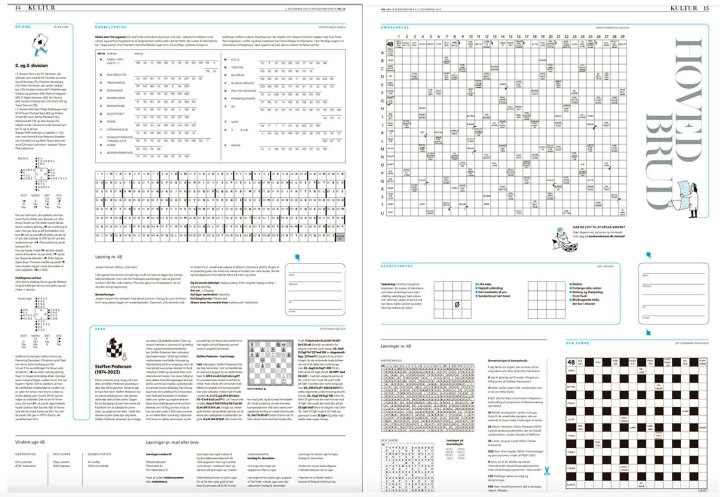
And of course the puzzles the judges loved so much! Image a puzzles pages being cited as a reason for a paper being chosen world’s best designed.
This is very much driven by the illustration, but this page caught my eye and I kept coming back to it. It’s one of my faves from Weekendavisen. A special shout out the illustrator, as I have used a portion of this as my feature image for this post.
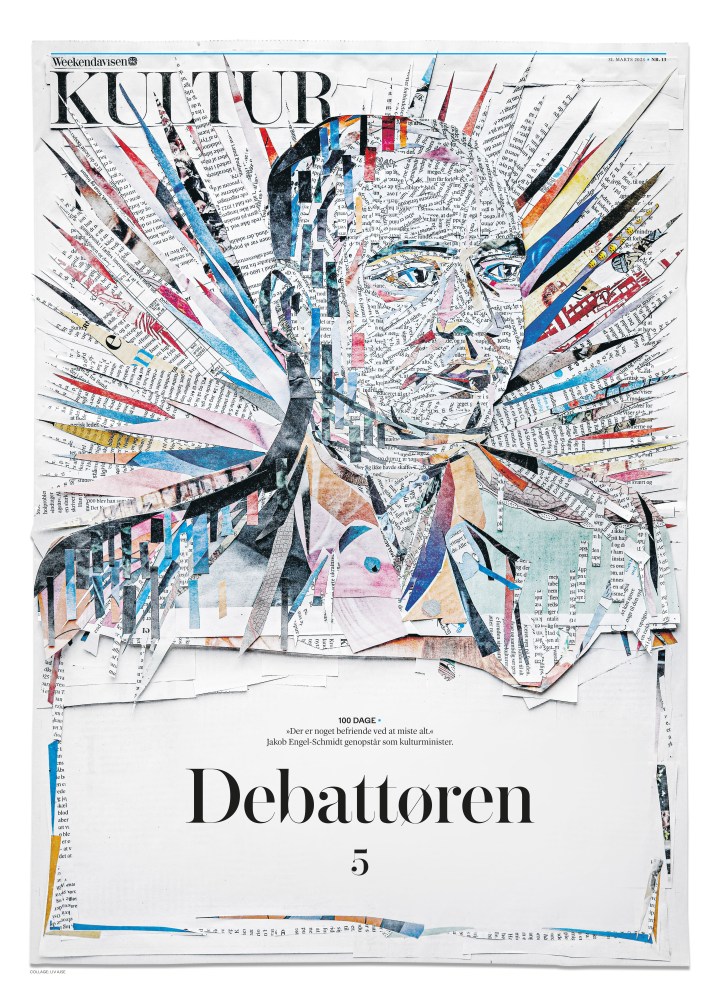
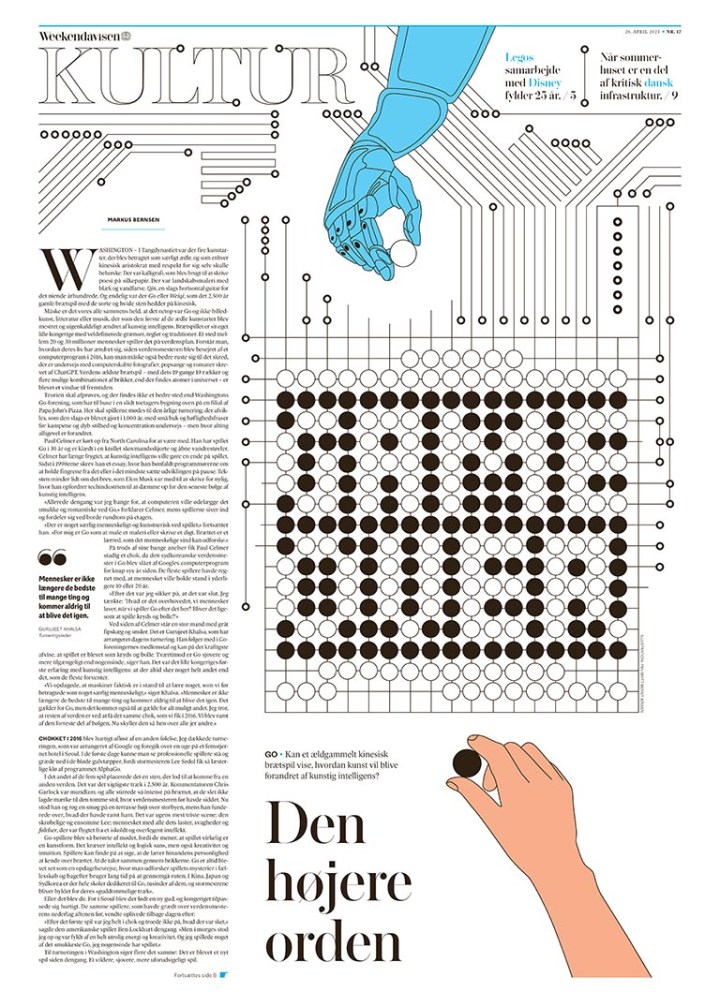
And here are a few more. You can see such variety in the pages, but still a strong design voice shining through.
Die Zeit

Here is what the judges said about three-peat champion Die Zeit.

“This is print storytelling at its very best. Every move made by the team at Die Zeit is rooted in intentional decision-making, restraint and surprise. Die Zeit continues to captivate by balancing long-form journalism with exceptionally smart illustrations, impeccable photo editing and beautifully placed typographic touches. Each page reveals subtle, layered details, as Die Zeit’s talented team surfaces delightfully subtle design nuances that engage a busy reader. The real superstar of the newspaper is what isn’t immediately apparent — the strategic use of white space to amplify the content.”

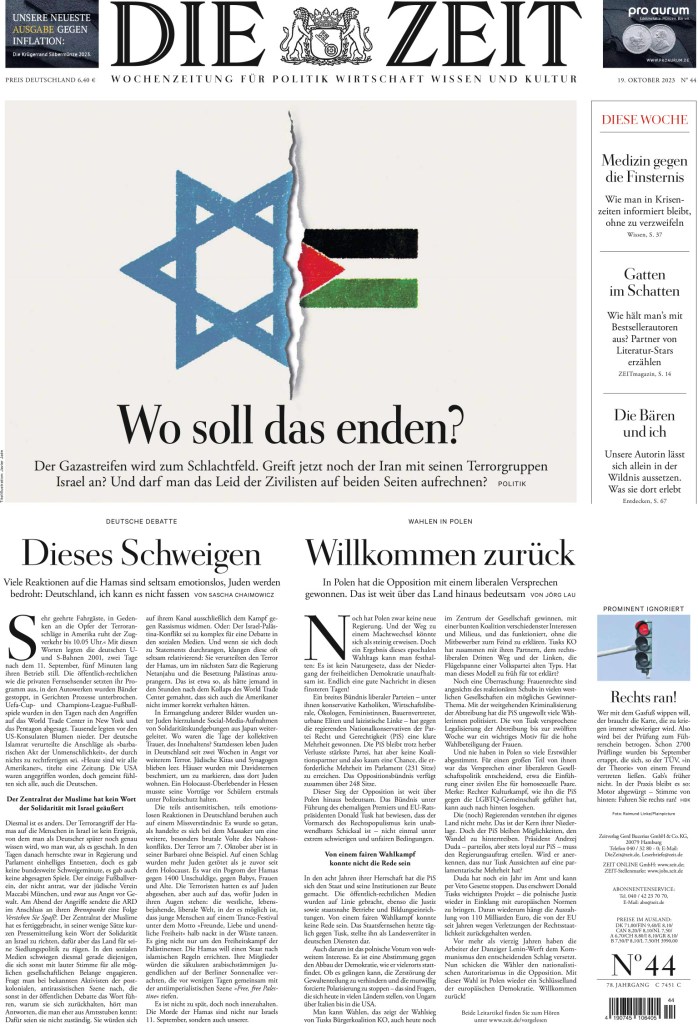
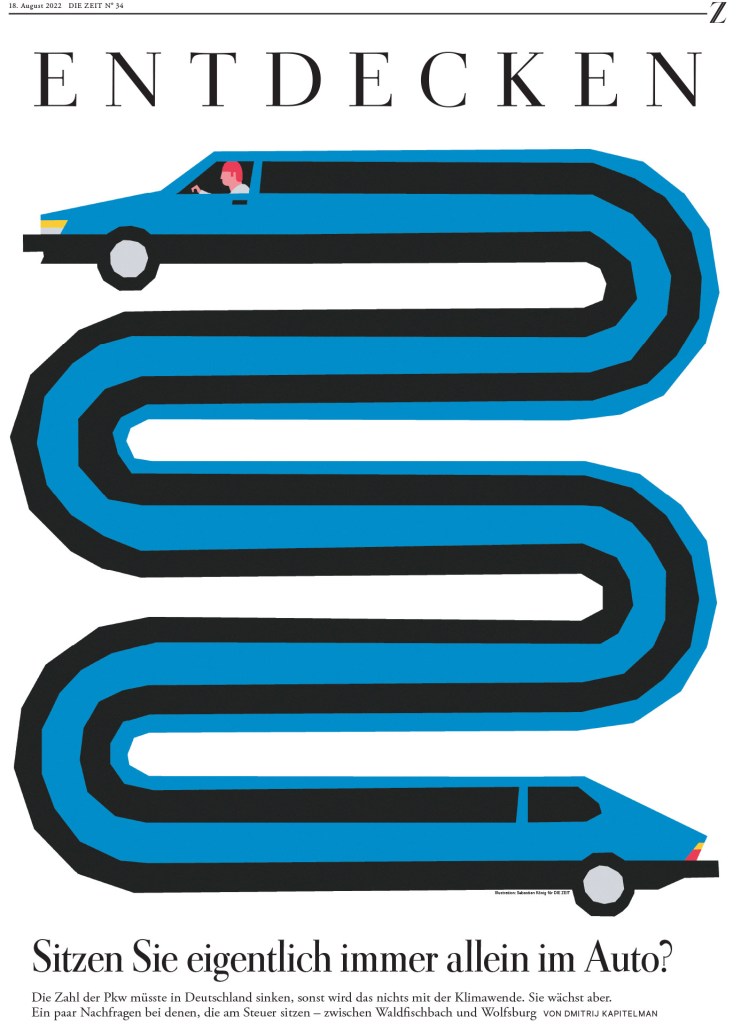
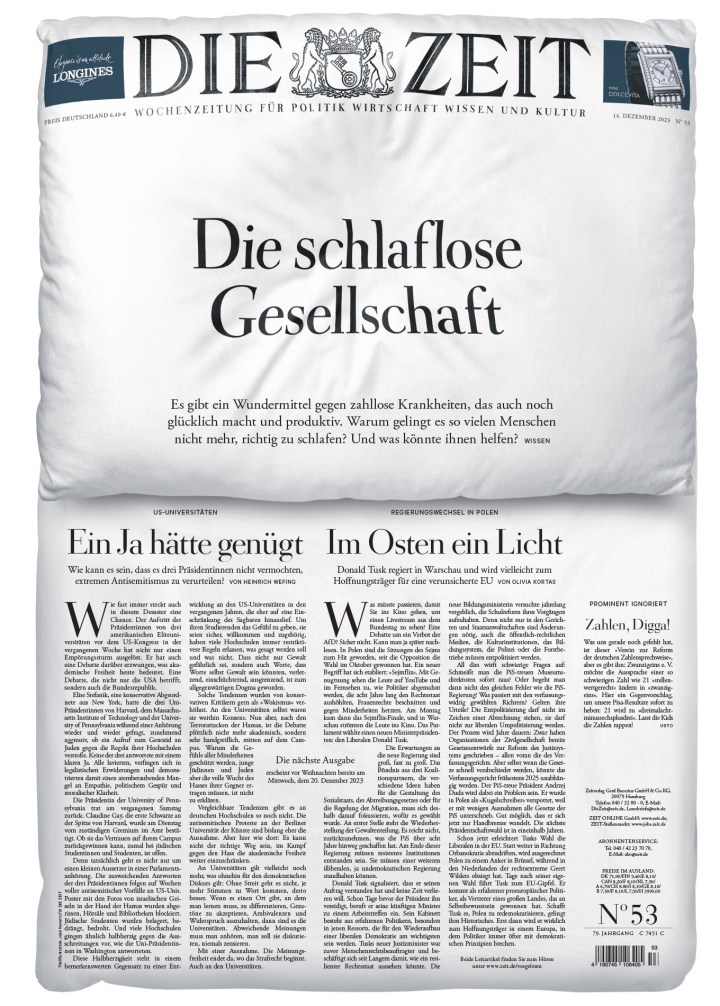
This is a front page. So cool, what else can I say? It’s so smart. Great concept and well executed.
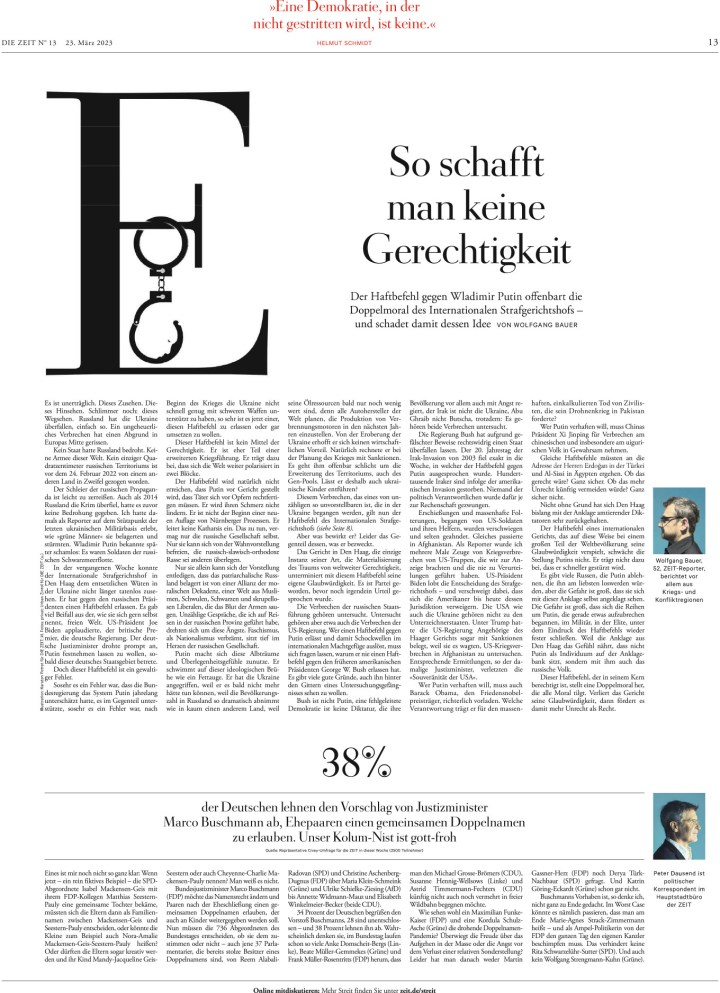
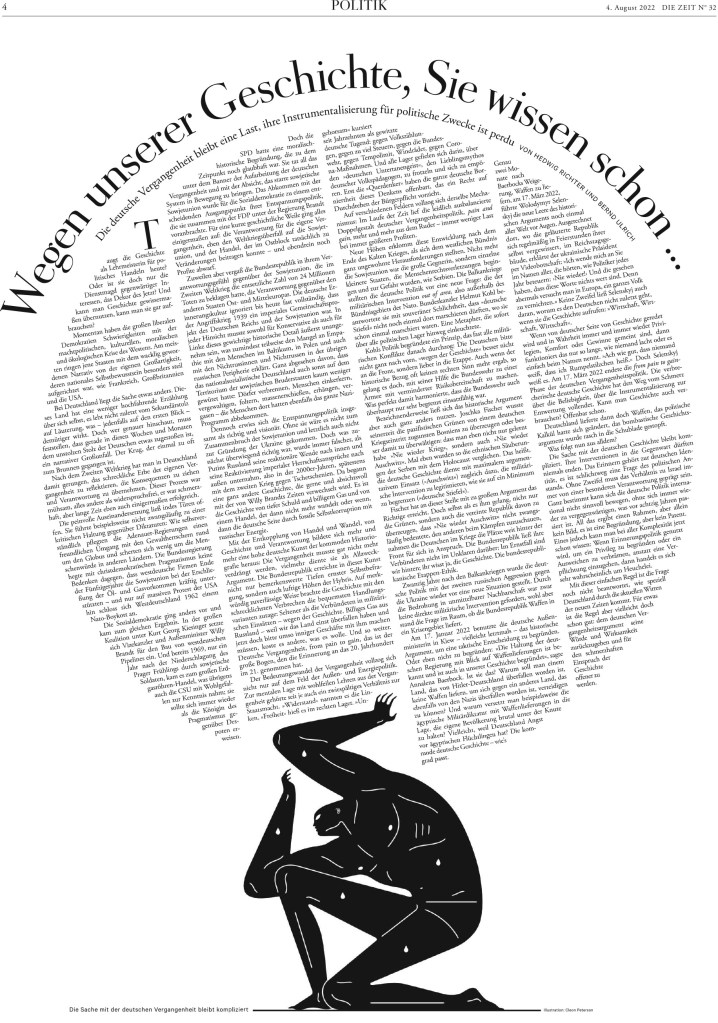
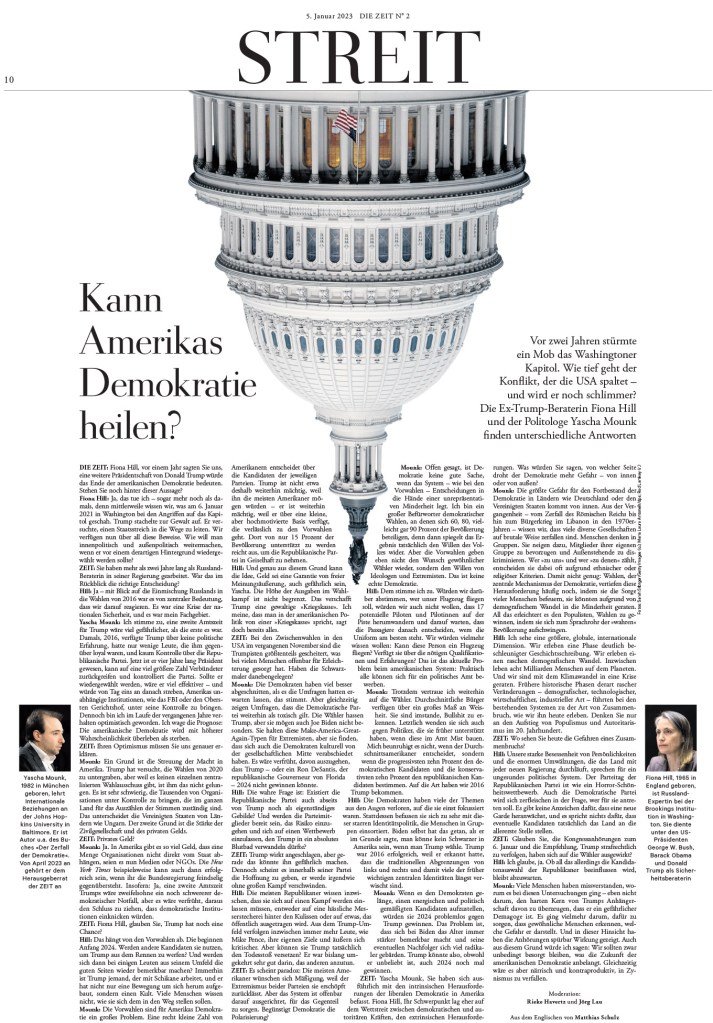
A smart use of the image and the play of the typography in the body copy make this page hard to look away from. It has a ton of copy. But it’s striking.
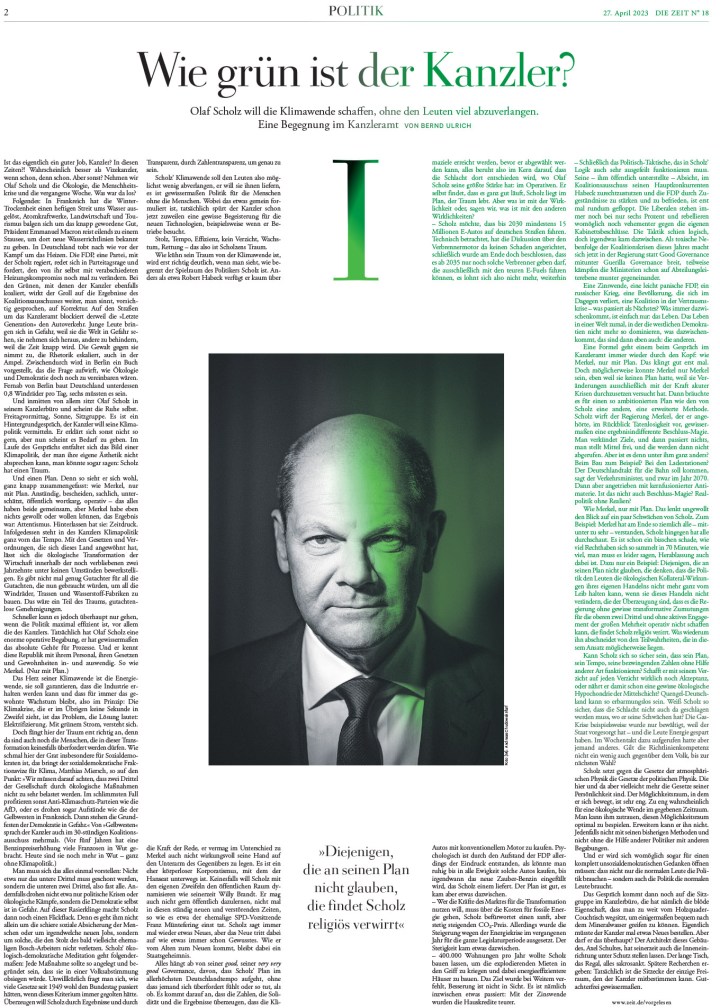
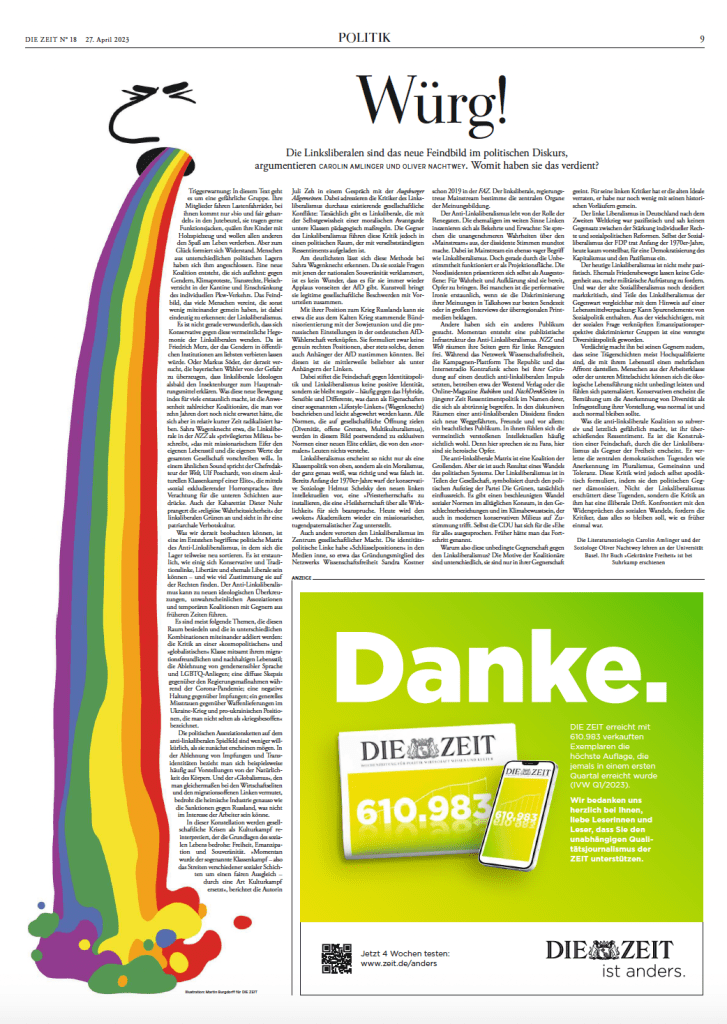
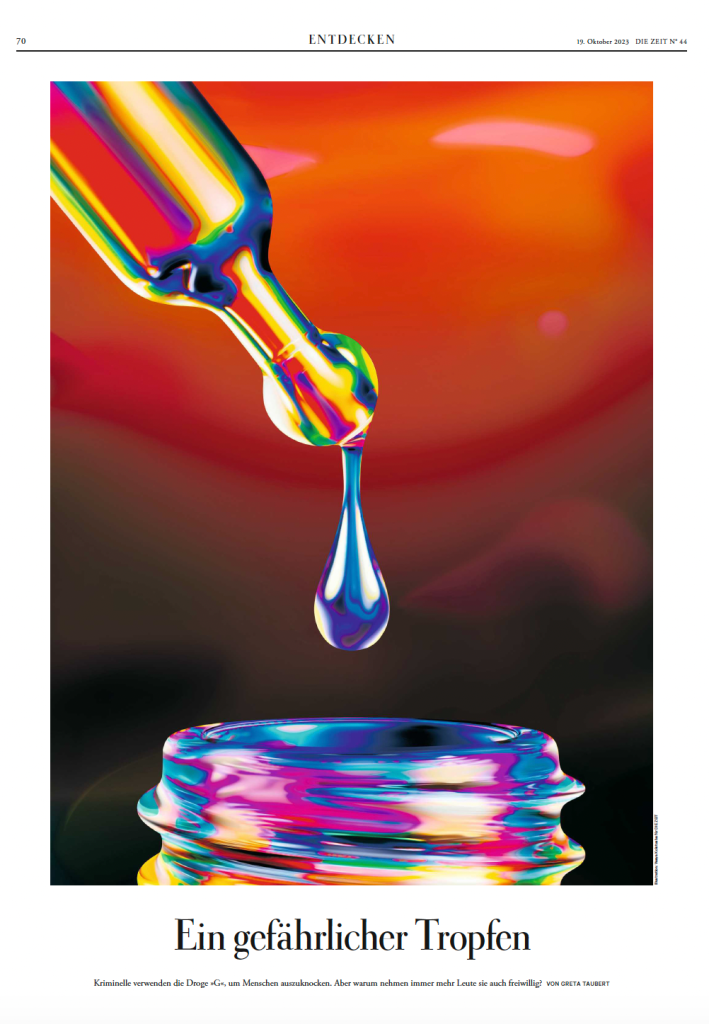
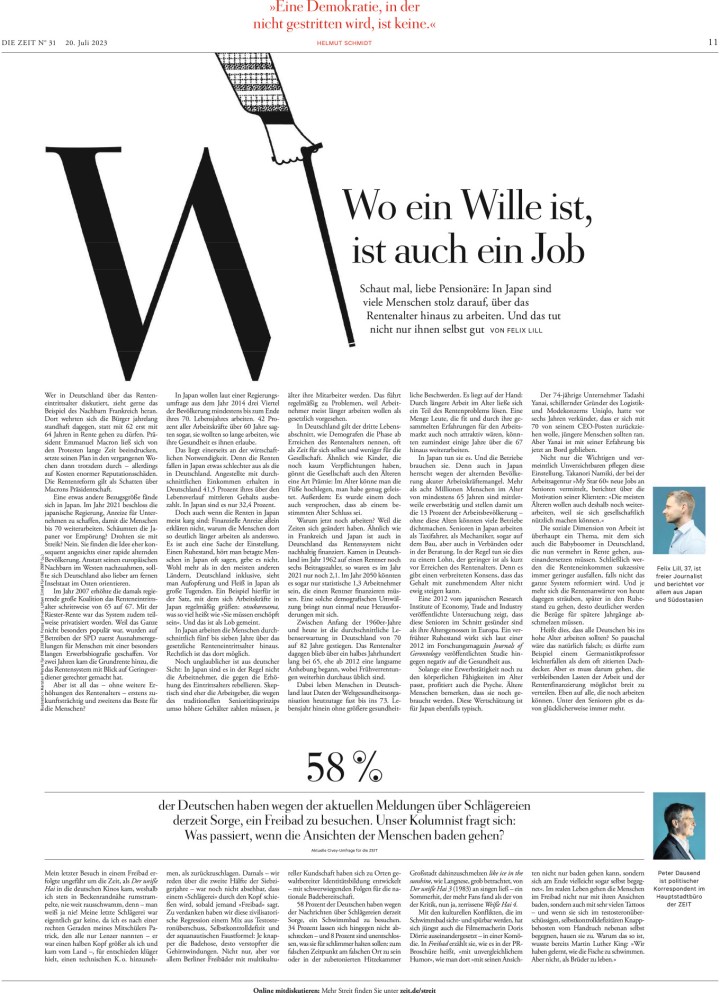
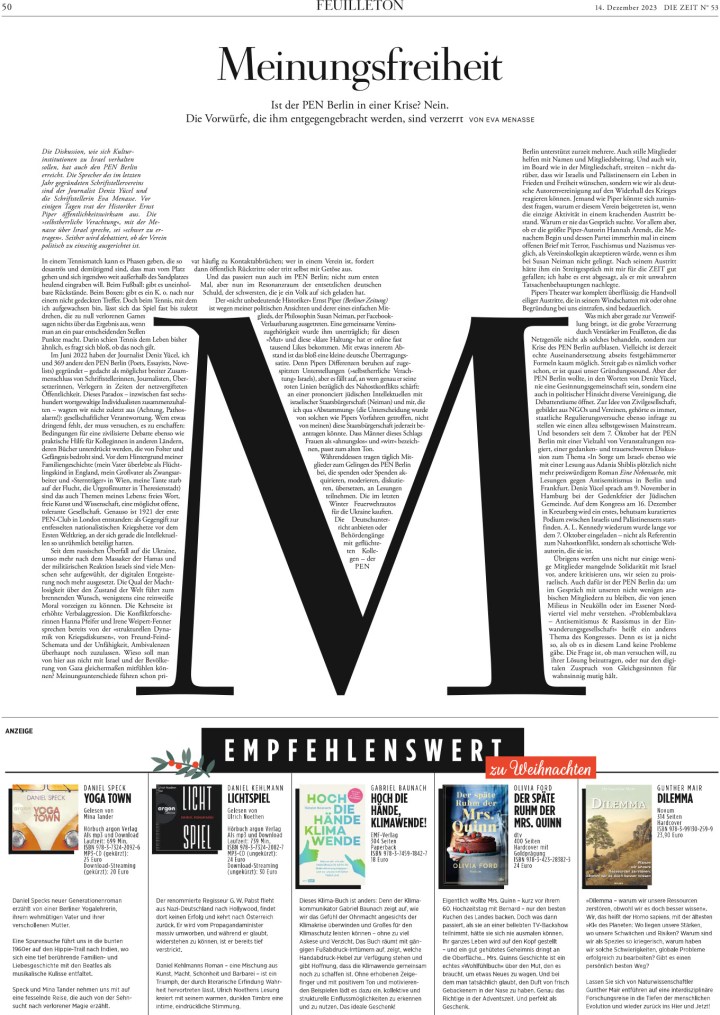
Nobody does bold and smart typography better than Die Zeit, in my opinion, and here are several examples of it.
This is such a strong infographic page.
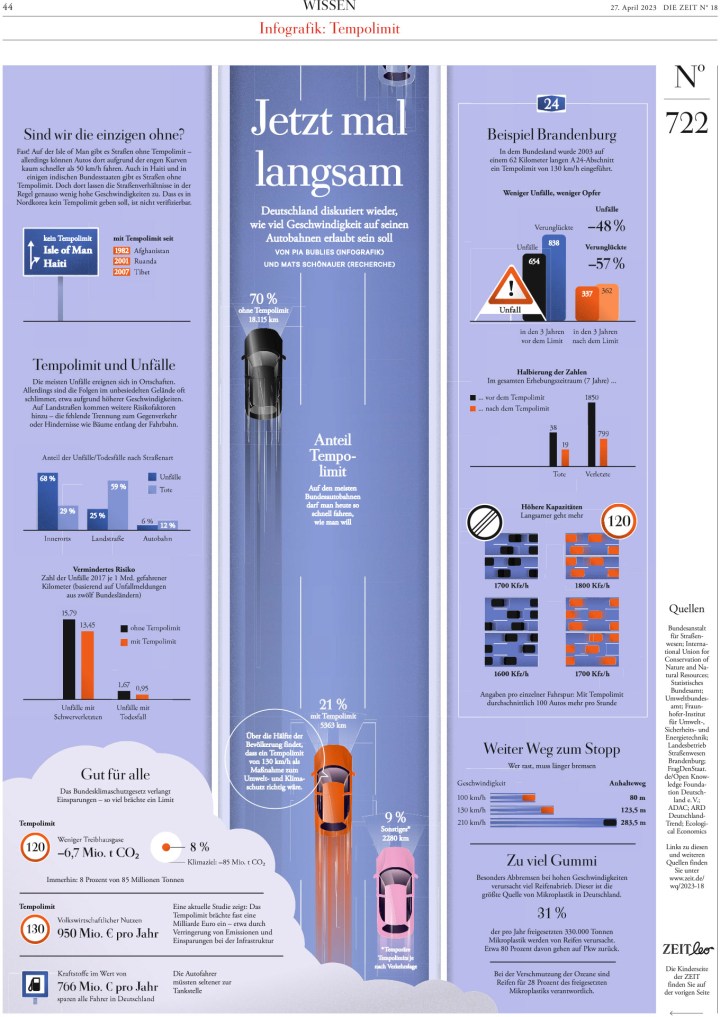
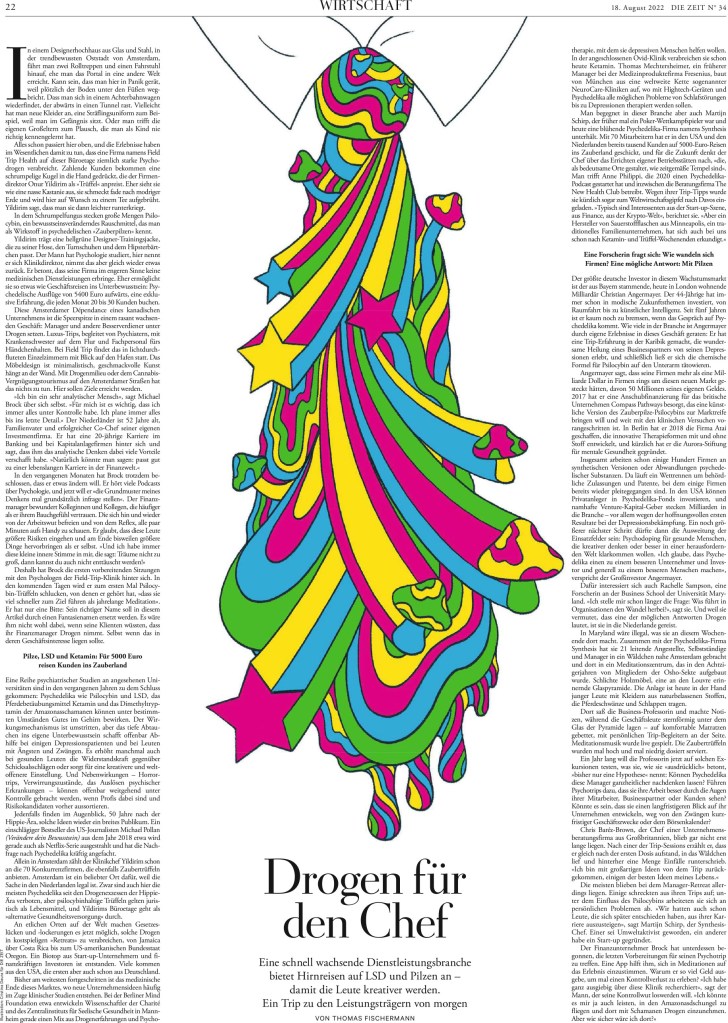
This page does so much well. Not only does it have a strong illustration, it doesn’t rely solely on that to create a compelling package, as we often see. There is a lot of page design going on to complement the illustration. Brilliant.
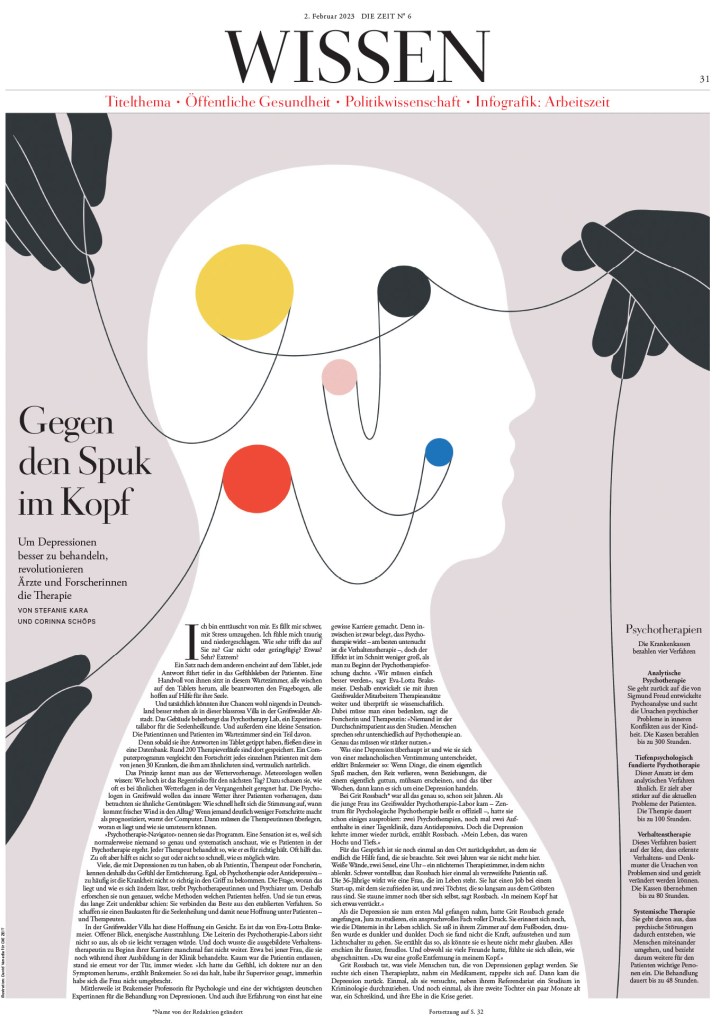
And a few more!
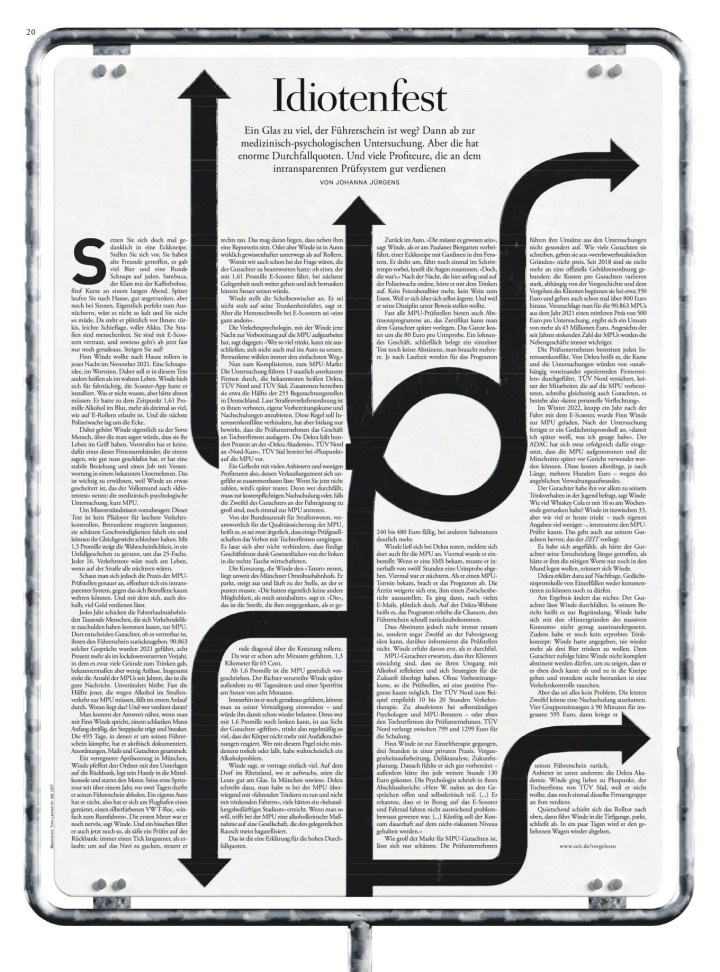
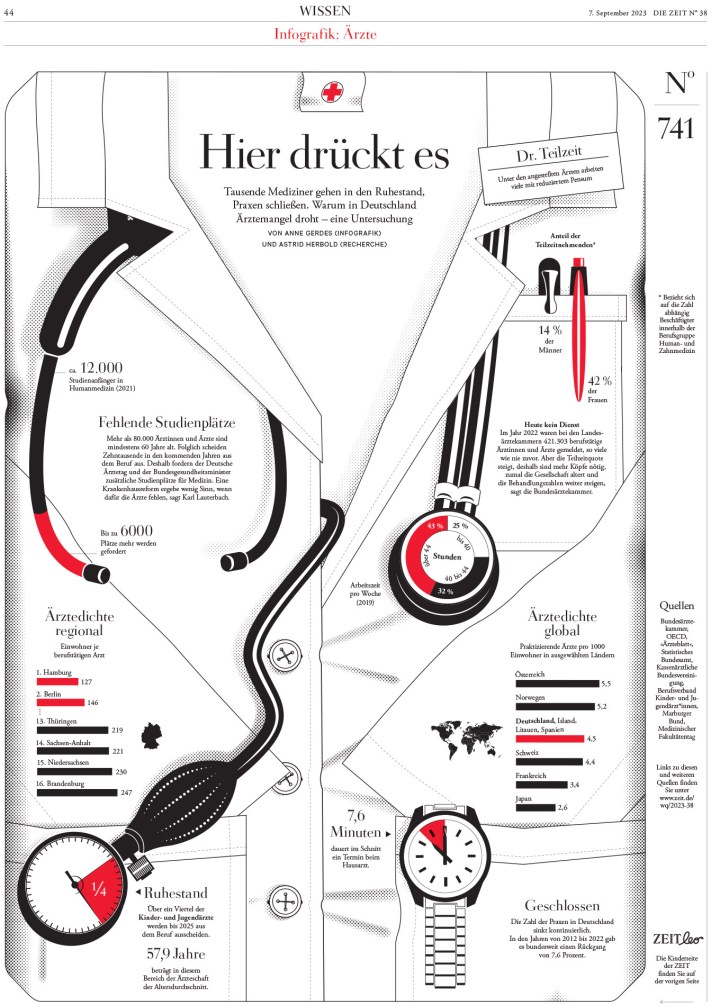
You can see all the winning pages here.

And that’s another year of SND in the books. Again, it was a great privilege to be a part of it. I always find it so inspiring, both looking at all the incredible submissions, including all those that didn’t win, but also listening to the judges.

More from SND45

The best from Canadian newspapers
The best from American newspapers
The best from the rest of the world
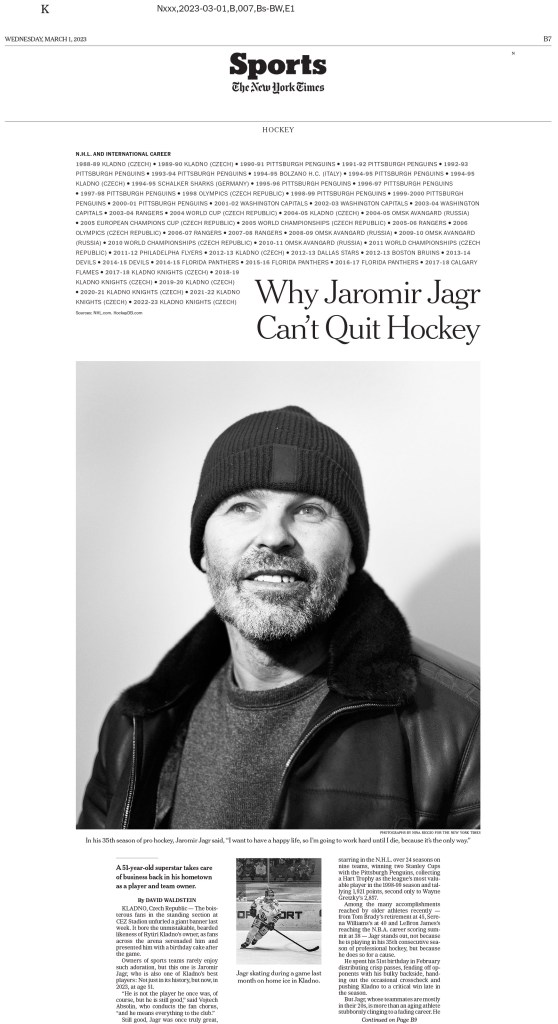
Use of black and white
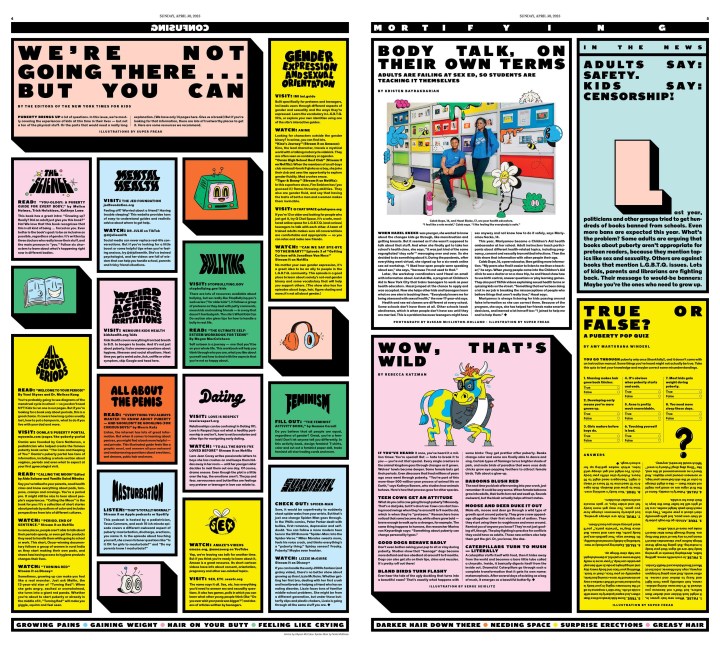
Dealing with tough topics
By Brad Needham

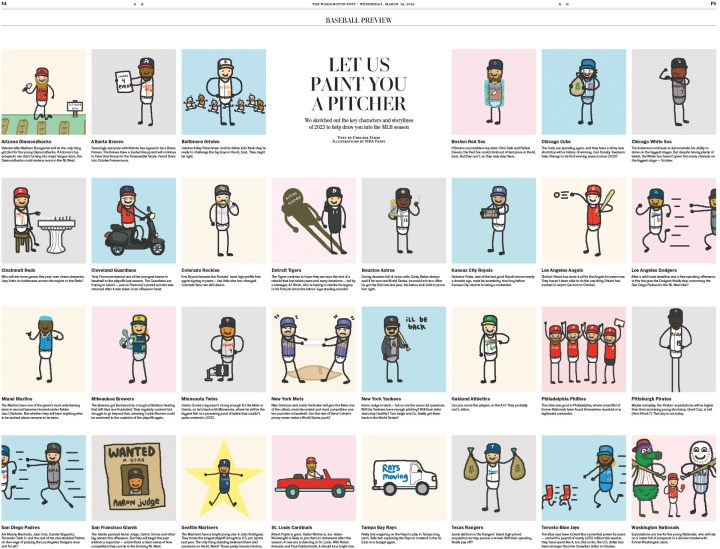
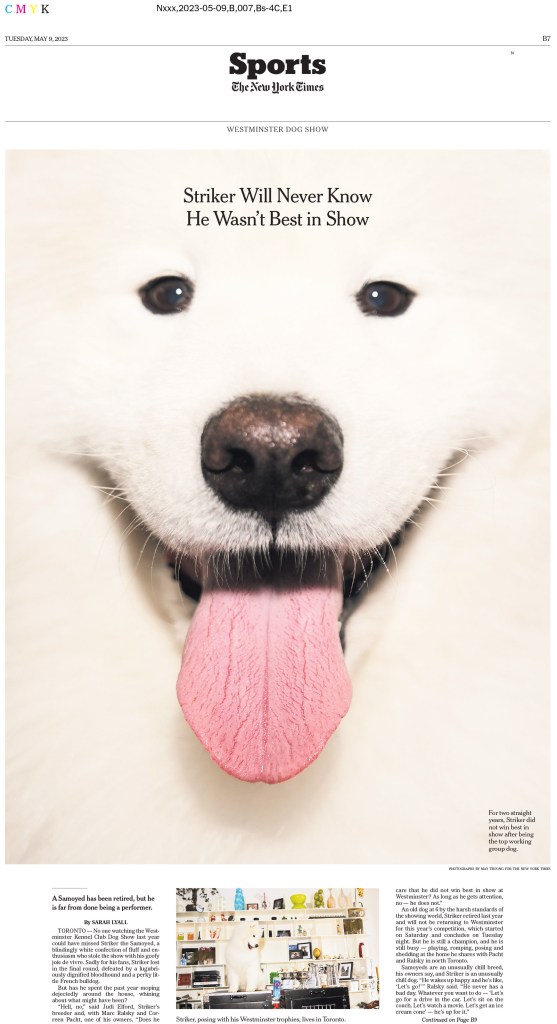
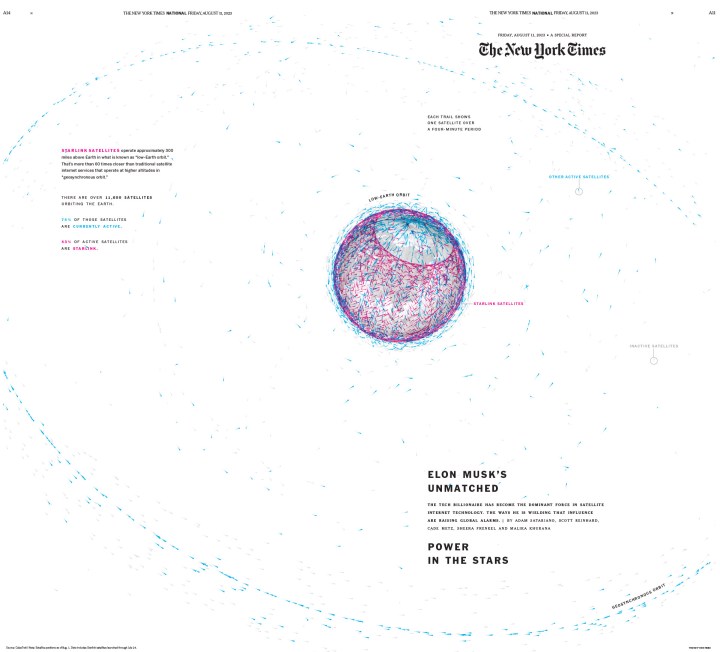
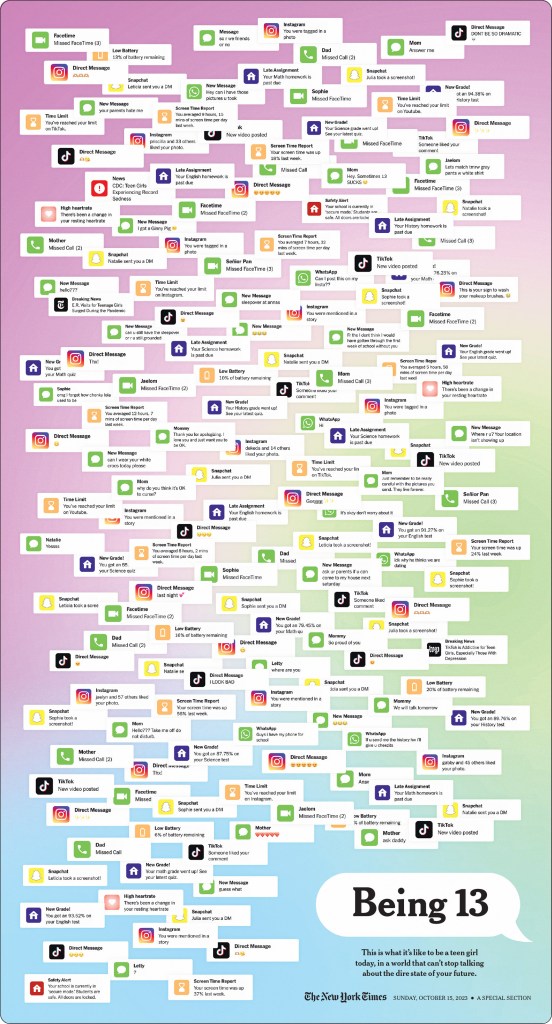
When it comes to the best newspaper designs in the world, the United States is always a leader. And at the Society for News Design’s 45th creative competition, that held true again. The U.S. has some incredibly strong contenders, usually led by The New York Times. Funny thing about the Times. If you have only ever seen the front page, it might surprise you to know they have mind-blowing, colourful, art-driven designs throughout. The often-not-so-grey lady led the competition again this year, with well over 150 awards, including nine gold medals (!!), which tied its gold total from last year.

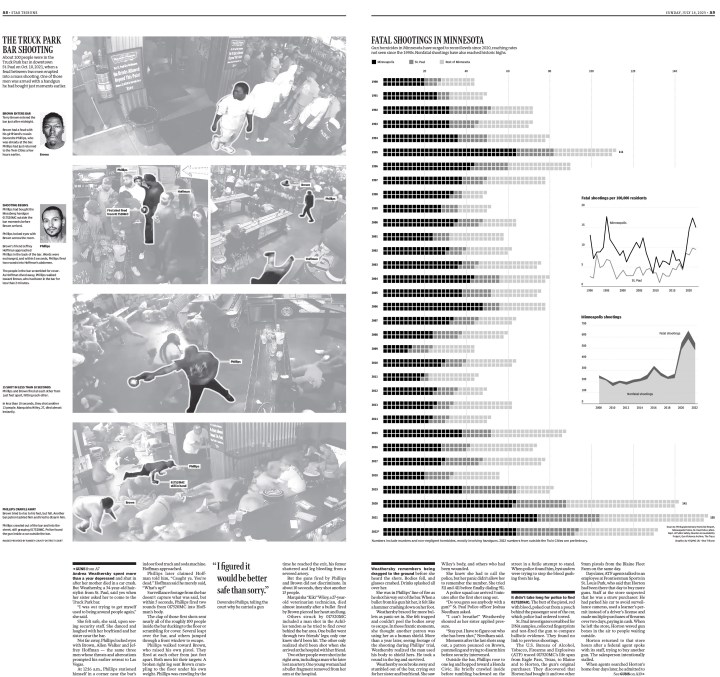
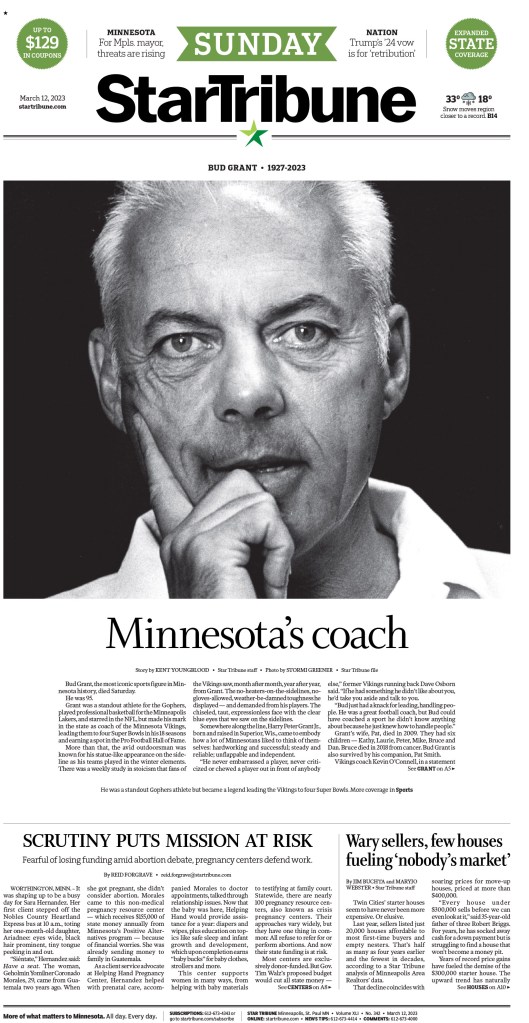
Some of the other big players in terms of awards were the Star Tribune (Minneapolis), which finished second overall this year (!), The Washington Post and The Wall Street Journal. There are always solid entries from the Los Angeles Times and American City Business Journals as well.

Which leads me to my annual tradition before I get into the pages from the big winners. At SND’s competition, there are awards of excellence (three of five judges must agree an entry is truly excellent), silver medals (four of five judges must agree the work rises above excellence and stands above other AoEs), gold medals (all five judges must agree it stands out among silver winners and that it is nearly impossible to find a flaw), Best in Show (all golds can compete for this honour, and 75 per cent of judges agree it’s worthy), World’s Best Designed Newspaper (more on this in my next post) and finally Judge’s Special Recognition. This is for work that is outstanding in a particular respect not necessarily singled out in other areas of the competition.

This year I was again honoured to be a facilitator on the World’s Best team. As facilitator, I have no sway on the awards, nor can I participate in discussions. And let me tell you, it’s not easy as I have opinions! Which is why I created the Covers in a Dangerous Time Facilitator’s Special Recognition award!

Facilitator’s Special Recognition

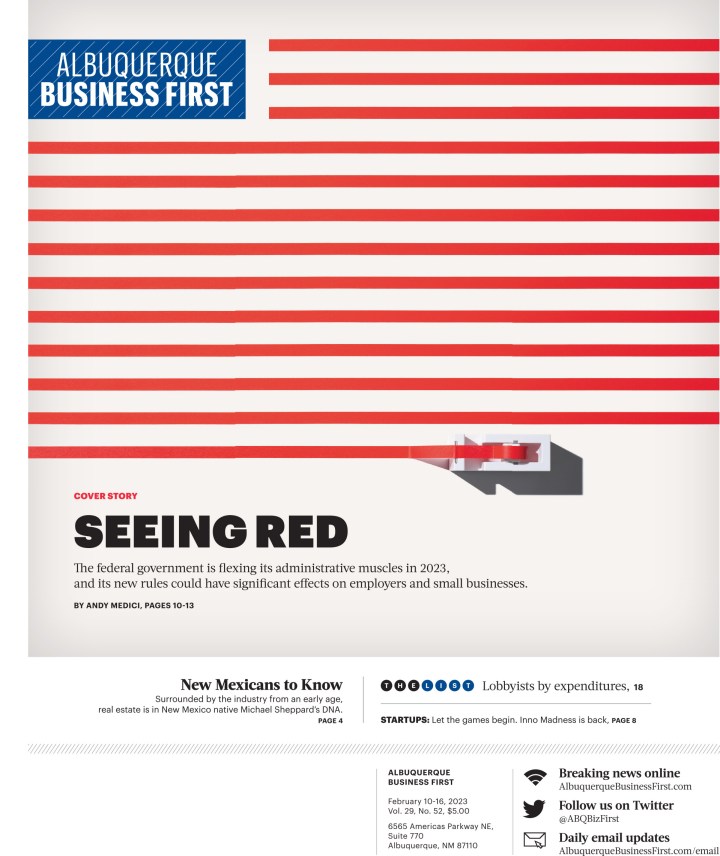
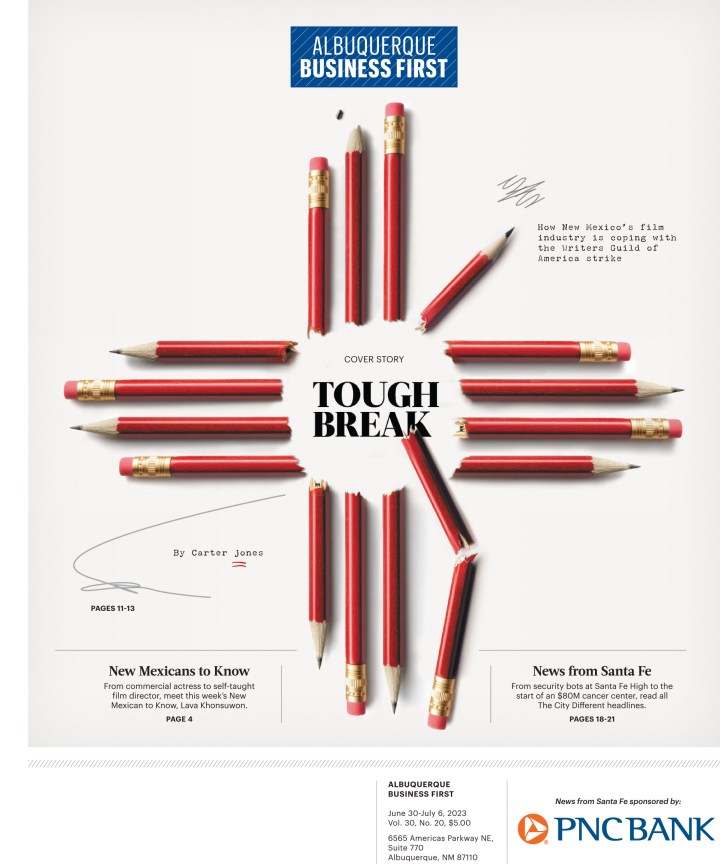
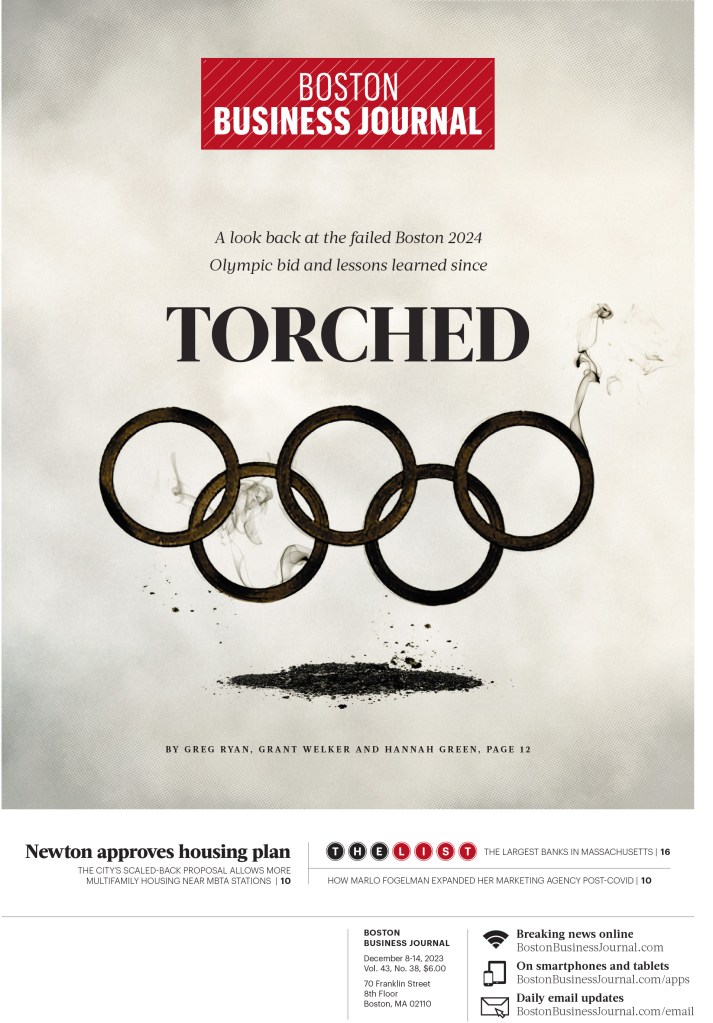
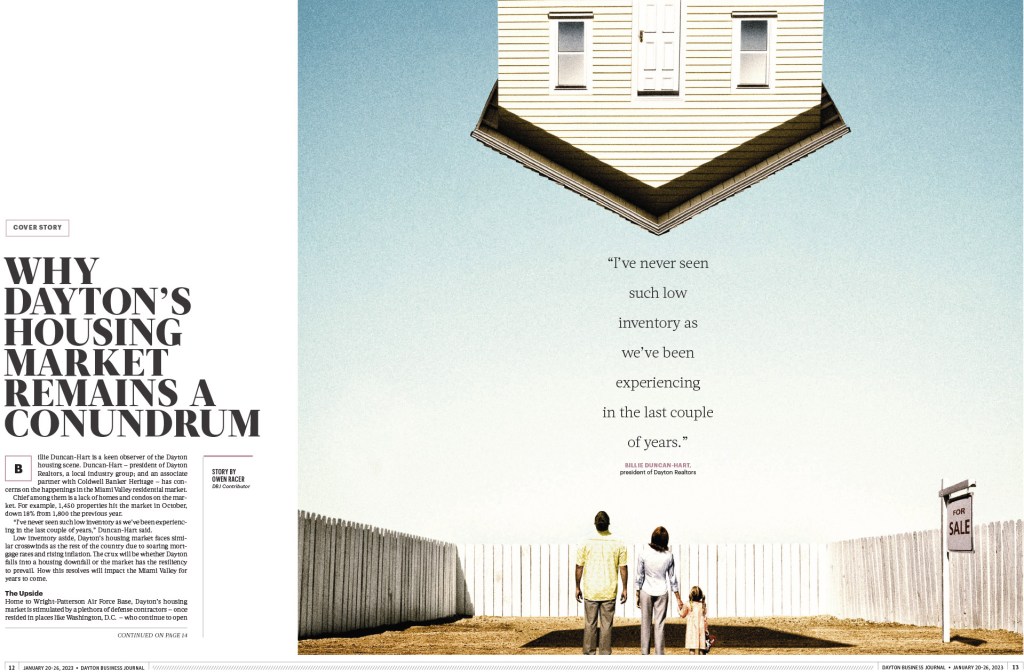
This year there is a tie! As the title of the this site implies, I tend to focus on covers (front pages). However, there were two non-related cover entries that stood out for me this year. The first is American City Business Journal inside spreads. They are stunning. Such a strong use of brilliant art/illustrations and beautiful page design. Here are a few.

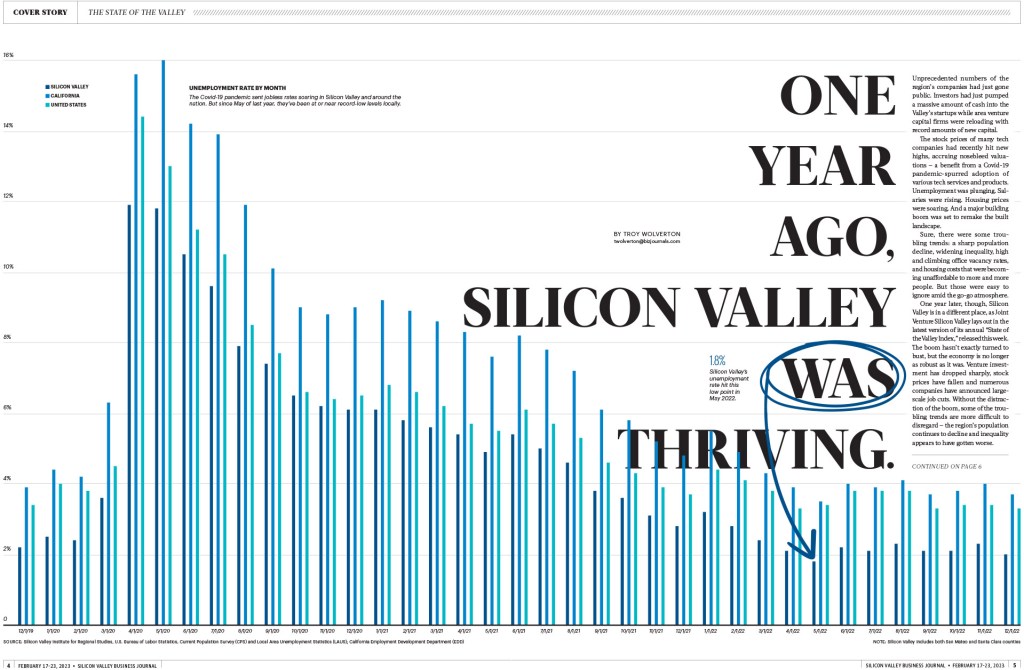
A bar chart winning awards? Yes! Thanks to a great design overall.

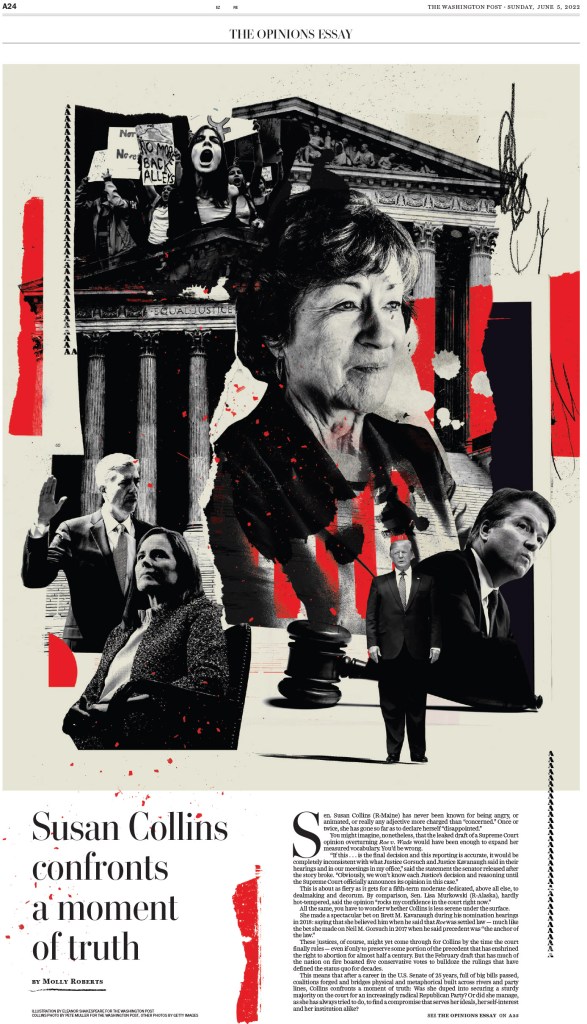
And then there is this Washington Post headline. It just to happens to be on a wonderfully designed and conceptualized page, but the headline. I feel like the page was decided on after someone came up with this headline. As someone who has always been on both the design and editing sides of things, something that mixes both is going to catch my attention.

And now for some more pages, starting with the big winners, but please keep reading/viewing, or even just scroll down to look at some of the pages from those that didn’t finish the top 10 or so, but still produced some brilliant work. First, the always mighty New York Times.

The New York Times

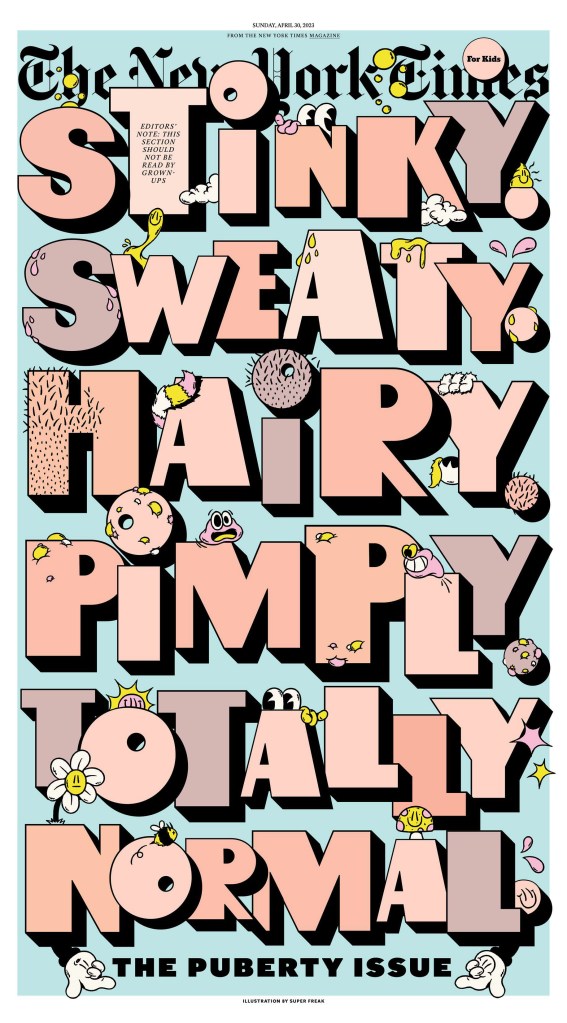
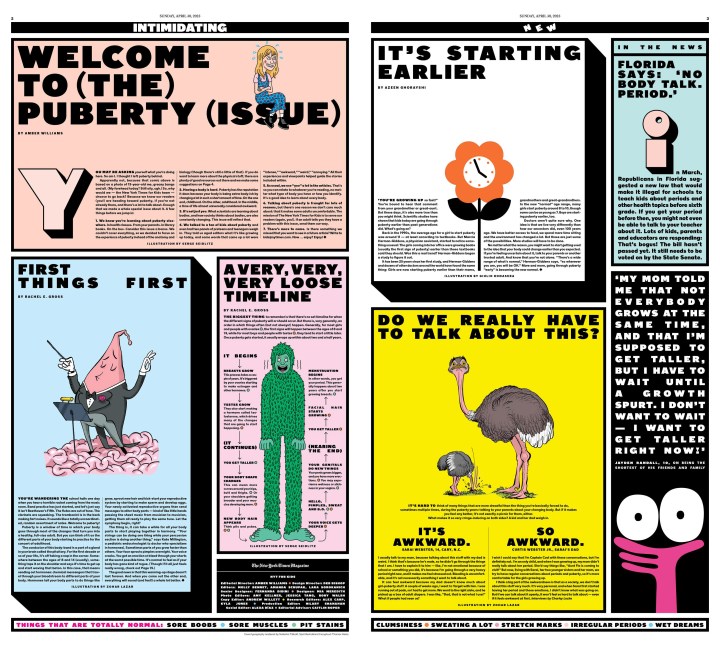
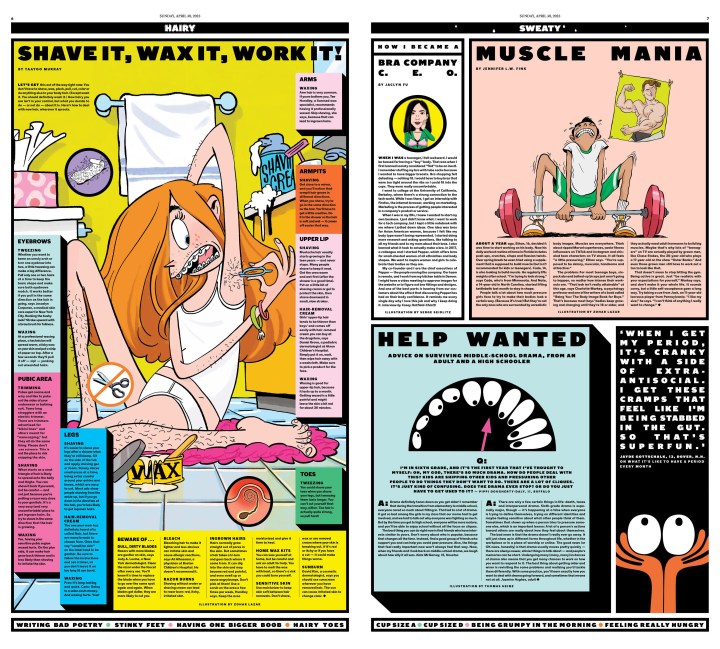
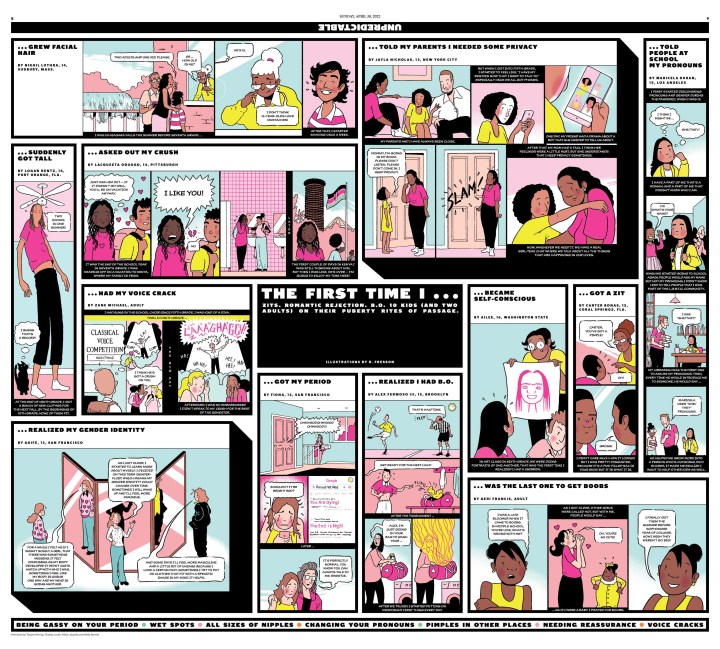
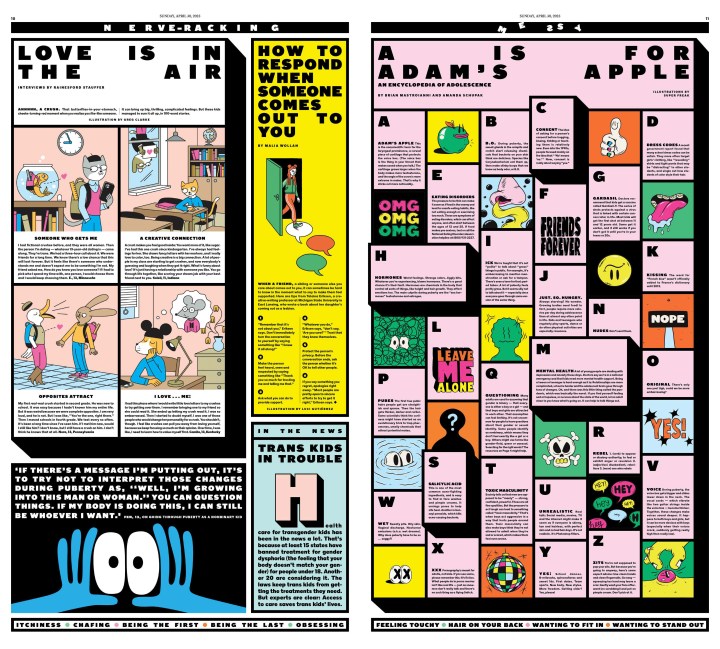
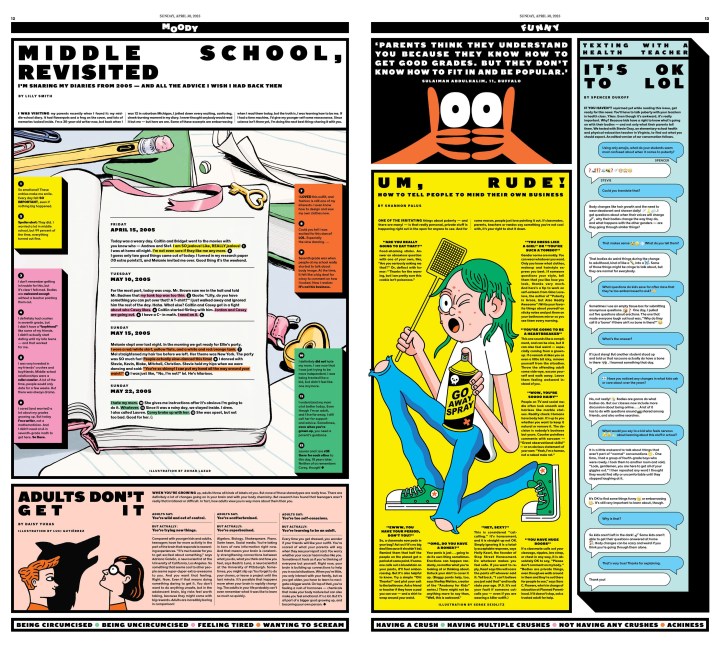
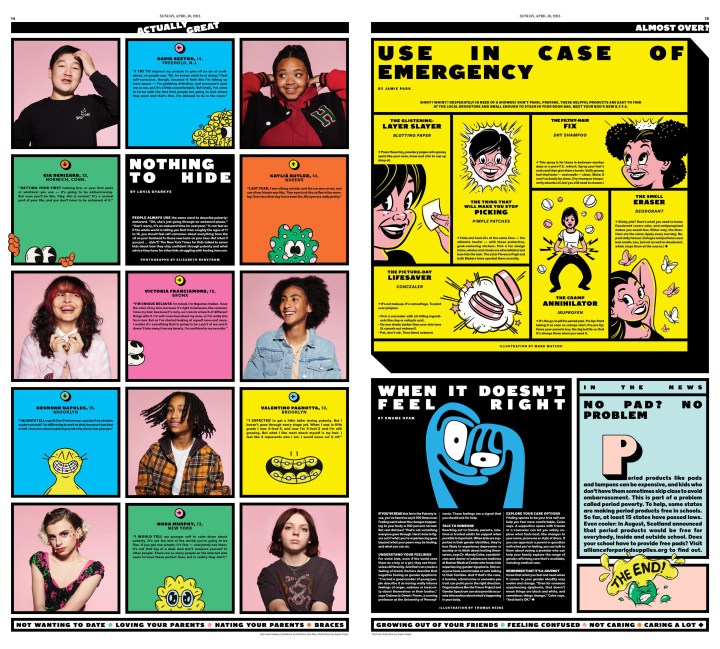
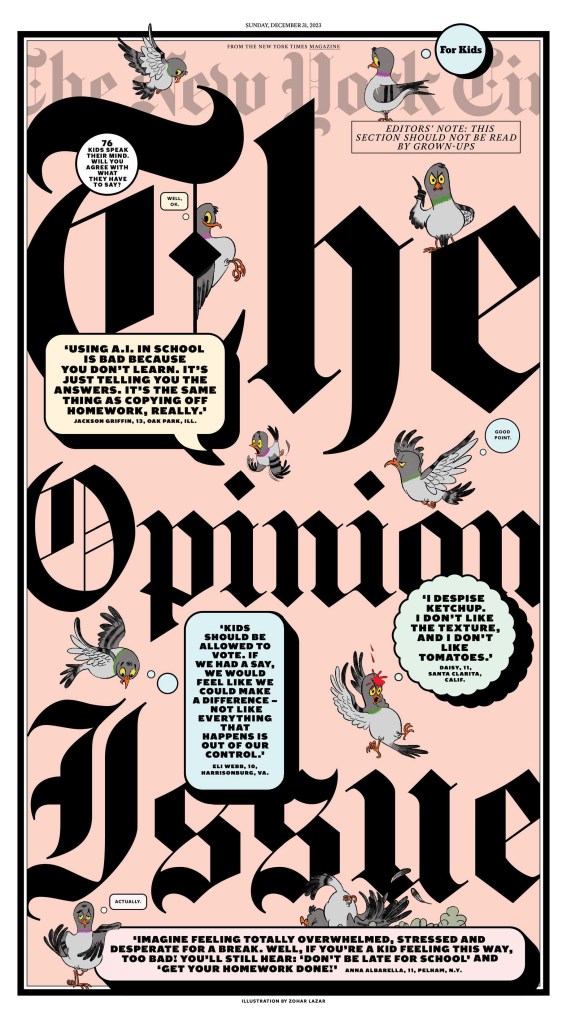
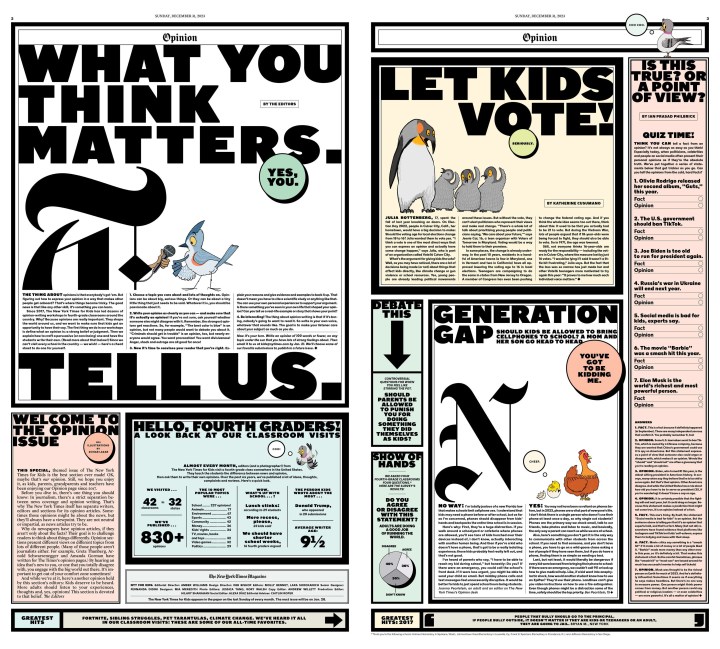
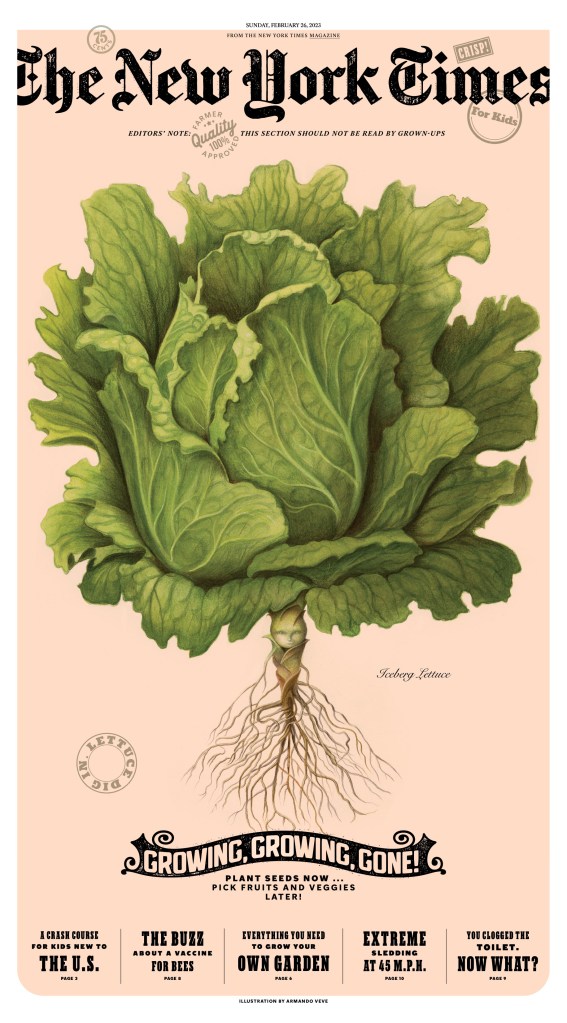
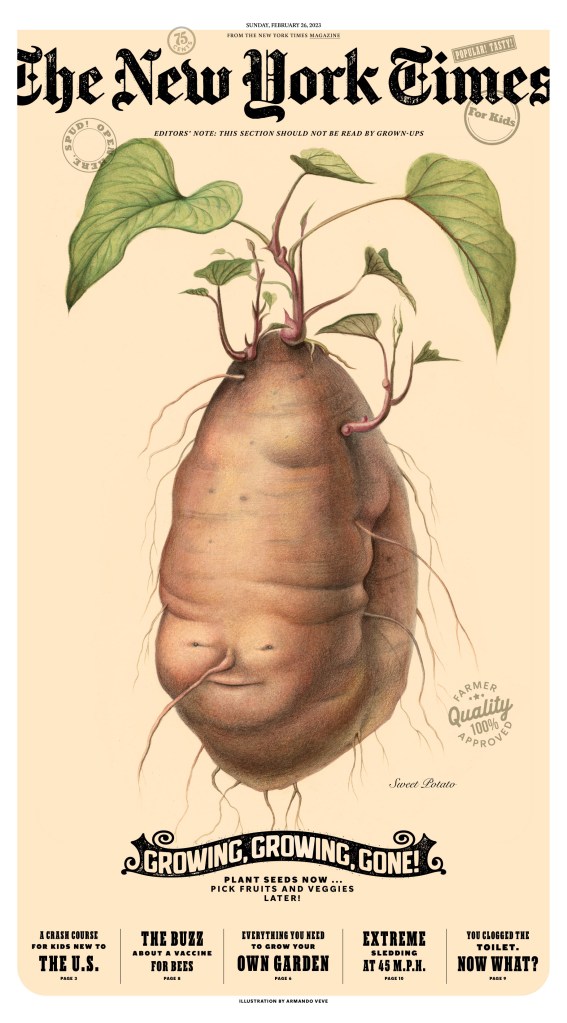
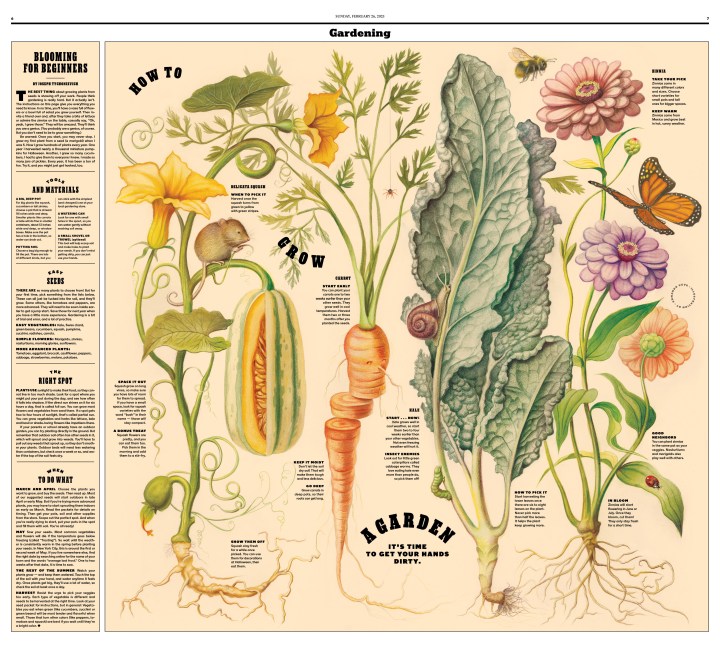
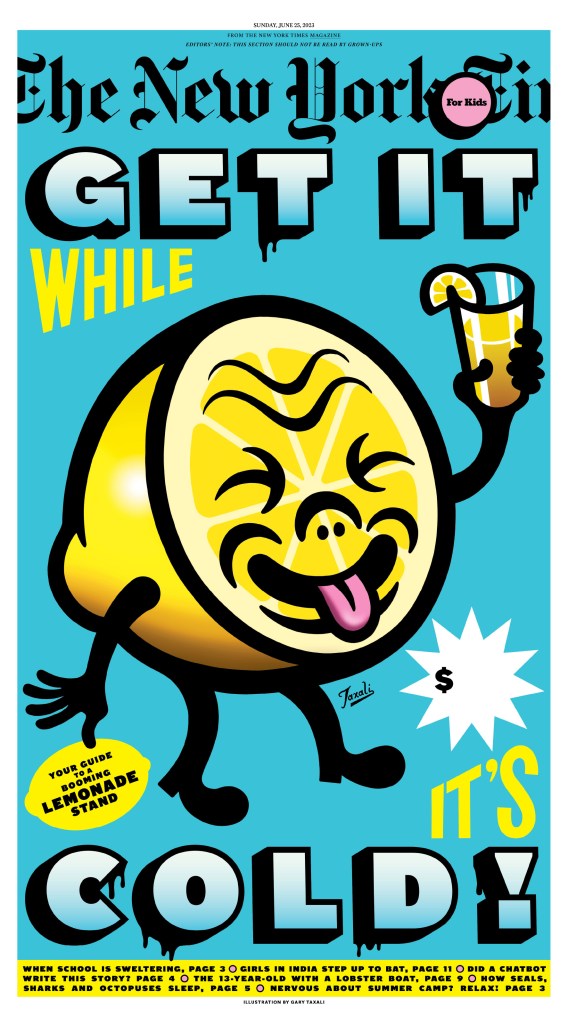
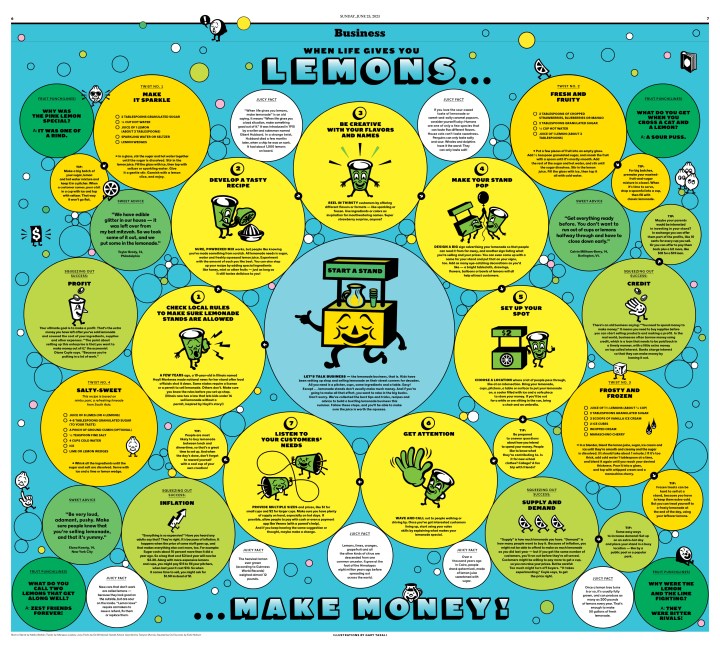
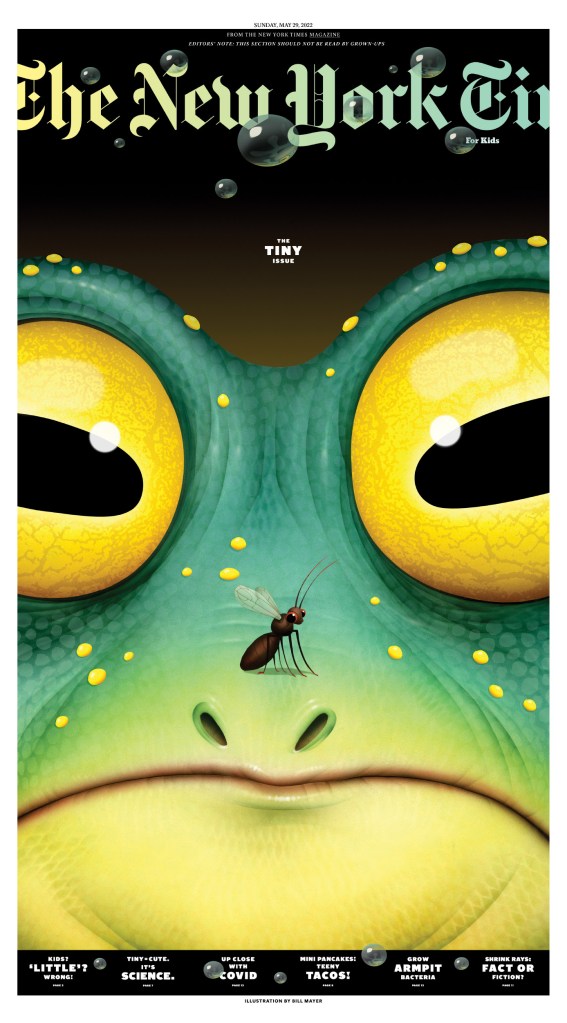
I might as well jump straight to the kids’ section as it always garners a lot of discussion and always wins plenty of awards. It’s big, bold, busy and playful. Always. I have included slideshows showing full sections or a single story’s design.

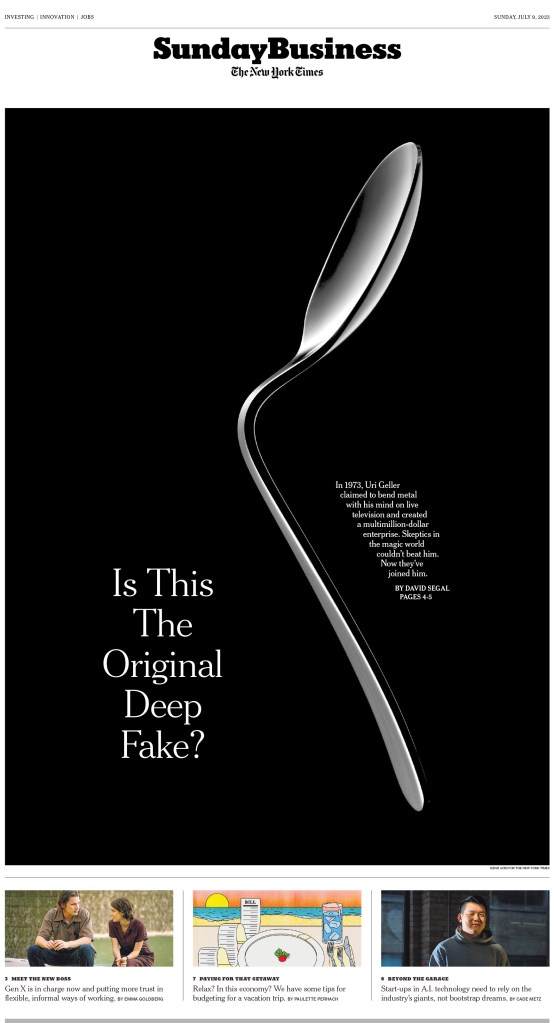
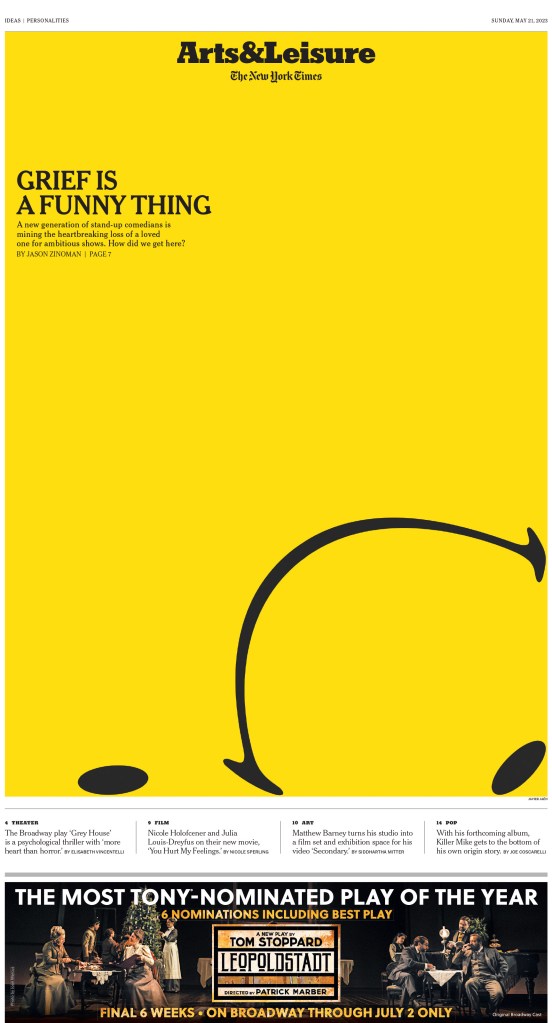
Have you recovered? If so, let’s move on to something completely different. Here are some of the non-kids pages that I loved from The Times this year.

I could go on and on. But I will just add these to wrap up NYT.

Star Tribune (Minneapolis)

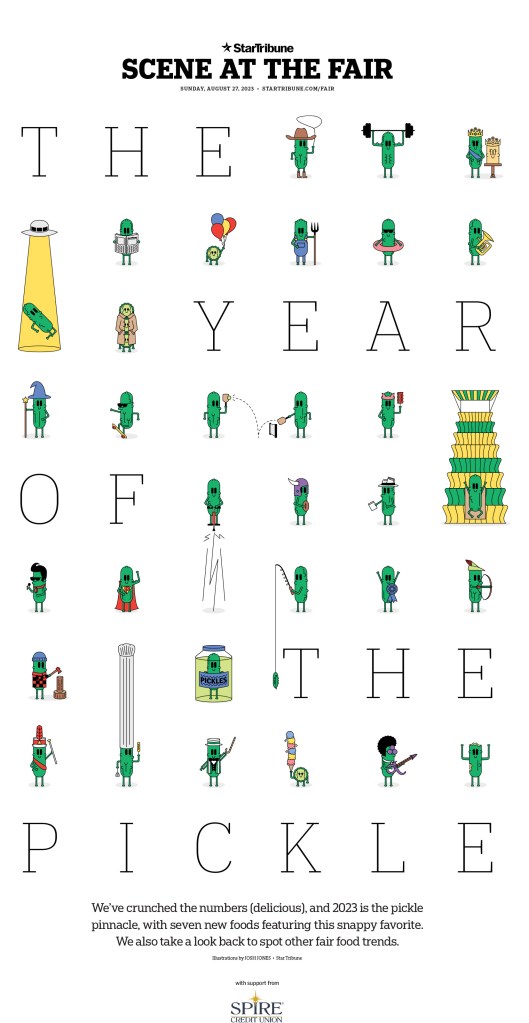
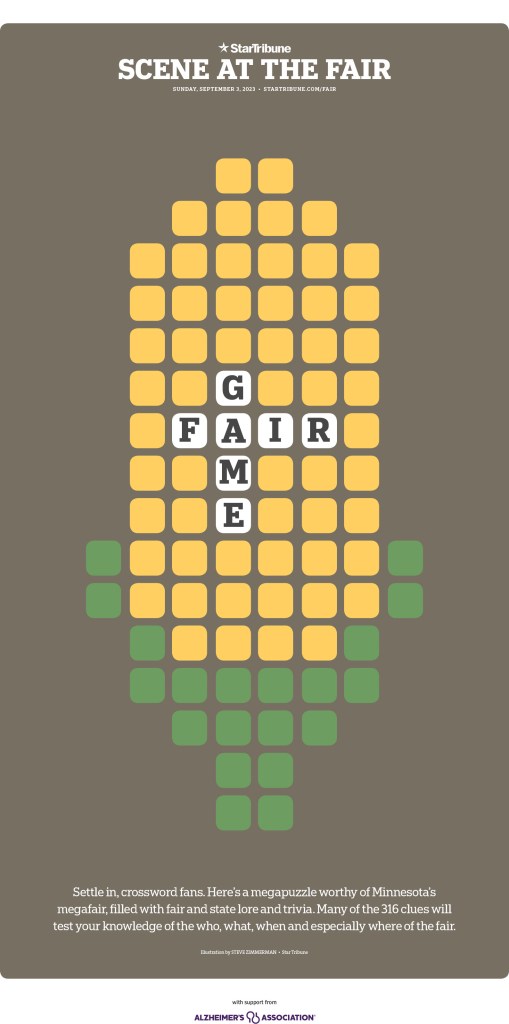
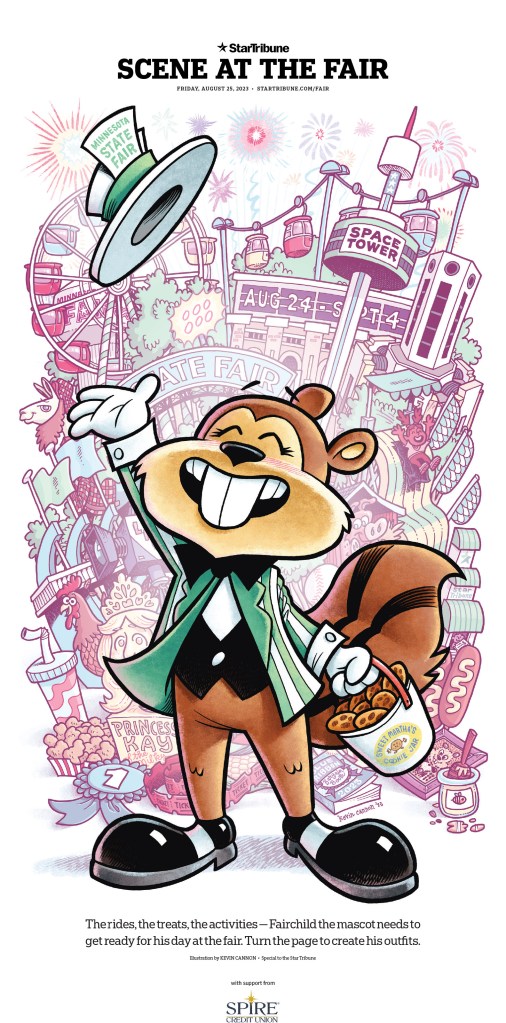
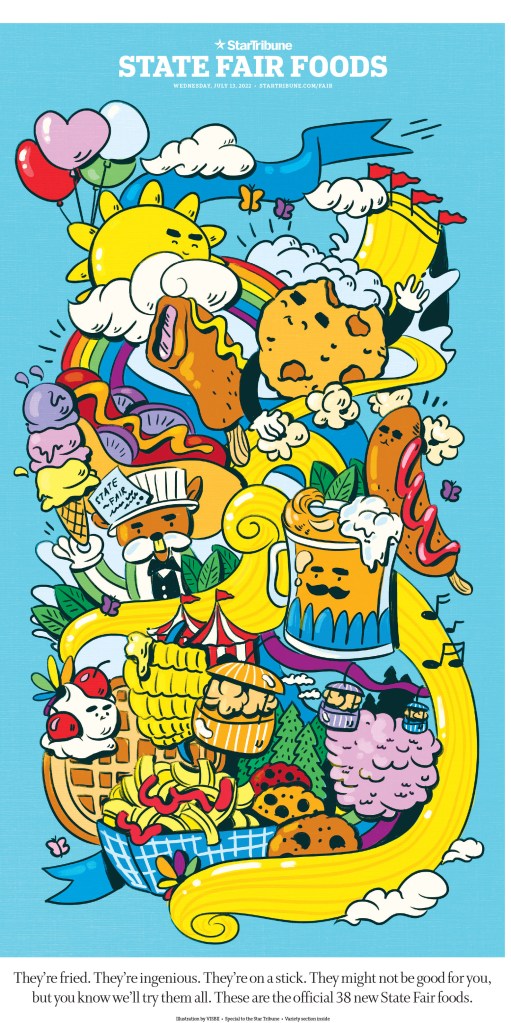
This paper has long been one of the finest designed in the world, thanks a commitment made from the top and some incredible talent to pull it off. They produce outstanding work on the regular, and especially with their very playful features sections. The state fair gives their creative minds design fodder every year. So first a few from there, starting with pickles, of course. Mmmmm, pickles.

And then … corn!

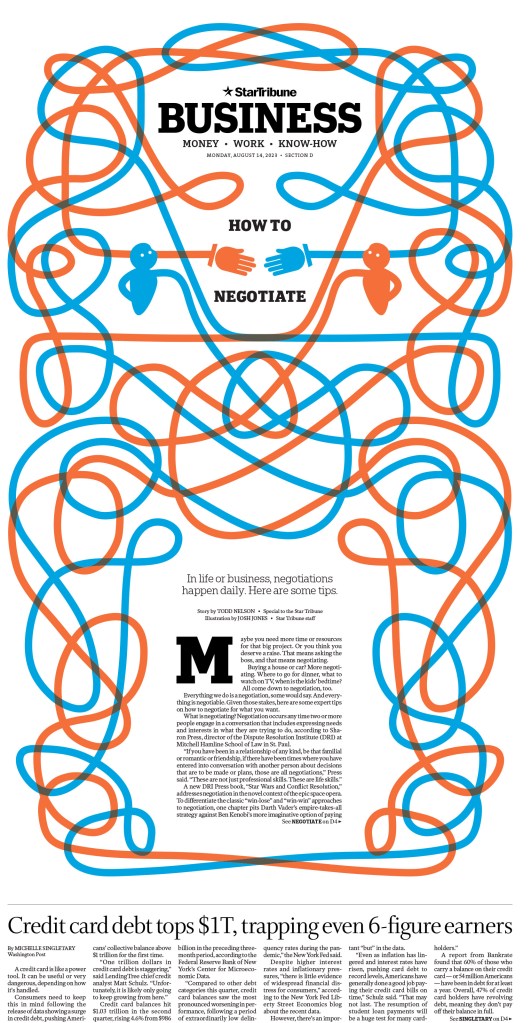
And while I could keep showing brilliant and fun fair pages, I am going to move to some other incredible designs, including some full story designs over multiple pages.

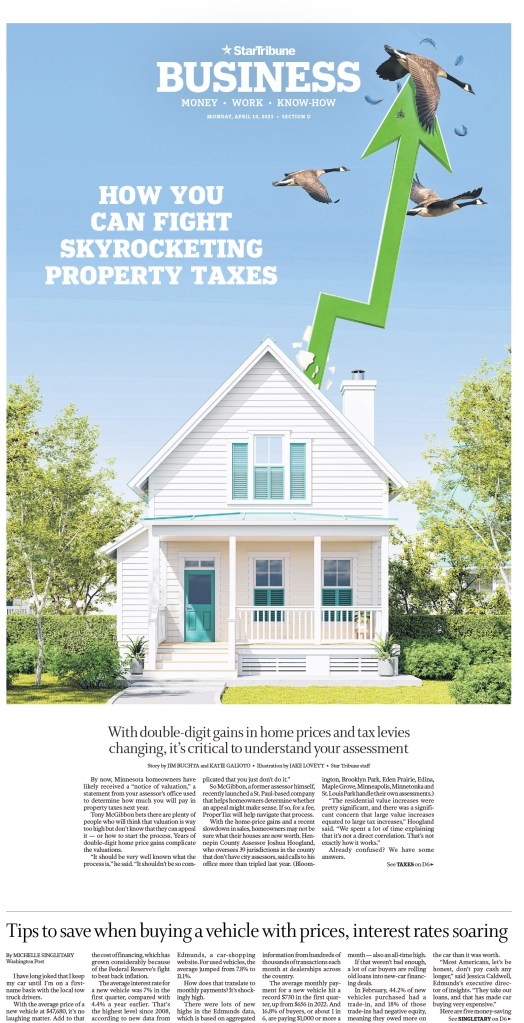
Animals are a common theme on Star Tribune pages, and the one nearly impaled goose on this page pushes it over the top (or very near the top in the goose’s case)!

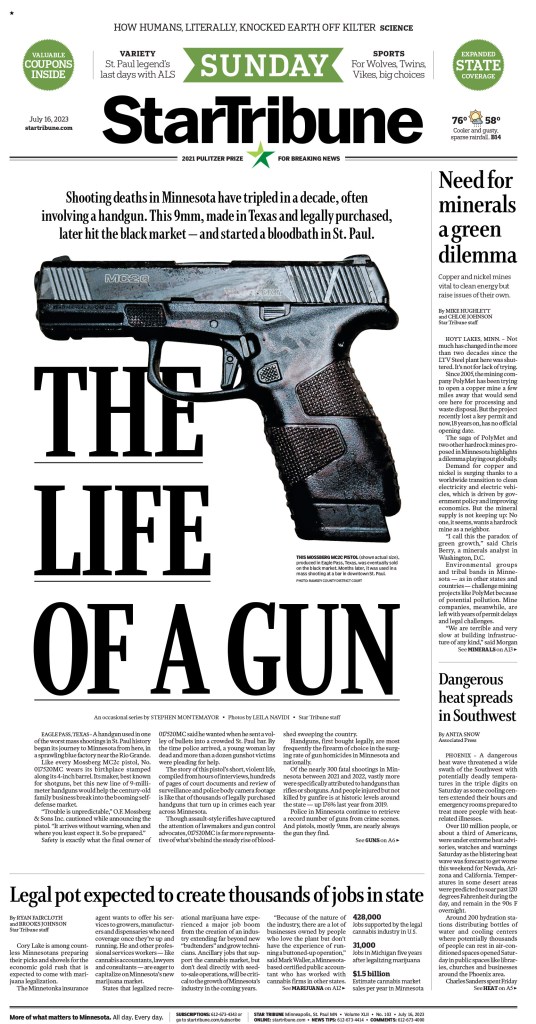
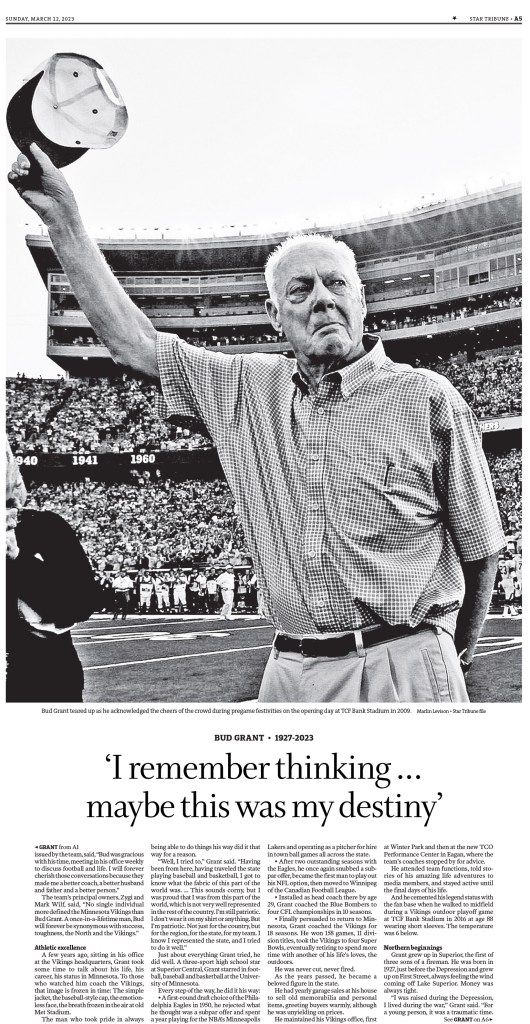
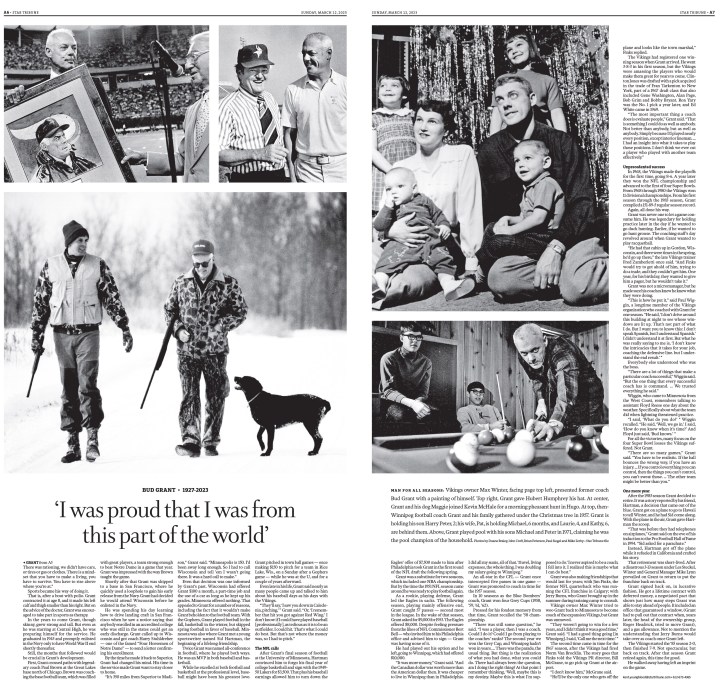
The next two slideshows show brilliant covers and what happens when you get inside the paper, which is always telling. Does a paper just focus on the front, or does the design carry on. With the Star Tribune, I can assure you, the design keeps going. It’s a mix of beautiful, simple design, charts, illustrations. They really do it all here.

And a few more to wrap it up. You can’t have 2023 and now show something about Taylor Swift. And yes, I did sneak another fair page in here.

The Washington Post

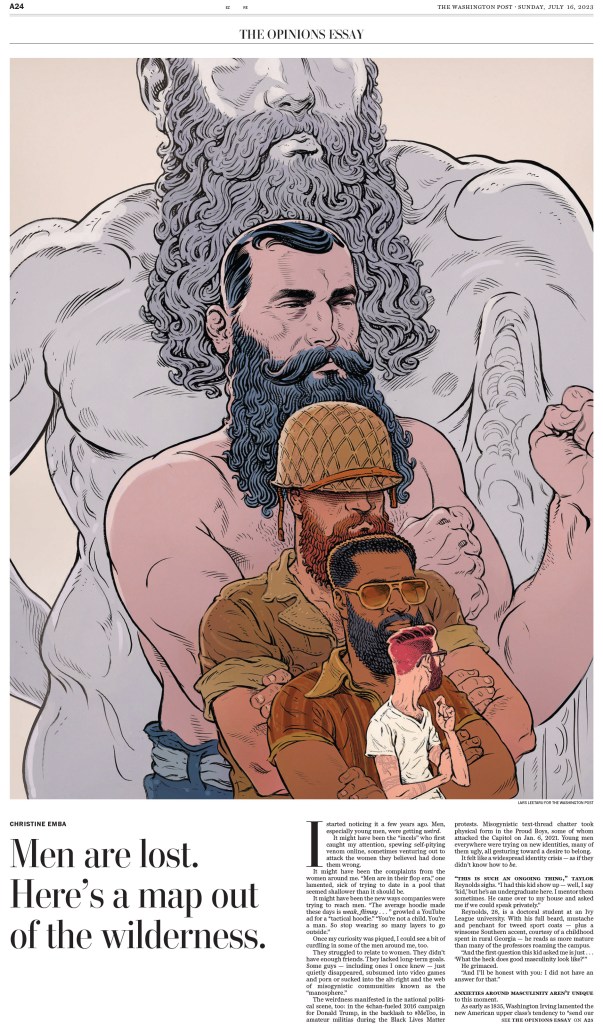
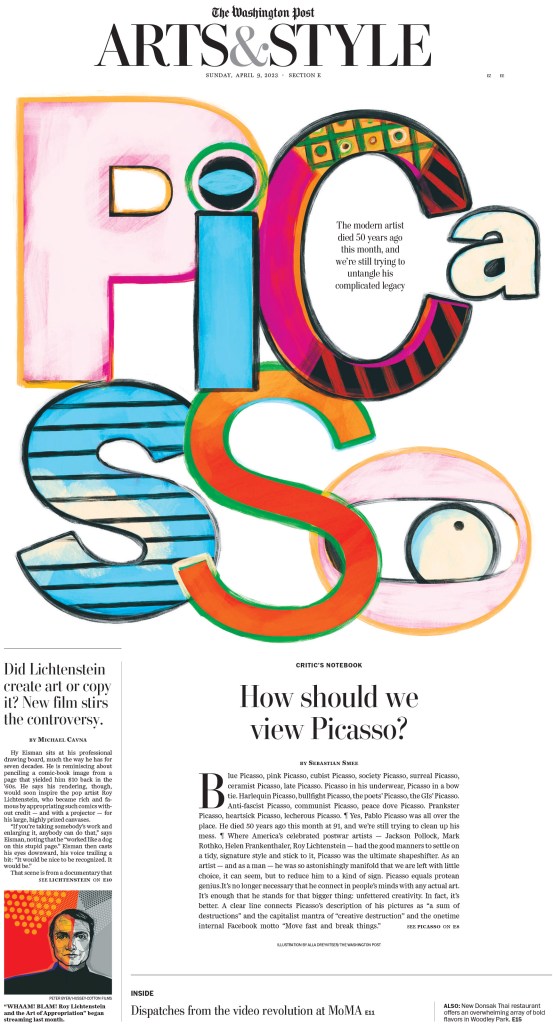
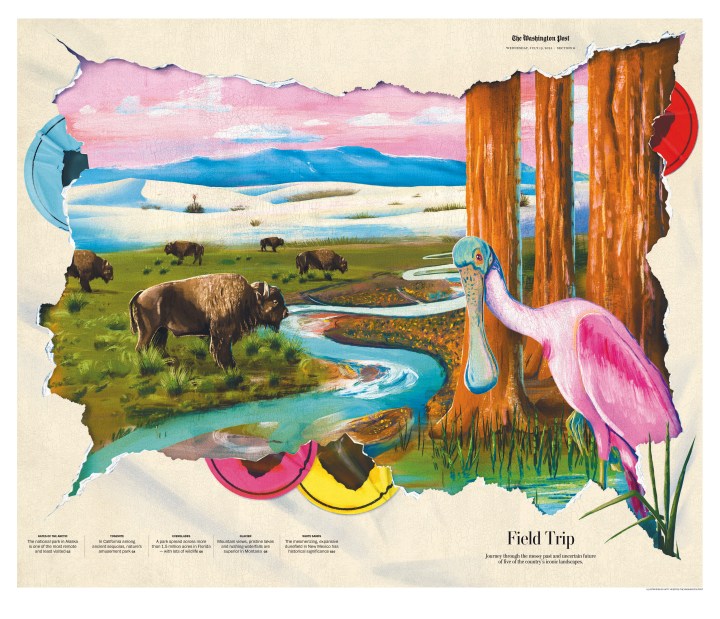
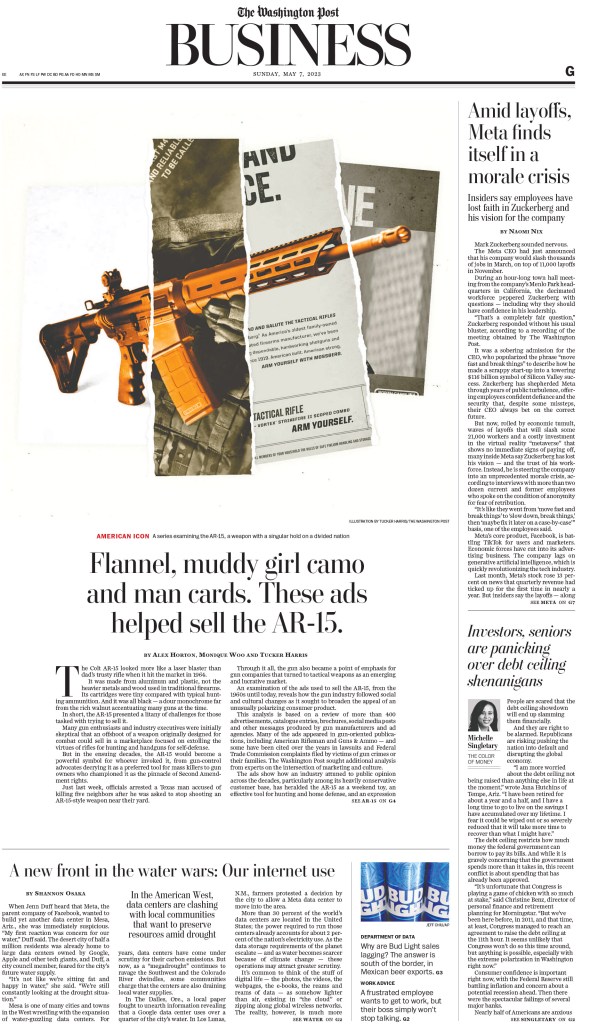
I have already shown much from the Best in Show-winning entry on AR-15s in a previous post, so I will leave those out. But it was an incredibly powerful package, both print and online and is absolutely worth a look. So I will start here, with this gold-medal-winning illustration, followed by a few more illustration-driven pages.

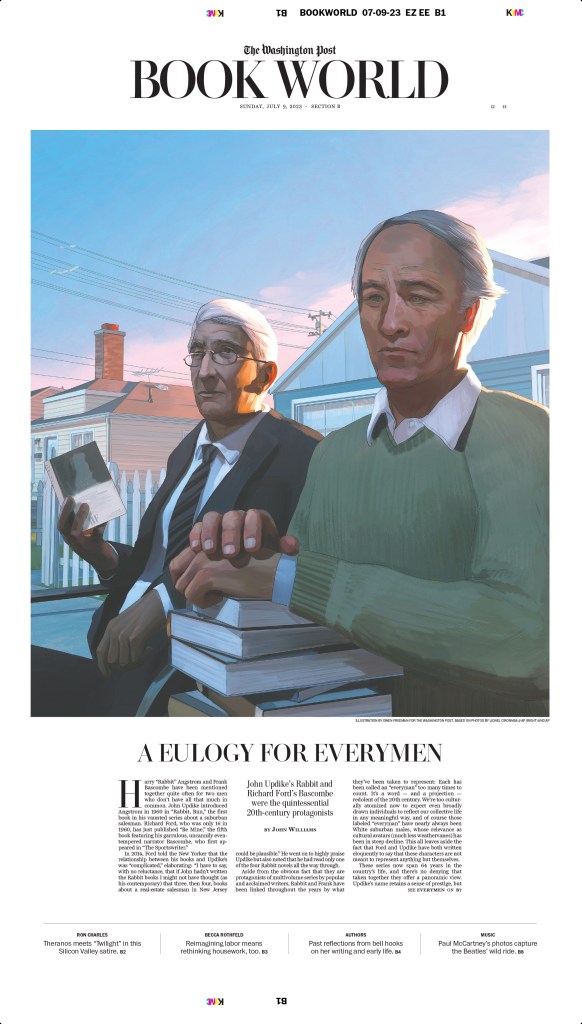
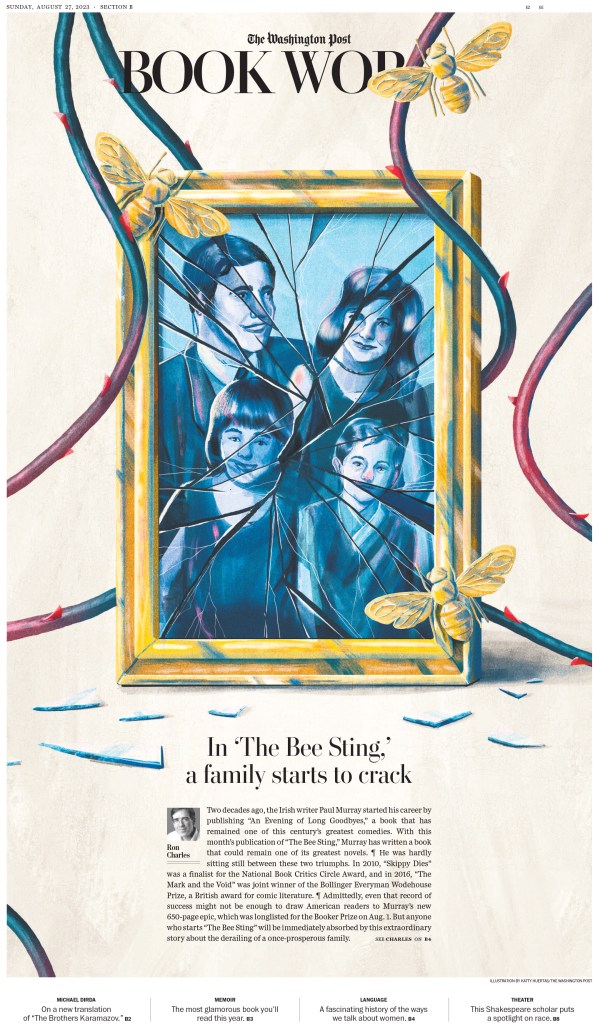
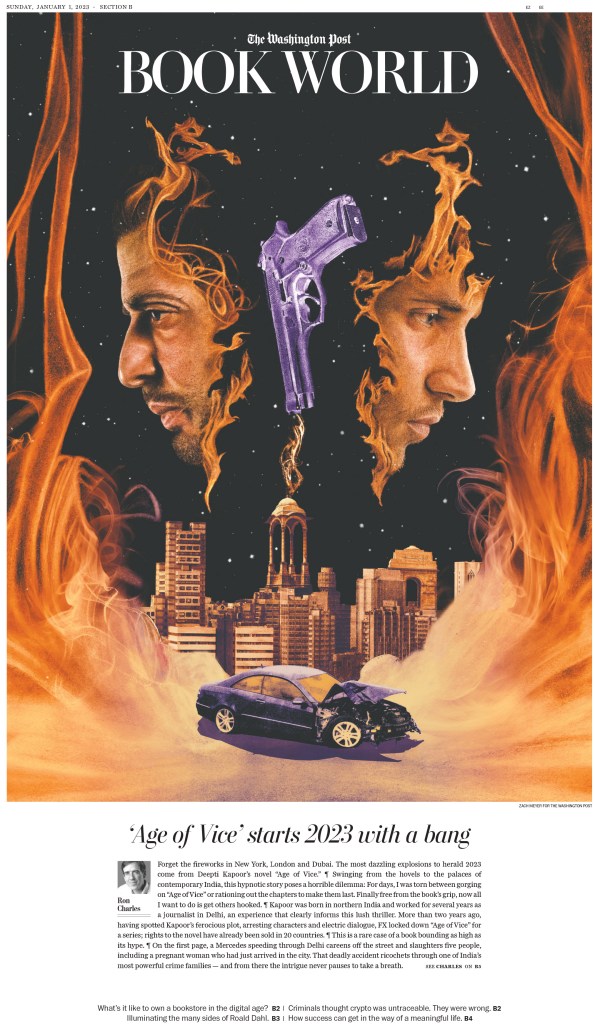
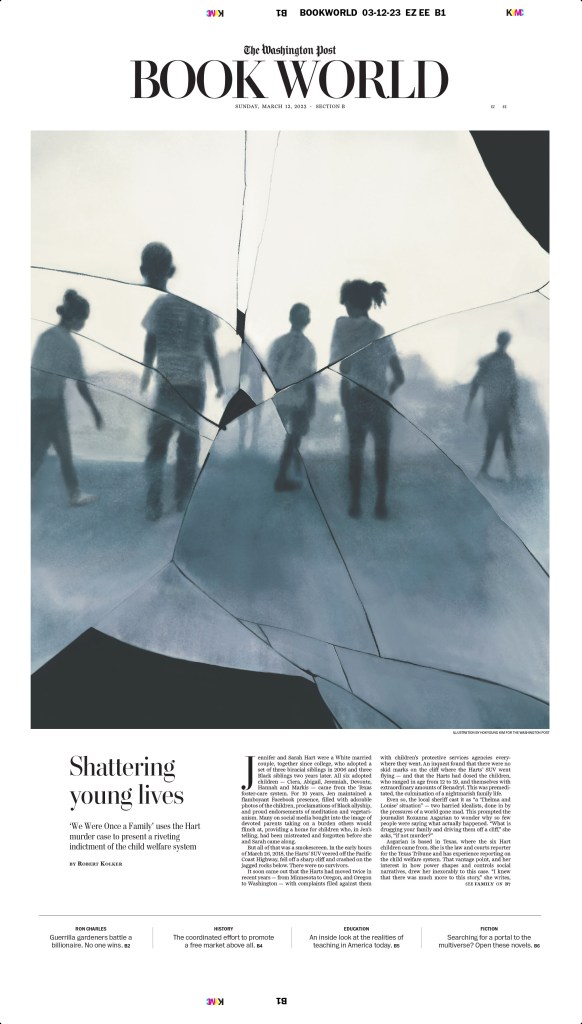
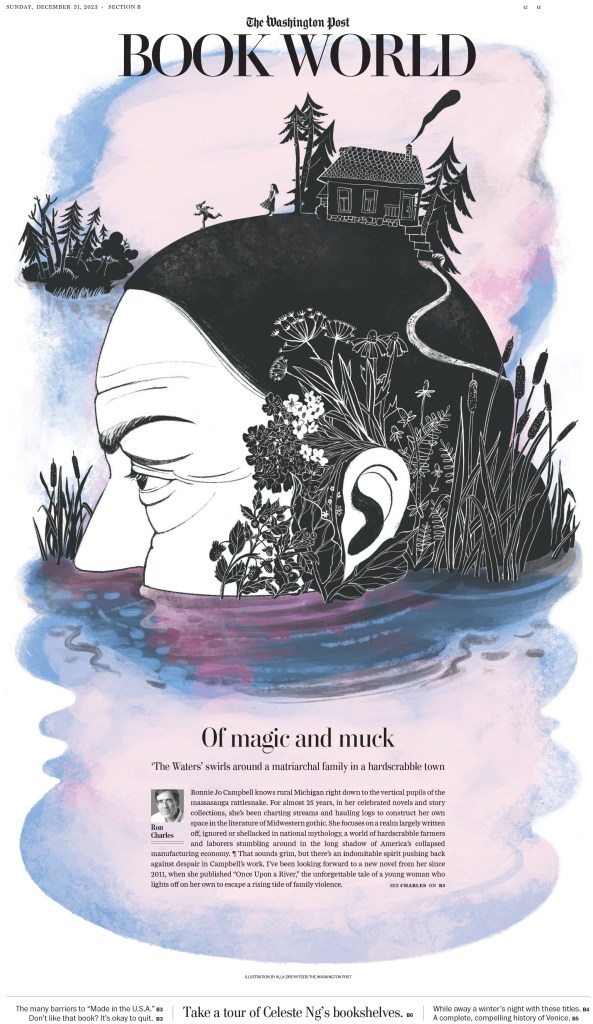
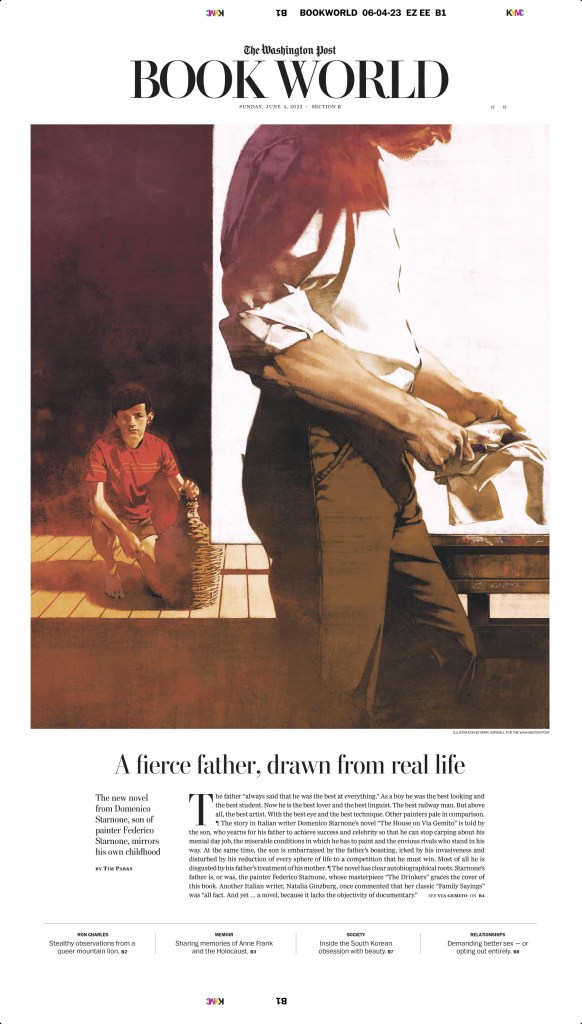
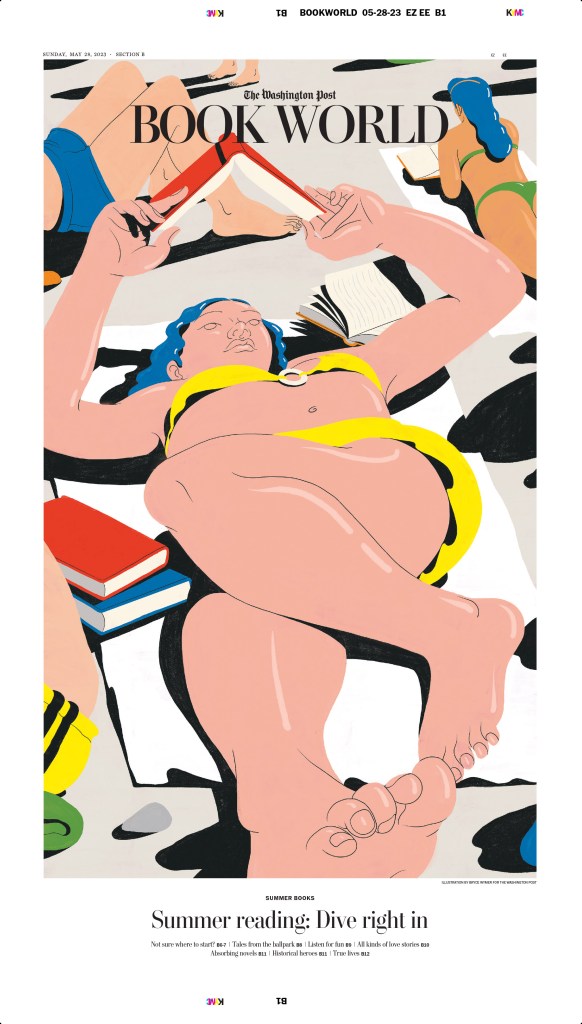
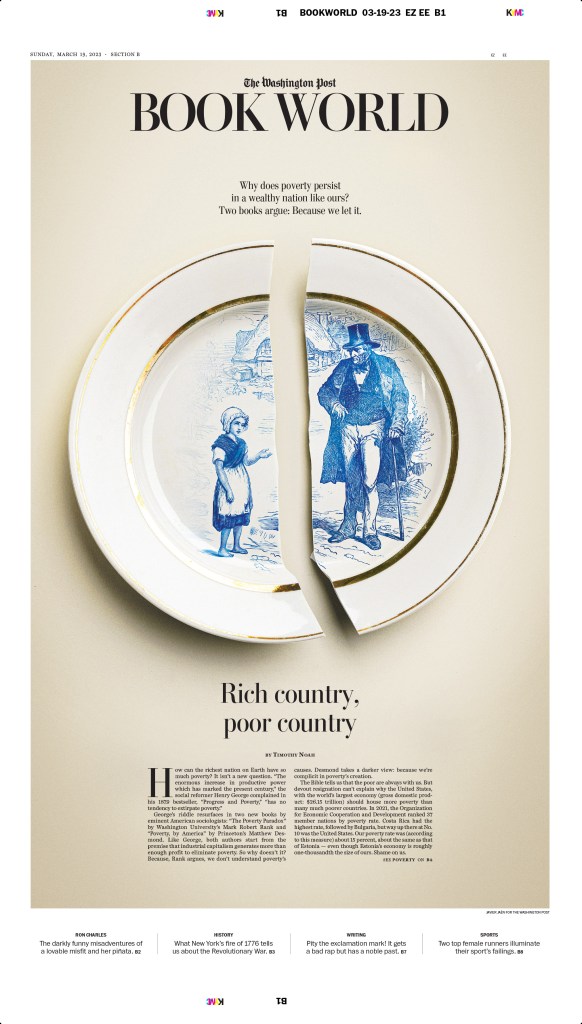
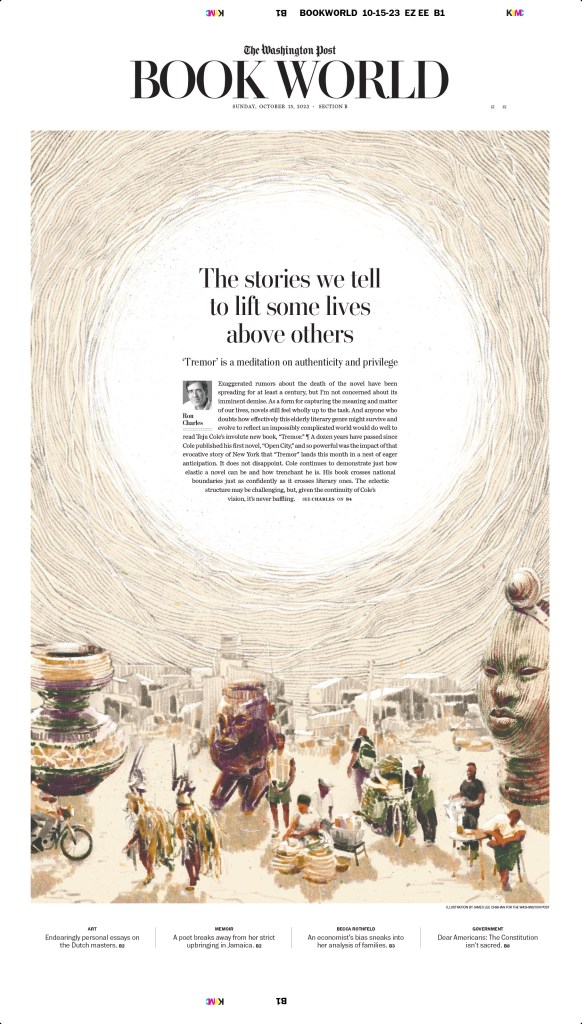
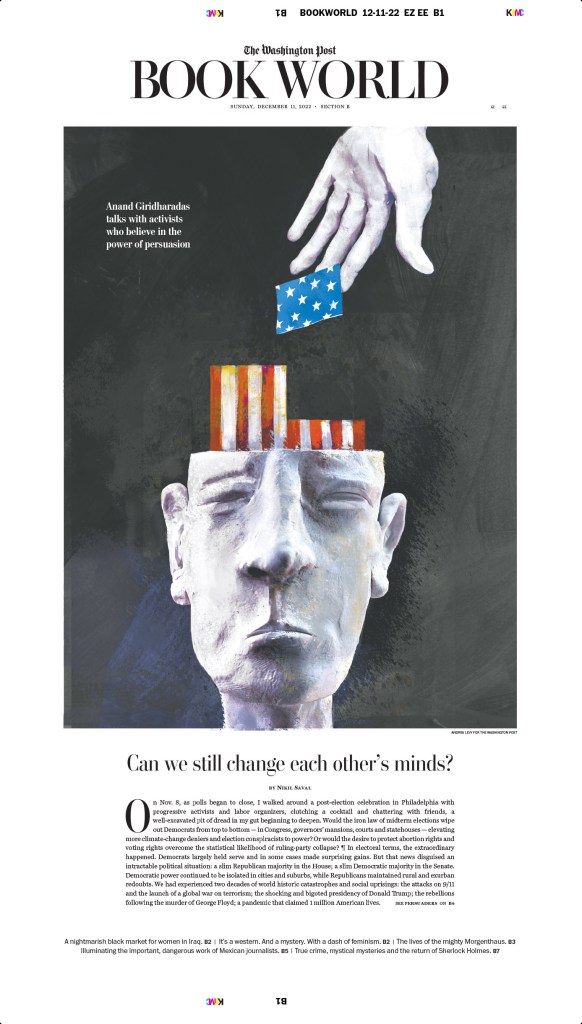
These books pages come from a gold-medal-winning portfolio, the last gold awarded at this year’s competition!

And a few more to close off The Washington Post.

The rest

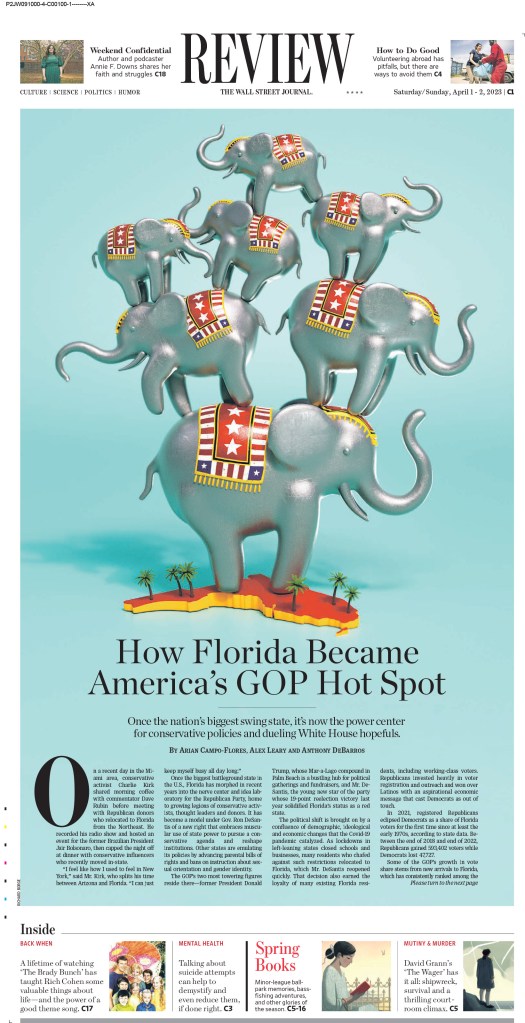
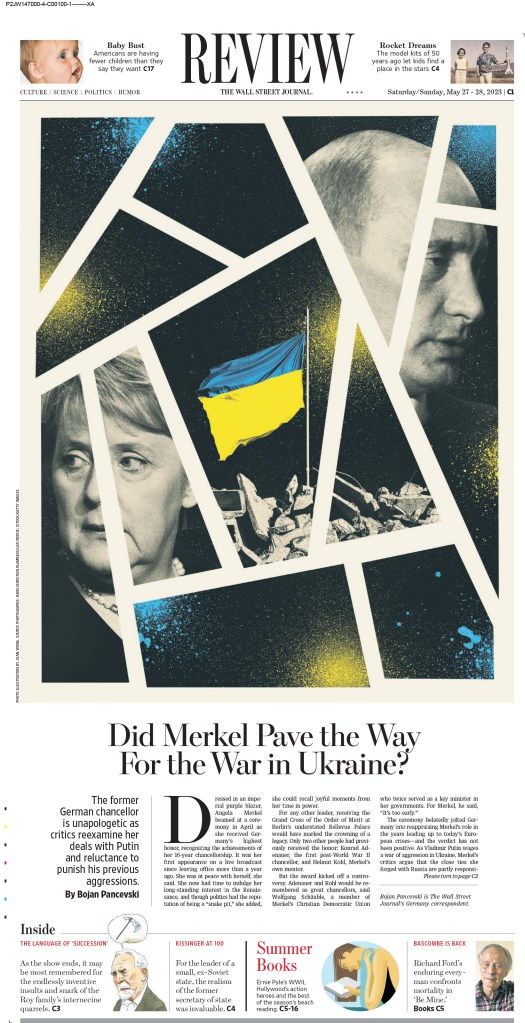
And now for the rest. Full competition results can be found here (you can filter for specific newspapers or categories). The Wall Street Journal also finished in the top 10, but more than half of the awards were for (strikingly beautiful and incredible) illustrations. I will show a couple, as well as many big and bold illustration-driven pages from other publications. I will also show some full stories that relied more on page design.

This illustration for the Wall Street Journal page won a silver medal.

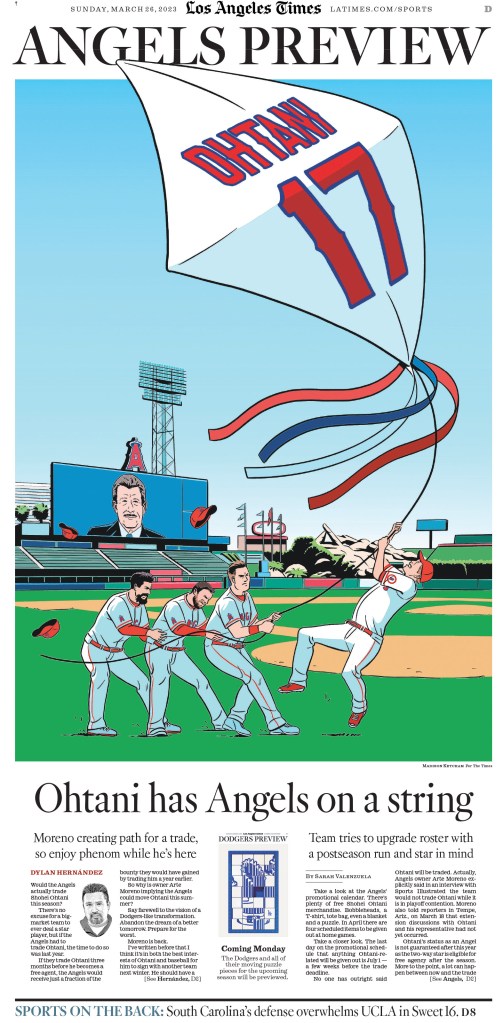
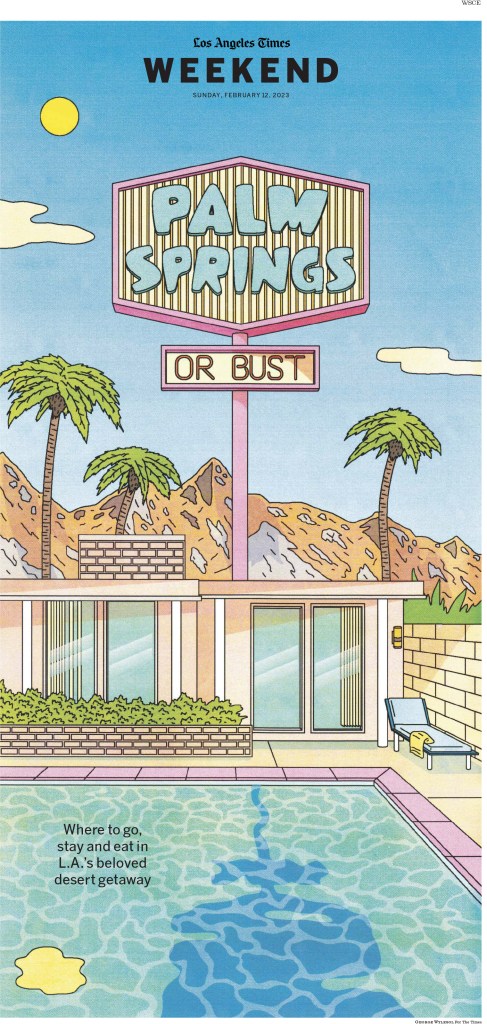
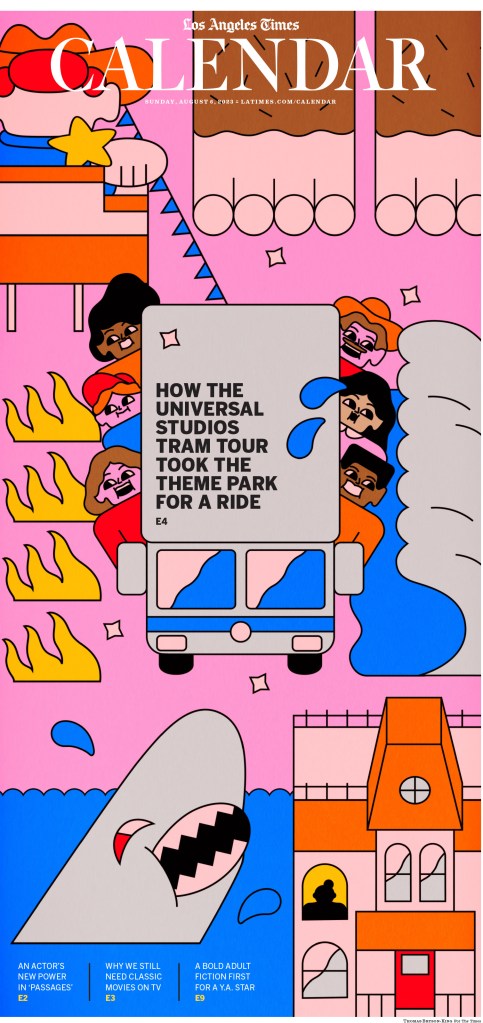
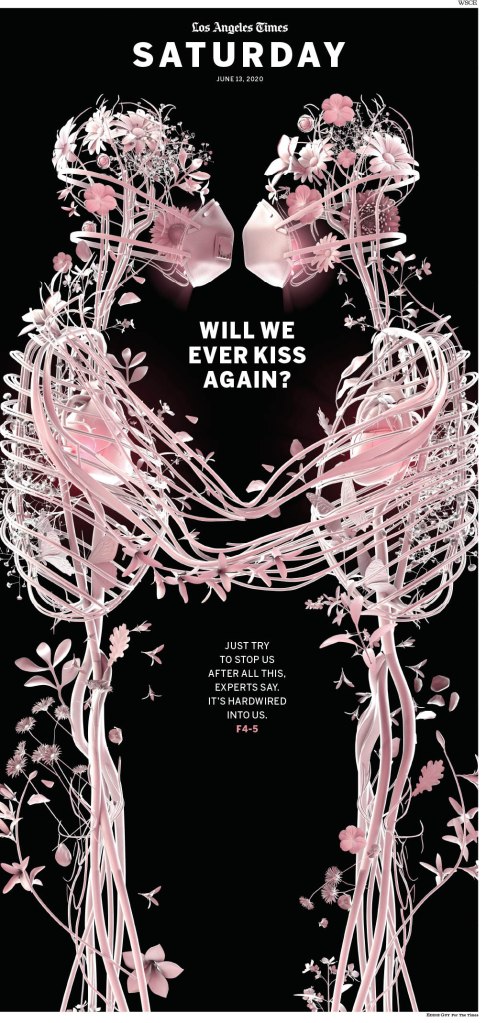
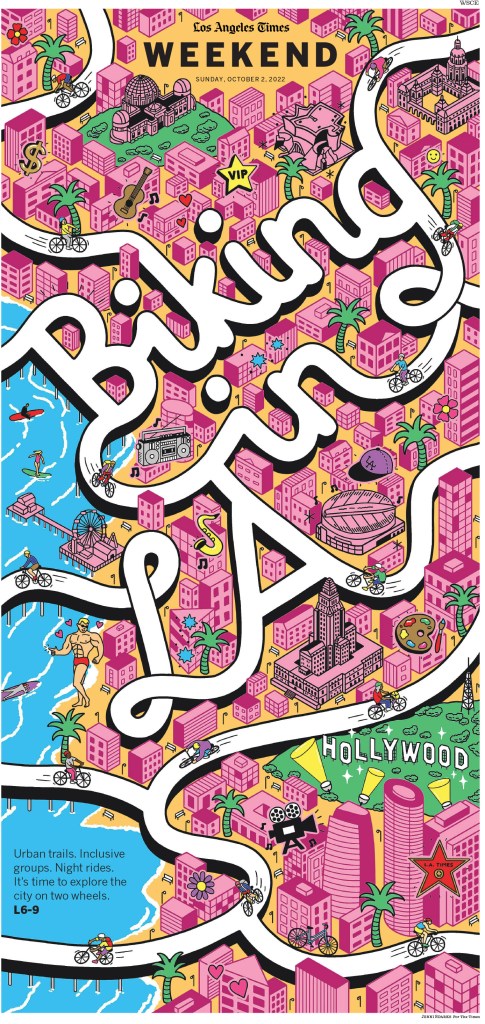
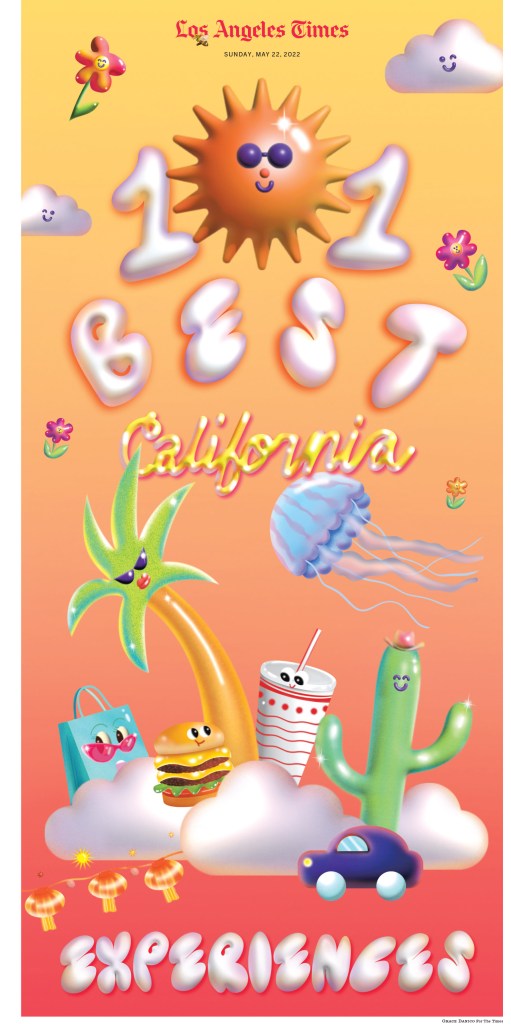
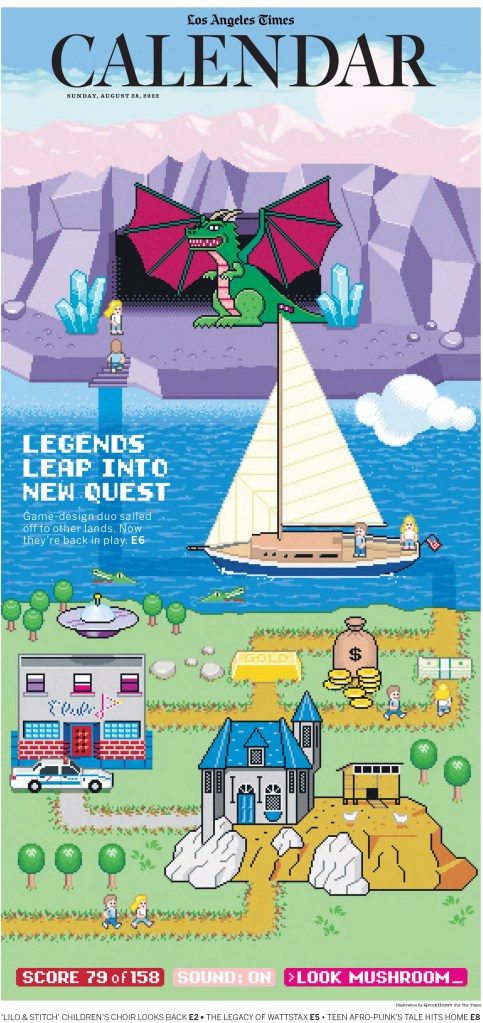
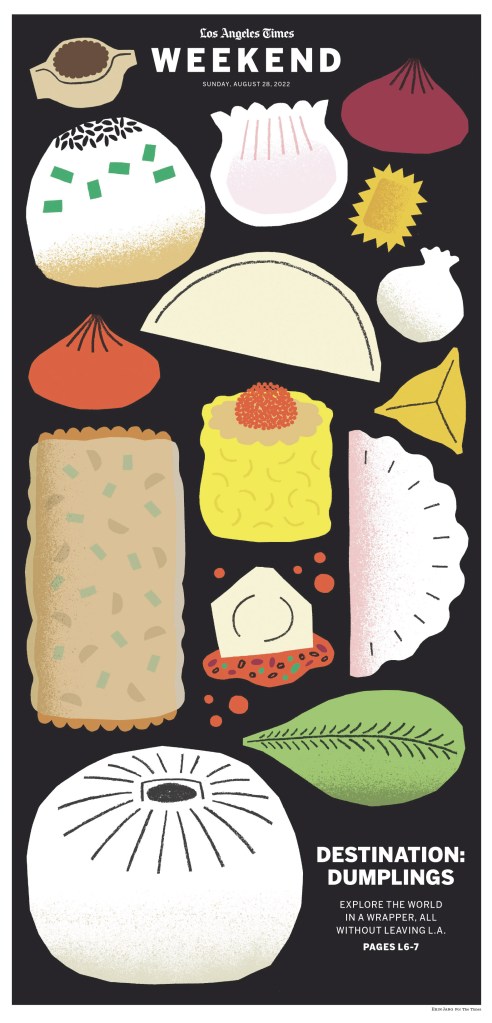
The Los Angeles Times didn’t finish in the top 10 this year, but I’ve long been an LA Times stan, after they gave me the feels while I was volunteering with SND for the first time, for a Covid-inspired page, which you can see in this post (Will we ever kiss again?). Here is a selection, starting with some driven by the kinds of illustrations I have come to expect from the LA Times.

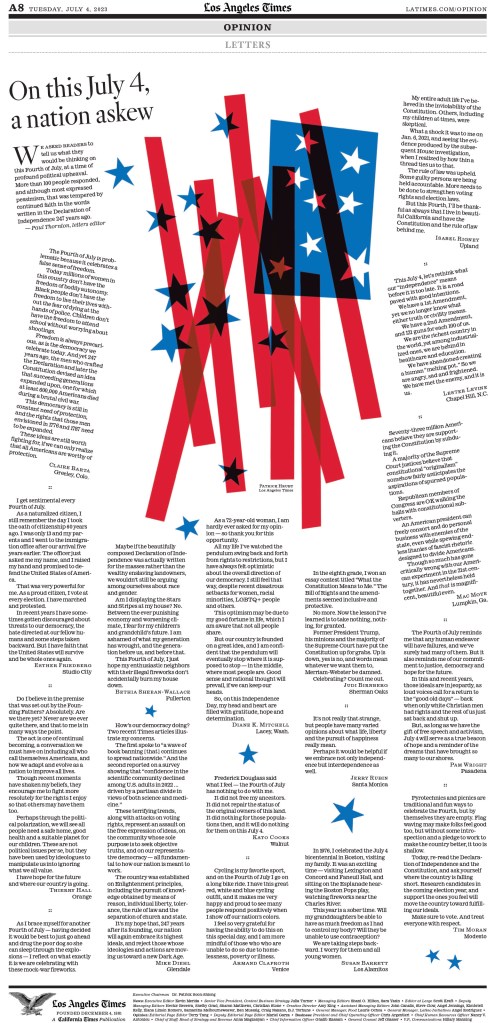
I almost gave this page a facilitator’s special recognition award. A letters page winning for design? Amazing. Creative. Also credit to illustrator Patrick Hruby, as I used a portion of the illustration as my feature image for this post.

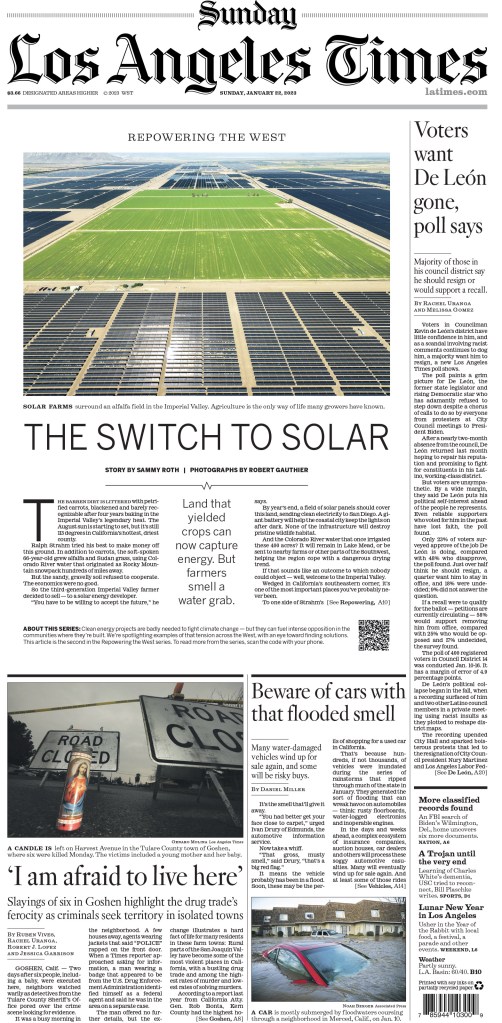
And this is just some solid story design. A look inside, which you don’t see as much here. I appreciate the use of the rules between stories throughout. It’s a small but nice touch.

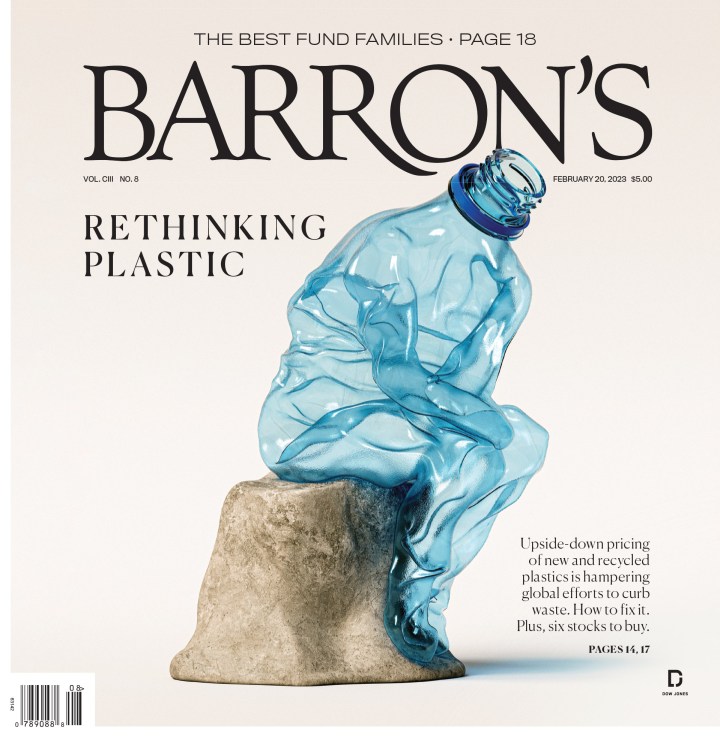
Barron’s had some very strong entries this year, led by this gold-medal-winning page. What a smart concept, and brilliant execution as well.

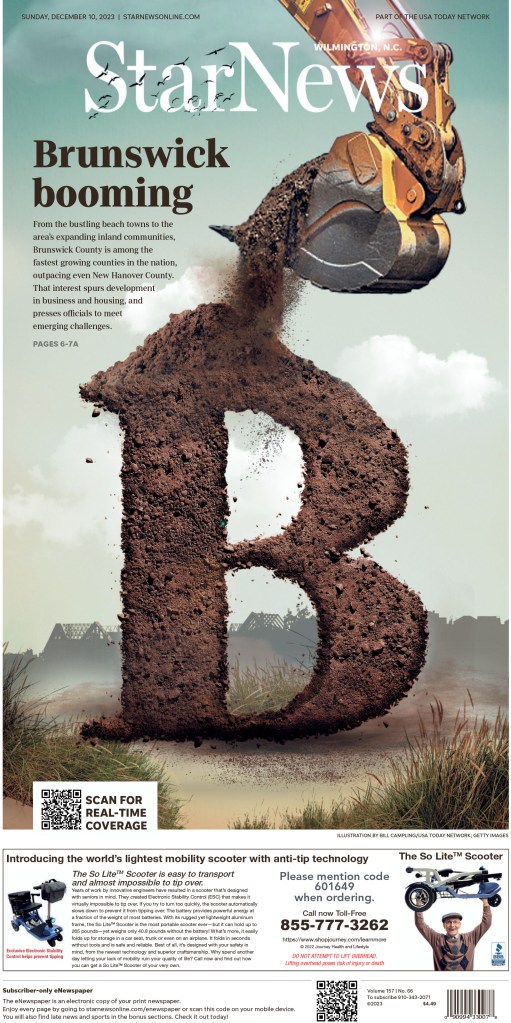
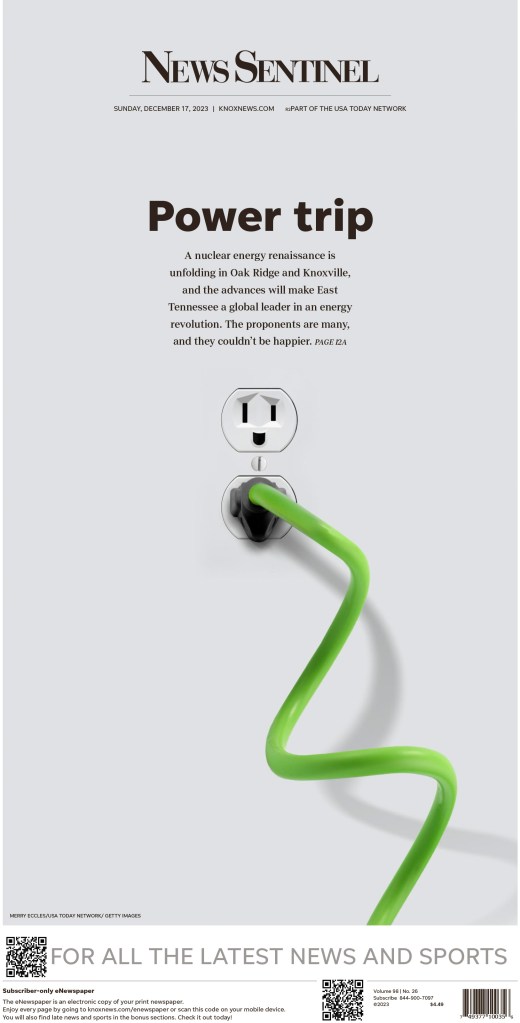
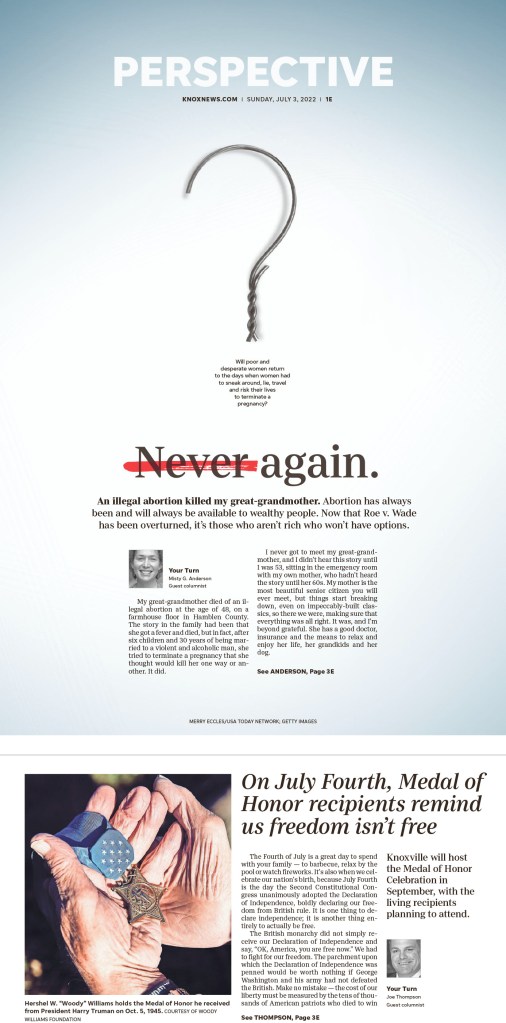
Gannett also had some amazing pages from different publications. The next two were my favourites, from the Star News (Wilmington, N.C.) and News Sentinel (Knoxville, Tenn.).

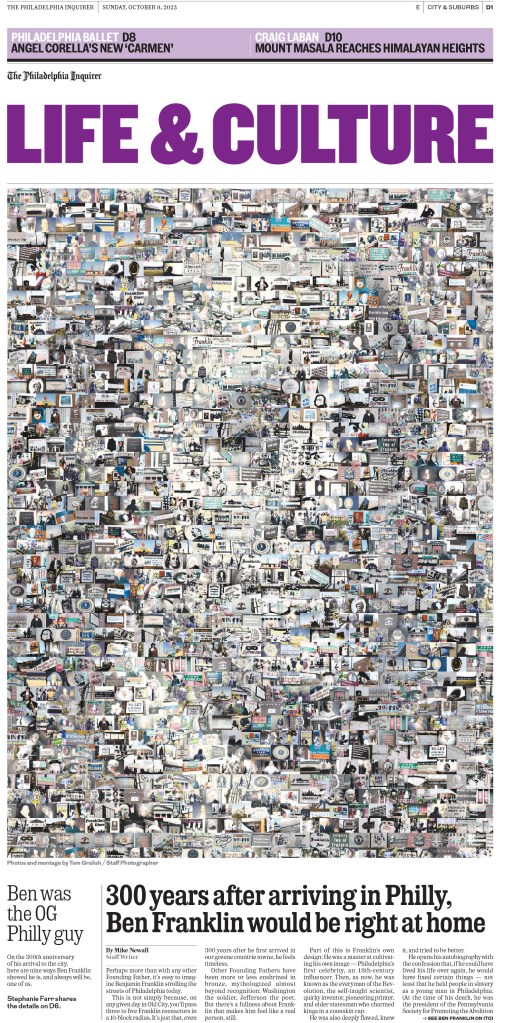
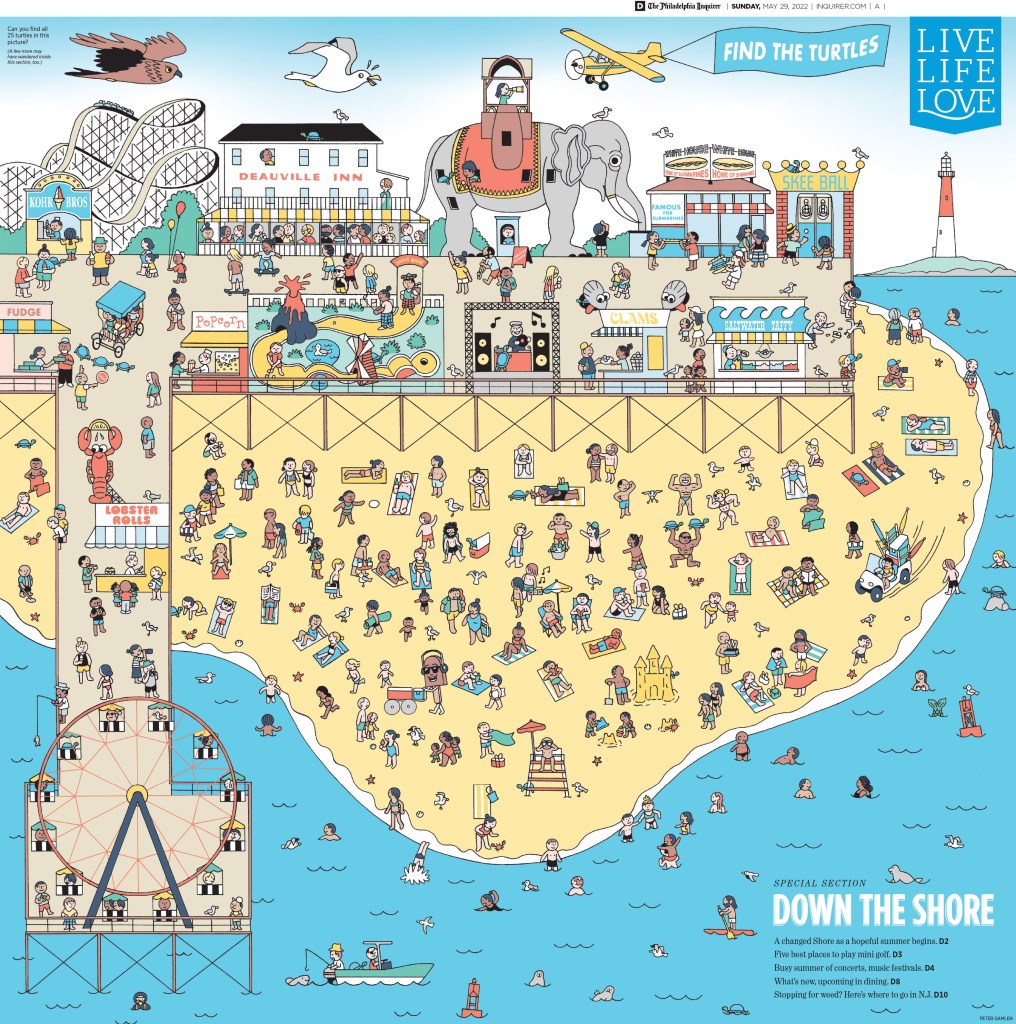
This concept, when executed well, makes for pages that give you so much to explore. You see the main image, but what are all the smaller ones? The Philadelphia Inquirer nails it here.

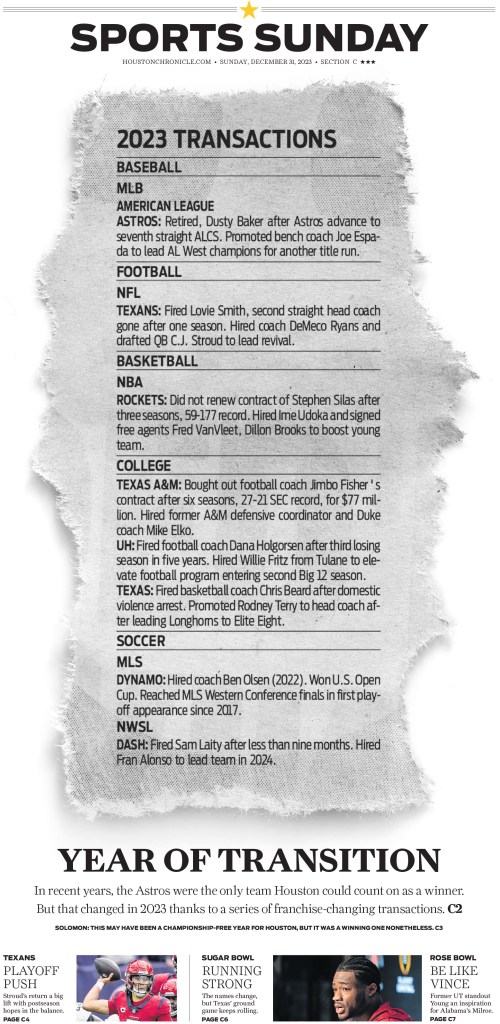
Hearst won a handful of entries for pages from the Houston Chronicle, including the two in the slideshow below (the first won a silver medal!). Hearst is a client of Pagemasters North America, the company I work for, though we don’t handle pages for Houston. But we do love working on their pages!

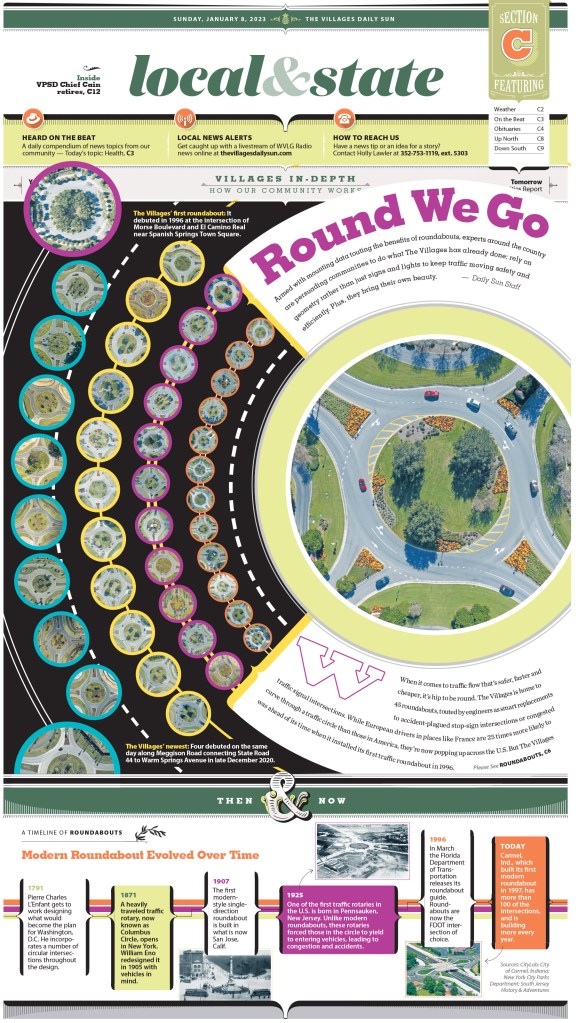
Anyone who has followed me for a while knows what I feel about the Villages Daily Sun. I did a feature on two of their designers, one of whom was the team lead on the World’s Best team this year, so I had the privilege of working with him again.

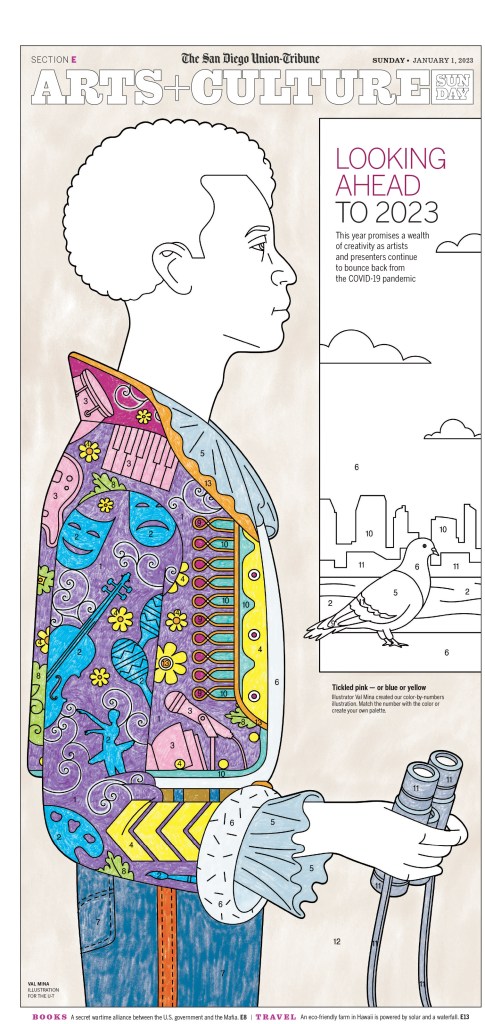
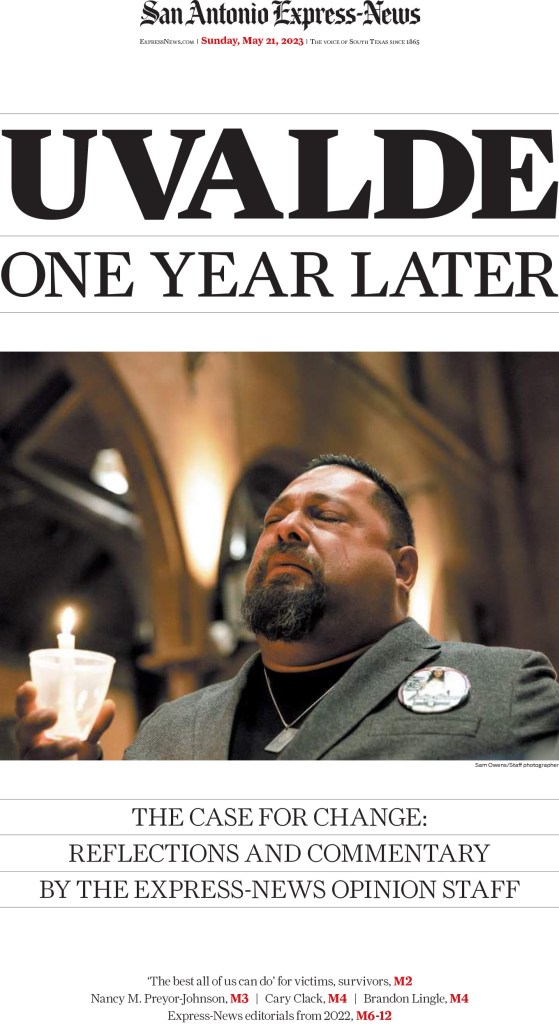
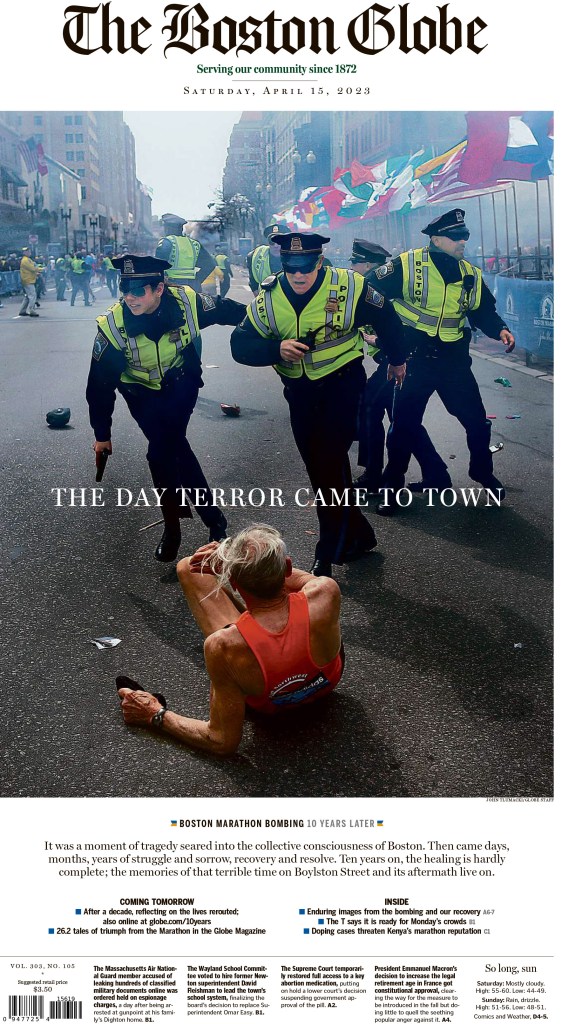
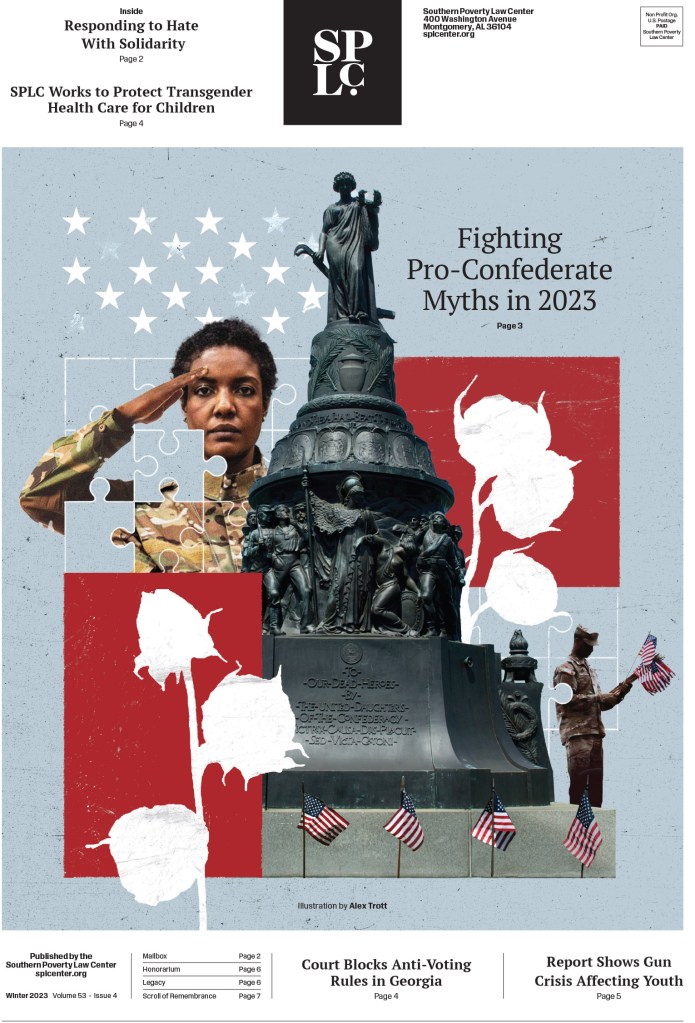
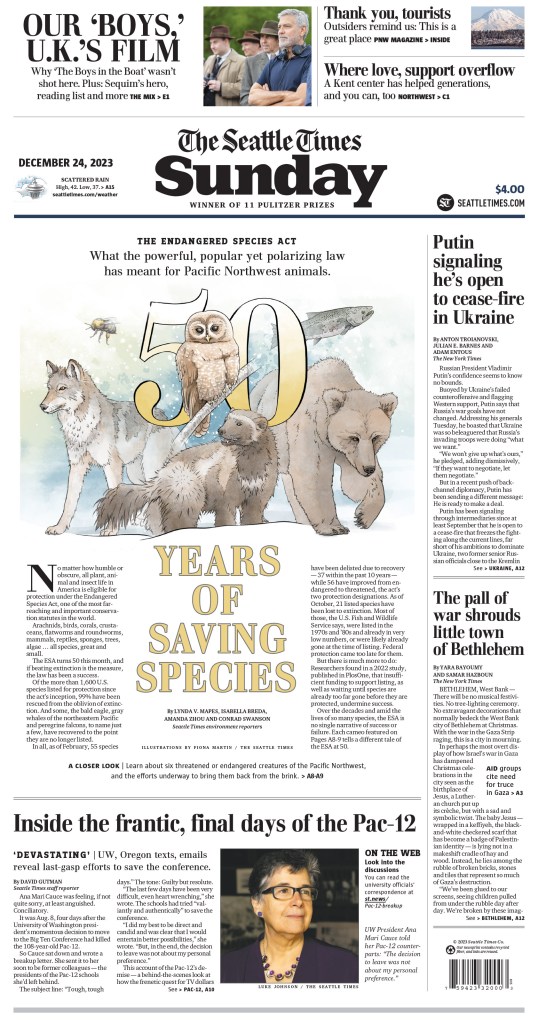
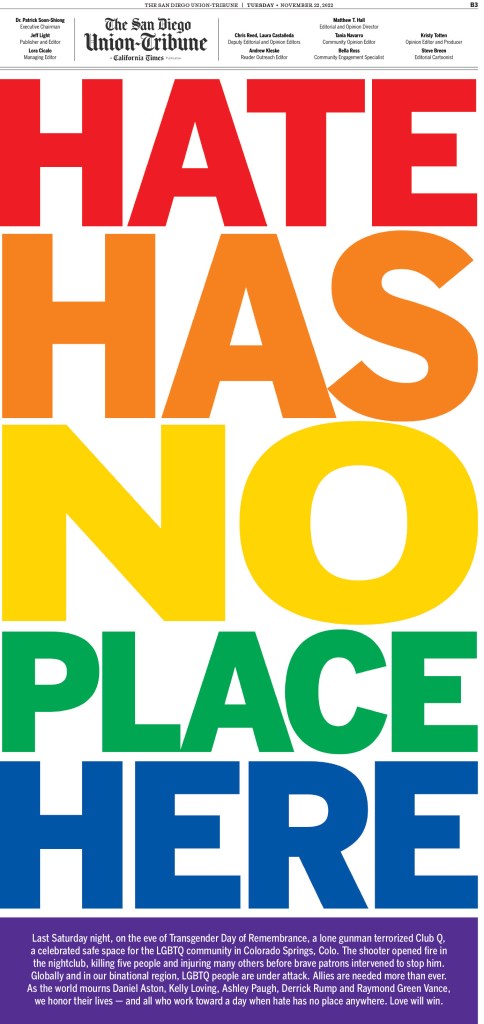
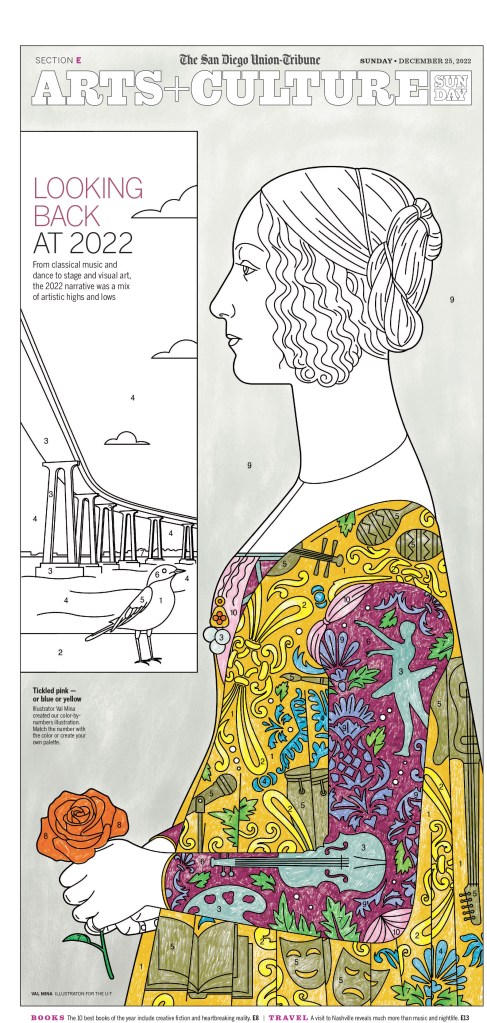
And last but not least, two more slideshows. I have to say, paring down the thousands of entries is not easy. And it’s painful. I hate to cut anything or any publication. In the first slideshow there are excellent pages from the San Diego Union-Tribune, San Antonio Express-News, The Boston Globe (a digital client of Pagemasters), Southern Poverty Law Center and the Seattle Times.

And just a little more from some of American City Business Journal titles, including one more inside spread. I couldn’t resist.

So there it is. Another very strong year by American newspapers. Even as newspapers find themselves in tumultuous times, there are so many still going all out. Thanks to all the designers, illustrators, headline writers, art directors and even executives are willing to allow their papers to do this. We are better for it.

More from SND45:
The best from Canada
The best of the rest of the world

By Brad Needham

I have heard that taste buds change every 10 days or so. And that as we age, our tastes change as well (with fewer taste buds, we need more to keep things spicy). As I have volunteered for the Society for News Design’s creative competition for the past four years, my tastes have changed as well. The first year I got access to all the entries my mind was blown. I spent hours and hours looking through thousands of entries. I probably cried tears of joy. Then, pages with other worldly illustrations — the likes I never had access to as a designer — blew me away. I couldn’t get enough. Each year it has been harder to get me swooning like I did the first year. And I started to think, is that a great page design or a great illustration/art direction?

Either way, I still love the big, splashy pages, and you will see some here. This post will focus on newspapers outside of the Canada and the United States. Canadian newspapers are the books. A post about newspapers in the United States is coming.

SND44: Best newspaper pages from around the world

It’s not easy to cram the rest of the world into one post. There are so many incredible publications doing incredible things. And sadly this only reflects those who submitted entries to SND45. There are so many more out there doing outstanding work. But this year, I want to ensure the pages I show here capture both the outstanding illustrations, but also my new love. Pages that rely more on pure page design. Maybe you have photos, maybe you have a simpler illustration. So how you use those matters. What do you do with the white space? What about the typography? These are things any designer, almost regardless of resources, can do if the powers that be are willing to let them be bold and use space.

Some of the major winners at this year’s competition were Politico Europe, Die Zeit, South China Morning Post and Politken. Dei Zeit and Politiken, along with Weekendavisen and La Nacion, are also finalists for the title of World’s Best Designed Newspaper, which was the team I helped facilitate for again this year.

And now to some pages. I will break them down in different ways. Some by title, some by design philosophy (I will have a special section for pages that don’t rely on one big, stunning illustration). I will also have a small section on World’s Best finalists, as I will be doing a separate post for that after the winner or winners is/are announced.

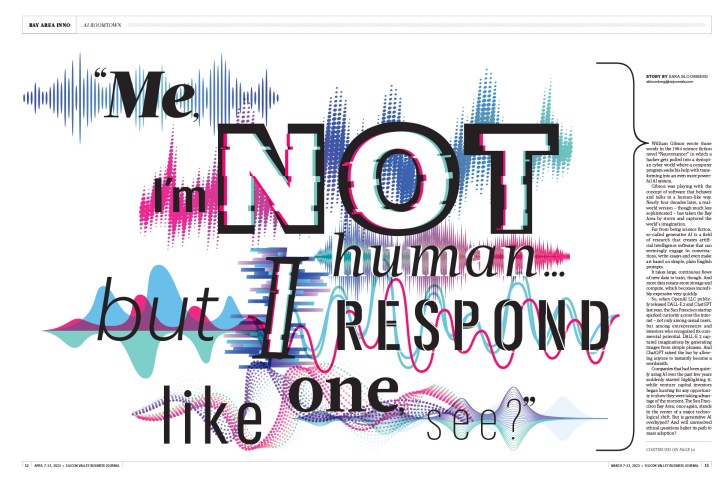
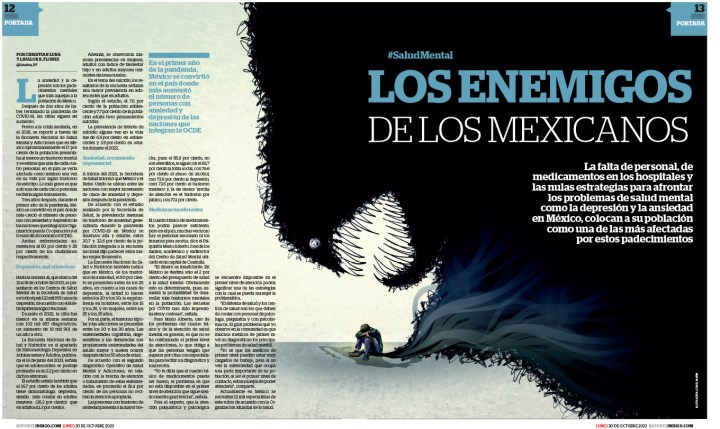
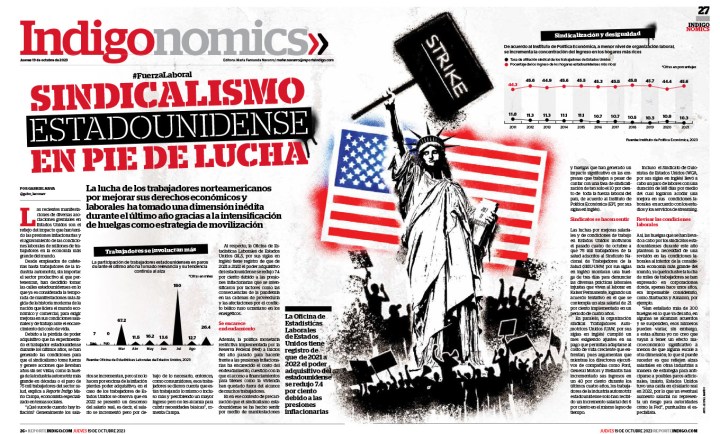
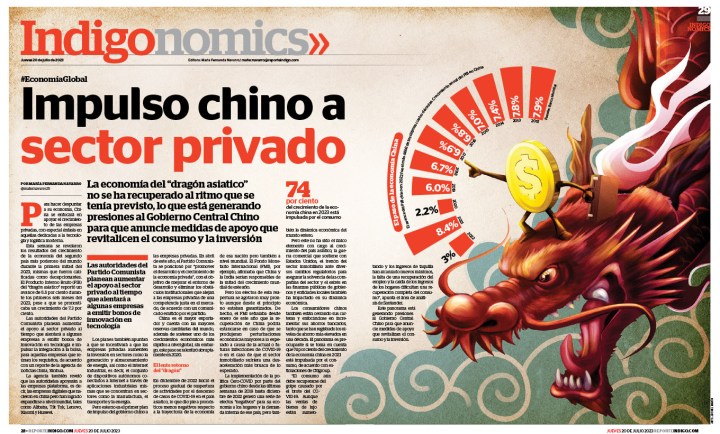
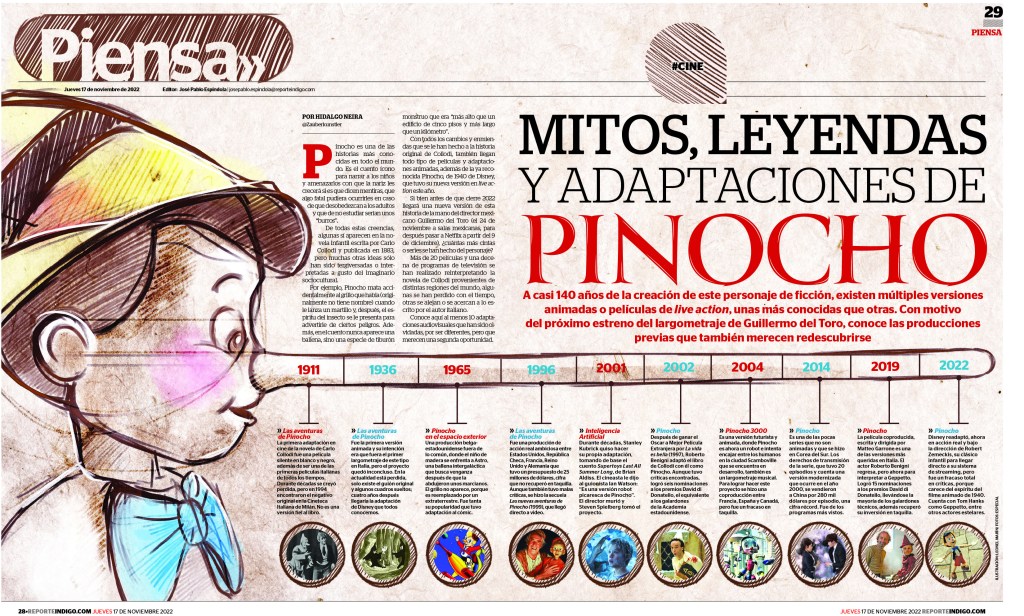
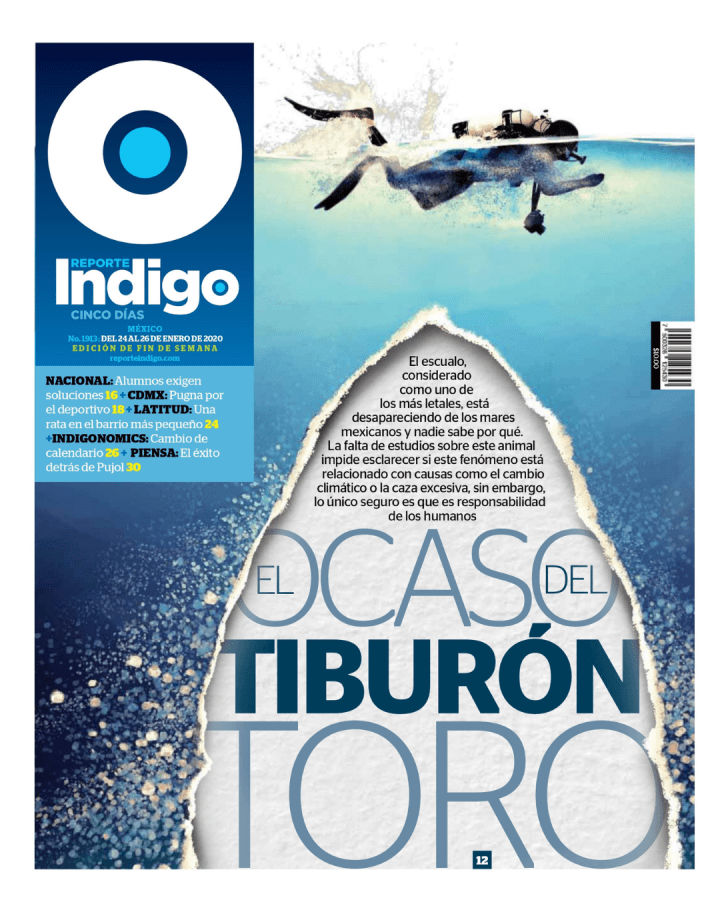
Before I jump into some of the other big names, I’m going to look at one of my favourite newspapers. And despite what I said above about loving simplicity, this publication uses big, bright and/or bold illustrations all the time, covers and inside. But I appreciate that even with the illustration-driven pages, the text is still well designed.

Reporte Indigo

Politico Europe

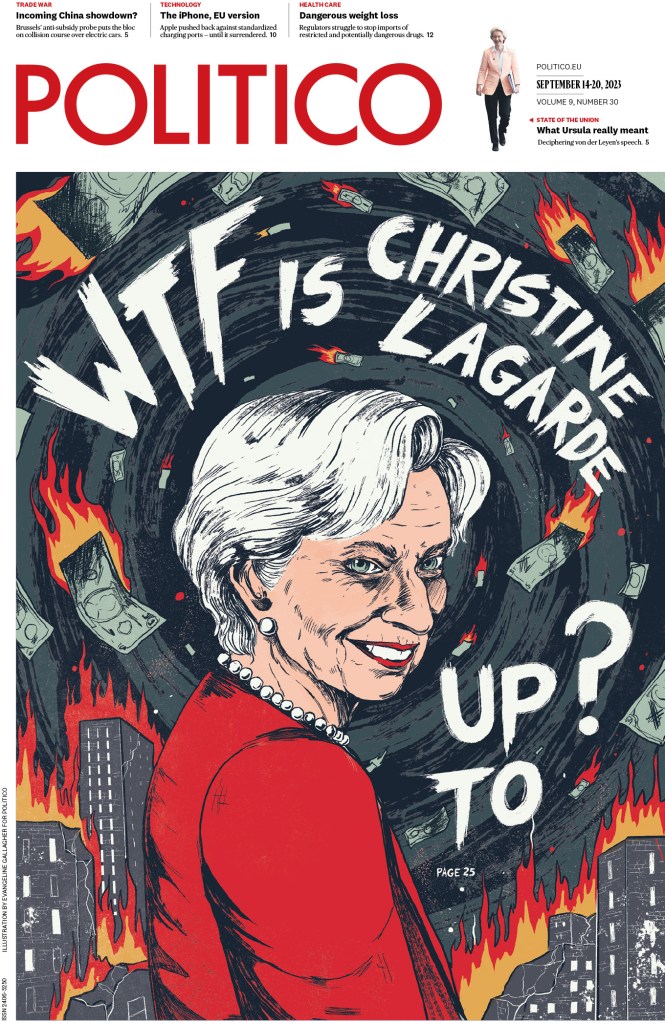
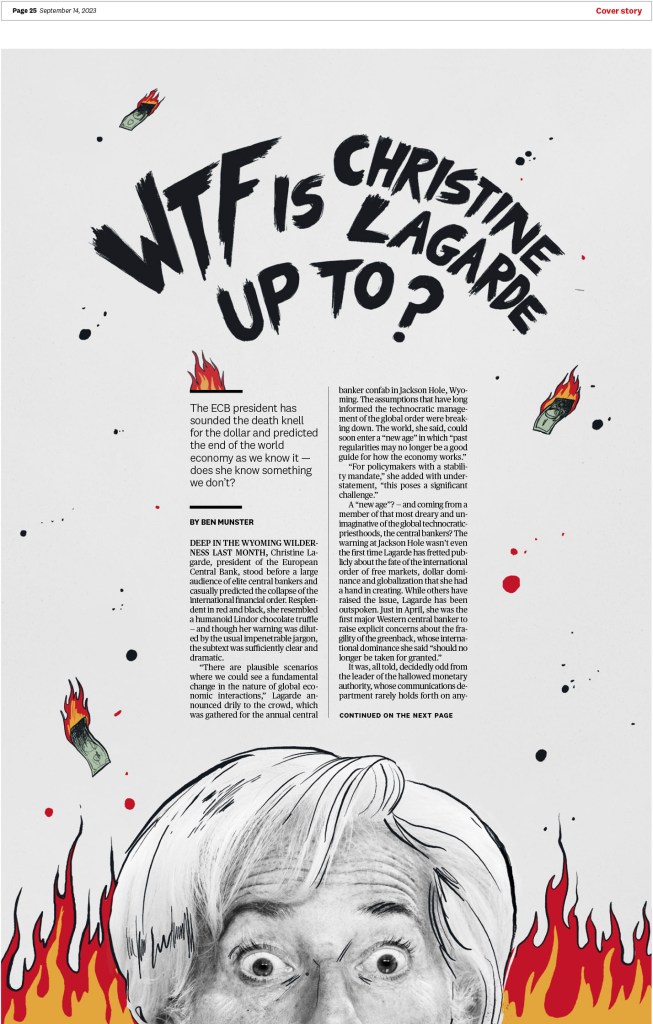
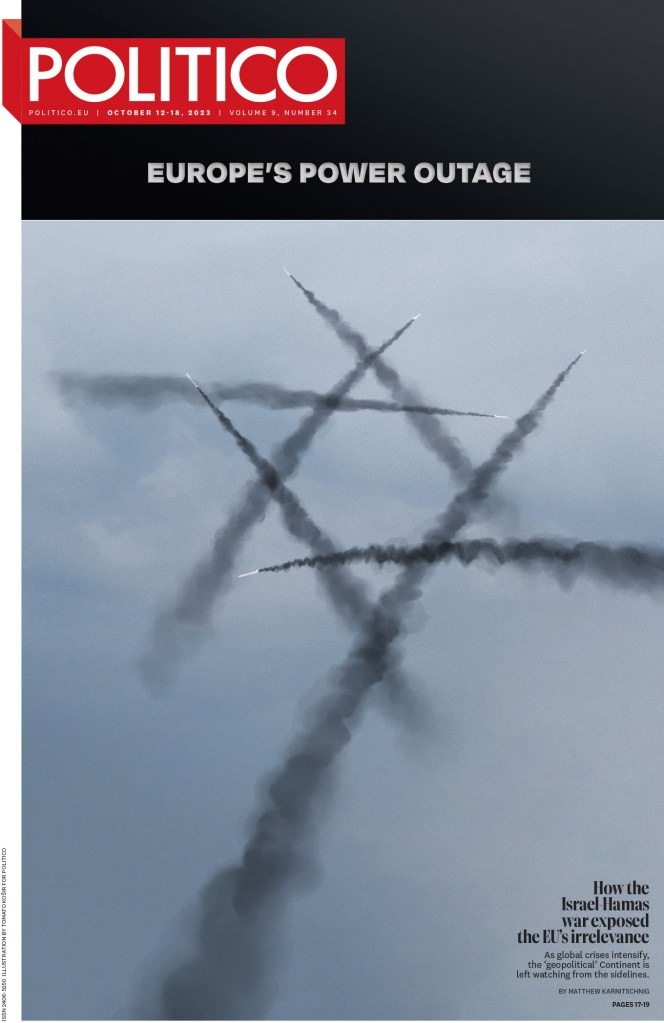
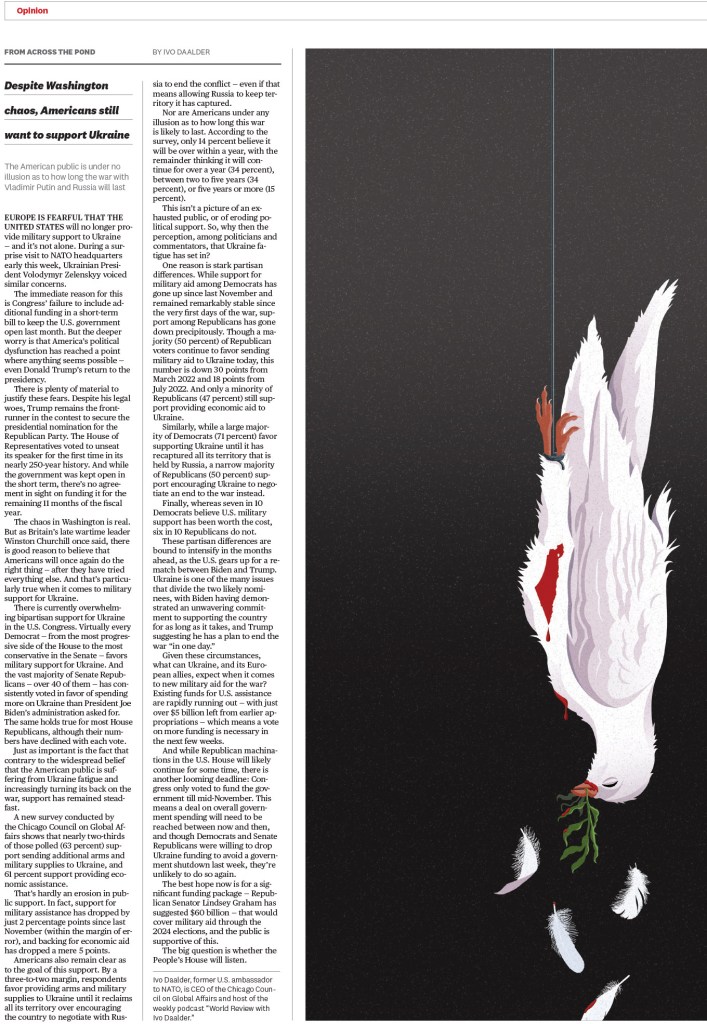
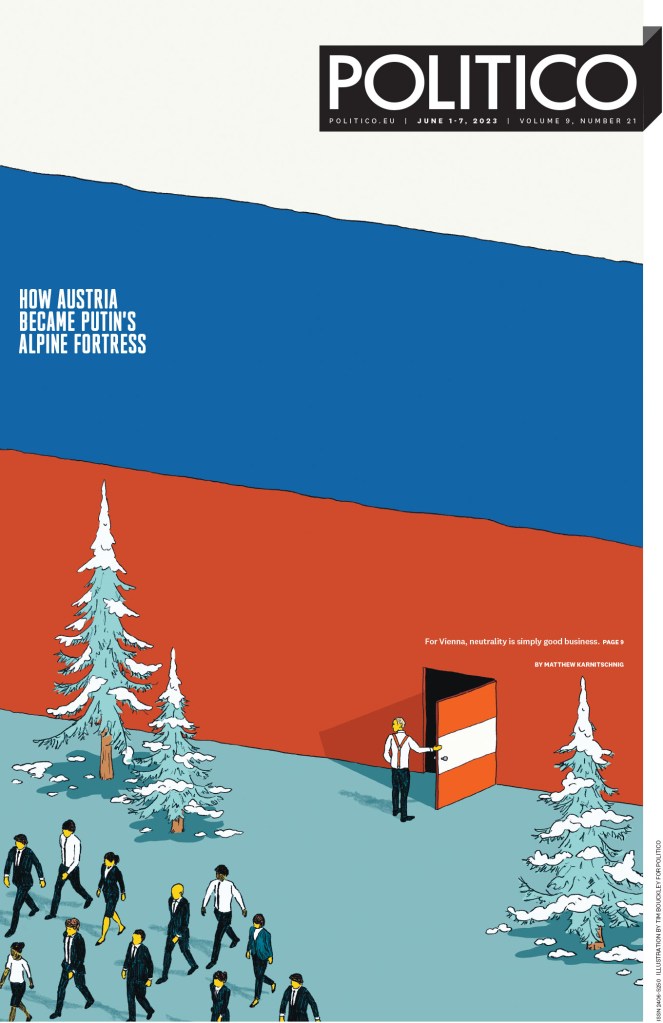
Politico Europe is a publication that punches above its weight. They do some outstanding work. I believe they were the top paper outside of the United States in terms of overall awards at this year’s competition (only behind The New York Times, Minneapolis Star Tribune and the Washington Post). The next two pages are from the same story, and while I love the cover illustration, I appreciate the inside design even more. But also the illustration!

The illustration below won a gold medal, which is an incredibly high honour at SND. To receive a gold, it not only has to stand out from other award winners, it should be nearly impossible to find a flaw and should be state of the art for print design.

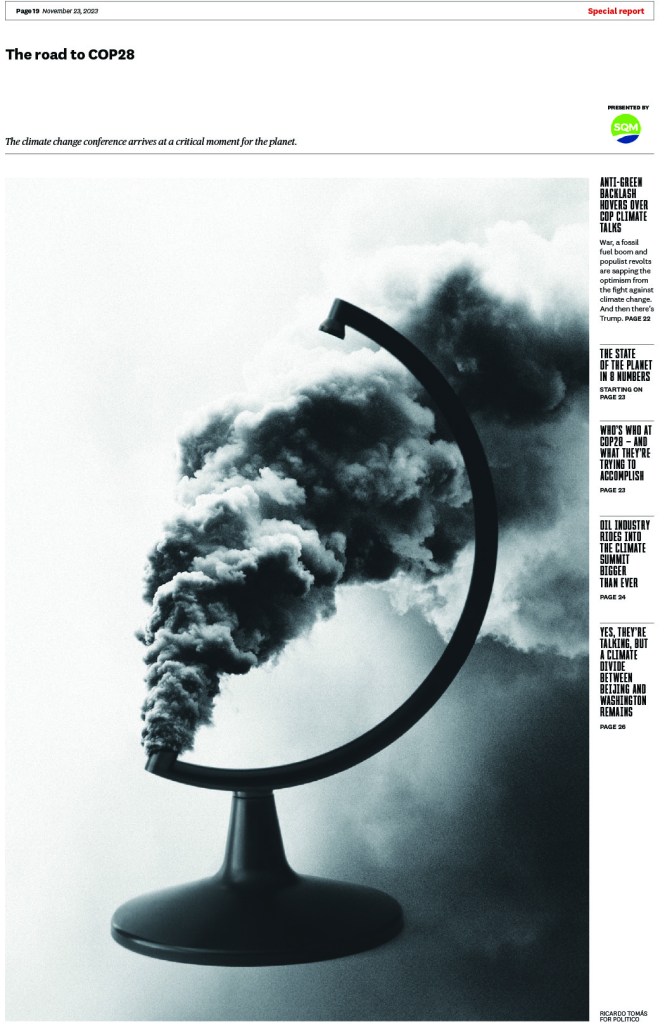
And here are a few more including a short slide show at the end. I’d love to include more, but I need to get onto some other papers. But you can see all the Politico awards here.

South China Morning Post

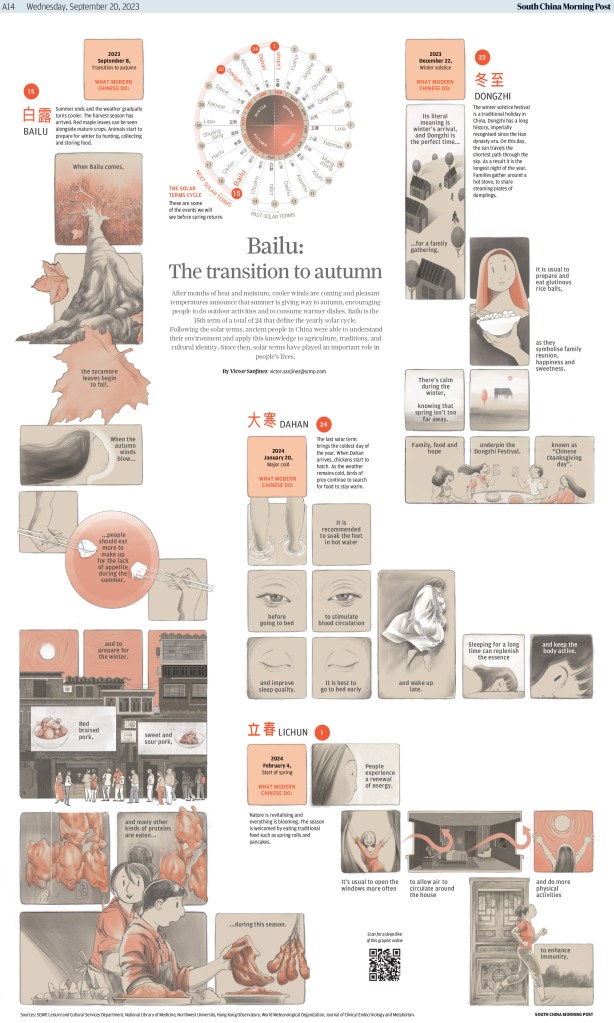
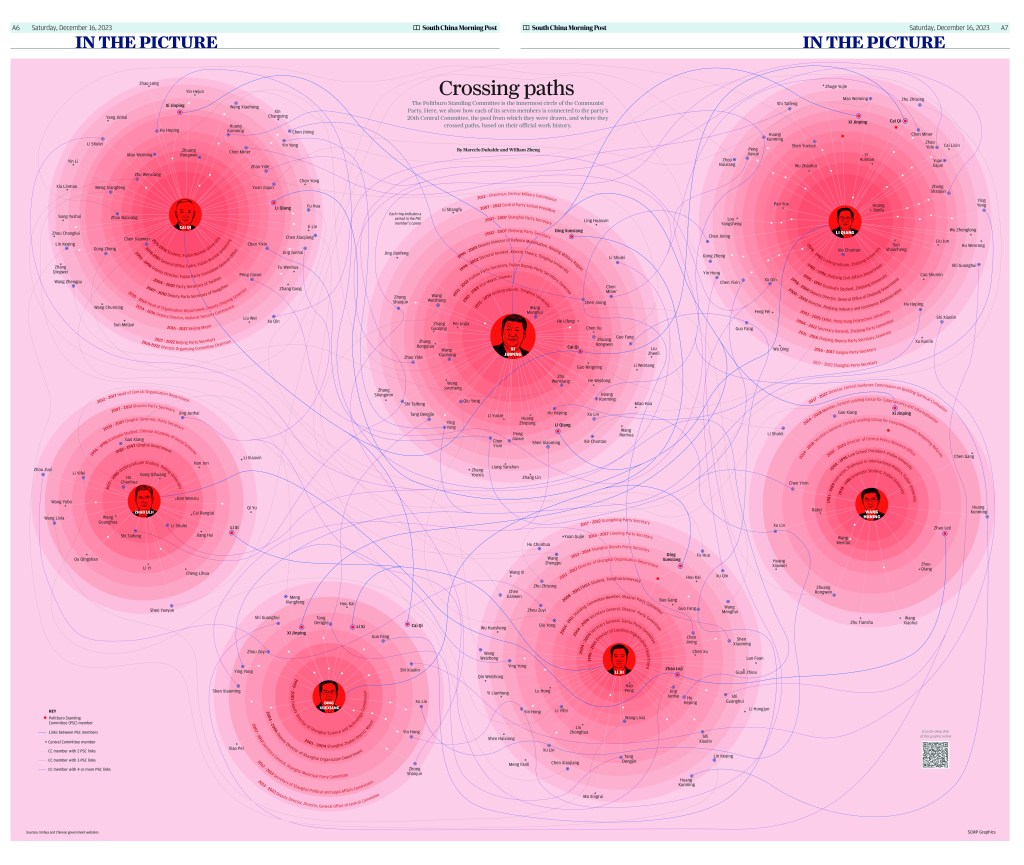
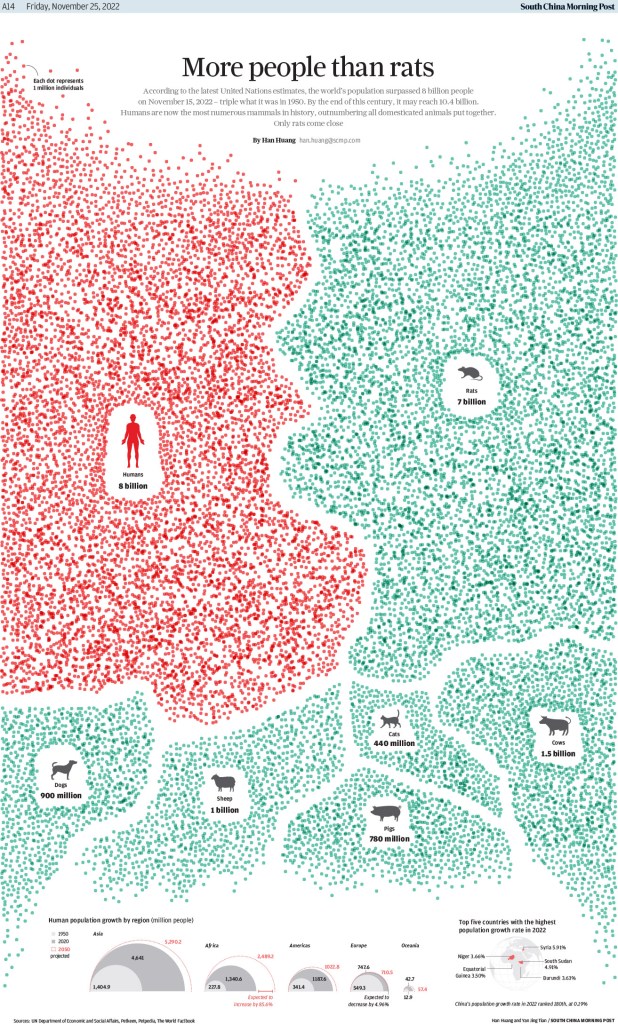
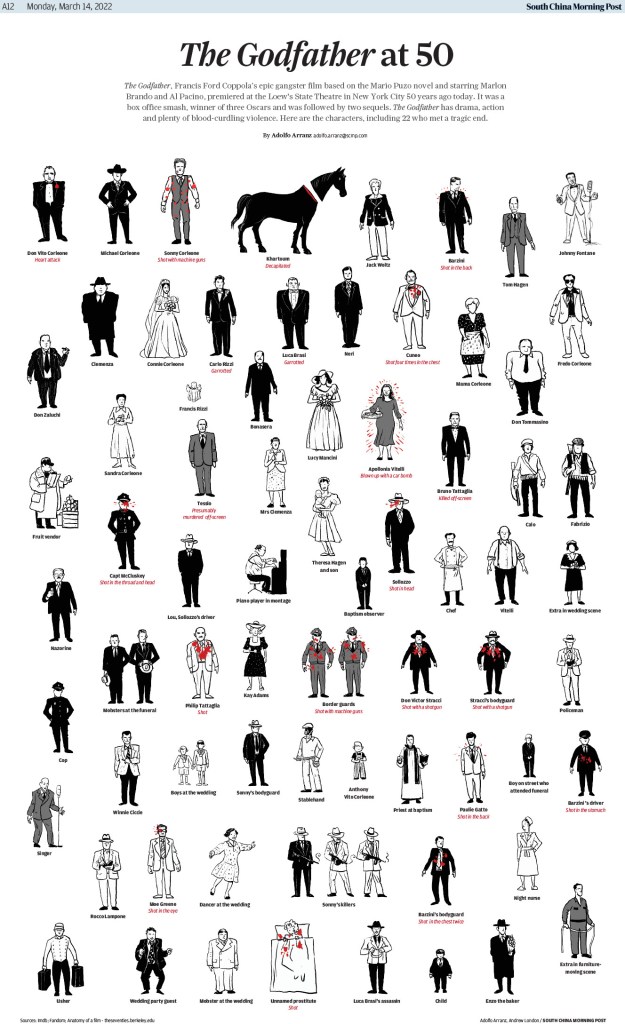
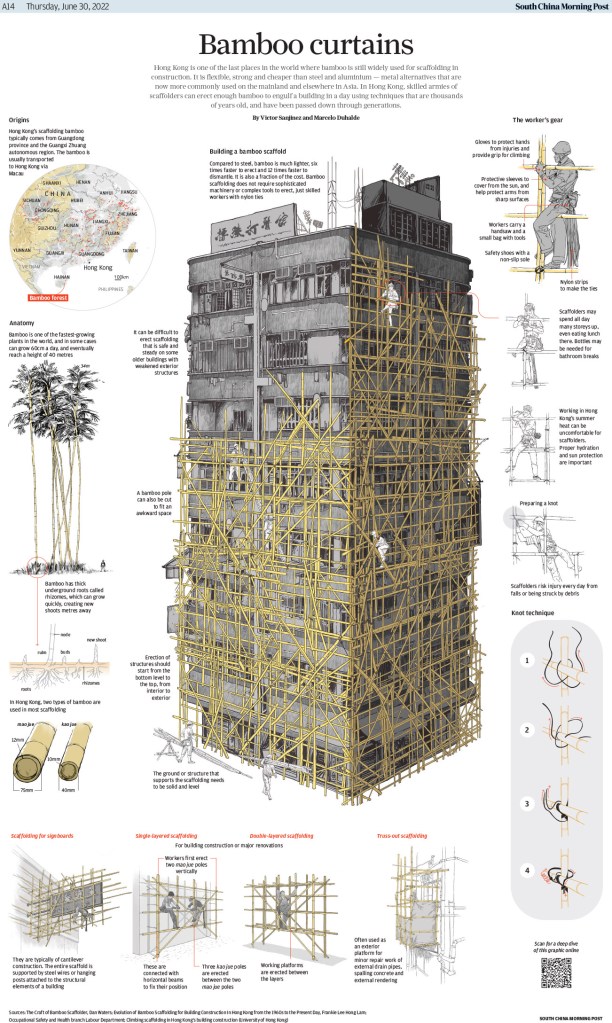
This publication is known for its mesmerizing infographics and illustrations. And it didn’t disappoint this year. Here are a few to keep you captivated (full results from SCMP here). The first won both a gold medal in the information graphics category and a silver for illustration. Not bad for one page.

This one also won a silver medal for information graphics.

And this one is just a visual journey.

World’s Best finalists

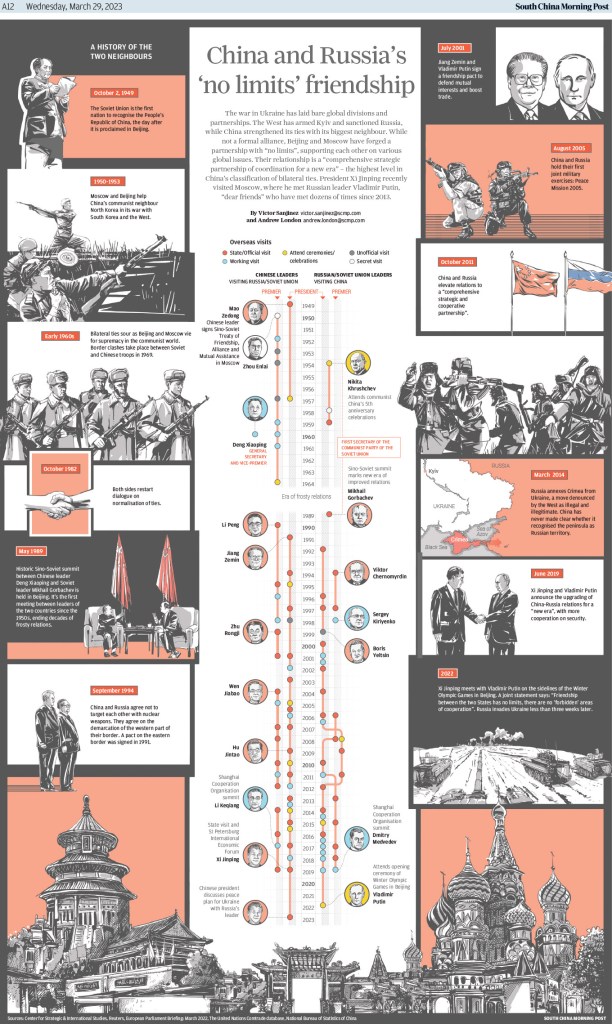
Here is one page each from this year’s World’s Best finalists, in no particular order, as I will dedicate an entire post to these titles. Again, they are Weekendavisen, Politiken, Die Zeit and La Nacion.

A look inside

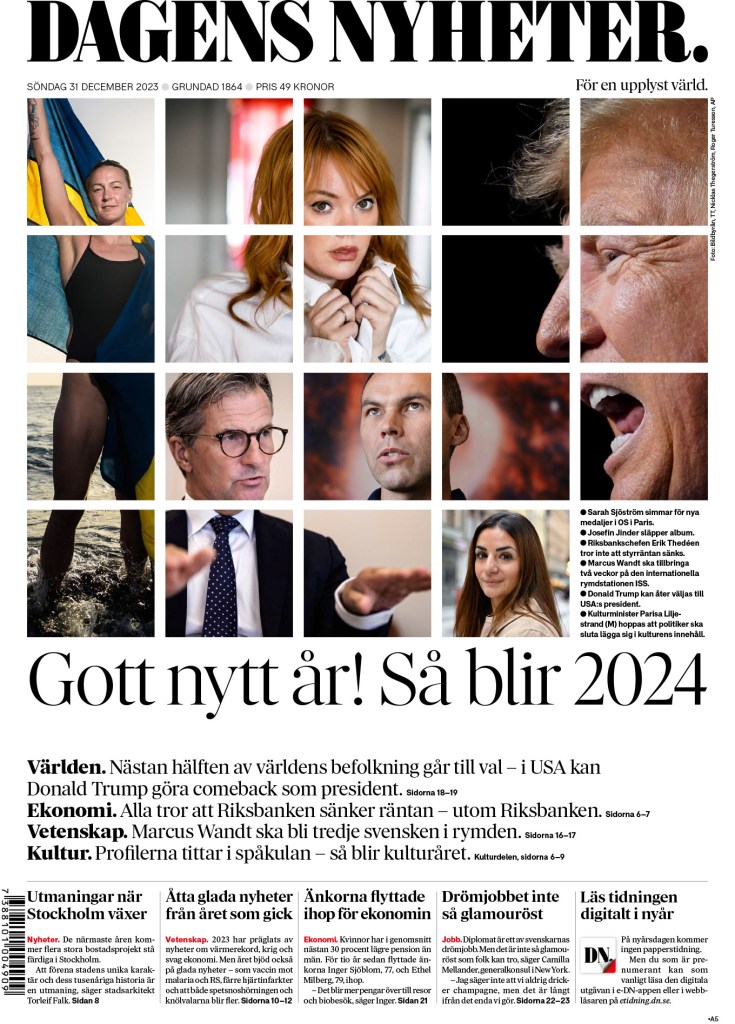
Now for my new (old) love. I don’t want to say simple, but here are some pages (a few in slide shows that I encourage you to scroll through) that rely on page designers more than illustrators to give you the wow. I got giddy looking through some of these. This was the sort of thing I aspired to in my design days because I could with the limited resources my paper had (and the willingness of my managing editor to be bold). I’m not saying I hit this level, but I also don’t want to downplay that I won three times (including once for portfolio) at a paper with a small circulation and an even smaller team. The slide shows are from winning story design entries, and will sometimes have illustration-driven covers. This first one is from Dagens Nyheter, which you will see more from later as it’s another one of my favourite papers.

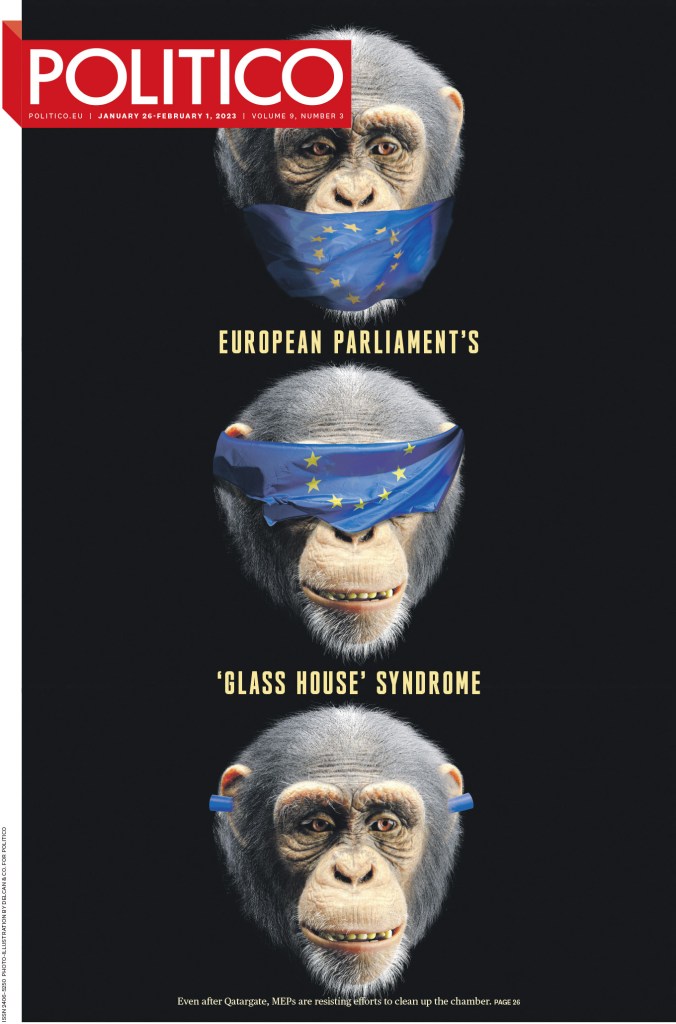
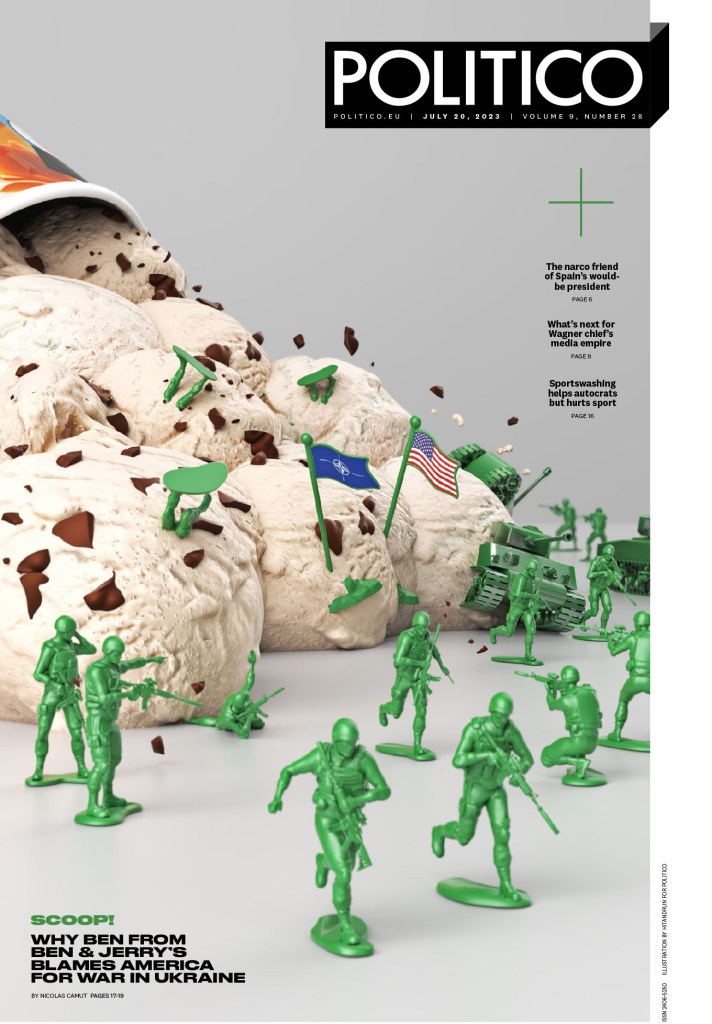
This Politico cover uses a fun image, which mostly requires a solid photographer and a creative mind. And the inside relies on beautiful design.

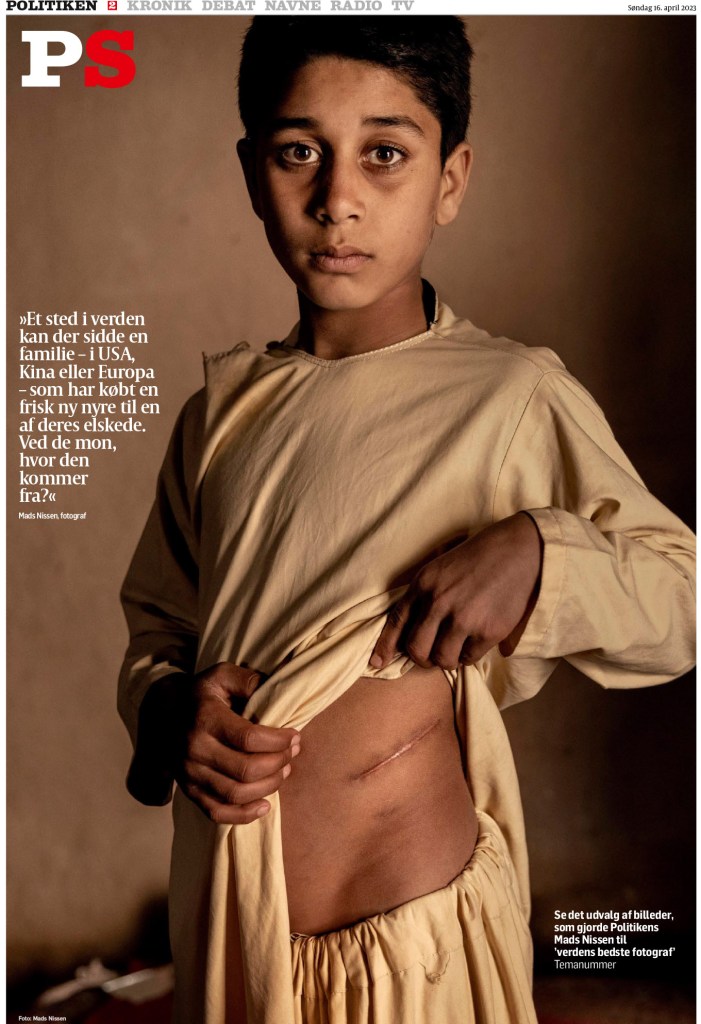
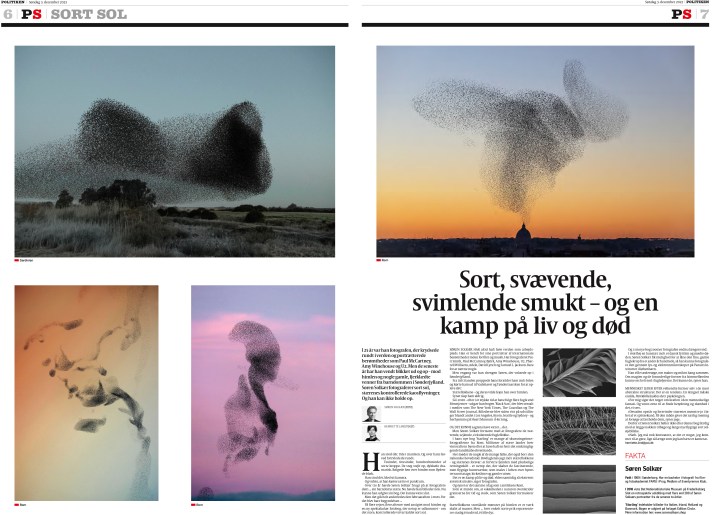
This Poliken story package is largely driven by stunning photography, but it also uses a nice clean design inside.

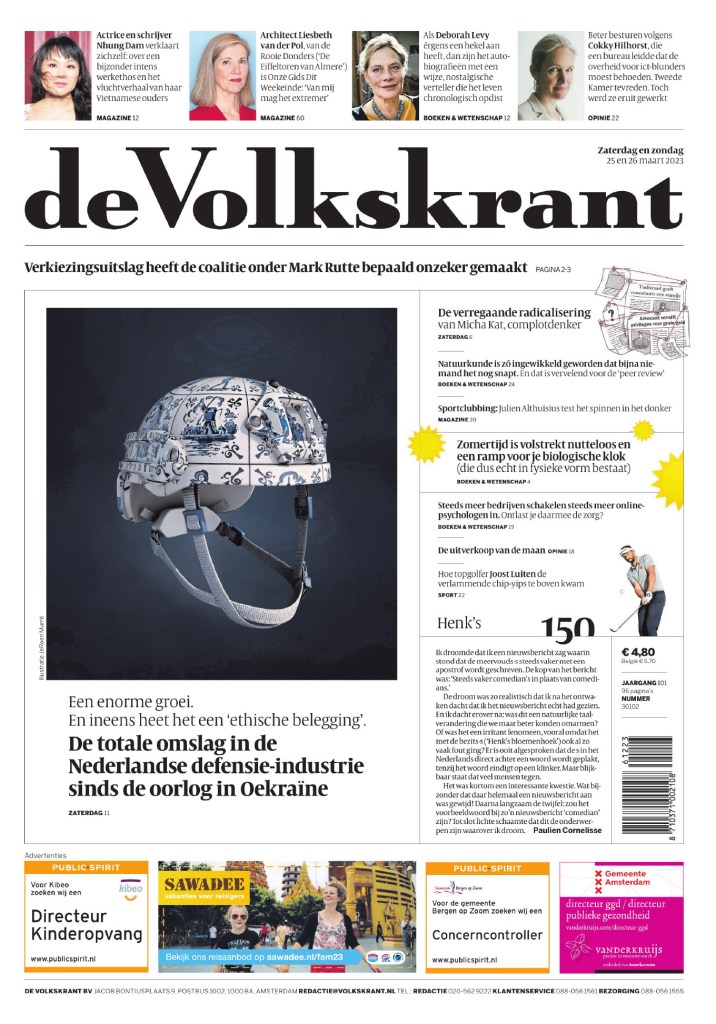
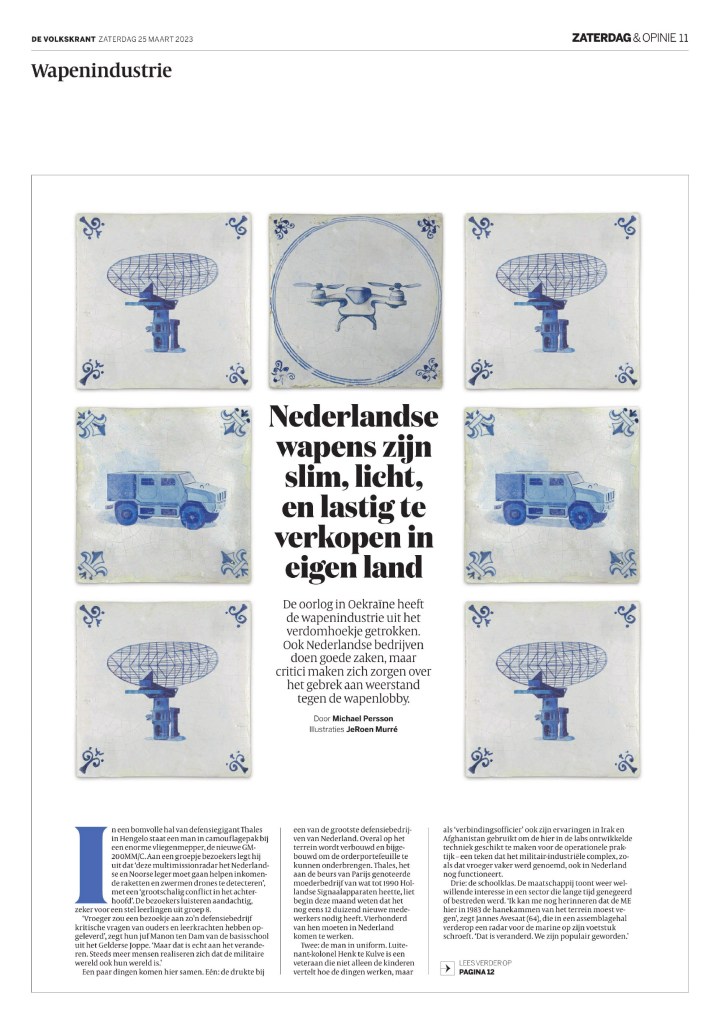
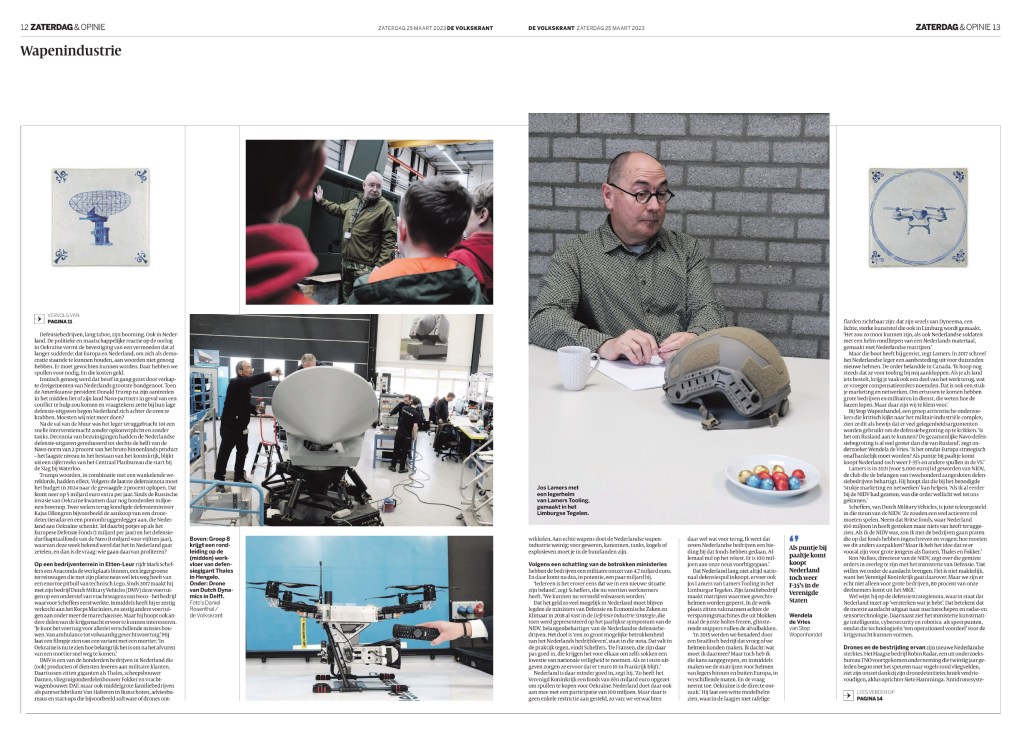
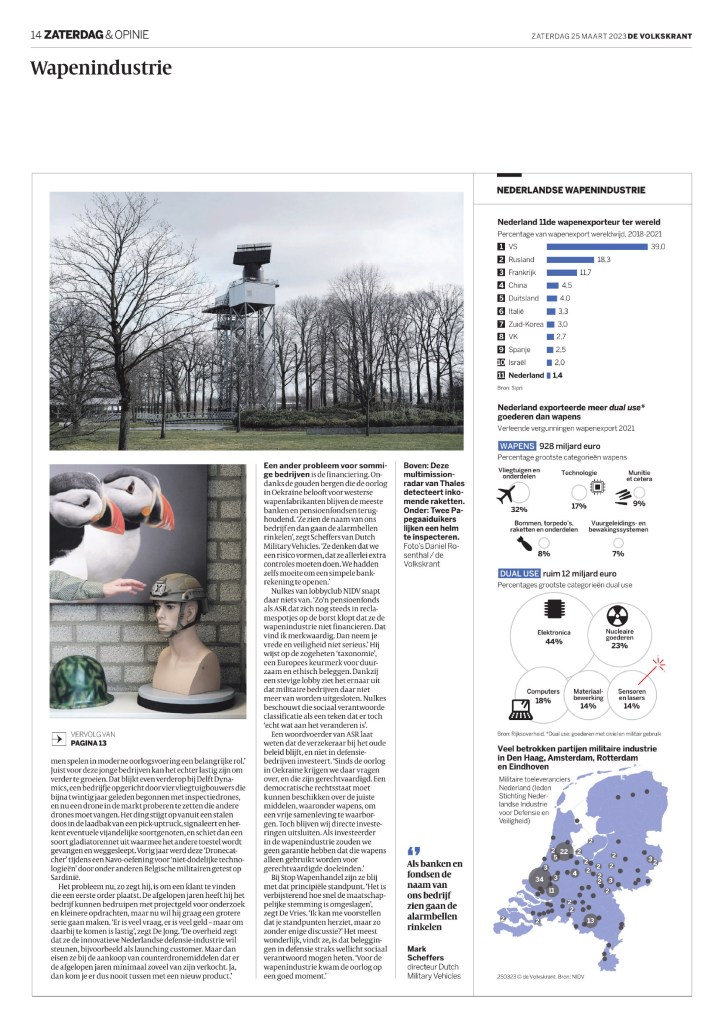
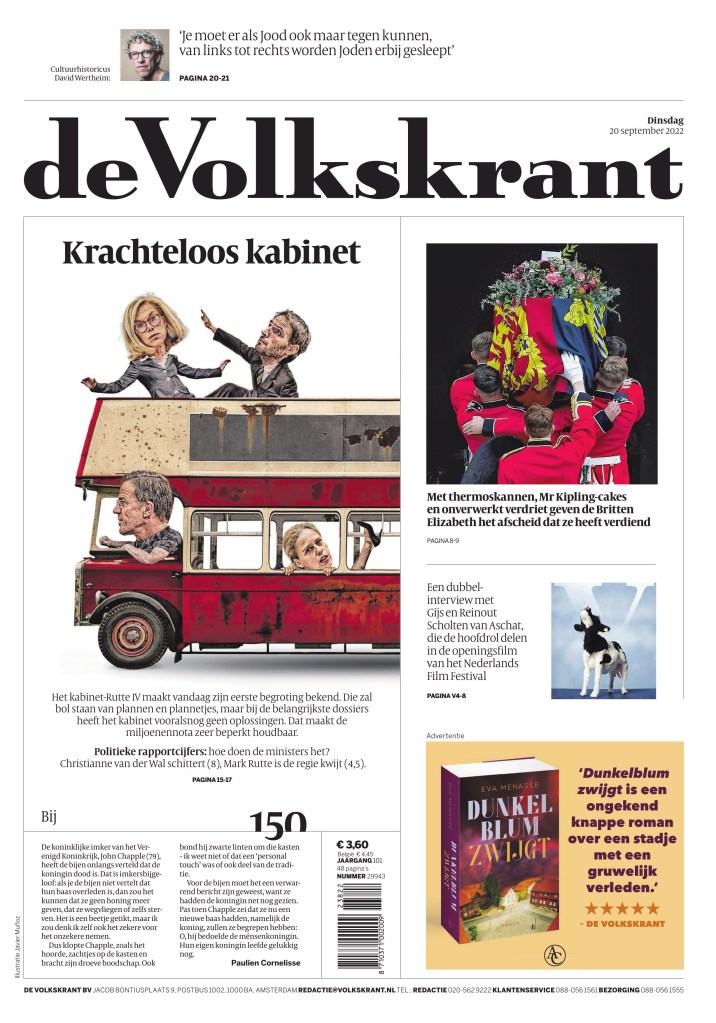
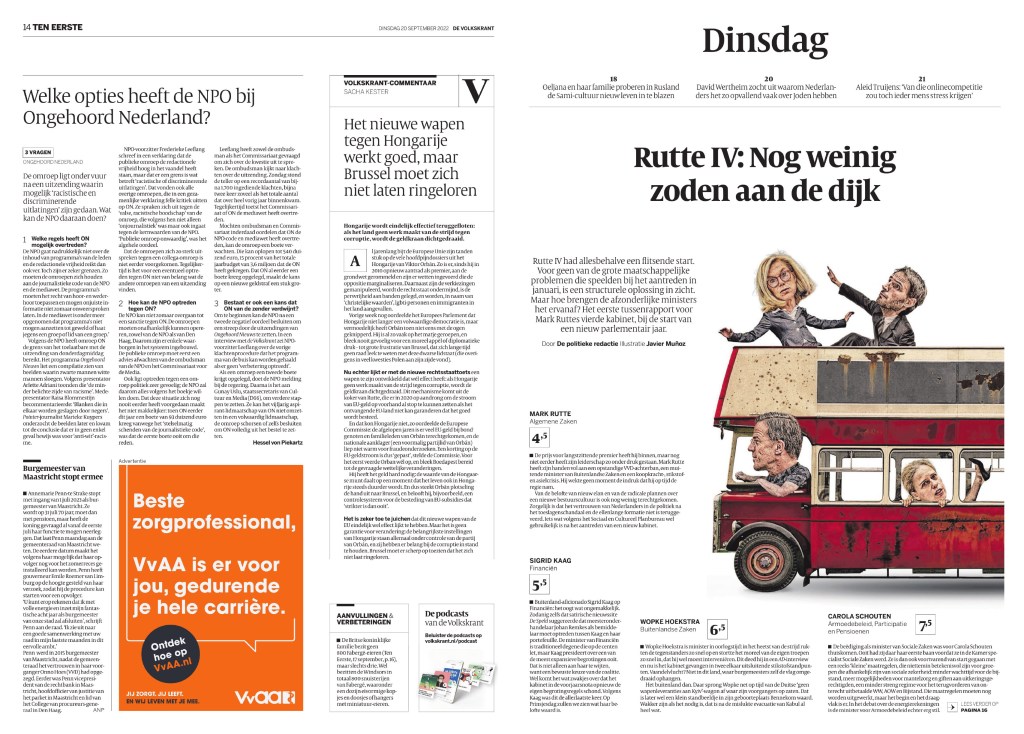
I especially love the super clean and elegant page 2 of this de Volkskrant package.

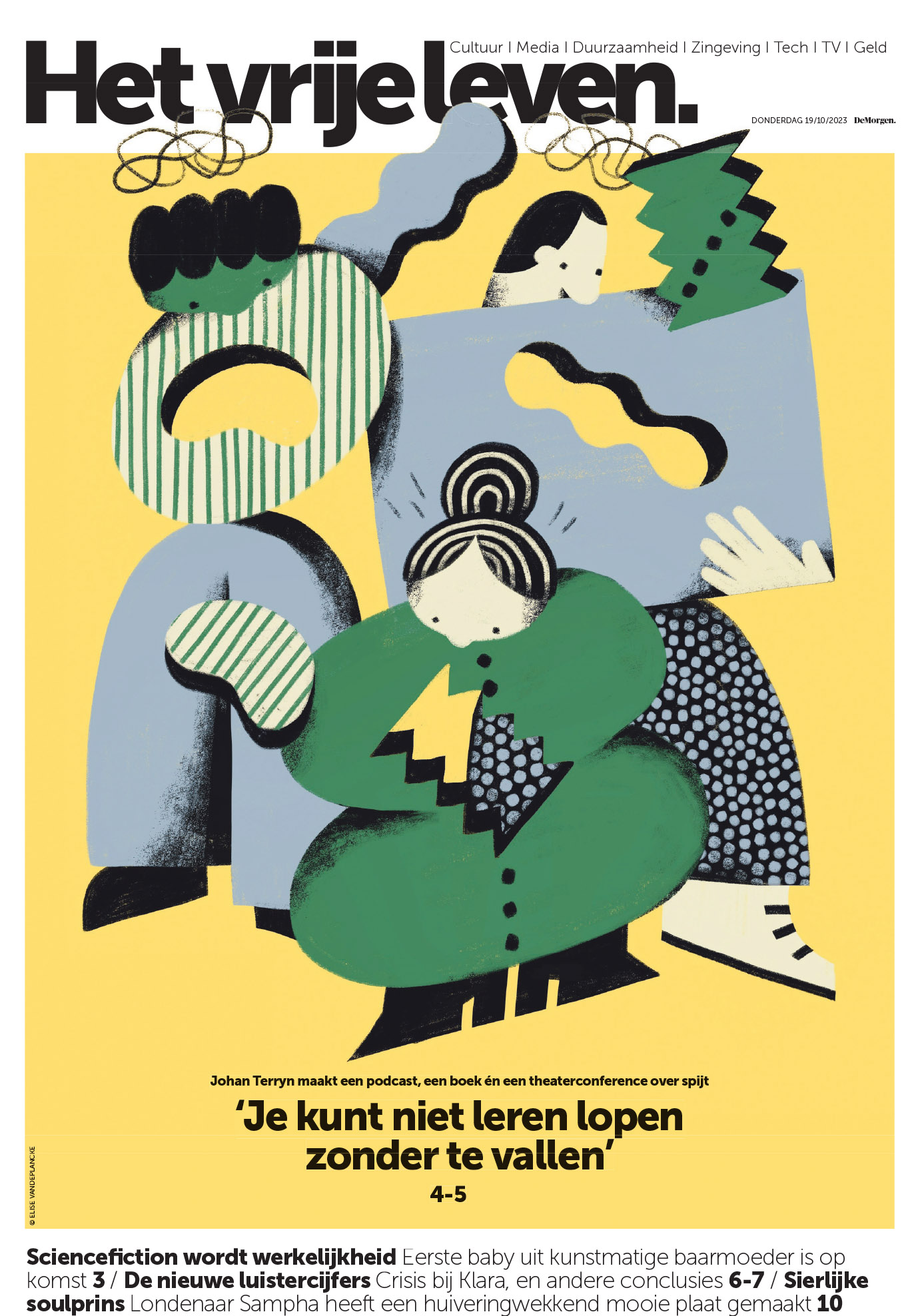
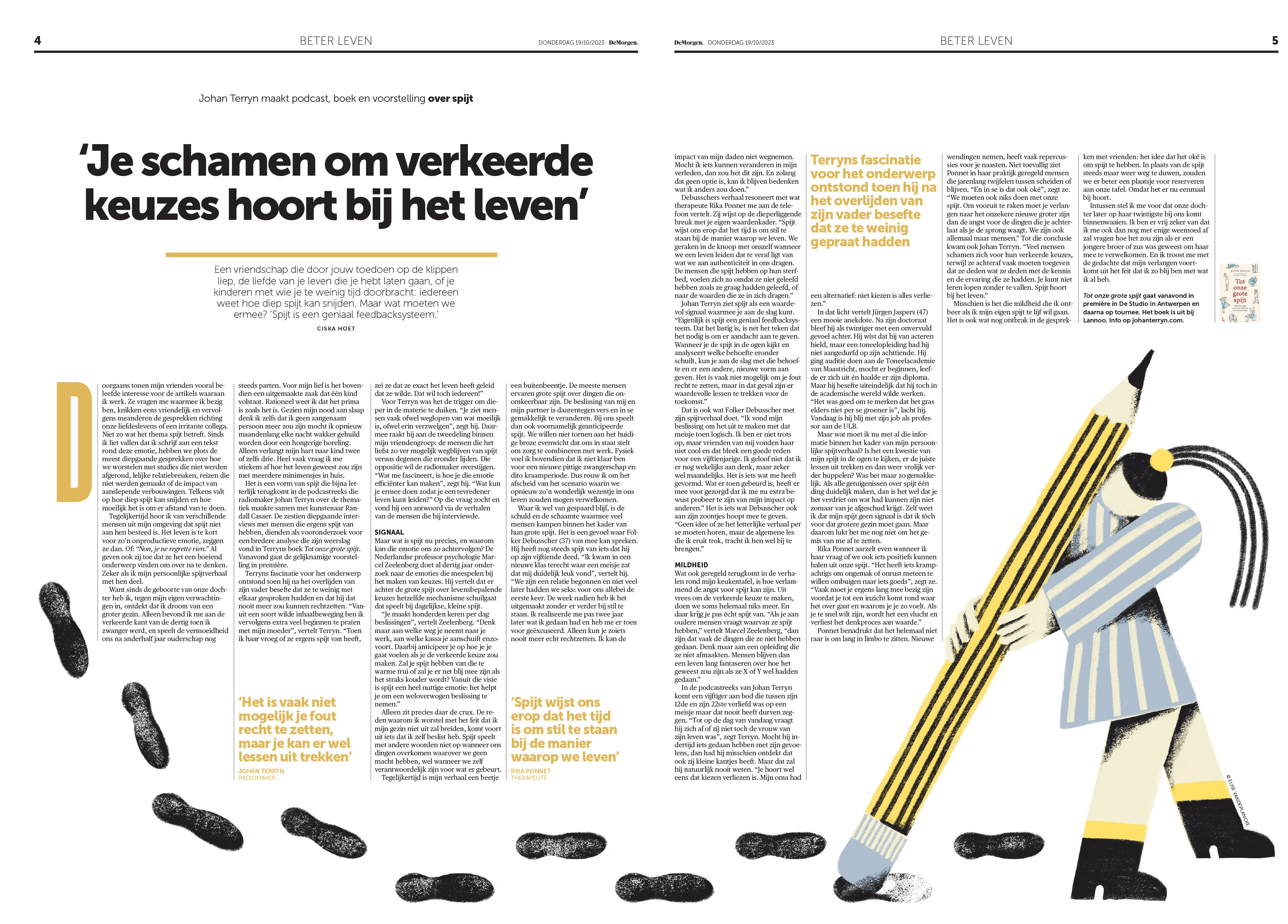
OK, this De Morgen package relies on a creative illustration for the cover and inside, but I love the inside page so much for its page design, which uses a very smart illustration so well. It fills the space perfectly.

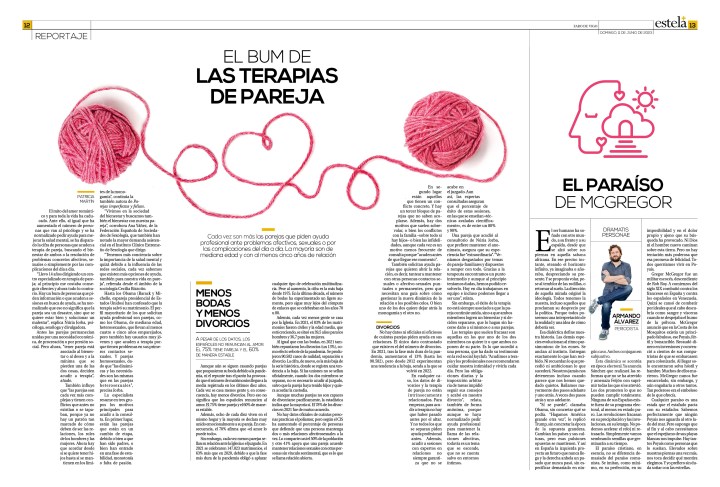
As to not make this post too much longer, I’m going to share a few pages individually and then the rest in a slide show. There so many brilliant pages from so many organizations this year. You can see the full competition results here. I will start with this one from Spanish newspaper Faro de Vigo, as it was one of my standout pages from this year’s competition.

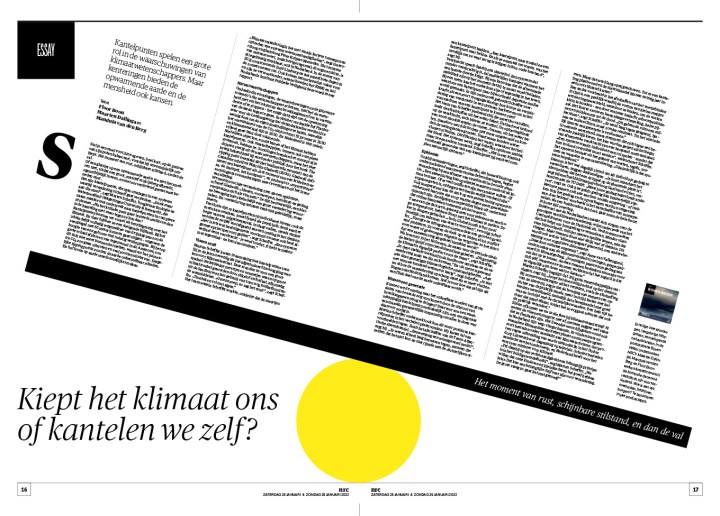
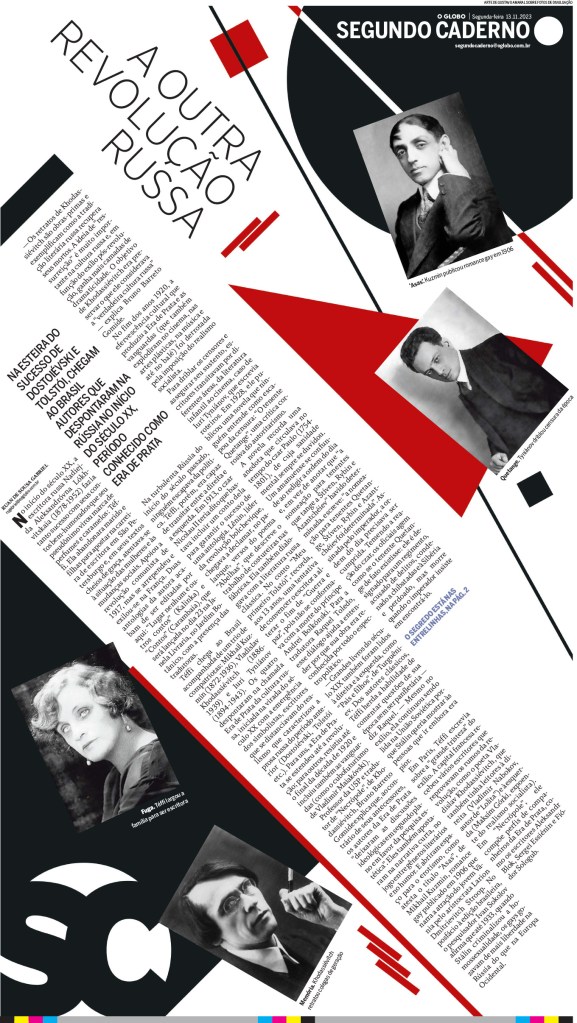
What’s your angle? It depends. NRC (Netherlands) is tipping few degrees this way and O Globo (Brazil) is tipping a lotta degrees that way!

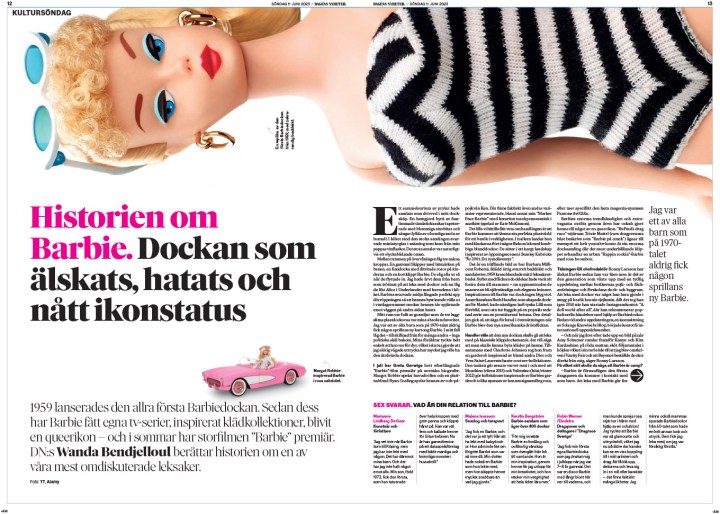
As promised a few more from Dagens Nyheter. I love this Barbie page.

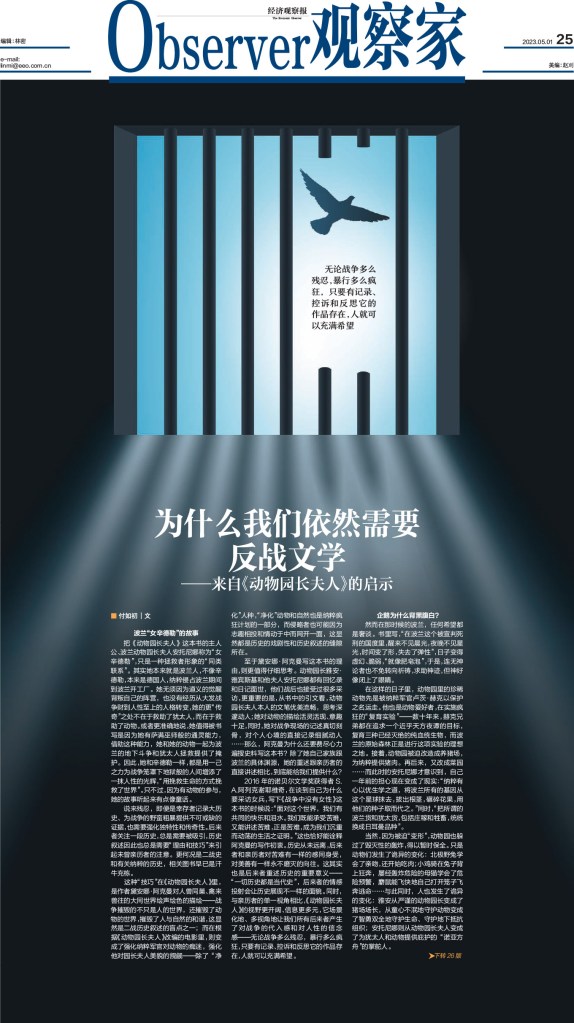
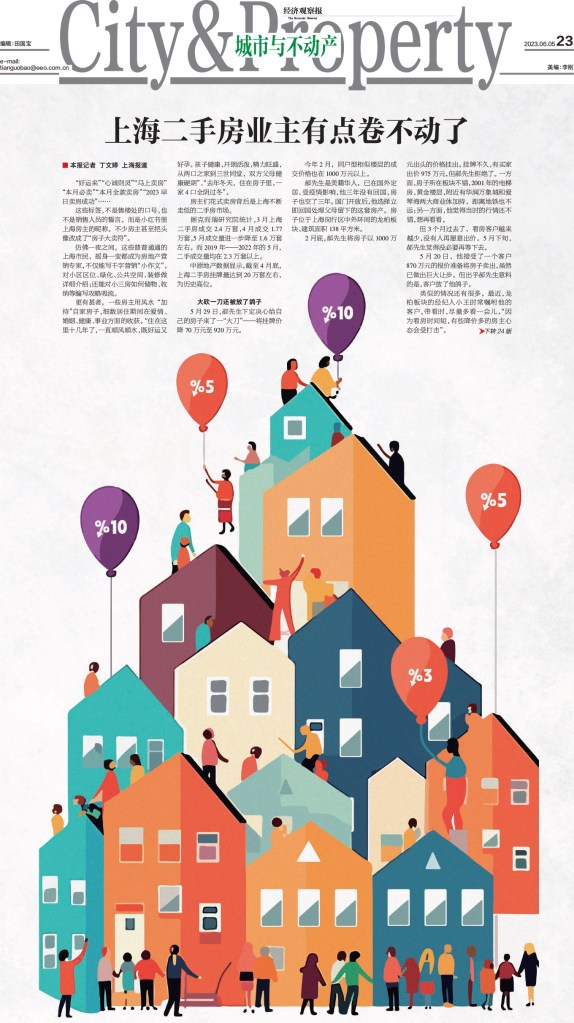
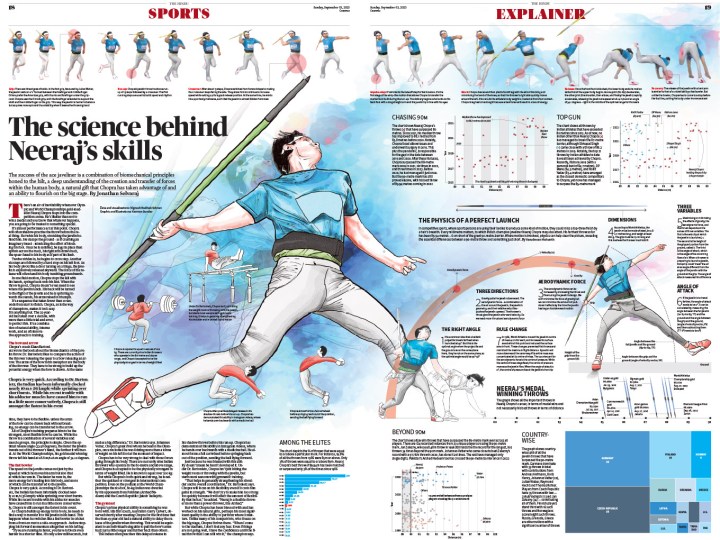
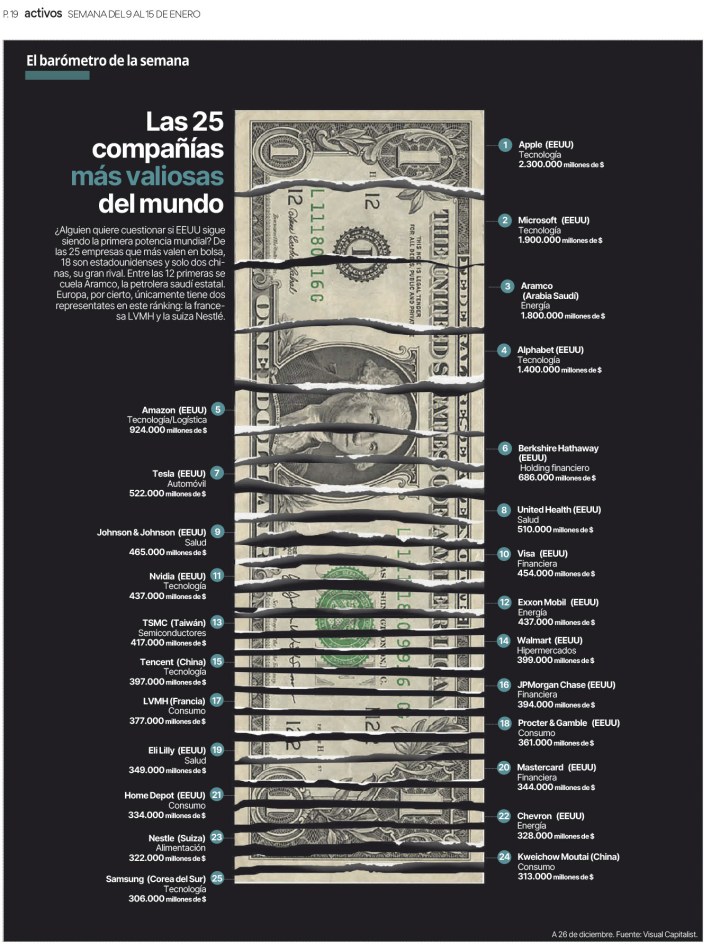
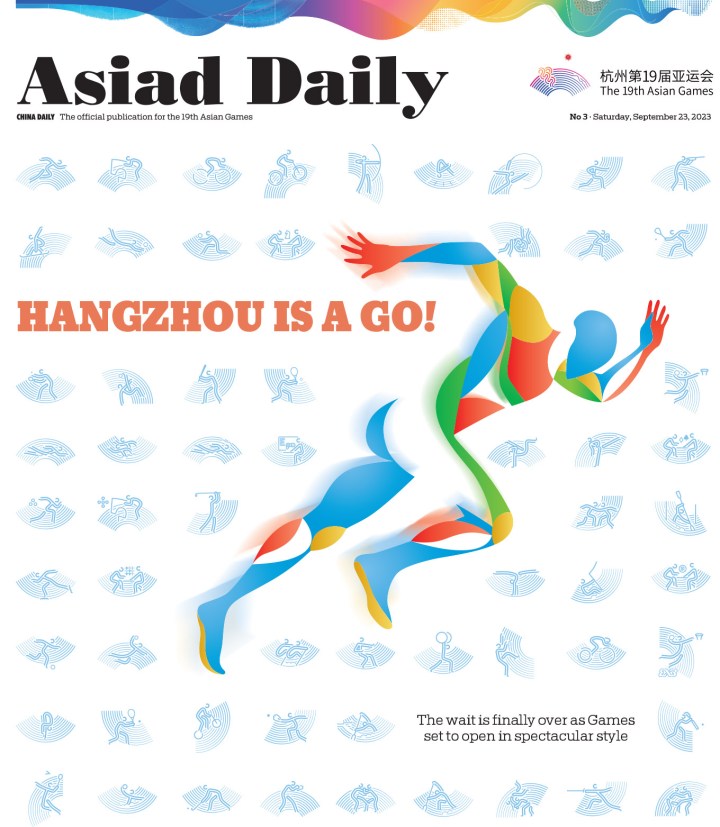
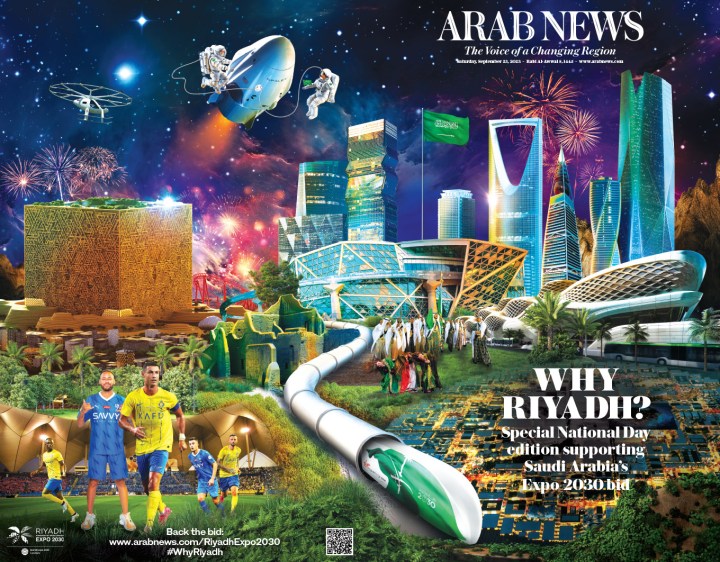
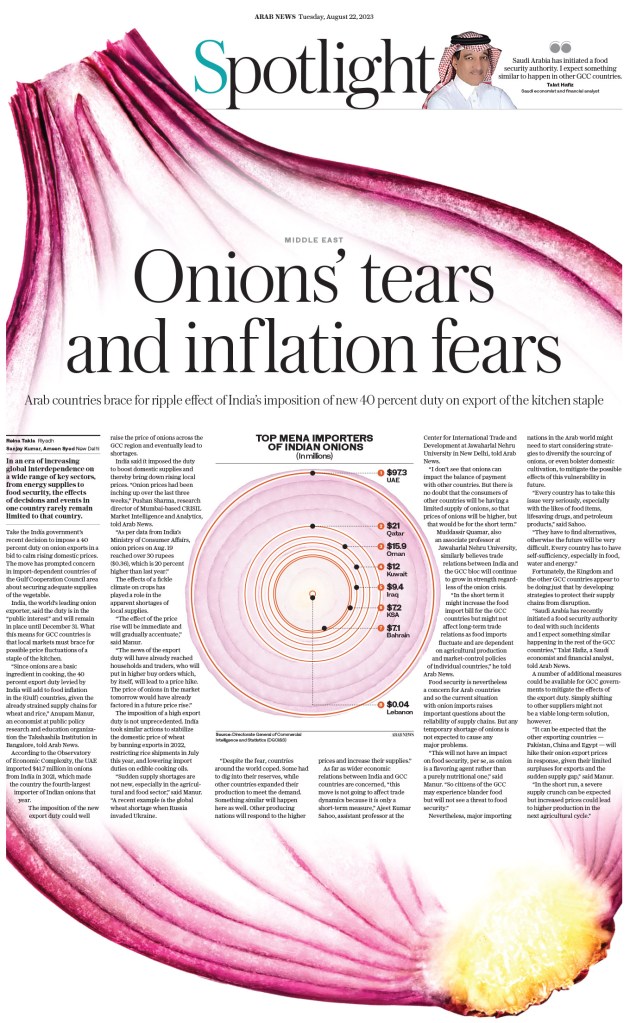
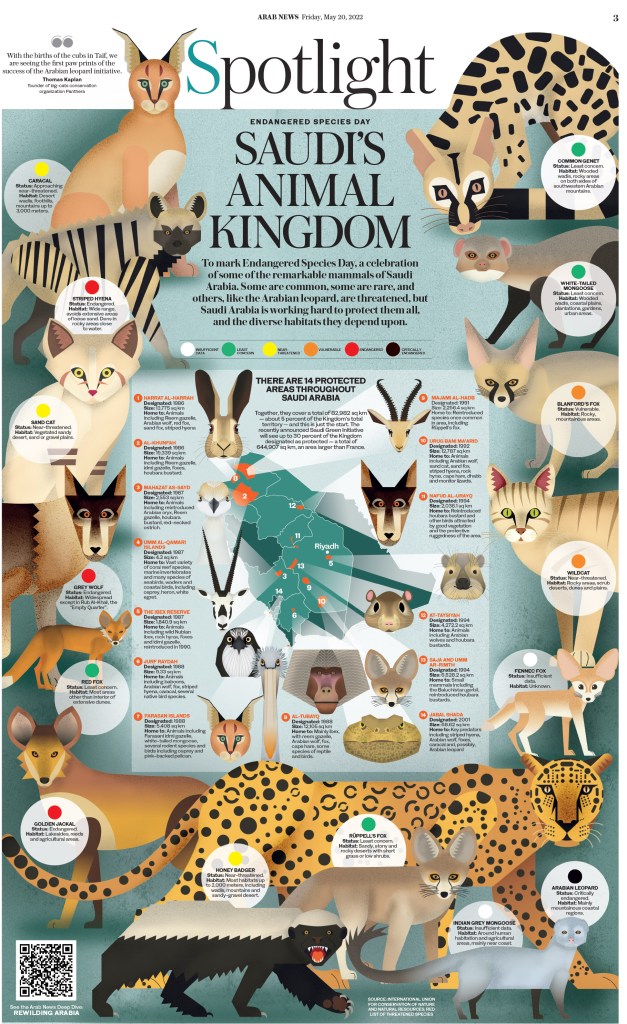
And last but not least, here is a slide show with pages from the Economic Observer (China), the Hindu (India), Activos (Spain), Asiad Daily (China), Arab News (Saudi Arabia), Handelszeitung (Swizterland), The Sunday Times (Britain) and Estadio de Minas (Brazil).

More from SND45:
Best from Canada
Using black and white
Dealing with tough topics
Callout: If you’re a newspaper designer who would like your work featured, reach out!

By Brad Needham

Covers in a dangerous time. I chose this as the name of my blog to highlight that newspapers are going through a tumultuous time, but I wanted to make sure the great work still happening was recognized. Each year at the Society for News Design’s annual creative competition, I am reminded by how much more prevalent the tumult is in Canadian media.

Again this year there were only entries from three newspapers: the Globe and Mail, Toronto Star and Le Devoir. Between them they won 33 total awards, including one silver medal (awarded for pages that are excellent, but even stand out among the excellence. This was given to the Globe and Mail for its climate coverage package) and 32 awards of excellence. For a page to receive this honour, three of five judges need to agree that this page shines. Overall, the numbers are down for Canadian outlets (The Globe had 32 on its own last year, and managed 26 this year). The Canadian total was 38 last year.

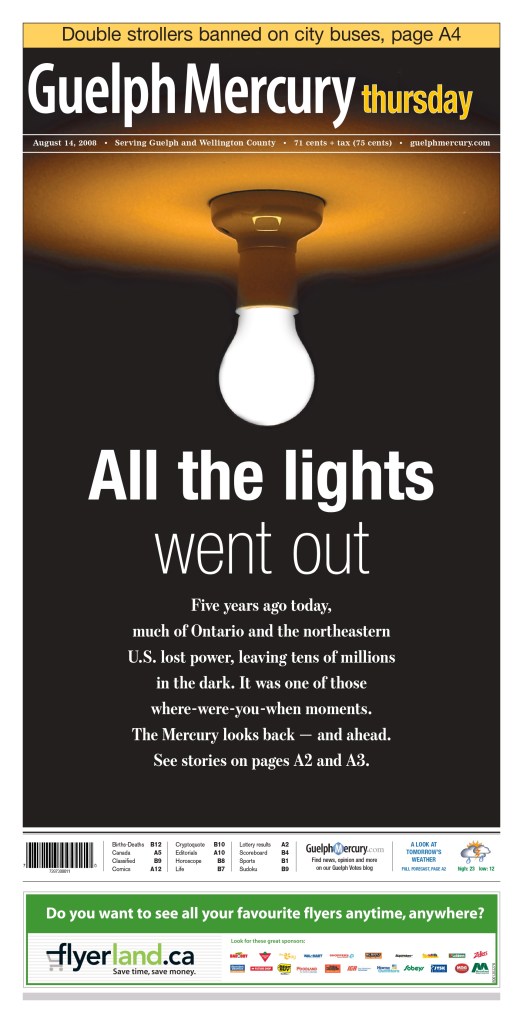
When I won, I submitted for the Guelph Mercury, a small paper that punched way above its weight. I would love to see a few more publications next year.

Alas, this site is meant to celebrate excellence in visual journalism, and despite there being fewer wins this year, Canadian media outlets produced some outstanding stuff.

Full results: SND 45 winners

As a little background, this is my fourth year assisting at SND’s Best of Newspaper Design competition. I have acted a facilitator (I am not a judge; I help the ensure the judges have everything they need, and help organize things for the SND team). I started on the news team and have been on the World’s Best team for the the past three years. It has been an honour to be involved. This year it was held in Minneapolis, Minnesota, at the Star Tribune office.

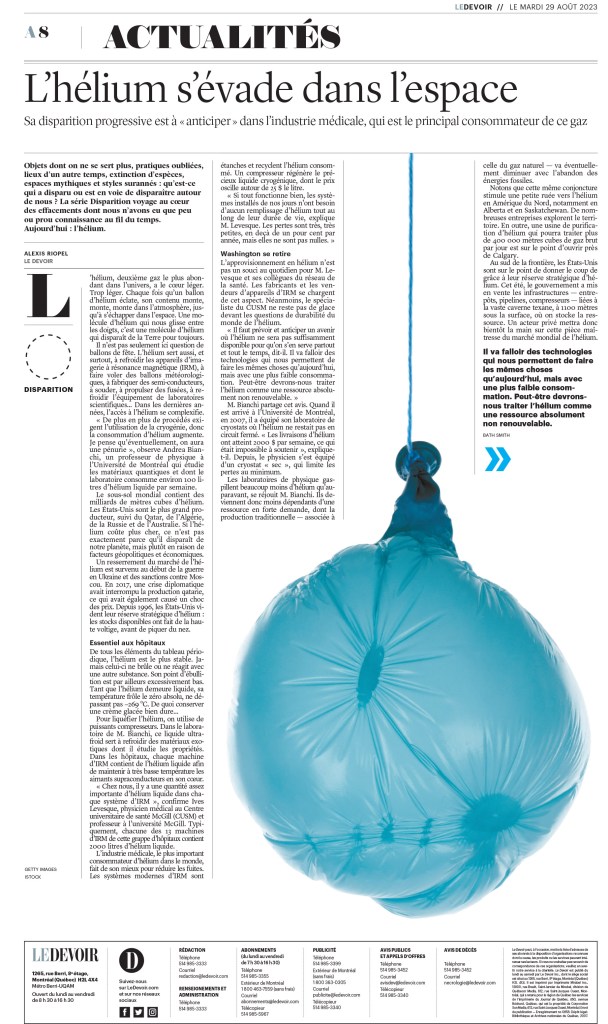
Time to show off some brilliant newspaper design, the reason anyone comes to this site. These pages may or may not have won awards. I chose them because I liked them. I will start with Le Devoir, as they had one of my favourite pages.

Le Devoir (Montreal)

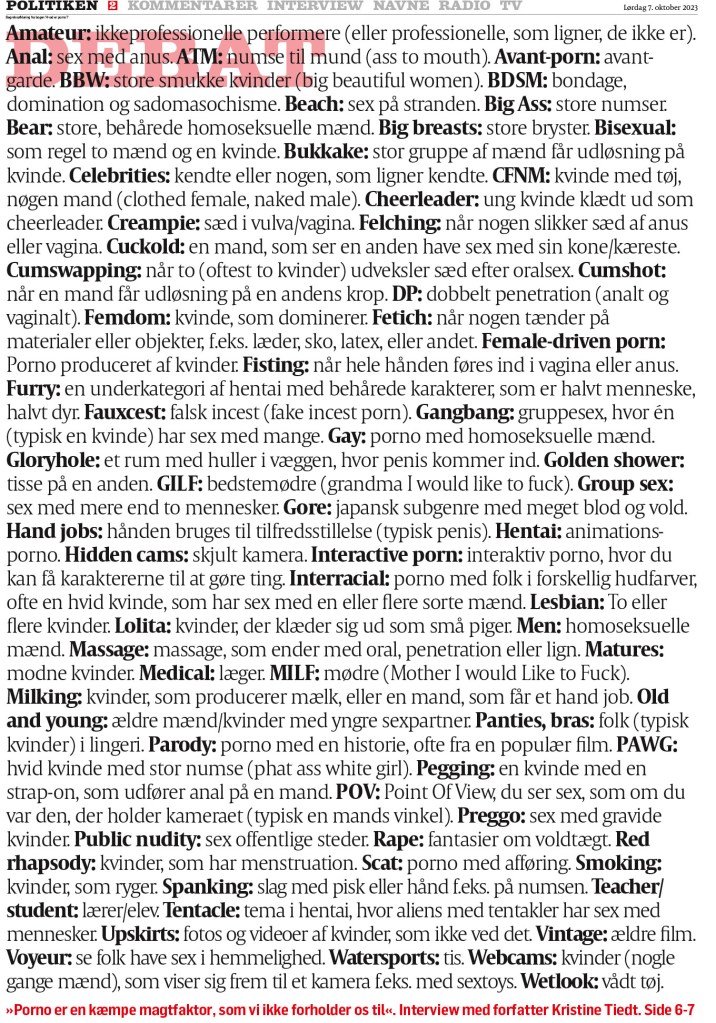
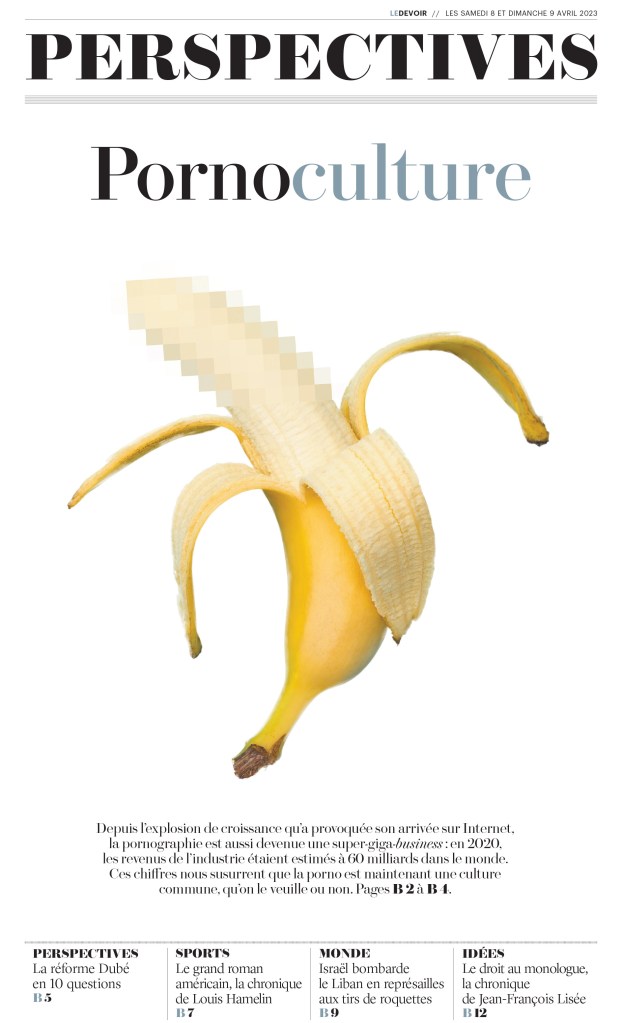
Often when doing newspaper design, designers need to find a way to illustrate things that can be tricky to illustrate. I appreciate the thought that goes into this. In this case it’s porn. Imagine being asked: we want to do a story about pornography, and it will be a section front. How will you illustrate this? Blurry bananas, naturally. Or at least one.

And here is another. A simple but smart photo. A good use of white space, as this paper is known for.

Toronto Star

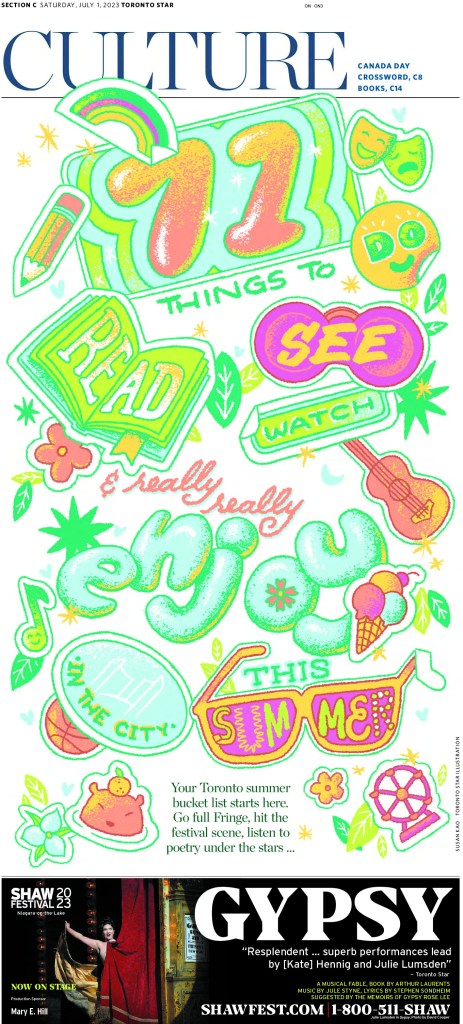
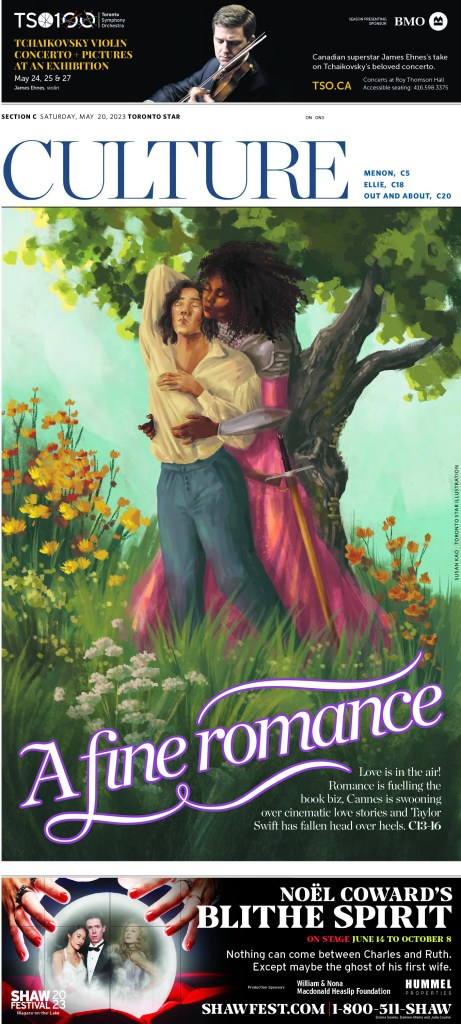
I am always excited to see the Star do great things. I am proud to say I have worked on Star pages and created some I’m proud of. Though I didn’t have the opportunity to do any of this calibre in my time there. This first page, from a staff portfolio submission, has a bit of a Los Angeles Times vibe. It’s bright and fun. Bubble letters.

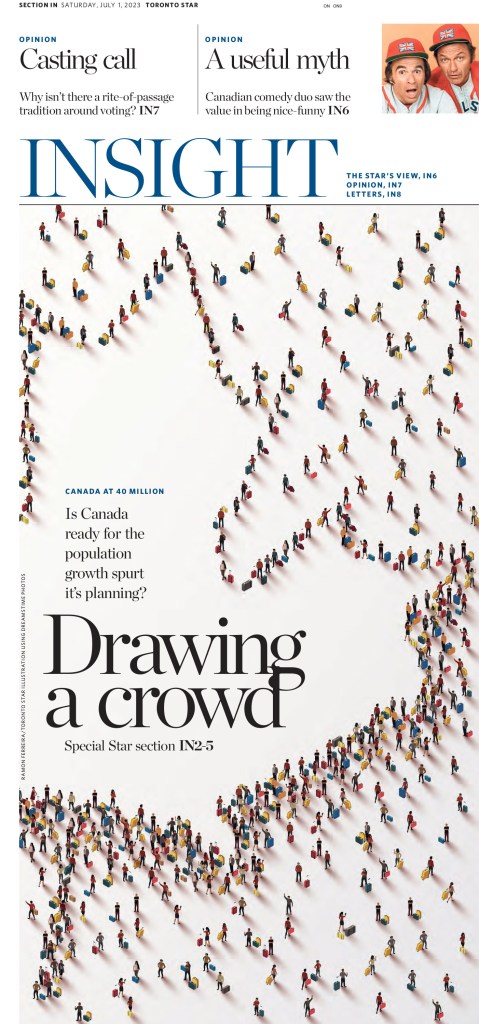
I have seen pages similar to this before. Little people making shapes. This is nicely done. Not only the image but the rest of the design.

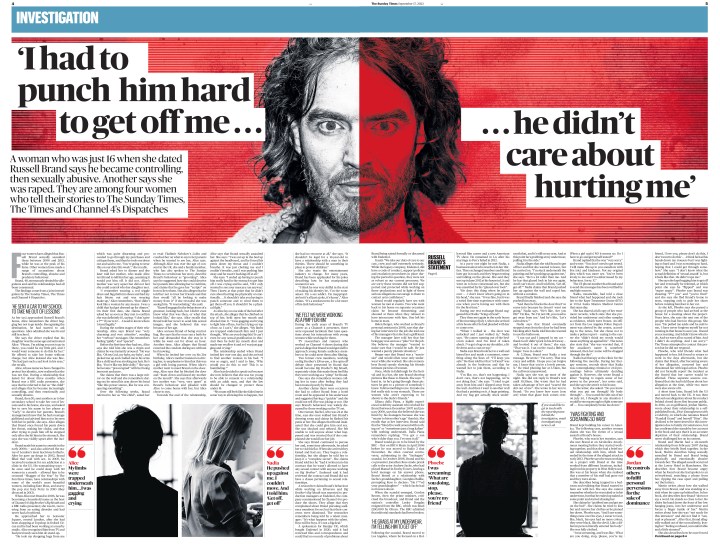
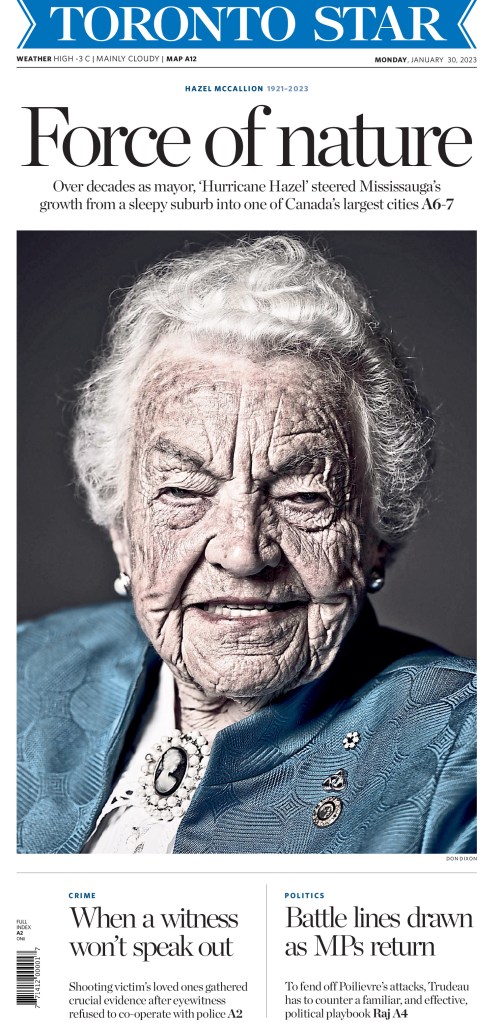
This page created some controversy when it first ran. Many thought the photo was insulting to longtime Mississauga, Ontario, mayor Hazel McCallion. Others thought it should have been identified as being enhanced (it was desaturated, which isn’t normally something a newspaper would do with a photo, but rather a photo illustration). But even when it came out, I posted it on my Instagram. It’s striking as an image, and as a page.

One more from the staff portfolio entry. It’s driven by the illustration, but there is some fun text treatment.

And here are a few more from the Star.

Globe and Mail

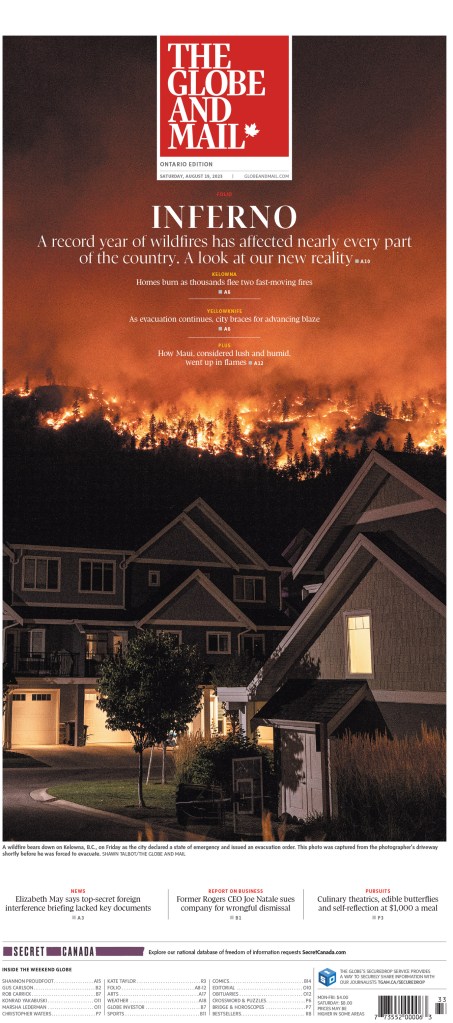
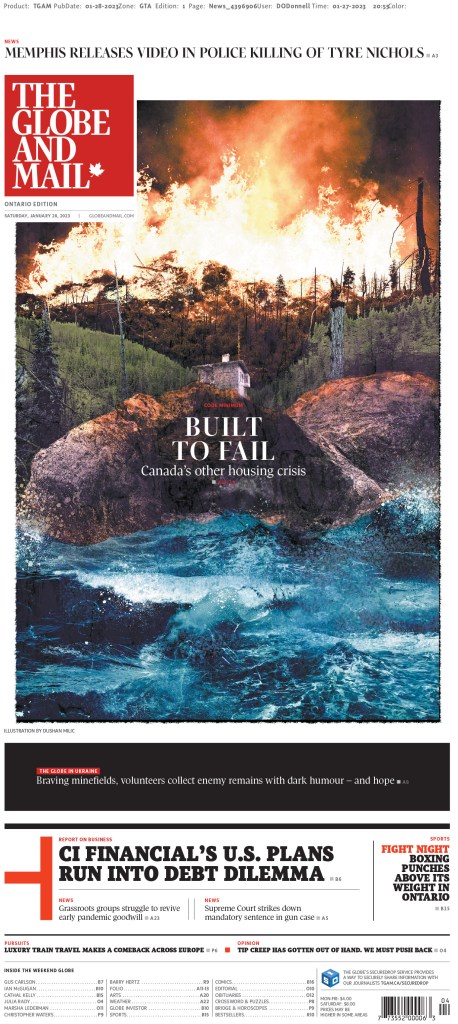
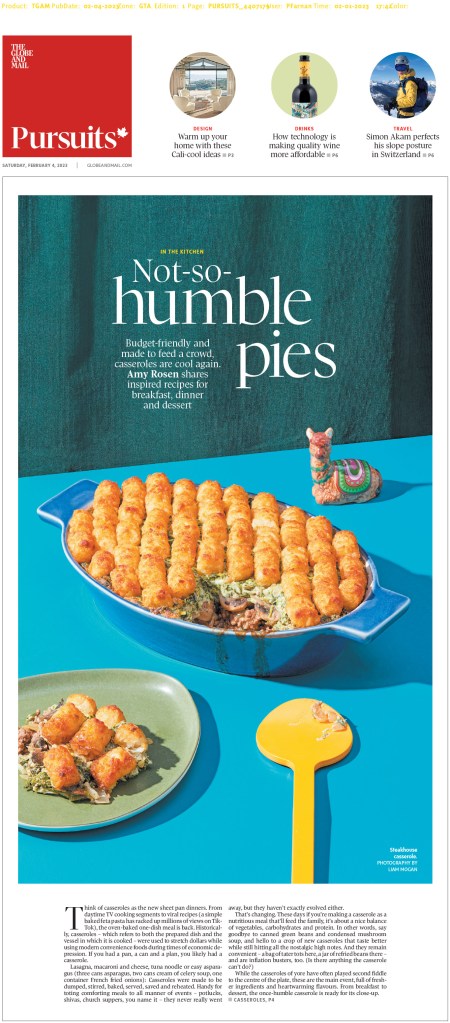
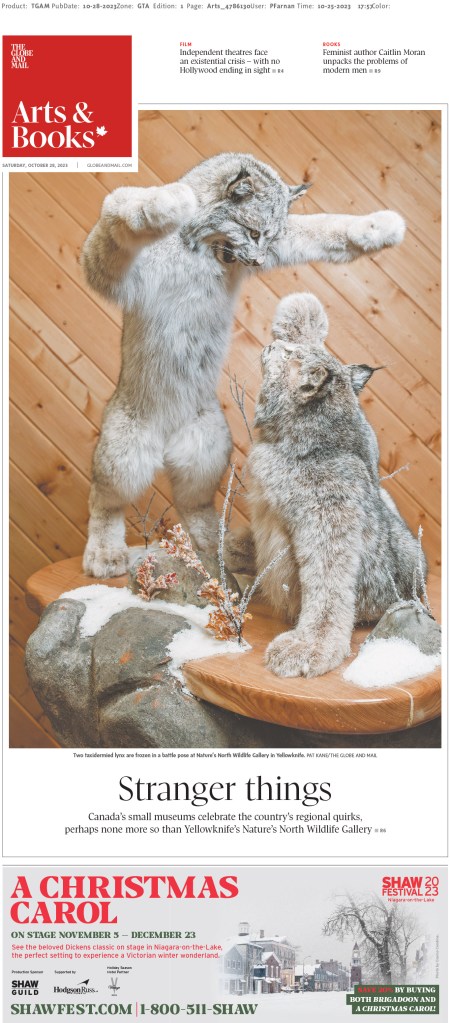
And last, but definitely not least, Canada’s big winner, the Globe and Mail. The results are still being tallied, but looks like the Globe might have squeezed into the top 10 again this year, at number 10. Much of the design the Globe was recognized for was for coverage of serious and heavy topics. Special coverage on climate change won a silver medal. I get the Globe at home (and disclosure: PMNA, where I work, does page production for the Globe) and the next two pages were pages that really stood out for me. All the pages here are handled at the Globe and/or art directed at the Globe.

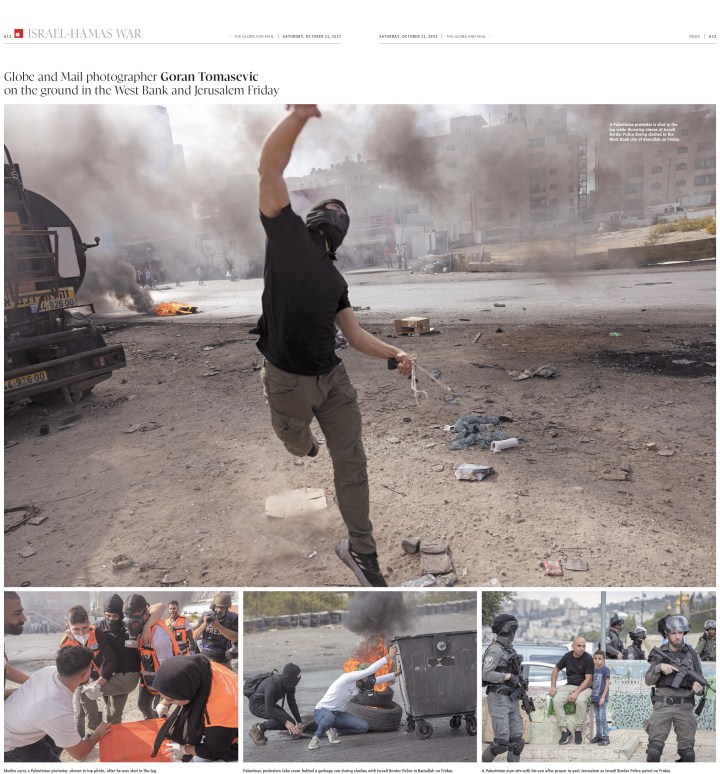
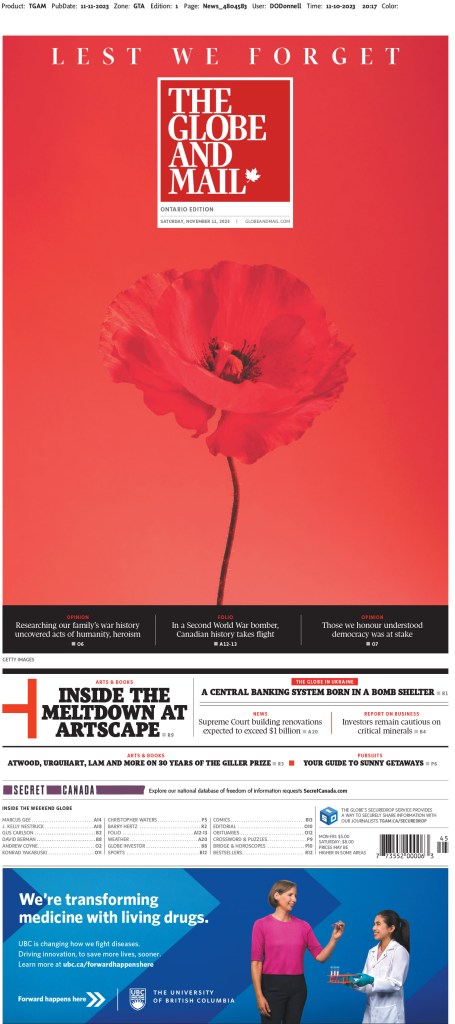
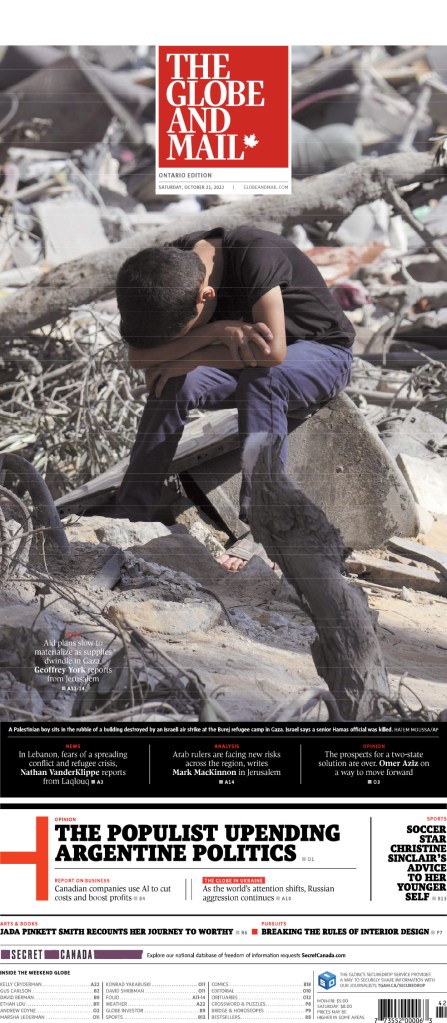
The Globe has also been a leader on coverage of the war in Gaza in Canadian media. It had some striking pages on that topic, like this cover (the Globe does a poster front on Saturdays) and the photo spread below. They do some beautiful photo spread pages.

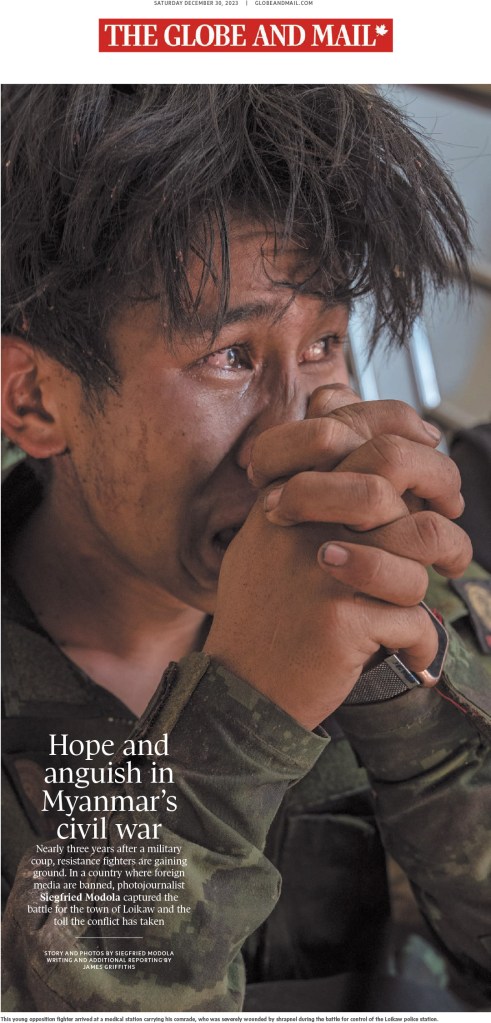
And one more, driven by this powerful, emotion-filled photo.

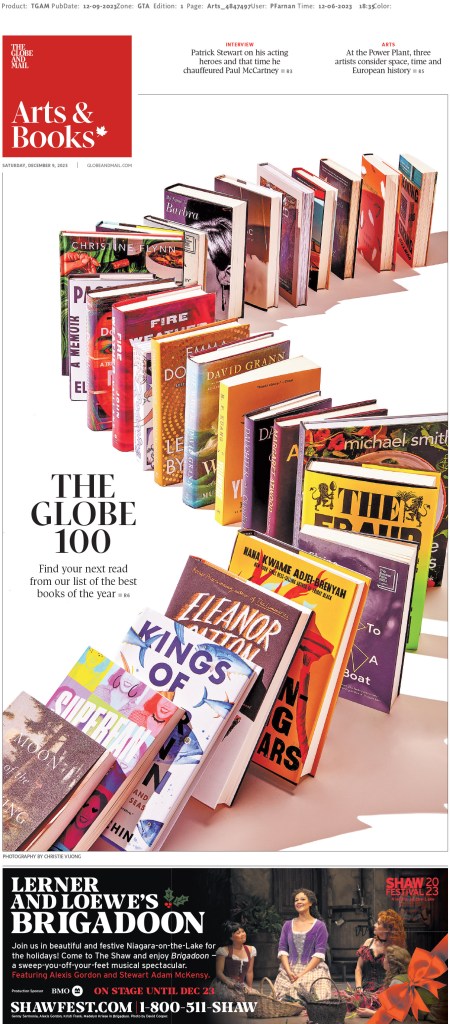
The next two were pages from art directors who each won individual portfolio awards. That’s a tricky category to win in, as it recognizes a body work. The first is from Brennan Higginbotham. The second is from Lauren Heintzman.

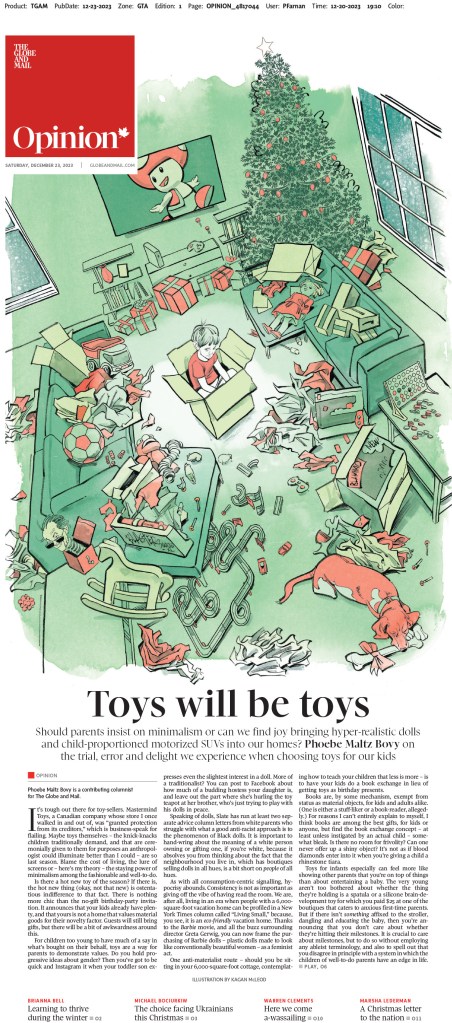
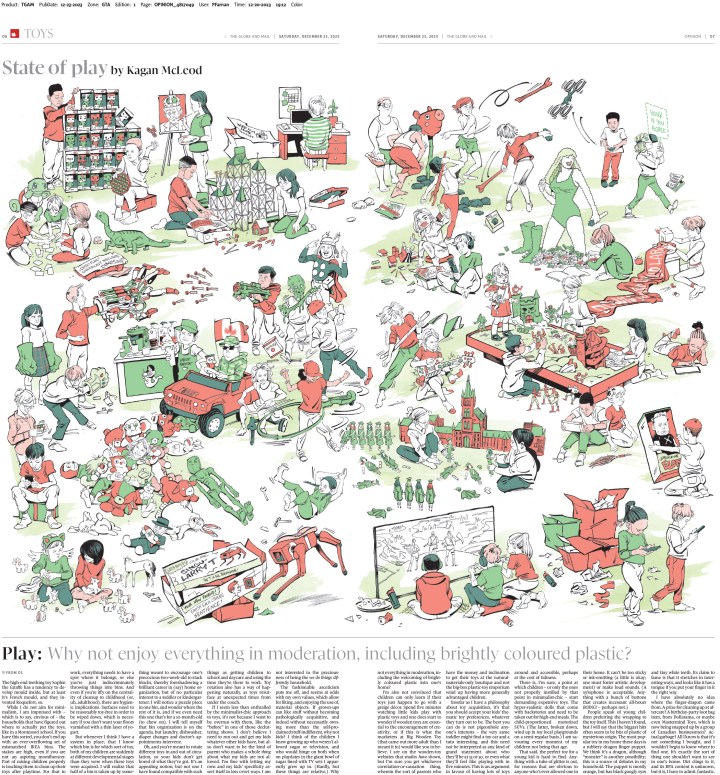
And now for some fun stuff. The Globe, and other Canadian media outlets, often turn to Kagan McLeod when they want a fun illustration. He’s a wizard (also credit to Kagan for the featured image I use with this post, as it’s a portion of one of the illustrations below). And he didn’t disappoint here.

Here are the last couple I will show from this year. They are both so playful and fun. And as has become norm for the Globe, they have fantastic headlines.

Fingers crossed we see more Canadian publications entering next year. Looking at you, Postmedia and Winnipeg Free Press, among others. Stand with print media and celebrate your great work.

Up next: Best from the United States, best from the rest of the world, and finally World’s Best Designed Newspaper. Watch for those sprinkled over the next week or so.

By Brad Needham

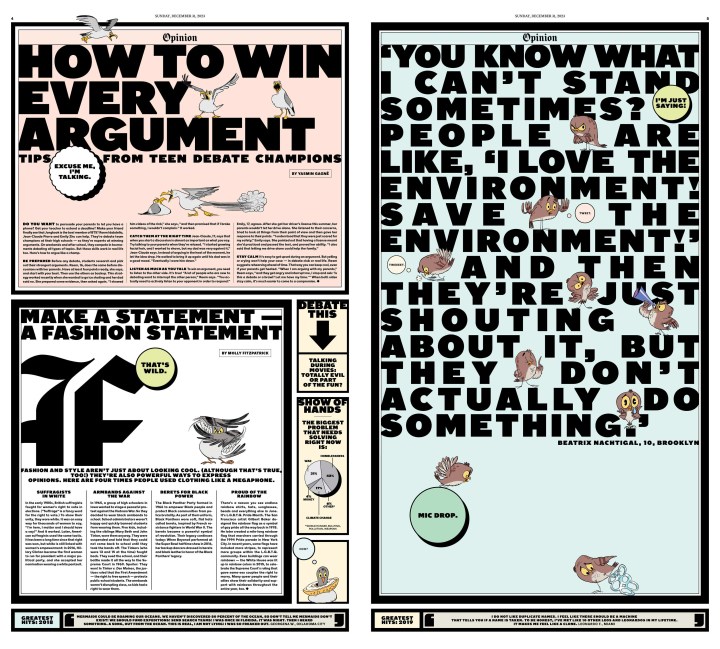
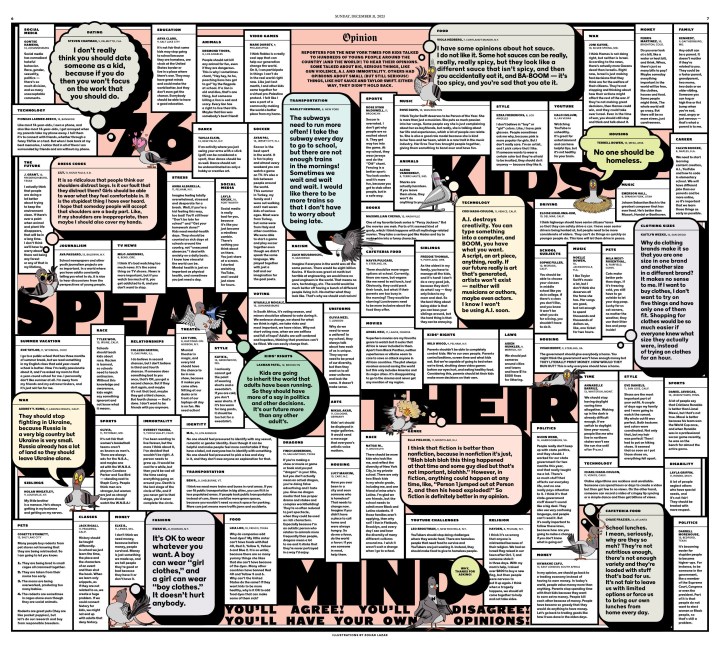
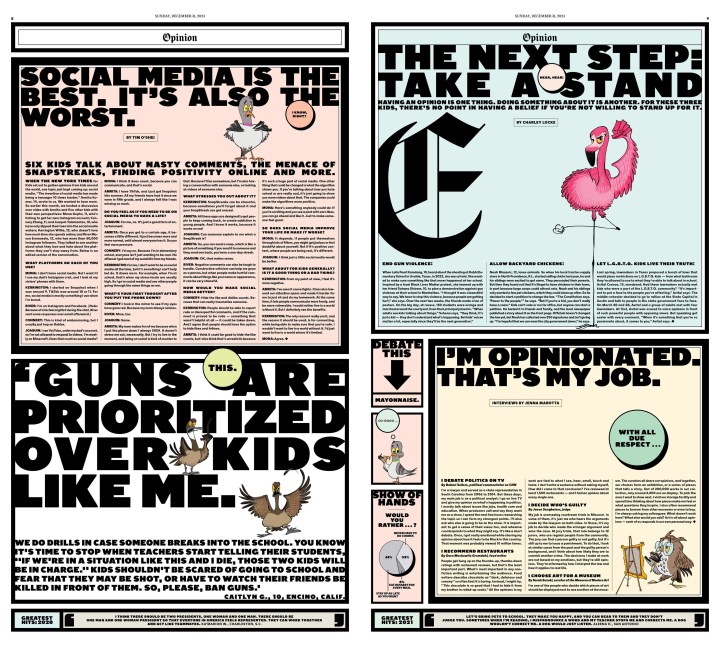
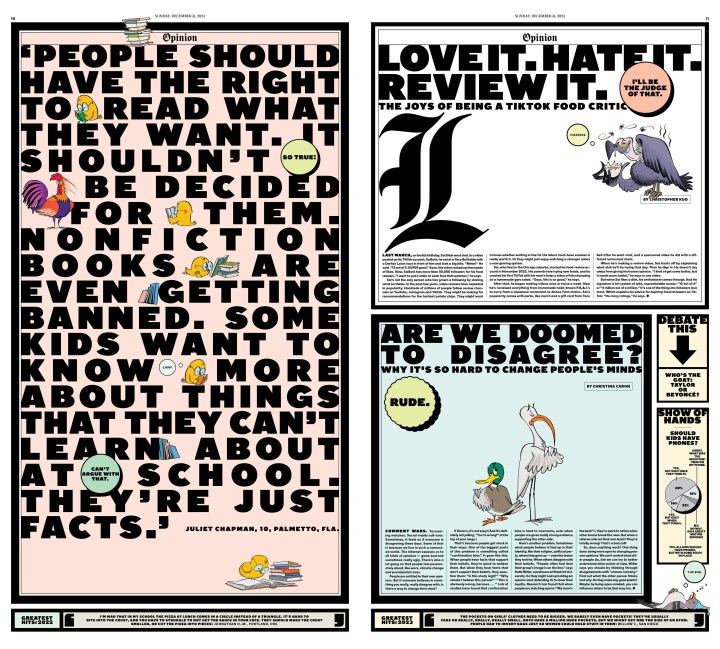
When tragedy strikes, or there are difficult and painful stories to tell, there is little like a newspaper to get the information out. At design competitions like the Society for News Design’s creative competition, playful and fun pages often dominate. But sometimes powerful and painful stories, partially told through thoughtful visual journalism make their mark on judges, and almost certainly on readers of these papers. One entry in particular left judges at SND45 talking and, in some cases, shaken.

I will look at a few tough topics here, including the wars in Gaza and Ukraine, but I will start with mass shootings and the now infamous AR-15, a weapon so deadly those who don’t live in the United States have a hard grasping how it can be so prevalent. Many Americans wonder the same.
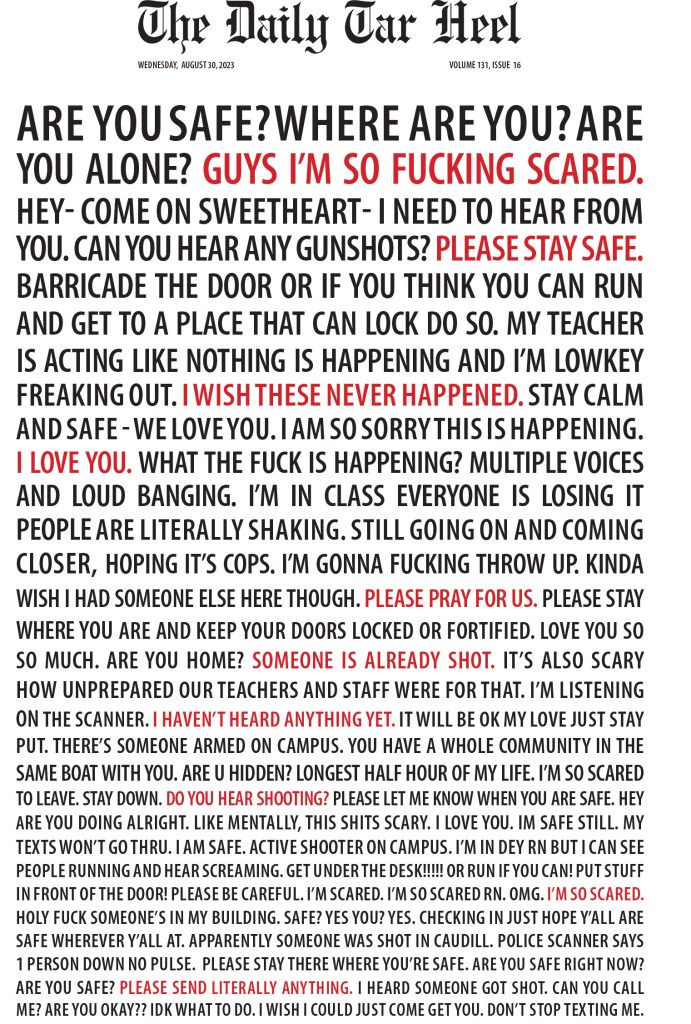
I will get into the Washington Post entries that have provoked so much response, but first I wanted to share an incredibly powerful page that evokes emotion in a way I feel only a newspaper can. After a deadly shooting on campus (an AR-15 was not used in this shooting), The Daily Tar Heel, a university paper at the University of North Carolina Chapel Hill, ran with this cover. All text. Real words from texts and social media sent during the shooting. Here is more on how the page came to be.

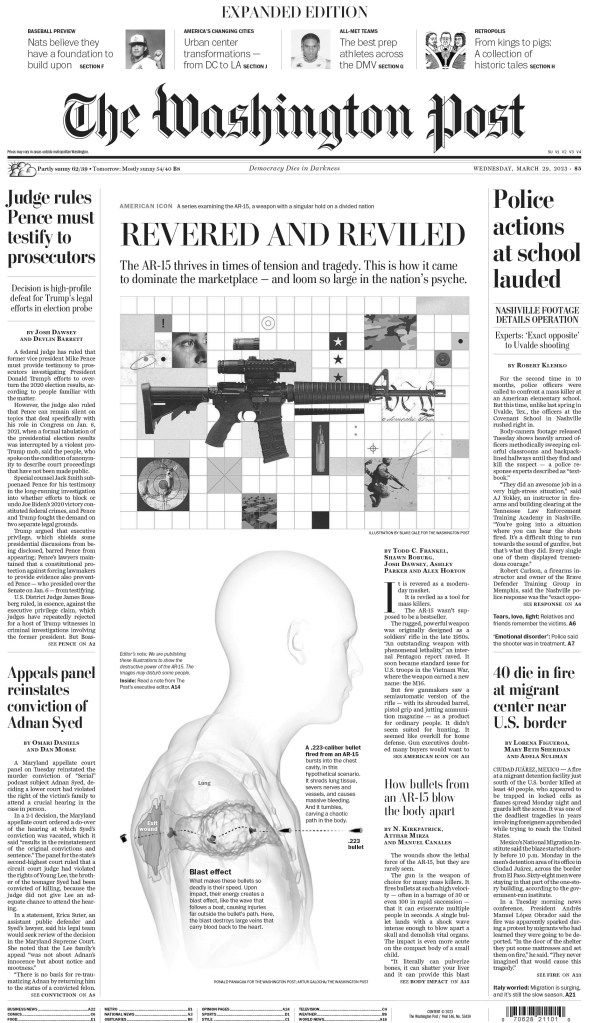
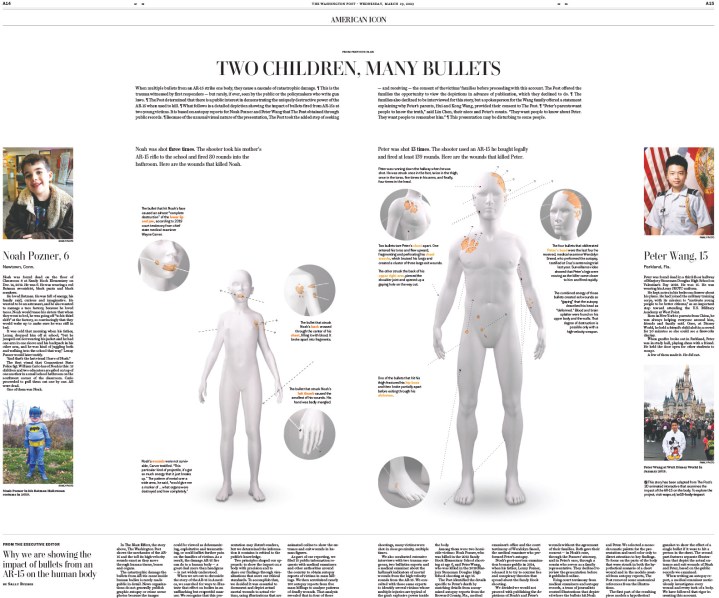
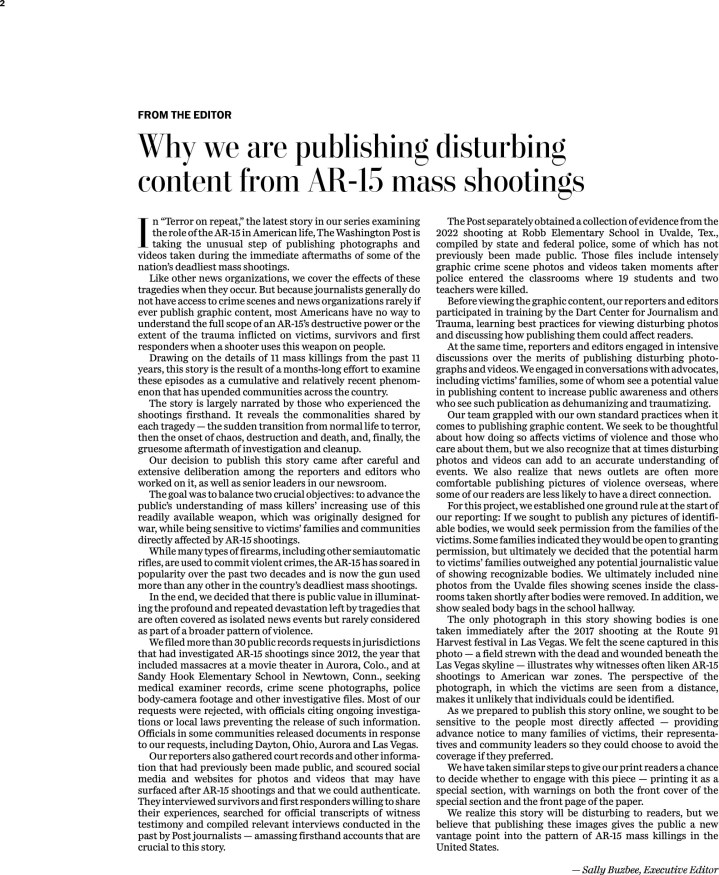
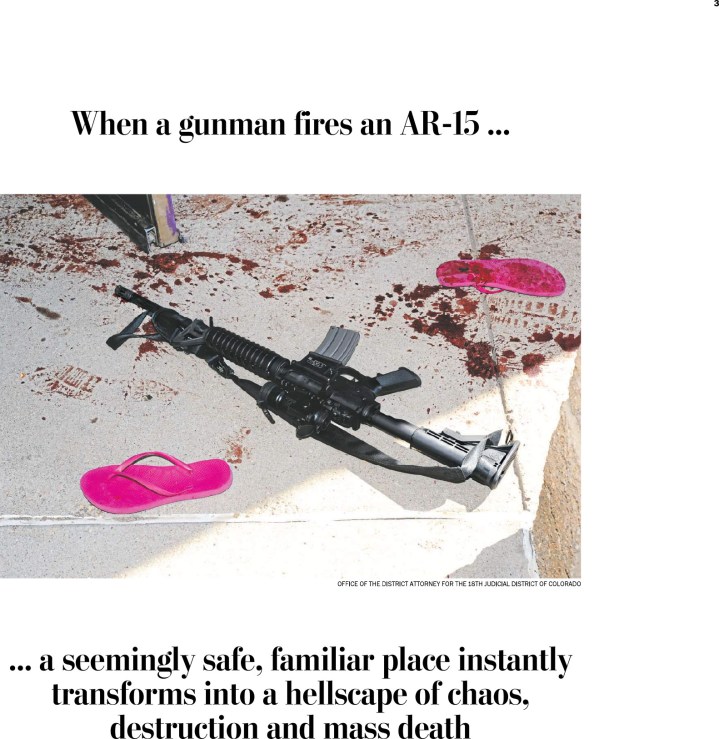
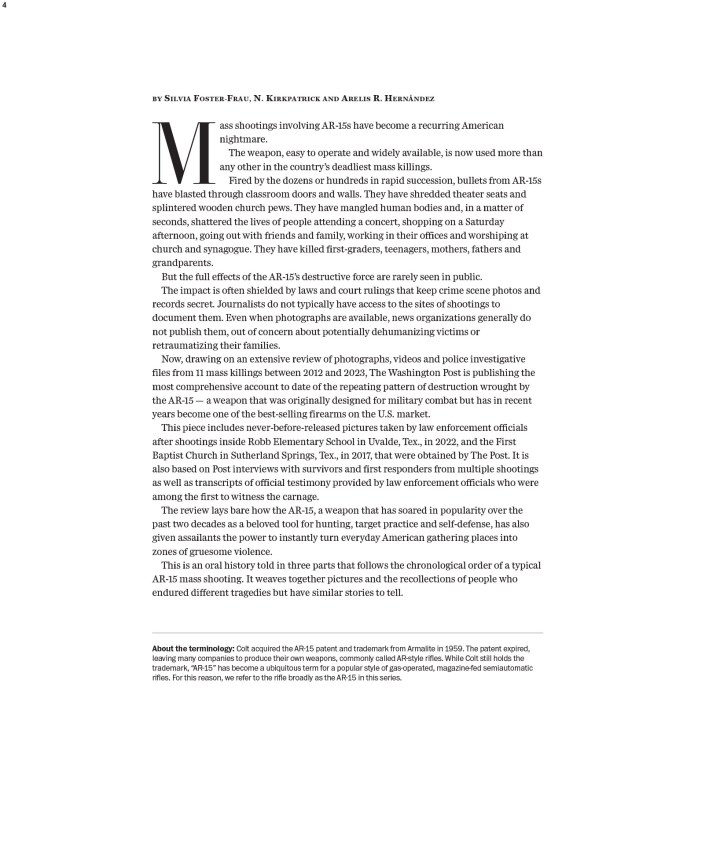
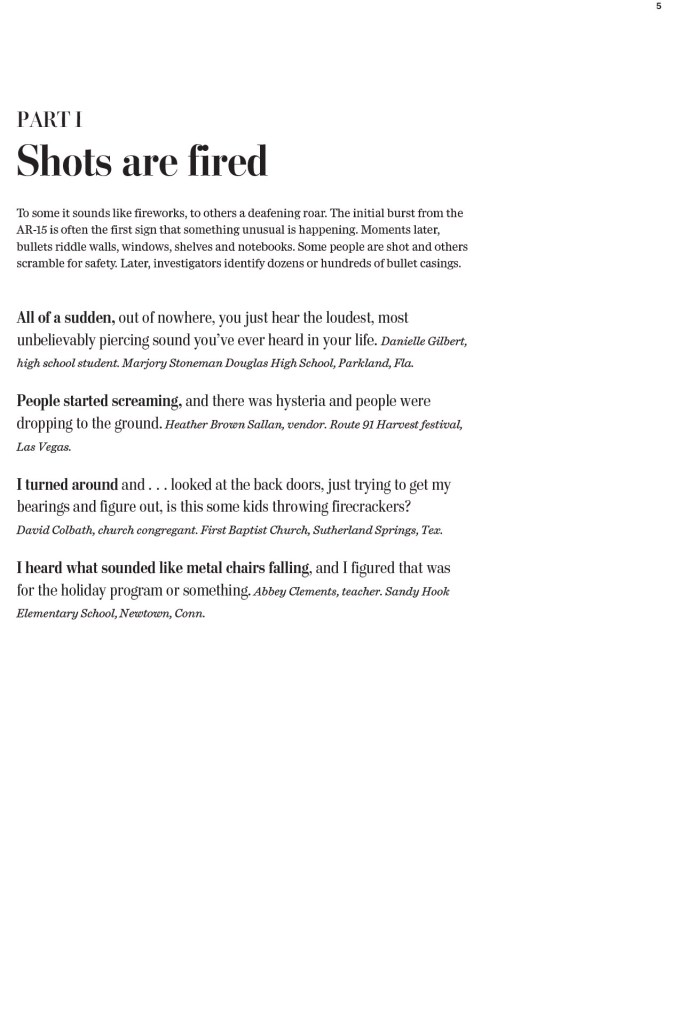
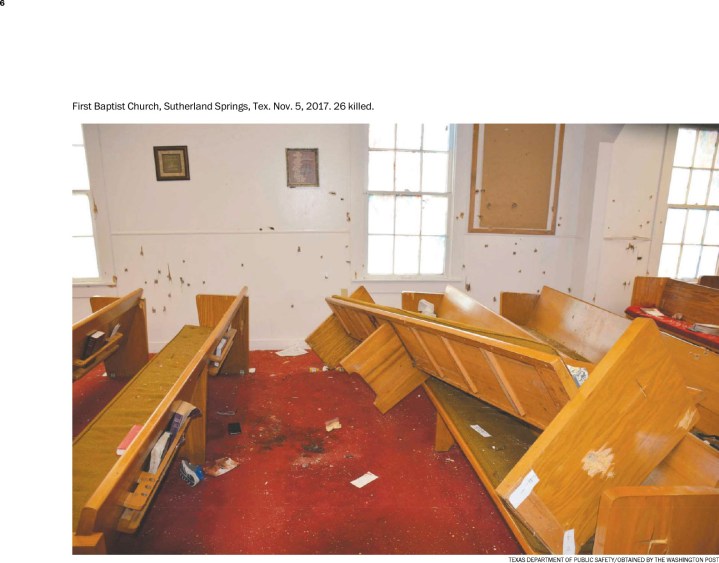
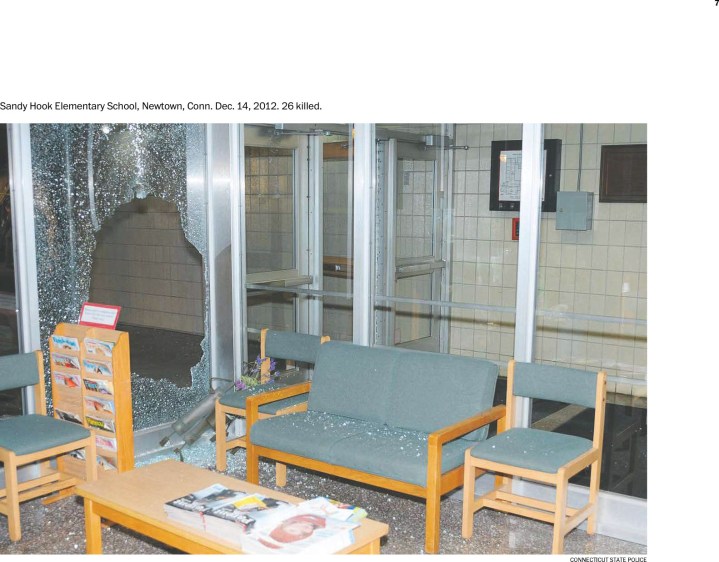
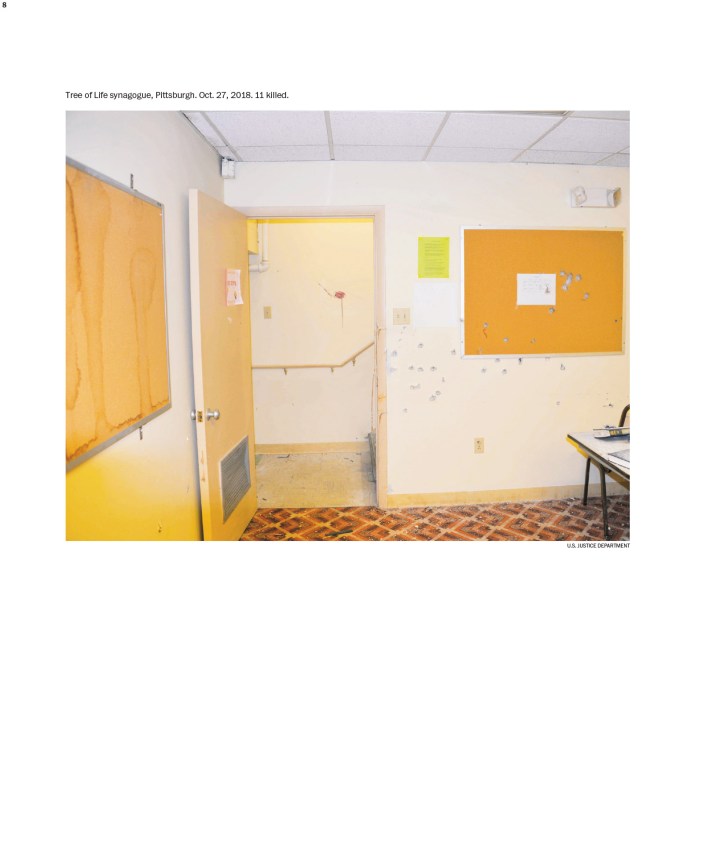
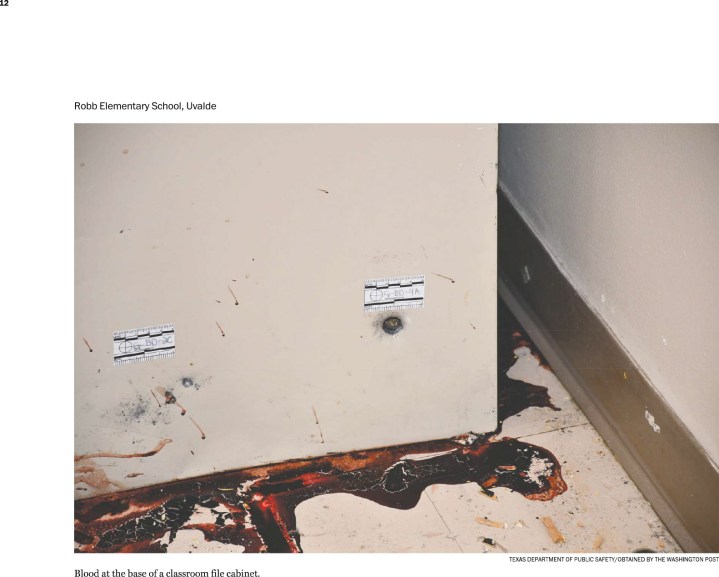
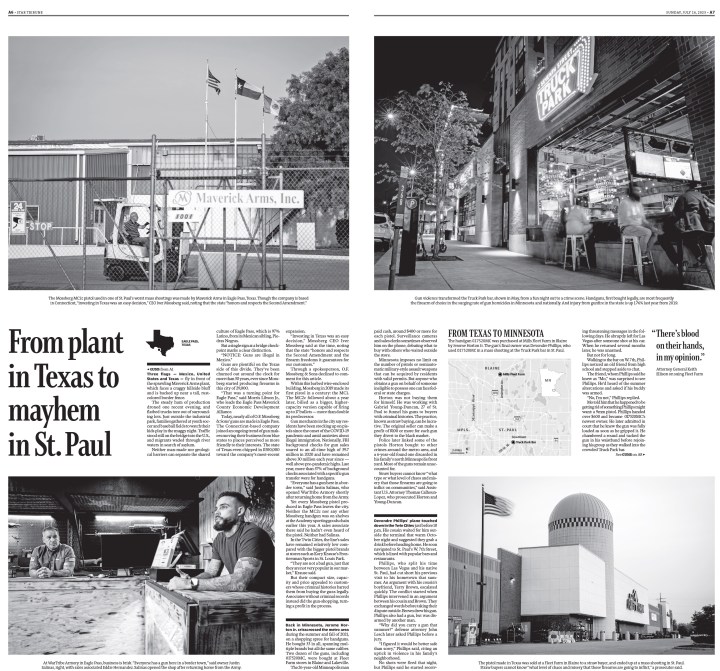
This is a sample of some of the Washington’s Post powerful entry on the AR-15, including this digital presentation. I haven’t included all of it, and I have left out the most graphic pieces. What’s striking about this piece, after the front page, is the simplicity of it, the starkness. It is minimalist, letting the photos do the work. If you want to look at more from this powerful package, you can find it here. This entry went on to win Best in Show and SND45. It’s the first time this award has been handed out since I have been involved as it requires such a high threshold. Only awards that have been awarded gold medals are considered. To win a gold, a page or entry needs to be nearly flawless. State of the art, and pushing boundaries. And then at least 75 per cent of all judges must agree one entry deserves that title, over all the other gold medals.

This digital portion of the entry takes the above page and brings it to a new harrowing level. A warning, it is hard to look at, but it is so incredibly powerful. The print entry alone was next level, but the print and digital combo entry is what one Best in Show. Together this entry evoked so much emotion.

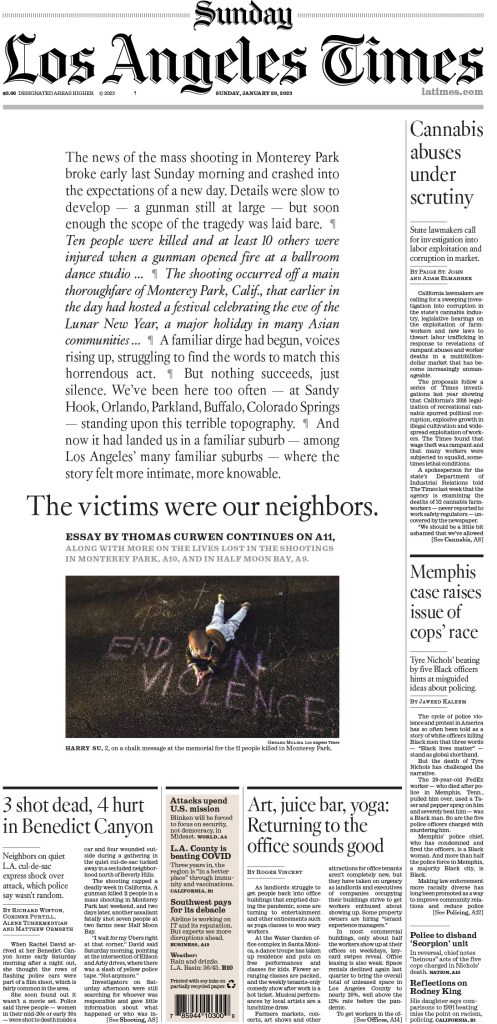
And here is one more page from a mass shooting, this time from the Los Angeles Times. An AR-15 wasn’t used in this shooting.

Wars and other tragedies

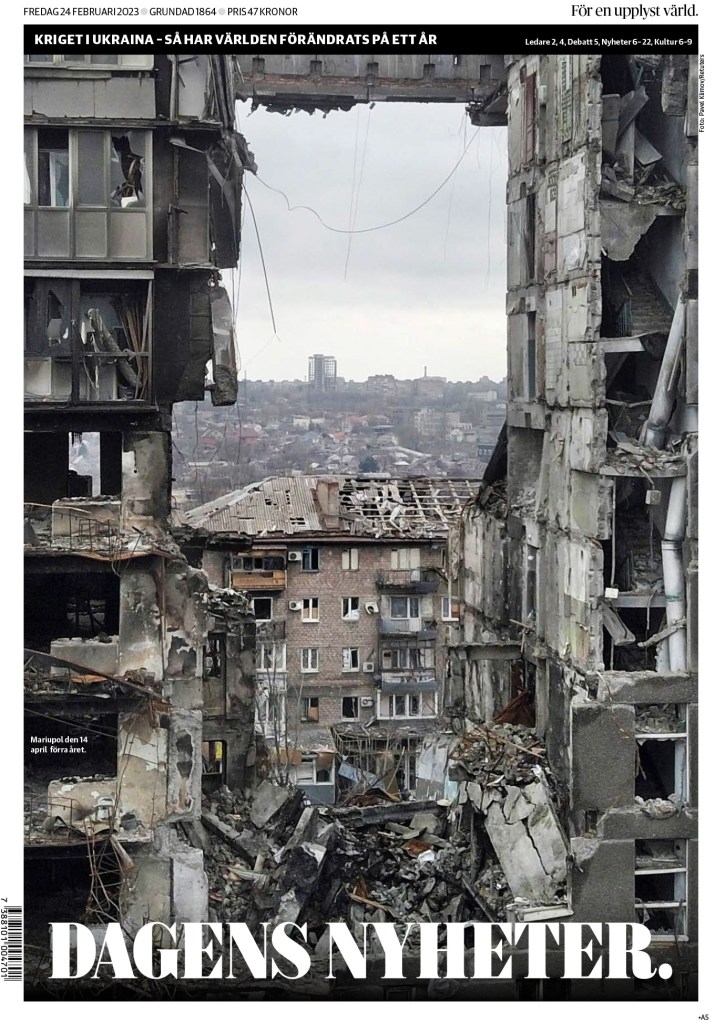
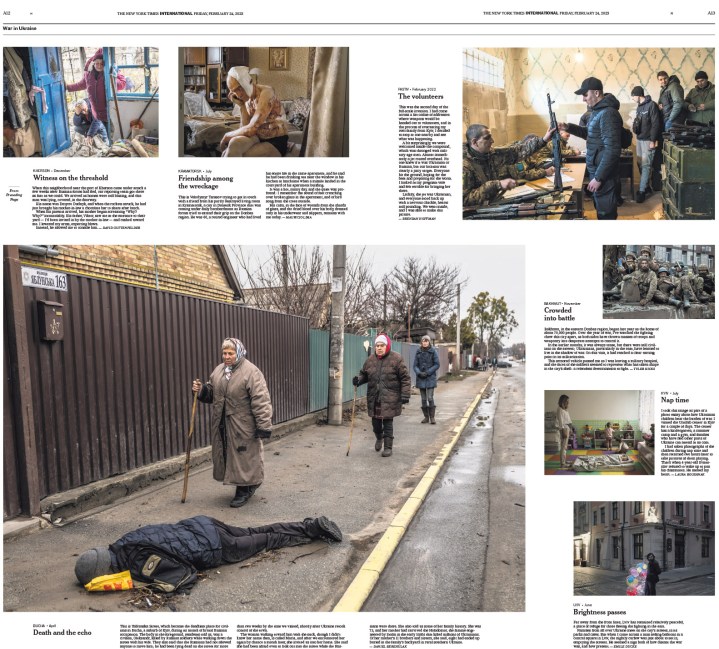
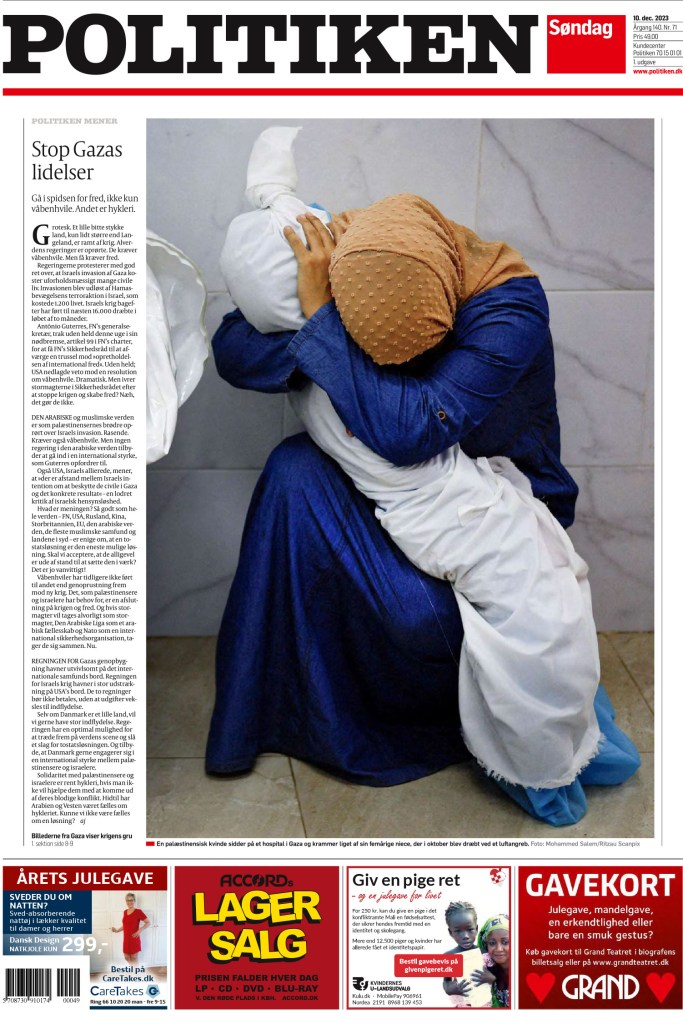
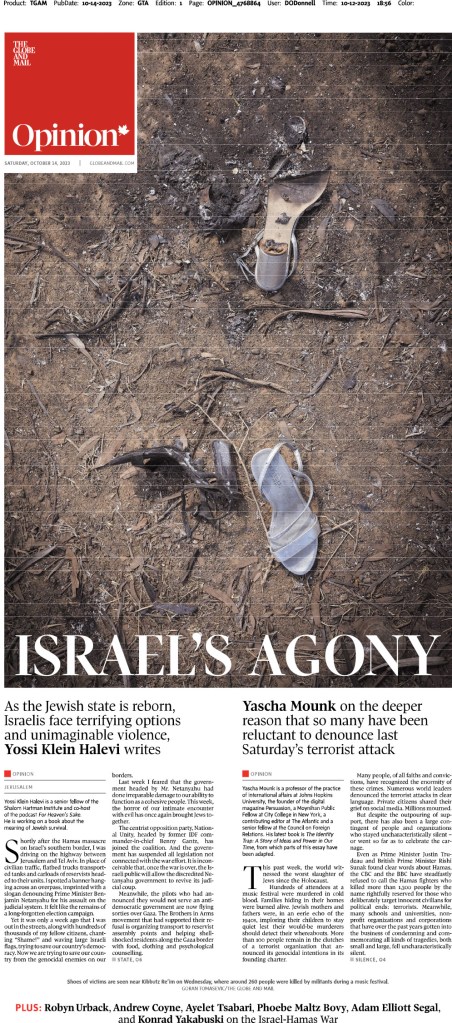
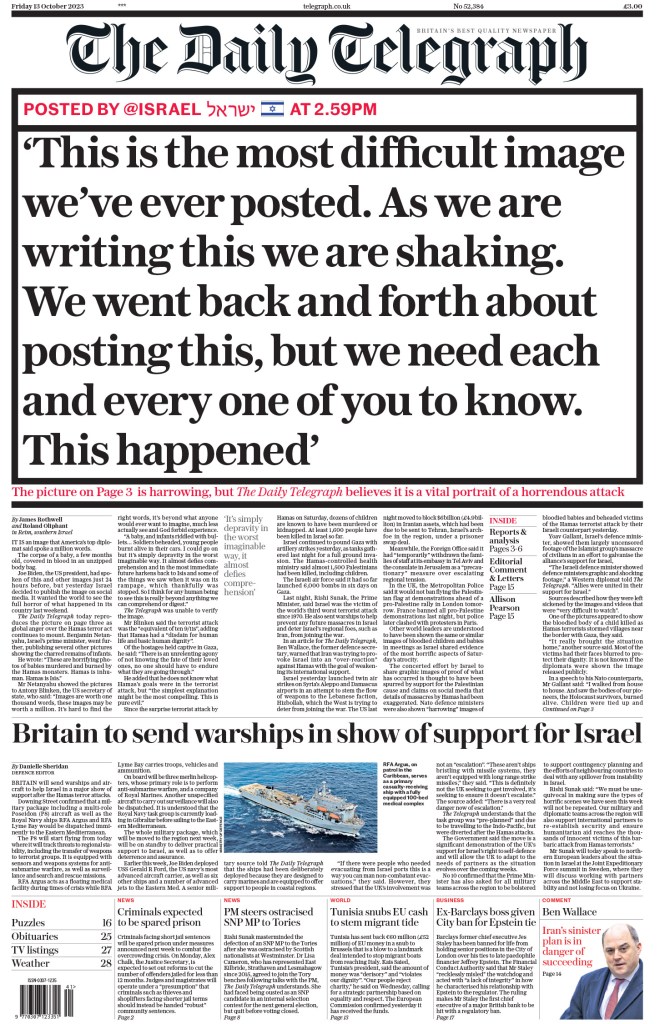
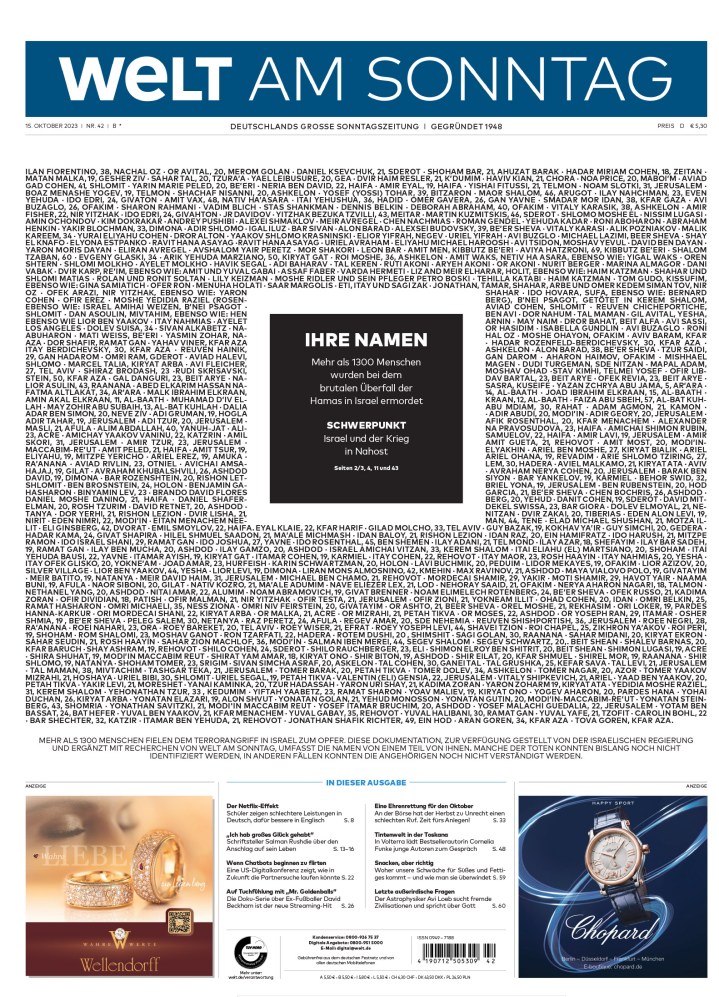
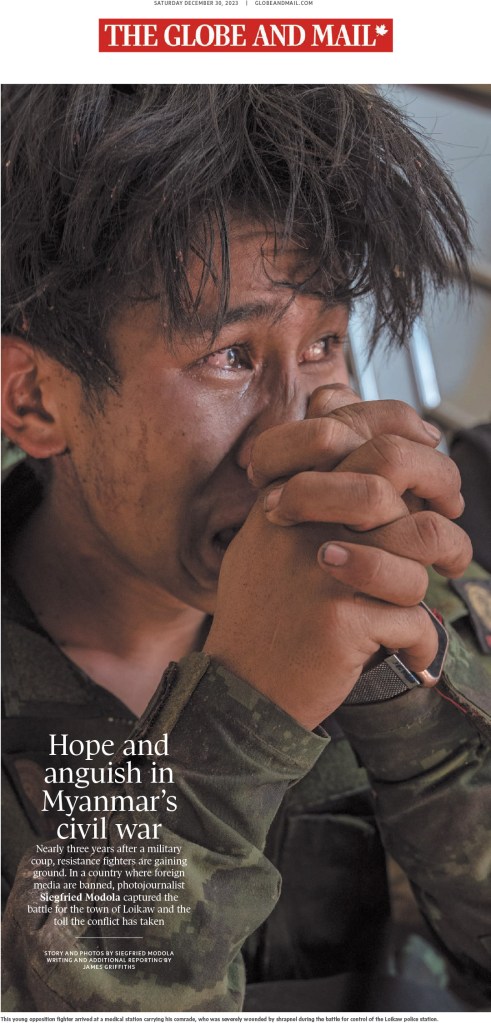
I expected to see more entries from both the Gaza and Ukraine wars. There were some powerful pages, many of them driven by bold photo choices. Before the war in Ukraine began, seeing dead bodies on newspaper pages wasn’t that common, but as the death toll started to rise, editors started to make the hard decisions to show the reality unfolding. This is war. As well, many photos that drove the pages show the raw emotion of people dealing with tragedy and loss, in some cases on both sides of war. The pages on Ukraine are by The New York Times and De Morgen (Belgium), followed by the war in Gaza, from Politiken and two from the Globe and Mail, which has been a leader on this coverage in Canada.

Not all of the powerful pages were driven by art. Some used text to convey the message and the gravity of the situation, such as The Daily Telegraph, from Britain, and Welt am Sontag, a German newspaper. Welt am Sontag lists the names of those killed in the October 7 attack by Hamas.

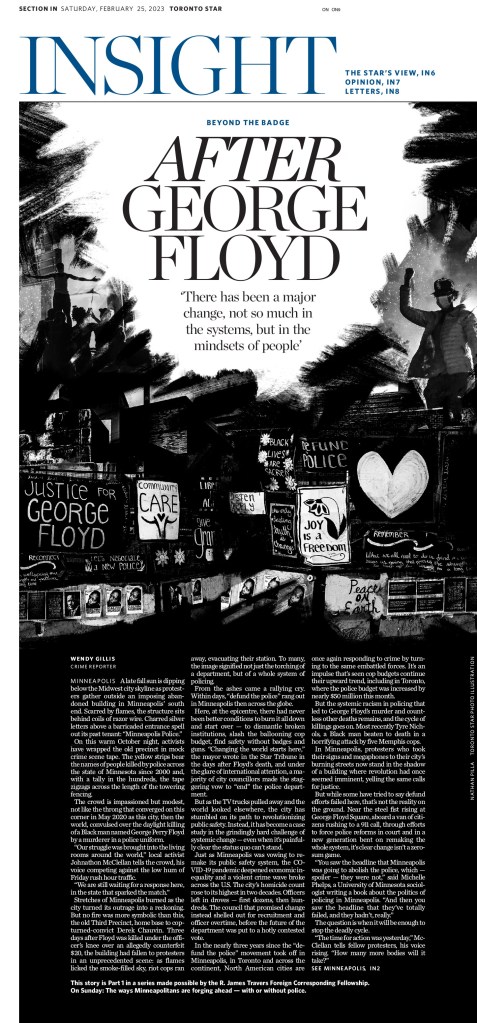
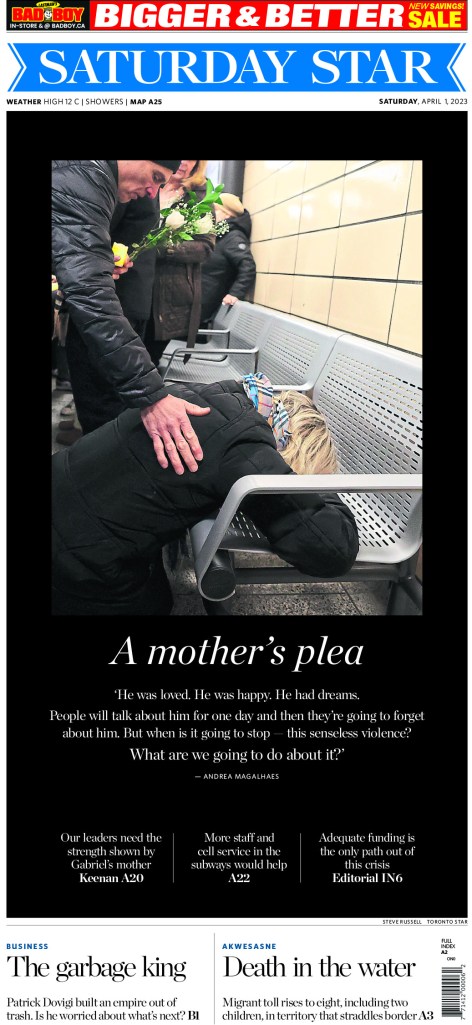
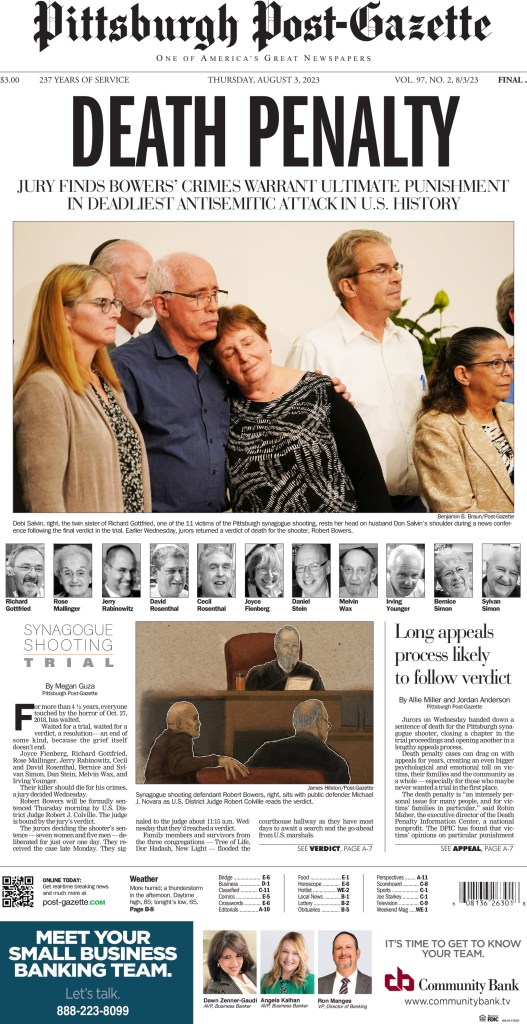
And here are a few other pages tackling hard topics. Included are pages from the Toronto Star, Globe and Mail and the Pittsburgh Post-Gazette. Each of these are driven by emotional art. While these pages can be difficult to look at, I feel they show the power of print journalism. Newspapers still play a vital role, and these pages are examples of this.

By Brad Needham

What’s black and white and read all over? Still newspapers. Or maybe newspapers again? As the Society for News Design wraps up Day 2 of its 45th (!) Best of Print News Design Competition, I was looking for themes. Not just a shared news topic, but a design concept.

As newspapers struggle to remain relevant and get noticed, they need to stand out. For years, newspapers have been moving to more and more colour. A good portion of newspapers are full colour (but not The New York Times!). So now that we have brilliant colour popping off the pages, and have for years, how do we catch people’s attention? What about … not colour?

One thing that stood out for me this year was a strong focus on the contrast of black and white (often with a splash of red) through a variety of publications. Designers around the world are finding ways to make black and white the new colour.

As per usual, I will write posts about the best from Canada, the U.S. and the rest of the world, and the World’s Best Designed Newspaper (or newspapers), which I again have the honour of assisting with as a facilitator. As a facilitator, I don’t have a say in what wins. I just help the judges with anything they need.

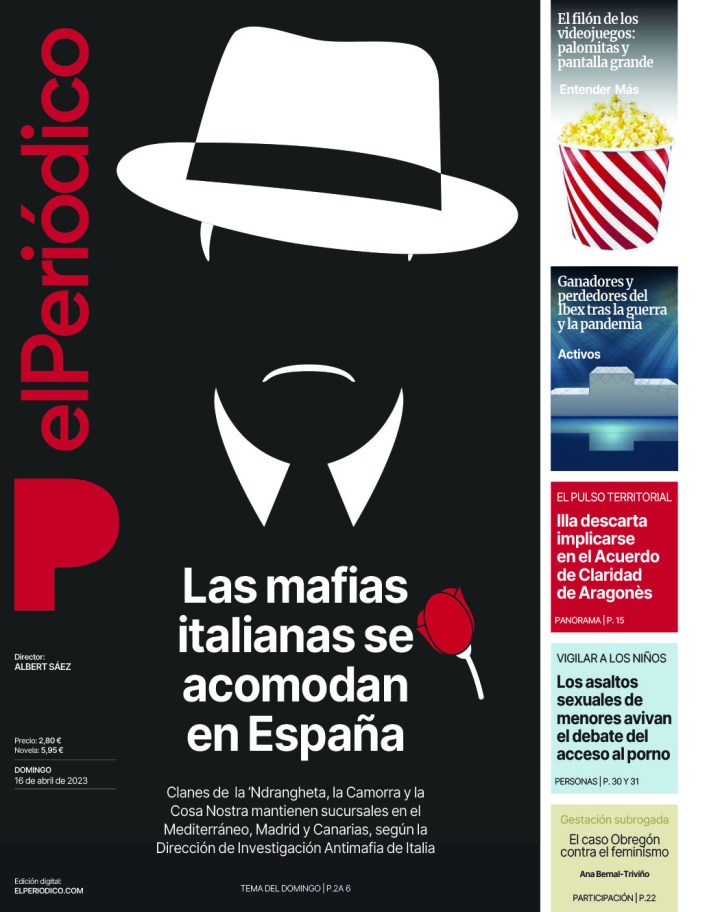
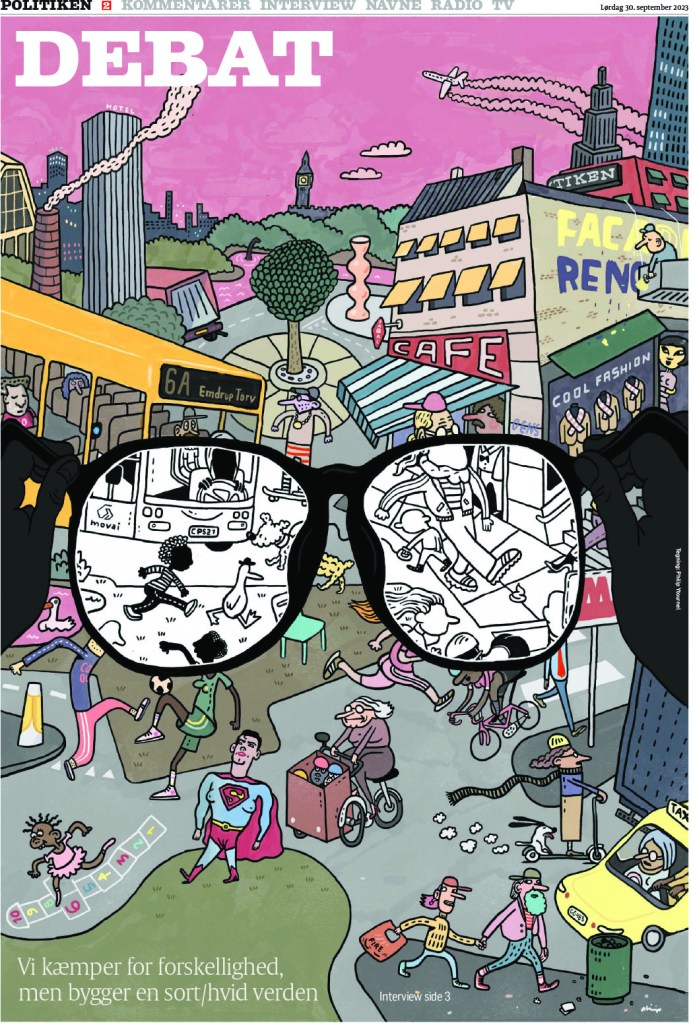
But for now, here are 10 pages that stood out to me (independent from judging and awards, so just my opinion and selections as I get to look through all the entries, winners or not) that used black and white (and sometimes red) well. The first three did it very differently. The Washington Post used strictly black and white, making for a striking contrast. El Periodico used white on black, but added that splash of red. And Politiken, which very commonly uses black, white and red, used a beautiful colour illustration, with a splash of black and white, to draw the focus away from all the colour.

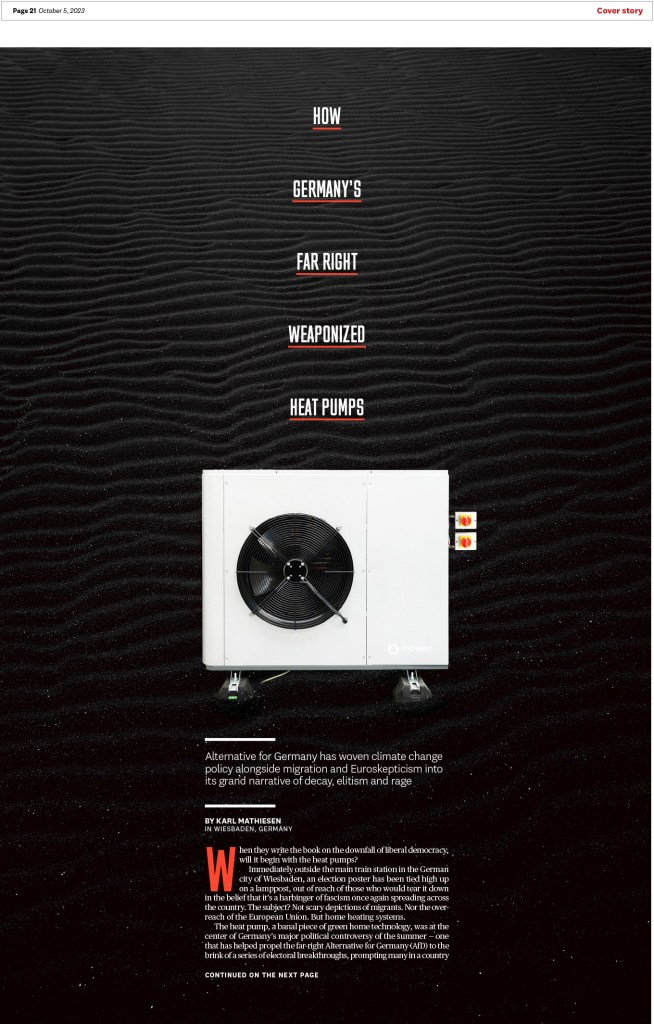
Politico does it all, white on black, splashes of red. Pop. Pop. Pop.

Weekendavisen, a Danish weekly paper, uses a beautiful black and white (or many shades of grey) illustration, and incorporates it into their flag. Anyone who follows my Instagram knows I love it when newspapers play with their flags in creative ways.

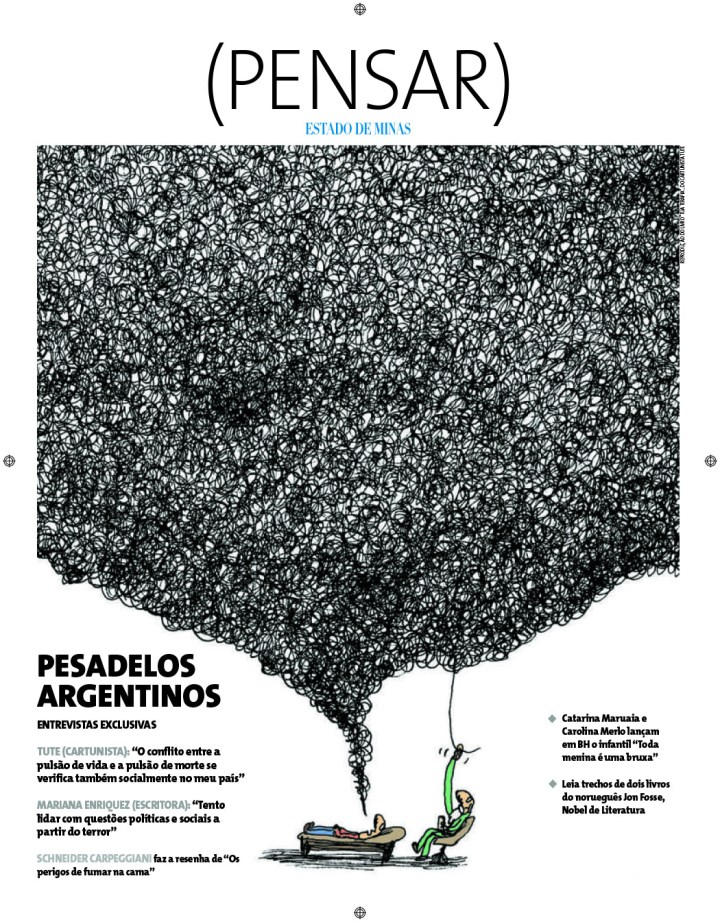
Estado de Minas, a Brazilian newspaper, boldly has a tangle of mostly black, with bits of white peaking through. The small bits of colour really pop against all the black. Also, the illustration is fantastic.

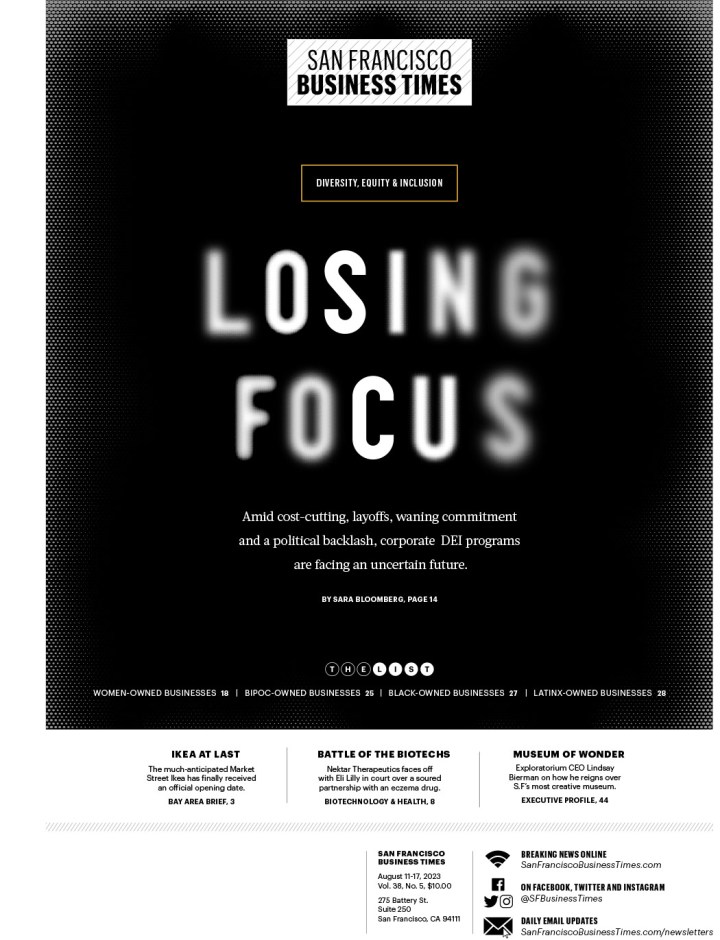
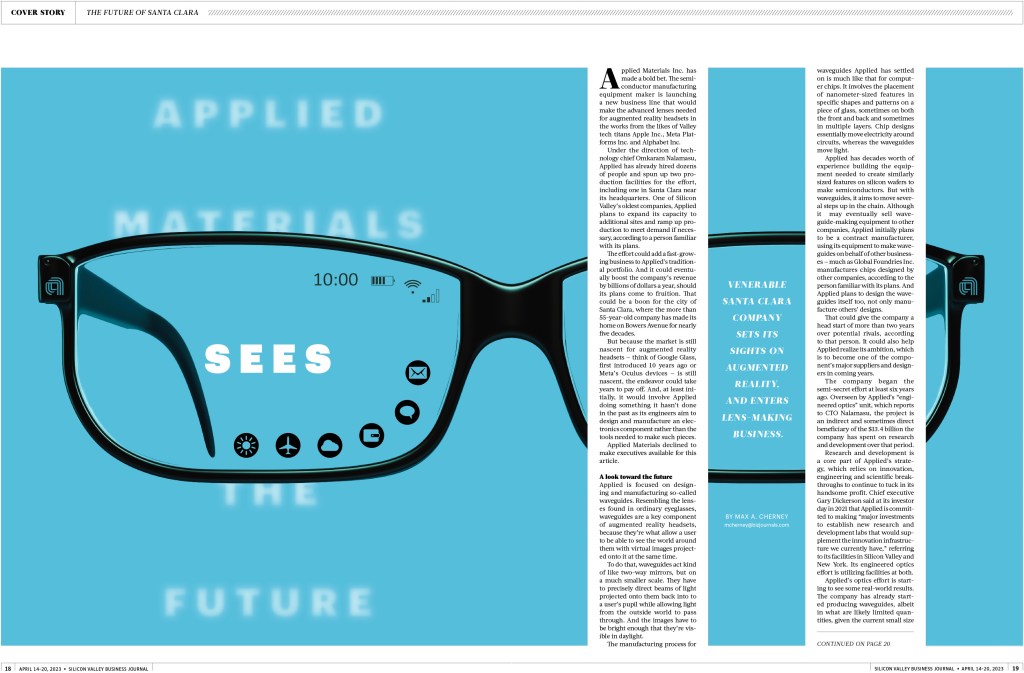
The San Francisco Business Times not only uses reverse text, white on black, but also drives the page with that text. The text is the art, and it’s well played. As a bespectacled person, I feel the blurriness feels legit.

La Nacion, an Argentinian publication, uses the combination of black, white and red to great effect. This says nothing of of the overall design. It’s worth taking a closer look at the image.

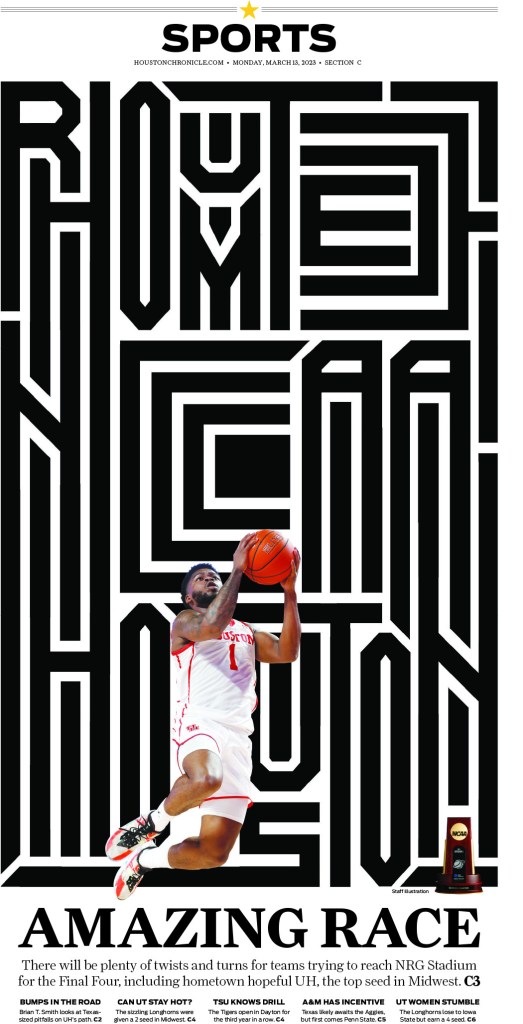
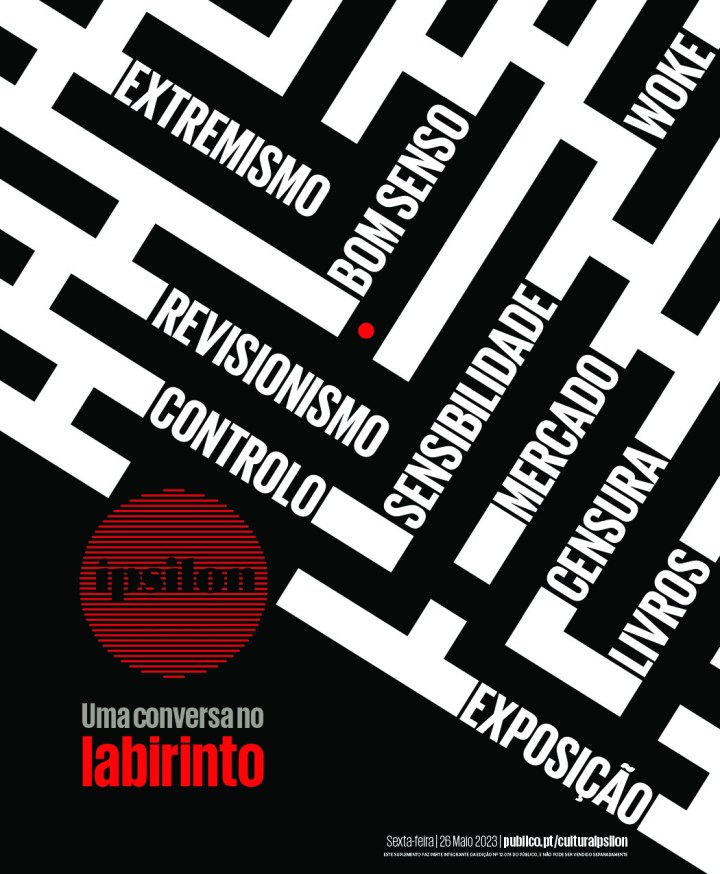
The final two pages use a similar technique, with the strong black and white lines. The first, the Houston Chronicle, uses the black and white as words, but not obvious words at first glance. And they are complemented by a small colour photo on the bottom of the page. And at the bottom is Publico, a Portuguese publication. They use the lines to lead into words, and add a splash of red.

By Brad Needham

When it comes to fashion and trends, Europe tends to be ahead of North America. But what about newspapers? You can spot European fashion at a glance. You can also typically spot European newspapers at a glance. They are different. Fewer broadsheets, more rules, crisp and clean designs, the typography more often used in different ways. Those who follow my Instagram will have seen pages from a lot of these publications as I feature them all the time.

I have already posted about Canada’s best and America’s best. This post will feature some of my favourite newspaper pages submitted to the Society for News Design‘s 44th creative competition from outside of Canada and the U.S. Most are from Europe, but not all. I have covered the best from Canada (home team bias) and the U.S. Now the rest. But the world is a big place outside of Canada and the U.S. That will make narrowing down the the choices of pages in this post a challenge.

RELATED: Results from SND44

Before I jump into the top papers (which I am classifying as Die Zeit and Weekendavisen, both finalists for the competition’s World Best Designed Newspaper, as well as the remaining papers in the top 10 in awards, de Volkskrant, Politico and South China Morning Post), I am carrying on a tradition I started last year to make it official. While my role was muddied this year, I am still calling this a Facilitator’s Special Recognition.

Facilitator’s Special Recognition

There are thousands of entries. I try to go though as many as I can, but I can’t get through them all. As I was going through this year’s entries, I thought one of my favourite publications was absent. But then I saw it. Reporte Indigo from Mexico is one of those publications that leaves me chuckling every day at how much effort is put in, and how great every edition is. Shaking my head in a awe-struck kind of way, asking how do they do it? There isn’t a dud. Some are stronger than others, but they’re all great. I wish they would submit more entries. While I can’t speak for how the judges would react, I love this publication. This spread does so much for me. The sketch and then sketched flag (I did this once, with both drawings much more rudimentary, though intentionally so!), the beautiful illustration, the amount of information. I fell in love with Reporte Indigo at SND42. A page from this publication left me biting my tongue listening to the judges speak. They gave the page an Award of Excellence, but I wanted more. I have included that page below. But first my special recognition.

Here is the first page that made want to scream to the judges, give it a medal! It’s worth it! This was from SND42. It’s the page that made me love this publication. I hope to see more next year!

Weekendavisen

This Dutch paper is so elegant. That is a theme among a lot of European papers. They are beautiful and clean. This page uses such a nice illustration, but it works so well around the flag and text on the page. It’s more than just an illustration.

This is a smart cover. The text from the flag feels like it’s being sucked into the blackhole. I love it when newspapers are willing to play with their name plate.

I also love when newspapers use text in design (you will see more of the is with Die Zeit. In fact, you will see one that’s quite similar in concept!)

And here are a couple more. Just so well done, with so much attention to even small details. One is an inside page that has a classic European compact/tabloid look.

Die Zeit

This German paper, last year’s World’s Best Designed winner and in contention again this year, could be talked about with some German stereotypes. It is exceedingly well organized and very consistent throughout. There are few papers in the world as consistently consistent! And it is one of the best at using text in design. But on top of being consistent, it has some pages that surprise. Some that are very bold.

Here is the page that had a similar design and concept to the Weekendavisen one above. Who did it better? We’ll call it a tie.

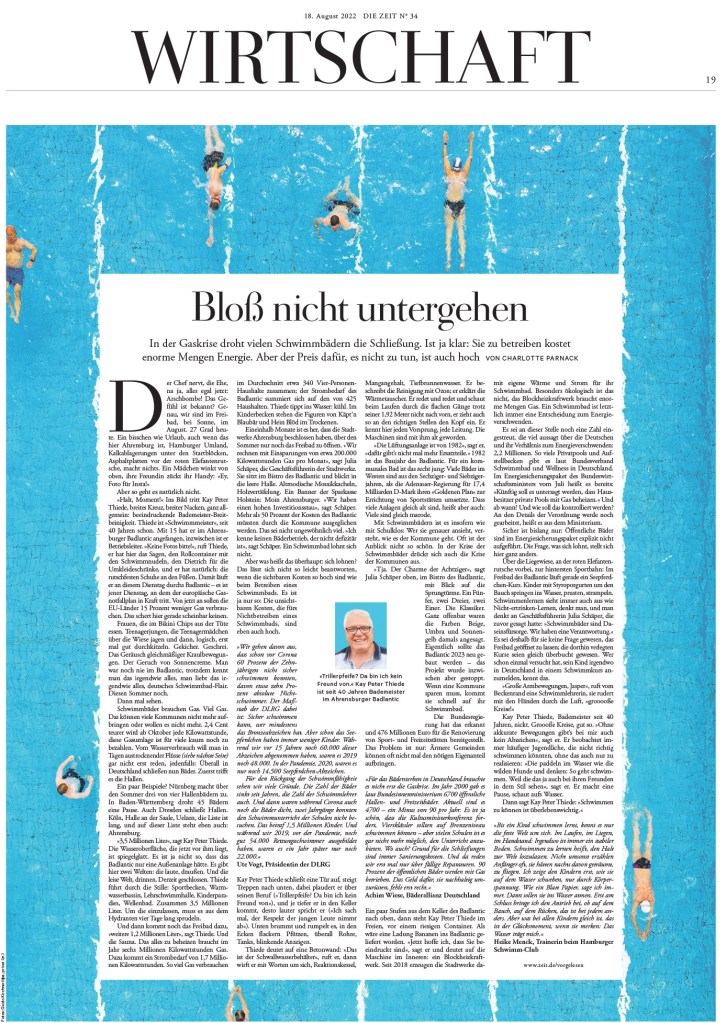
The designer uses the photo so well in this design. One thing that always blows me away with this paper is how much text, a volume of text that might appear dense anywhere else, it can put on a page and still have it pop. It’s almost like a sleight of hand. Grey block of text? What do mean? Look at the design …

And just a small selection of text in design, or rather text as design. I’m not sure anyone does it better.

Politico

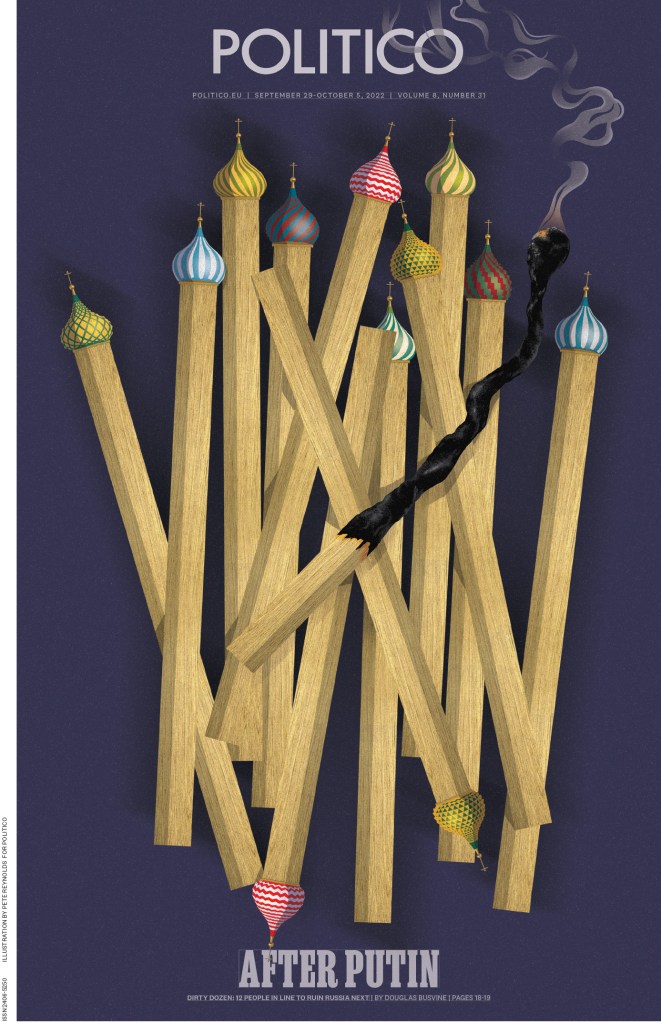
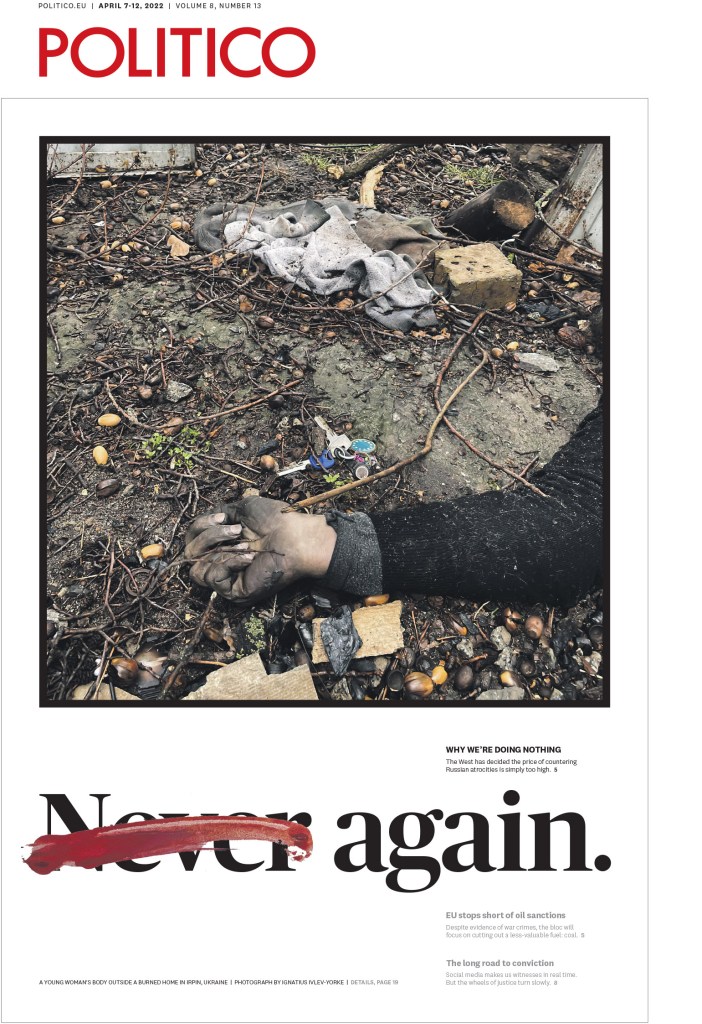
The covers of this paper are some of the most compelling around. They are illustration-driven in almost all cases, which means for them to stand out as design they must be backed by strong art direction. As the team gets it so right so often, I can only assume this is the case. Politico isn’t afraid to tackle very difficult subjects either. This first one was one of my favourite pages from the competition.

Another around the war in Ukraine. Last year marked a bit of a trend toward using darker photos. Photo editors and those making decisions often agonize over decisions like this, but in order to show the true devastation in Ukraine, dead bodies and other gruesome scenes became common on newspaper front pages. But this photo below is still so shocking, and using it like this is bold. And it has a smart headline, almost a call to action. How did we let this happen? Again?

These two spreads were near the top of my faves list as well. So simple, so smart, such little art. But it works so well. The text carries so much of the burden in the design.

And this. So much about the text but the image helps elevate. Early in my career I did a page that reminds me of this, but on a much lesser scale, where I used a shadow effect, for mine it was a dollar sign acting as a shadow for the finance minister. I will always favour pages that remind me of mine! This one is next level.

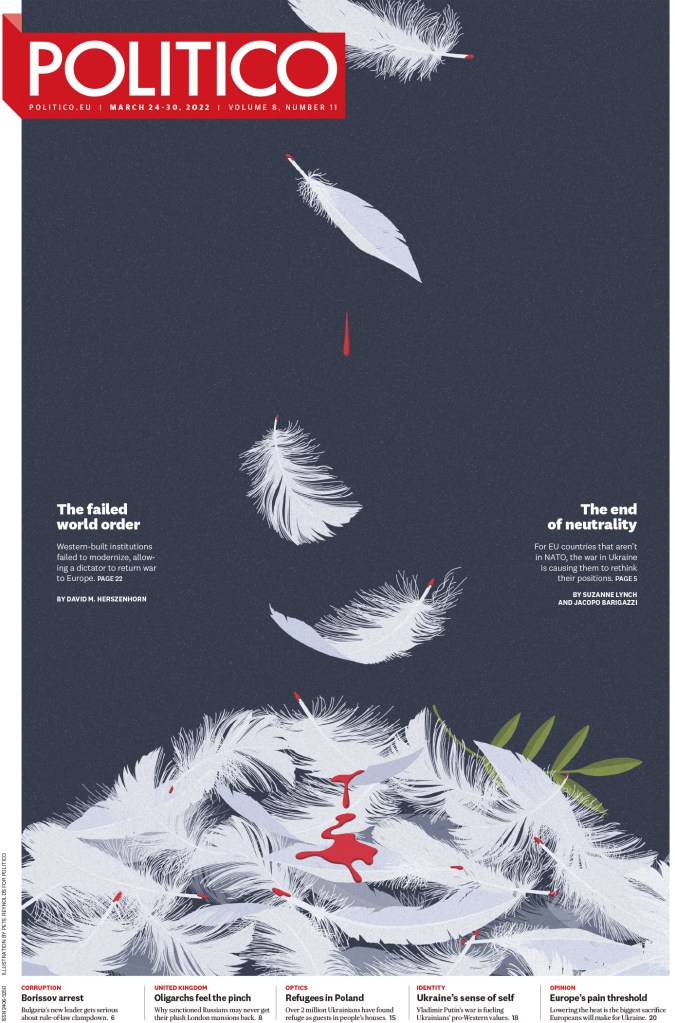
This illustration is very powerful. Taking something beautiful and making it tragic. I could show so many more for Politico, but I’ll leave it here for now.

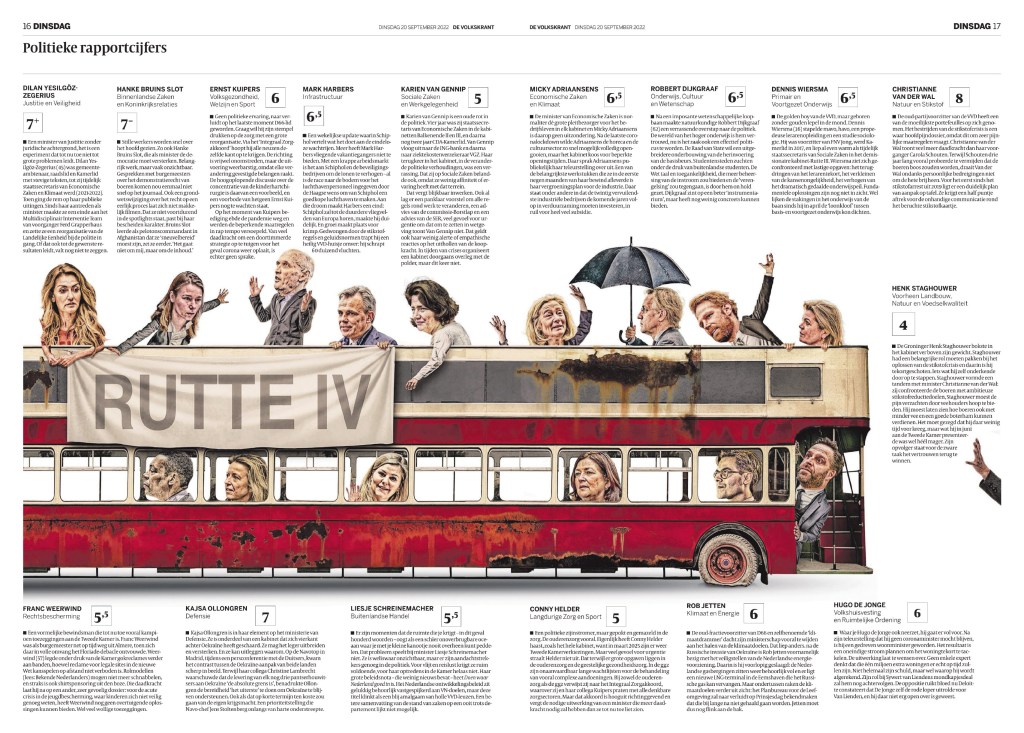
de Volkskrant

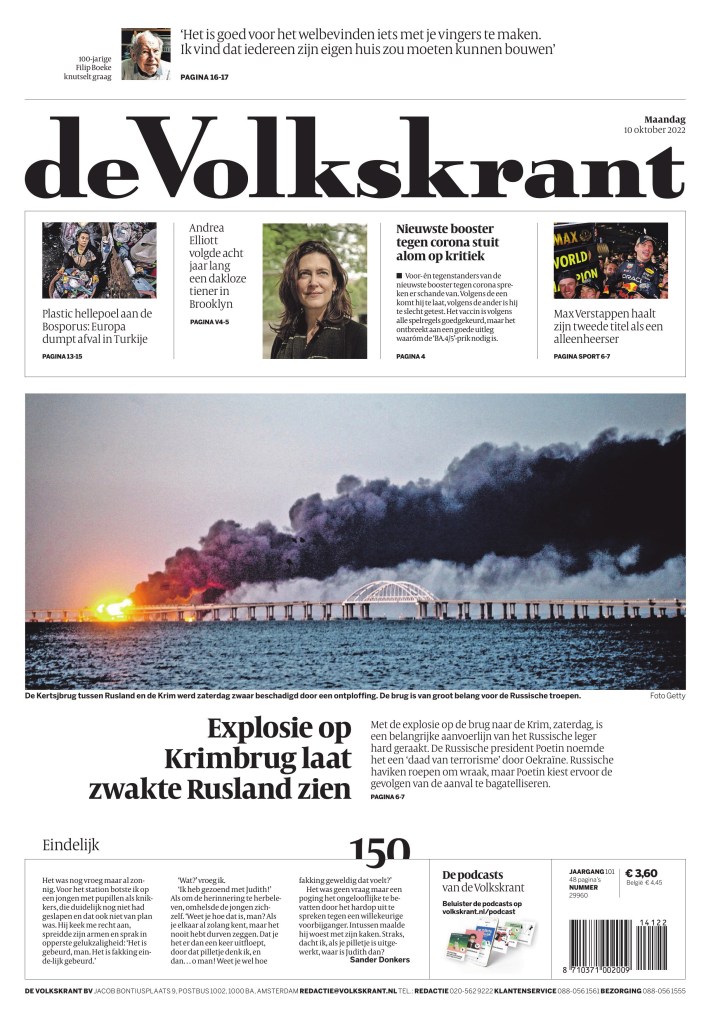
I won’t lie. I think this is one of the best designed newspapers in the world, maybe the best, but I’m not a judge. From the cover and beyond. It’s so fresh, often surprising, but still always on brand, even when it surprises. The small details. You can see many pages from de Volkskrant on my Instagram and in previous posts here.

And while there are so many more incredible pages, I have chosen a few from the same edition to highlight how its commitment to excellence and consistency goes beyond the cover.

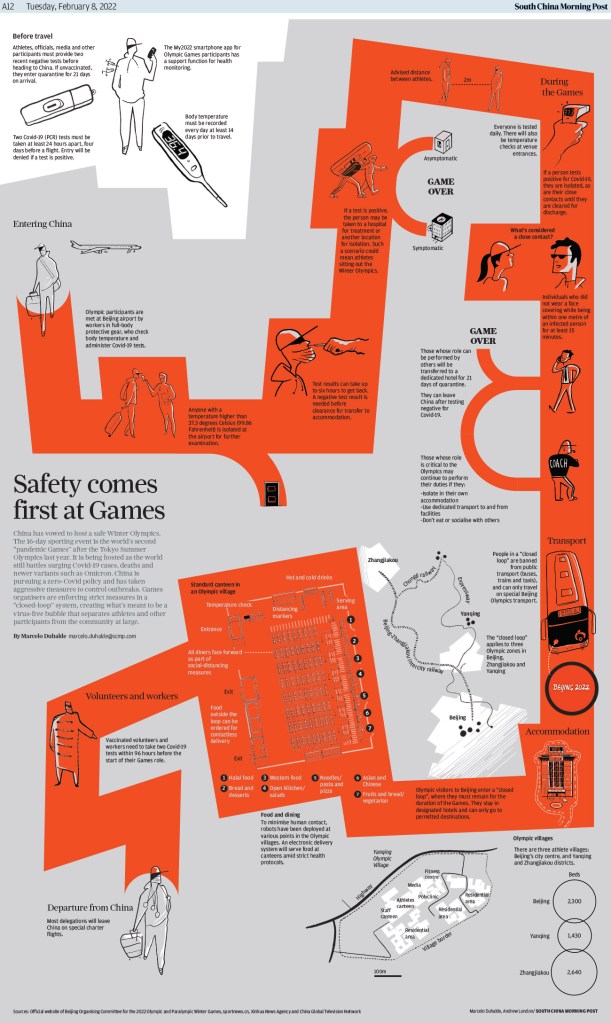
South China Morning Post

And the South China Morning Post, which tied for 10th overall in awards. This publication has some absolutely stunning information graphics. The visual presentation is so strong, and it adds a ton of little bits of information to support the graphics/illustrations. This first page won a silver medal, so a step above an Award of Excellence. It’s followed by three others, that are also incredible in their own ways. While the designers could rely on the same style, they have quite a range. They somehow manage to be versatile, taking very different approaches, while maintaining excellence throughout. Each one of these is vastly different from the one before and after, but all of them are jaw-dropping.

Europe and beyond

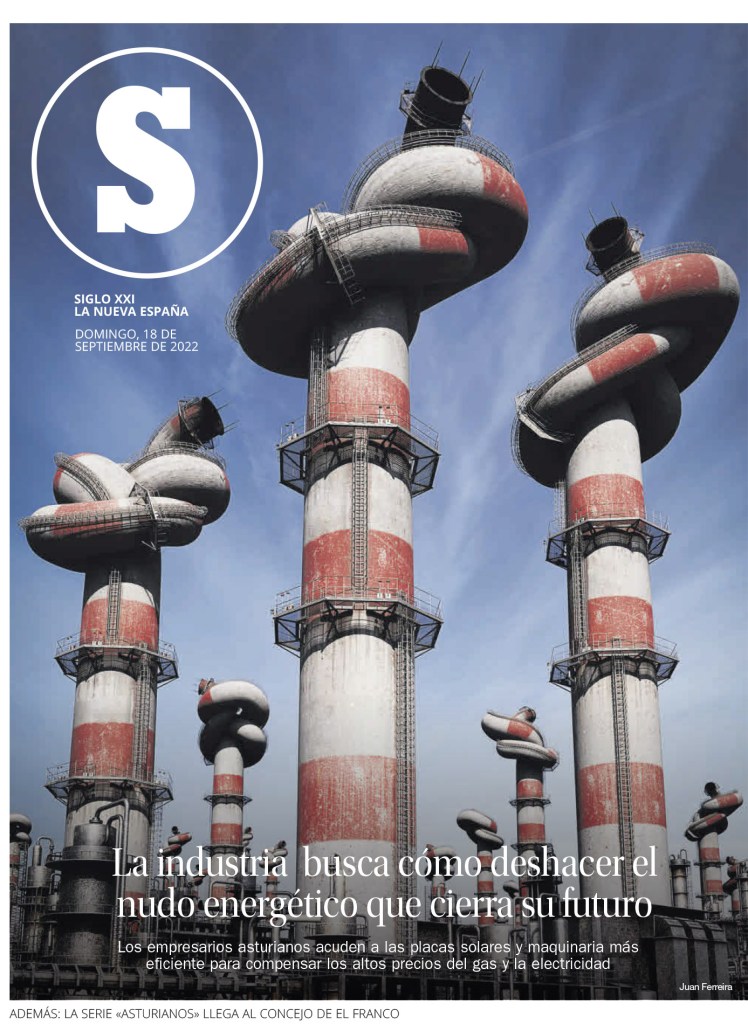
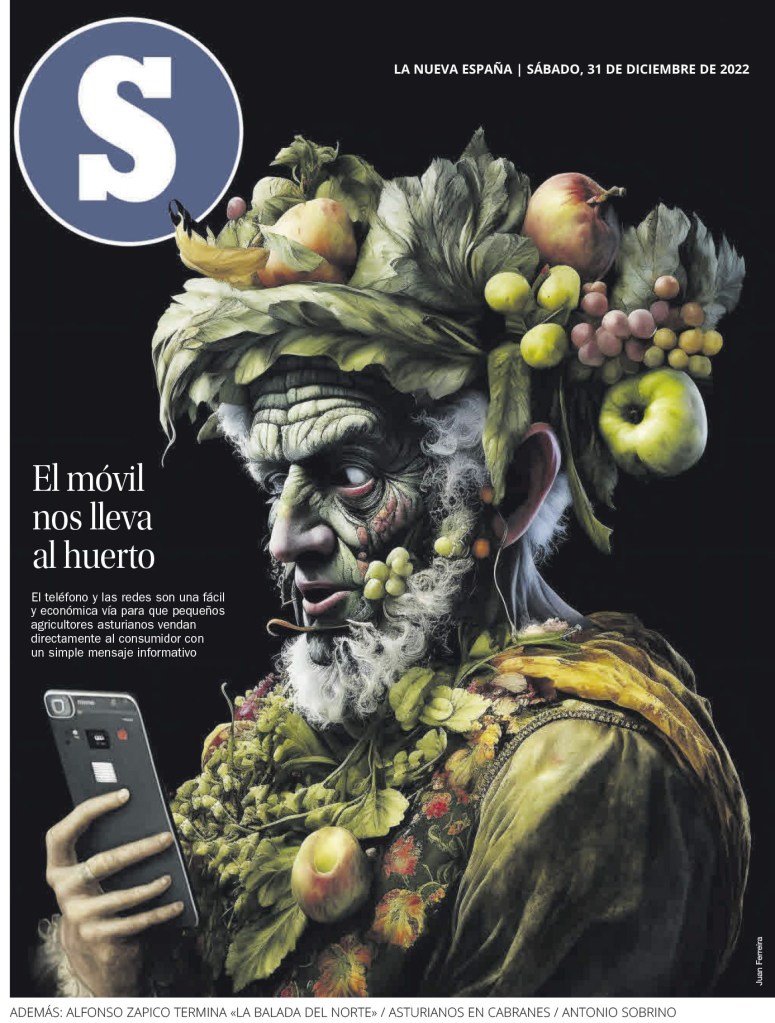
The illustration on this first page by La Nueva Espana looks so real you almost ask yourself, how did that happen. This is another of my faves from the competition.

And then this illustration. Mind blowing.

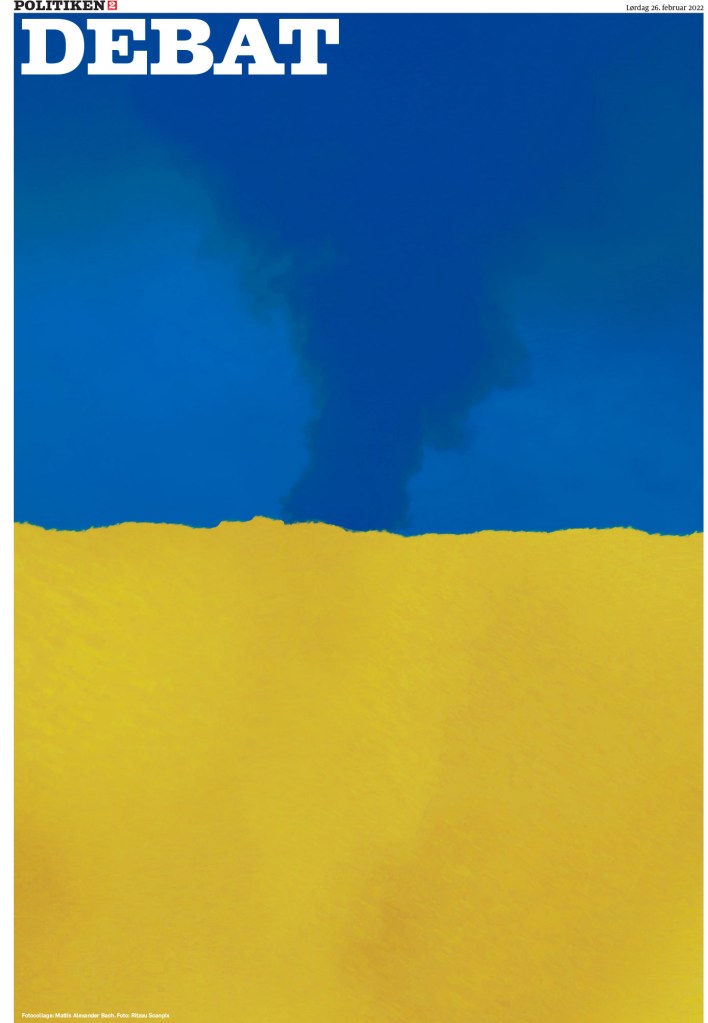
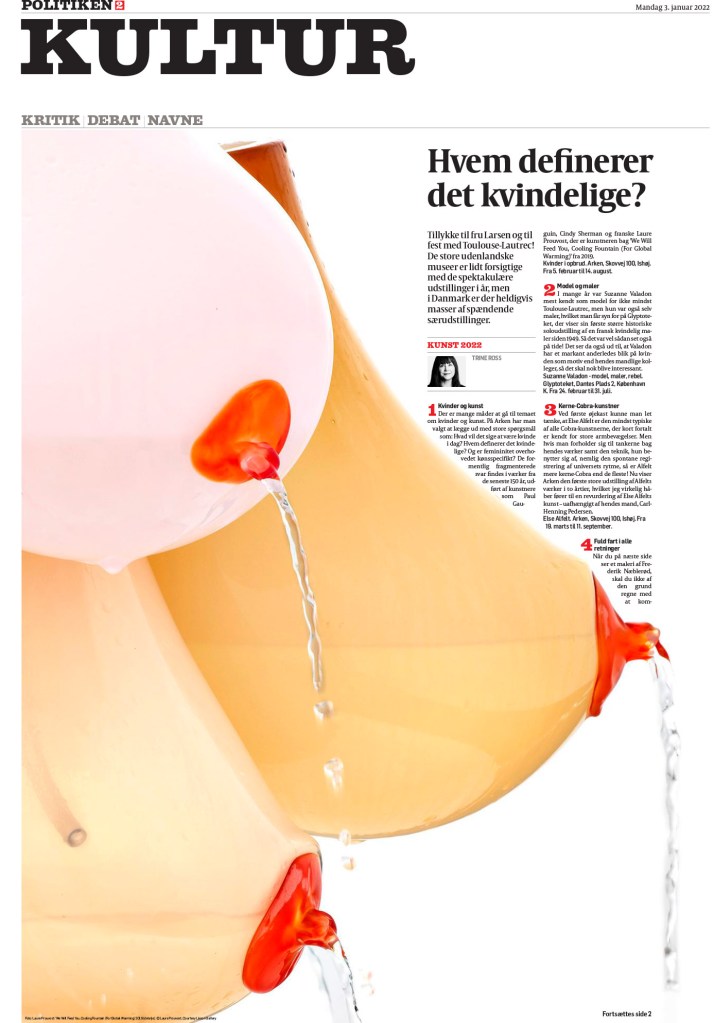
And I can’t leave Politiken out. I am a big fan of this publication. I think it does so many things well. It is perhaps the best at using a consistent colour palette. It uses red and black throughout so often to hold it all together. And this first page is just such a powerful topic, headlined: My rape.

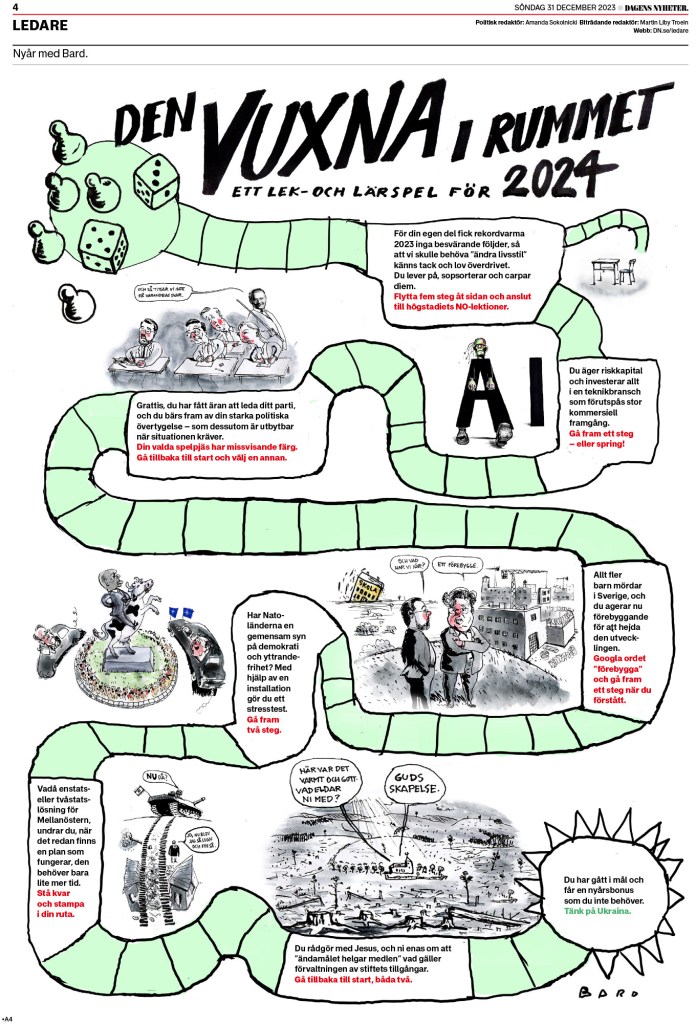
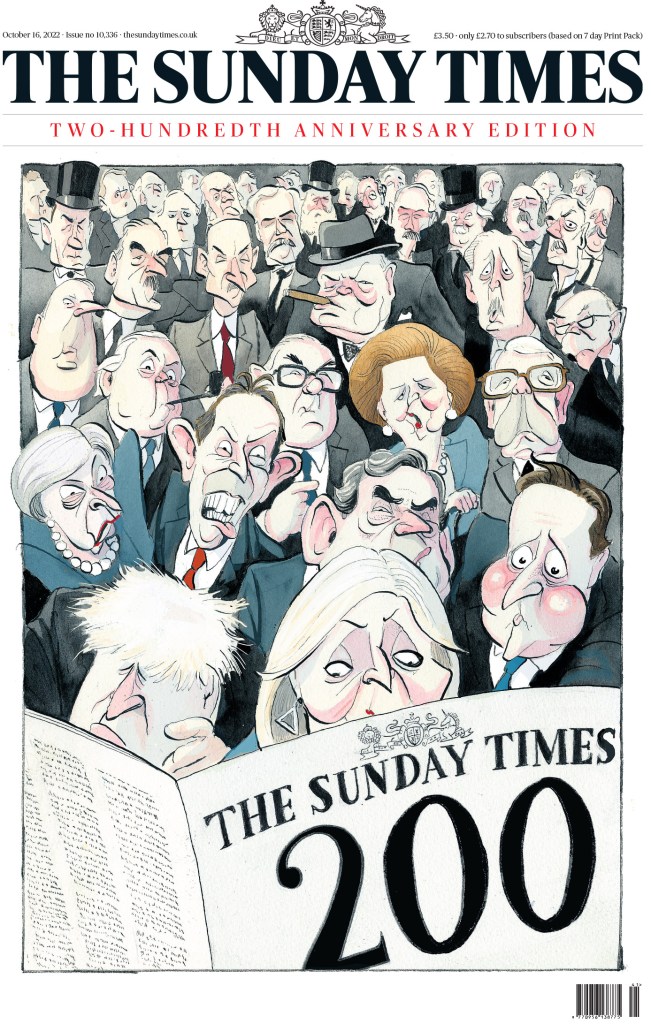
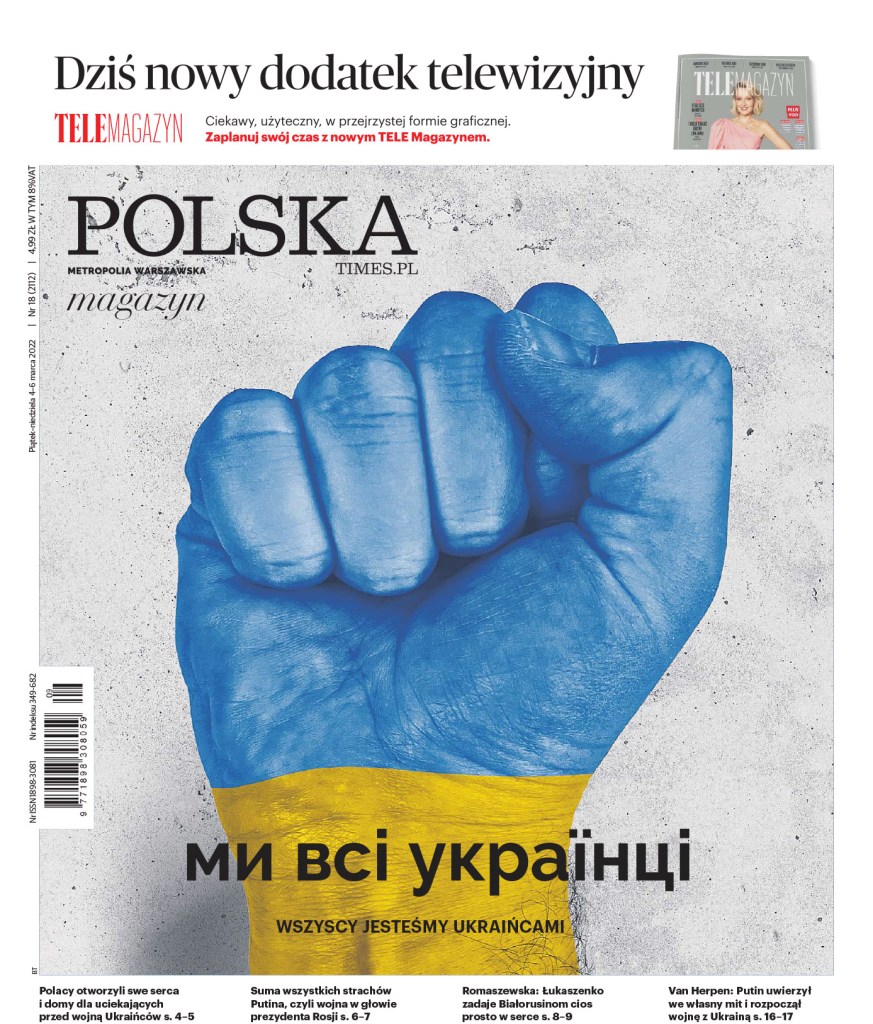
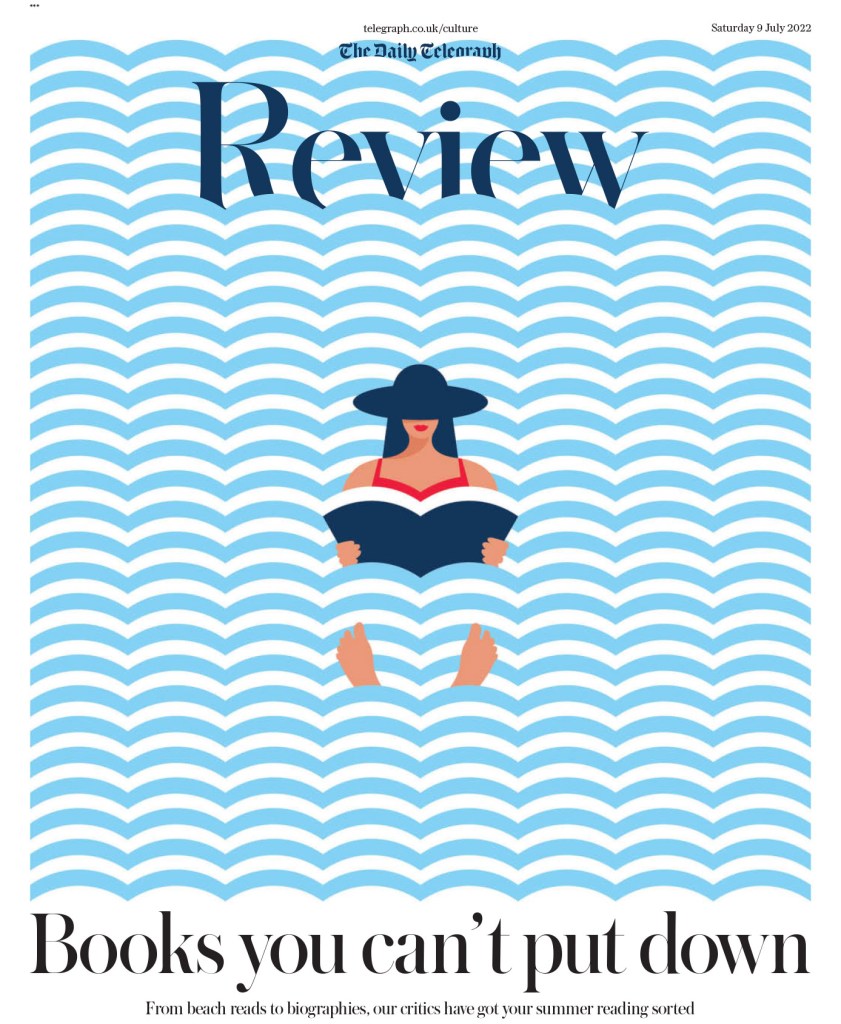
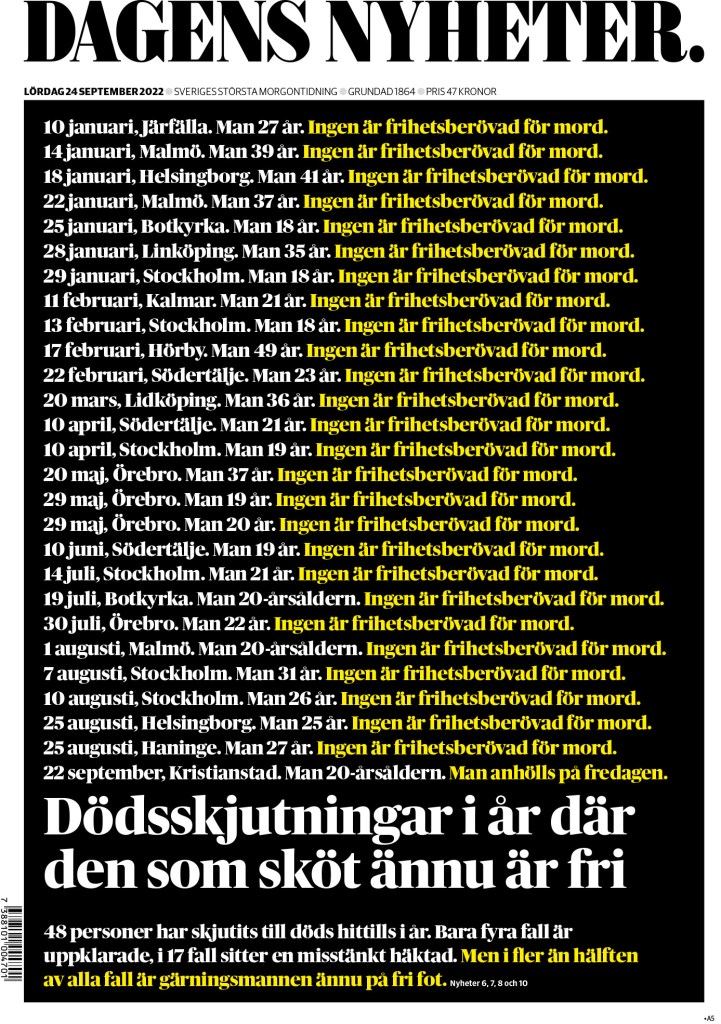
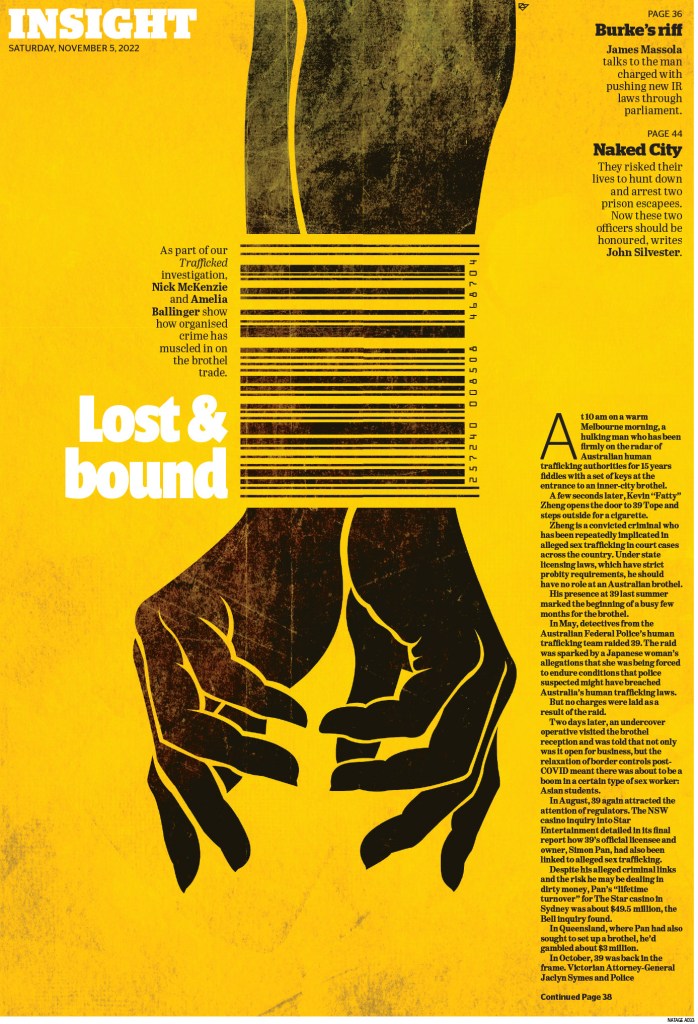
Below are the last few pages I will highlight, though there were so many more worthy of the spotlight. Below are pages from The Sunday Times (U.K.), Polska (Poland), the Daily Telegraph (U.K.), Dagens Nyheter (Sweden), The Age (Australia) and Arab News (Saudi Arabia).

Canvas_Version:3.0.25

I could go on and on. There were thousands of entries from a number of publications, all submitting the best of their best.

Related: SND43’s world’s best and other briliant pages

By Brad Needham

Newspaper design can be like a drug. A good page, your own or others, can leave you feeling elated. And leaves you wanting more. But what I have experienced lately, is like a good high (from someone who doesn’t know what an actual good high is!), the more greatness I see, the greater it needs to be to blow me away. When I first had the honour of being involved in the Society for News Design‘s 42nd creative competition in 2021, my breath was taken away a hundred times or more. Given a judge’s role, I would have been like, awards for everyone! A medal for you, and you, and you! I was nearly weepy by the end of it. After feeling the print world crumbling around me, I found myself in an oasis, damn near a utopia, of newspaper design.

There is still a page from that year’s competition that I can’t shake. This page from the Los Angeles Times gave me the feels.

By 2022, I had a new perspective. I heard the judges talk about what makes a page great, what elevates something from good to great. I was more critical that year, but still my breath was taken away quite often. And now, 2023, I feel even more discerning. The competition was back in real life, held at The New York Times building. For the first time, I found myself looking at some medals and asking, would I have given that a gold? But I am happy to say, there are still breathtaking pages. Despite being immersed in the best of the best newspaper pages in the world for three years, plus all the pages I look at on a daily basis, I find inspiration in some of the magical work still taking place. It’s partially because the work is next level, but it’s also because the field is shrinking. It is a dying art. The exceptional work shines even brighter.

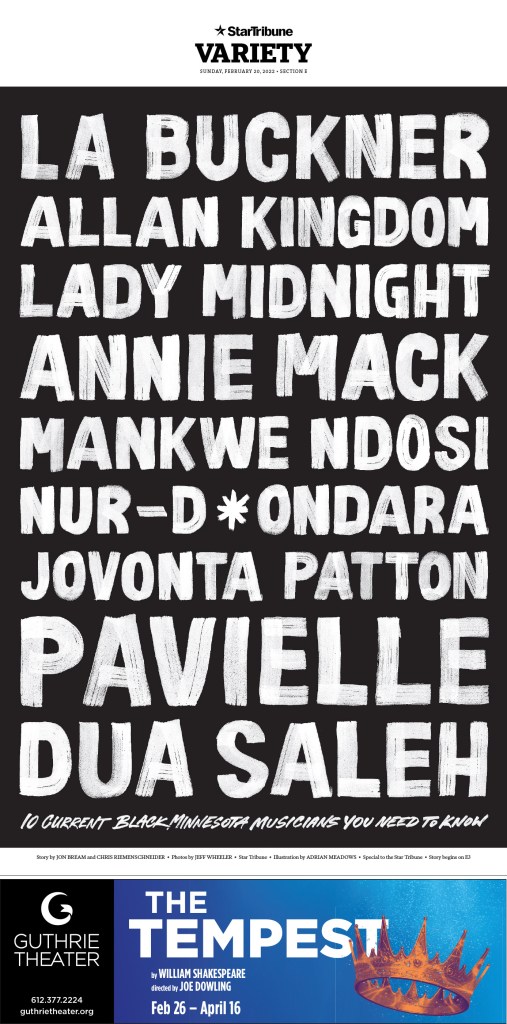
There are newspapers who still care deeply. The Big 4 in the U.S. produce some of the most stunning work in the world. And it is seen in their results, either Awards of Excellence or Silver and Gold medals. The New York Times: 188 (!!); Washington Post: 122; Star Tribune (Minneapolis, Minn.): 121; and a few places down, holding onto 6th overall, the Los Angeles Times: 44. Both The New York Times and the Washington Post have been named finalists for the World’s Best Designed Newspaper, along with Die Zeit and Weekendavisen (you will see more from these in the post about papers from around the world). The winner or winners will be announced Friday.

RELATED: SND43: Best of U.S. papers

I will give more play to the Big 4 publications in this post. But I can’t feature hundreds of pages. So I will pare down the winners and present some of my faves. And despite my exposure and, for better or for worse, higher standards, my opinion is still very humble. At these contests I am surrounded by design greatness.

RELATED: See SND44 results here

One key takeaway from this year’s competition was the value of art direction. As someone who mostly worked in smaller publications, I was, in effect, the art director, at least for the sections I handled. In the past couple of years I have started to wonder about pages that are driven almost exclusively by their illustrations. Are they great pages or great illustrations or both? Well, I’m told, this is where you can see the value of great art direction. A publication can’t get it so right so often and have it be so on brand without great art direction. So much of the credit for these pages goes to the art directors.

The New York Times

What can I say about the paper sometimes still known as the Old Gray Lady? Despite those functional daily news pages, The New York Times produces some of the most magical pages in the world.

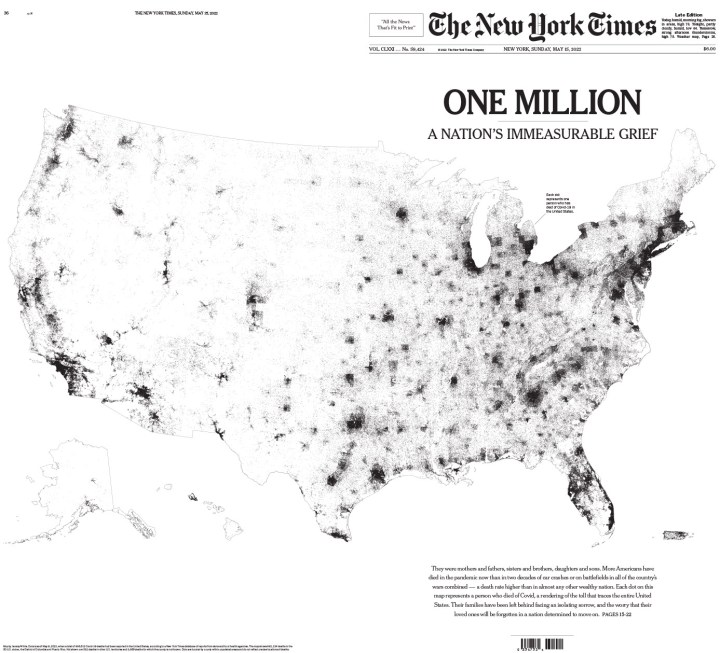
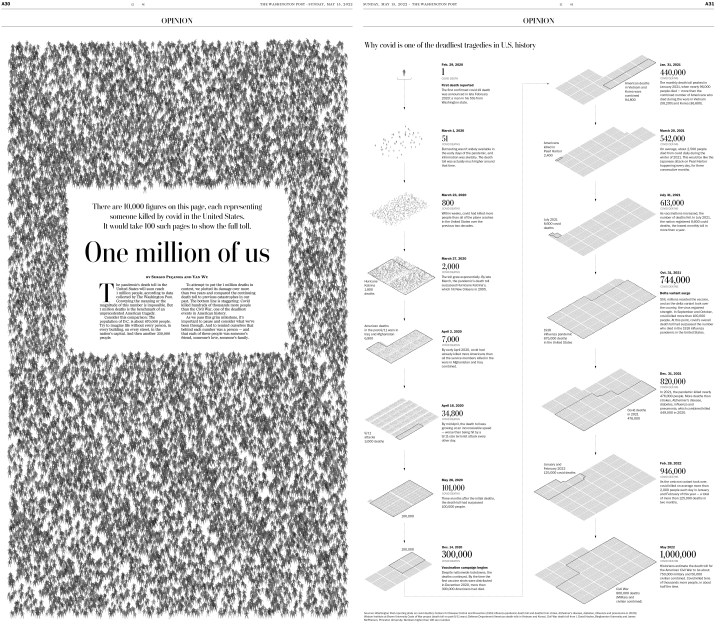
First, one million. I remember seeing this page when it was published and being blown away. I still am.

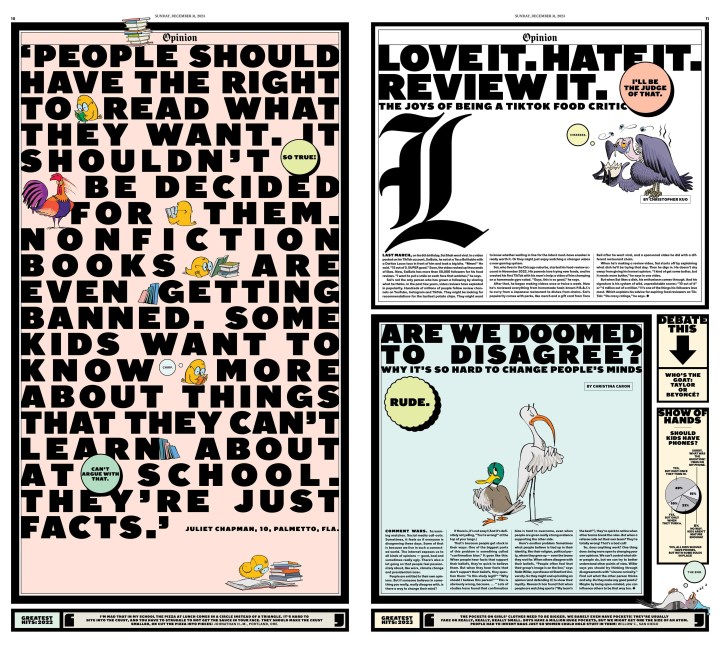
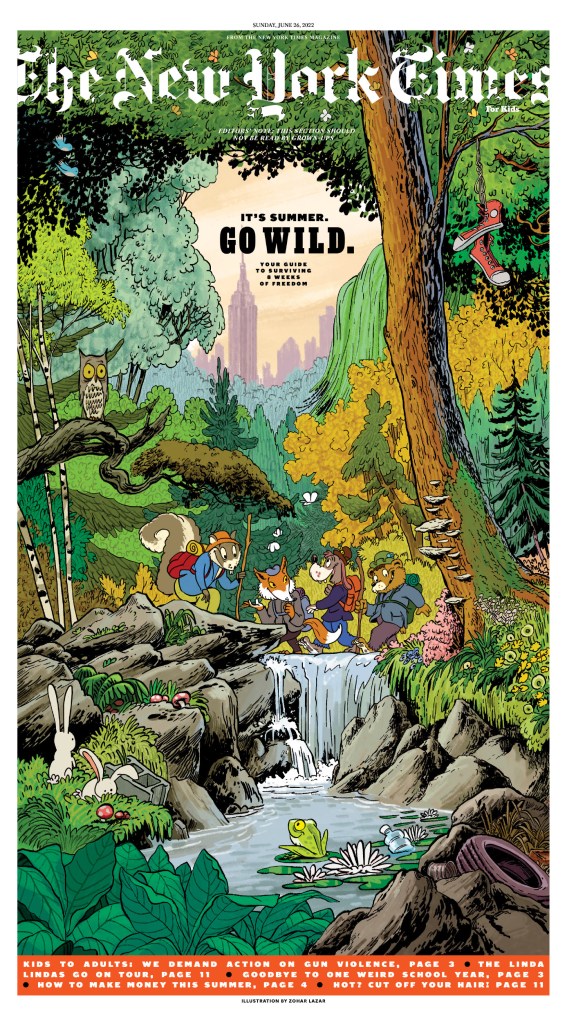
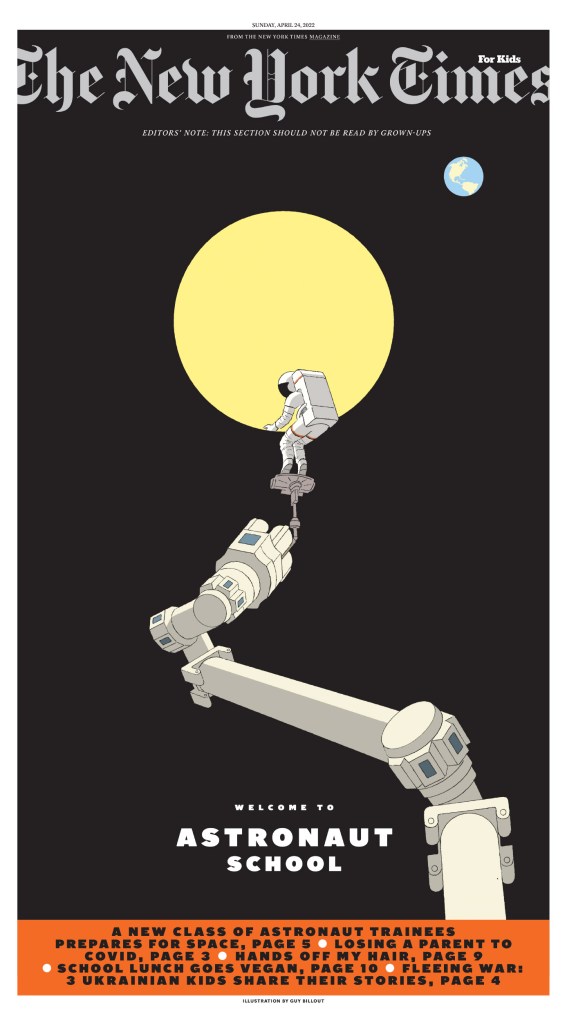
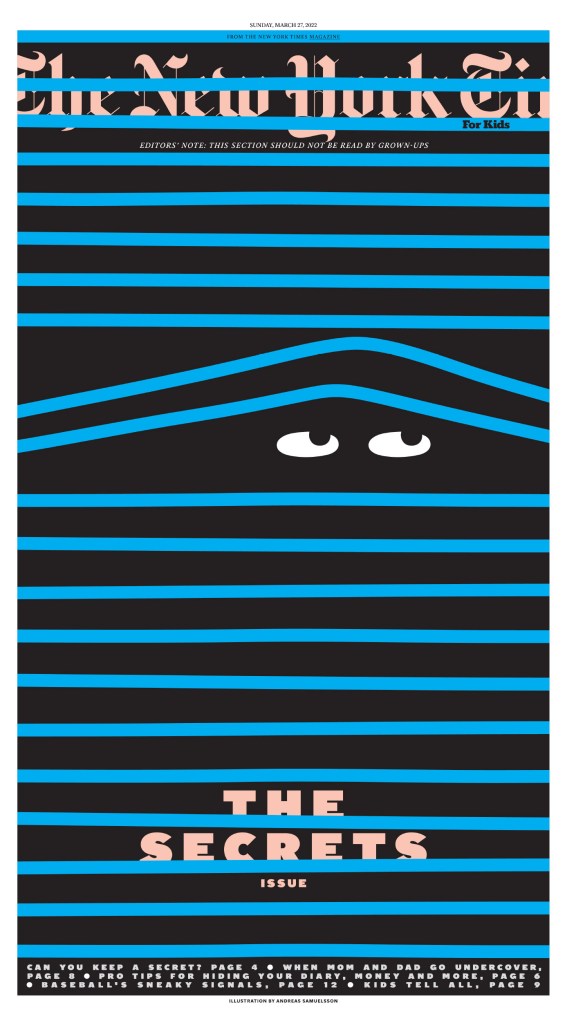
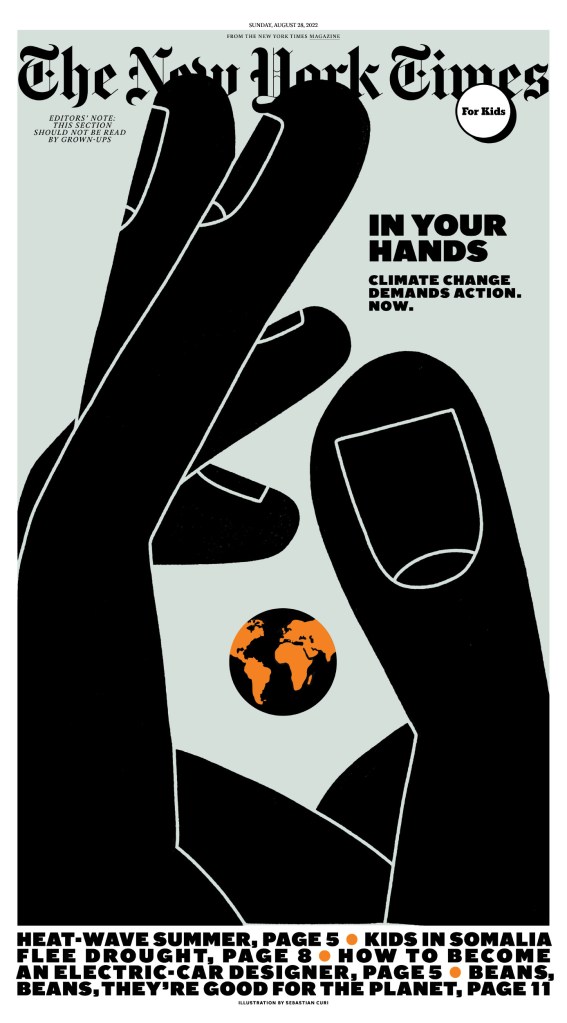
And one can’t talk about NYT without mentioning its kids section. It is outstanding. Always. I sure hope it’s working, and that it is attracting younger readers, showing them the power of print media. The kids of New York are perhaps the best served child newspaper readers in the world!

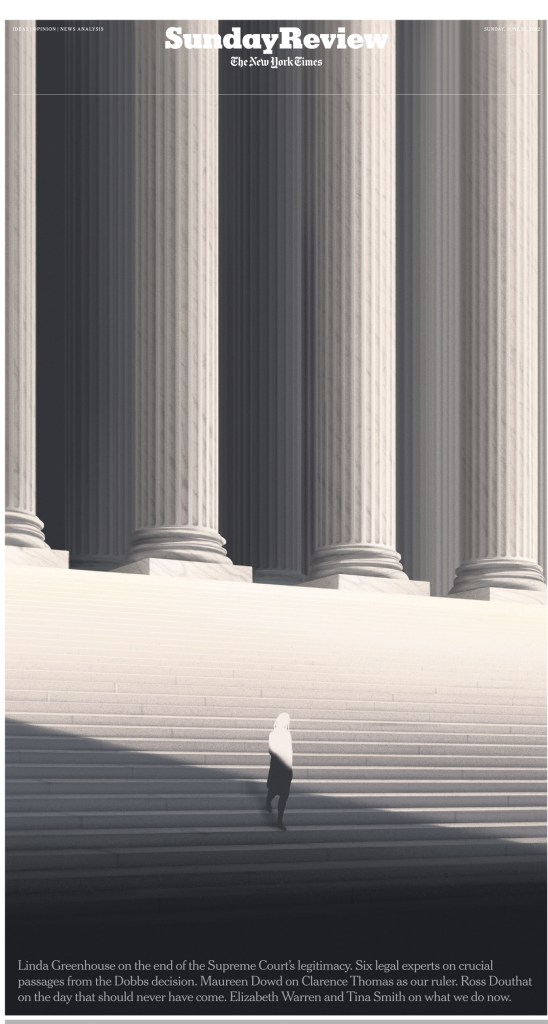
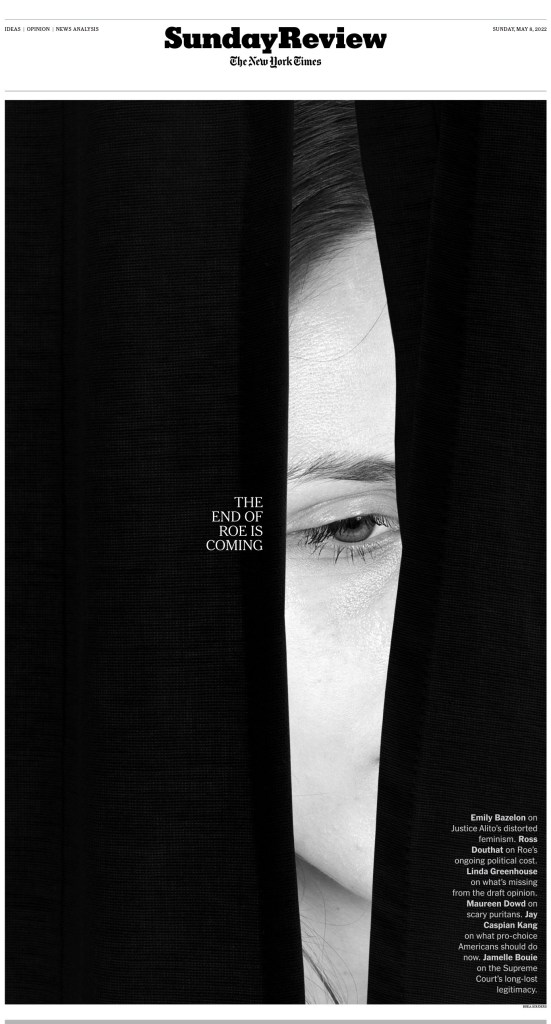
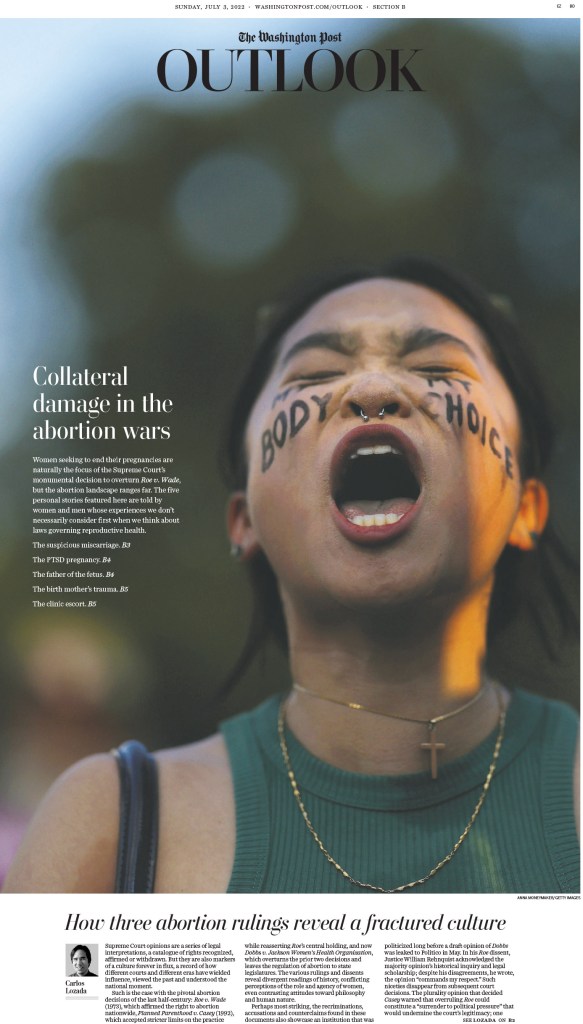
While COVID isn’t behind us yet, there was less focus this year. Abortion, however, was in the spotlight, thanks to a groundbreaking decision to overturn Roe v. Wade. Many papers produced powerful pages around this topic, and the Times produced some of the best.

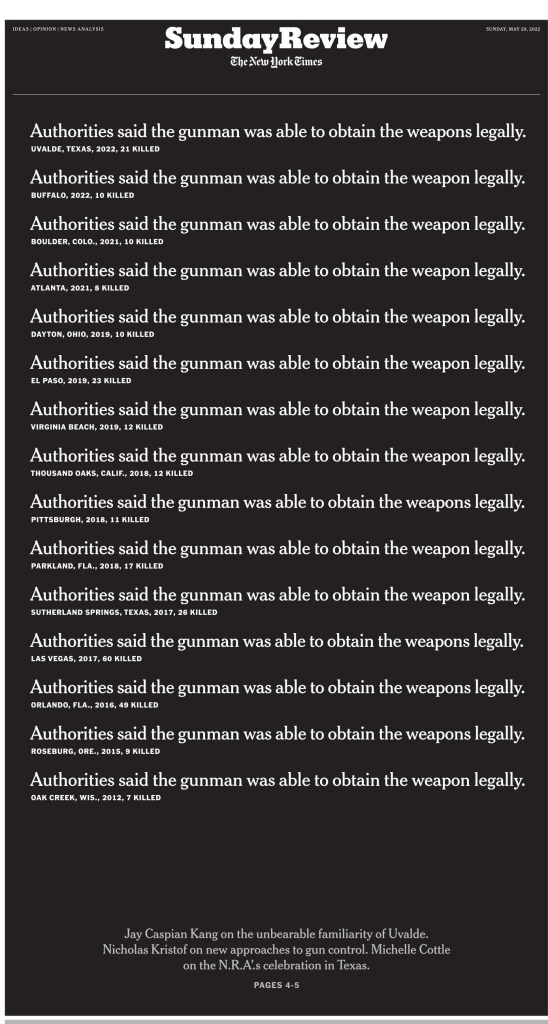
Shootings and gun violence have also divided the U.S., and put it into the spotlight around the world. Most of the world doesn’t get it. It’s good to see some Americans, many, are also questioning. This page, all text, the same thing repeated, is so powerful.

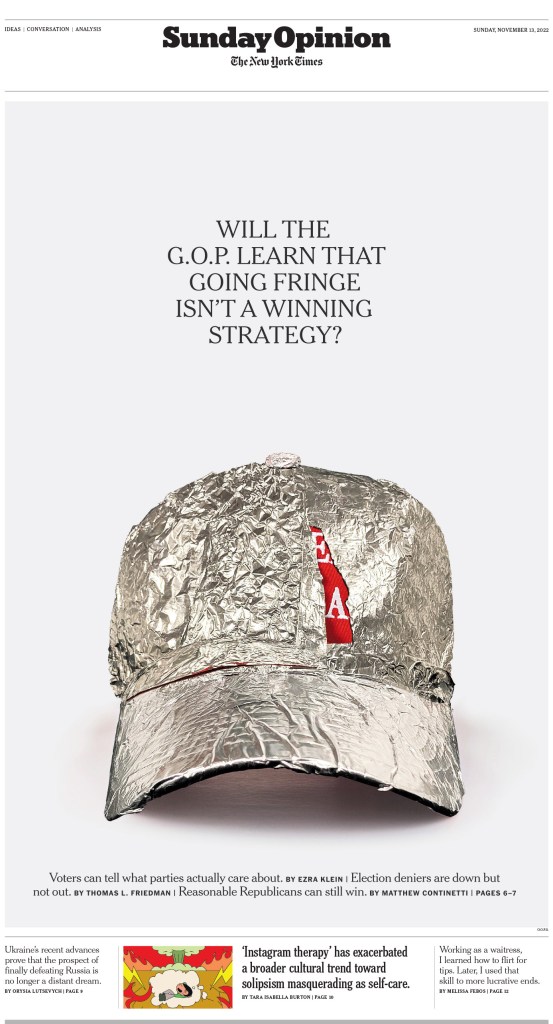
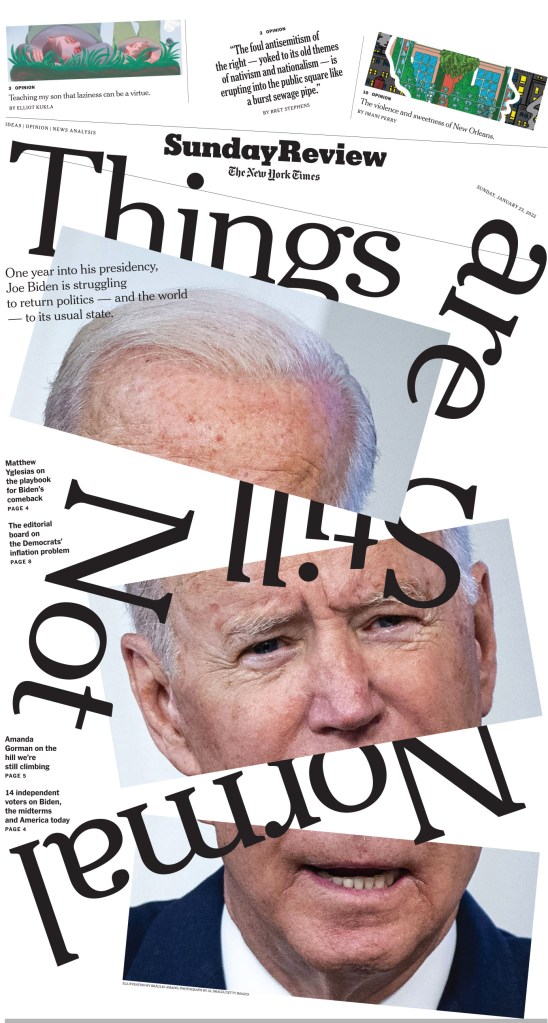
I could go on and on. But I will leave you with just a couple more. And they will be political, because what is America right now if not a world political hotspot? Years after the election, it’s still Trump, it’s still Biden. Brace for many more pages with these two as the focus.

Washington Post

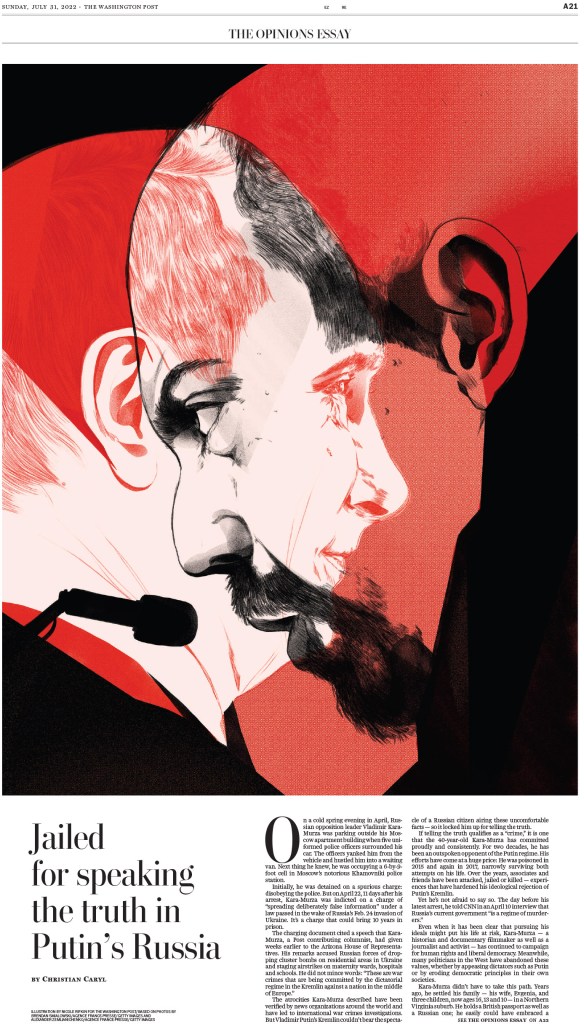
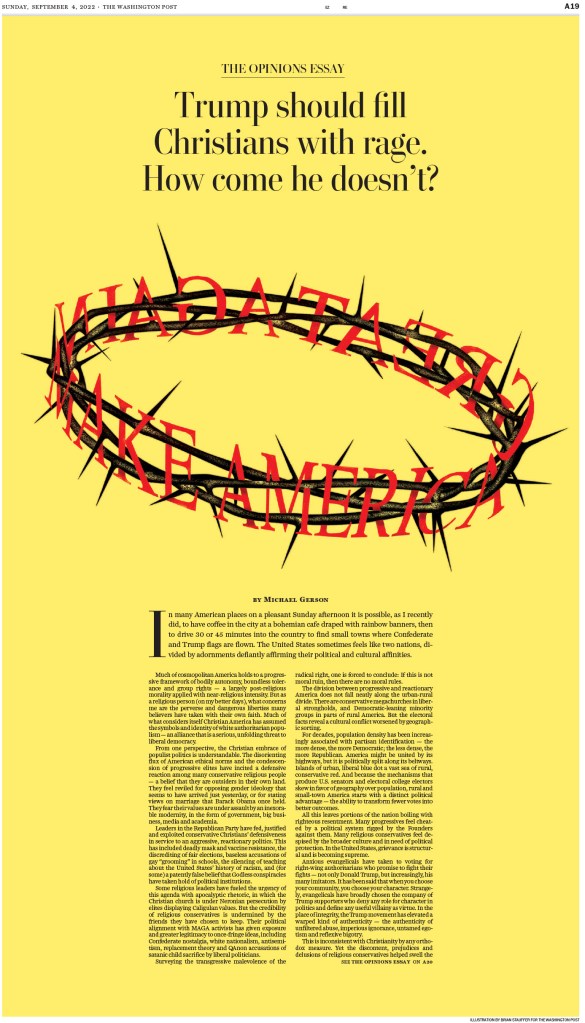
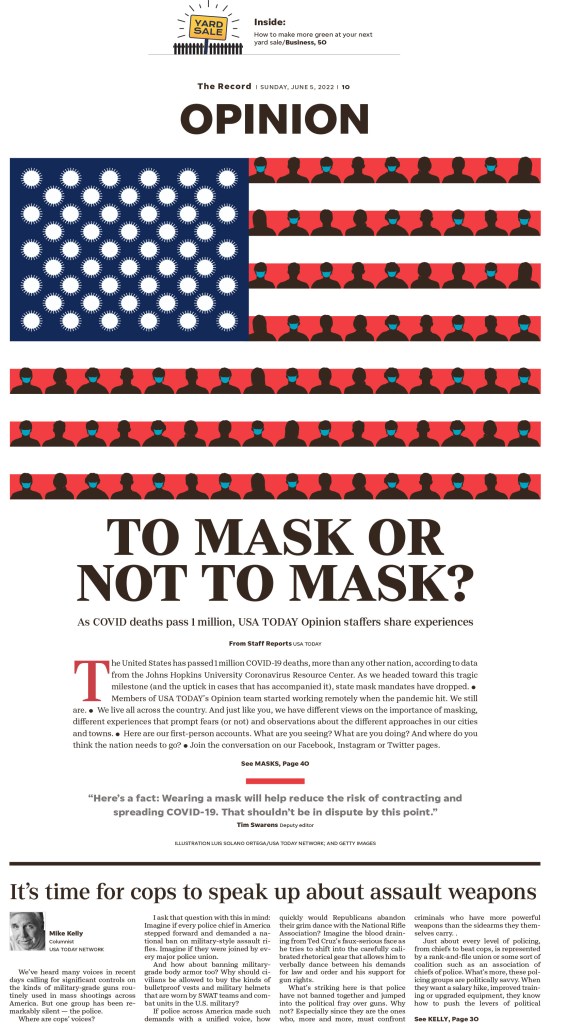
The Washington Post always delights. The Outlook and opinion pages are so regularly outstanding that even those have to be whittled down. The first, also marking the tragic COVID milestone of one million American deaths, followed by a slideshow of more strong opinion pages.

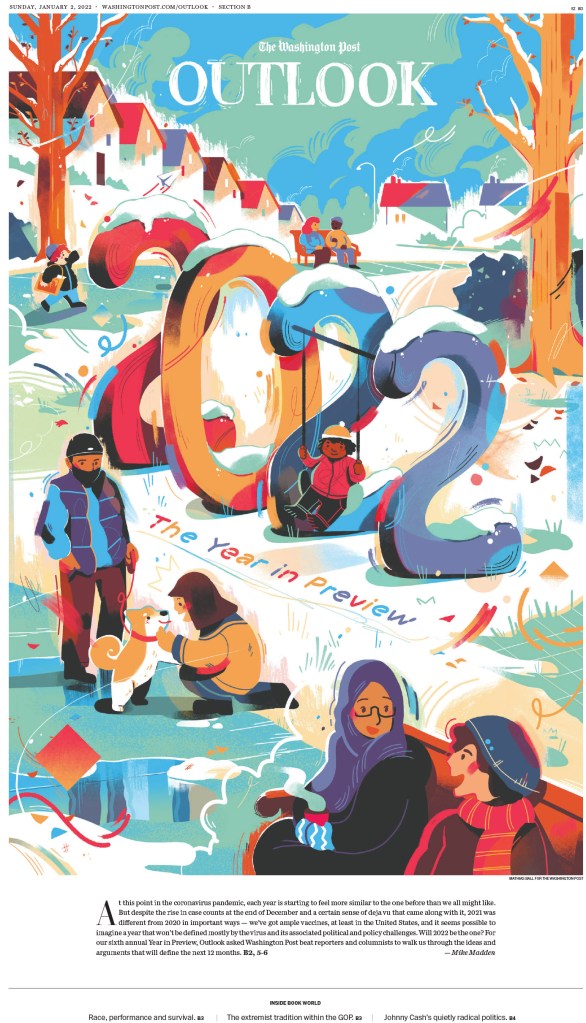
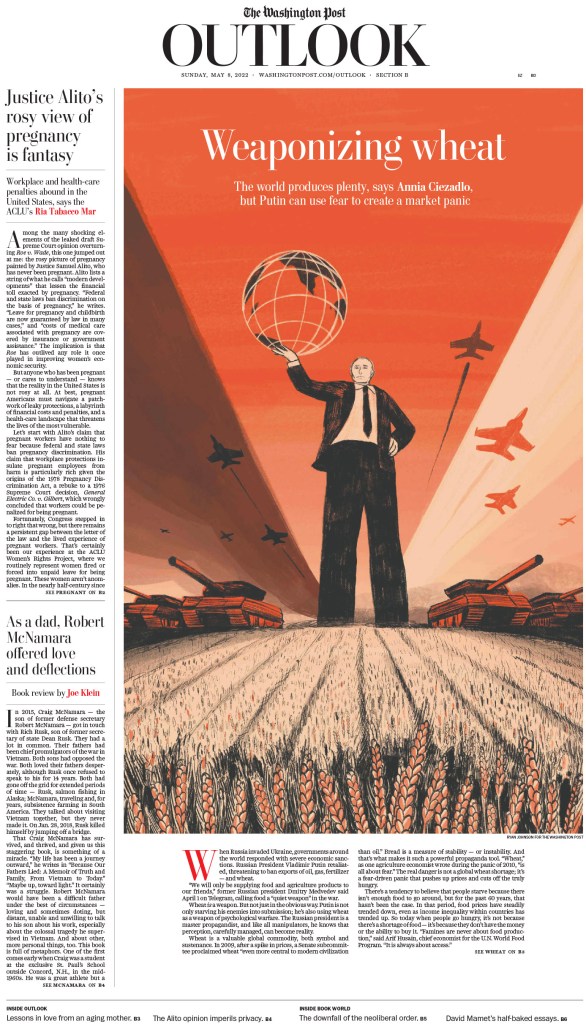
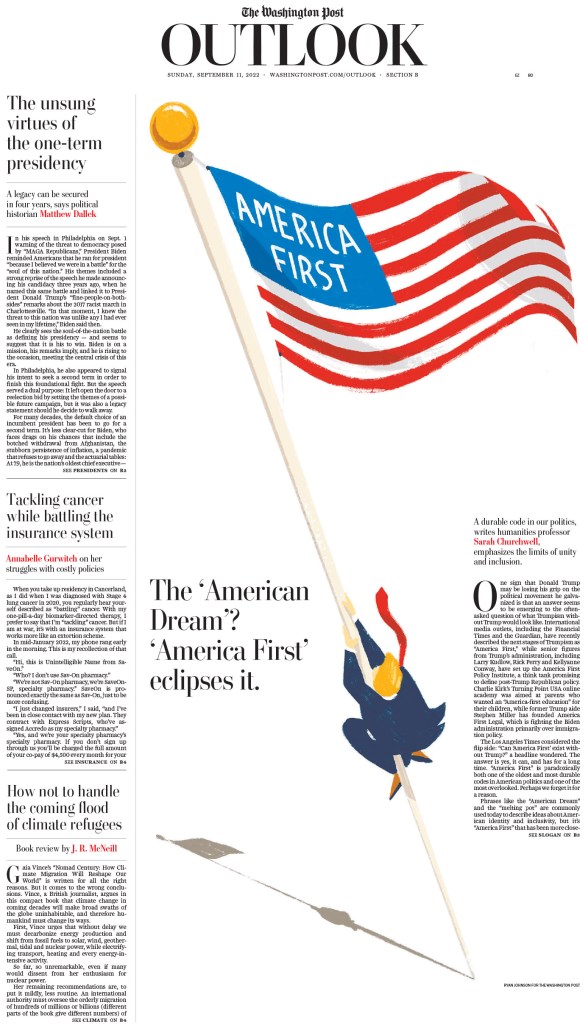
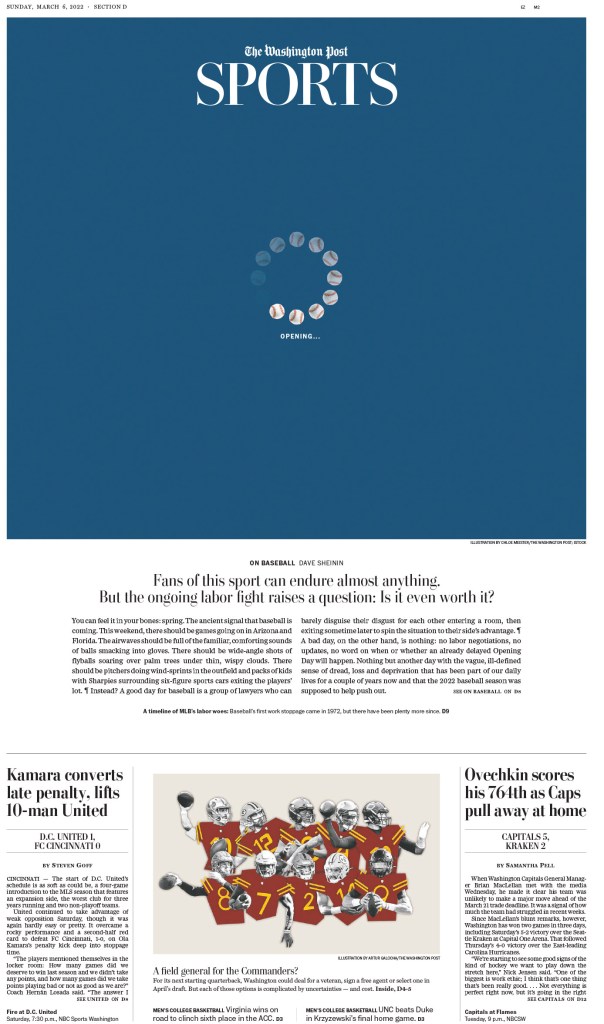
And a collection from the Outlook section.

I loved this page when I saw it last year. A simple but very smart illustration.

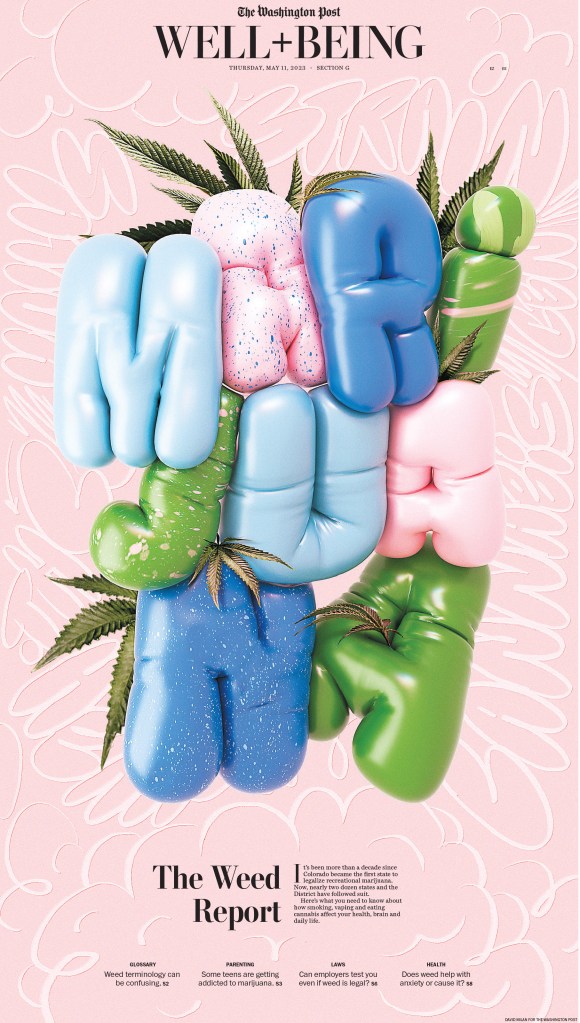
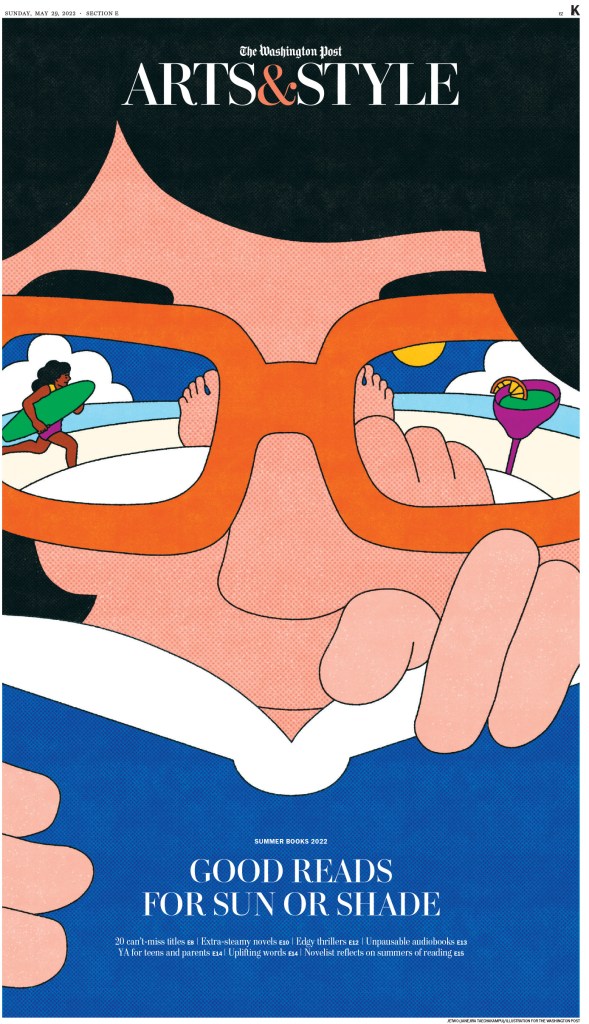
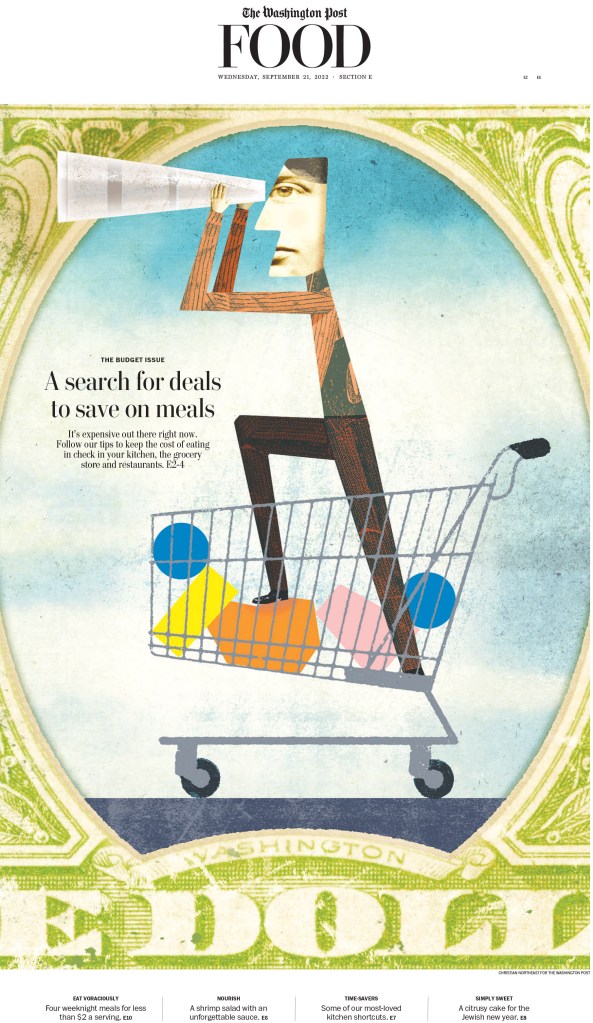
And of course they have fun, too. Here are some pages about things that aren’t breaking news, like books and food!

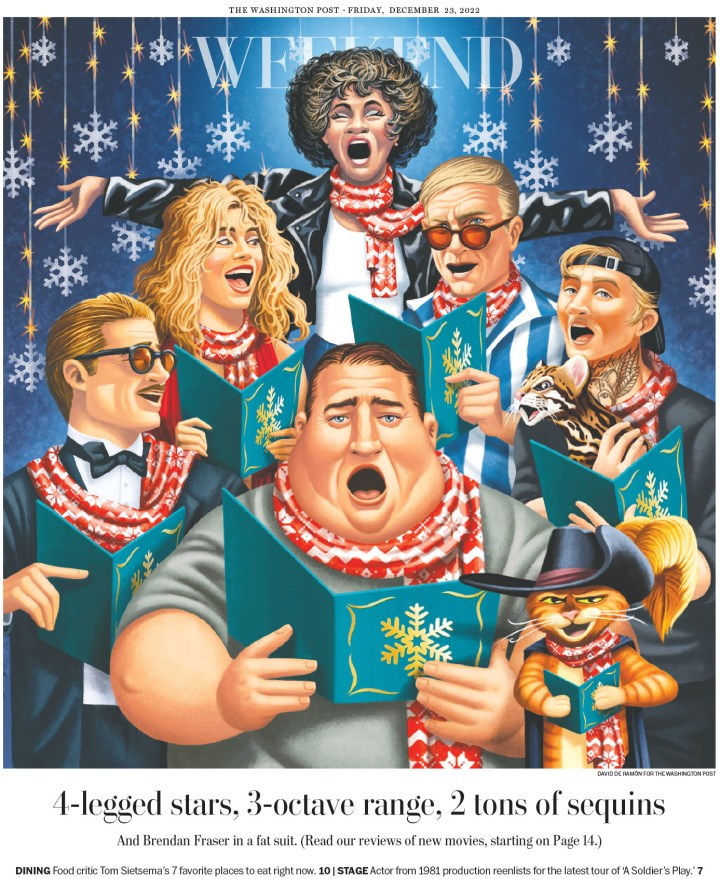
And weekends! I love this one. Not only is the illustration top level, the headline is fantastic. Kudos to the writer.

Star Tribune (Minneapolis, Minn.)

The Star Tribune might not have the same recognition as The New York Times and Washington Post outside of design circles or outside the U.S., but it is very much known as a heavyweight in the design world. But also, unlike some other big papers, it focuses on the news at home, a real local paper. That and incredible designs? It reminds me of a next-level Guelph Mercury, the paper where I cut my teeth in design. To be clear, the Star Tribune is several levels up, but its mission is close to my heart.

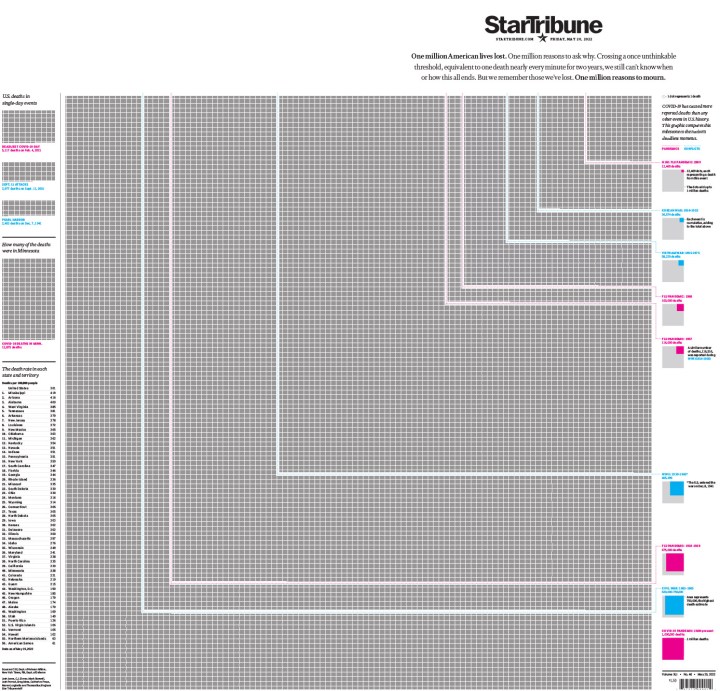
I will once again start with the one million milestone. How can they make little squares look so compelling? So devastating.

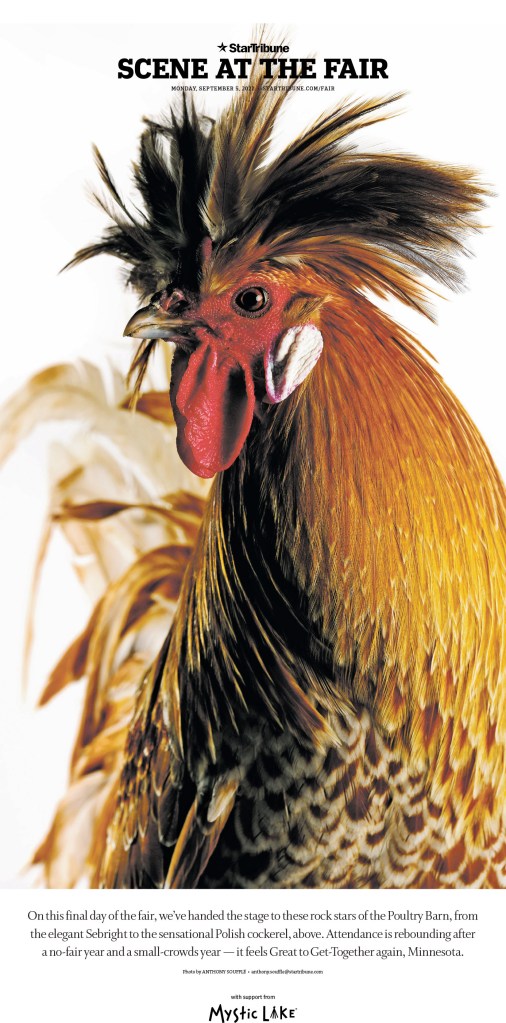
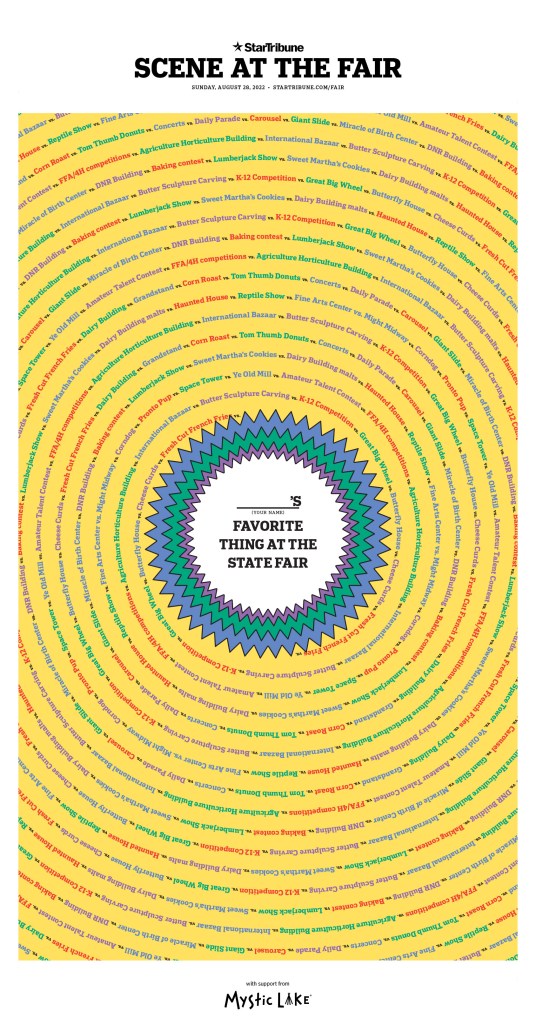
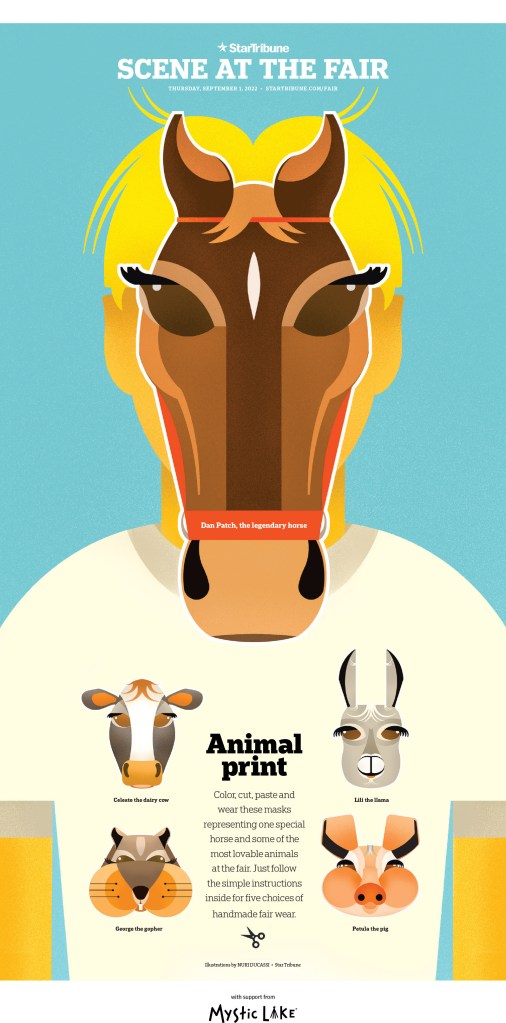
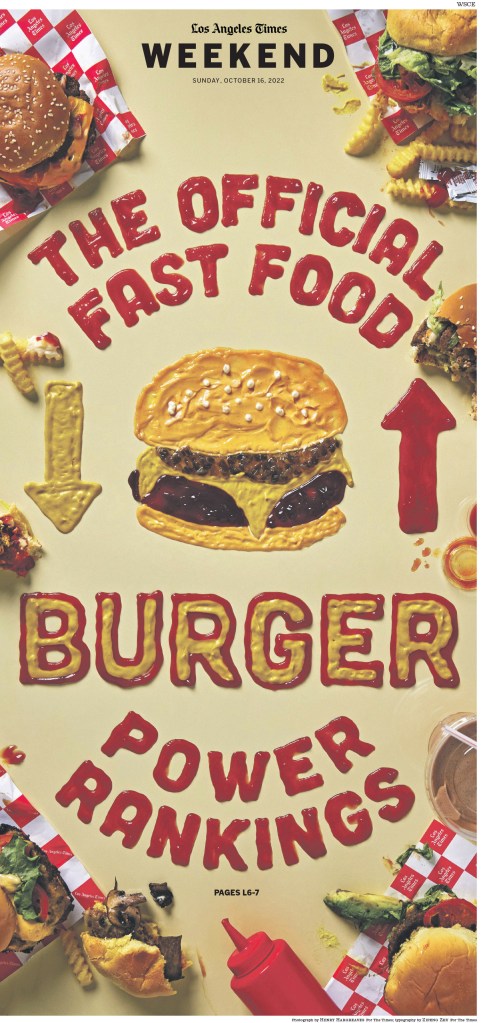
At the competition, I said there are two regular events that will always produce design awards. One is the power rankings for burgers in Los Angeles (see LA Times below) and the Minnesota state fair.

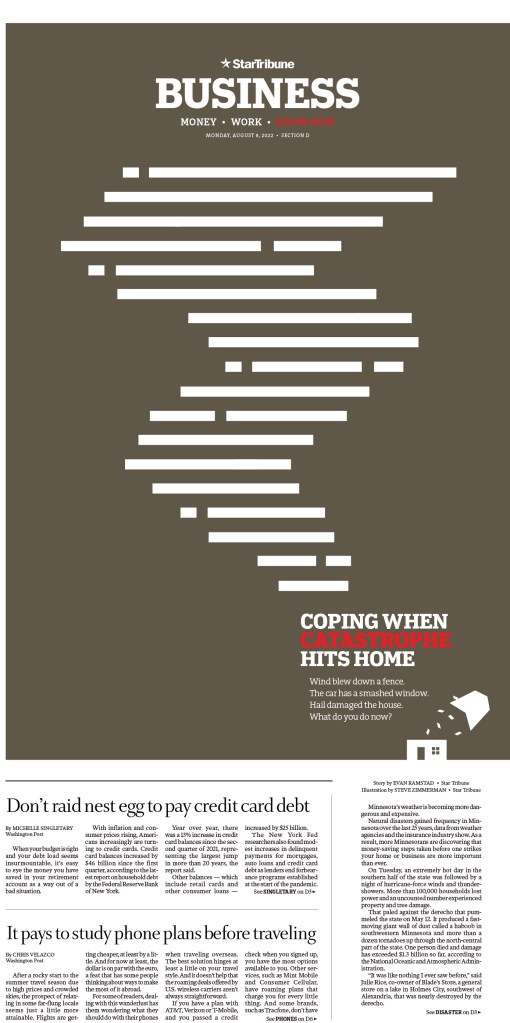
But as per usual, the Star Tribune offers much more than fair pages. This was one of my favourite pages from the competition (I had no clear favourite, as I have in the past two years). And like last year, I can’t say why.

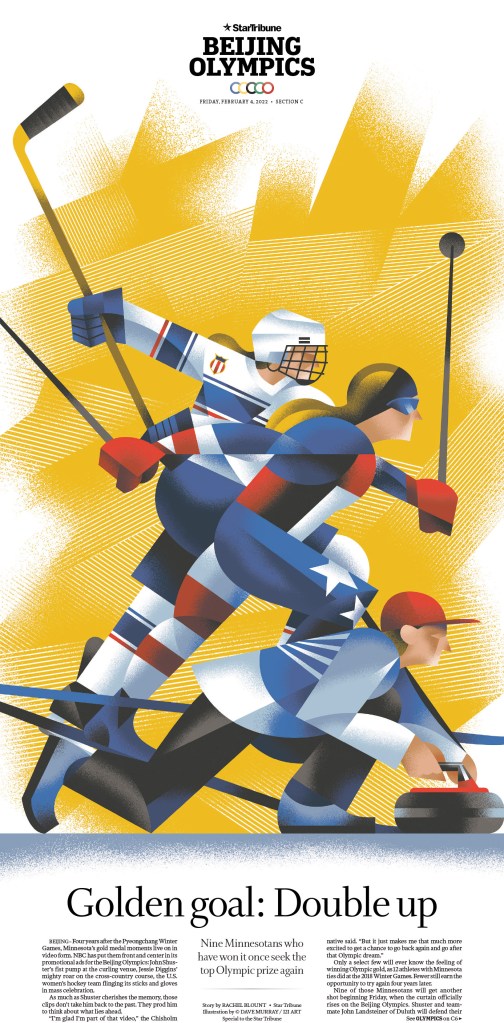
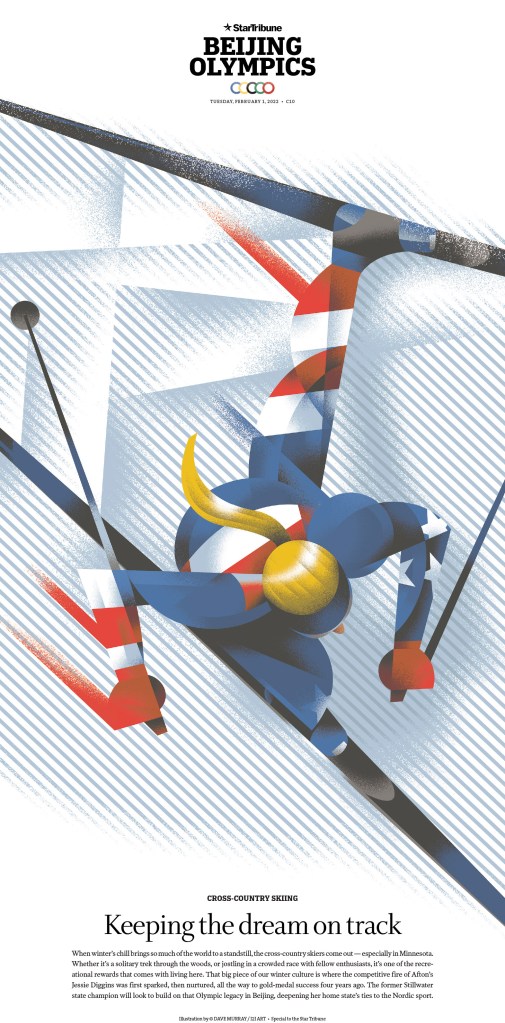
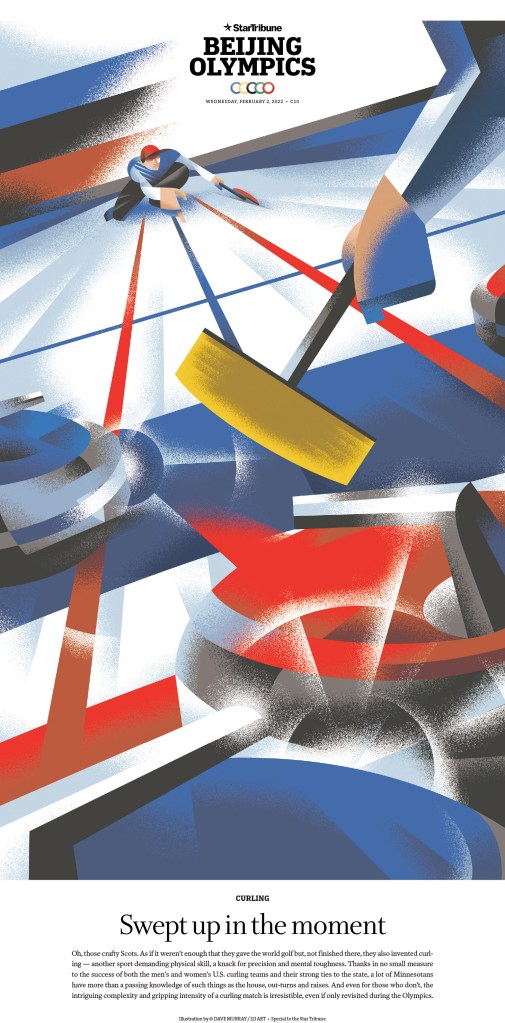
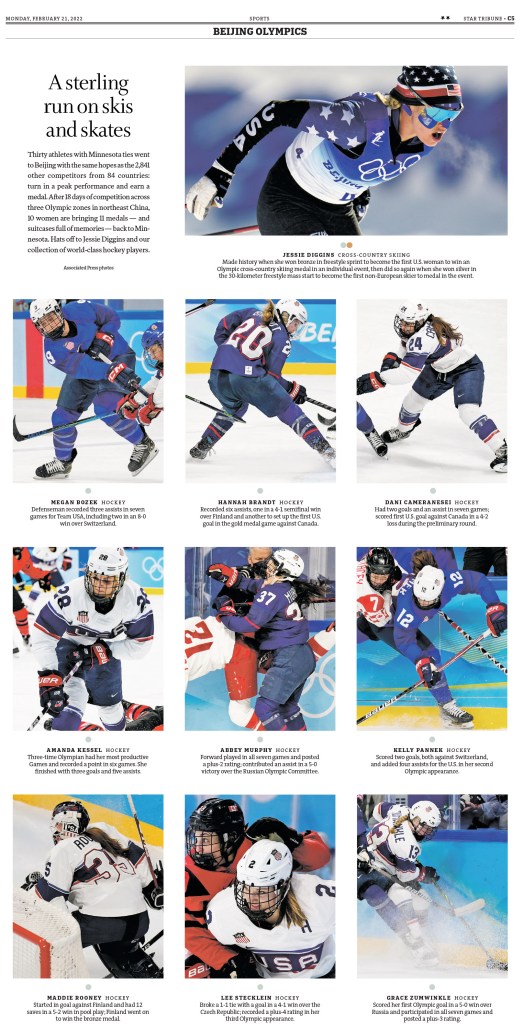
The Olympic pages by the Star Tribune were perhaps the best in the world.

And one more to leave you with. A page that is so Star Tribune.

Los Angeles Times

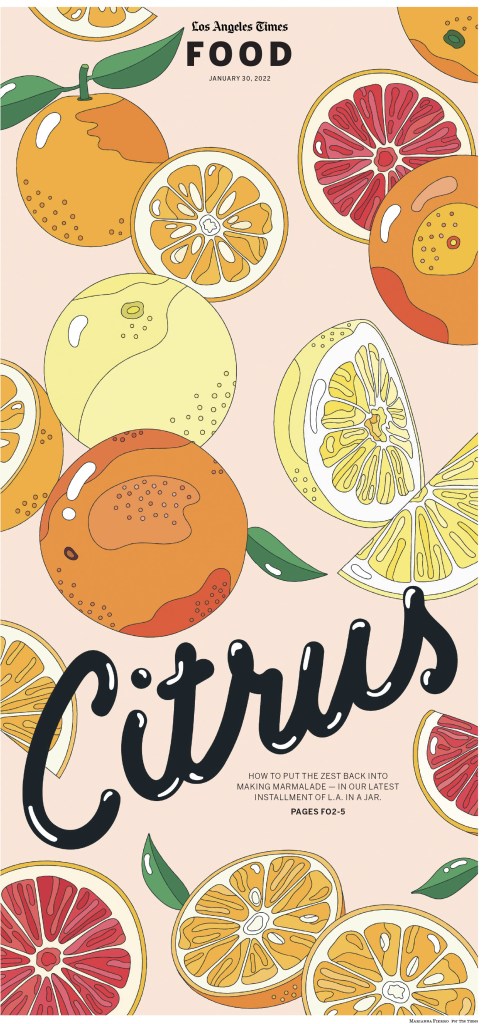
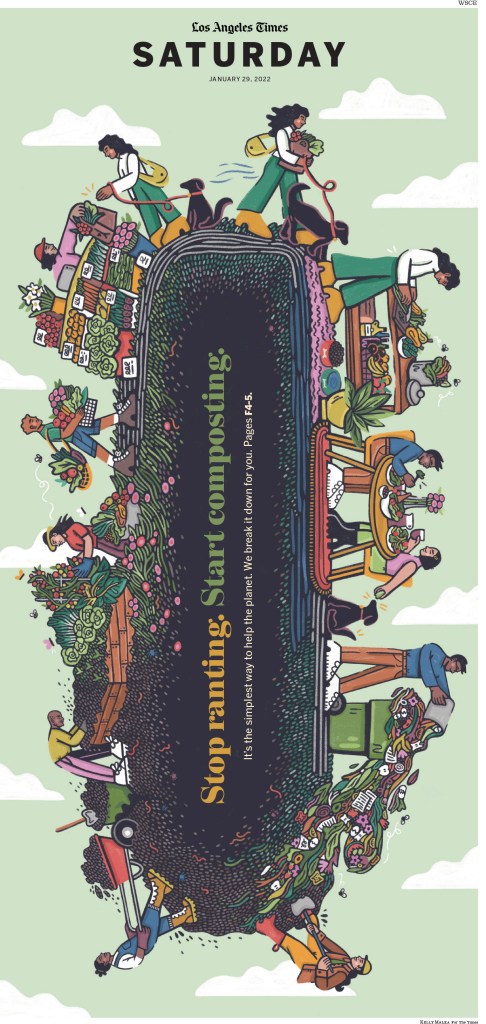
I’m a sucker for the Los Angeles Times. Maybe it’s because of the kiss page above. Maybe that hooked me. Despite having fewer wins than the three above, I find so many of their pages so striking and enjoyable. It is one of the papers clearly benefiting from some of the most brilliant art directors the world. So many of the pages are driven by outstanding illustrations. And one thing they do better than most is food. Which brings me to … burgers.

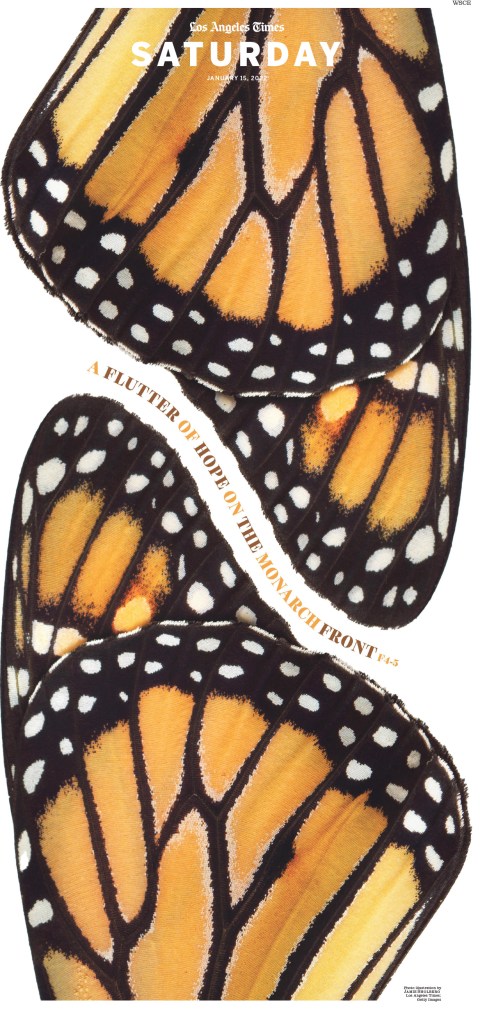
And this page. I think it’s just beautiful. When it comes to pure beauty, few publications move me like the Los Angeles Times.

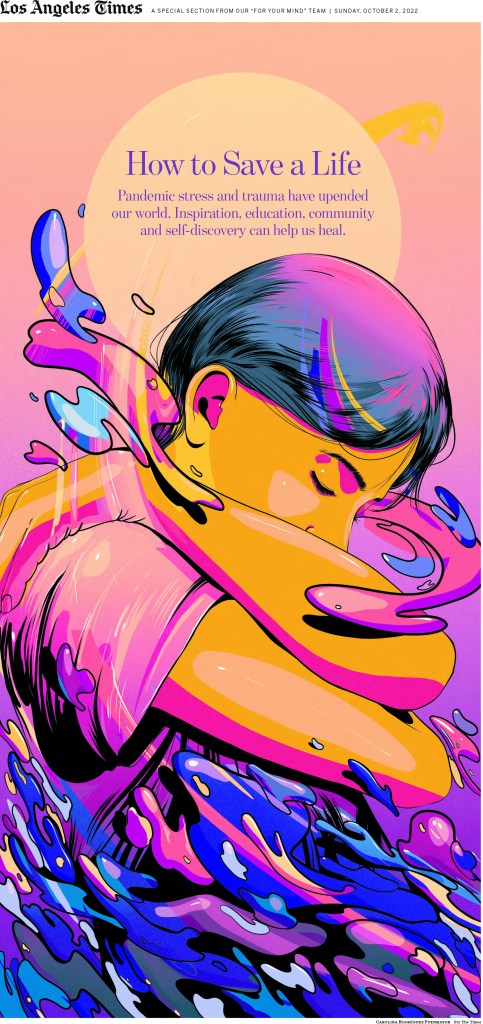
And another driven by a beautiful, touching illustration, but one that seems clearly designed for the soft yet prominent headline treatment.

This stunner was a silver medal winner. It just gets cooler the more you look at it.

And here are a few more. Some that are just so bright and happy, and of course a couple more food pages.

Other publications

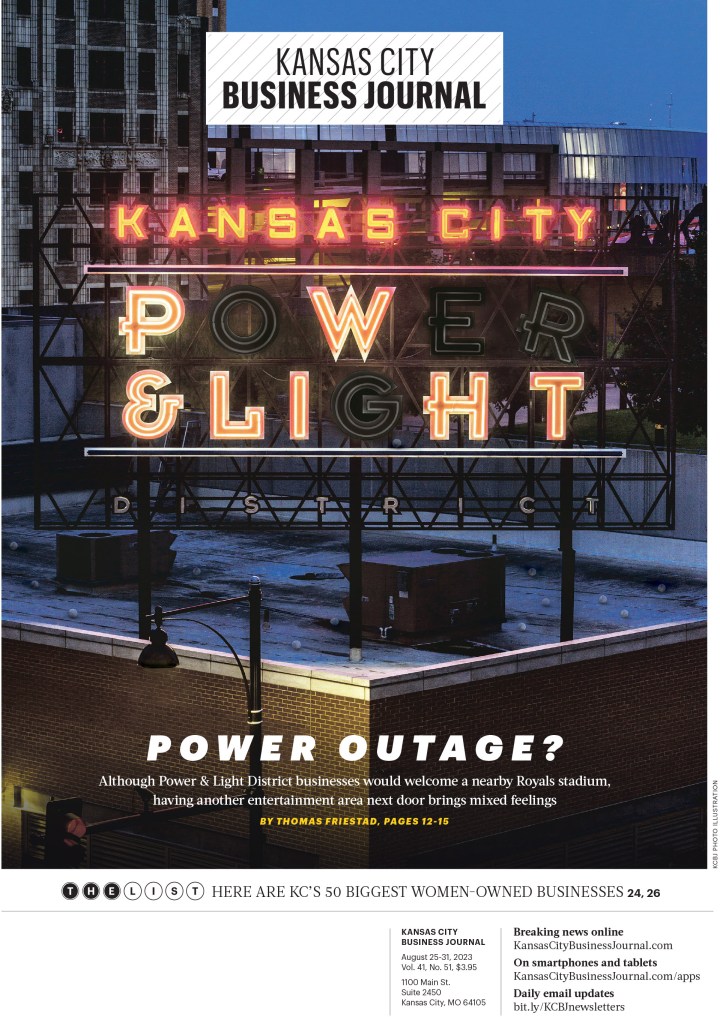
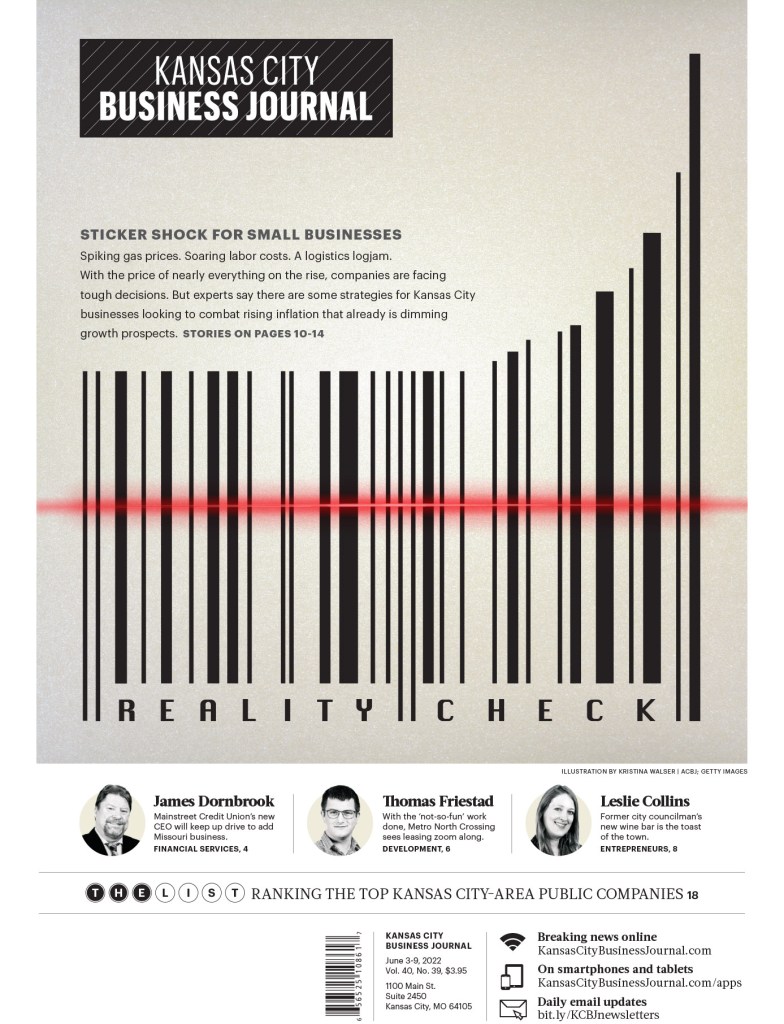
And of course there are many other great publications doing solid design work. While the pool is shrinking, these publications still rise to the top. There are so many more incredible pages from other publications, but I can’t show them all. There were thousands of entries. Here are the last few I will show, starting with this sharp page from the Kansas City Business Journal (part of the American City Business Journals, which tied for 10th overall in terms of awards).

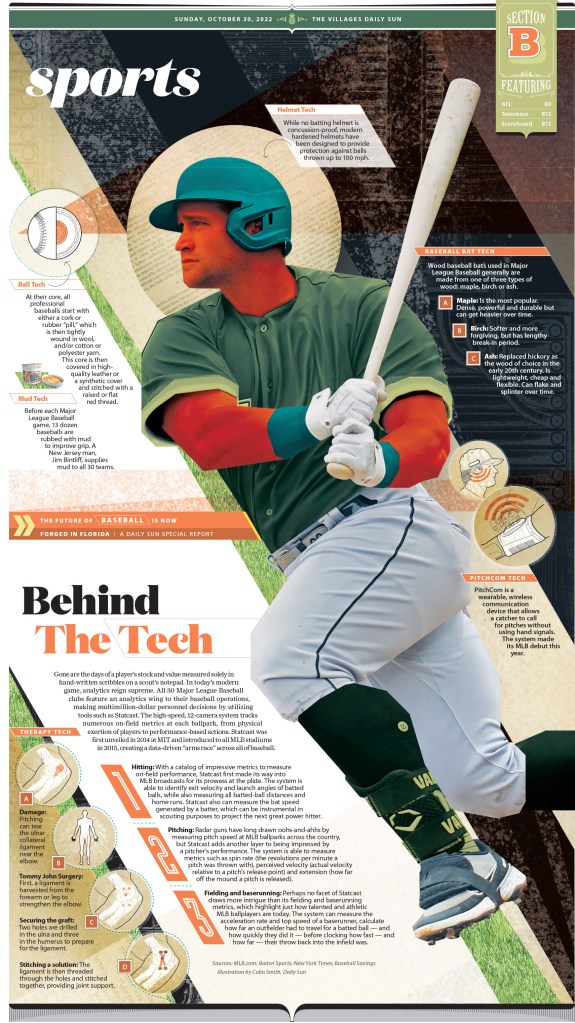
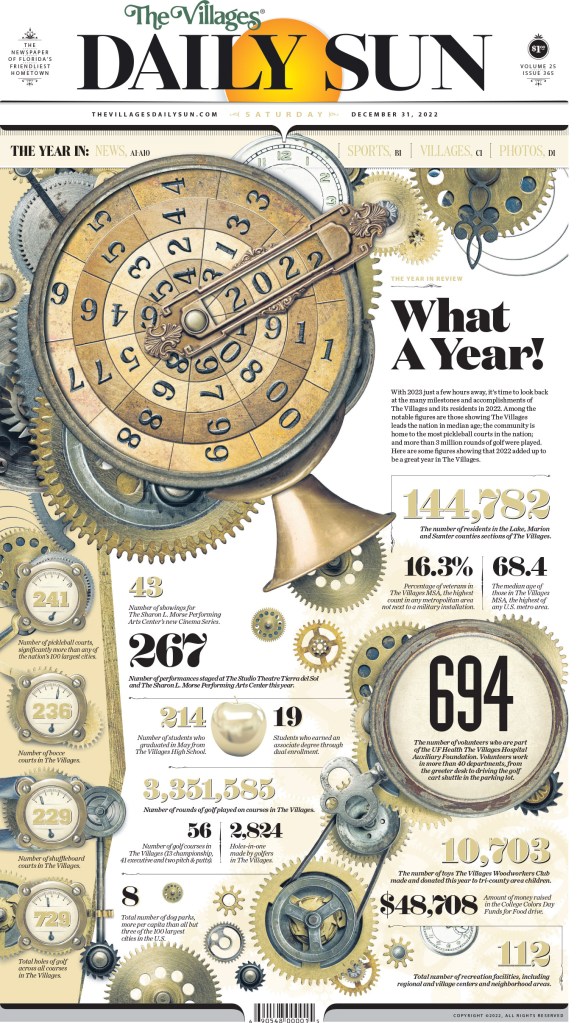
Anyone who follows my blog or Instagram knows I love The Villages Daily Sun. There are few newspapers that have a more distinctive style, and one that so clearly connects with its readers.

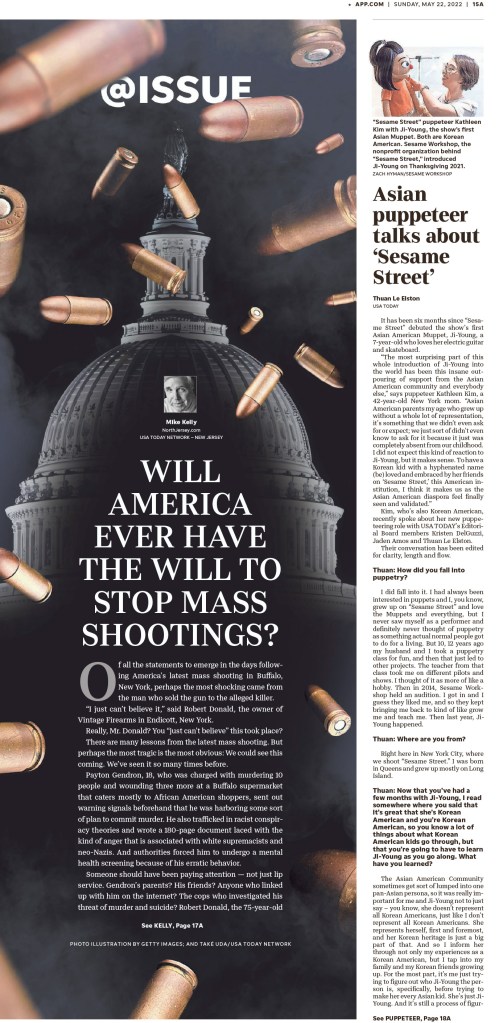
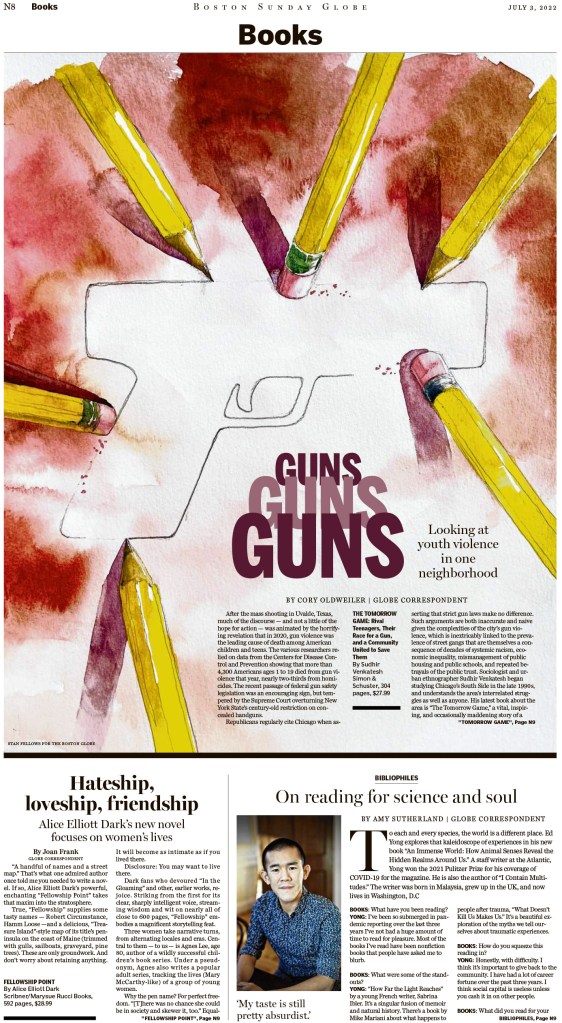
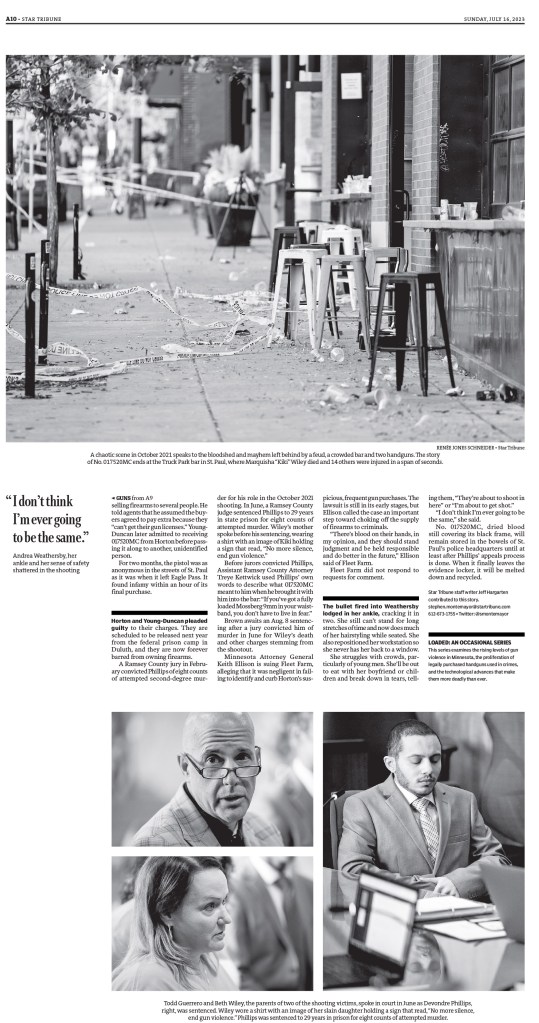
Next are a couple of strong pages on the topic of guns, one of the bigger topics, and, sadly, likely a bigger topic in next year’s awards. These are from the Asbury Park Press and the Boston Globe.

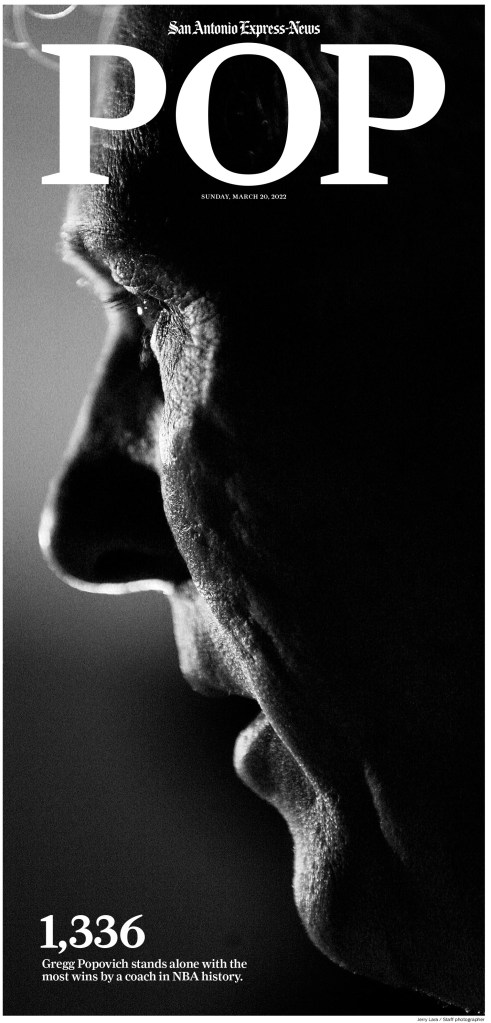
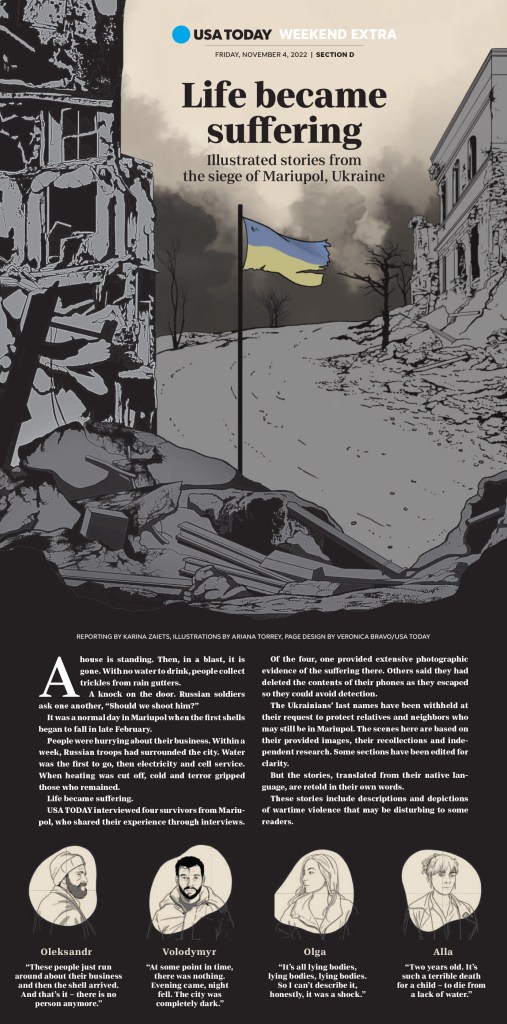
And last, but definitely not least, a few more brilliant pages, starting with fun illustration from the Philadelphia Inquirer, two from the San Diego Union Tribune, the Knox News Sentinel, Bergen Record, San Antonio Express-News and USA Today.

I would like to say print is alive and well, but it is struggling. Newspapers are closing all the time, resources are becoming more limited, revenue sources are drying up. But that is what makes this competition even more extraordinary. In the face of all of this, there are so many still striving for greatness, still working to give their readers more than just stories on paper. They are giving them an experience. The print experience.

RELATED: SND44: Best of Canada

By Brad Needham

This time of year is like Christmas for those who love print newspaper design. Newspapers who still take design seriously have submitted the work they consider their best to the Society of News Design. And for those of us who are lucky enough to be a part of the judging process in one way or another, as part of the planning committee, a facilitator or judge, it’s magical. We get to look through the best designs by the world’s best designers.

But to make this year even more special, after moving to a remote a competition because of COVID-19, it was back in person, and in New York. To make it even more exciting, it was in the New York Times building. I admit I got shivers as I saw the sign from a distance.

This year I had a bit of a hybrid role, part planning committee until life got in the way, part facilitator, part floater. For the second year in a row I got to be part of the team that chooses the World’s Best Newspaper (I wasn’t a judge, so not making the decision, just helping out).

This post is about the best in Canadian media. Sadly not as many papers submit. When I won, each of the three was for the Guelph Mercury, which had a circulation in the neighbourhood of 10,000. There is nothing close to that size anymore. This year in Canada, with Postmedia being out of the mix, only three media outlets submitted entries: The Globe and Mail, Toronto Star and Le Devoir, which just so happens to make up two-thirds of the ownership group of Pagemasters/The Canadian Press, my employer (Globe and Torstar).

So while there were fewer entries overall, and fewer outlets, than in years past, the quality of work these publications submits is still right up there with the best in the world. In this post, I will look at the Canadian entries. I will follow up with posts on the best American papers as well as the best from around the world, and also on the winners of the World’s Best Designed, which will be announced later this week. It will be worth the wait.

In Canada, The Globe and Mail was far and away the top winner, followed by the Toronto Star and Le Devoir. The Globe finished in the top 10 overall, which I attribute largely to incredibly smart art direction.

As a bit of a legend, awards are broken down into a few categories. First, an award of excellence must get the support of three of five judges, and those judges must think this work is beyond good. It must be excellent. Work that rises above what you might expect to see normally. Then there are silver and gold medals. As the level of award goes up, so do the expectations. By the time judges reach a gold medal discussion, the entry must be essentially flawless, down to kerning, every bit of white space and so on. It should be hard to find a flaw. This year, there were no gold medals for Canadian publications.

The Globe and Mail

This year the Globe won all awards of excellence other than in photography, which is somewhat out of scope for the blog, so I will look at the AOEs. The Globe finished in the top 10 overall, with 32 awards, three of which were silver medals for photography.

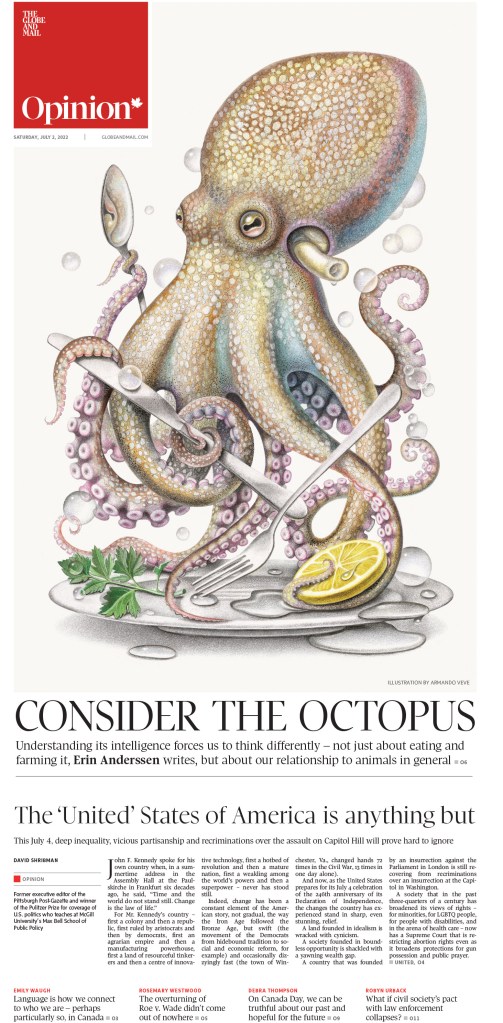
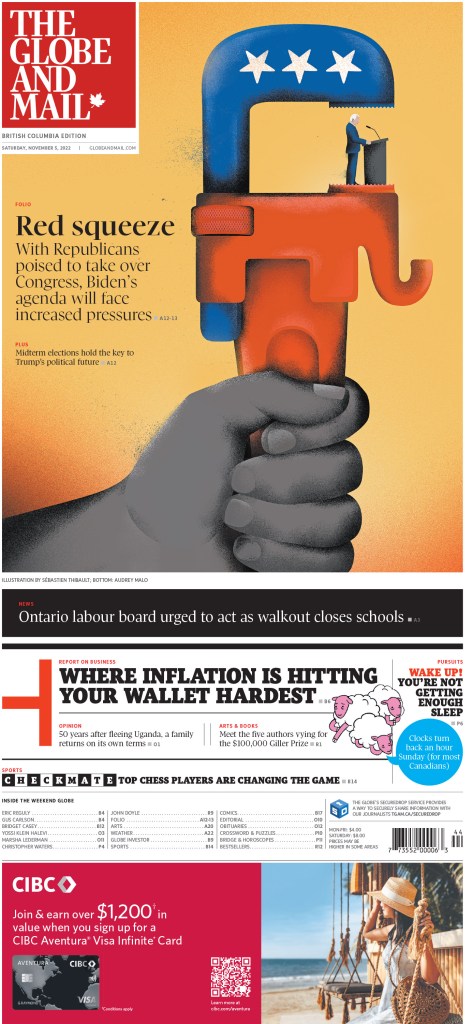
As soon as I saw this page in production, I knew it would be contender. Interestingly, pages like this were raised by judges. Is this a great page or a great illustration, or both? To be a great page it needs to use the illustration as part of a total package. To be clear, this page is absolutely driven by this stunning illustration. And this is where the art direction comment comes in. The Globe consistently uses incredible illustrations to drive pages. At some point that moves beyond just incredible illustrations and into smart art direction. Not only are the illustrations beautiful, they work with the story, and elevate the page to another level. And that is precisely what happens here and in many of the pages the Globe won for.

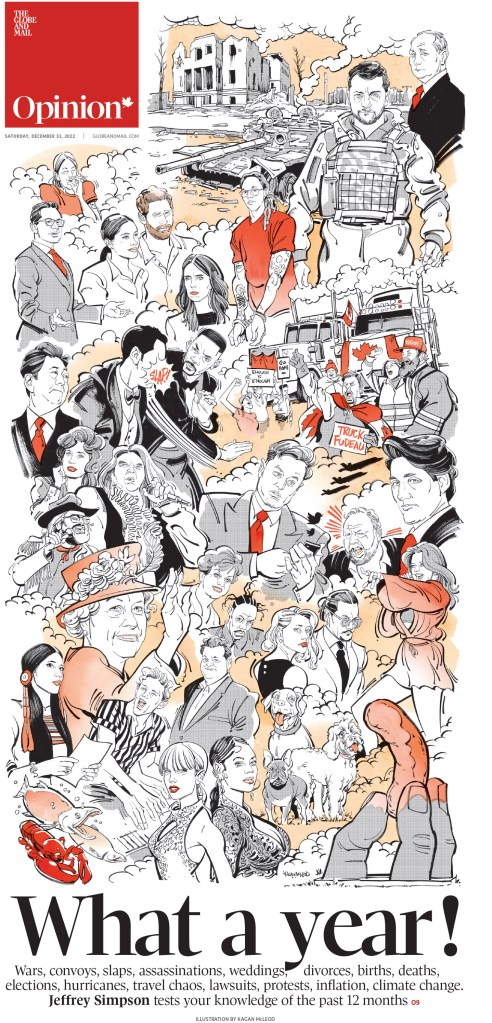
As often is the case with Kagan McLeod illustrations, the illustration drives this page. And I always know, regardless of the paper it appears in, at a glance that it is a McLeod special. He has a distinctive style. He has been helping Canadian newspapers elevate their front pages for years, from the Globe to the Star to the National Post. And I’m sure they are grateful.

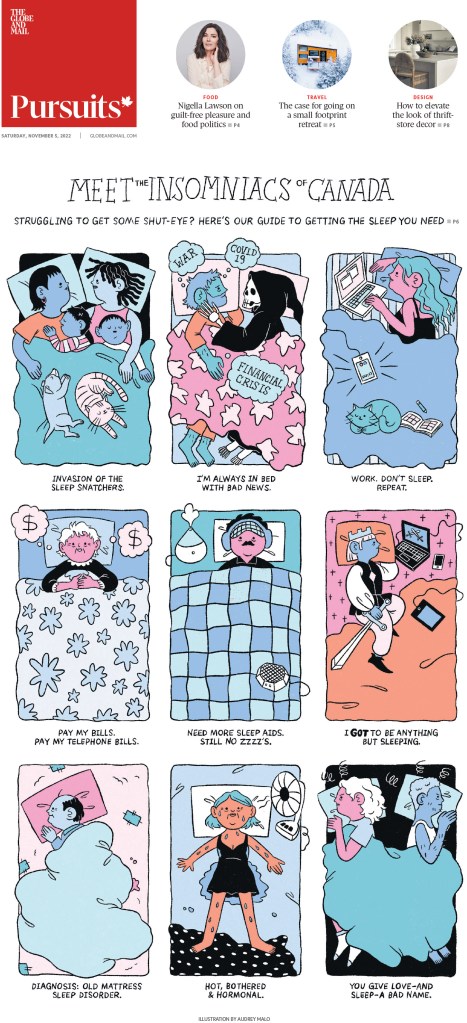
This page was part of a staff portfolio award package. I often don’t like when newspapers use different fonts for headlines, but this page works. Nice symmetry, cute illustrations, and the typography is playful and works.

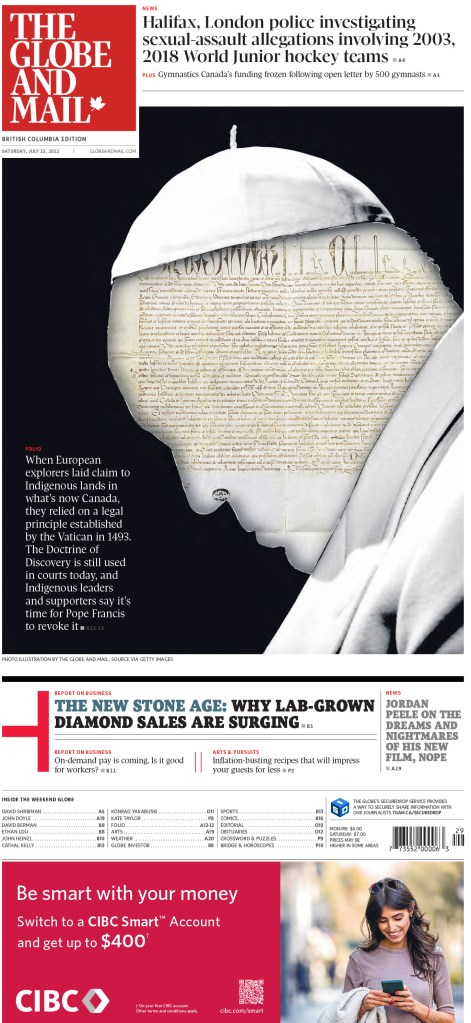
Not much to say about this other than it is visually magnificent. It’s a beautiful page, smartly conceptualized and executed. This and the next three pages are from the great Brennan Higginbotham, who won an award of excellence for his portfolio or work. I won three awards, one of which was for a portfolio of work. That is the award I am most proud of as it’s for a body of work. And as Higgenbotham shows here he is far from a one-page wonder. Some beautiful work.

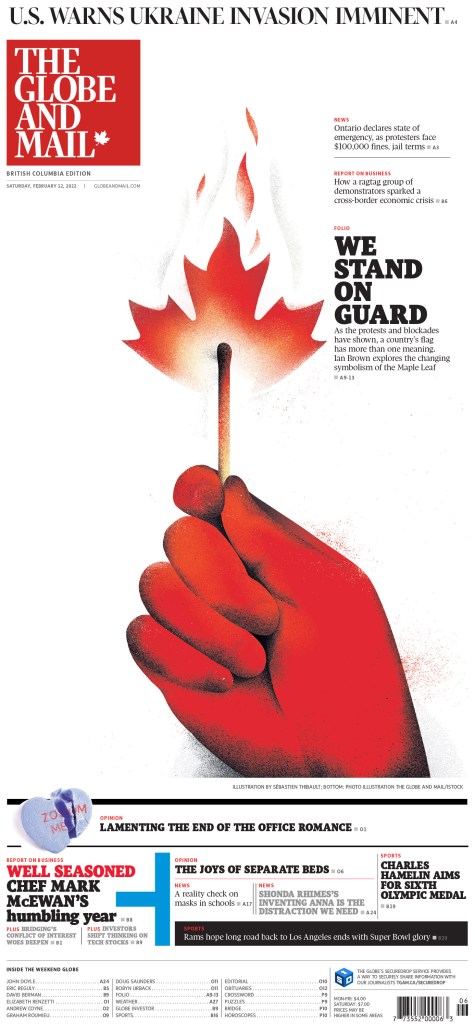
Using the maple leaf in a creative way in an illustration is not novel, but I am always impressed by how many amazing ways newspapers use it. To the world, Canada likely seems like a peaceful place, full of people saying excuse me and sorry. Especially sorry. But things are changing. As populism politics take hold in other countries, very much emboldened by Donald Trump’s presidency, Canada is following suit. The country is more divided than ever. And this illustration politely shows (so Canadian) that things are heating up. A great and smart illustration, nice use of white space and a witty main headline.
Just a lovely illustration, used well on a front page. NBD.

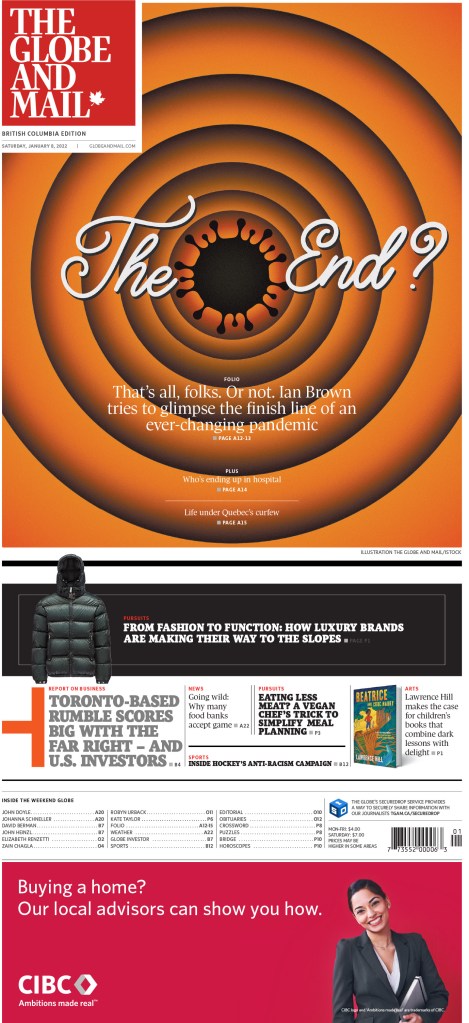
When I looked at the paper this Saturday morning I knew I’d be seeing this page in the competition. It’s one of my faves from year from the Globe. Is the song in your head yet? It makes for a very bold and colourful front page. As for the Globe entries for this post … that’s all folks.

Toronto Star

The Star submits significantly fewer entries than the Globe, and less than it used to. It’s great to see that it is still being recognized when it swings for the fences. It won four awards in total. Here are a few.

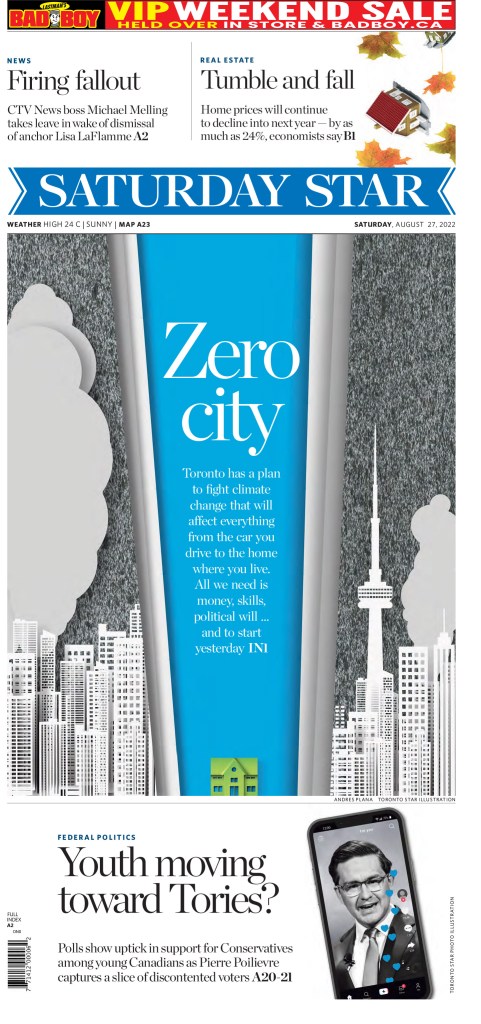
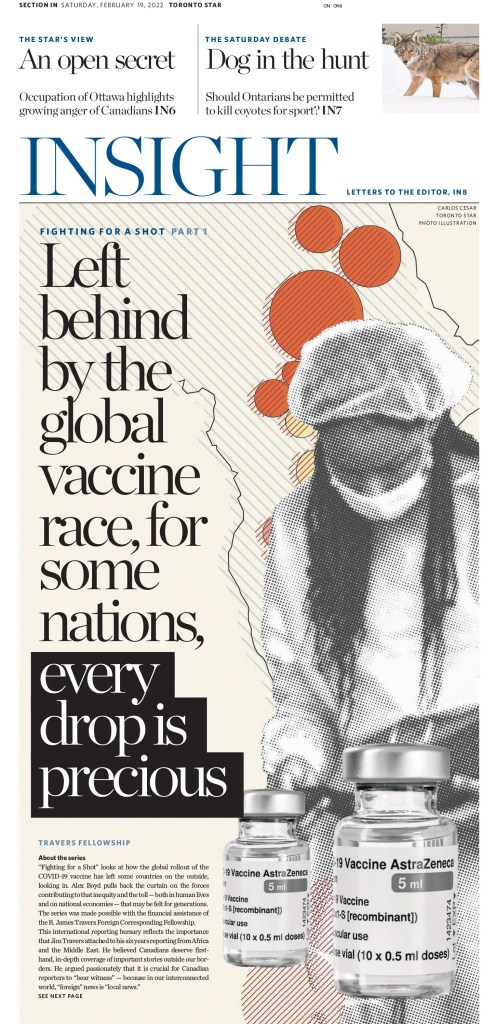
This is an example of a page with a great illustration that helps drive the story, but also a great design. The illustration needs smart typography to work, and it works.

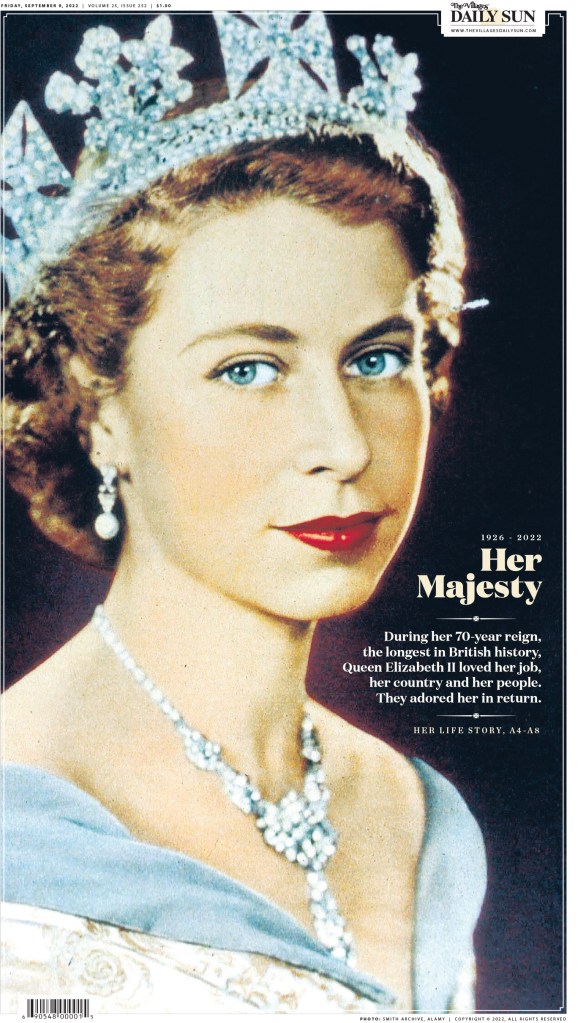
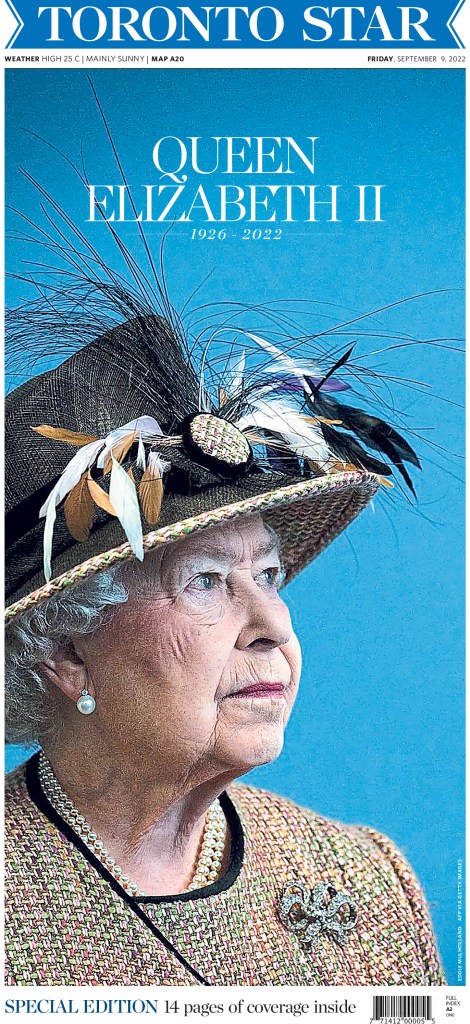
Anyone who follows me here or Instagram would have seen this page already. It was one of the sharpest pages around the Queen’s death. Great photo choice, very simple headline in terms of content and design.

As a counter to the very simple Queen page, this is a busy page. There is a lot going on. Yet the focus of the story is clear. It does some things I might not normally like, but manages to pull it all together to make a very compelling design.

Le Devoir

Le Devoir submitted very few entries, but did a heck of job curating those entries. It won two awards in total. Here is one of the winners and one I liked that didn’t win.

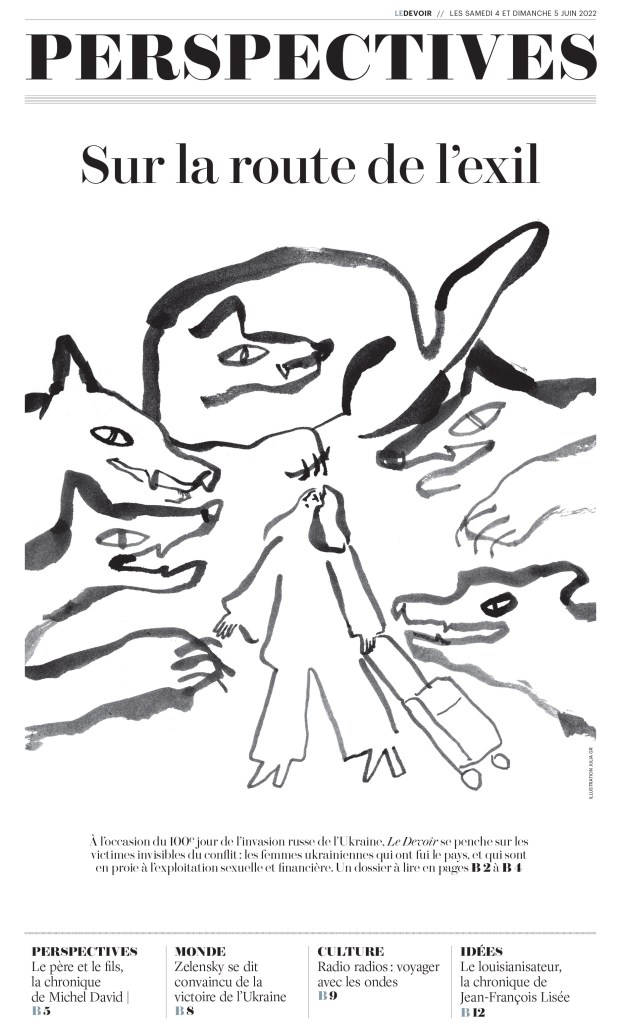
Something about this illustration speaks to me. It didn’t win an award, so this is a facilitator’s special recognition, I guess. I dig it. It really draws me in, and even without knowing French well enough to read this, I feel like I really want to know what it’s about.

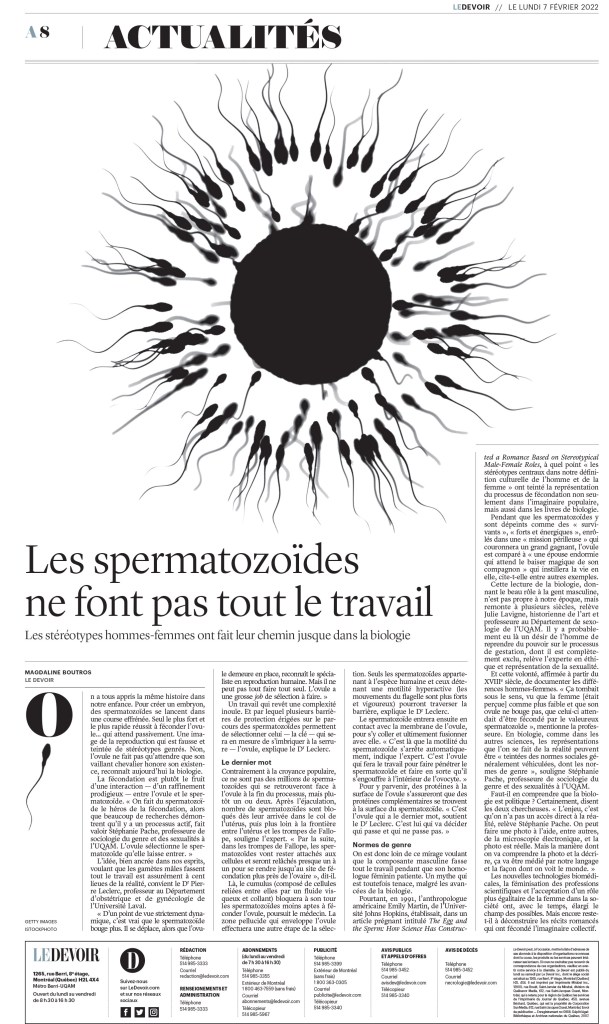
This page looks very much like many of the European newspaper design powerhouses. The rules, the simplicity and the attention to very small details, like the illustration around the drop cap. Love it.

I know there is other great design happening around the country. The Winnipeg Free Press, Postmedia and elsewhere have some strong designs, even in this new and more challenging newspaper world. Sadly for judges and Canadian media loves, they don’t submit.

A huge kudos to those who do, and those behind the designs, from an art direction standpoint. You all put your work out there into the world to be judged by some of the world’s best. You open it up for critiquing. And sometimes you win. All of these papers had more entries and winners than I have shown. This is merely a selection of the incredible work they produced in 2022. As the Globe page above said, what a year.

So bravo to the Canadian designers who won awards and submitted their work.

Related posts:

SND43: Best of Canada

SND42: An experience of a lifetime