‘Tis the season of Christmas front pages. As many papers don’t publish on Christmas Day, I usually start this post on Christmas Eve and update.
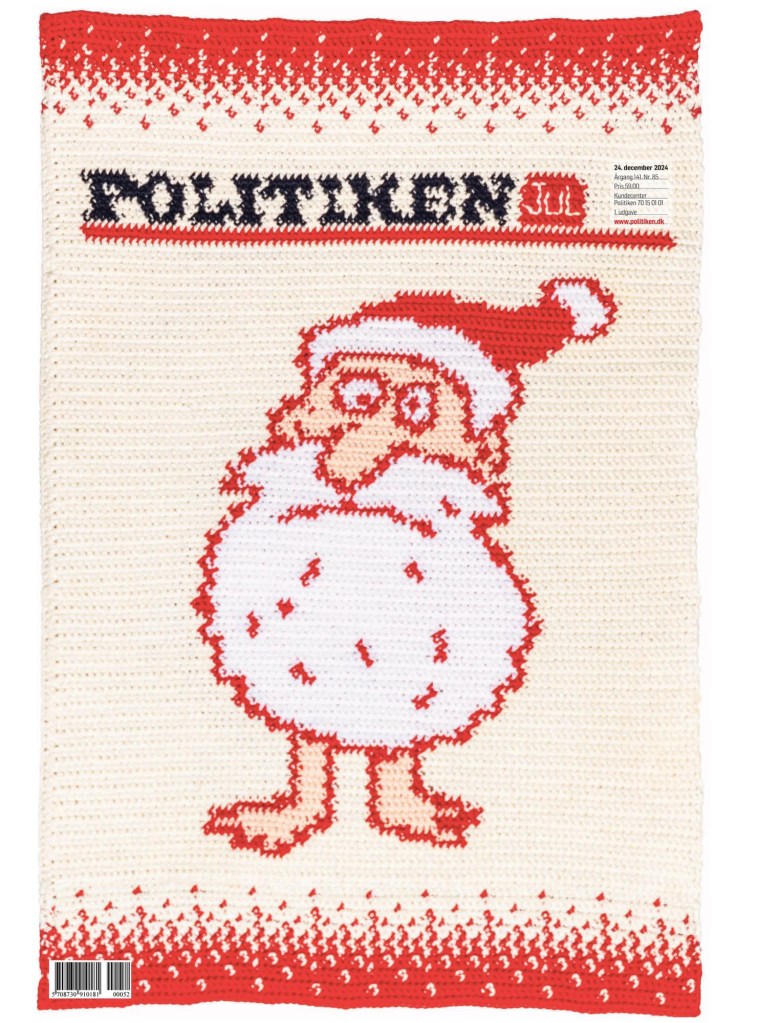
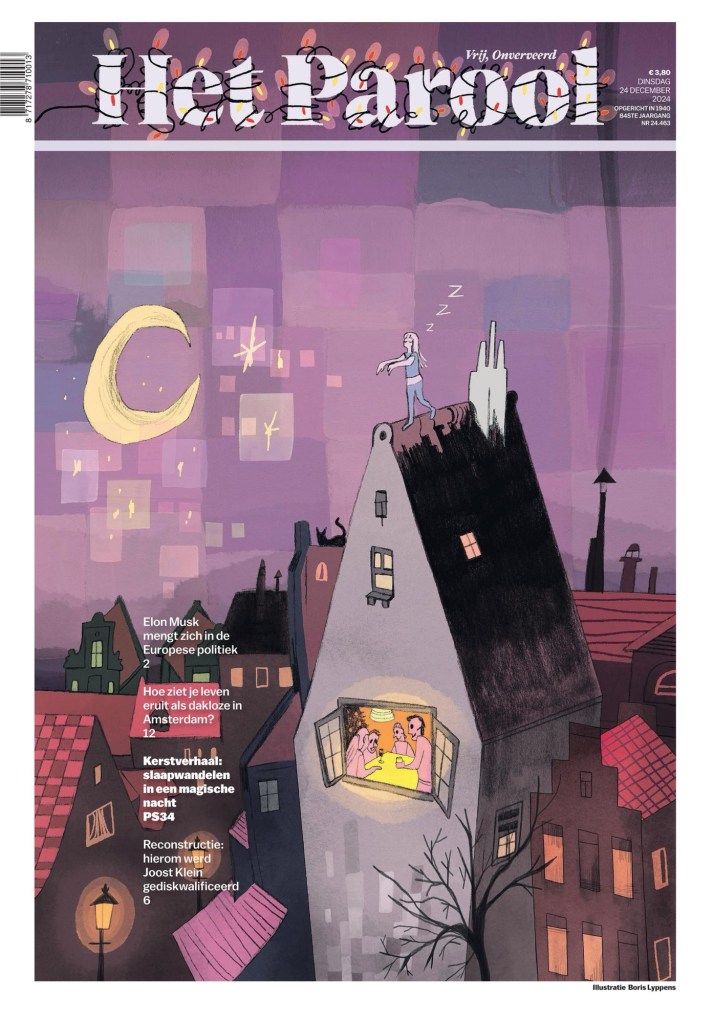
Here is a selection from this year, starting with my two faves, though Politken is my runaway No. 1 this year. Het Parool is No. 2, before we get into Canada, we’re two papers continue their long traditions.
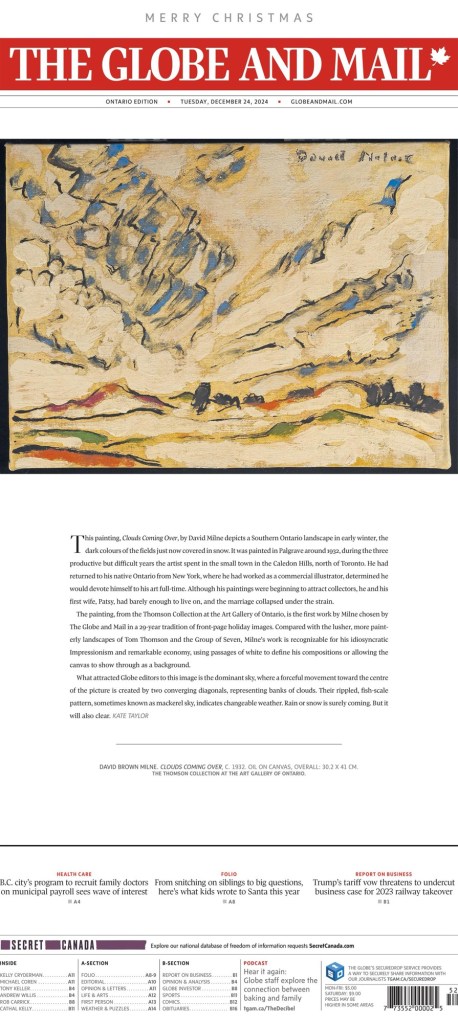
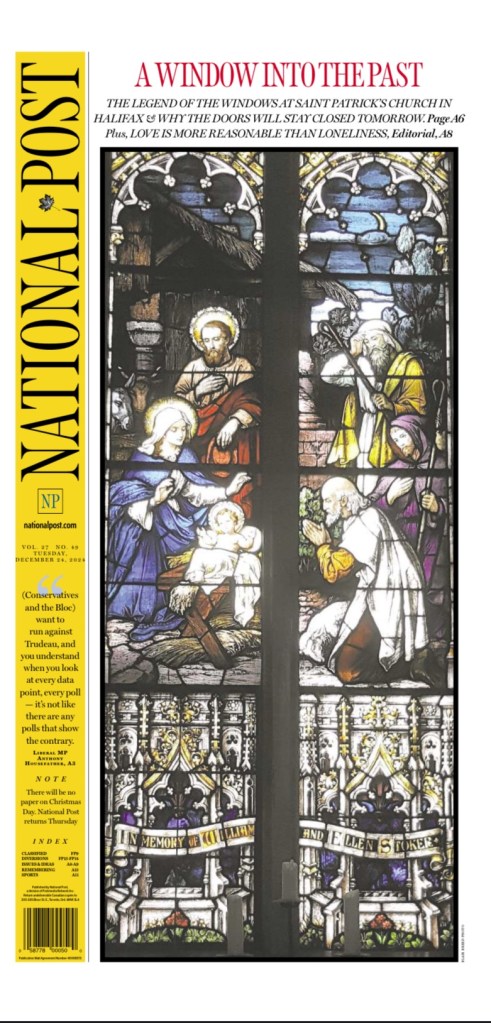
Both the Globe and Mail and National Post carry on their Christmas front page traditions.
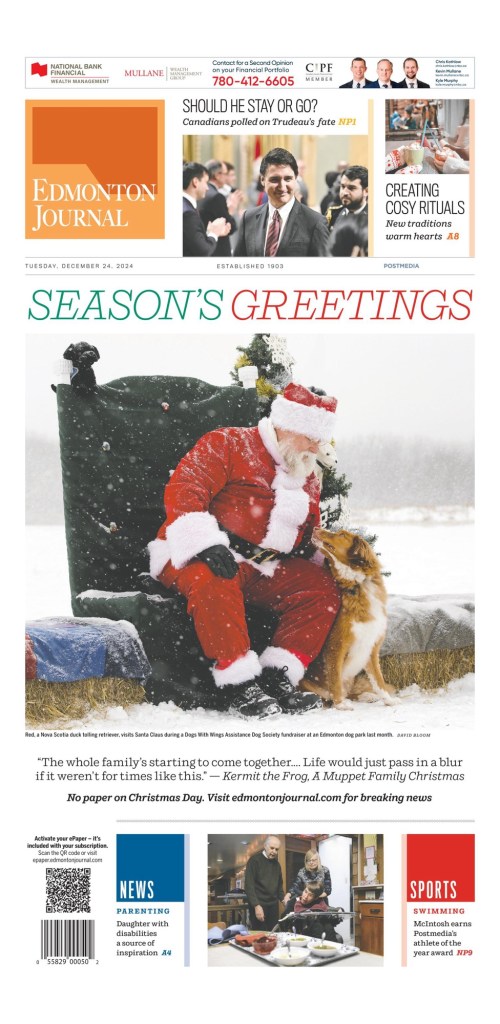
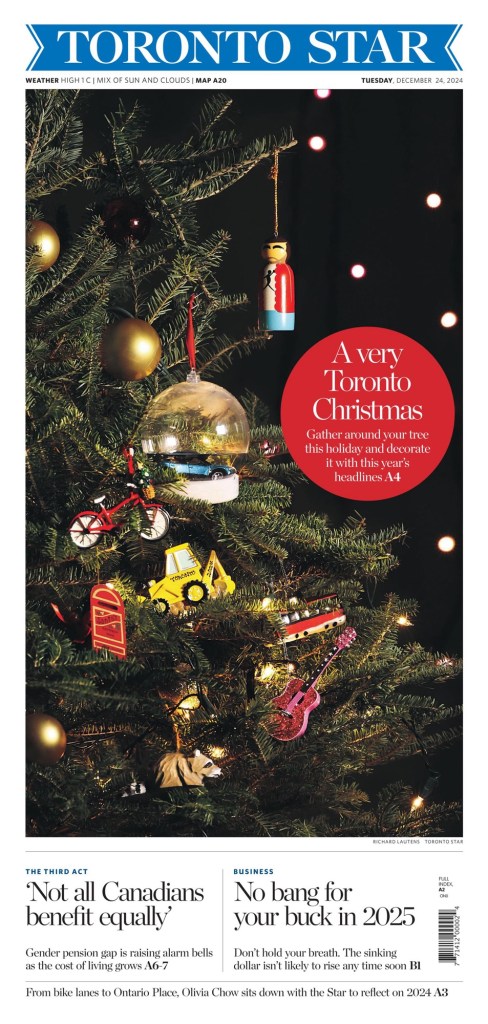
And here are a couple more from Canada, the Edmonton Journal and Toronto Star.
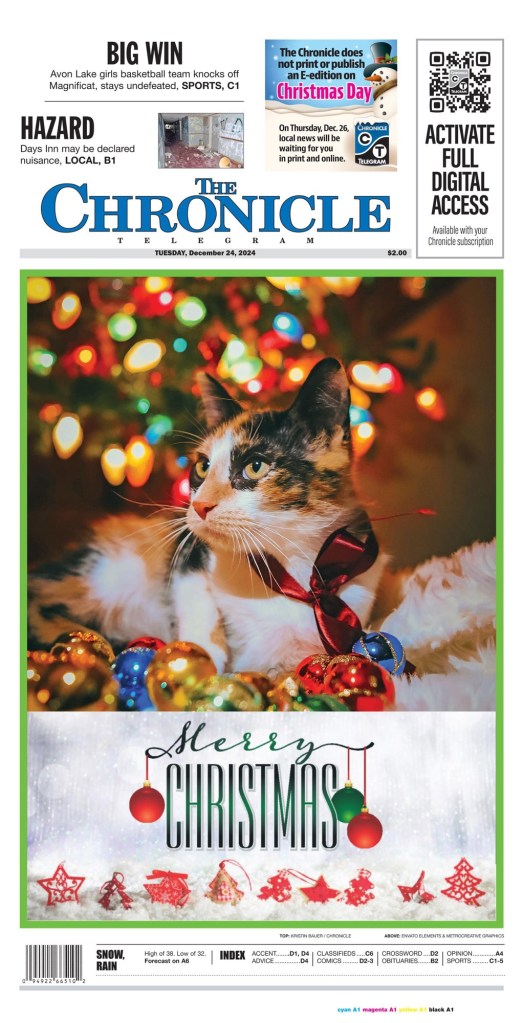
If not for Canadian papers, this Christmas kitty would have been higher up. My daughter wanted it in the No. 2 slot.
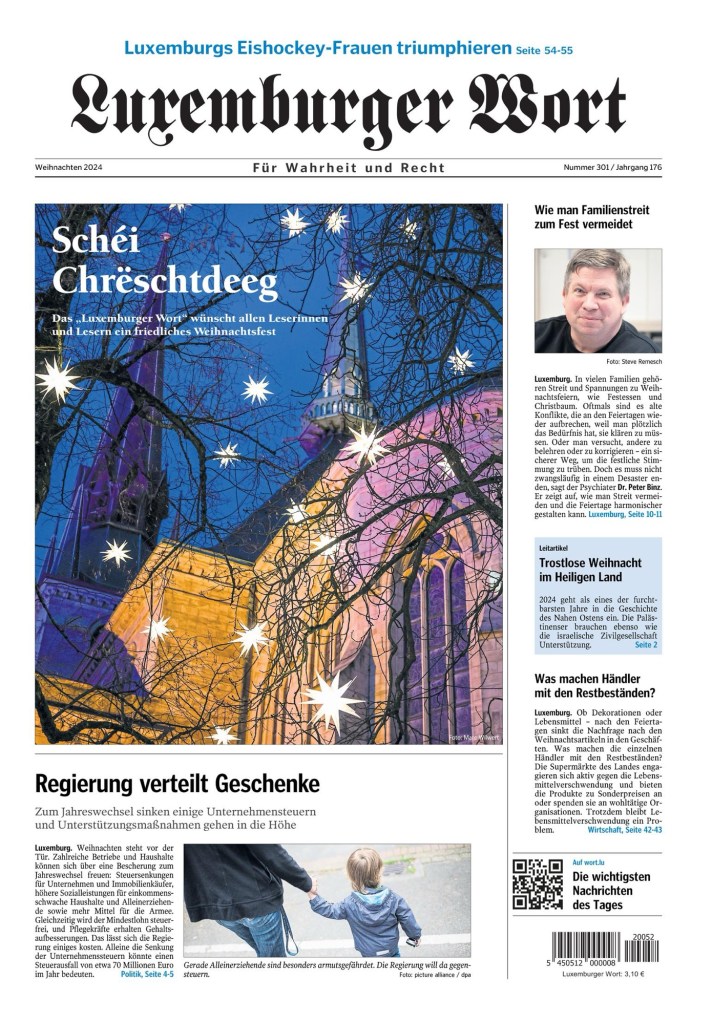
And here are a few more from around the world. As per usual this is one of my favourite times of year on newspaper front pages.
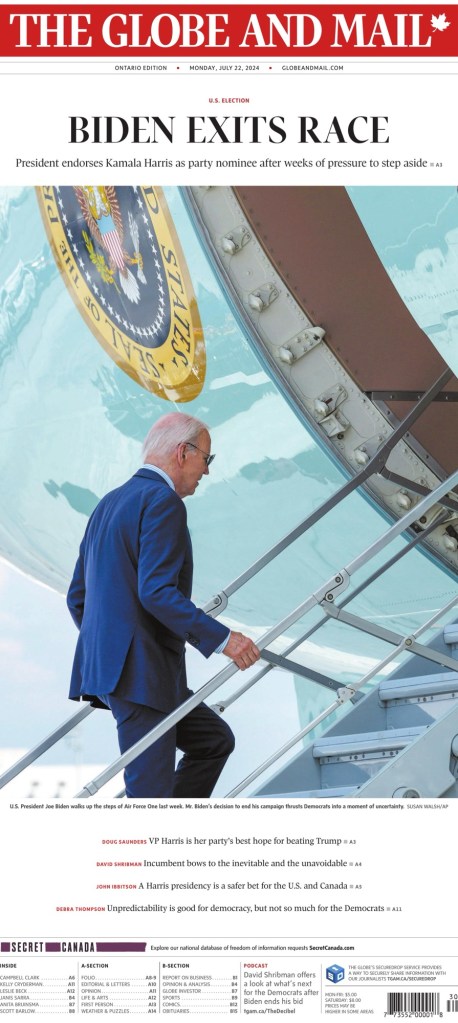
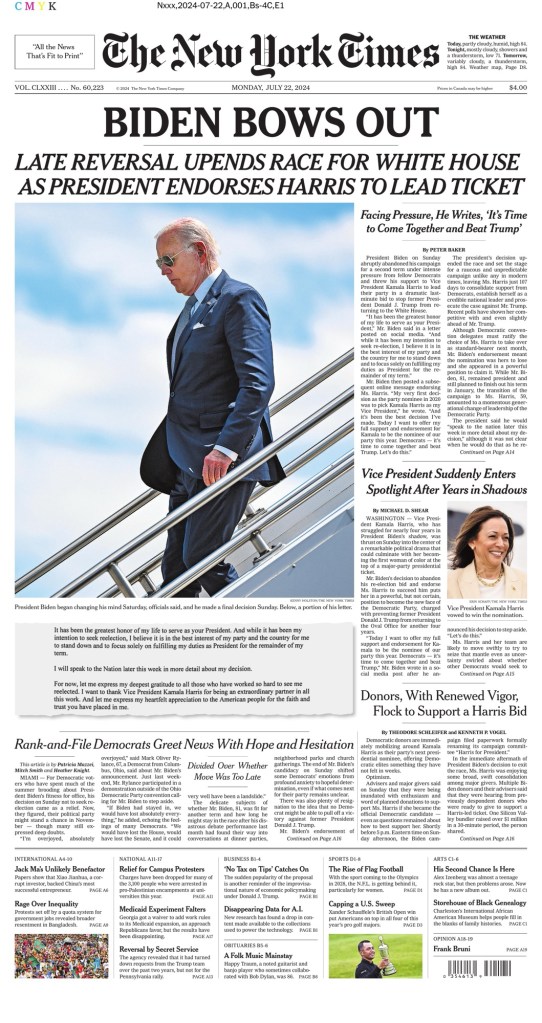
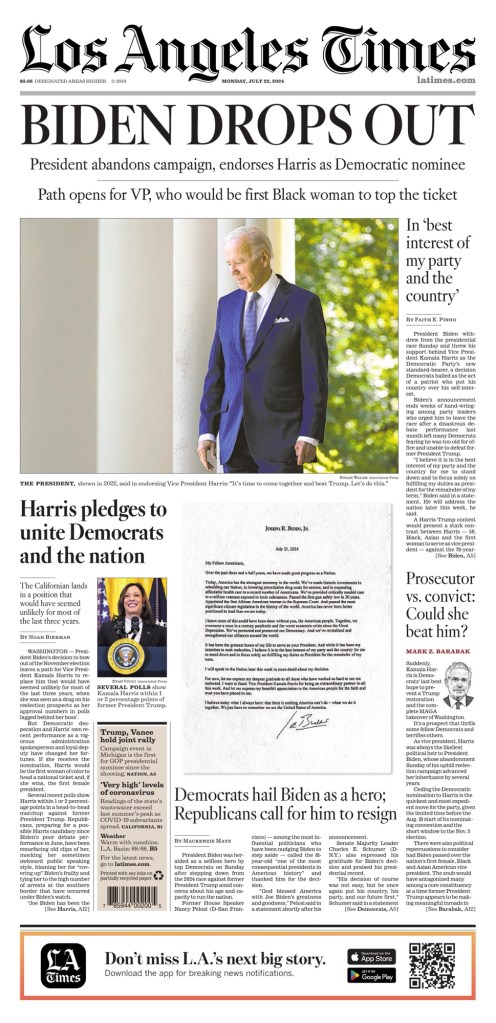
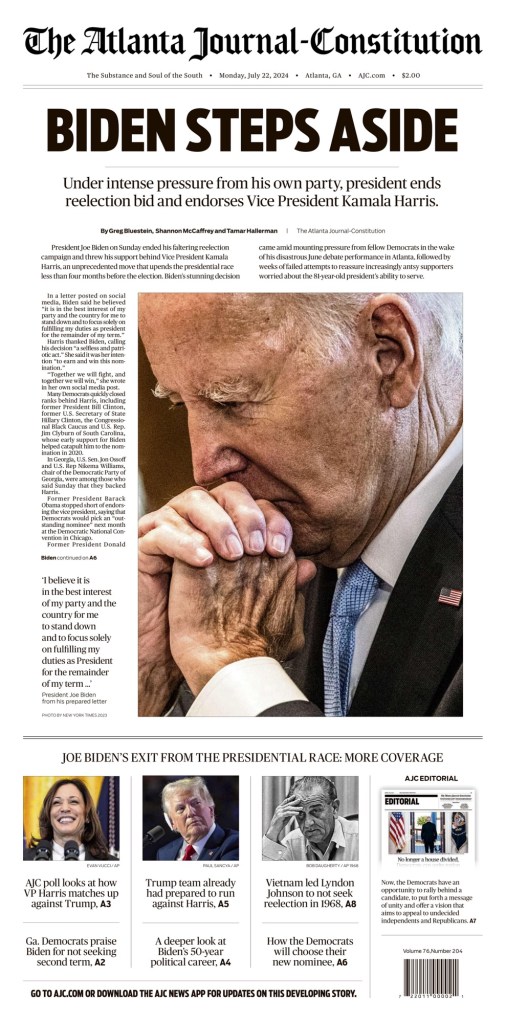
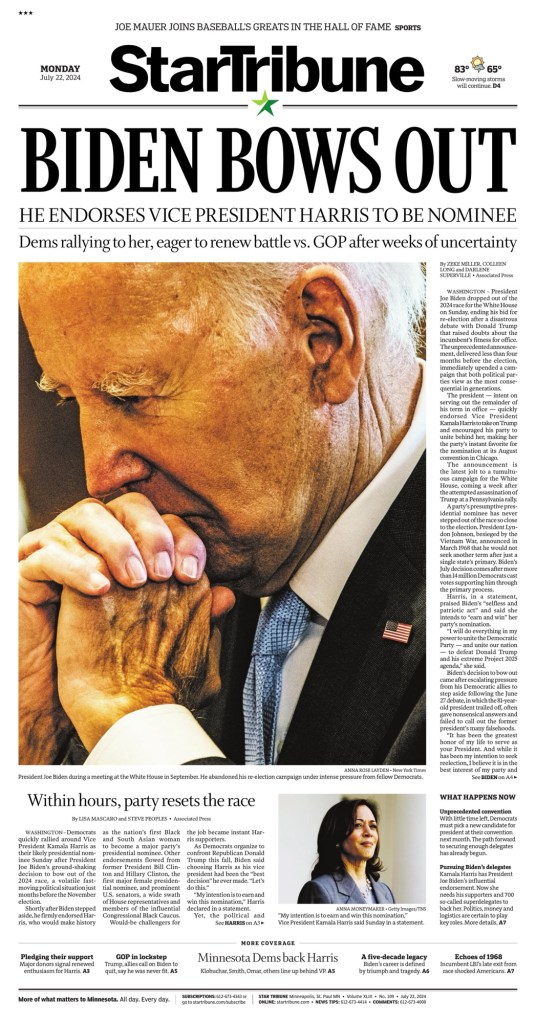
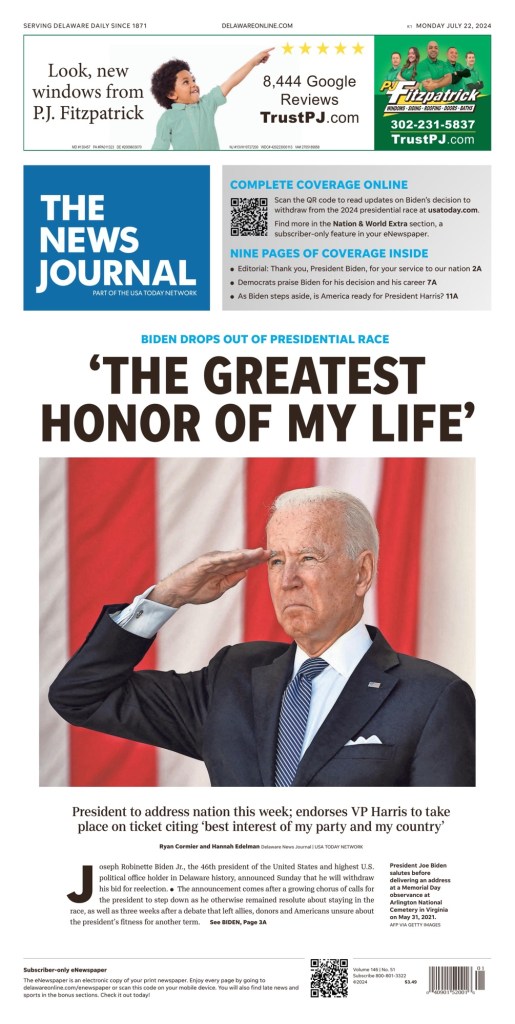
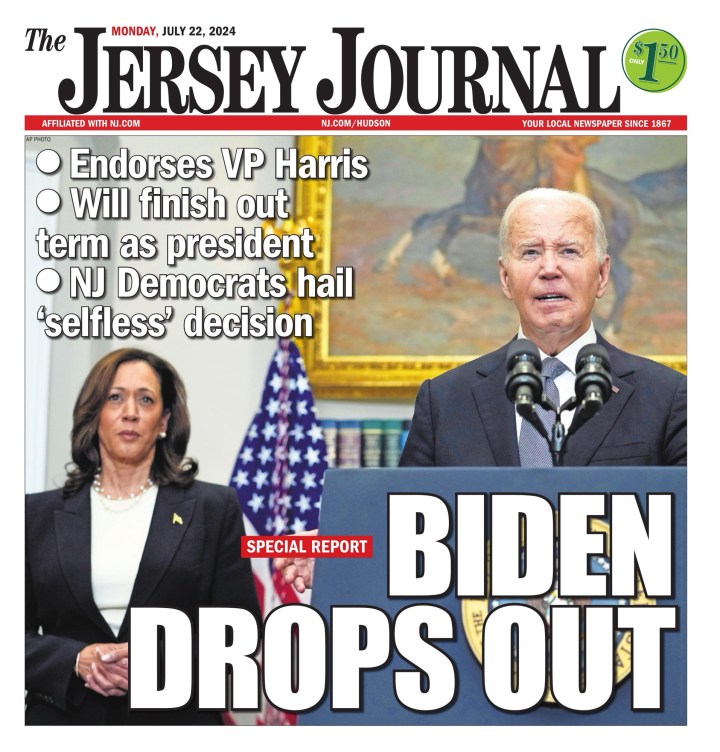
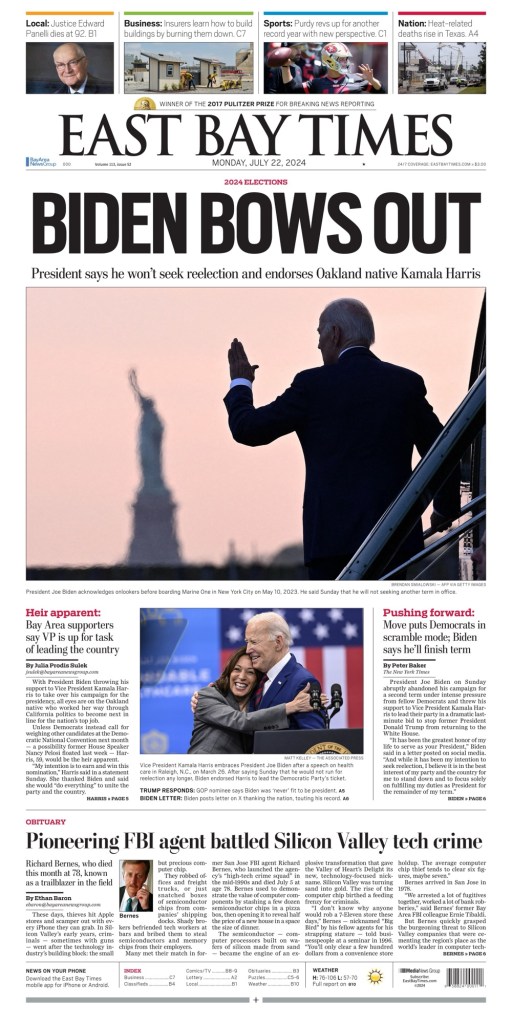
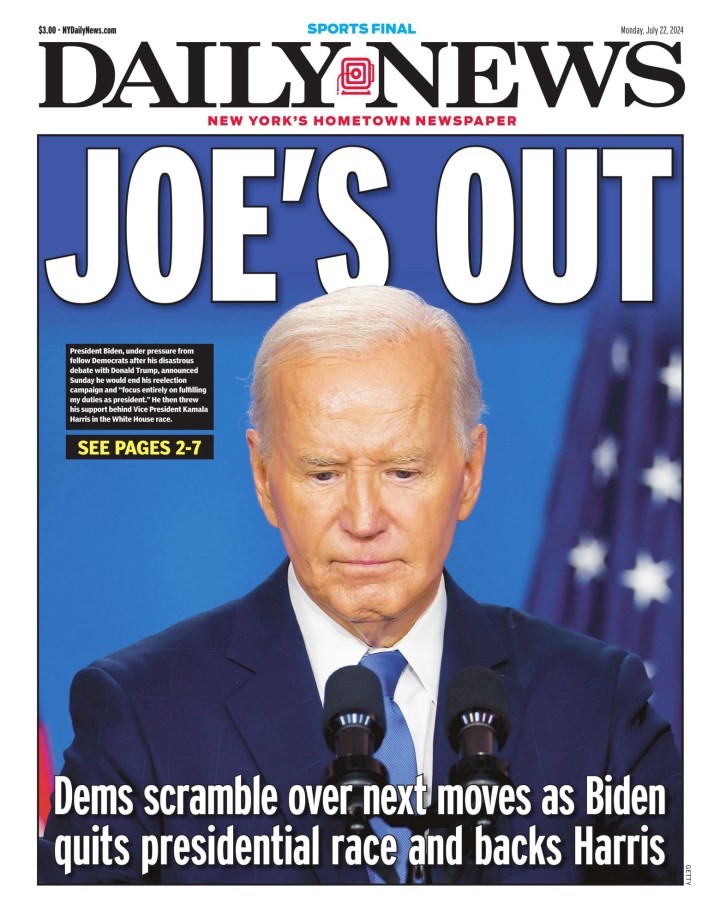
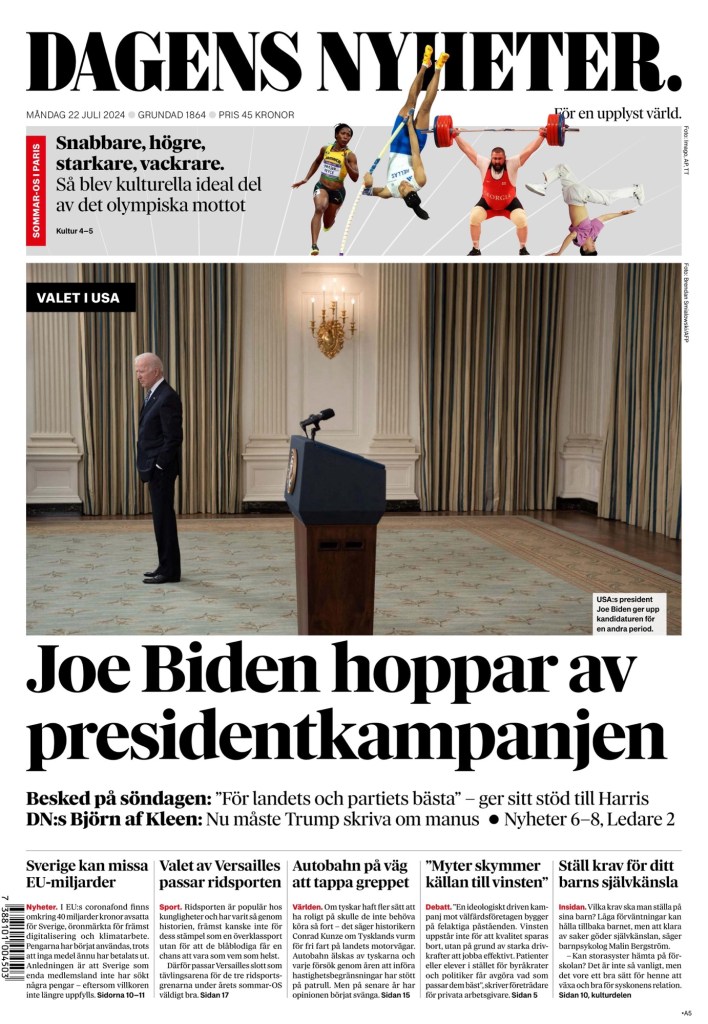
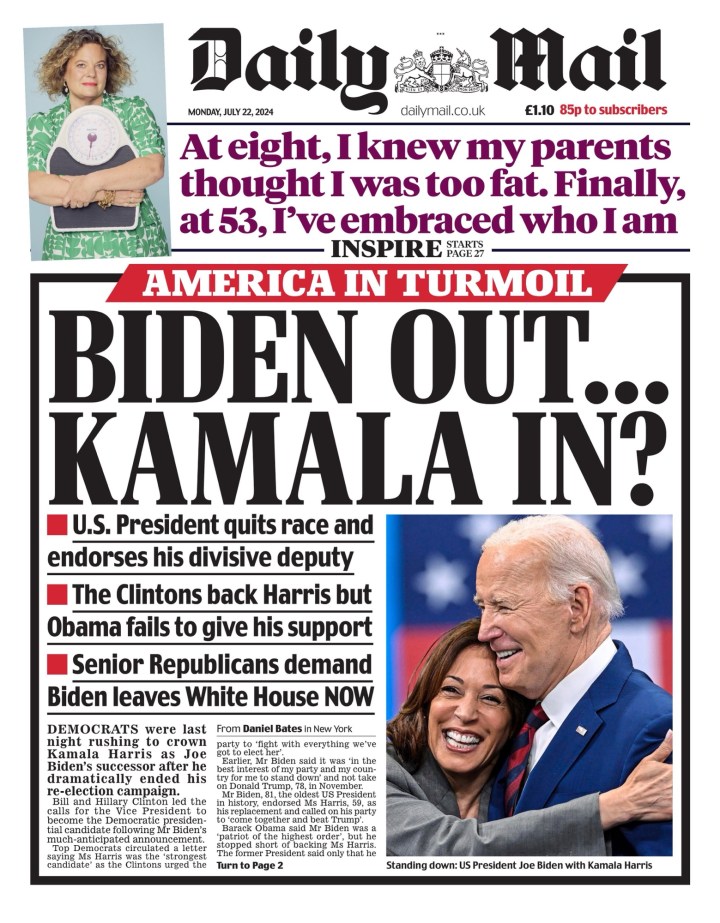
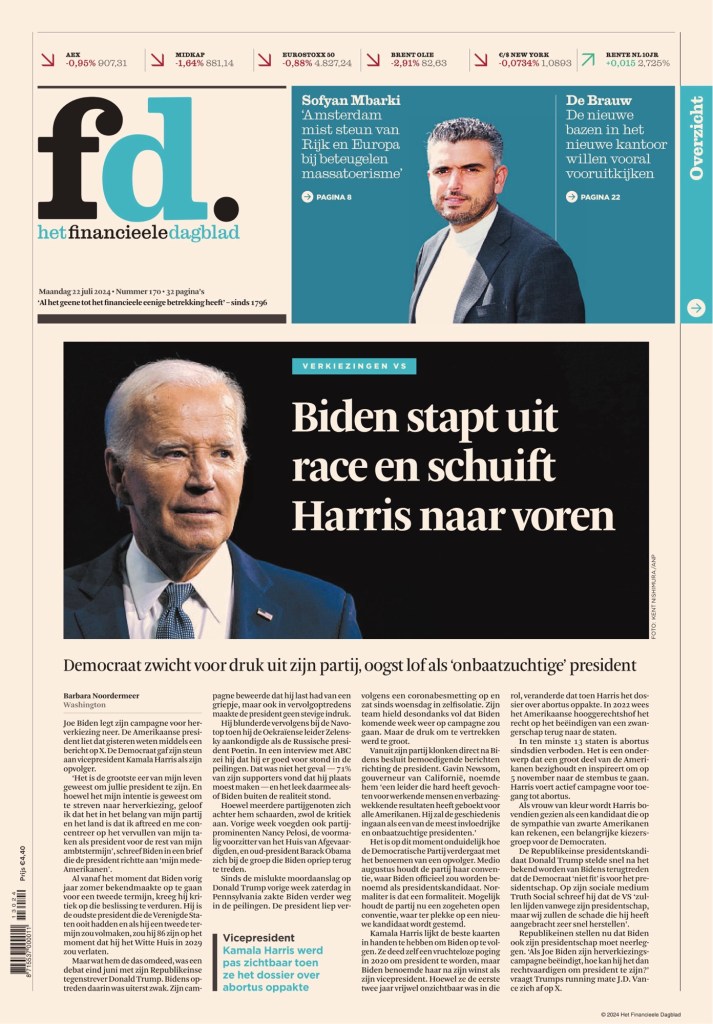
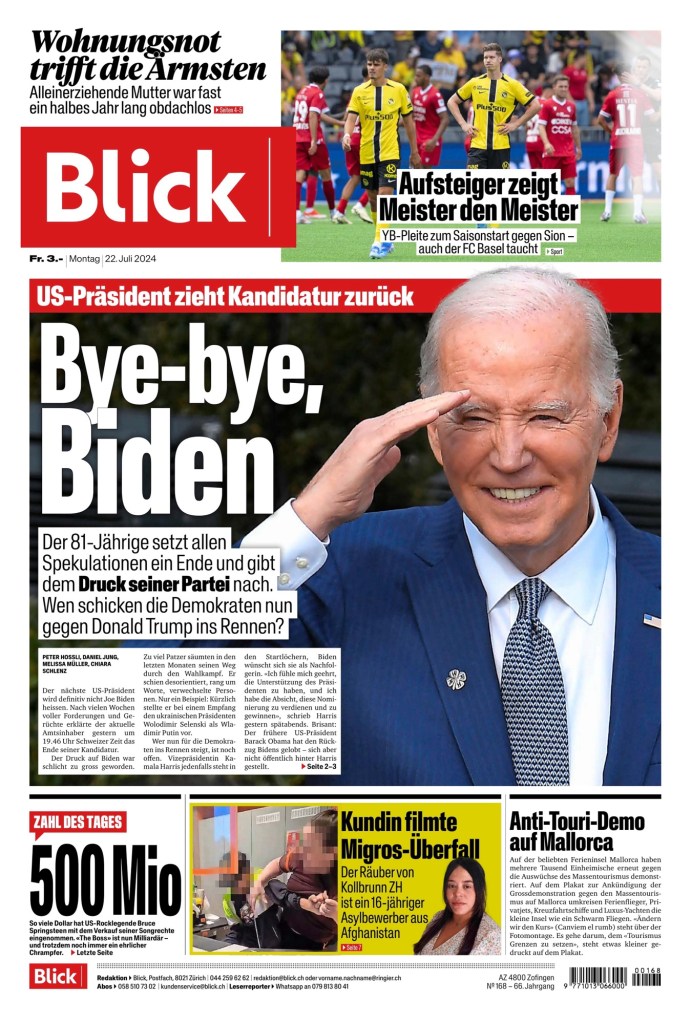
U.S. President Joe Biden took himself out of the 2024 presidential election against Donald Trump, after weeks of calls to step down. After what many have called a brutal election debate performance, and many Democratic allies calling him out, he finally ended his run for a second term. It’s unprecedented in U.S. history. And it’s a hugely consequential election, in a time when America is deeply divided. So it was a resignation played on newspaper front pages around the world.
Most gave it the gravity is deserved. It’s a huge shakeup in what is probably still the most powerful country in the world (for how long remains to be seen and could depend on the outcome of this election). Some had some fun.
Here are 15 front pages. Most are from the U.S., but it got big play on front pages all over the world. It’s beyond the butterfly effect. What happens in the U.S. will have huge consequences everywhere, even with its closest ally and neighbour, Canada. So I will start with The Globe and Mail, before jumping into American papers.
And here is a selection from the U.S., including some of the biggest, starting with The New York Times, Los Angeles Times, and the Minneapolis Star-Tribune and Atlanta Journal-Constitution, which as been all over big political coverage, with some of the finest front pages when there are big stories. AJC and the Star Tribune also used the same photo.
There were a lot of strong photo choices. Here are a few more from the U.S., including The News Journal (Delaware), The Jersey Journal (New Jersey), East Bay Times (California) and Daily News (New York).
But as mentioned, it wasn’t isolated to American newspaper front pages. Here are a number of international papers that gave the story a big splash. De Morgen (Belgium), Dagens Nyheter (Sweden), Daily Mail (U.K.), Het Financieele Dagblad (Netherlands) and Blick (Switzerland).
I can be pretty certain this American election cycle with provide more opportunities for big stories and big splashes on the front page. With U.S. Vice President Kamala Harris being the new likely democratic nominee, there are some big possible stories, with the biggest being the possibility of the U.S.’s first female president. Stay tuned to see how newspapers handle the next few months!
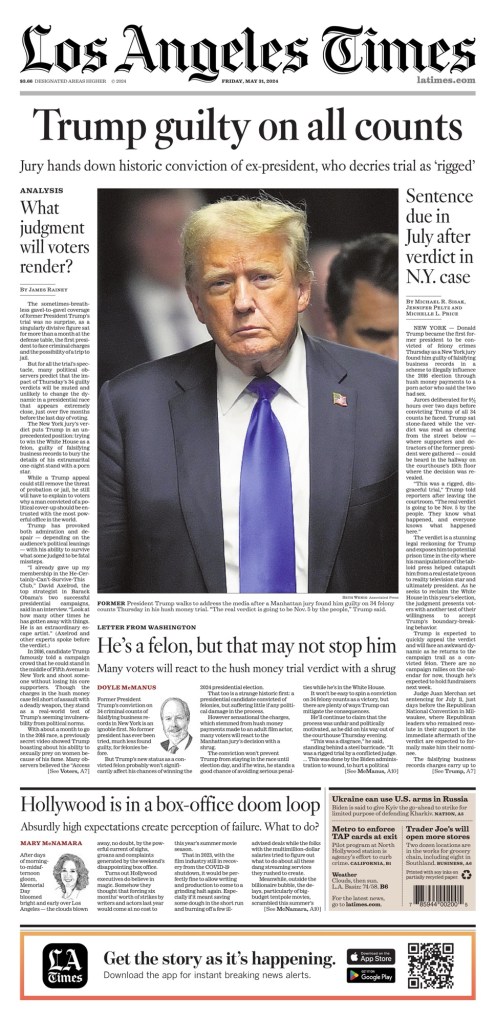
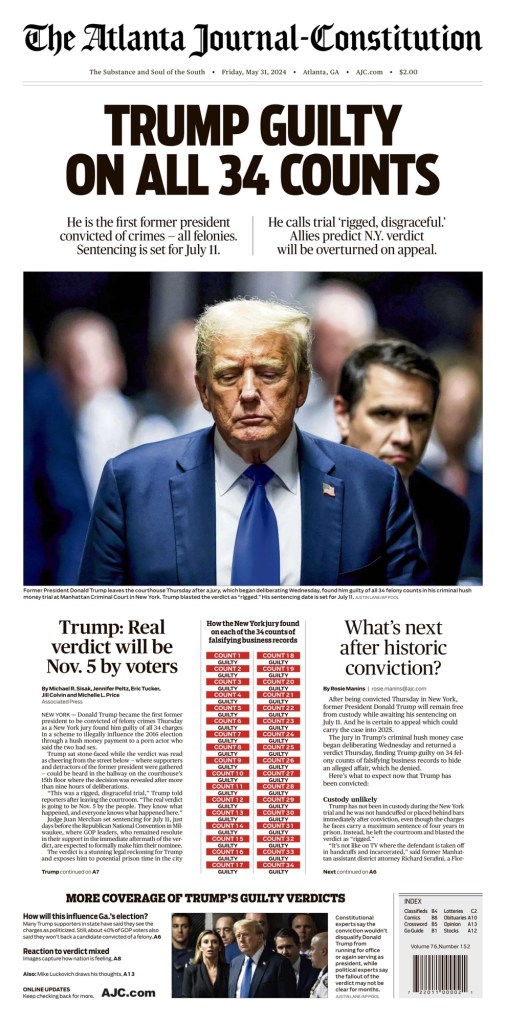
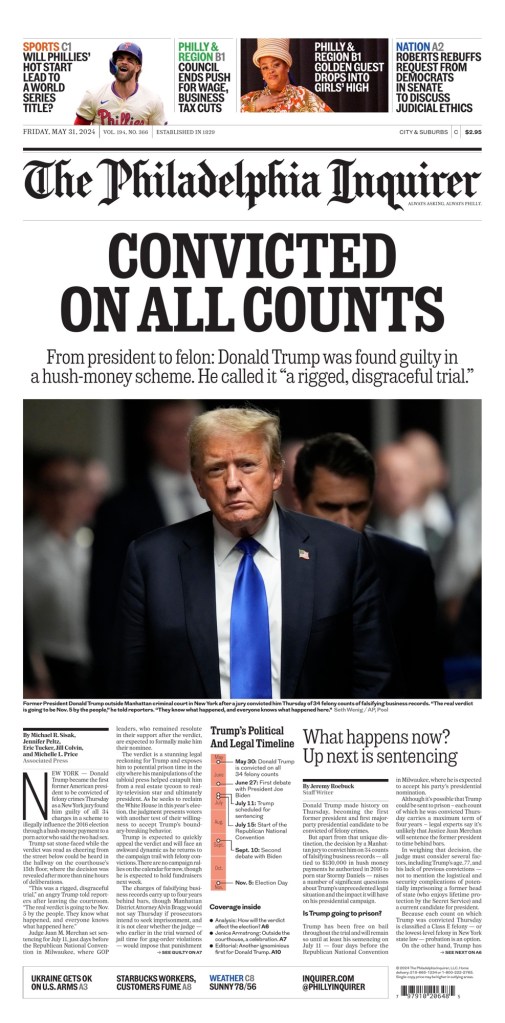
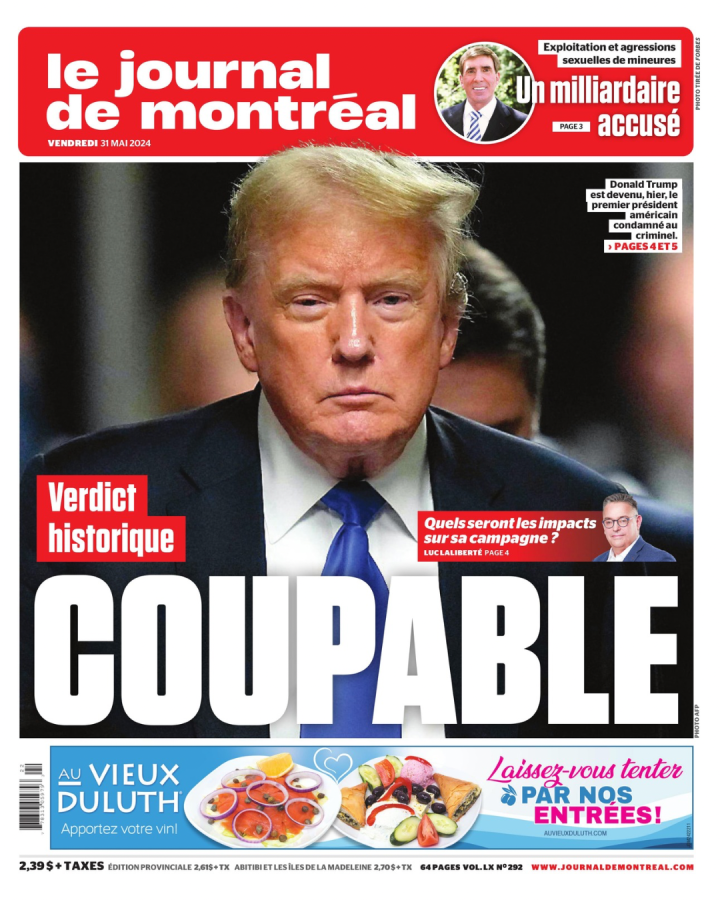
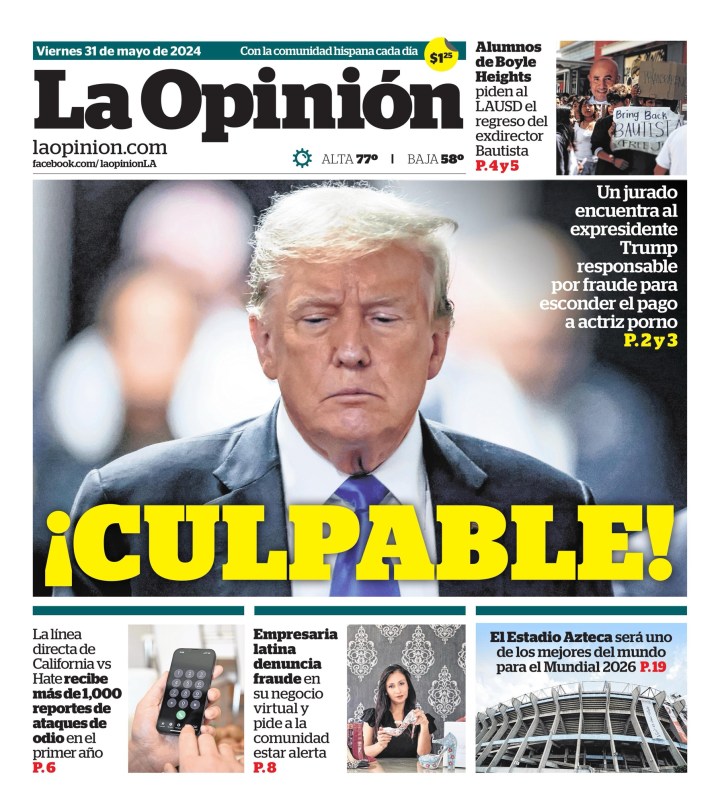
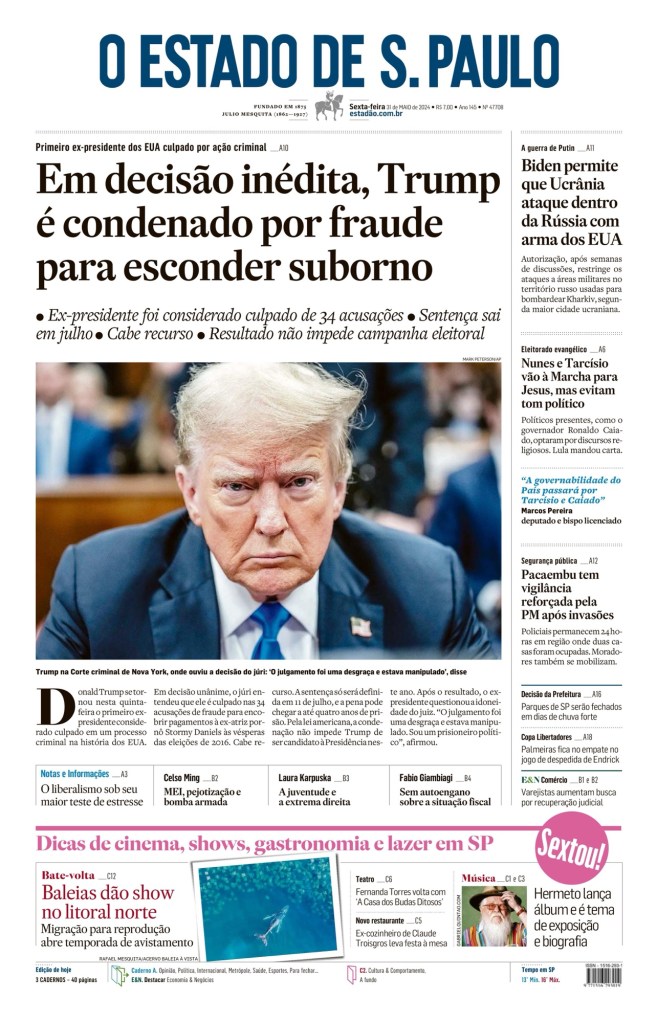
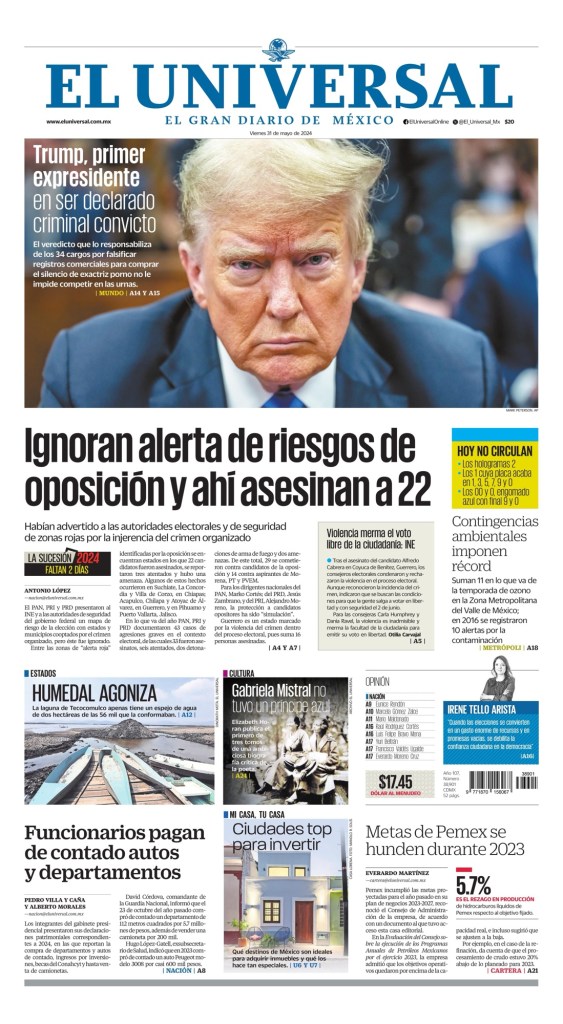
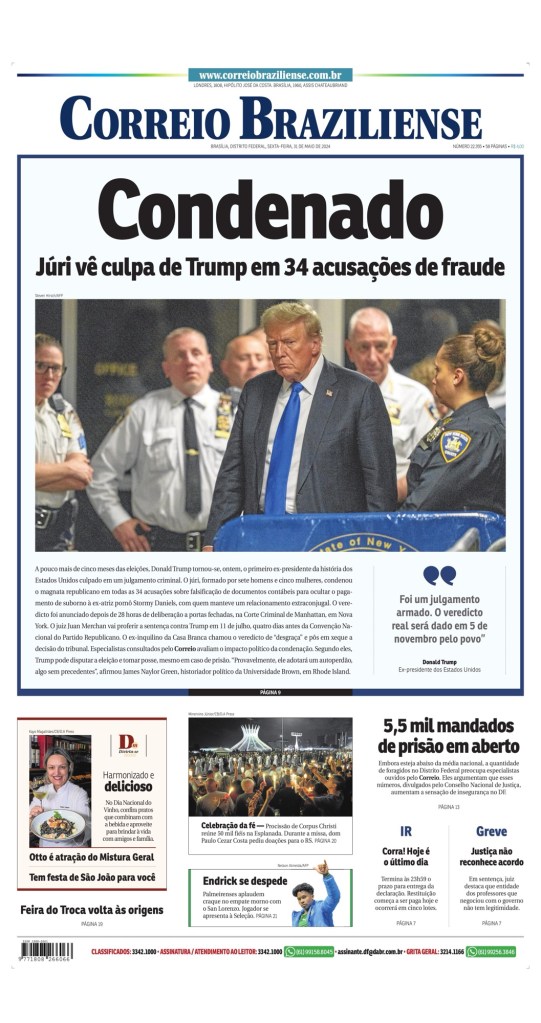
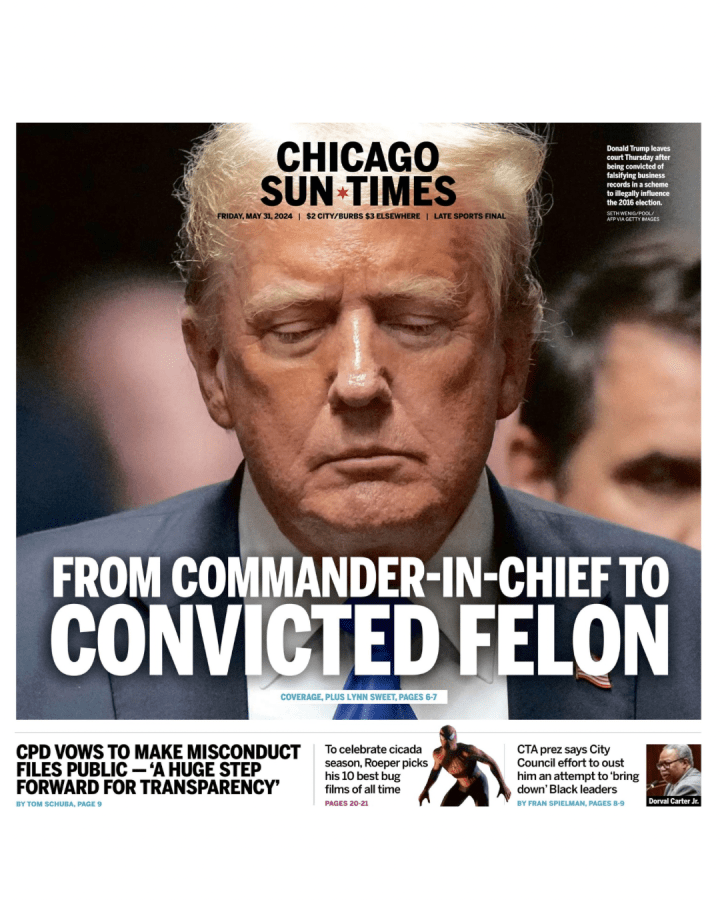
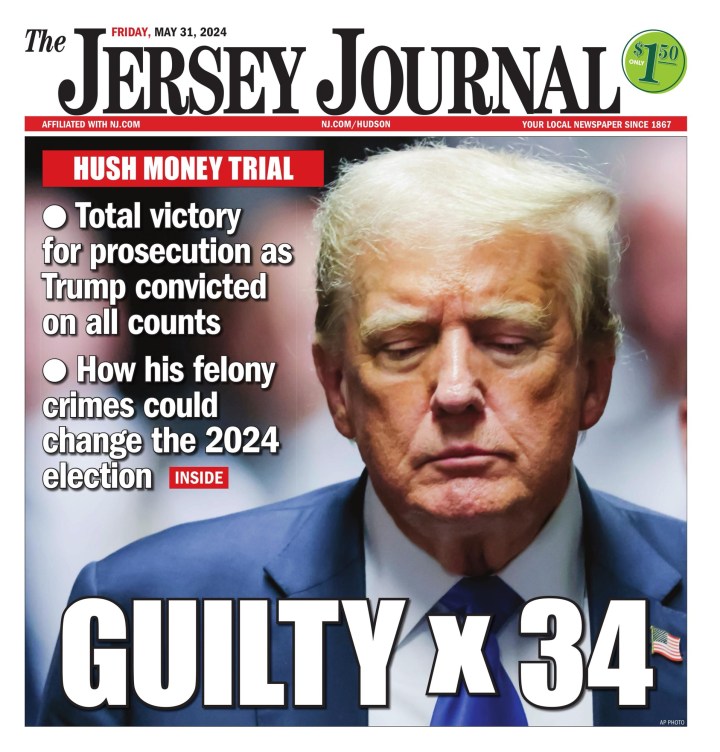
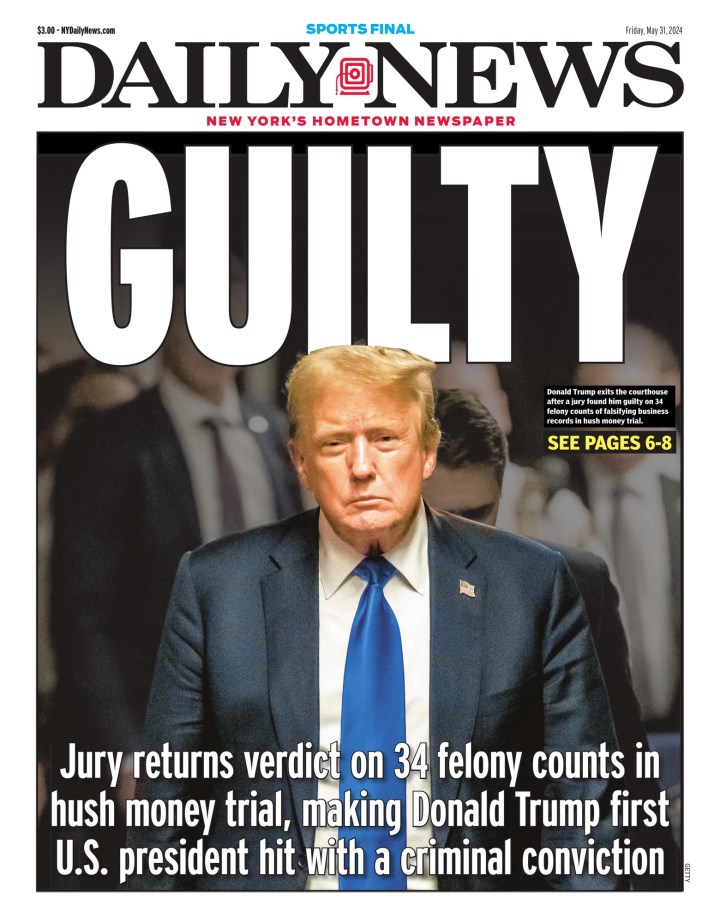
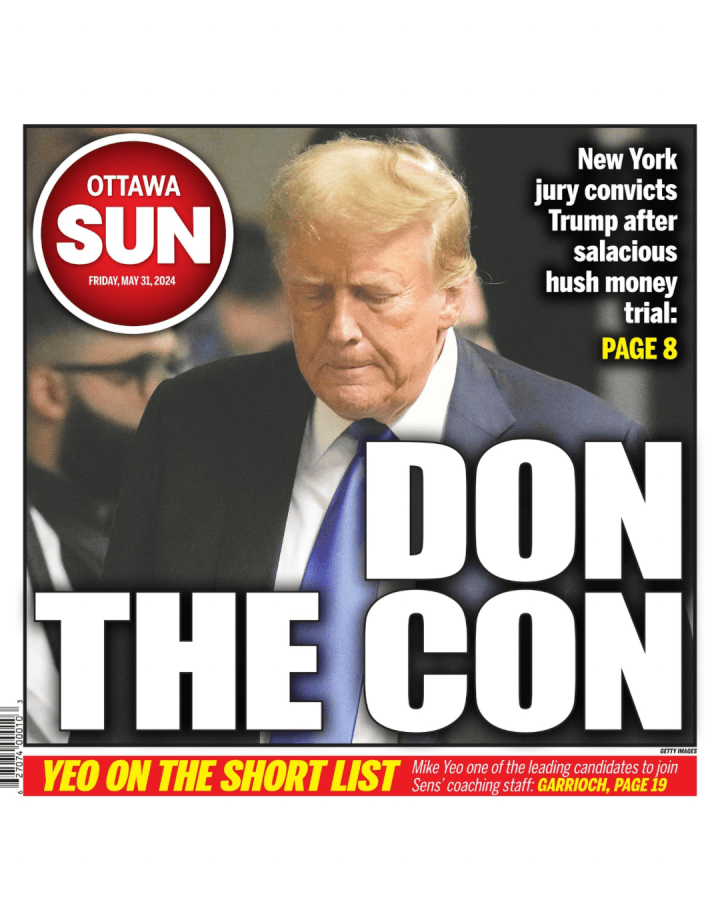
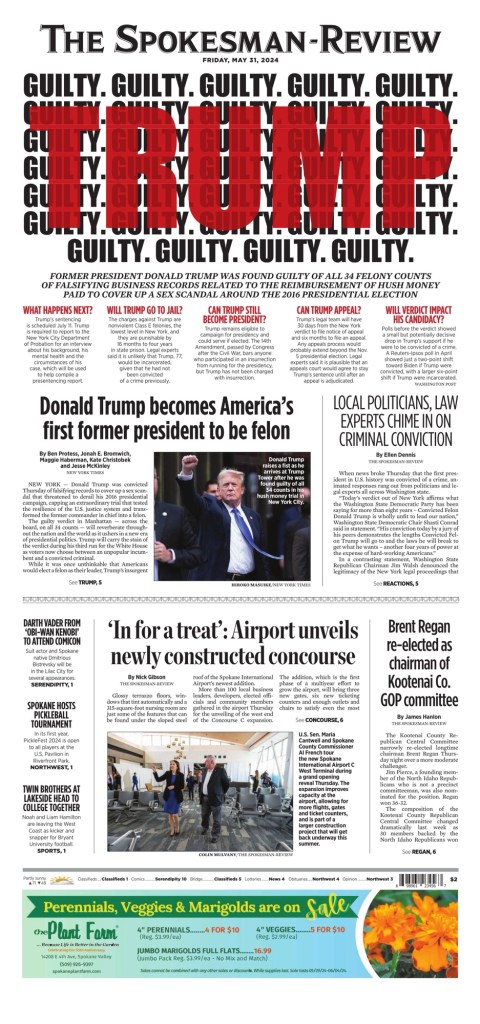
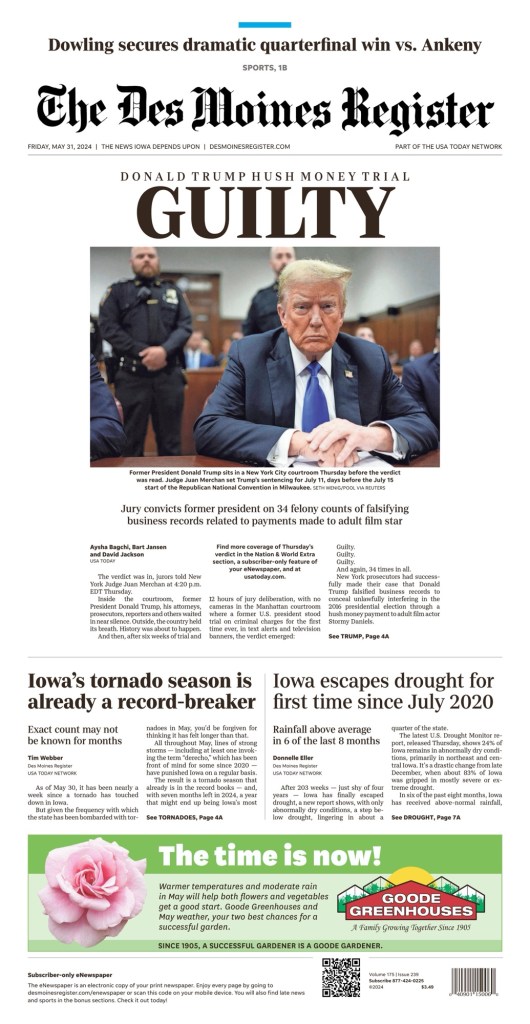
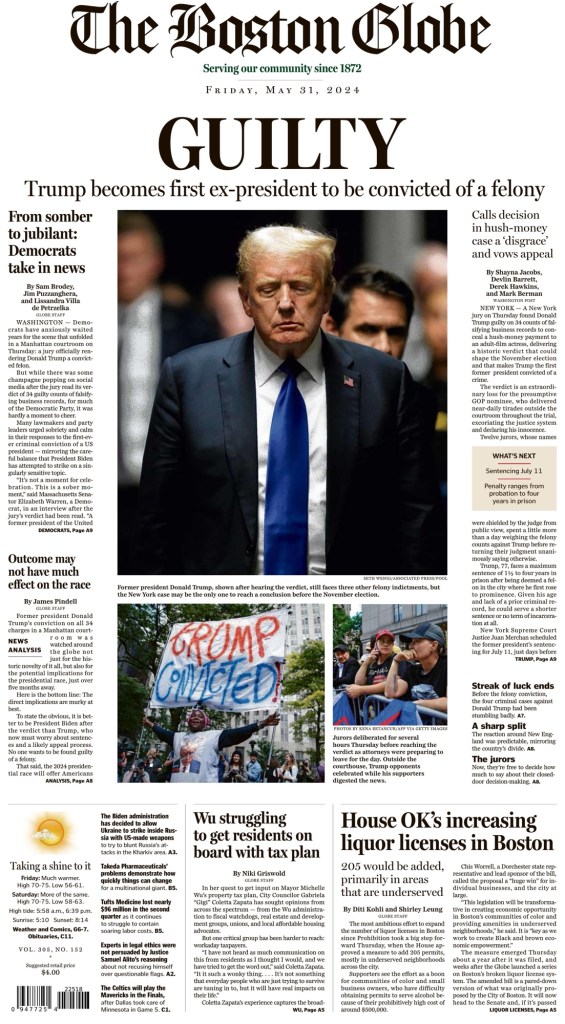
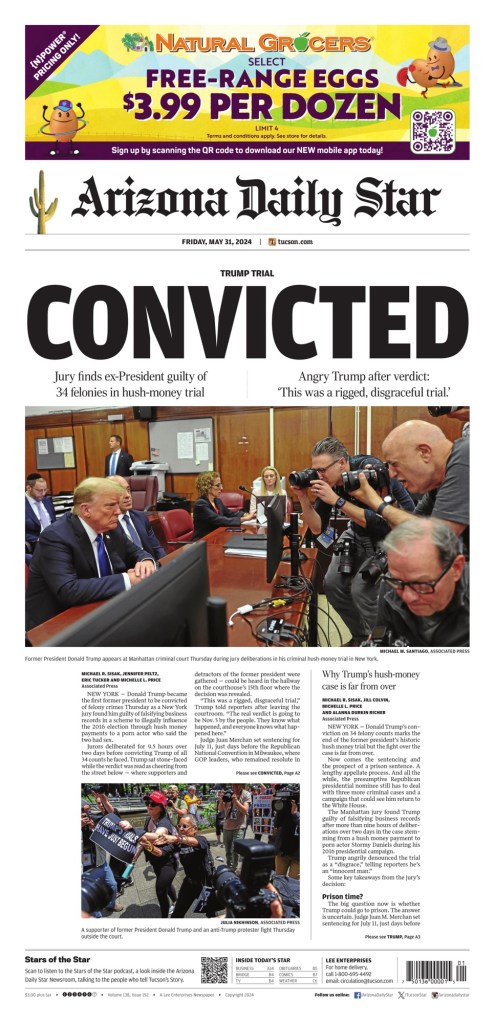
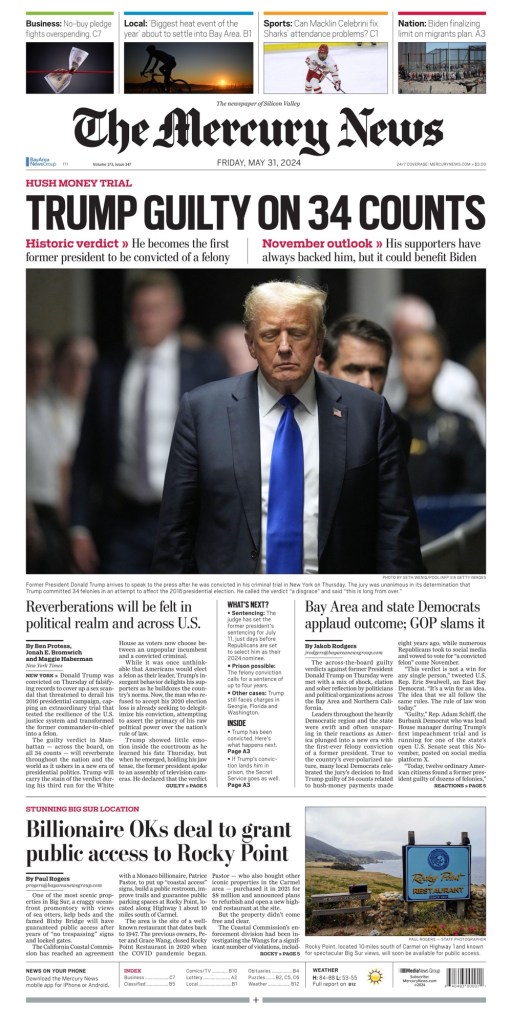
Guilty. Condenado. Coupable. No matter how you say, the guilty verdict against former U.S. president Donald Trump was splashed all over newspaper front pages around the world (depending on the time zone, as it came too late for some). With this Trump becomes the first U.S. president to be convicted of a felony crime. On days with big news, I like to look at how different newspapers treat the news from a design perspective, which includes headlines, picture play, and so on.
This the second post I’ve done on Trump’s legal issues, and it likely won’t be the last Trump post as the U.S. election nears. If I were a betting man, I’d predict there could be some Trump wins front pages come November. But I will try not to do too much on Trump, as I know that has long been a criticism of the media: too much coverage.
Today there were dozens of front pages that gave Trump huge play. I have selected 20, for various reasons. Some that look the same, some very different, different languages and regions. I will start with two of the bigger U.S. papers, The New York Times and Los Angeles Times.
The next two are two of my favourites from a design perspective. Classic big news front pages. Big headlines and photos, some explainers. They are The Atlanta Journal-Constitution and The Philadelphia Inquirer.
Next up, a selection of papers in other languages, from other parts of the world.
Here are a few U.S. tabloids.
Highlighting the Tampa Bay Times for use of the largest headline on the day, at least in broadsheet.
And to wrap it up, a slideshow, starting with another Canadian paper, the Ottawa Sun, giving the story classic tabloid treatment.
World’s best designed newspaper. One could argue as the newspaper world contracts, the title of world’s best designed newspaper means less. I will argue the contrary. As print revenue is in decline, anyone in the newspaper world has heard about cuts or newspaper closures. There are fewer resources available. Yet some newspapers refuse to take their foot off the gas pedal. Some newspapers are still prioritizing the print reader experience. And in this post, I salute them.
For the third year in a row I have been fortunate enough to be a facilitator on the World’s Best Designed Newspaper team at the Society for News Design’s annual creative competition. This year’s was its 45th. My role is to help the judges with anything they need. I always feel so privileged to hear some of the world’s best designers debate what newspaper (or newspapers) should be declared World’s Best.
After much back and forth, and some fascinating discussions, the judges pared the entry pool down to four finalists. This year, none of the finalists were from North America. They were: Die Zeit, La Nacion, Politiken and Weekendavisen.
Before I get to the winner (I will talk about and show pages from all finalists), I want to touch on the judging panel at SND45. The panel included Vanessa Wyse (Sudio Wyse), Wayne Kamdoi (The New York Times), Raju Narisetti (McKinsey & Company) and Kris Viesselman (consultant). Below is a little more about them, some taken from their SND bios. There is more to say about all of them as they have had and continue to have impressive careers.
Vanessa Wyse is the founder and creative director of Studio Wyse in Toronto. She has over 20 years’ experience working with some of the worlds’ largest media brands and institutions including Pinterest, The Globe and Mail, Fairfax Media, The University of Toronto and Air Canada. The Grid, a smaller but mighty now shuttered Canadian weekly publication, where she was the founding creative director, was the first publication to win three consecutive World’s Best Designed Newspaper awards.
Wayne Kamidoi is an art director for The New York Times, focusing on enterprise in its print hub. He was an art director in Sports for more than 20 years after joining The Times from the Detroit Free Press. He is also one of the few newspaper designers I’ve seen people come up to and talk about feeling lucky to be in their presence. He was a rock star at SND45.
Raju Narisetti is leader of global publishing at McKinsey & Company. Over a 35-year career, he has created, reimagined and managed major media organizations in the U.S., Europe and Asia. Raju spent 14 years at The Wall Street Journal where he went from a reporting intern to editor of WSJ Europe, and later managing editor, digital, of the global WSJ. Also, Raju has a Wikipedia entry, so that’s fun!
Kris Viesselman is a creative director, editor, designer and ring leader. She has been a top editor and top creative at a number of media companies and has worked as a consultant with a wide range of clients. Kris is a past president of SND and has consulted and presented in five continents.
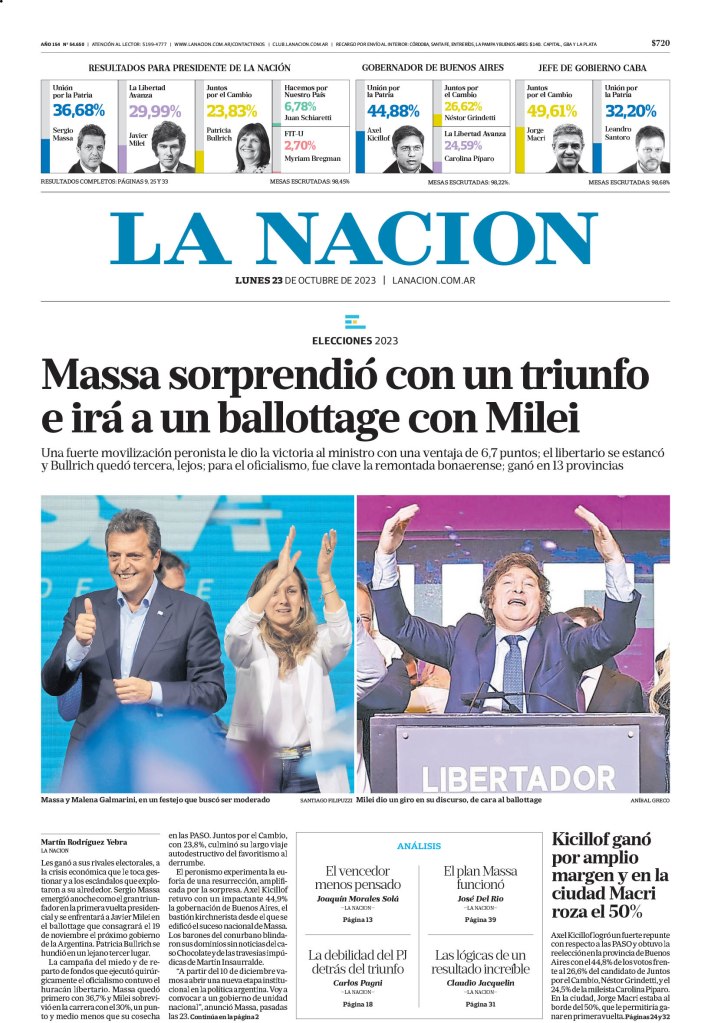
Before I get to what judges were looking for a World’s Best Designed Newspaper, I feel like we need to see some pages! I will start with the runners up, which means I need to announce the winners. This year the judges selected two newspapers as World’s Best Designed. They are … Die Zeit (for the third year in a row!) and Weekendavisen (the second win in four years!). Which leaves us with La Nacion and Politiken. I will start with La Nacion, and the judges’ statement.
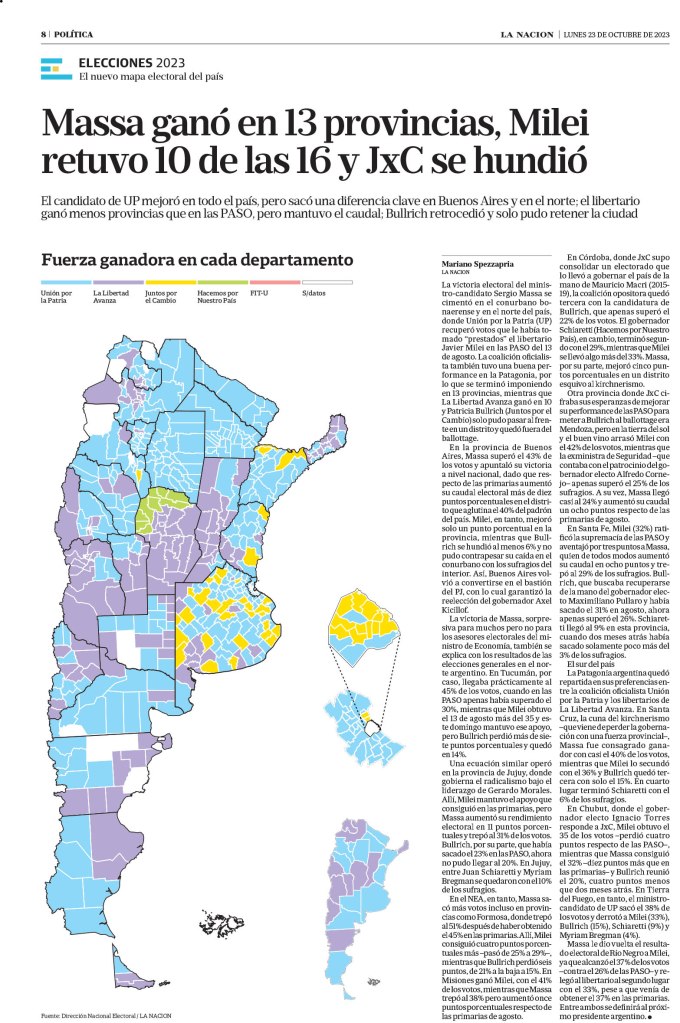
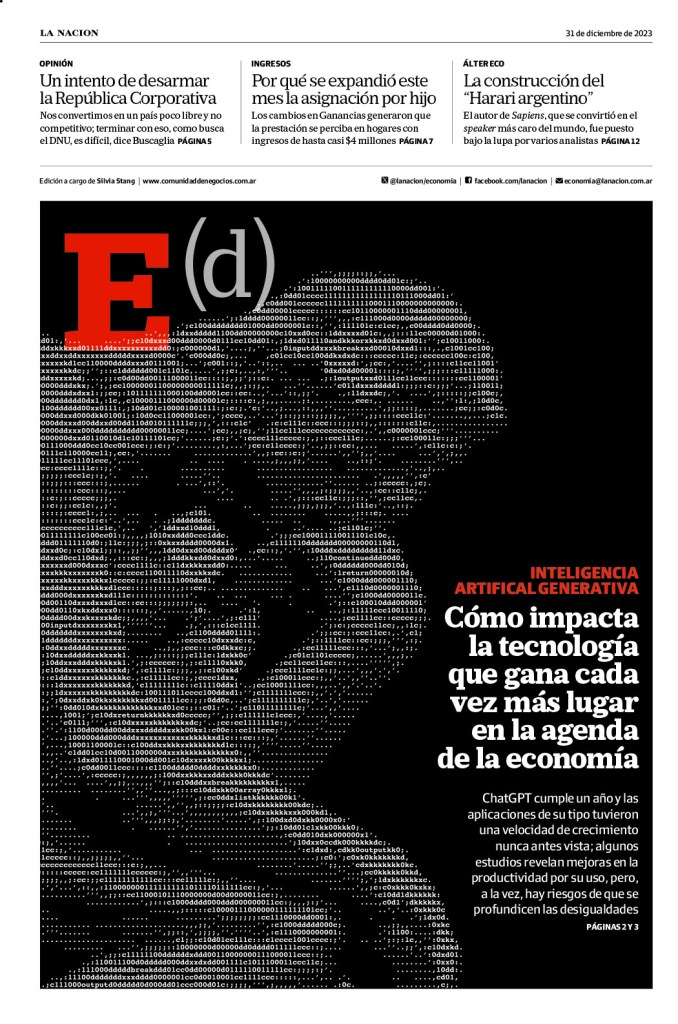
La Nacion
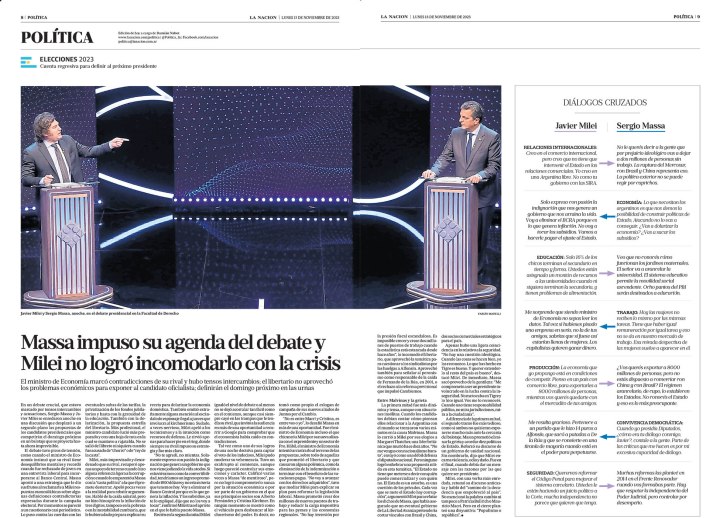
“La Nacion is a terrific example of how to build a 50- to 80-page daily newspaper, one that offers a cohesive reading experience with gravitas and dynamism, even on some of the biggest breaking news days. Its elegant information graphics, powerful blend of illustrations and robust news photography, coupled with consistently smart selection of typefaces poured into organic shapes, is sophisticated yet highly accessible, and makes for a very satisfying, complete offering.”
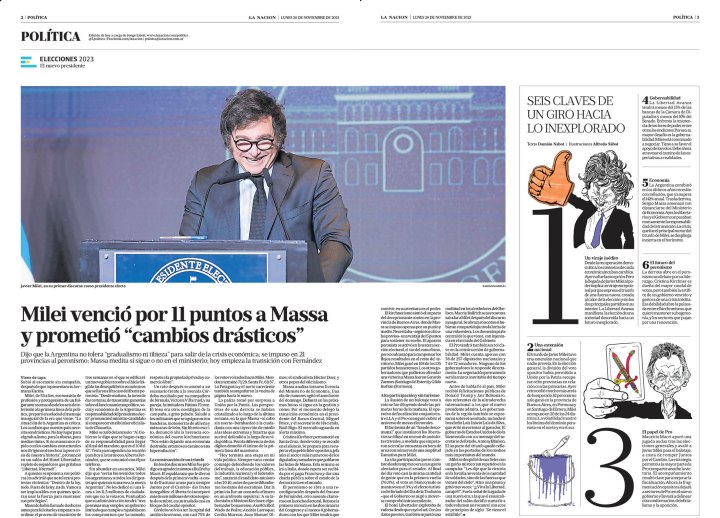
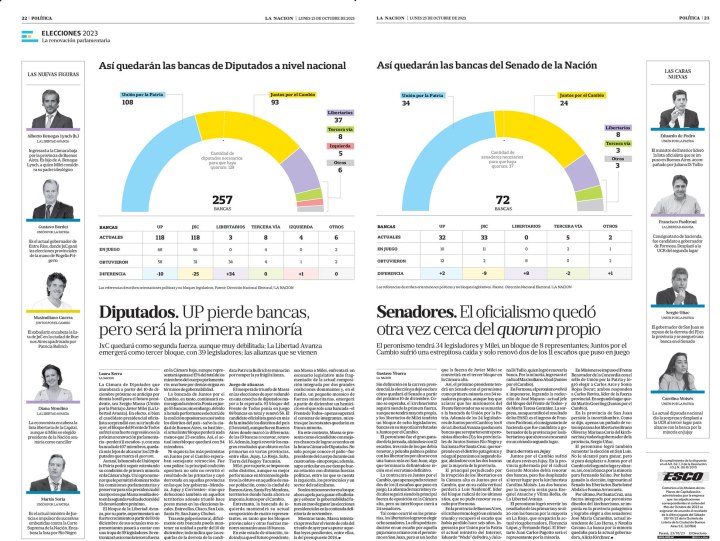
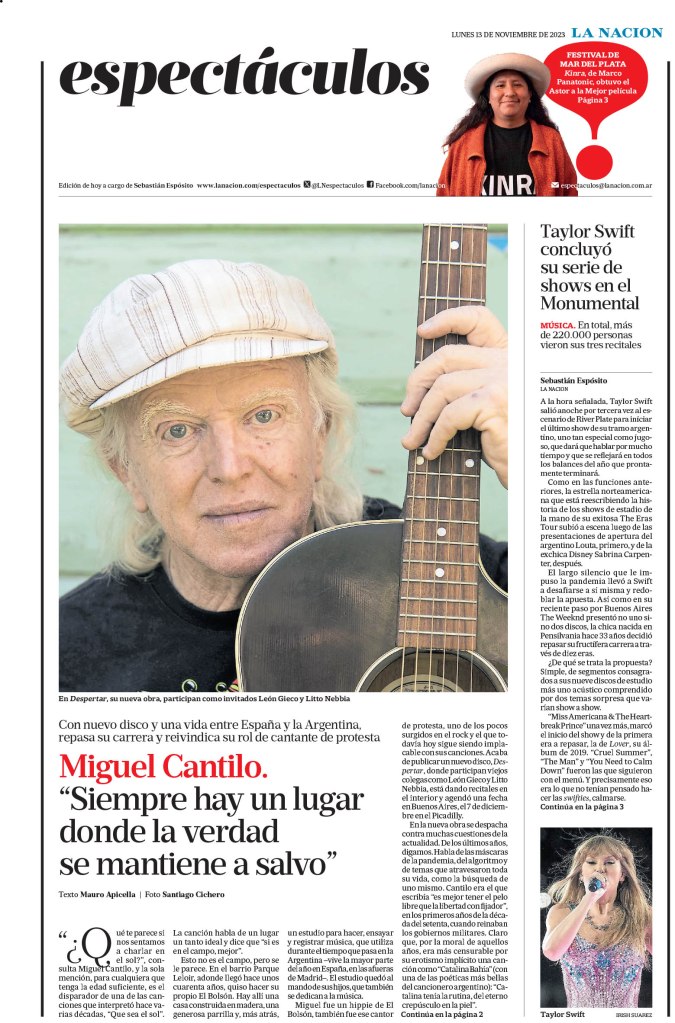
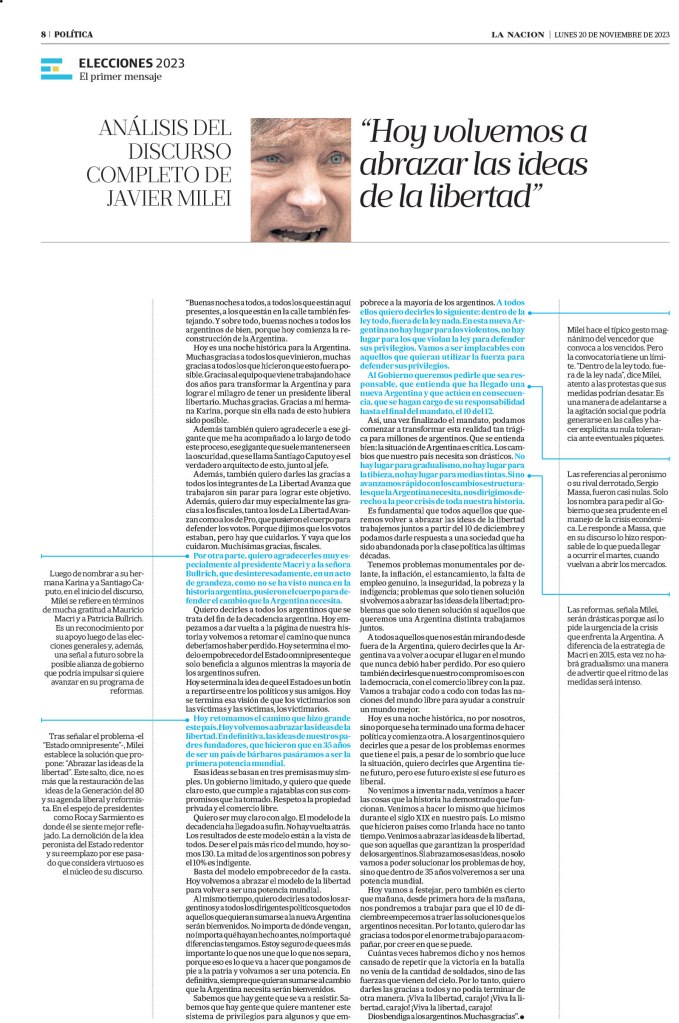
One of the things I loved about La Nacion was its inside spreads.
And a couple more, where they use nice graphics or photos to drive the pages.
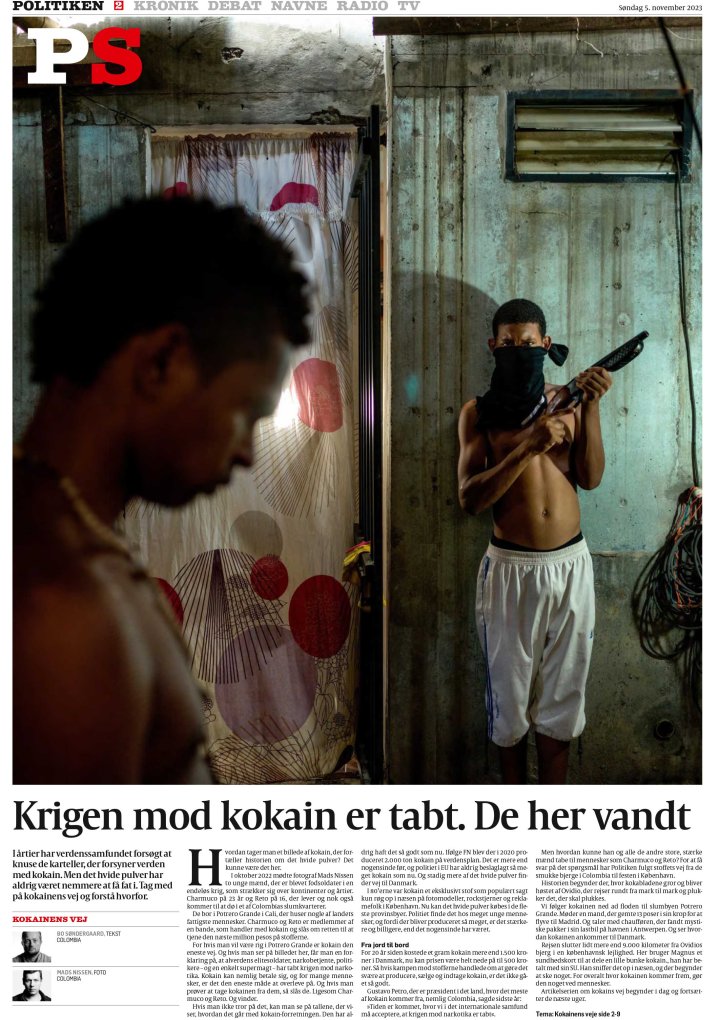
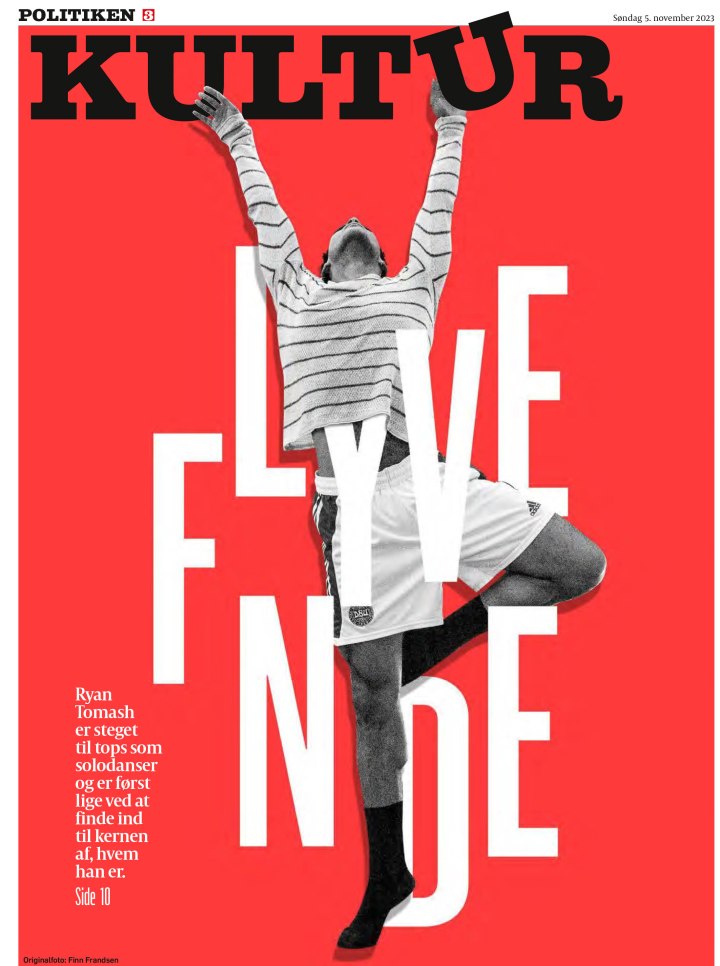
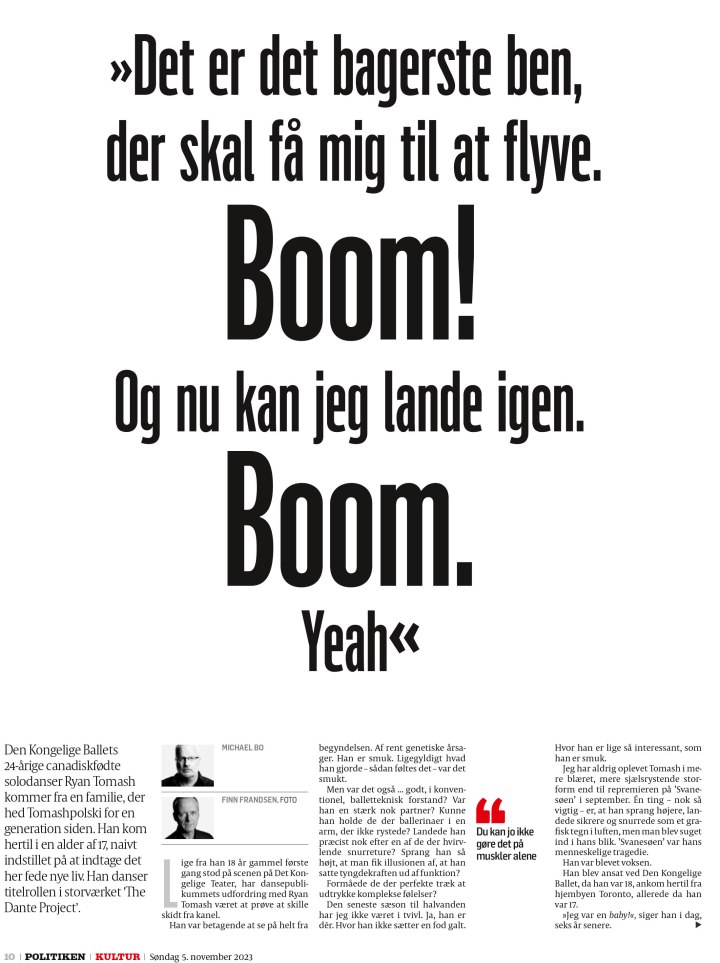
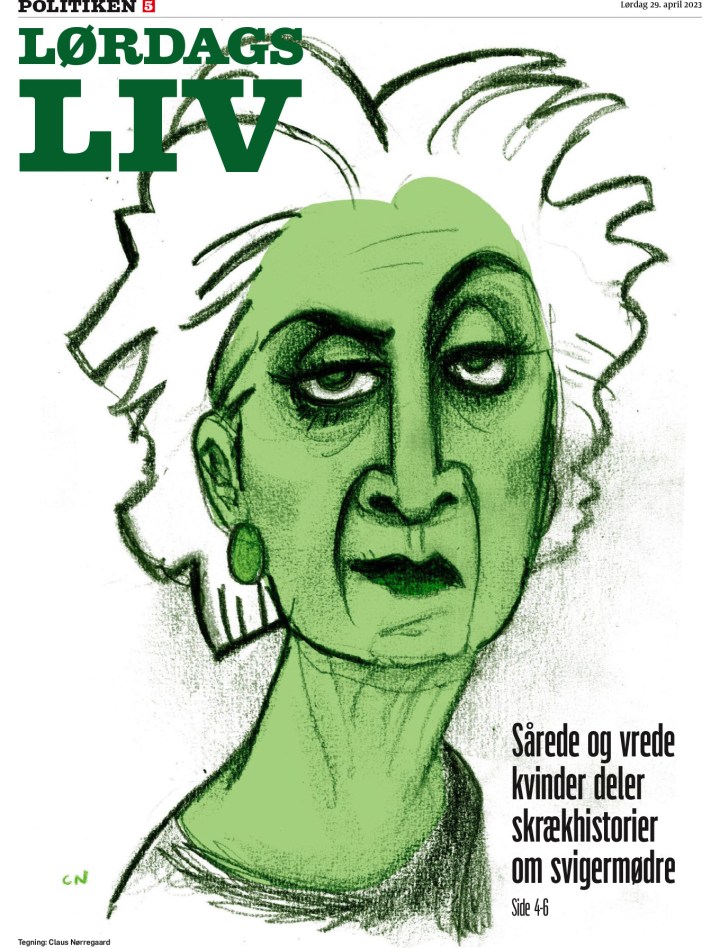
Politiken
“Politiken’s dynamic design conveys a sense of urgency, while maintaining its overall elegance. Distinctive visual content is the foundation for storytelling that runs the spectrum from sober to edgy to delightful. Despite this range of tones, a cohesive report emerges, propelled by carefully selected — and deployed — typefaces and navigational devices. The result is a curated publication that is iconically Politiken — at once powerful, important and beautiful.”
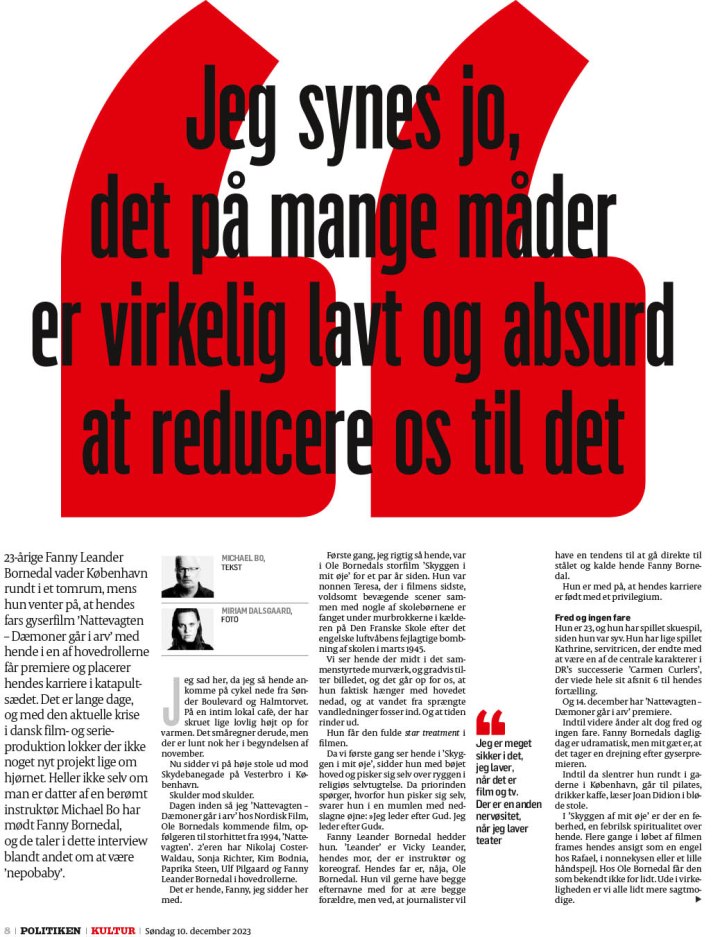
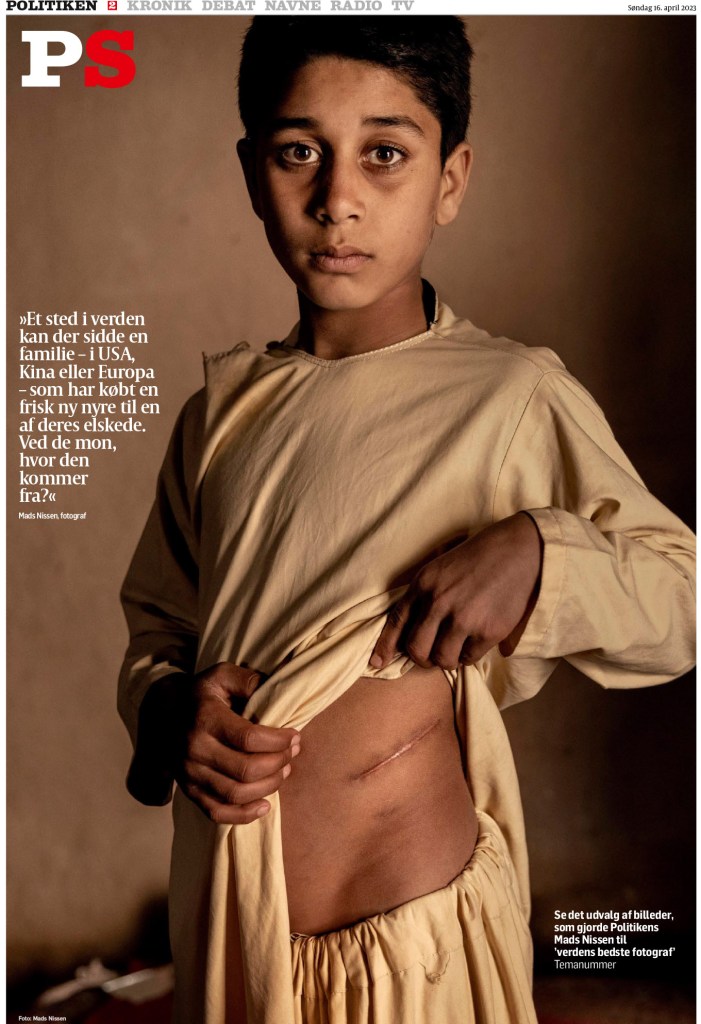
I will start with a variety of pages, all done differently: big photo, nice illustration, typography. They use such a variety of design techniques, but still remain clearly Politiken. Anyone who follows my Instagram will know I am a fan of Politiken.
And a few more. I have shared more from both these publications in previous posts.
And now for the winners. Here is what the judges said they were looking for.
“We were seeking smart, lively publications that were cohesively designed. The ones that stood out had a clear vision and brand identity that was reflected in their typography and signature visuals. They had a strong sense of place and a clear focus on their target audiences. While we valued consistency, we were delighted to see surprises — places where extra planning, collaboration and innovative ideation was apparent. Maximizing the strengths of print presentation helped some rise above the rest. In our increasingly digital-first world, we applauded print’s ability to offer readers thoughtfully curated content that is both unique and rewarding.”
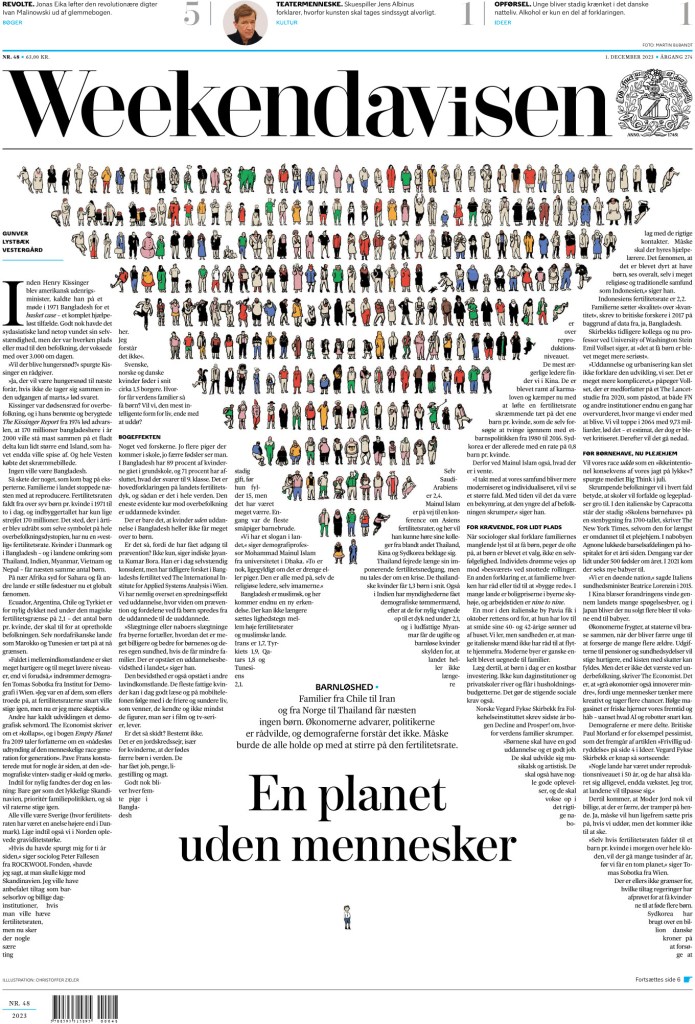
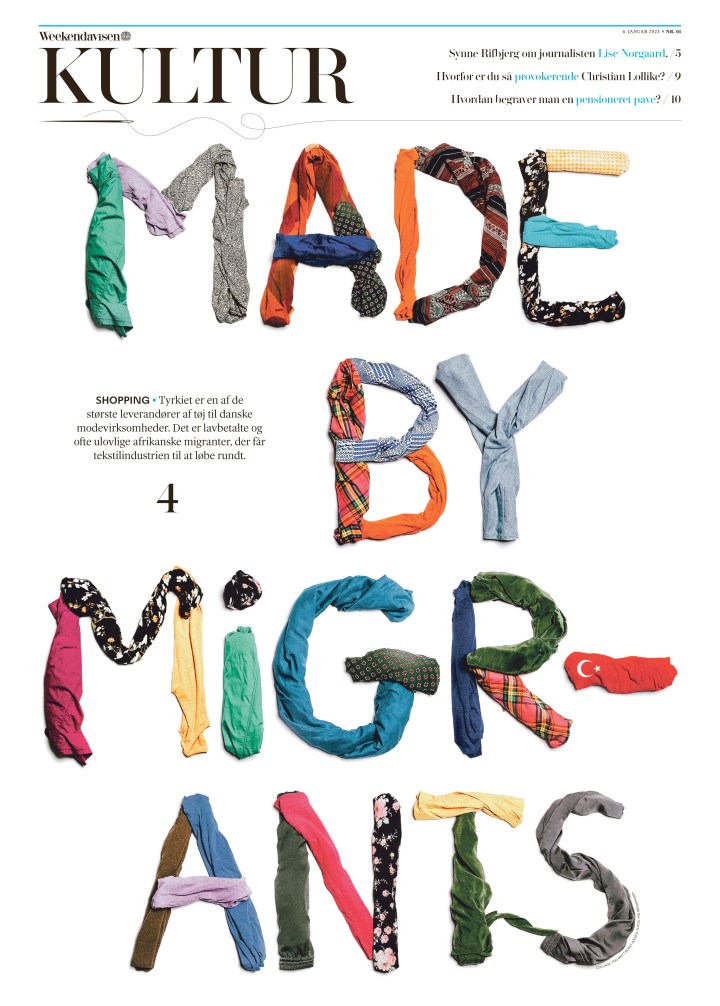
Weekendavisen
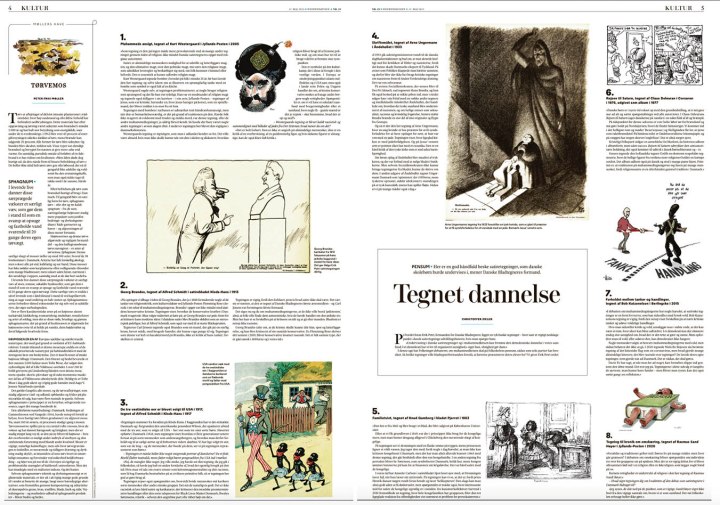
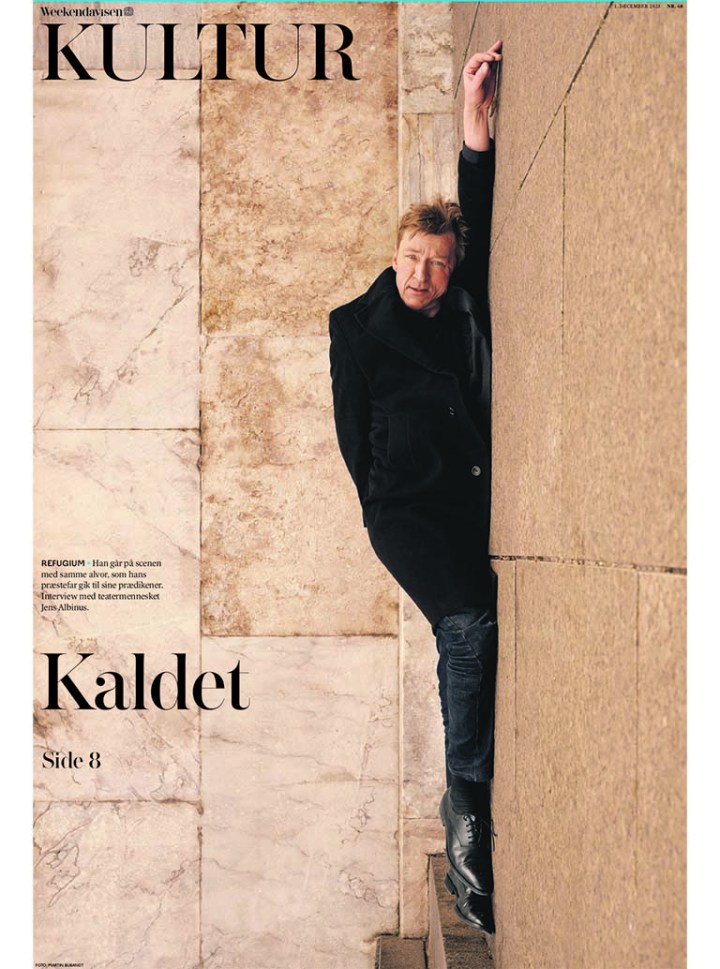
“Weekendavisen is a joy to read, with visual impact in all of the right places. The offspring of one of the oldest newspapers in the world, Berlinske Tidende, Weekendavisen offers its readers a contemporary feel, while adhering to its traditional roots. From front to back, Weekendavisen is a cohesive experience that is serious, evocative, innovative and playful. Its designers are not afraid to take risks. Restraint is the key to its success — nothing seems forced, always executed with purpose. Its many strengths include elegant typography, a carefully curated and restrained color palette, on-point illustrations and a sense of whimsy. The icing on the cake: Solve the puzzles on a smartly packaged spread.”
One of the similarities between the two winners is that they aren’t afraid to take chances. They make some very bold design choices, but one has to ask, are they taking chances if they succeed so often? Or do they just know it’s going to be great? These first to covers. Mind blown.
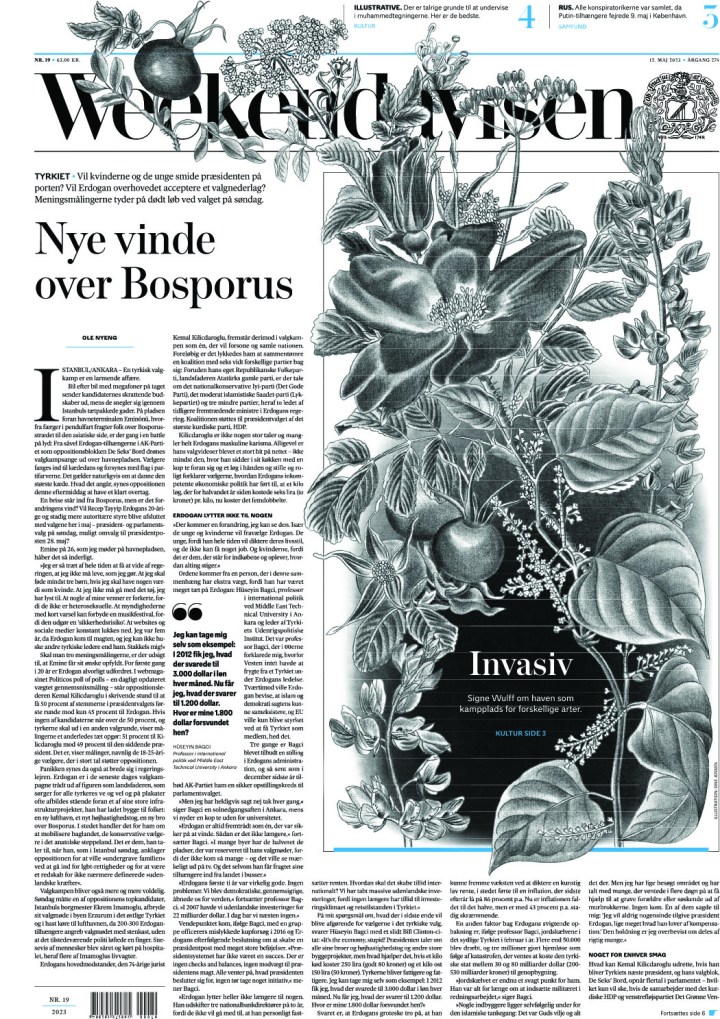
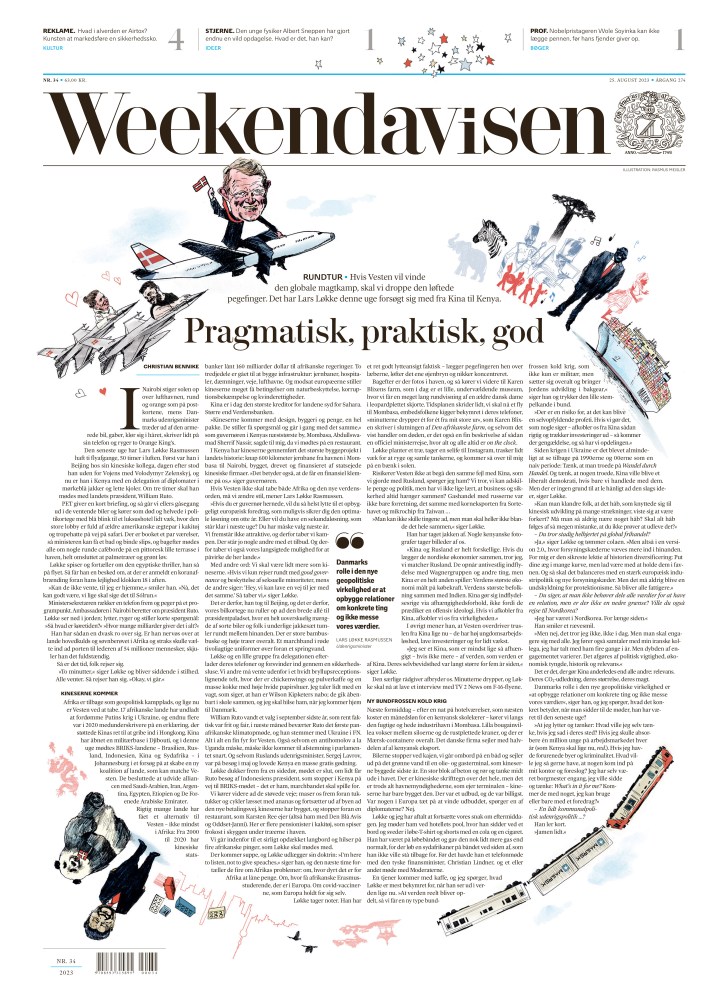
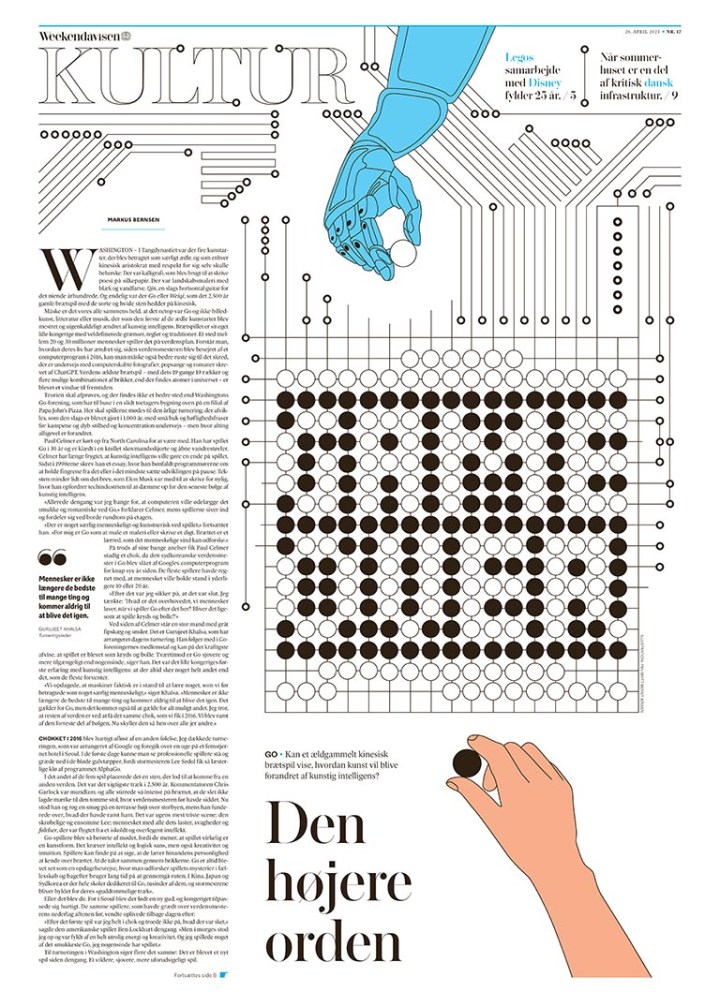
Both also use typography so well, in ways other papers might be afraid to try. You see a lot of that with Die Zeit, but here are a couple from Weekendavisen.
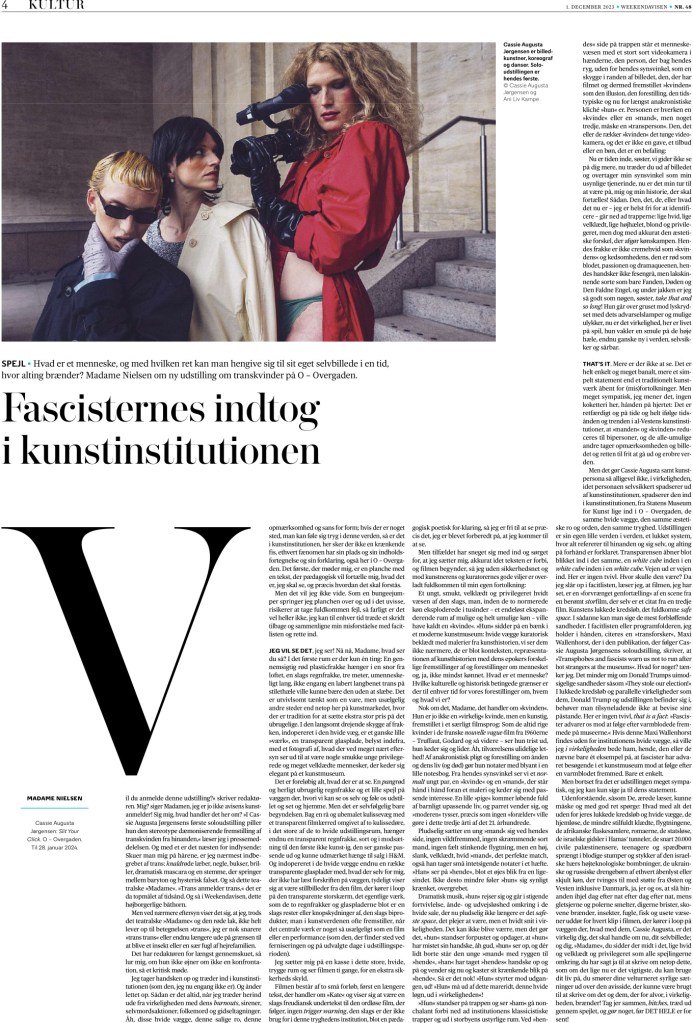
Here is an example of how to make a lot of text beautiful. I love this spread.
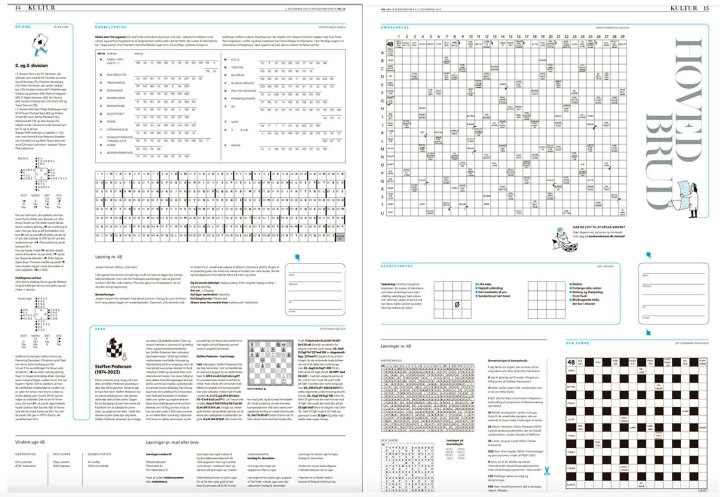
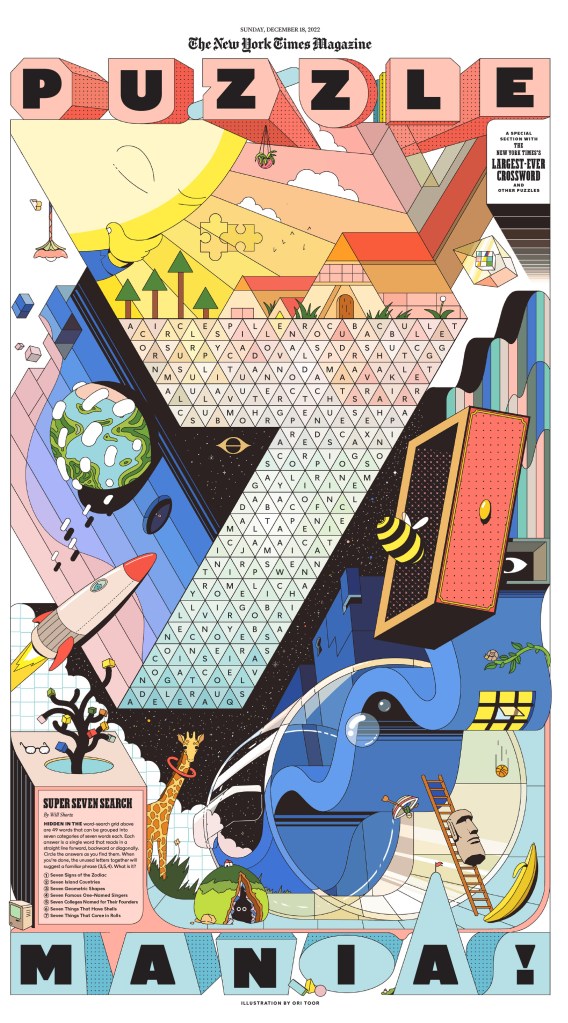
And of course the puzzles the judges loved so much! Image a puzzles pages being cited as a reason for a paper being chosen world’s best designed.
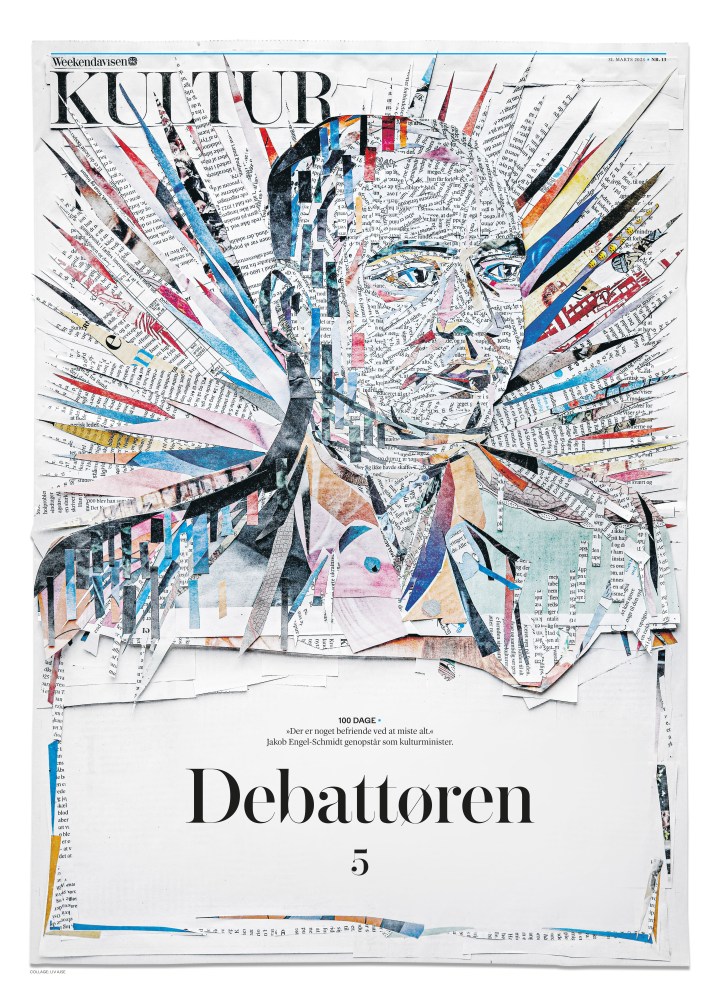
This is very much driven by the illustration, but this page caught my eye and I kept coming back to it. It’s one of my faves from Weekendavisen. A special shout out the illustrator, as I have used a portion of this as my feature image for this post.
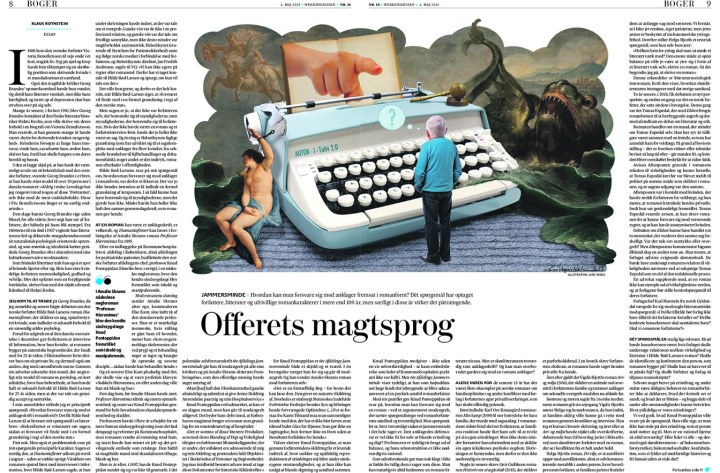
And here are a few more. You can see such variety in the pages, but still a strong design voice shining through.
Screenshot
Screenshot
Die Zeit
Here is what the judges said about three-peat champion Die Zeit.
“This is print storytelling at its very best. Every move made by the team at Die Zeit is rooted in intentional decision-making, restraint and surprise. Die Zeit continues to captivate by balancing long-form journalism with exceptionally smart illustrations, impeccable photo editing and beautifully placed typographic touches. Each page reveals subtle, layered details, as Die Zeit’s talented team surfaces delightfully subtle design nuances that engage a busy reader. The real superstar of the newspaper is what isn’t immediately apparent — the strategic use of white space to amplify the content.”
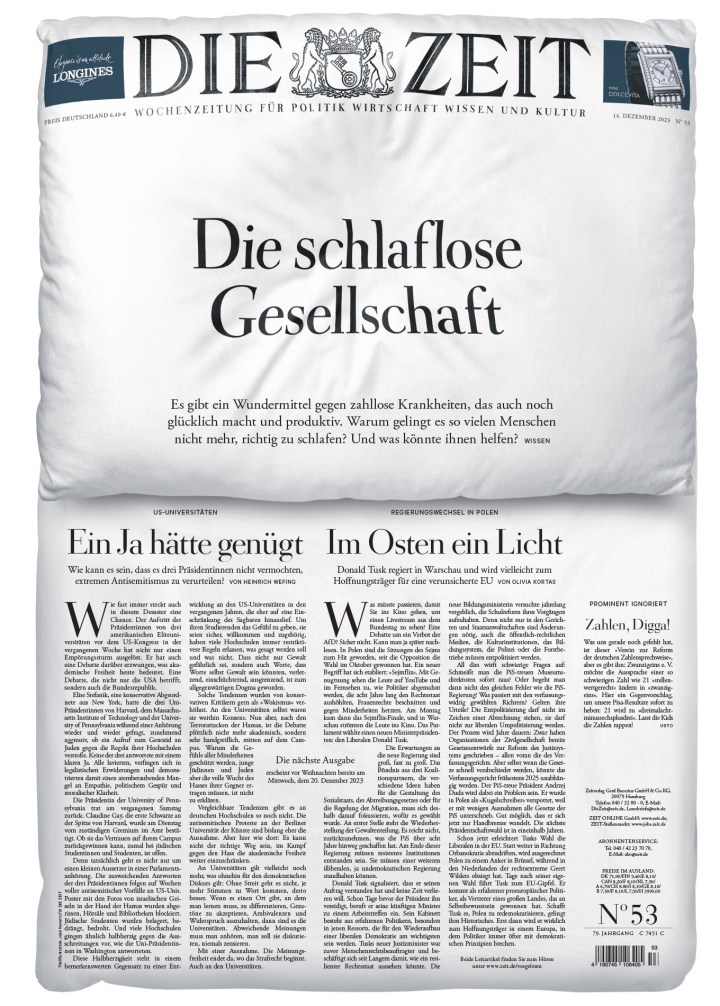
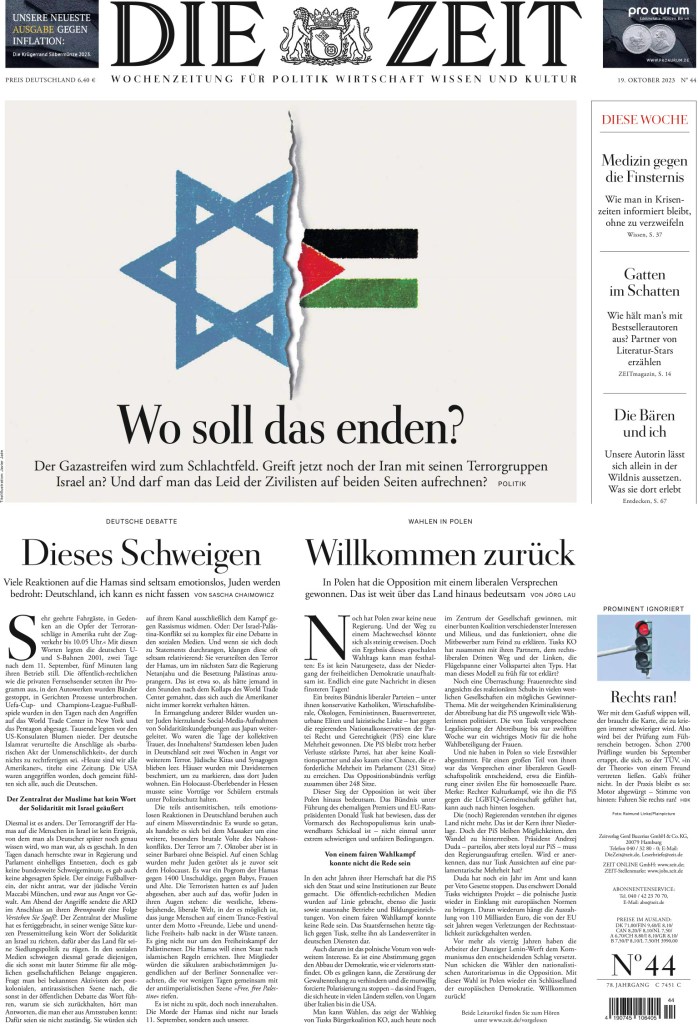
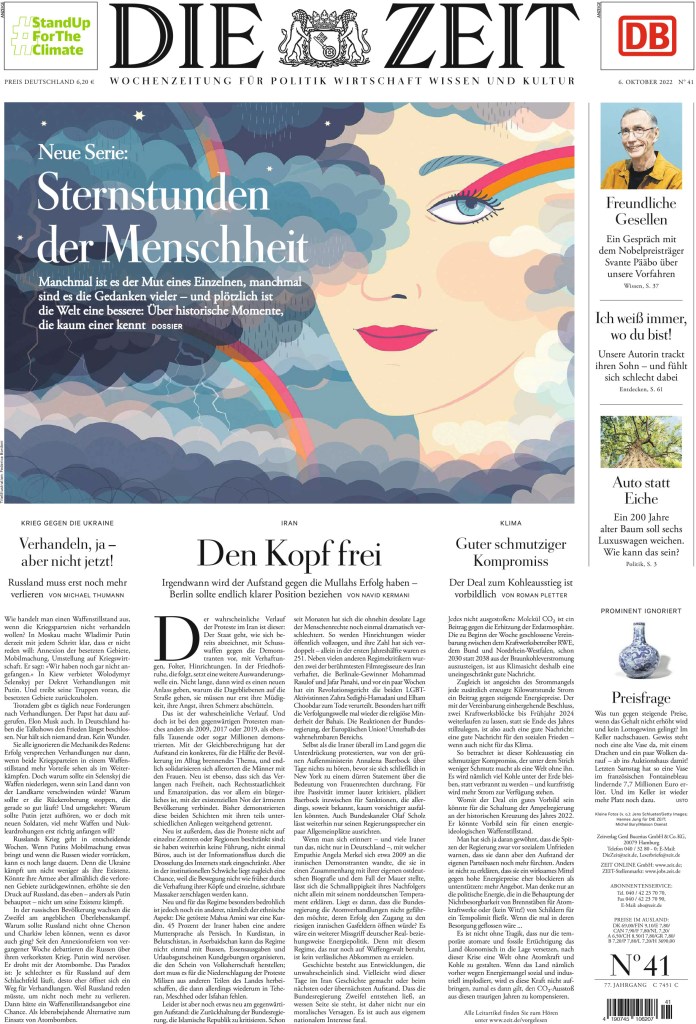
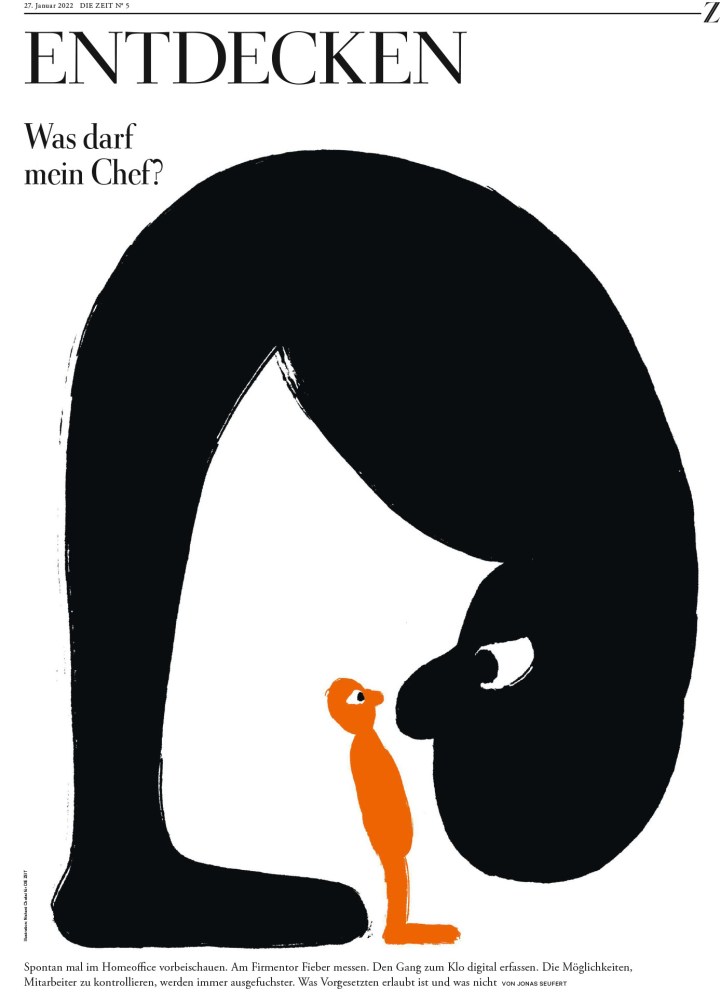
This is a front page. So cool, what else can I say? It’s so smart. Great concept and well executed.
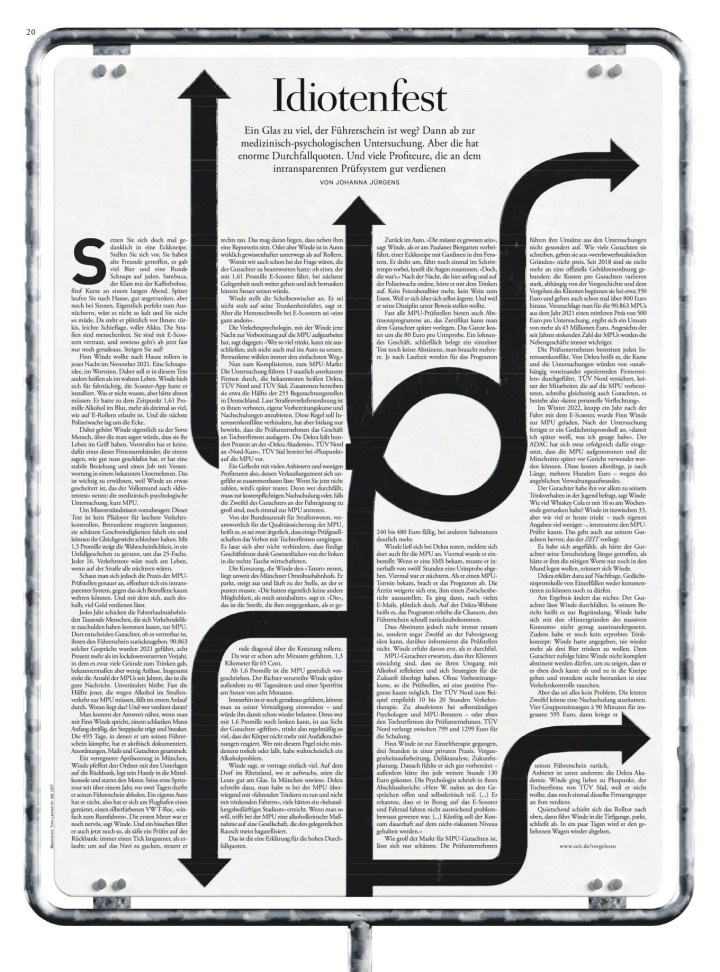
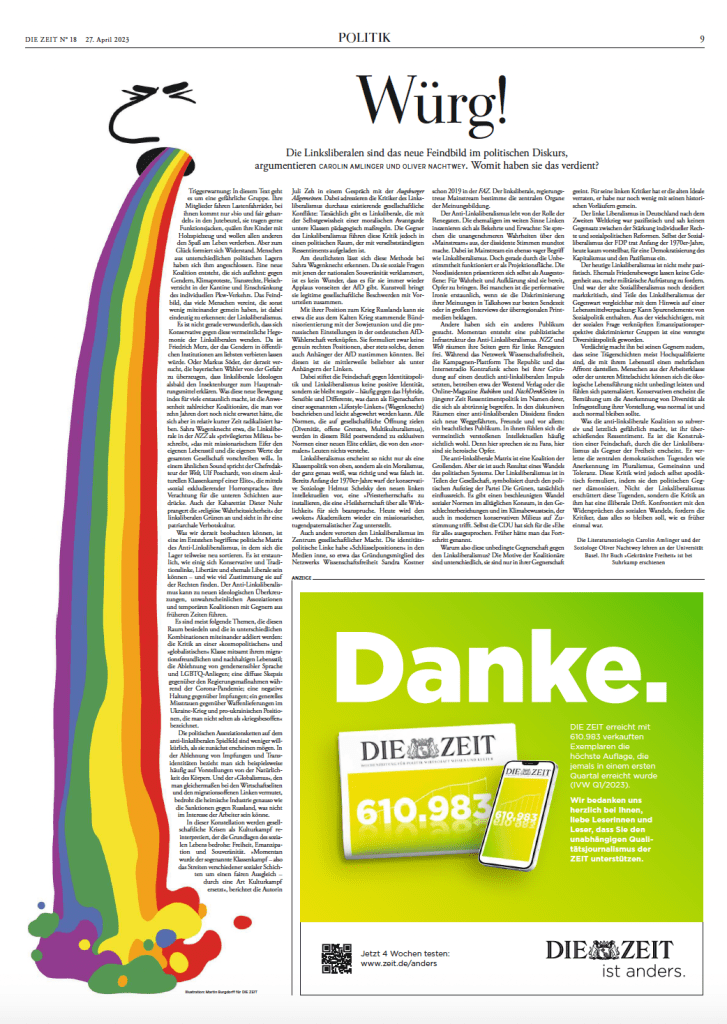
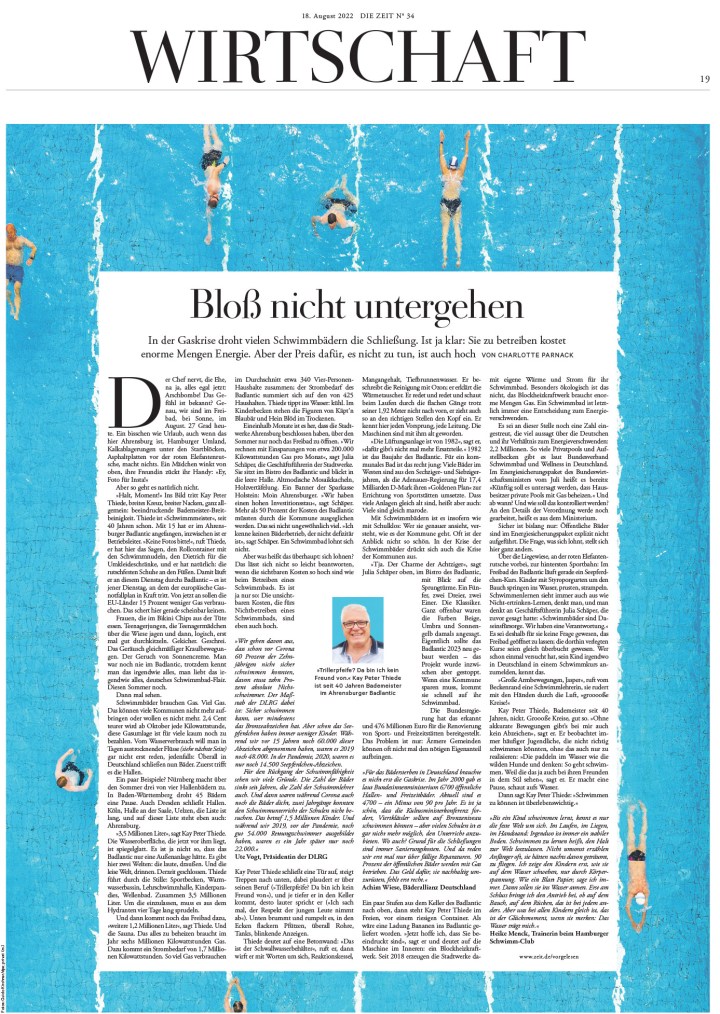
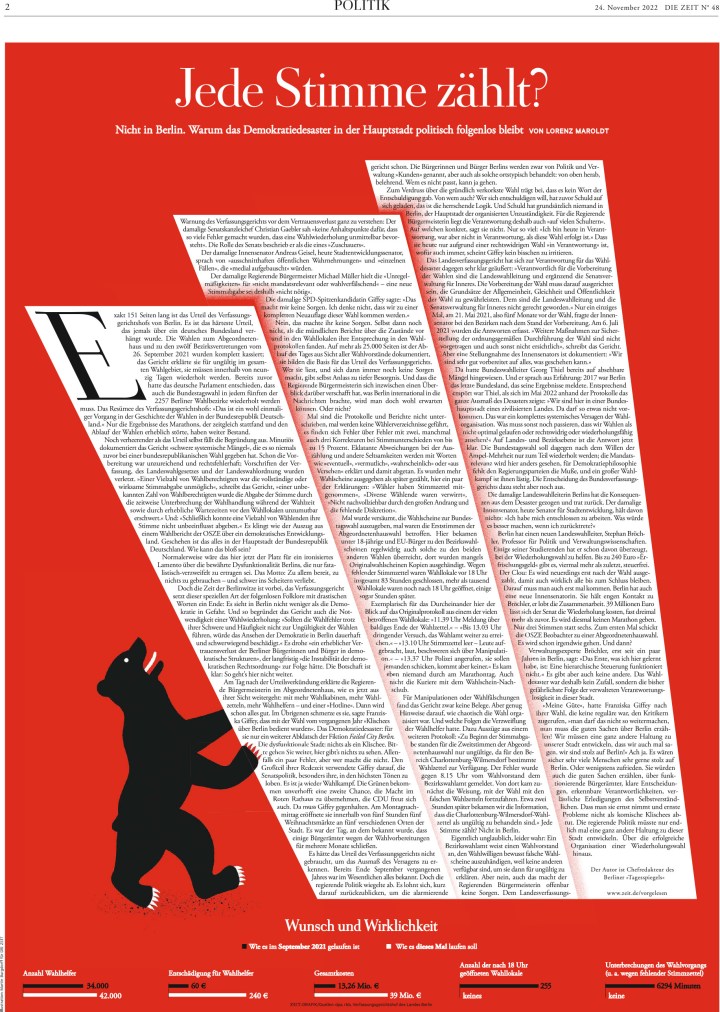
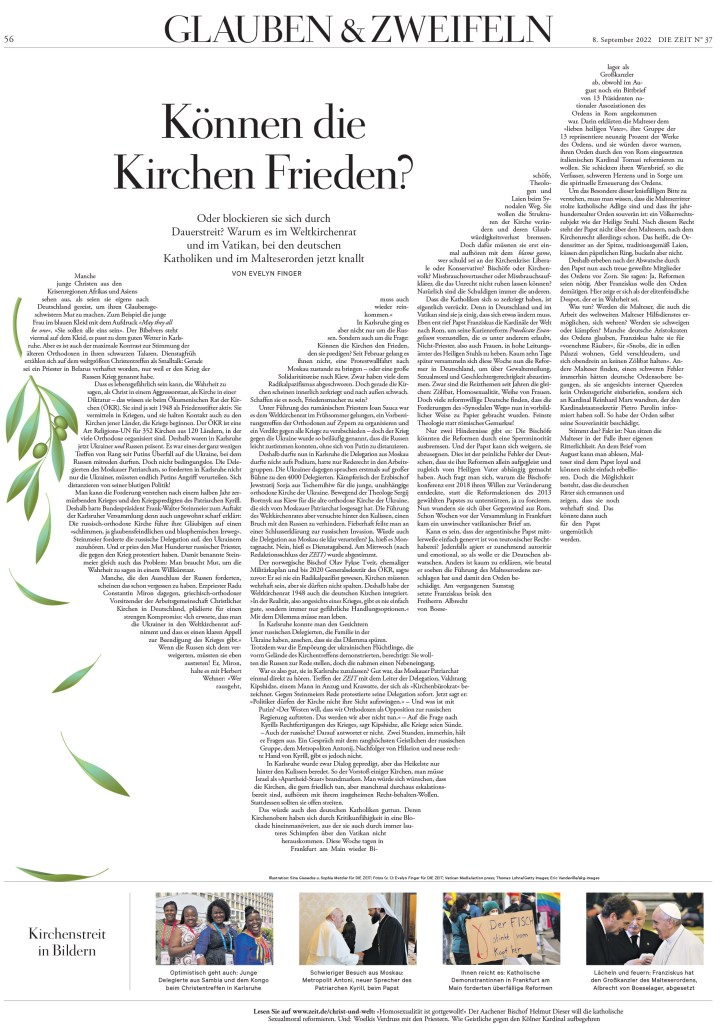
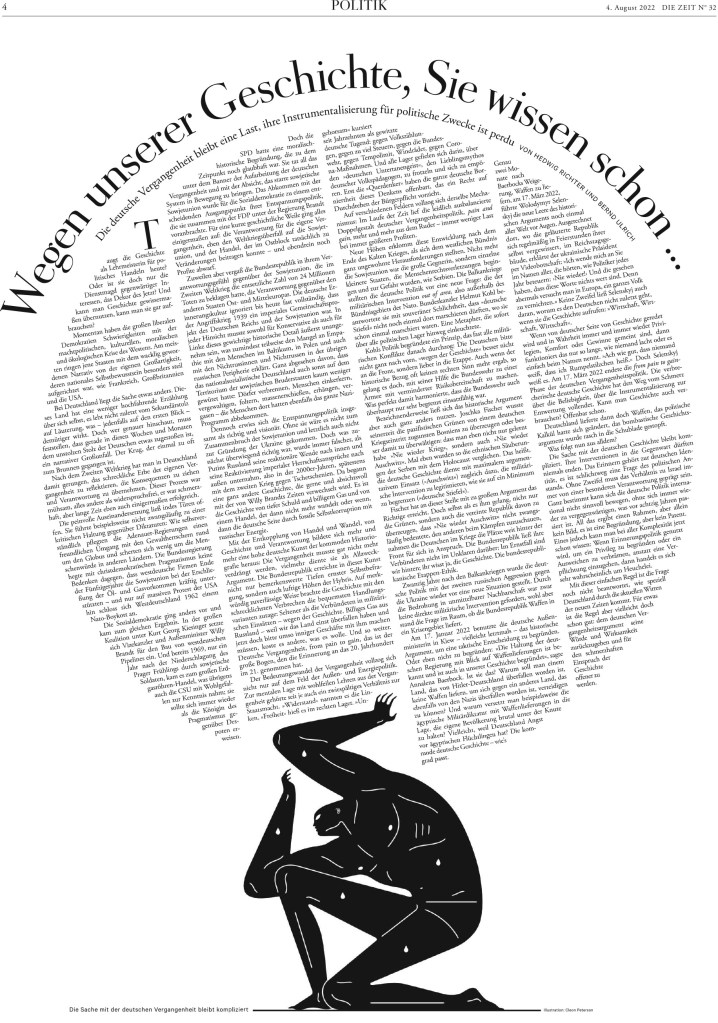
A smart use of the image and the play of the typography in the body copy make this page hard to look away from. It has a ton of copy. But it’s striking.
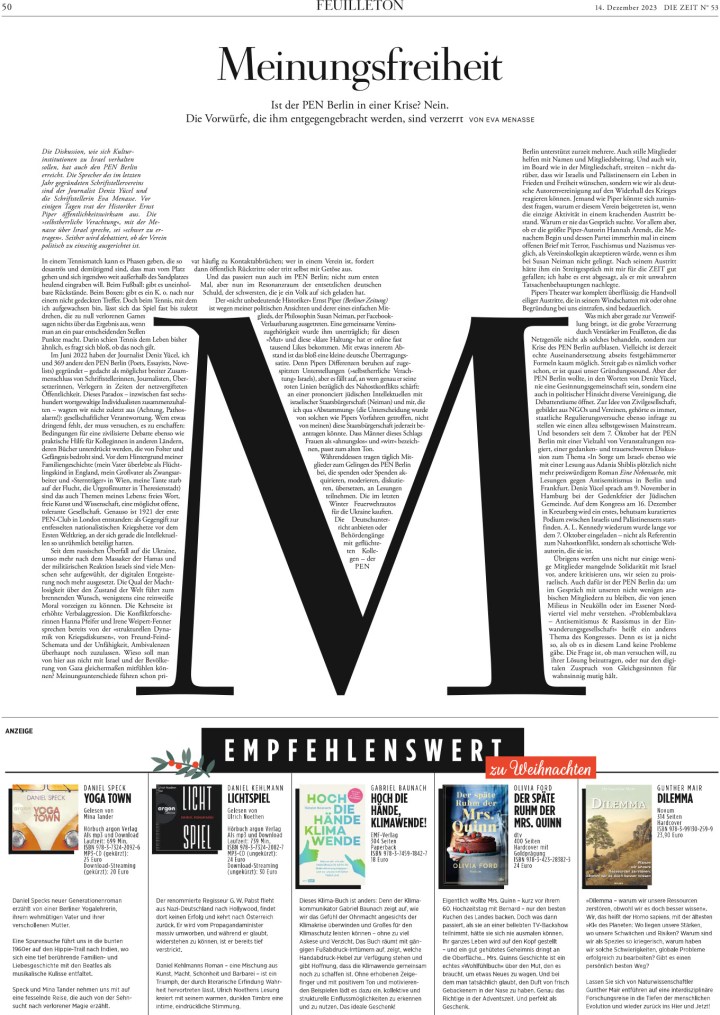
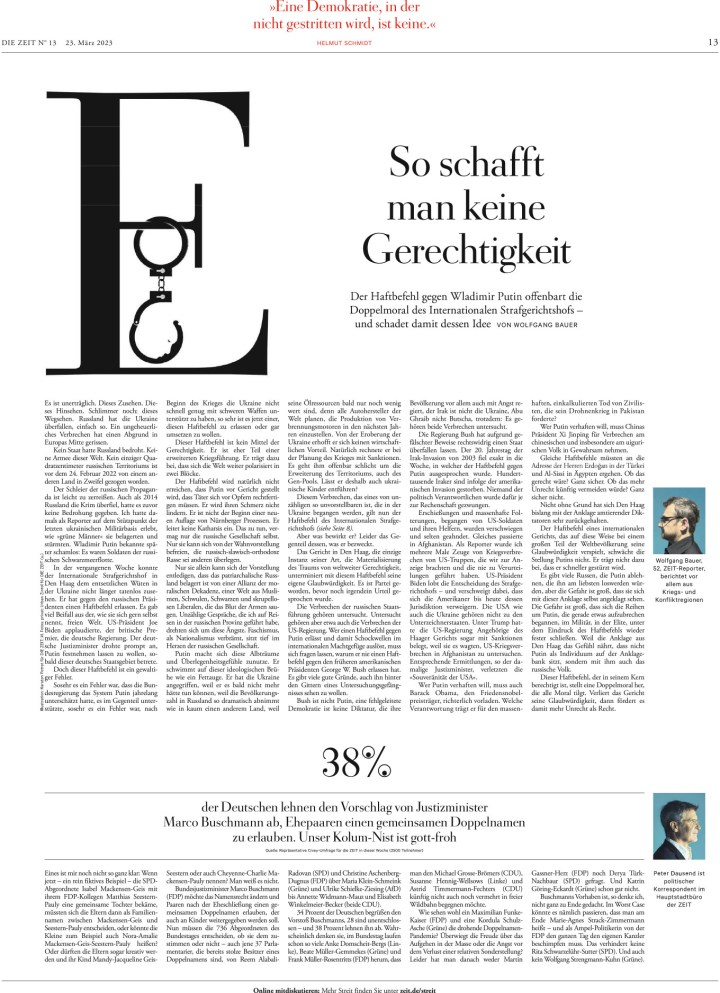
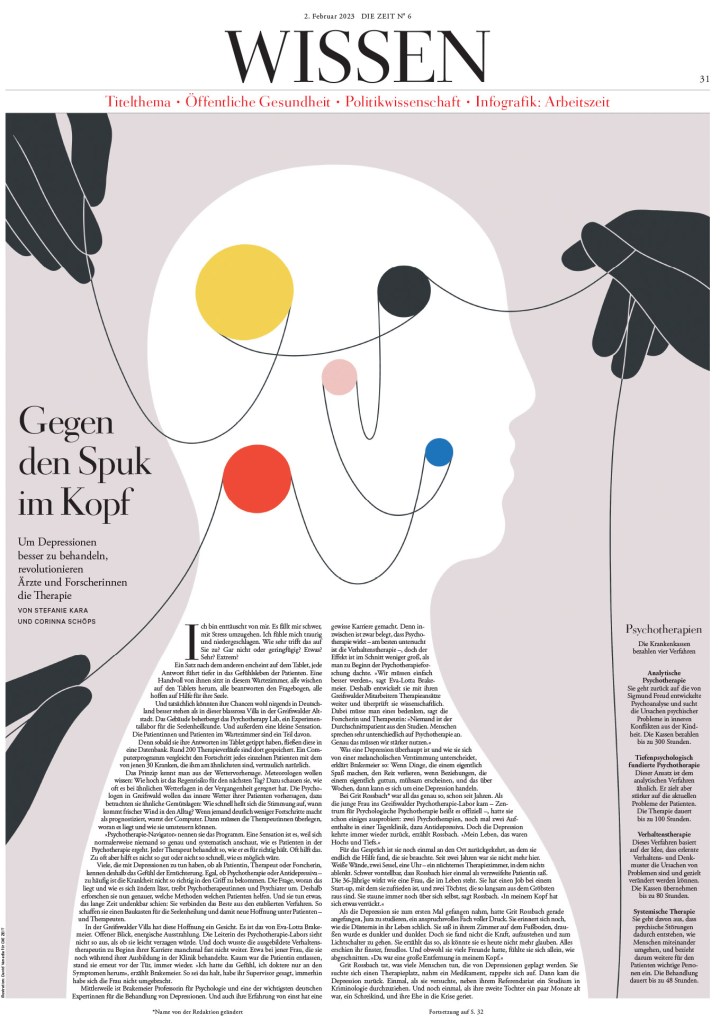
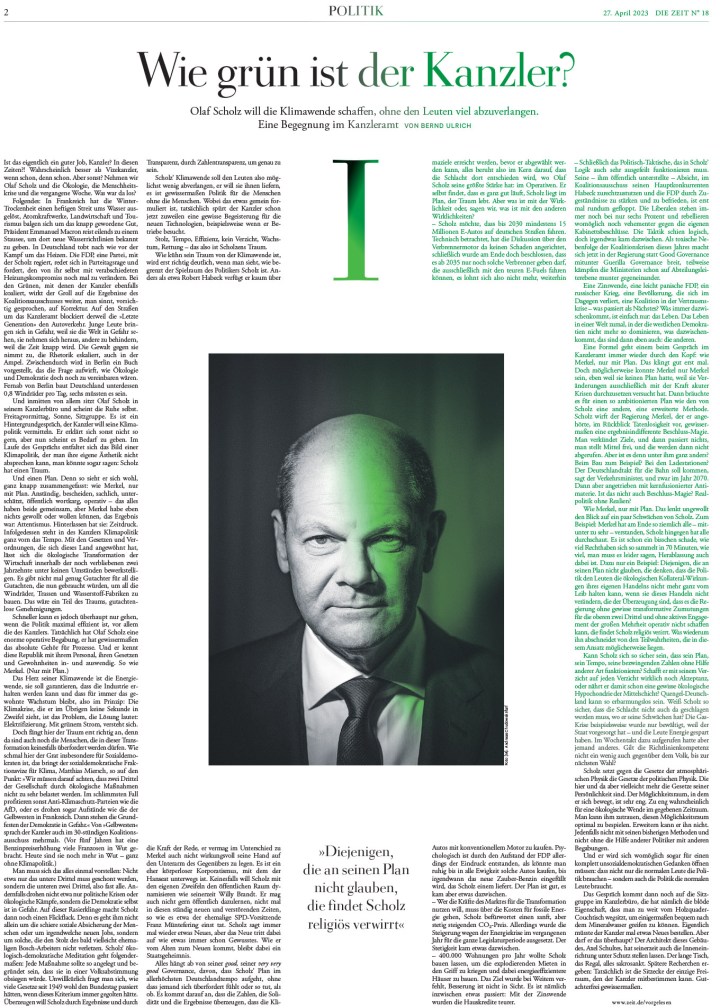
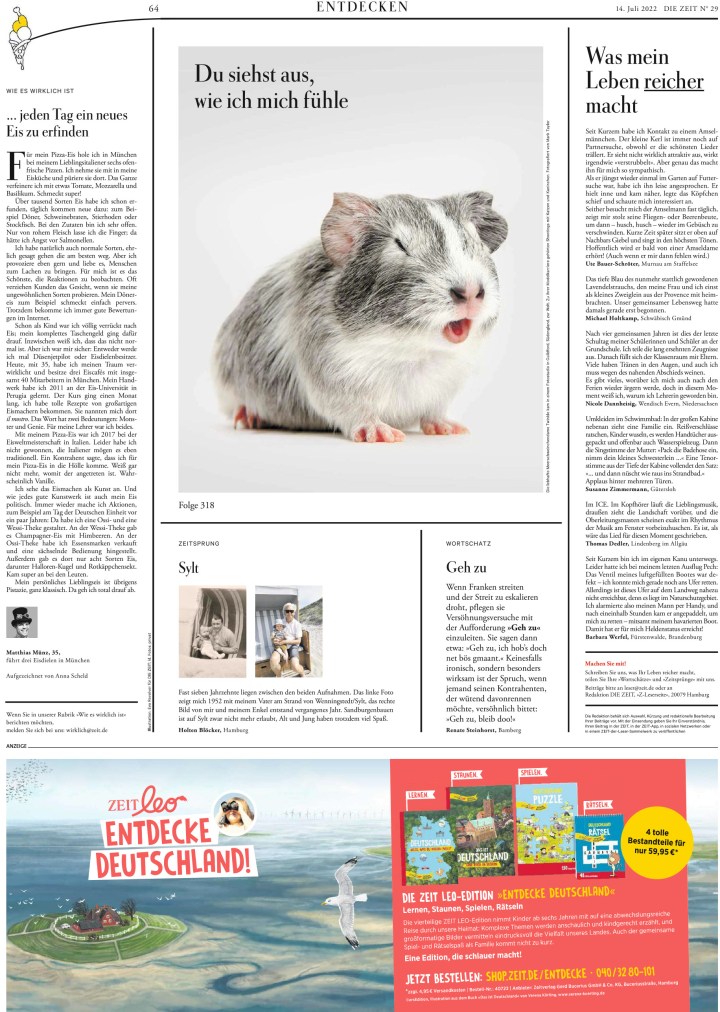
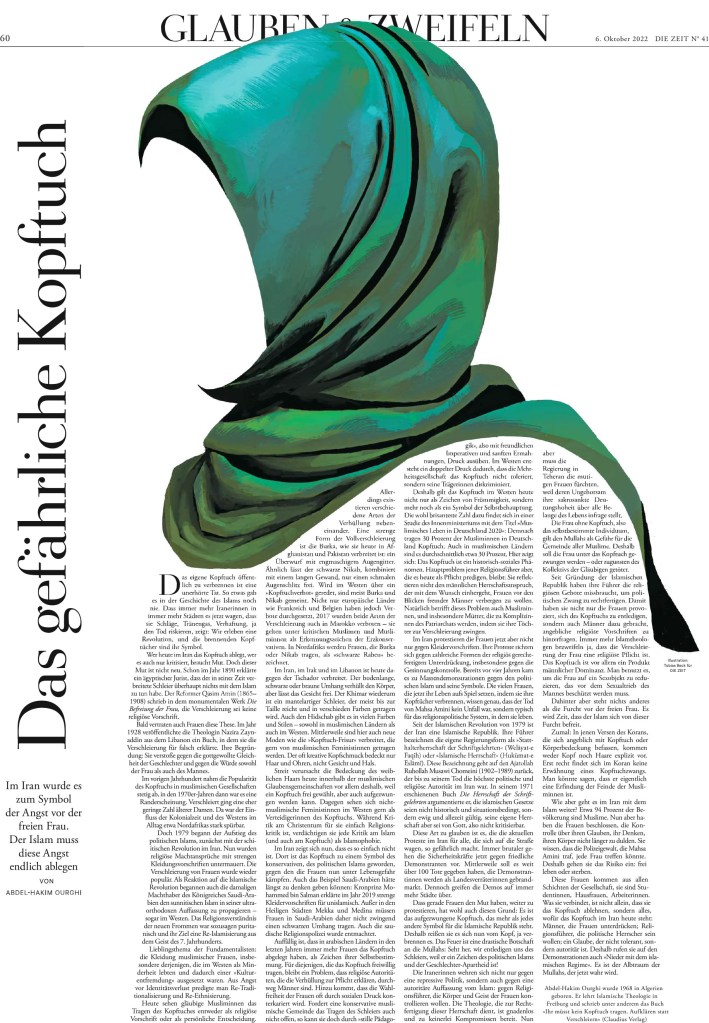
Nobody does bold and smart typography better than Die Zeit, in my opinion, and here are several examples of it.
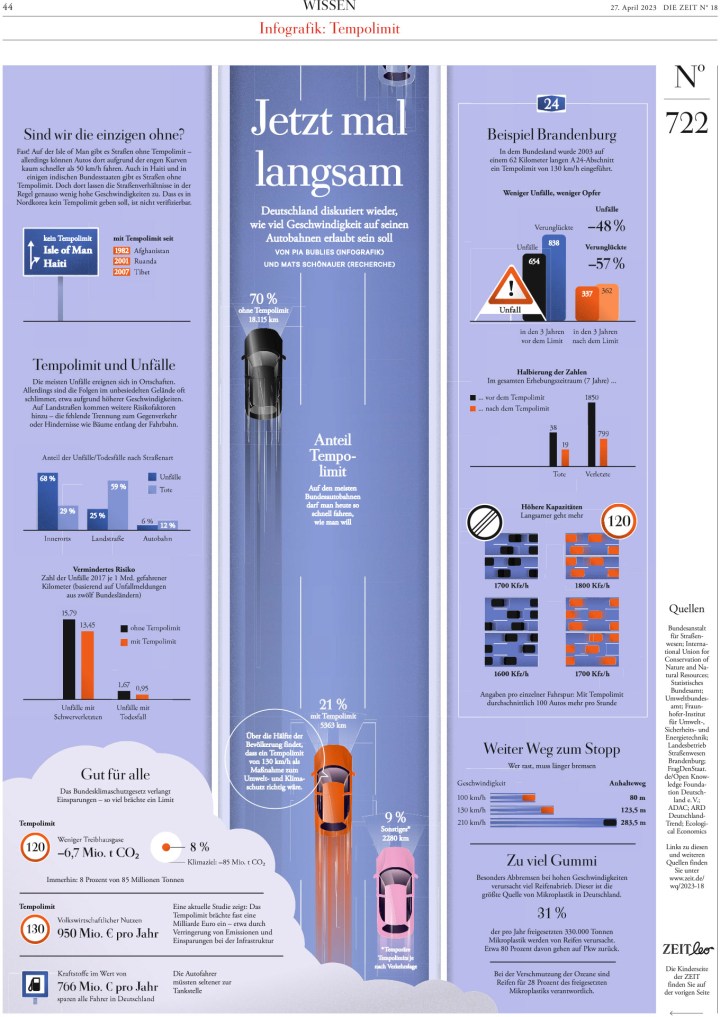
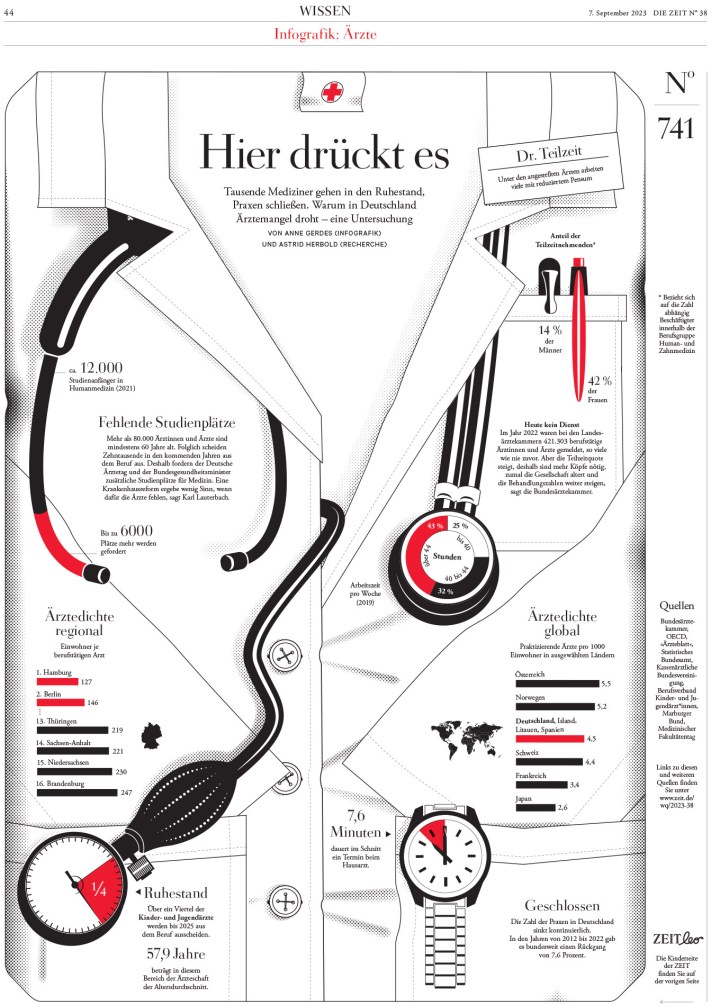
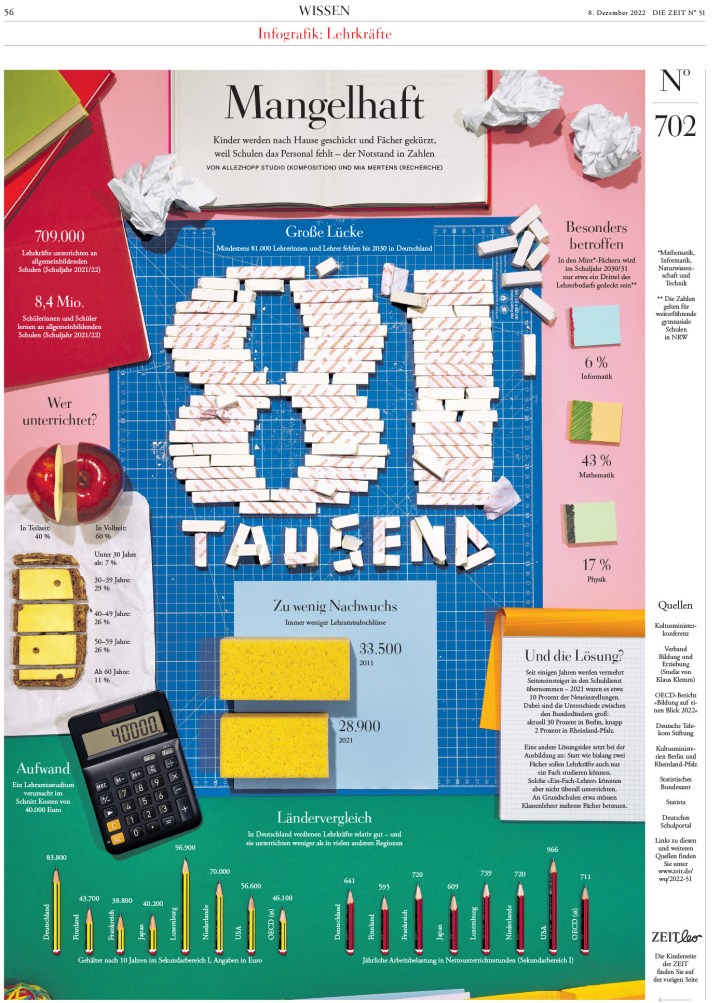
This is such a strong infographic page.
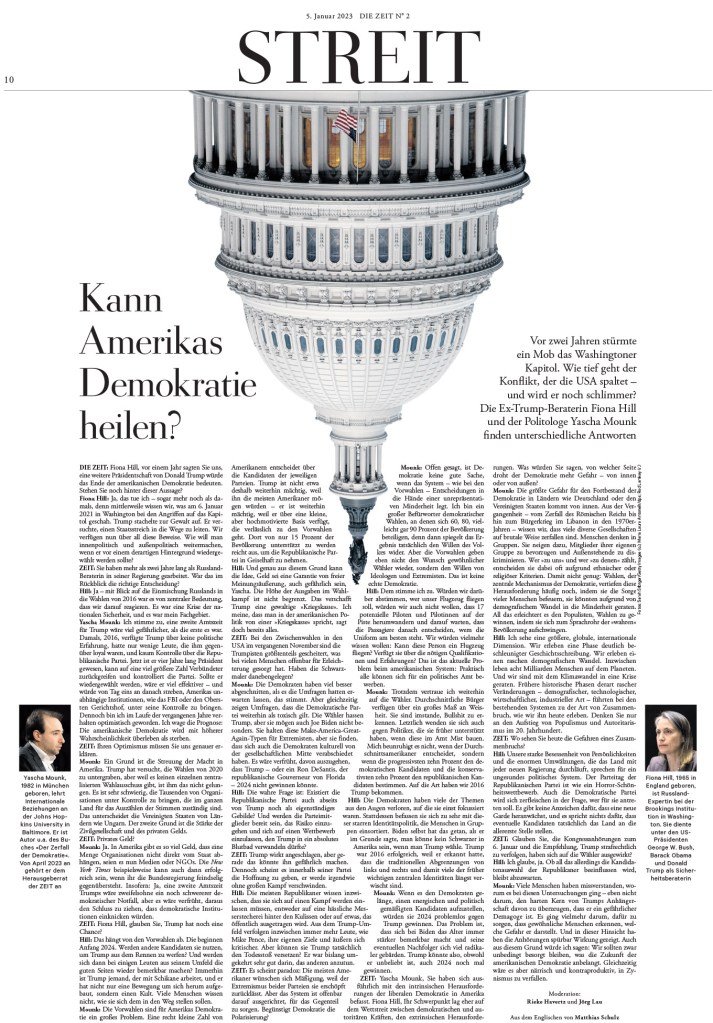
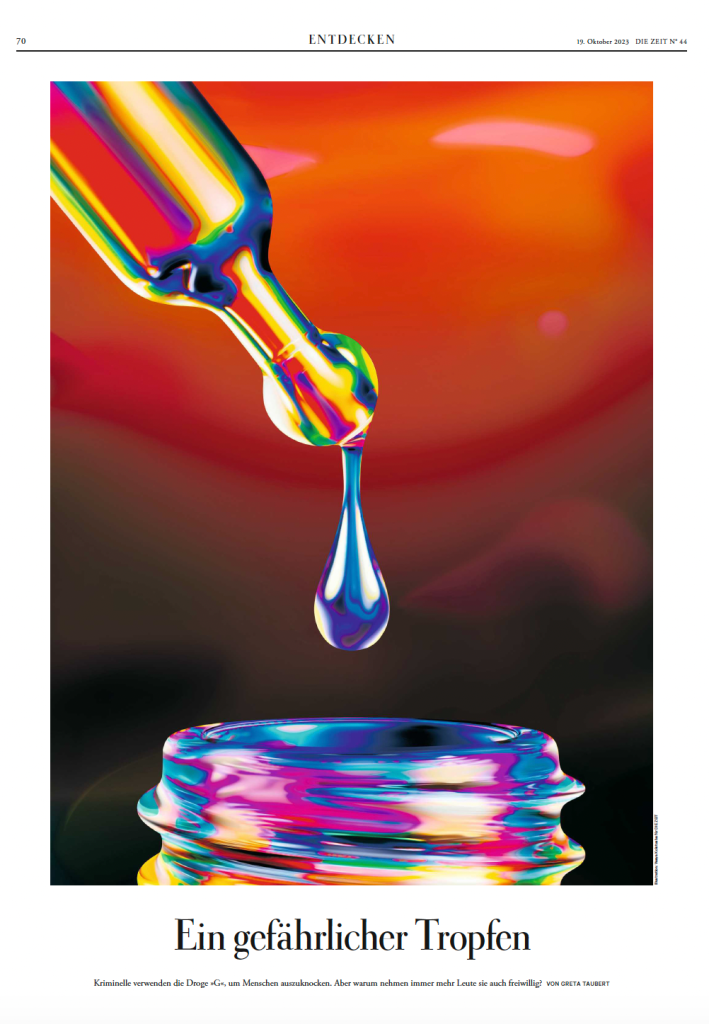
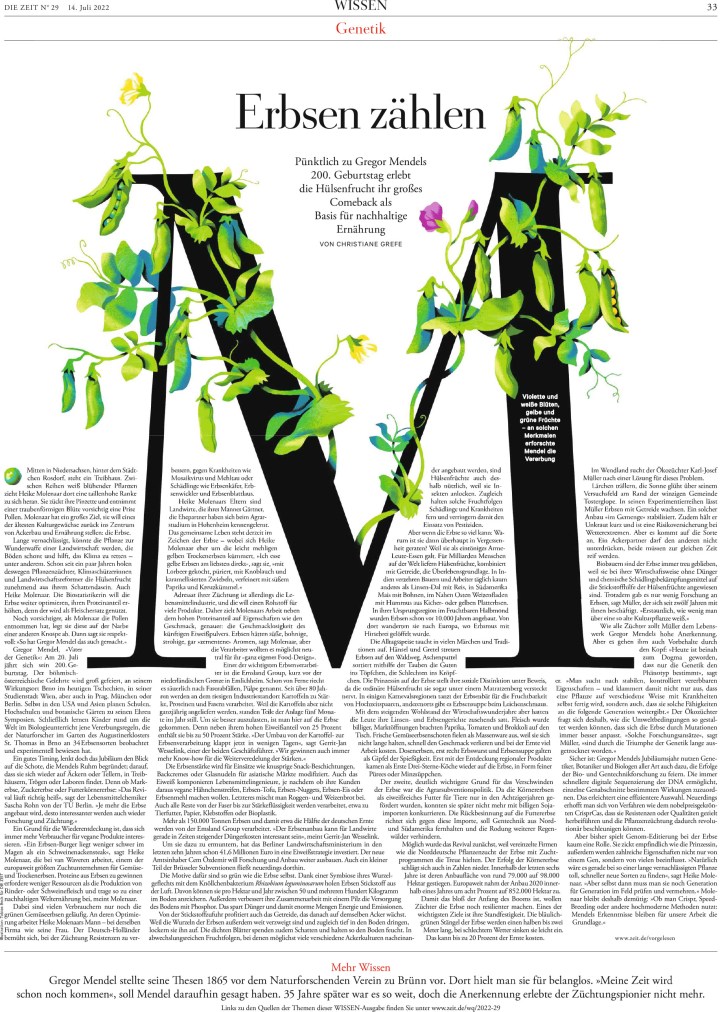
This page does so much well. Not only does it have a strong illustration, it doesn’t rely solely on that to create a compelling package, as we often see. There is a lot of page design going on to complement the illustration. Brilliant.
And that’s another year of SND in the books. Again, it was a great privilege to be a part of it. I always find it so inspiring, both looking at all the incredible submissions, including all those that didn’t win, but also listening to the judges.
I have heard that taste buds change every 10 days or so. And that as we age, our tastes change as well (with fewer taste buds, we need more to keep things spicy). As I have volunteered for the Society for News Design’s creative competition for the past four years, my tastes have changed as well. The first year I got access to all the entries my mind was blown. I spent hours and hours looking through thousands of entries. I probably cried tears of joy. Then, pages with other worldly illustrations — the likes I never had access to as a designer — blew me away. I couldn’t get enough. Each year it has been harder to get me swooning like I did the first year. And I started to think, is that a great page design or a great illustration/art direction?
Either way, I still love the big, splashy pages, and you will see some here. This post will focus on newspapers outside of the Canada and the United States. Canadian newspapers are the books. A post about newspapers in the United States is coming.
It’s not easy to cram the rest of the world into one post. There are so many incredible publications doing incredible things. And sadly this only reflects those who submitted entries to SND45. There are so many more out there doing outstanding work. But this year, I want to ensure the pages I show here capture both the outstanding illustrations, but also my new love. Pages that rely more on pure page design. Maybe you have photos, maybe you have a simpler illustration. So how you use those matters. What do you do with the white space? What about the typography? These are things any designer, almost regardless of resources, can do if the powers that be are willing to let them be bold and use space.
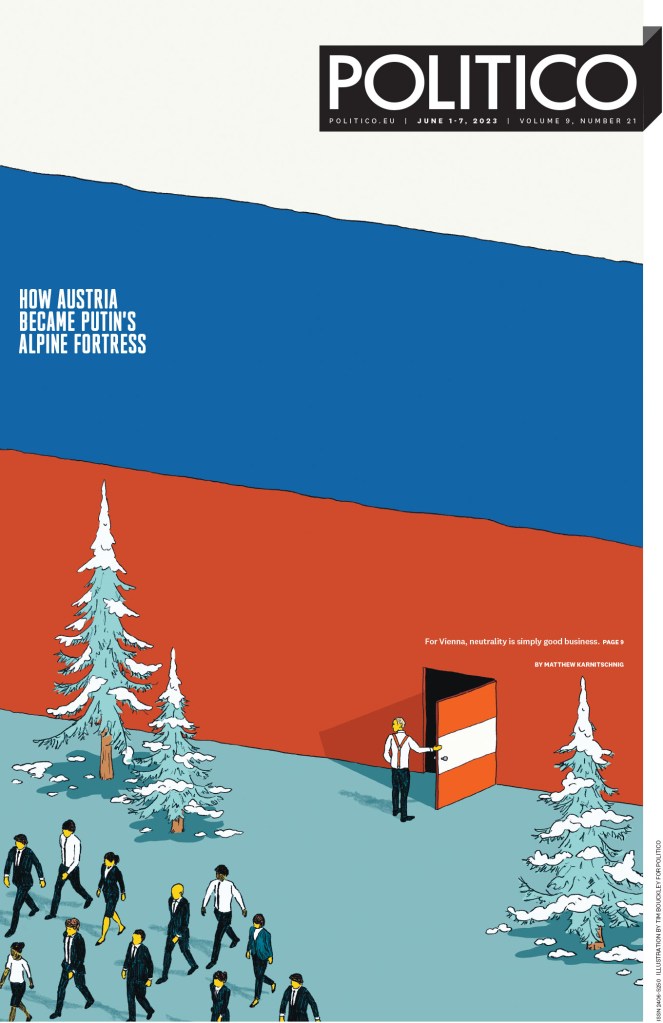
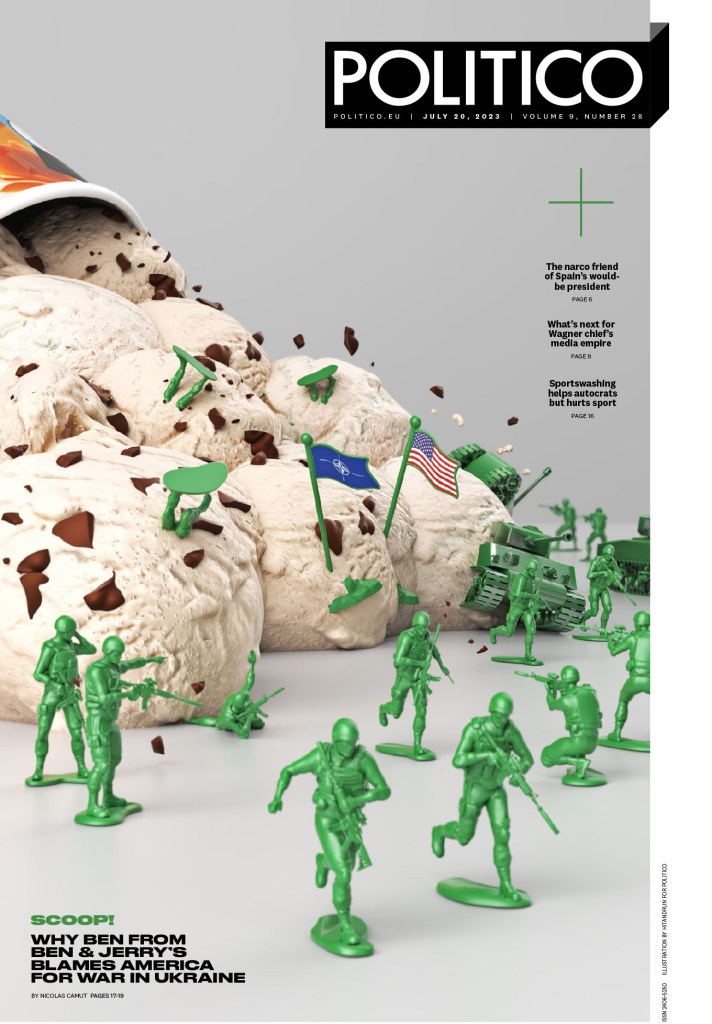
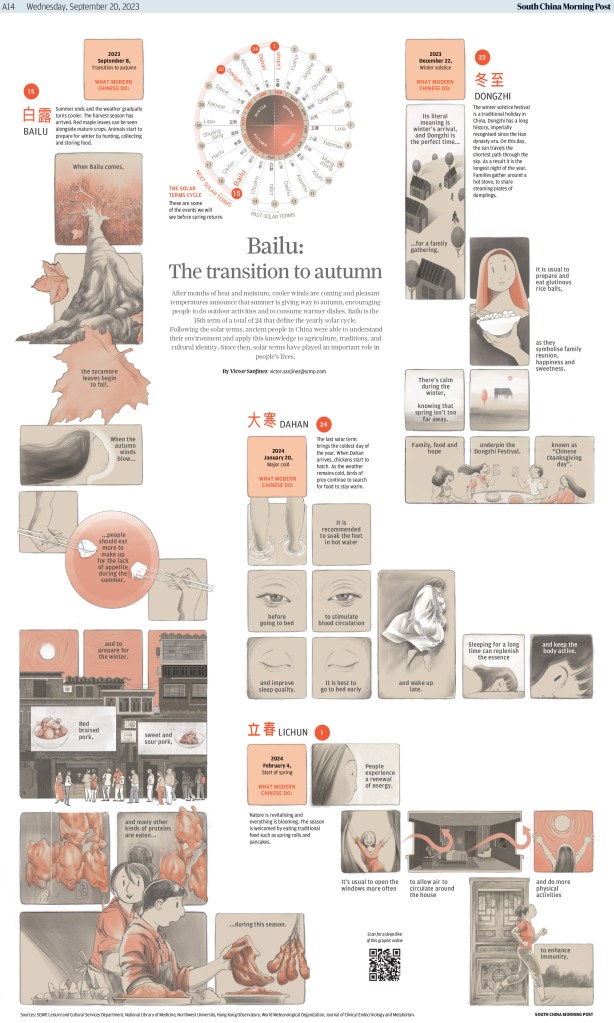
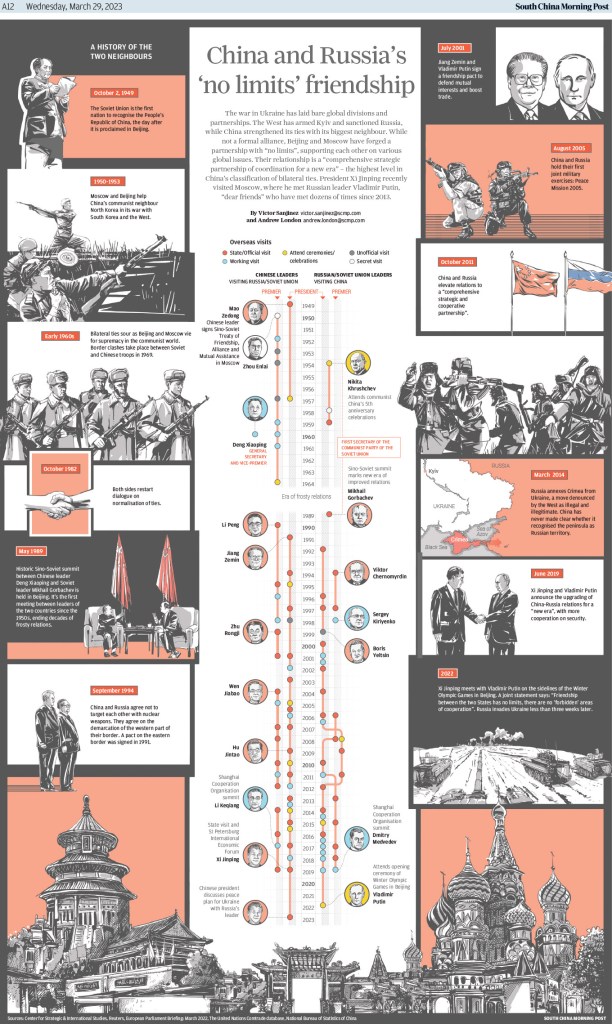
Some of the major winners at this year’s competition were Politico Europe, Die Zeit, South China Morning Post and Politken. Dei Zeit and Politiken, along with Weekendavisen and La Nacion, are also finalists for the title of World’s Best Designed Newspaper, which was the team I helped facilitate for again this year.
And now to some pages. I will break them down in different ways. Some by title, some by design philosophy (I will have a special section for pages that don’t rely on one big, stunning illustration). I will also have a small section on World’s Best finalists, as I will be doing a separate post for that after the winner or winners is/are announced.
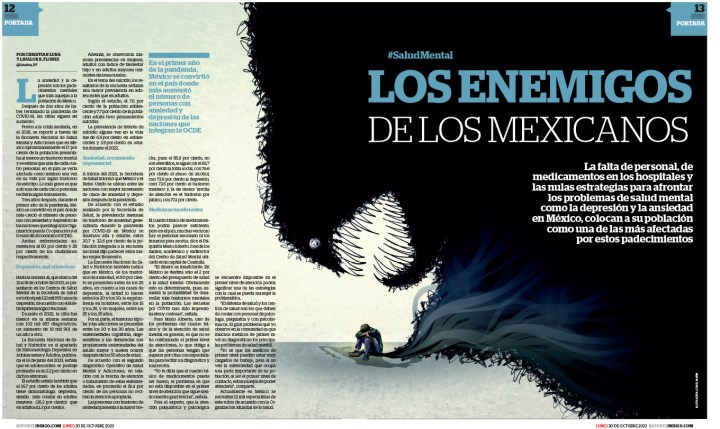
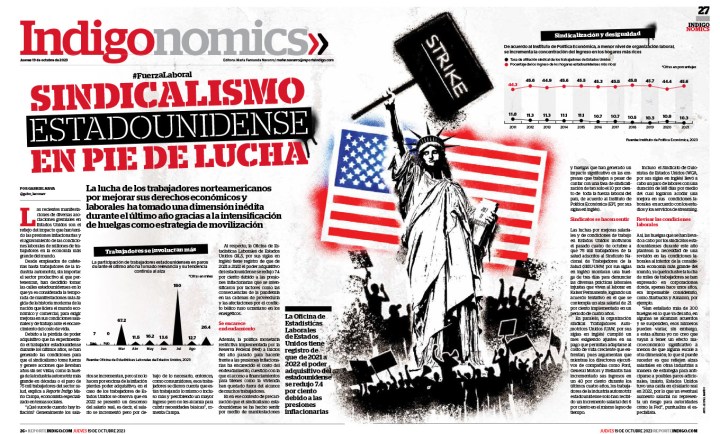
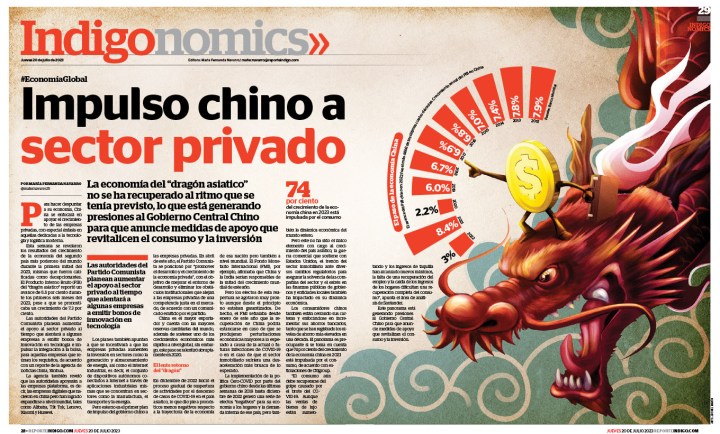
Before I jump into some of the other big names, I’m going to look at one of my favourite newspapers. And despite what I said above about loving simplicity, this publication uses big, bright and/or bold illustrations all the time, covers and inside. But I appreciate that even with the illustration-driven pages, the text is still well designed.
Reporte Indigo
Politico Europe
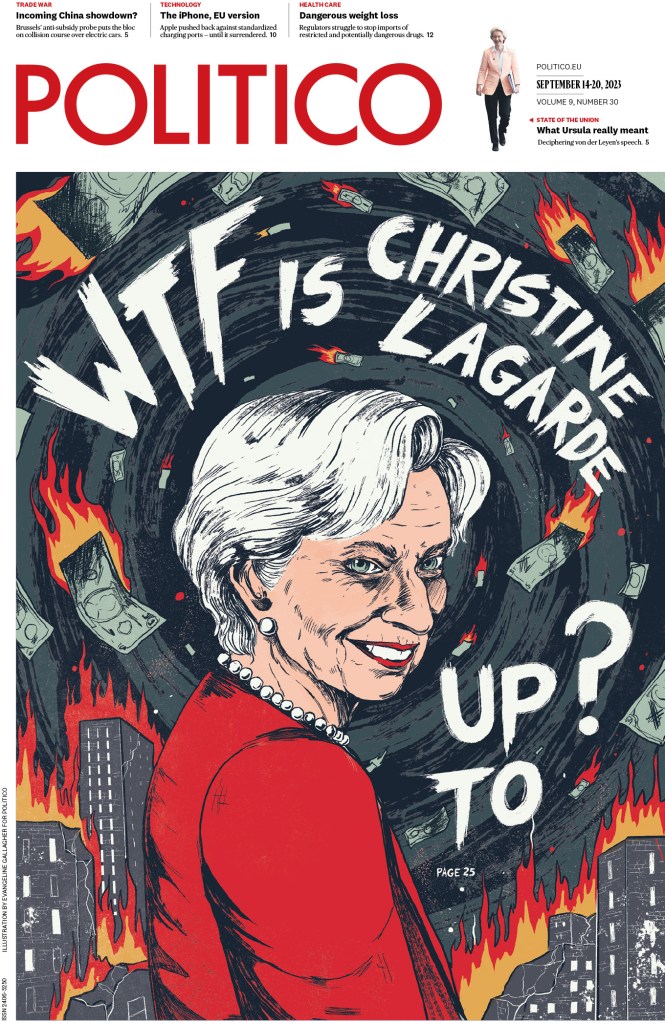
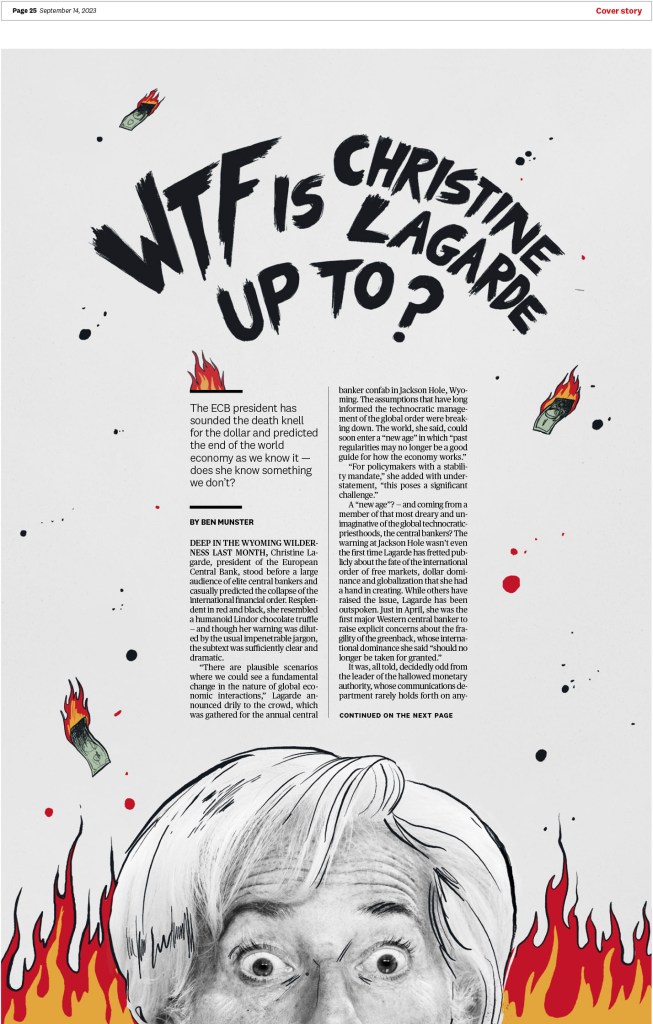
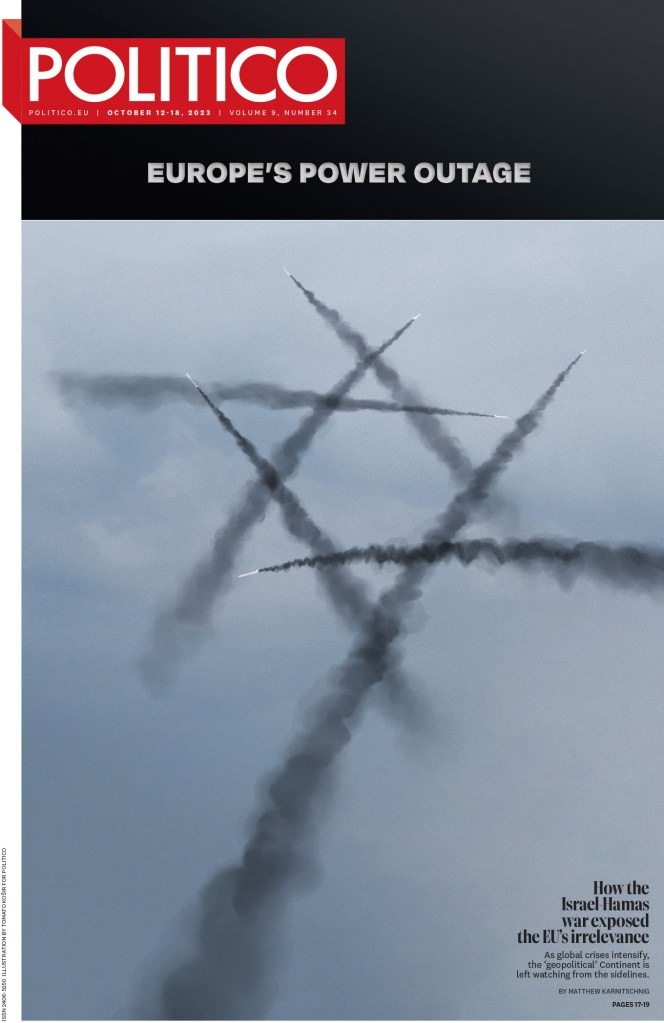
Politico Europe is a publication that punches above its weight. They do some outstanding work. I believe they were the top paper outside of the United States in terms of overall awards at this year’s competition (only behind The New York Times, Minneapolis Star Tribune and the Washington Post). The next two pages are from the same story, and while I love the cover illustration, I appreciate the inside design even more. But also the illustration!
The illustration below won a gold medal, which is an incredibly high honour at SND. To receive a gold, it not only has to stand out from other award winners, it should be nearly impossible to find a flaw and should be state of the art for print design.
And here are a few more including a short slide show at the end. I’d love to include more, but I need to get onto some other papers. But you can see all the Politico awards here.
South China Morning Post
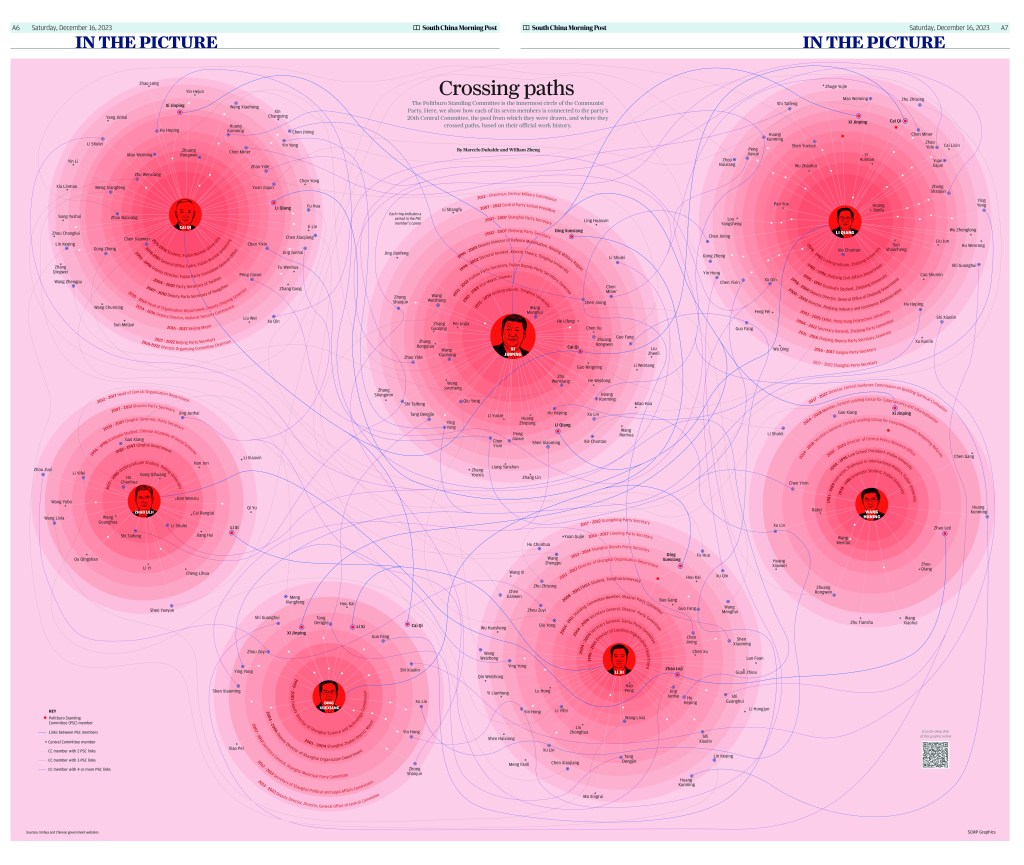
This publication is known for its mesmerizing infographics and illustrations. And it didn’t disappoint this year. Here are a few to keep you captivated (full results from SCMP here). The first won both a gold medal in the information graphics category and a silver for illustration. Not bad for one page.
This one also won a silver medal for information graphics.
And this one is just a visual journey.
World’s Best finalists
Here is one page each from this year’s World’s Best finalists, in no particular order, as I will dedicate an entire post to these titles. Again, they are Weekendavisen, Politiken, Die Zeit and La Nacion.
A look inside
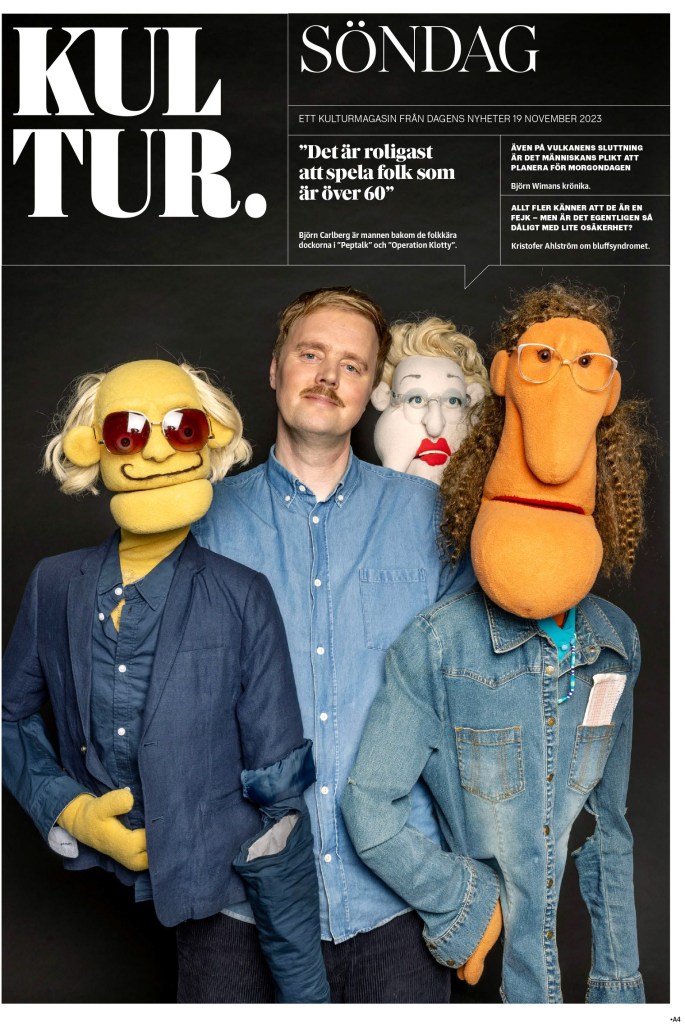
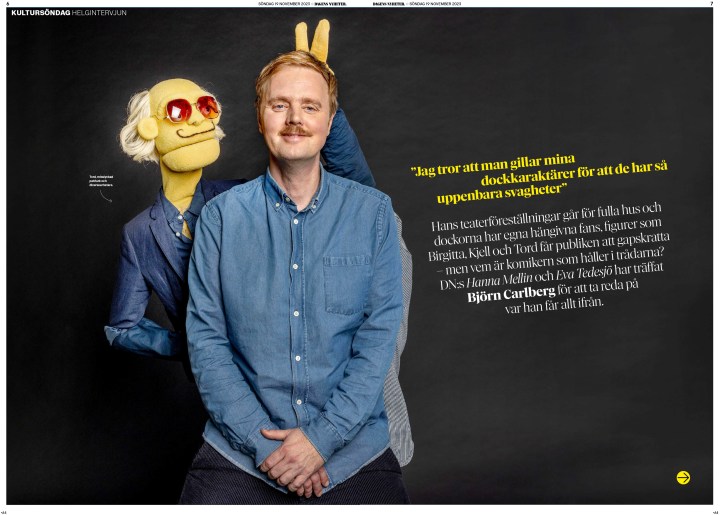
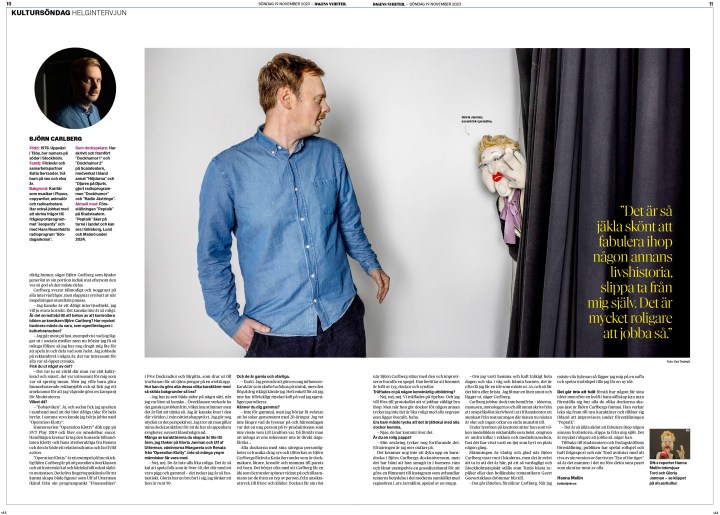
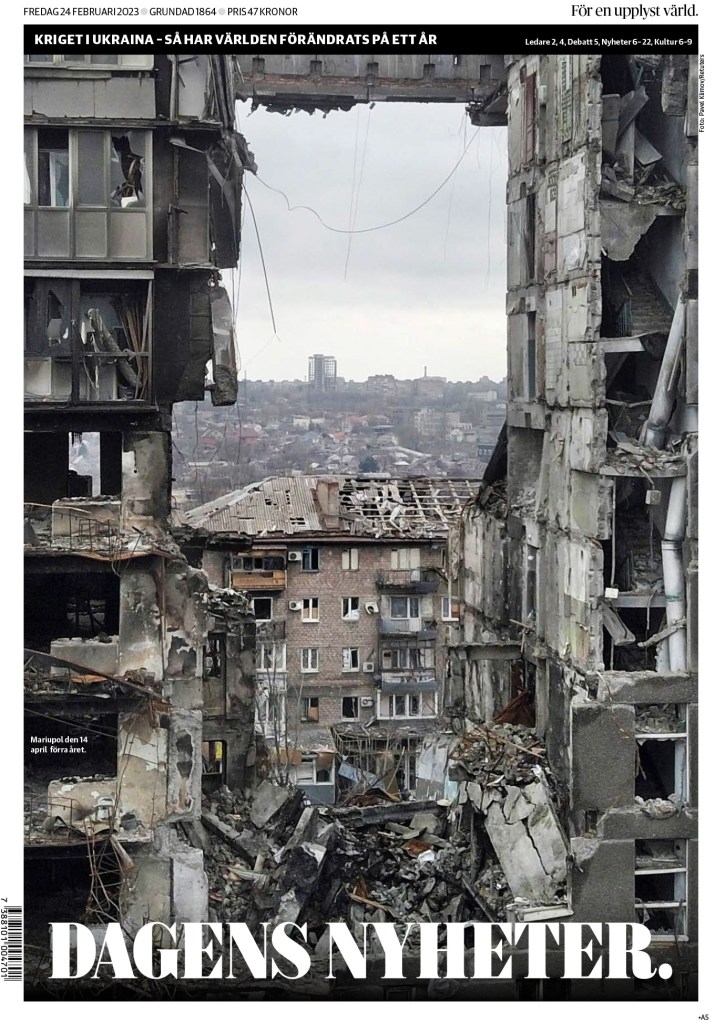
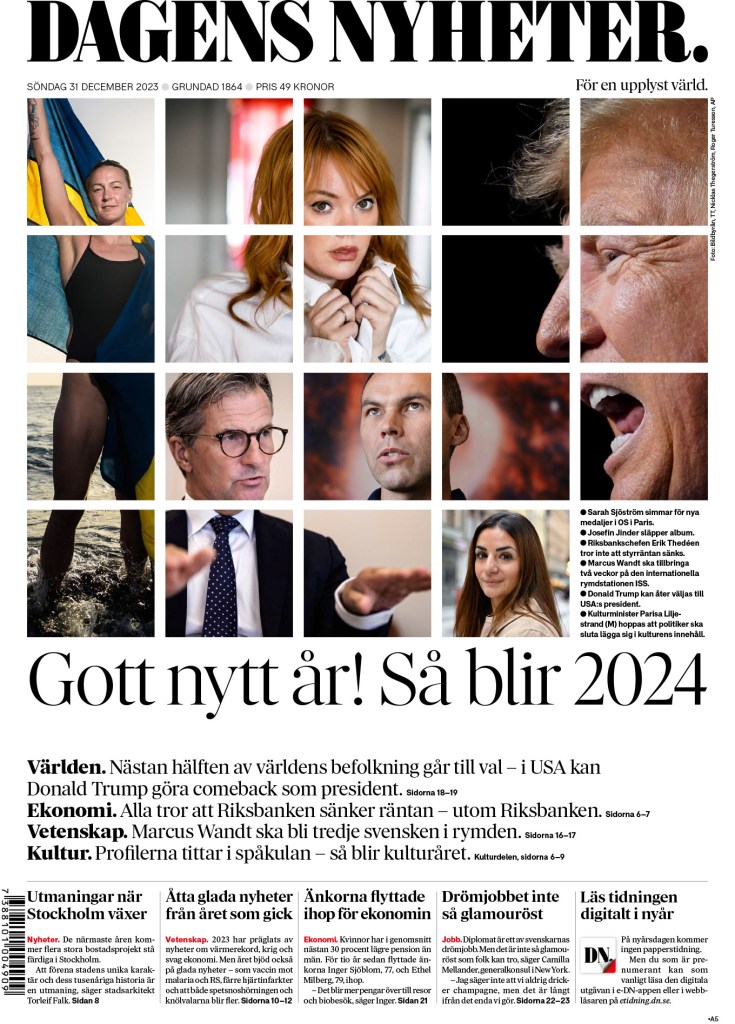
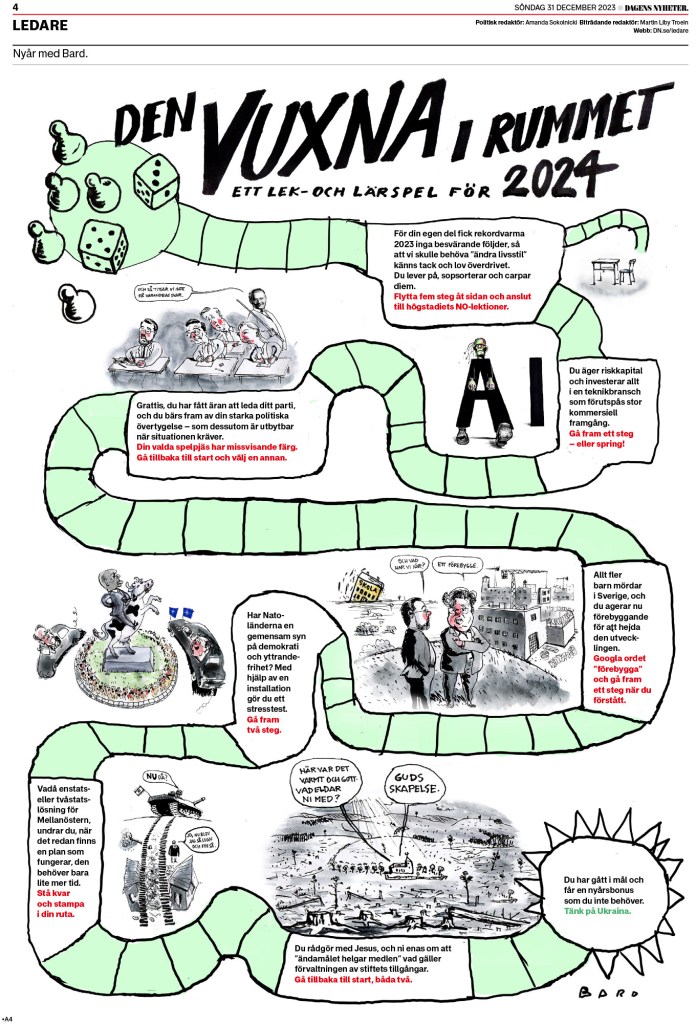
Now for my new (old) love. I don’t want to say simple, but here are some pages (a few in slide shows that I encourage you to scroll through) that rely on page designers more than illustrators to give you the wow. I got giddy looking through some of these. This was the sort of thing I aspired to in my design days because I could with the limited resources my paper had (and the willingness of my managing editor to be bold). I’m not saying I hit this level, but I also don’t want to downplay that I won three times (including once for portfolio) at a paper with a small circulation and an even smaller team. The slide shows are from winning story design entries, and will sometimes have illustration-driven covers. This first one is from Dagens Nyheter, which you will see more from later as it’s another one of my favourite papers.
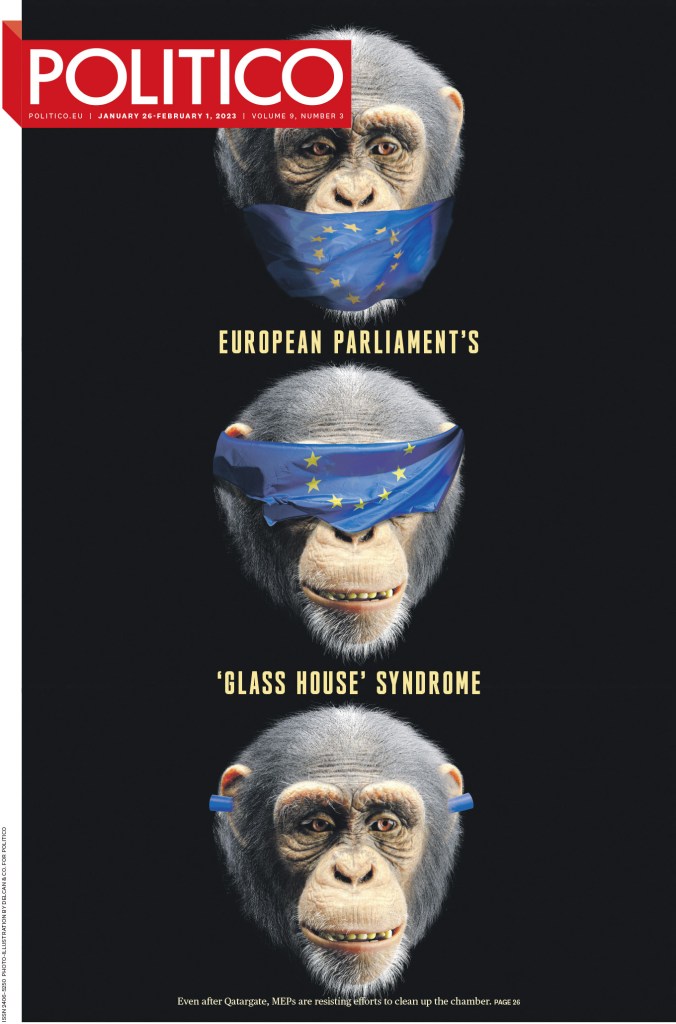
This Politico cover uses a fun image, which mostly requires a solid photographer and a creative mind. And the inside relies on beautiful design.
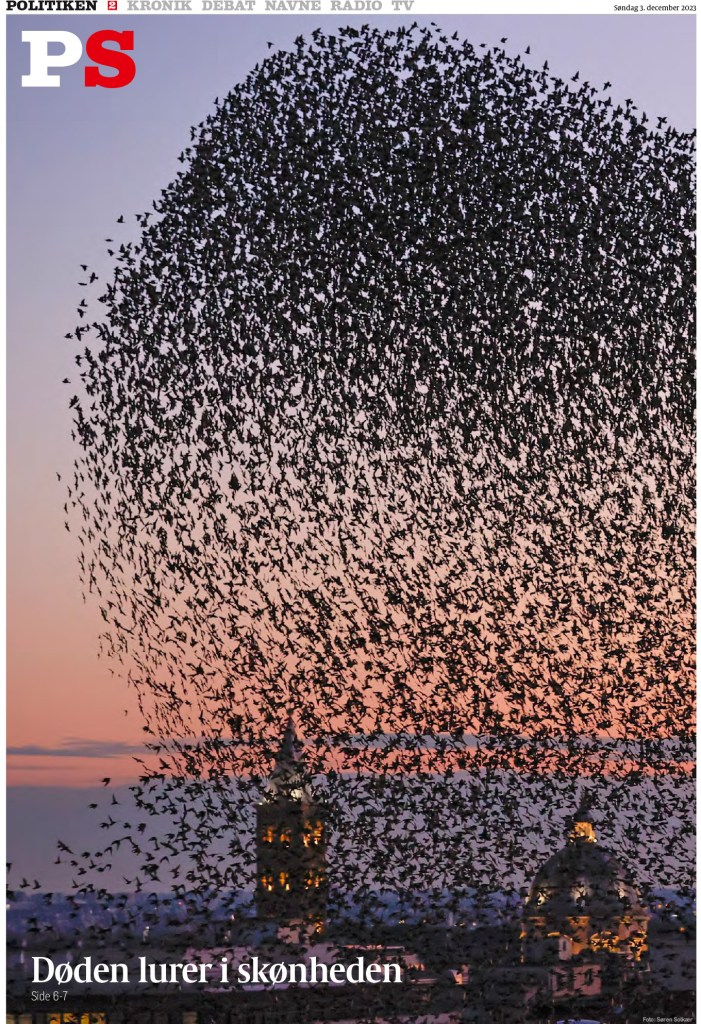
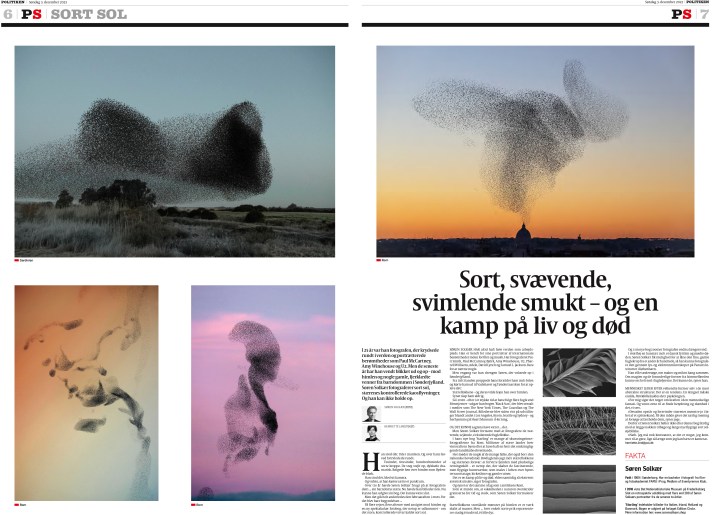
This Poliken story package is largely driven by stunning photography, but it also uses a nice clean design inside.
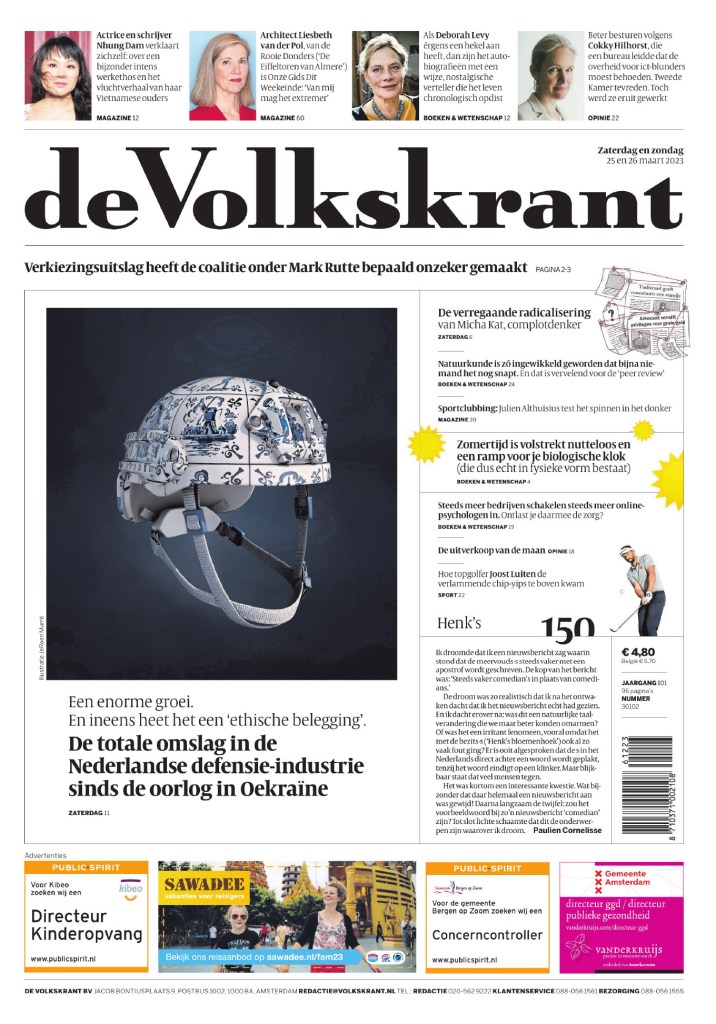
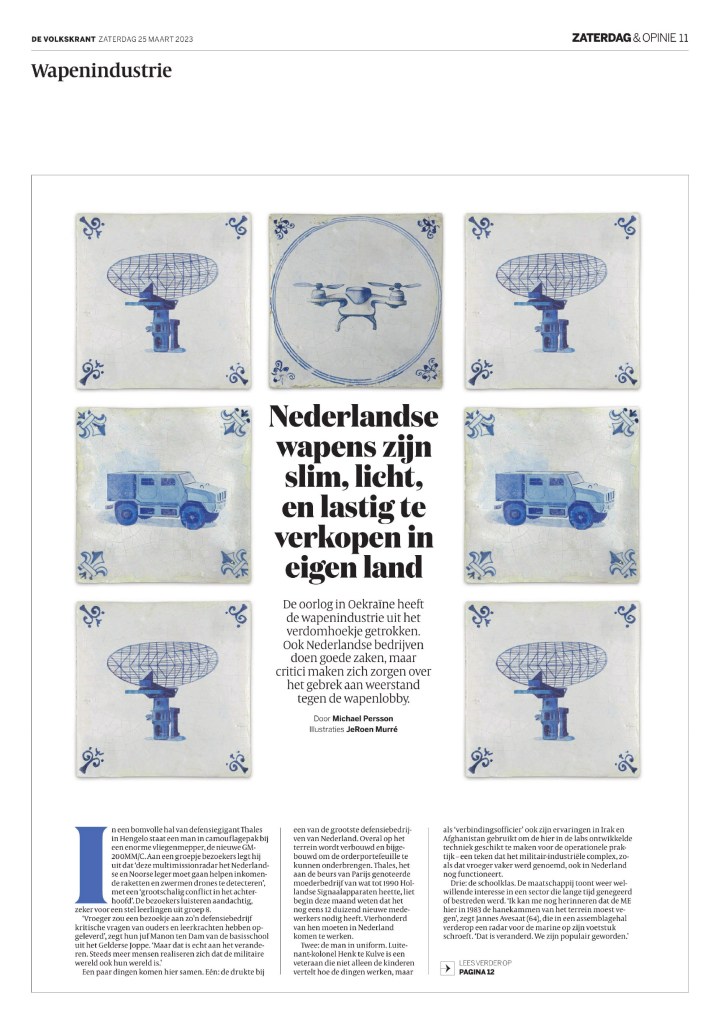
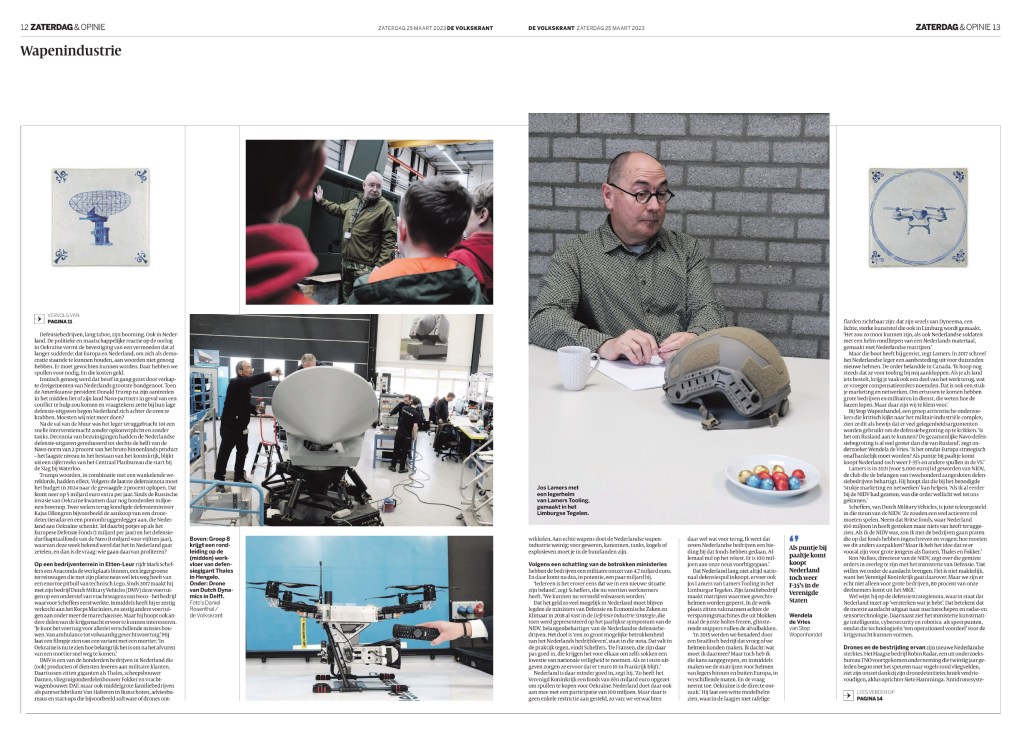
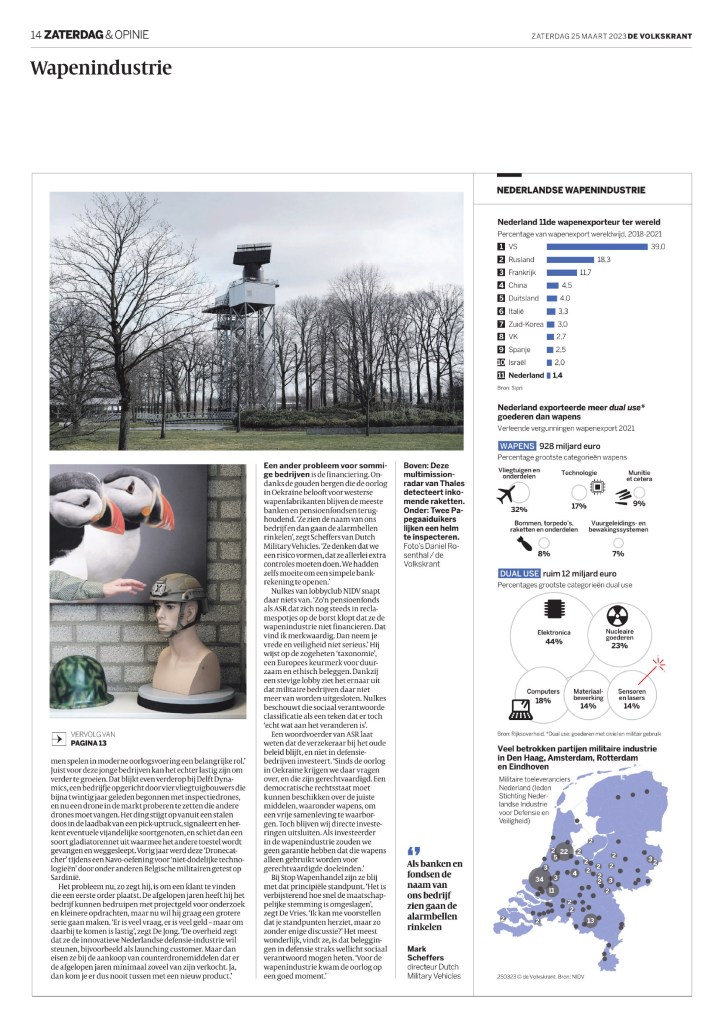
I especially love the super clean and elegant page 2 of this de Volkskrant package.
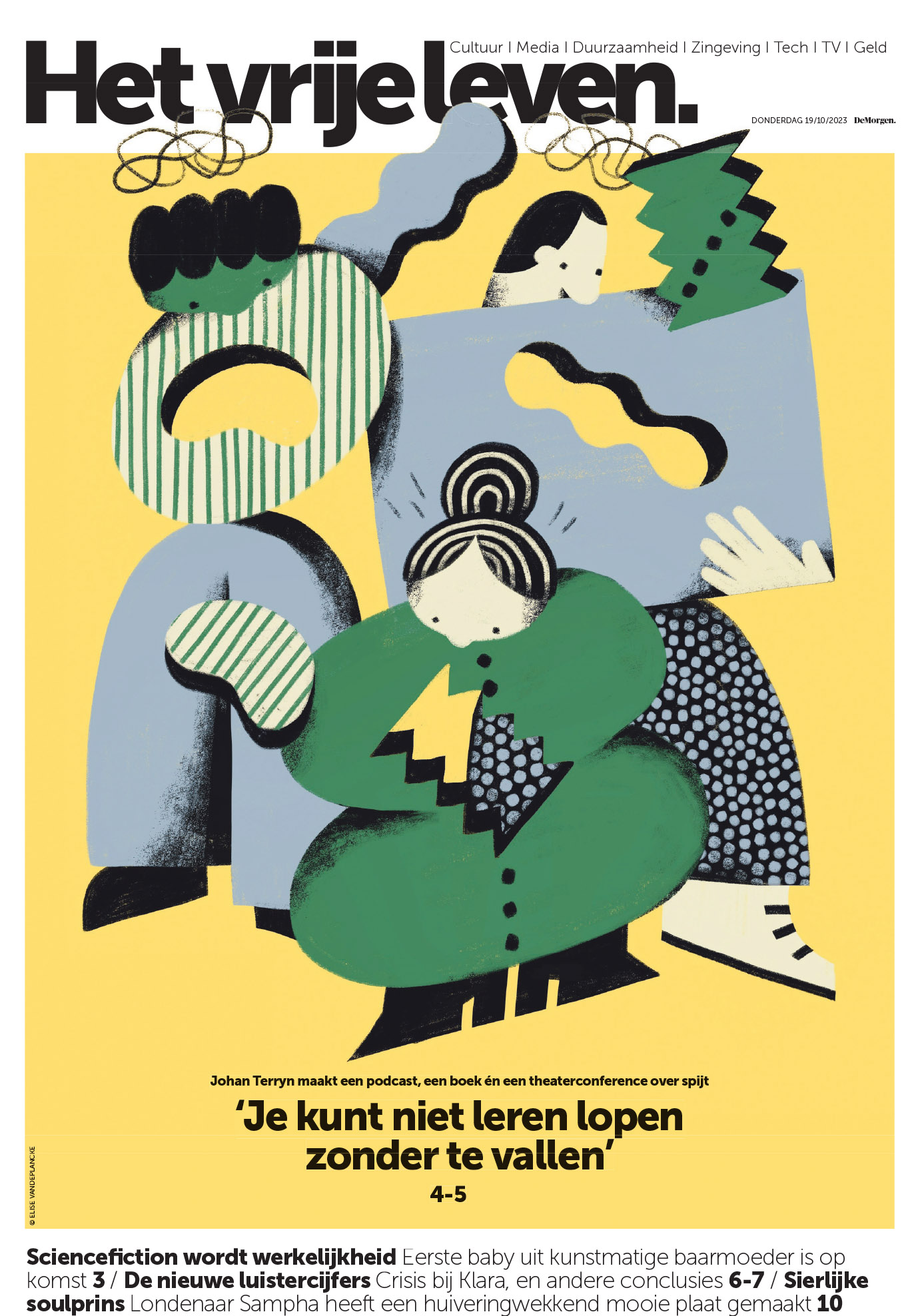
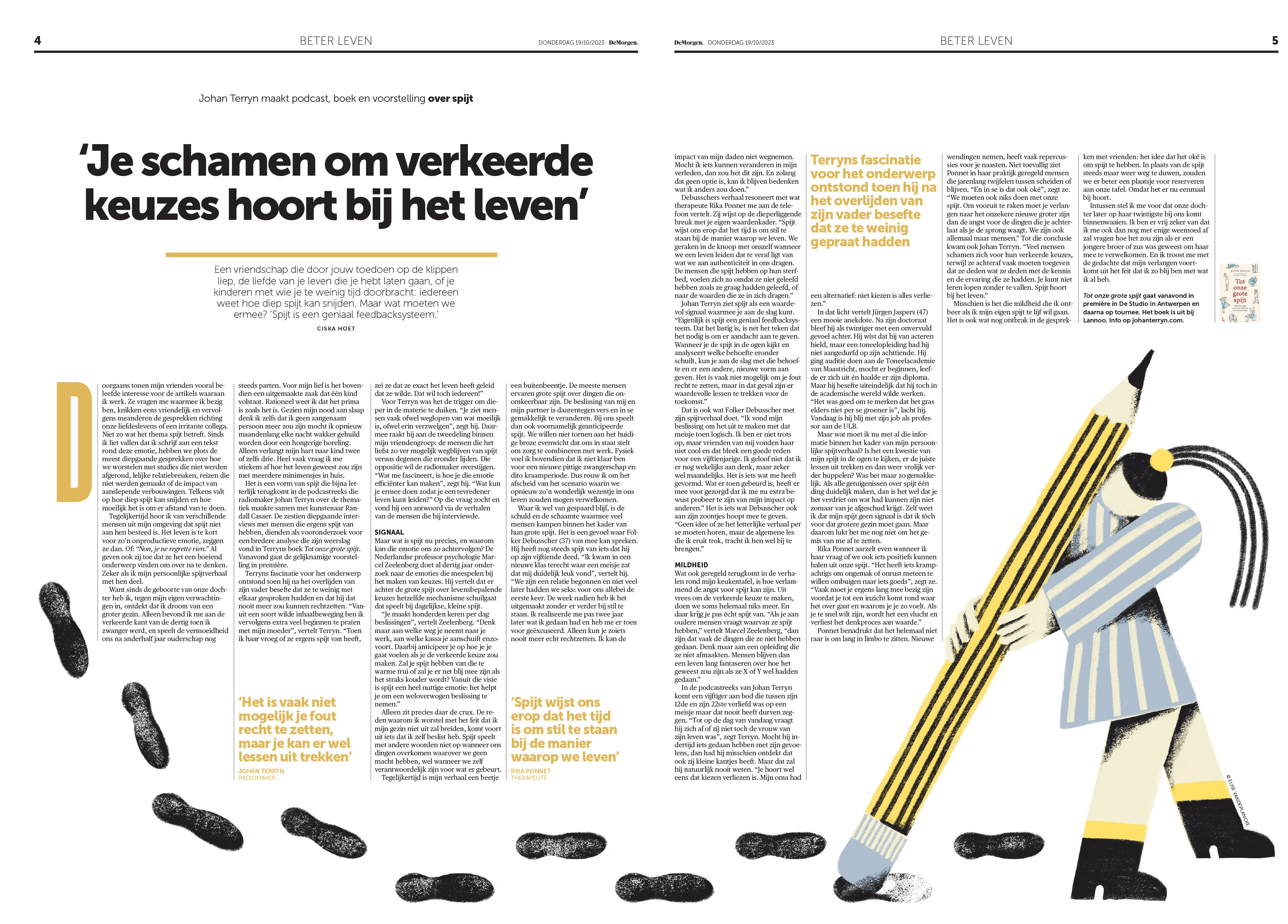
OK, this De Morgen package relies on a creative illustration for the cover and inside, but I love the inside page so much for its page design, which uses a very smart illustration so well. It fills the space perfectly.
As to not make this post too much longer, I’m going to share a few pages individually and then the rest in a slide show. There so many brilliant pages from so many organizations this year. You can see the full competition results here. I will start with this one from Spanish newspaper Faro de Vigo, as it was one of my standout pages from this year’s competition.
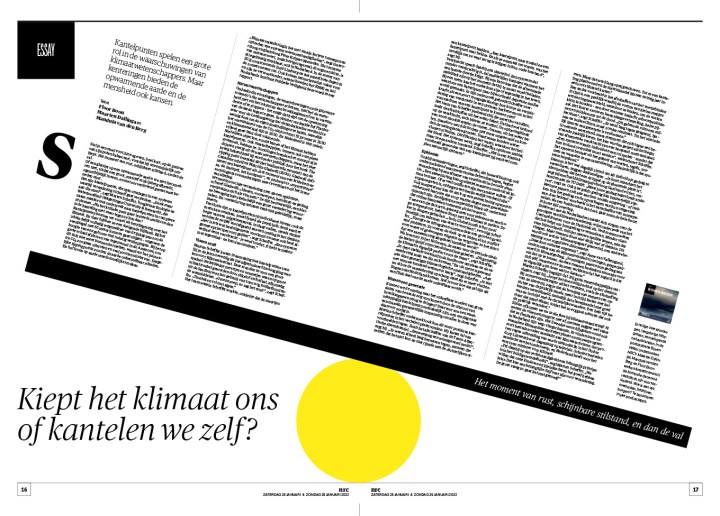
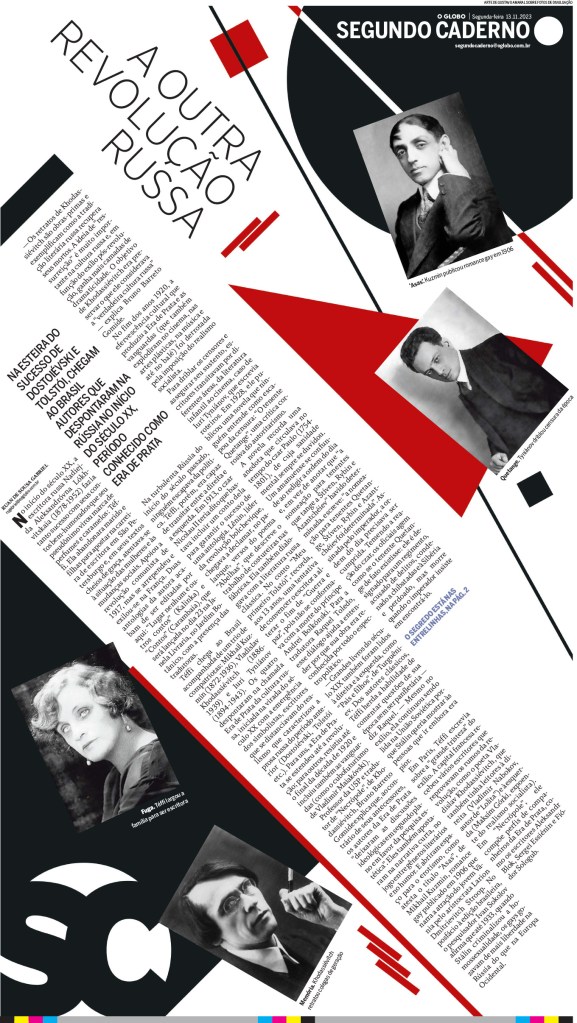
What’s your angle? It depends. NRC (Netherlands) is tipping few degrees this way and O Globo (Brazil) is tipping a lotta degrees that way!
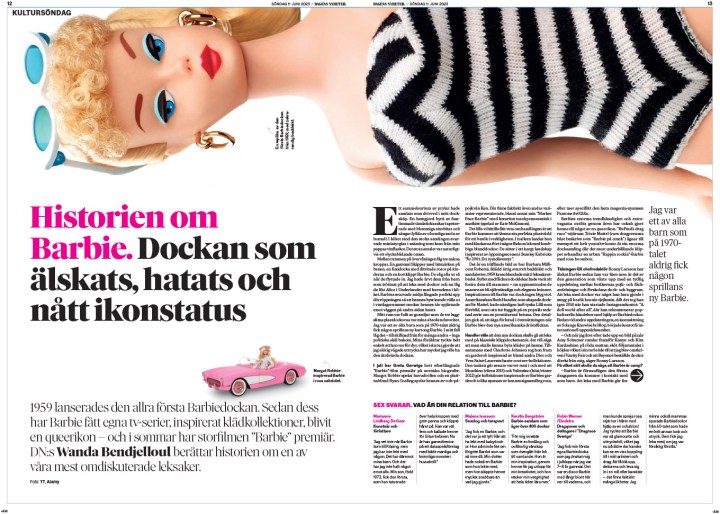
As promised a few more from Dagens Nyheter. I love this Barbie page.
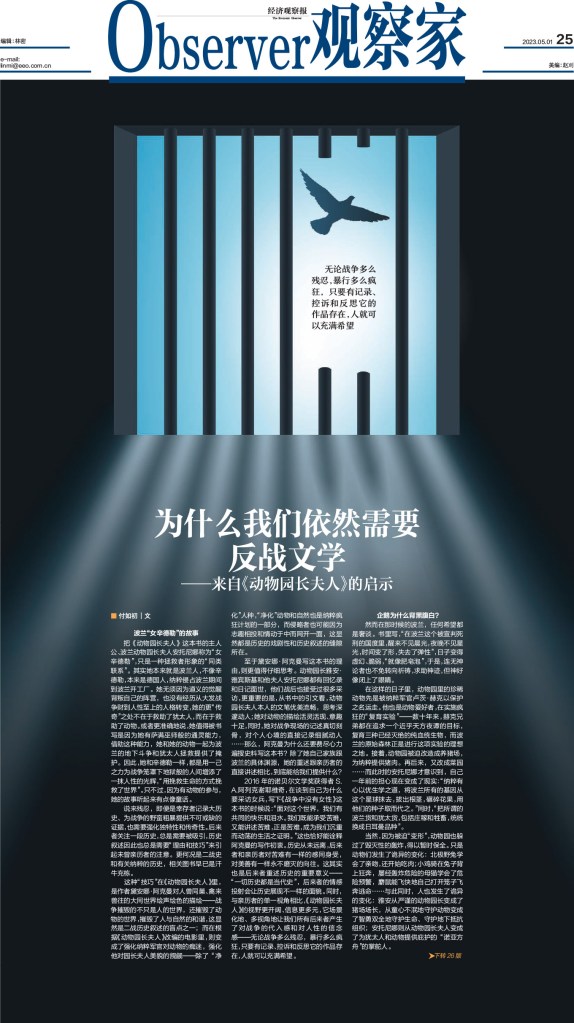
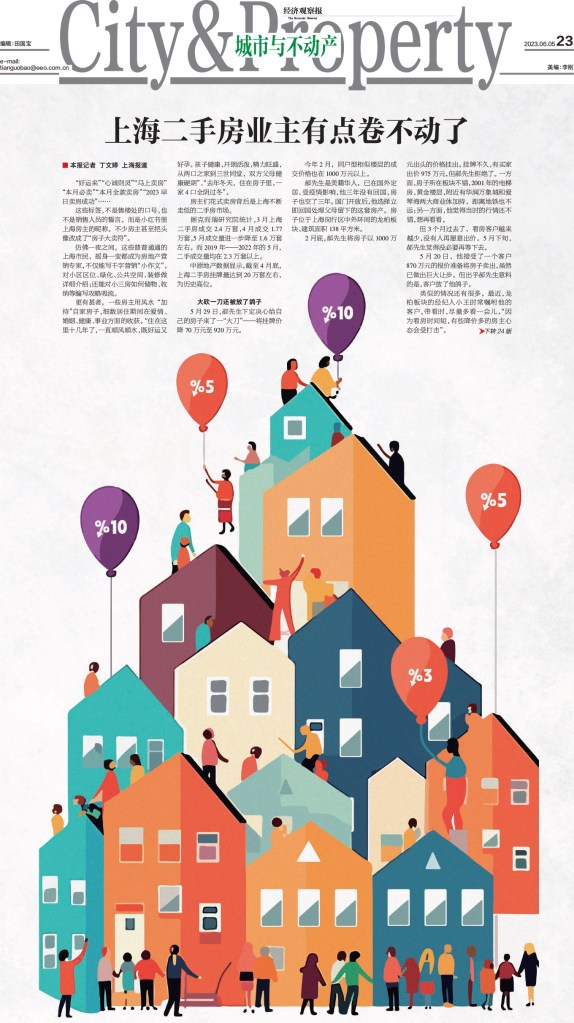
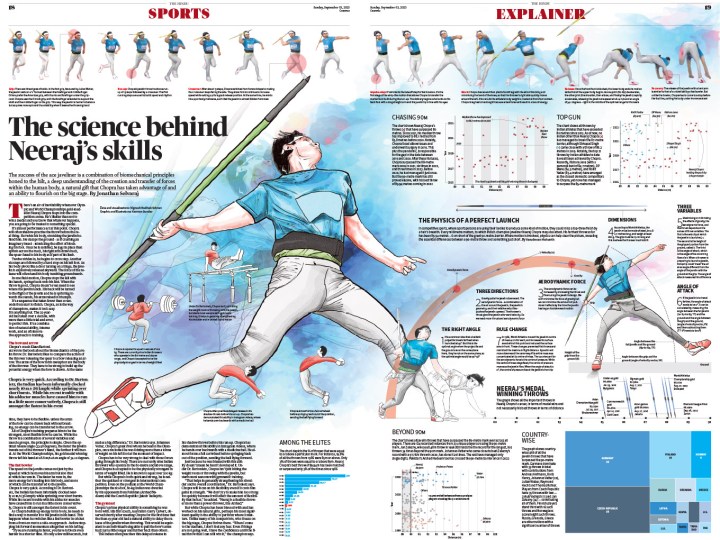
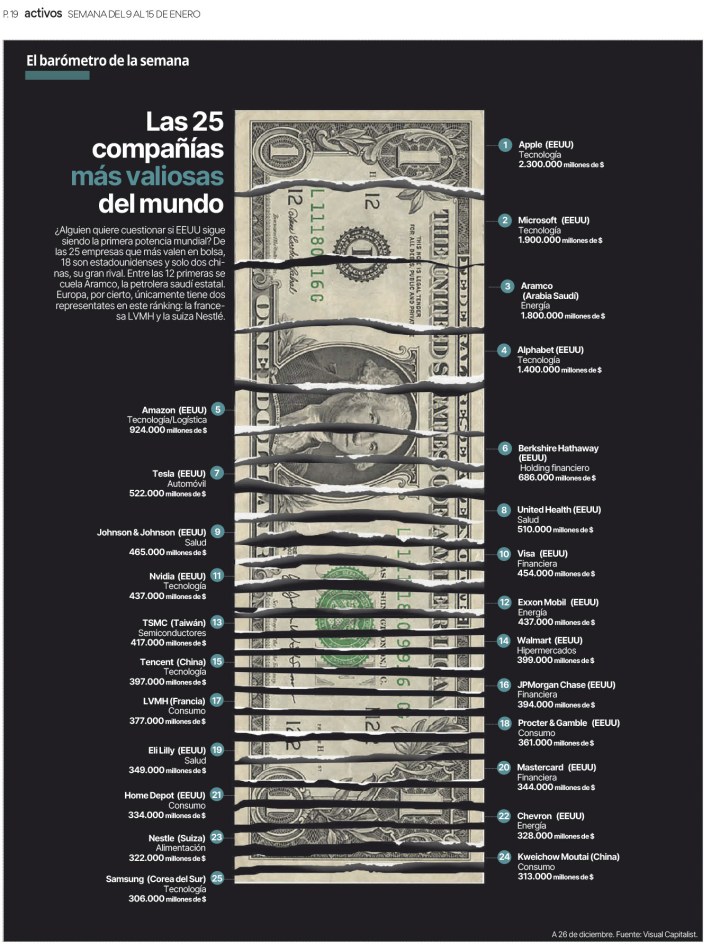
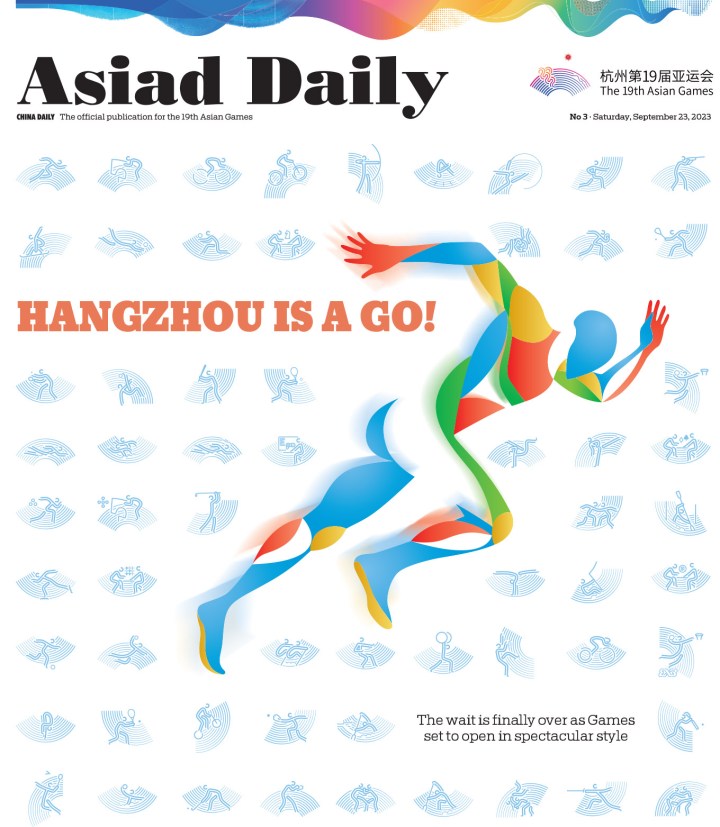
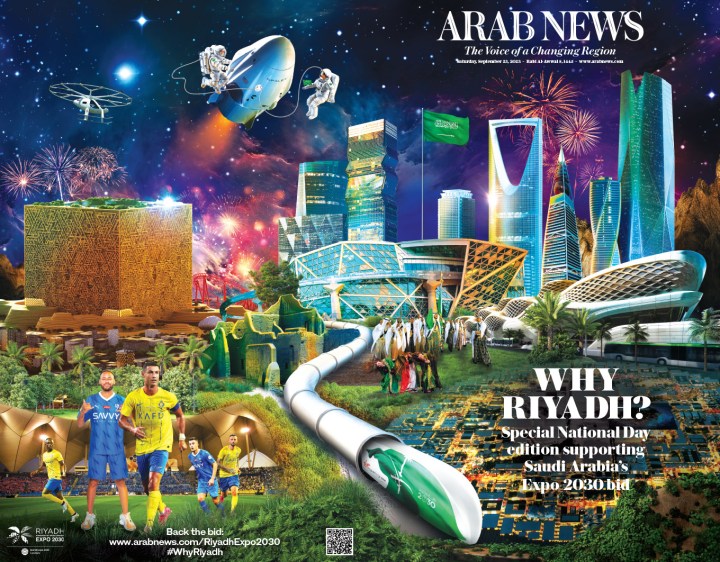
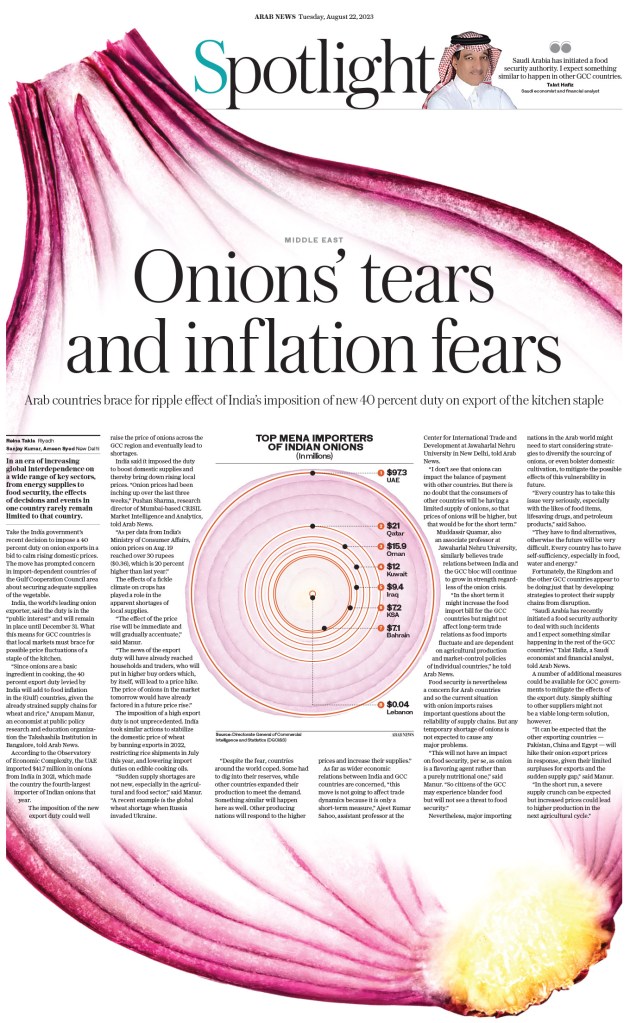
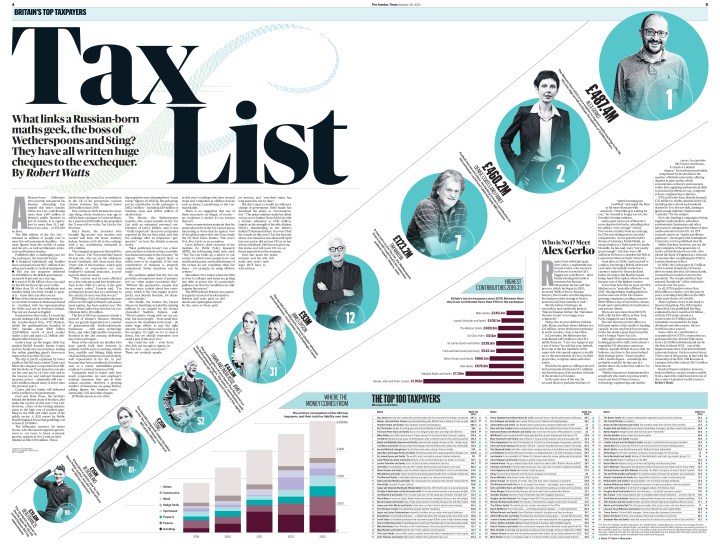
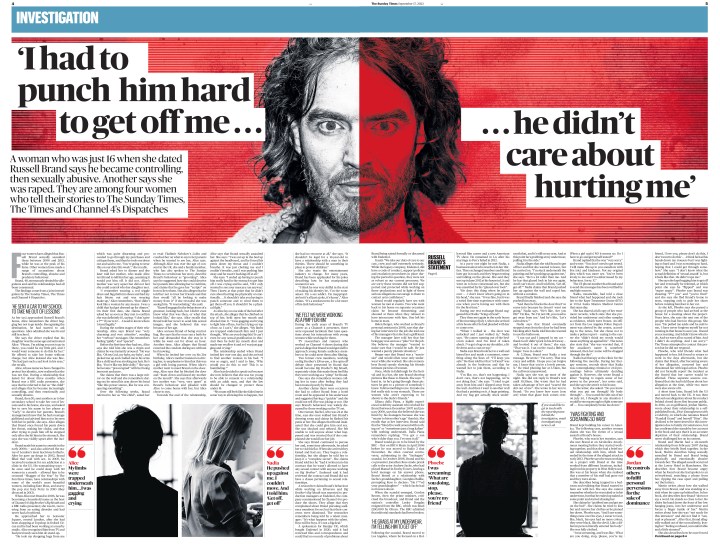
And last but not least, here is a slide show with pages from the Economic Observer (China), the Hindu (India), Activos (Spain), Asiad Daily (China), Arab News (Saudi Arabia), Handelszeitung (Swizterland), The Sunday Times (Britain) and Estadio de Minas (Brazil).
Covers in a dangerous time. I chose this as the name of my blog to highlight that newspapers are going through a tumultuous time, but I wanted to make sure the great work still happening was recognized. Each year at the Society for News Design’s annual creative competition, I am reminded by how much more prevalent the tumult is in Canadian media.
Again this year there were only entries from three newspapers: the Globe and Mail, Toronto Star and Le Devoir. Between them they won 33 total awards, including one silver medal (awarded for pages that are excellent, but even stand out among the excellence. This was given to the Globe and Mail for its climate coverage package) and 32 awards of excellence. For a page to receive this honour, three of five judges need to agree that this page shines. Overall, the numbers are down for Canadian outlets (The Globe had 32 on its own last year, and managed 26 this year). The Canadian total was 38 last year.
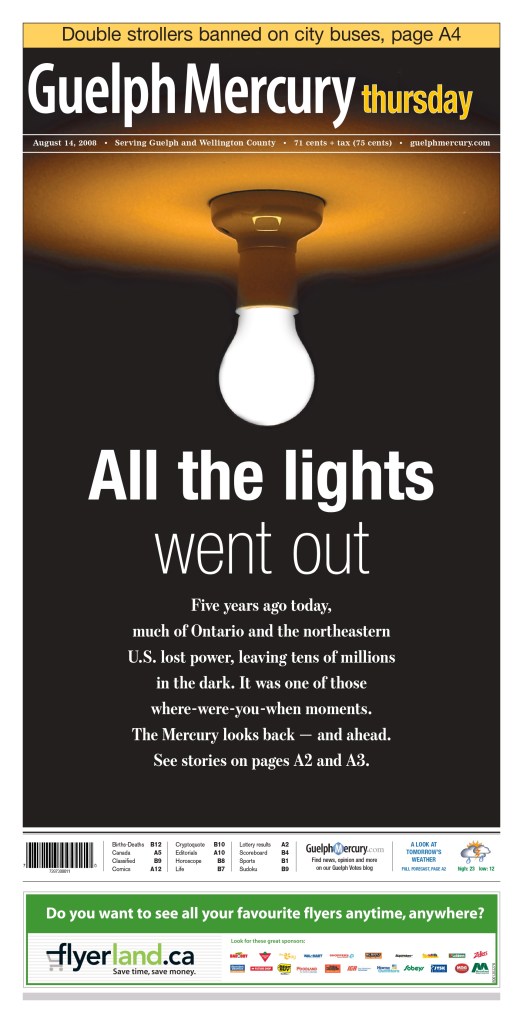
When I won, I submitted for the Guelph Mercury, a small paper that punched way above its weight. I would love to see a few more publications next year.
Alas, this site is meant to celebrate excellence in visual journalism, and despite there being fewer wins this year, Canadian media outlets produced some outstanding stuff.
As a little background, this is my fourth year assisting at SND’s Best of Newspaper Design competition. I have acted a facilitator (I am not a judge; I help the ensure the judges have everything they need, and help organize things for the SND team). I started on the news team and have been on the World’s Best team for the the past three years. It has been an honour to be involved. This year it was held in Minneapolis, Minnesota, at the Star Tribune office.
Time to show off some brilliant newspaper design, the reason anyone comes to this site. These pages may or may not have won awards. I chose them because I liked them. I will start with Le Devoir, as they had one of my favourite pages.
Le Devoir (Montreal)
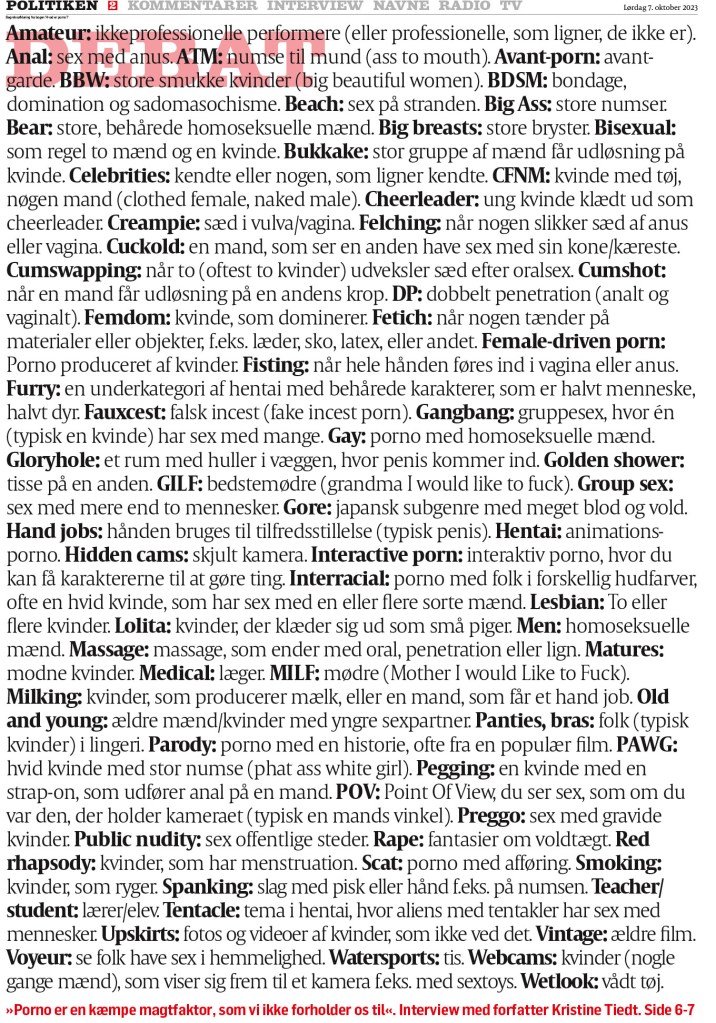
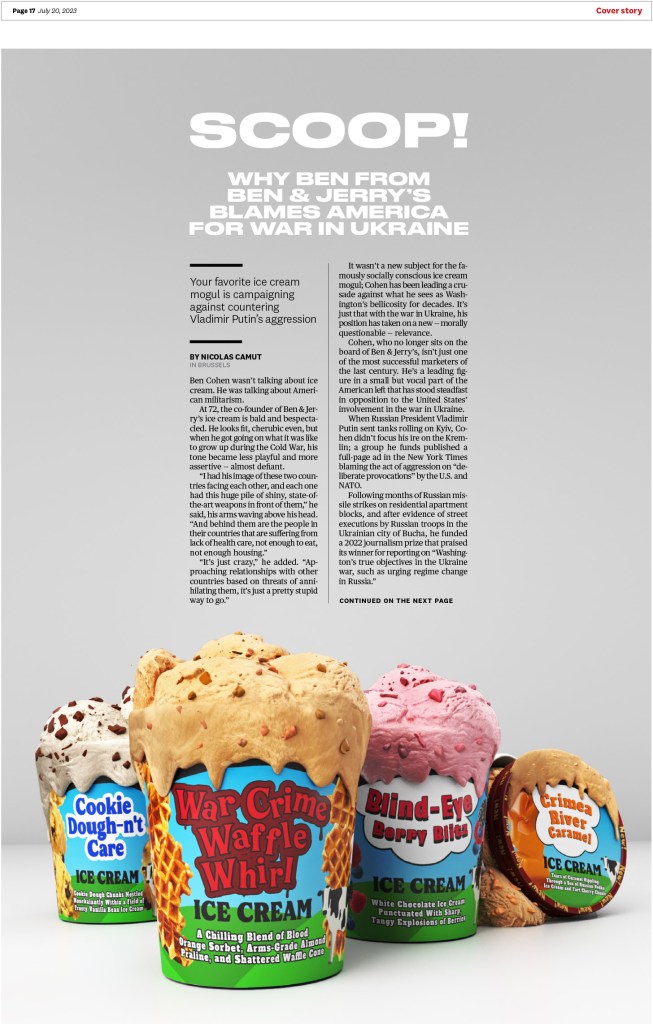
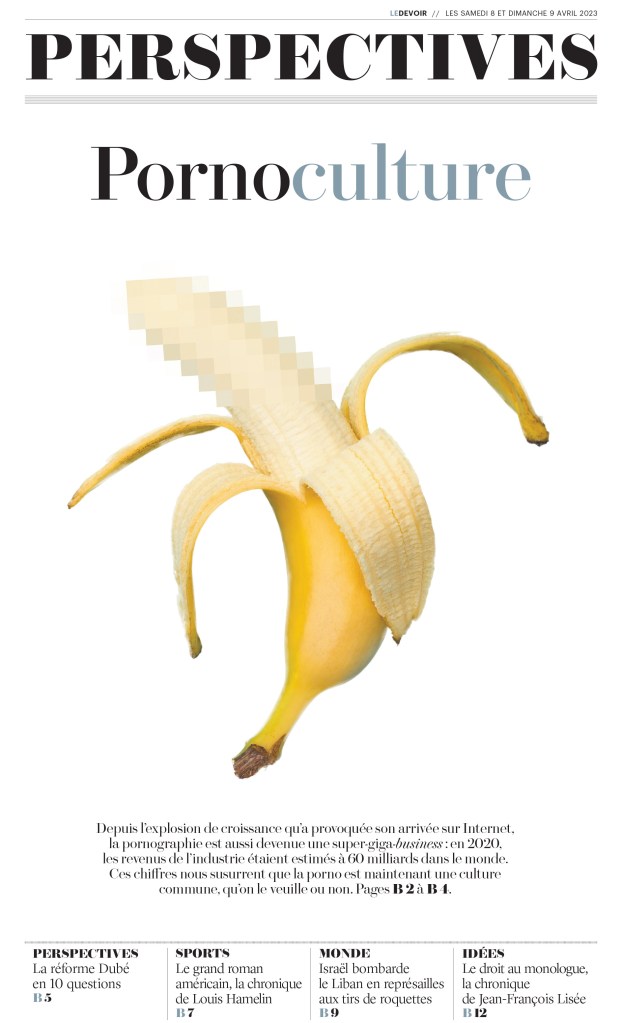
Often when doing newspaper design, designers need to find a way to illustrate things that can be tricky to illustrate. I appreciate the thought that goes into this. In this case it’s porn. Imagine being asked: we want to do a story about pornography, and it will be a section front. How will you illustrate this? Blurry bananas, naturally. Or at least one.
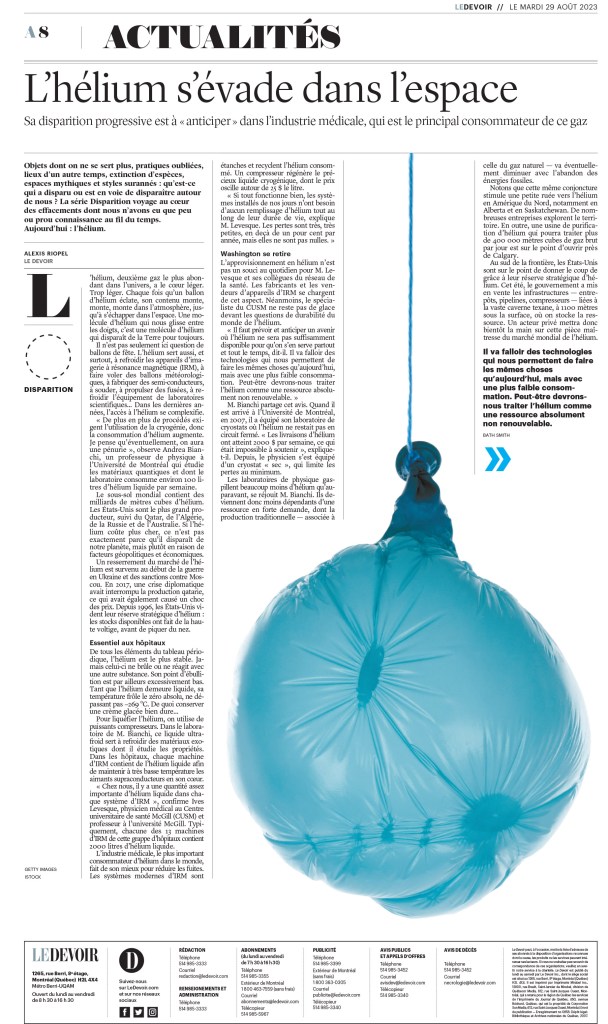
And here is another. A simple but smart photo. A good use of white space, as this paper is known for.
Toronto Star
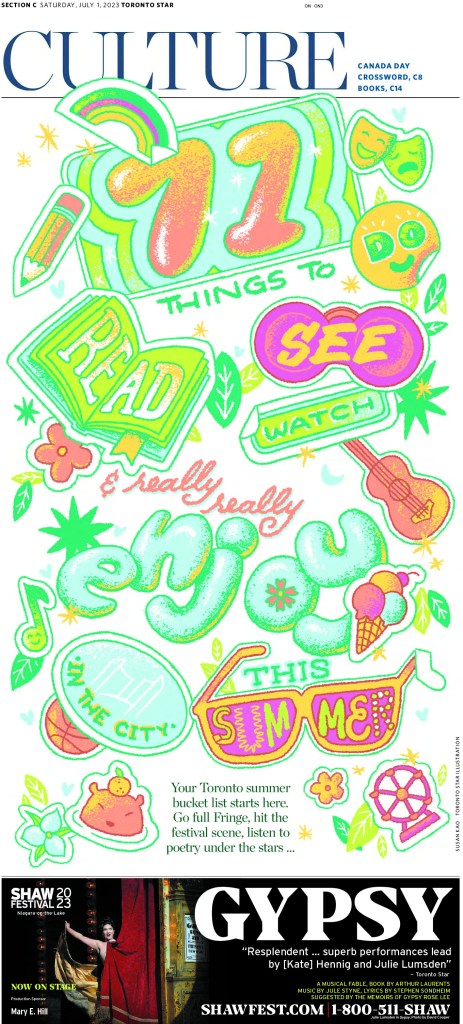
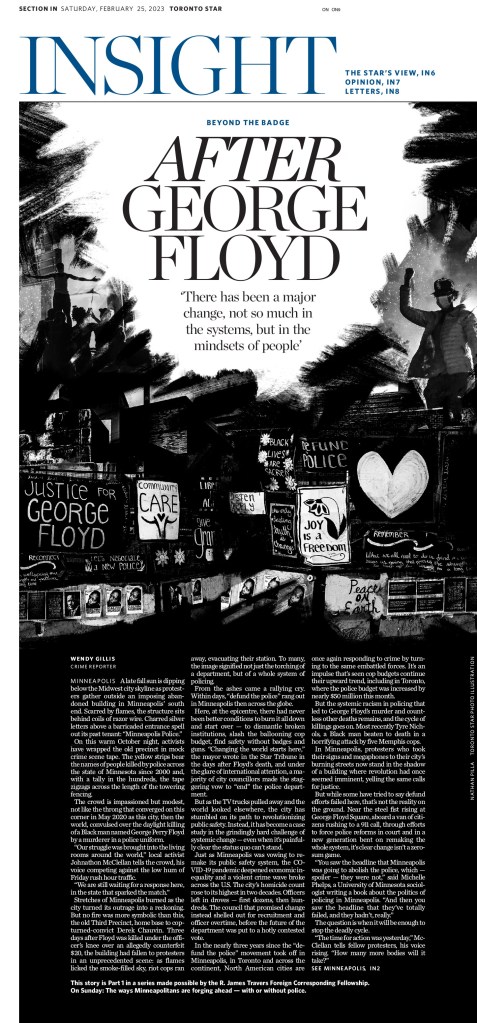
I am always excited to see the Star do great things. I am proud to say I have worked on Star pages and created some I’m proud of. Though I didn’t have the opportunity to do any of this calibre in my time there. This first page, from a staff portfolio submission, has a bit of a Los Angeles Times vibe. It’s bright and fun. Bubble letters.
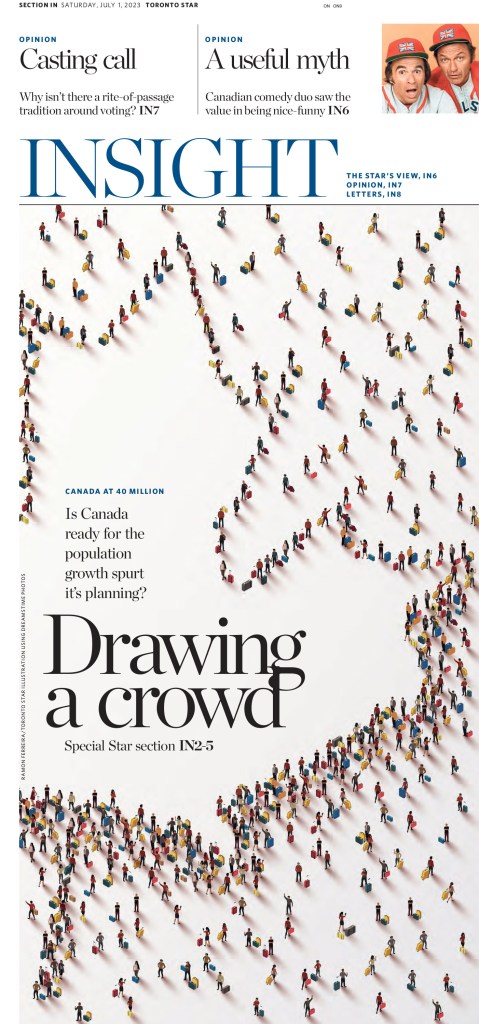
I have seen pages similar to this before. Little people making shapes. This is nicely done. Not only the image but the rest of the design.
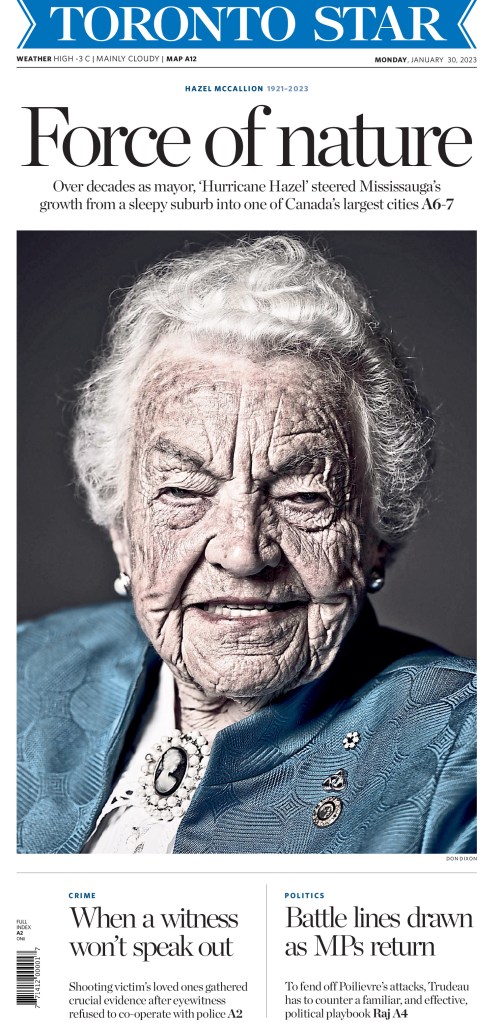
This page created some controversy when it first ran. Many thought the photo was insulting to longtime Mississauga, Ontario, mayor Hazel McCallion. Others thought it should have been identified as being enhanced (it was desaturated, which isn’t normally something a newspaper would do with a photo, but rather a photo illustration). But even when it came out, I posted it on my Instagram. It’s striking as an image, and as a page.
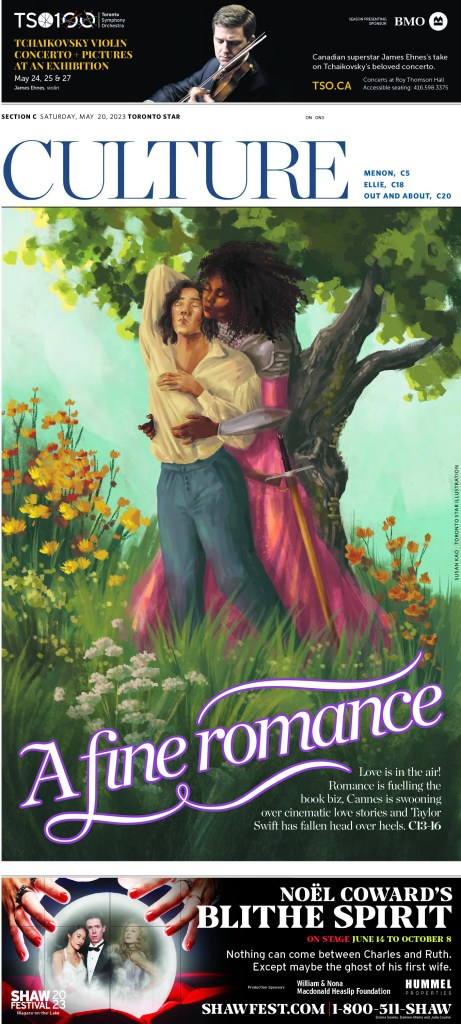
One more from the staff portfolio entry. It’s driven by the illustration, but there is some fun text treatment.
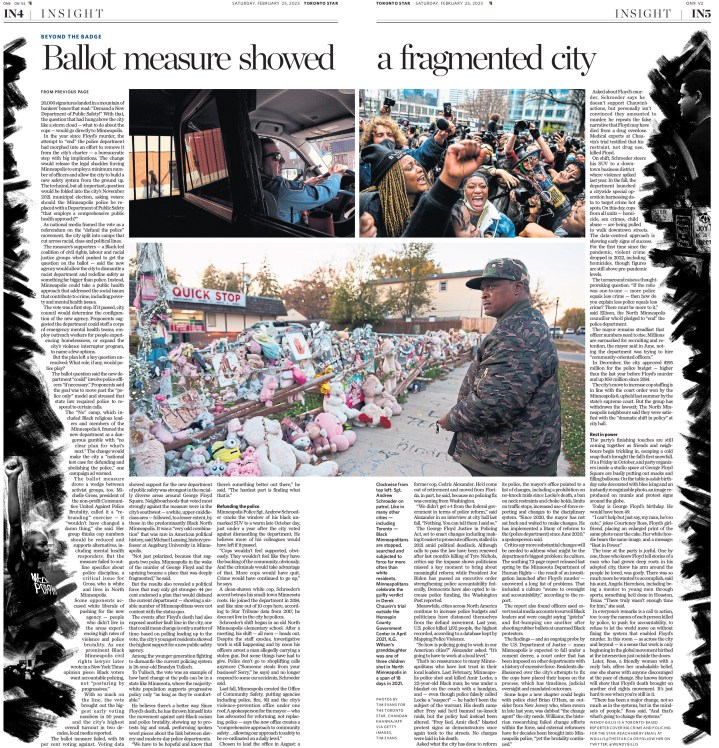
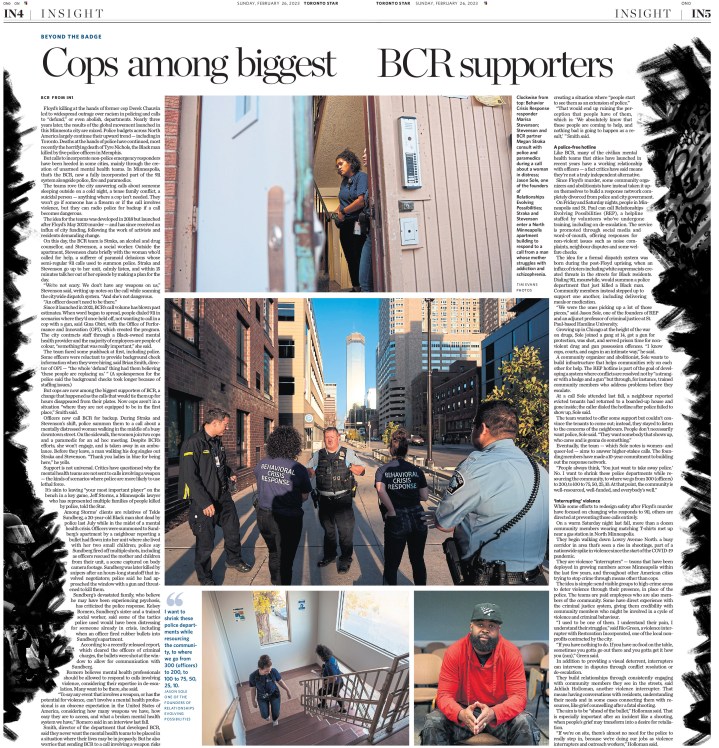
And here are a few more from the Star.
Globe and Mail
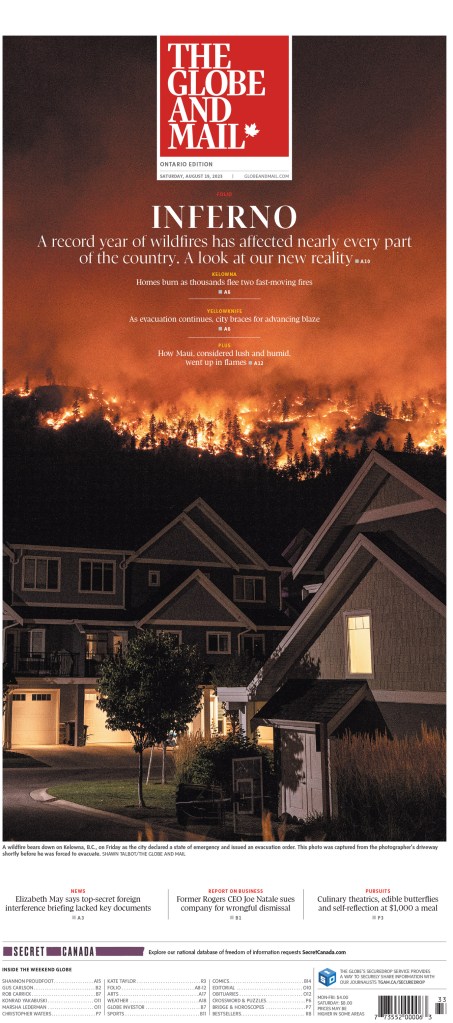
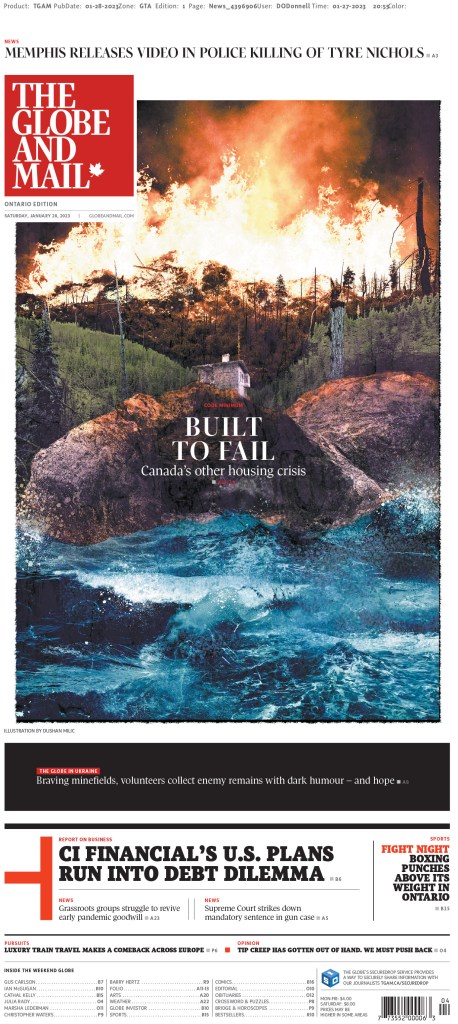
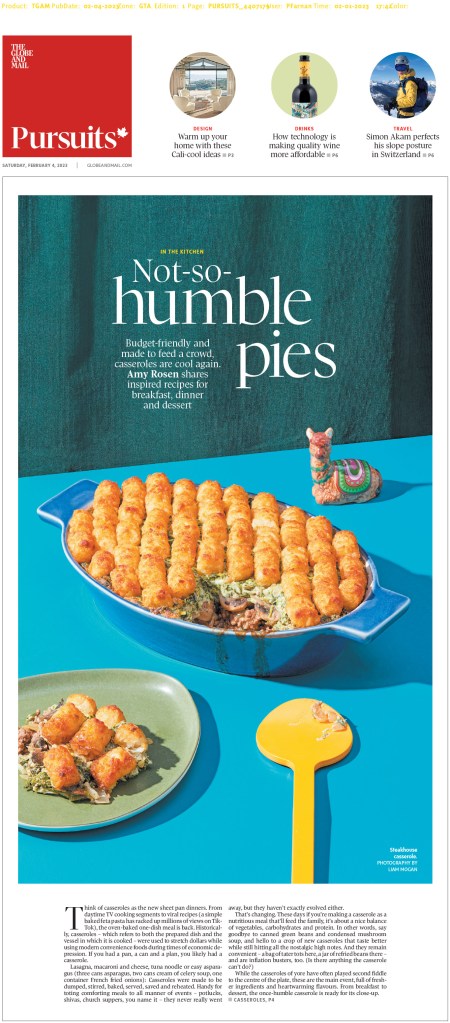
And last, but definitely not least, Canada’s big winner, the Globe and Mail. The results are still being tallied, but looks like the Globe might have squeezed into the top 10 again this year, at number 10. Much of the design the Globe was recognized for was for coverage of serious and heavy topics. Special coverage on climate change won a silver medal. I get the Globe at home (and disclosure: PMNA, where I work, does page production for the Globe) and the next two pages were pages that really stood out for me. All the pages here are handled at the Globe and/or art directed at the Globe.
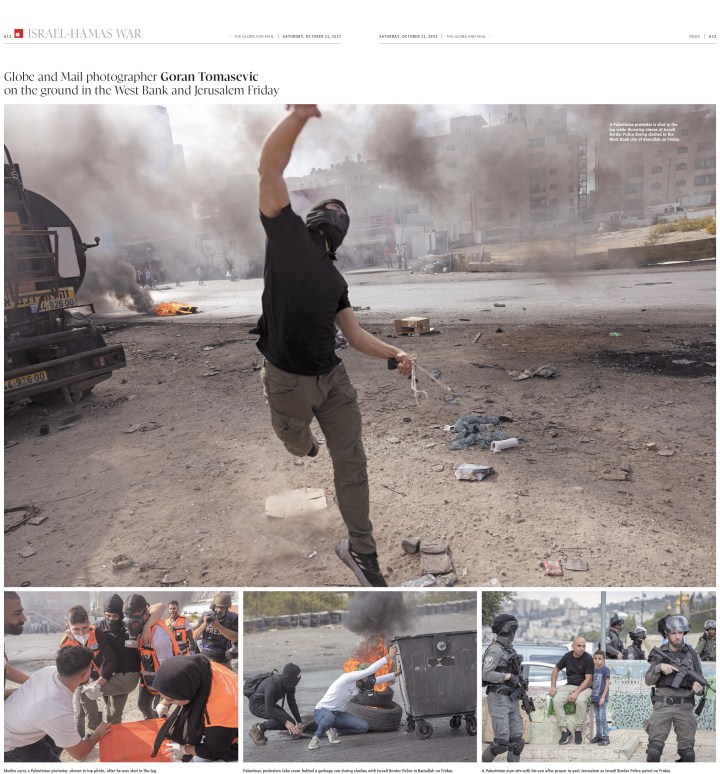
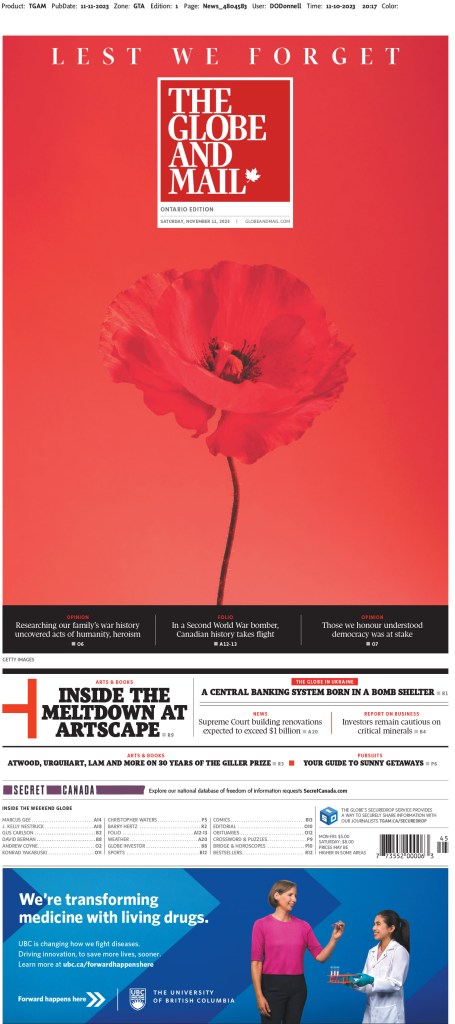
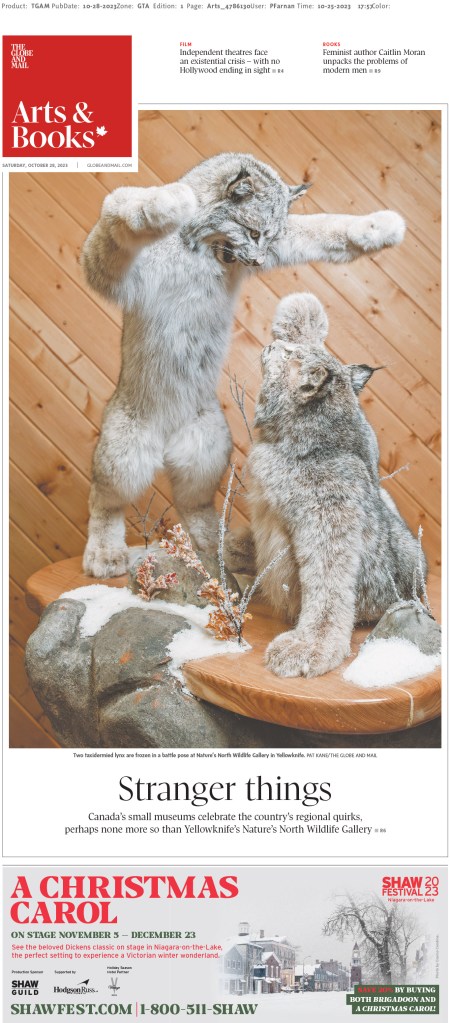
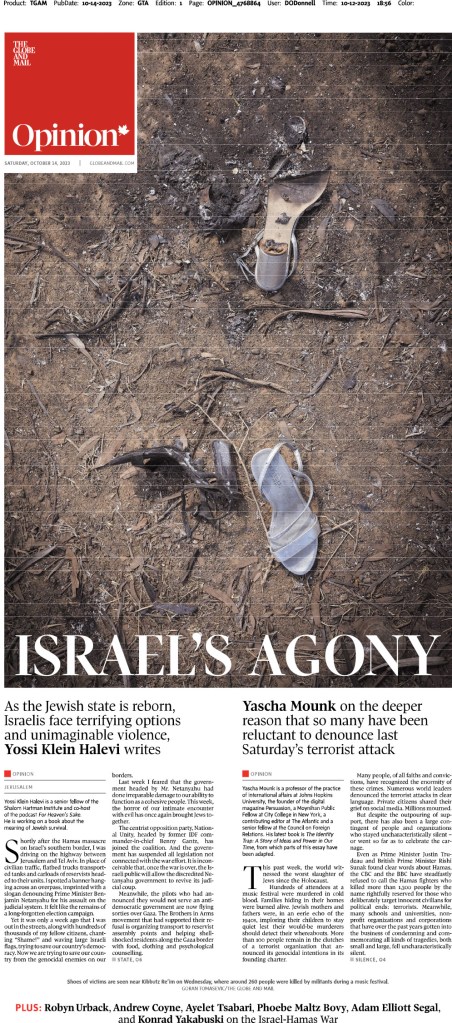
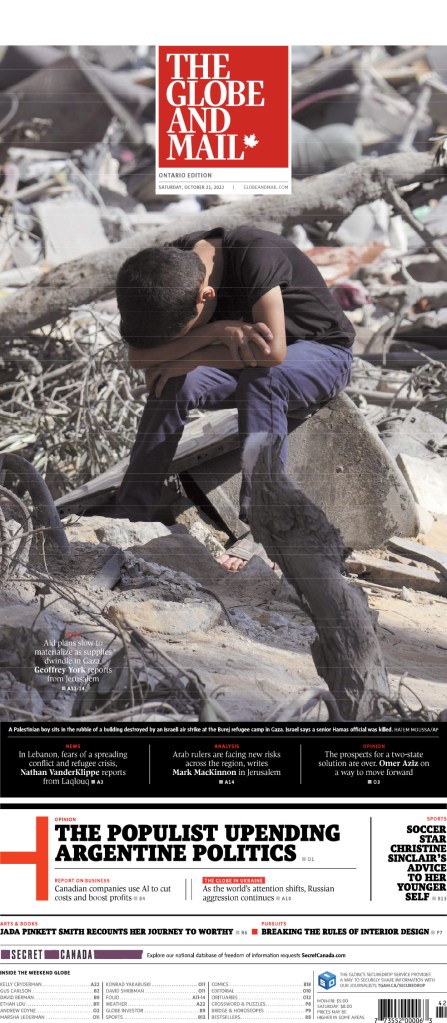
The Globe has also been a leader on coverage of the war in Gaza in Canadian media. It had some striking pages on that topic, like this cover (the Globe does a poster front on Saturdays) and the photo spread below. They do some beautiful photo spread pages.
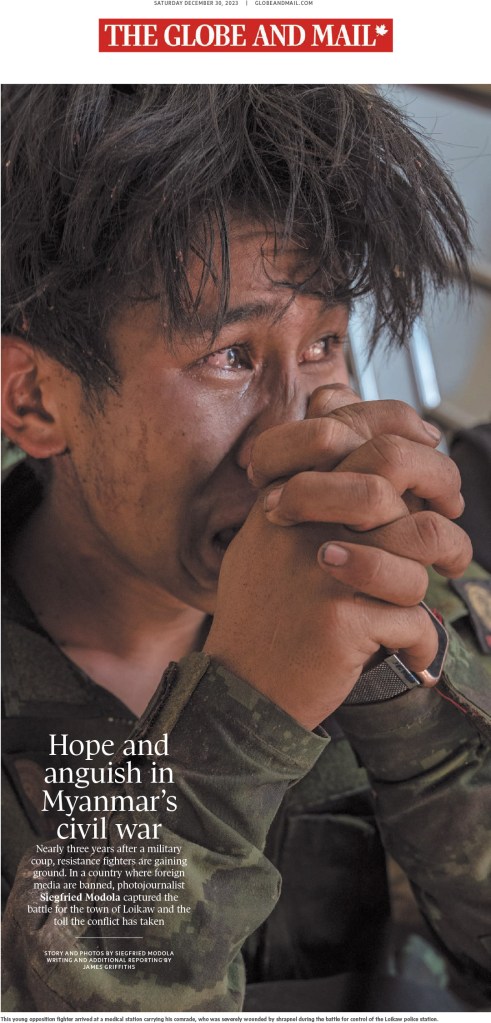
And one more, driven by this powerful, emotion-filled photo.
The next two were pages from art directors who each won individual portfolio awards. That’s a tricky category to win in, as it recognizes a body work. The first is from Brennan Higginbotham. The second is from Lauren Heintzman.
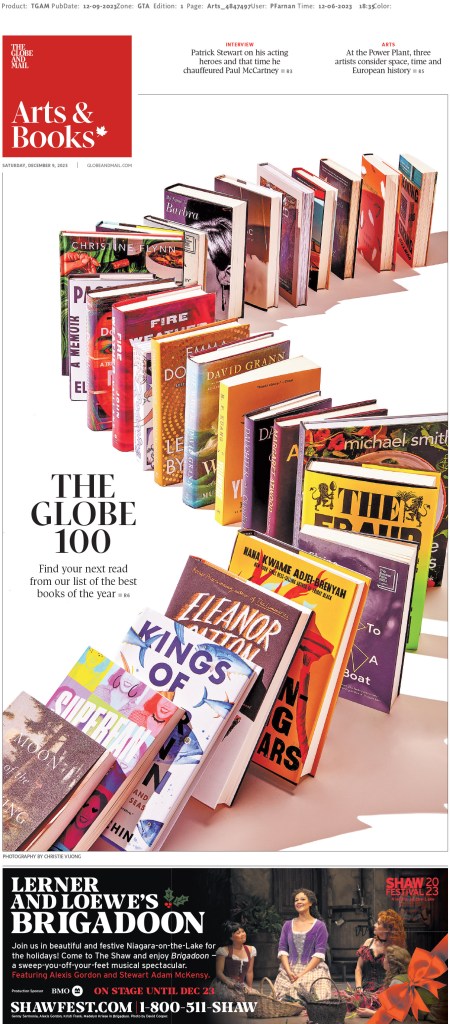
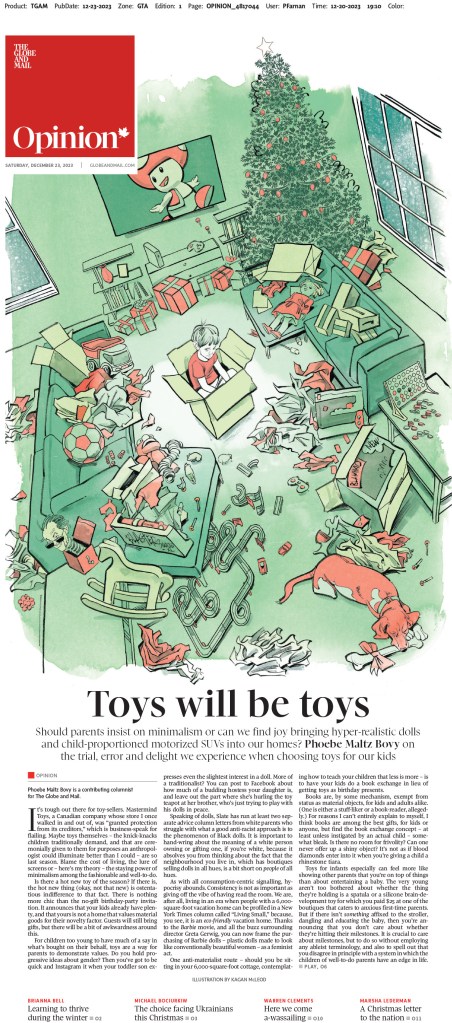
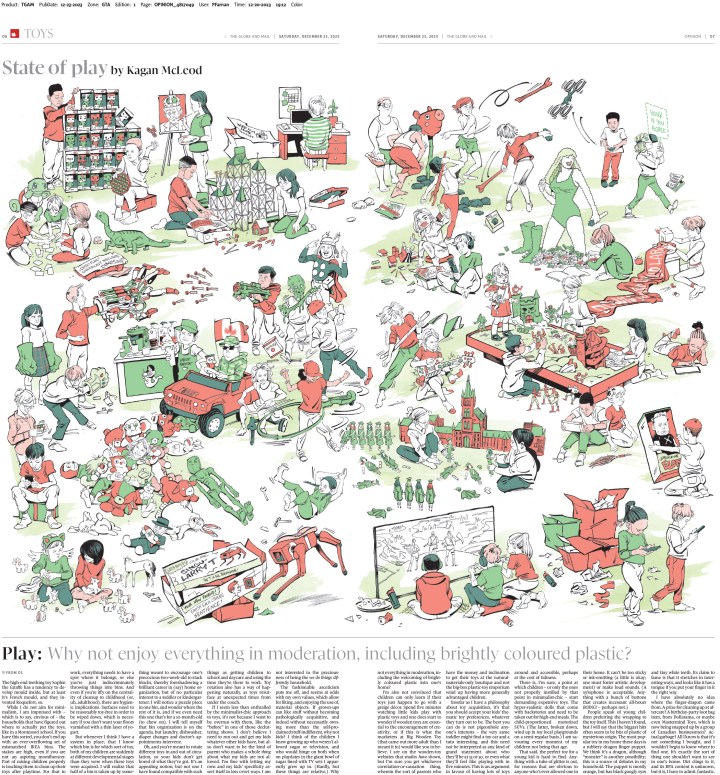
And now for some fun stuff. The Globe, and other Canadian media outlets, often turn to Kagan McLeod when they want a fun illustration. He’s a wizard (also credit to Kagan for the featured image I use with this post, as it’s a portion of one of the illustrations below). And he didn’t disappoint here.
Here are the last couple I will show from this year. They are both so playful and fun. And as has become norm for the Globe, they have fantastic headlines.
Fingers crossed we see more Canadian publications entering next year. Looking at you, Postmedia and Winnipeg Free Press, among others. Stand with print media and celebrate your great work.
Up next: Best from the United States, best from the rest of the world, and finally World’s Best Designed Newspaper. Watch for those sprinkled over the next week or so.
When tragedy strikes, or there are difficult and painful stories to tell, there is little like a newspaper to get the information out. At design competitions like the Society for News Design’s creative competition, playful and fun pages often dominate. But sometimes powerful and painful stories, partially told through thoughtful visual journalism make their mark on judges, and almost certainly on readers of these papers. One entry in particular left judges at SND45 talking and, in some cases, shaken.
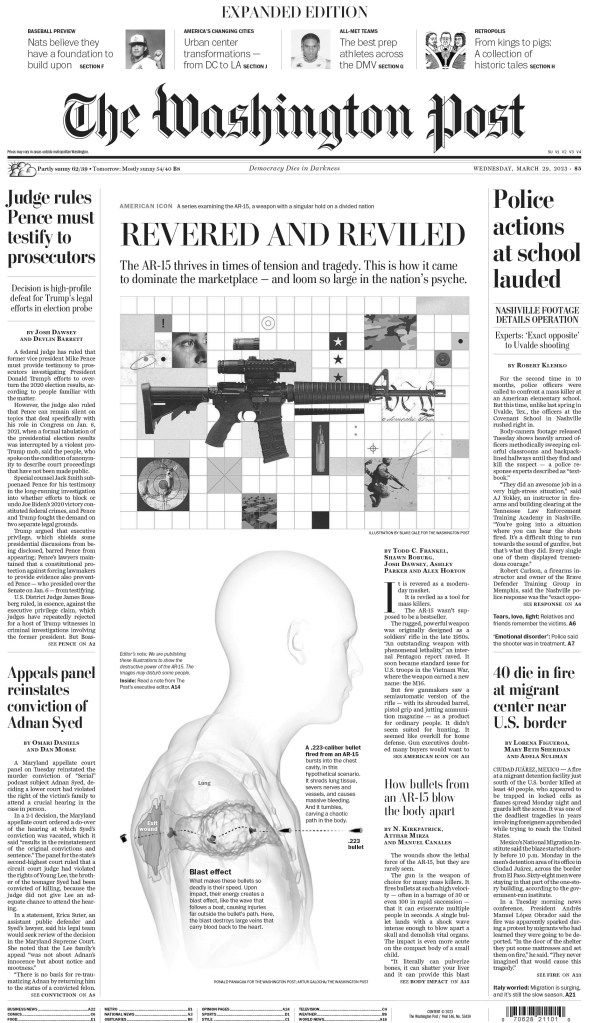
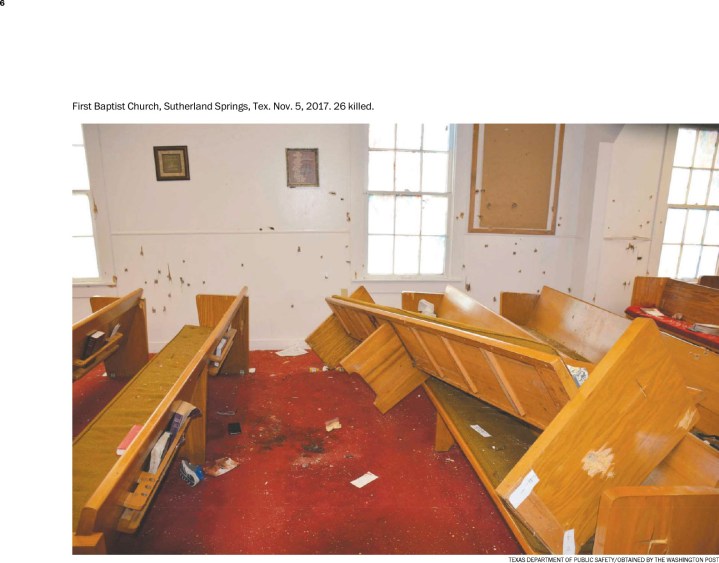
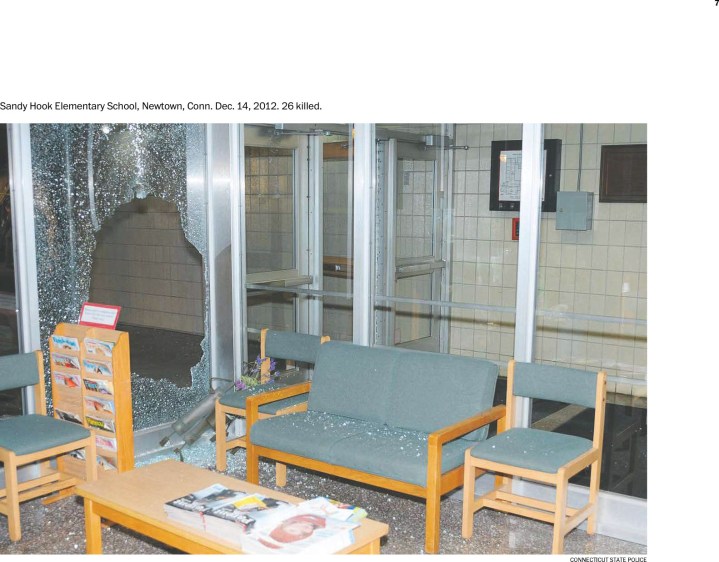
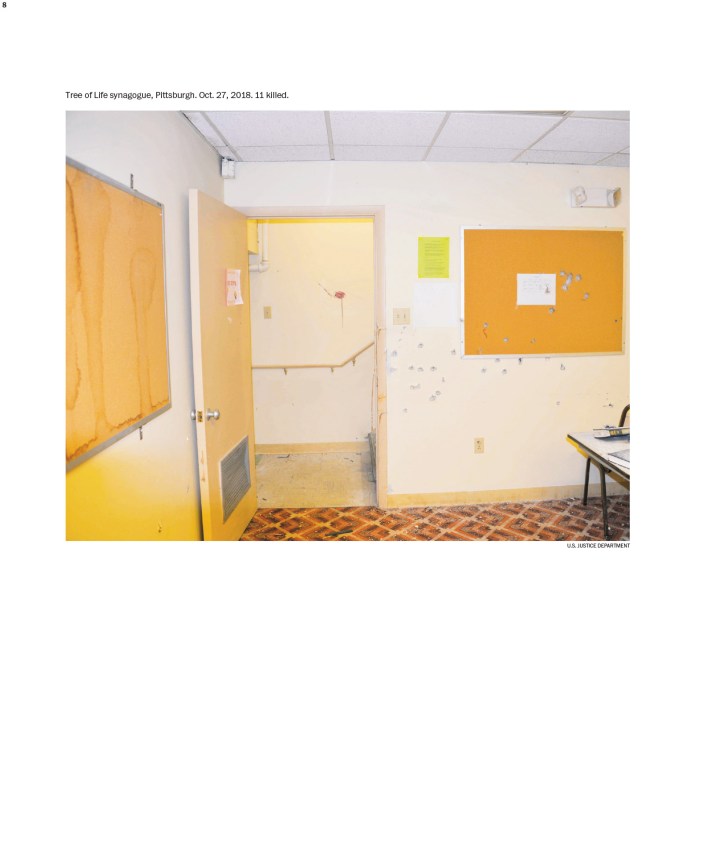
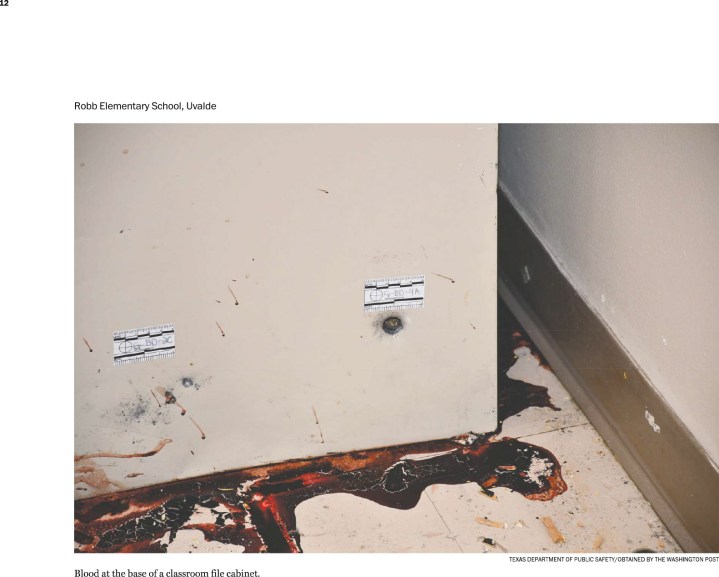
I will look at a few tough topics here, including the wars in Gaza and Ukraine, but I will start with mass shootings and the now infamous AR-15, a weapon so deadly those who don’t live in the United States have a hard grasping how it can be so prevalent. Many Americans wonder the same.
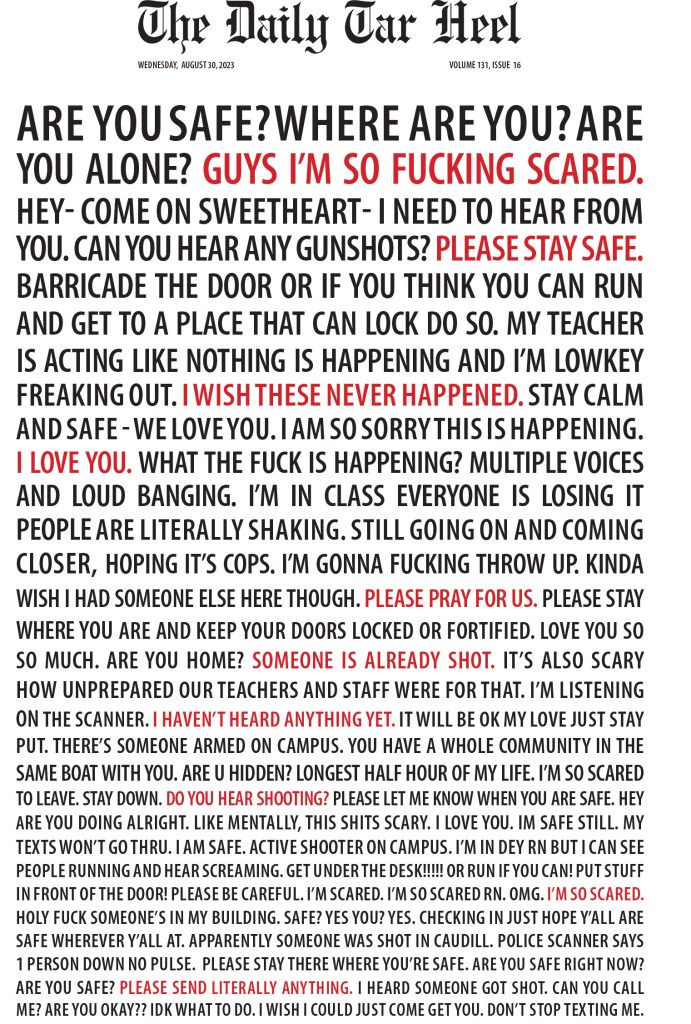
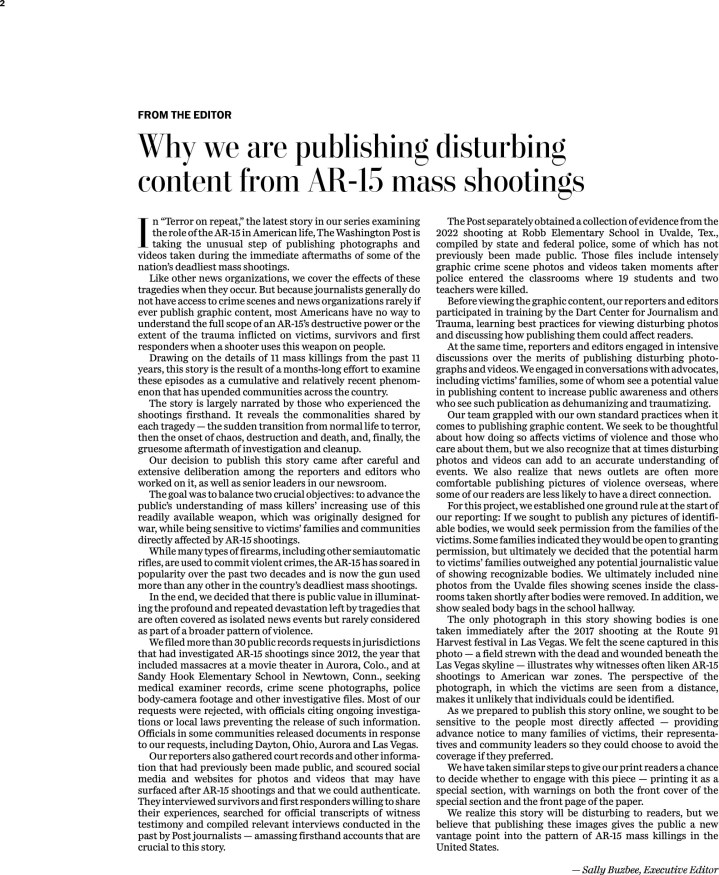
I will get into the Washington Post entries that have provoked so much response, but first I wanted to share an incredibly powerful page that evokes emotion in a way I feel only a newspaper can. After a deadly shooting on campus (an AR-15 was not used in this shooting), The Daily Tar Heel, a university paper at the University of North Carolina Chapel Hill, ran with this cover. All text. Real words from texts and social media sent during the shooting. Here is more on how the page came to be.
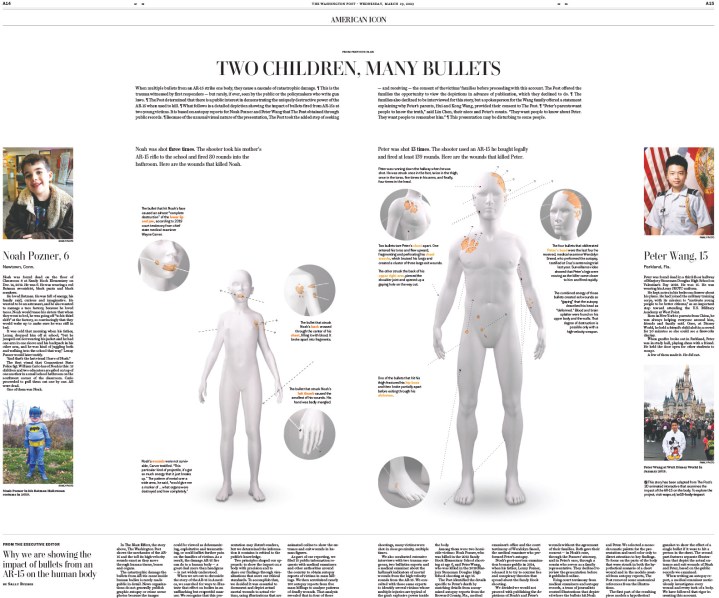
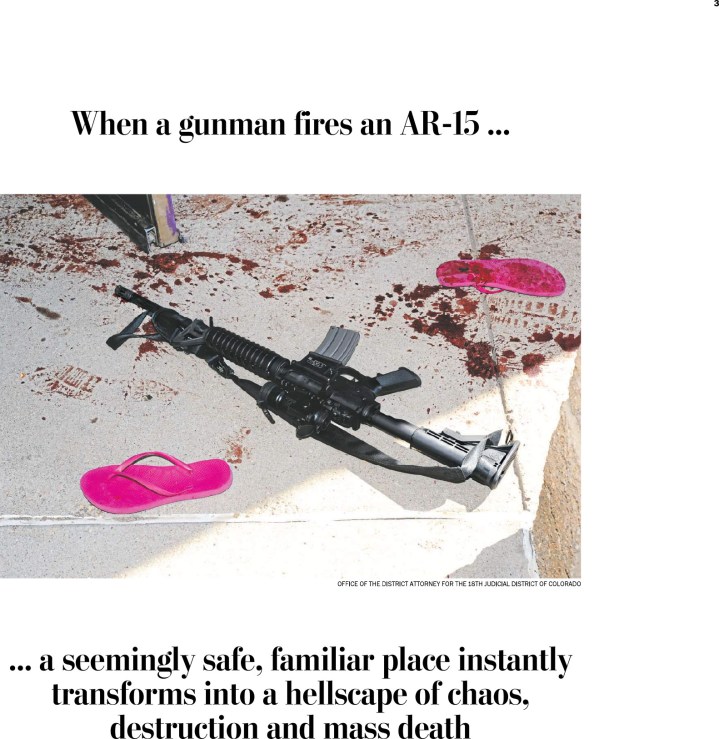
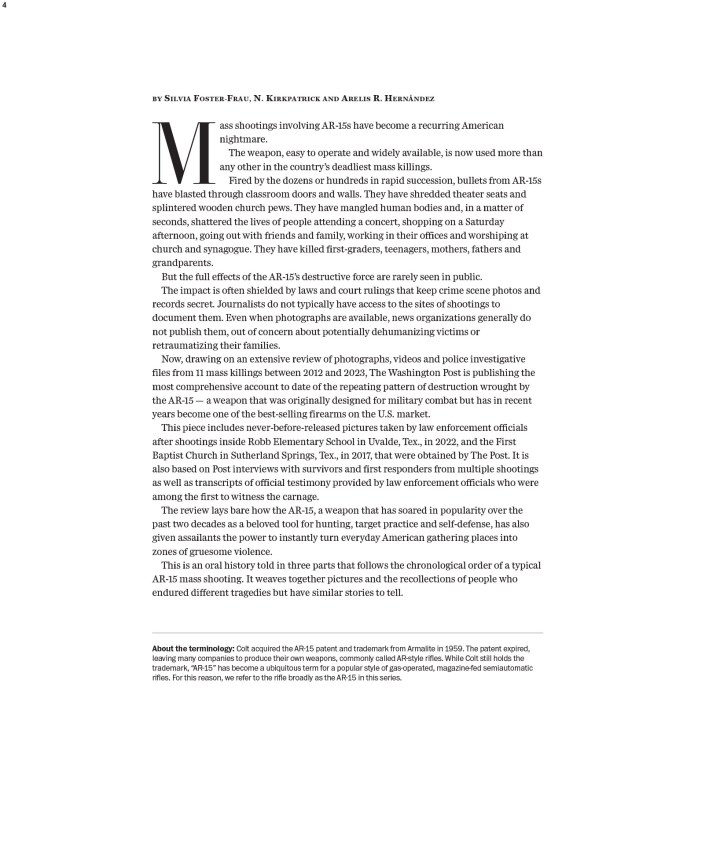
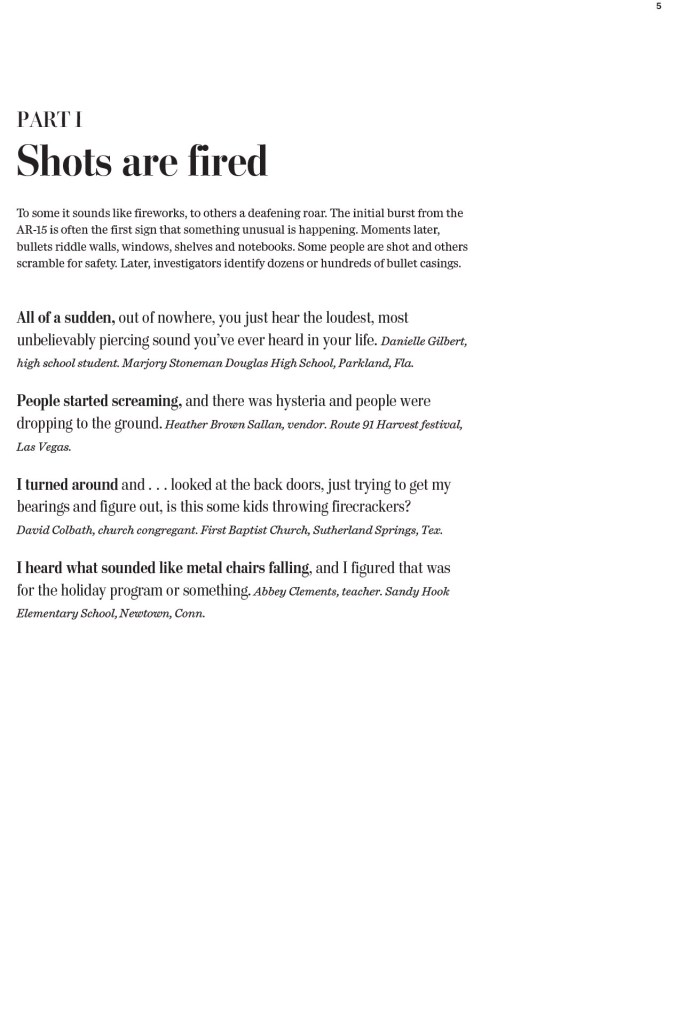
This is a sample of some of the Washington’s Post powerful entry on the AR-15, including this digital presentation. I haven’t included all of it, and I have left out the most graphic pieces. What’s striking about this piece, after the front page, is the simplicity of it, the starkness. It is minimalist, letting the photos do the work. If you want to look at more from this powerful package, you can find it here. This entry went on to win Best in Show and SND45. It’s the first time this award has been handed out since I have been involved as it requires such a high threshold. Only awards that have been awarded gold medals are considered. To win a gold, a page or entry needs to be nearly flawless. State of the art, and pushing boundaries. And then at least 75 per cent of all judges must agree one entry deserves that title, over all the other gold medals.
This digital portion of the entry takes the above page and brings it to a new harrowing level. A warning, it is hard to look at, but it is so incredibly powerful. The print entry alone was next level, but the print and digital combo entry is what one Best in Show. Together this entry evoked so much emotion.
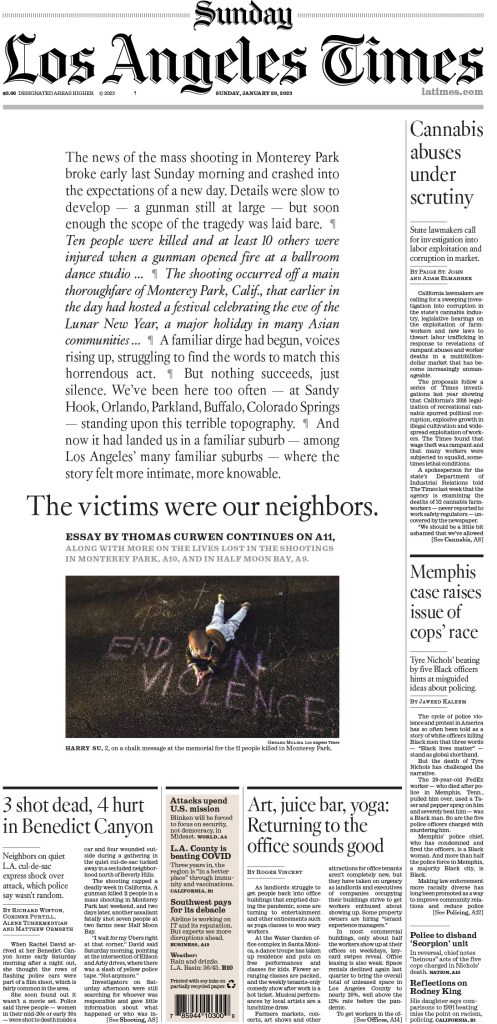
And here is one more page from a mass shooting, this time from the Los Angeles Times. An AR-15 wasn’t used in this shooting.
Wars and other tragedies
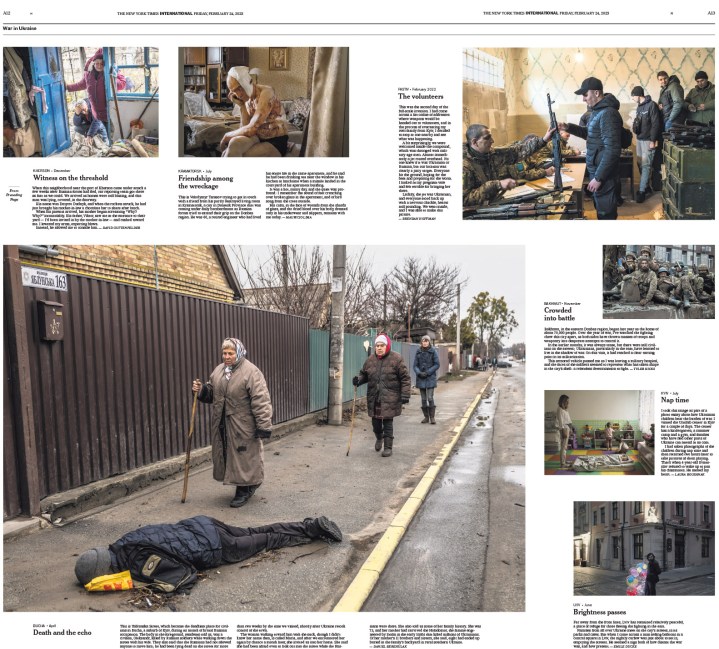
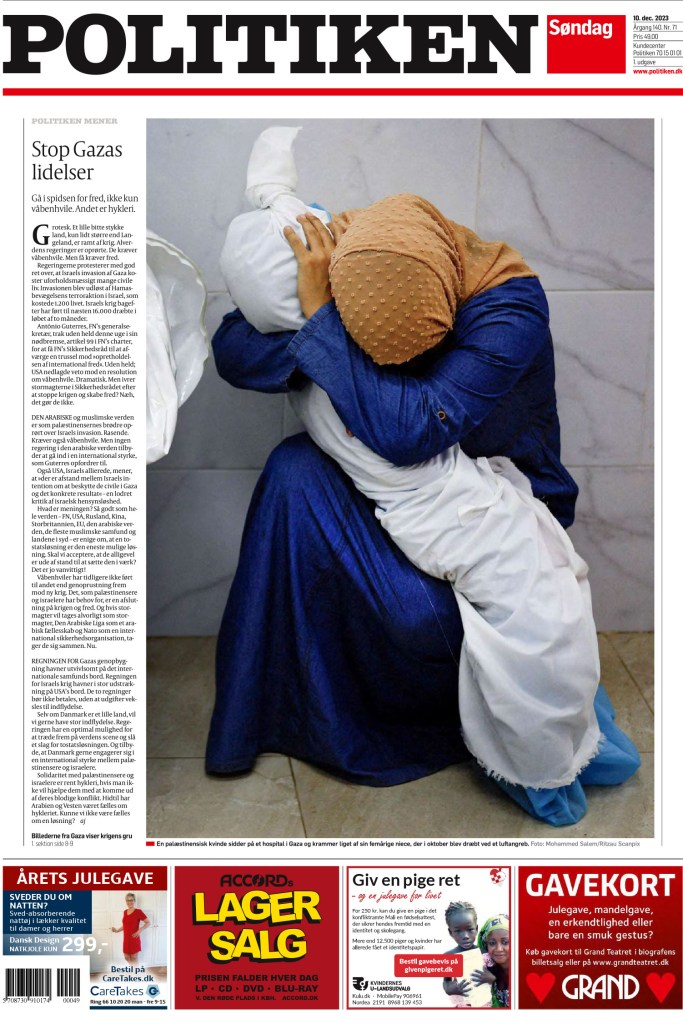
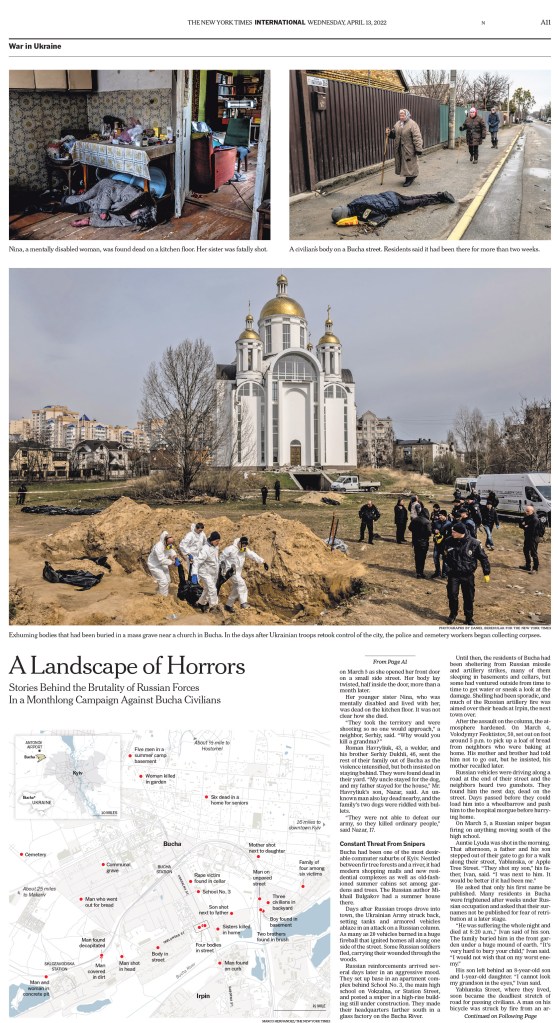
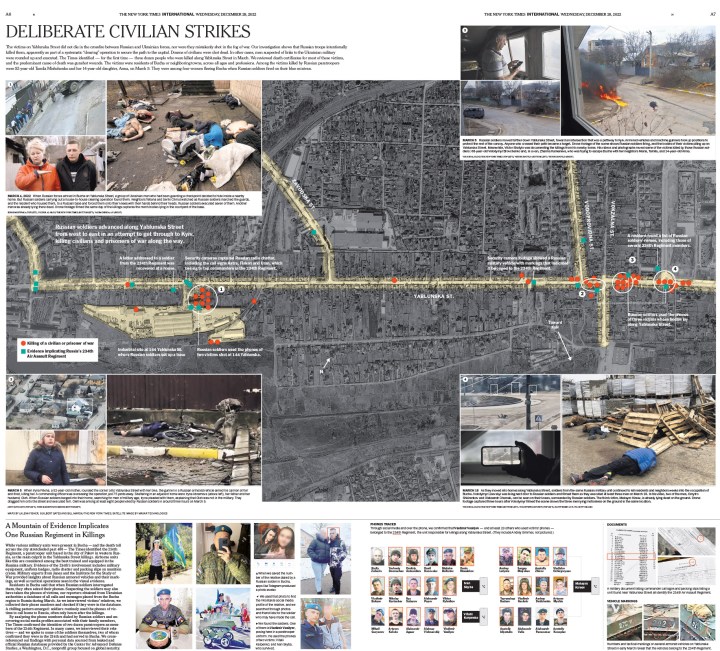
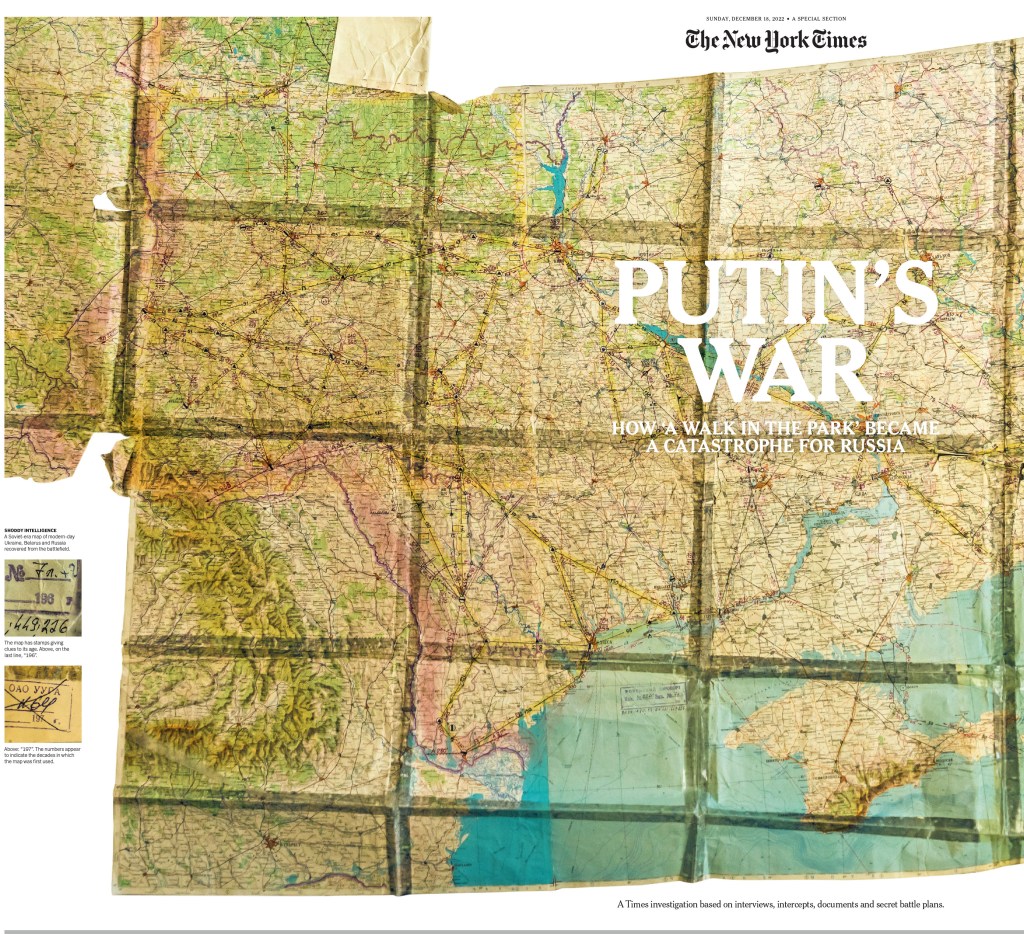
I expected to see more entries from both the Gaza and Ukraine wars. There were some powerful pages, many of them driven by bold photo choices. Before the war in Ukraine began, seeing dead bodies on newspaper pages wasn’t that common, but as the death toll started to rise, editors started to make the hard decisions to show the reality unfolding. This is war. As well, many photos that drove the pages show the raw emotion of people dealing with tragedy and loss, in some cases on both sides of war. The pages on Ukraine are by The New York Times and De Morgen (Belgium), followed by the war in Gaza, from Politiken and two from the Globe and Mail, which has been a leader on this coverage in Canada.
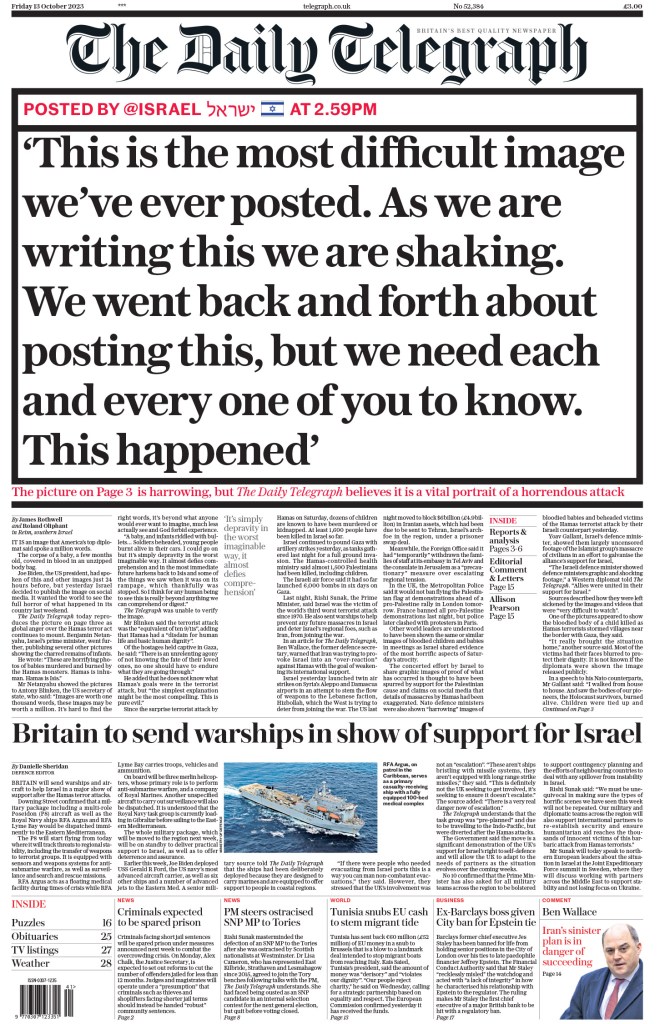
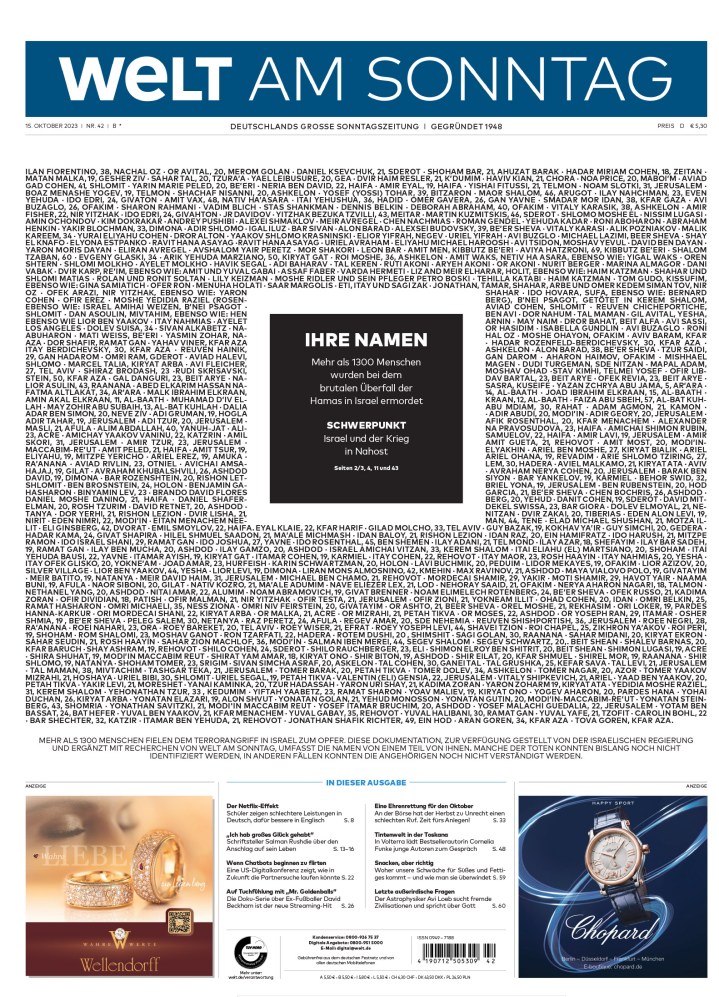
Not all of the powerful pages were driven by art. Some used text to convey the message and the gravity of the situation, such as The Daily Telegraph, from Britain, and Welt am Sontag, a German newspaper. Welt am Sontag lists the names of those killed in the October 7 attack by Hamas.
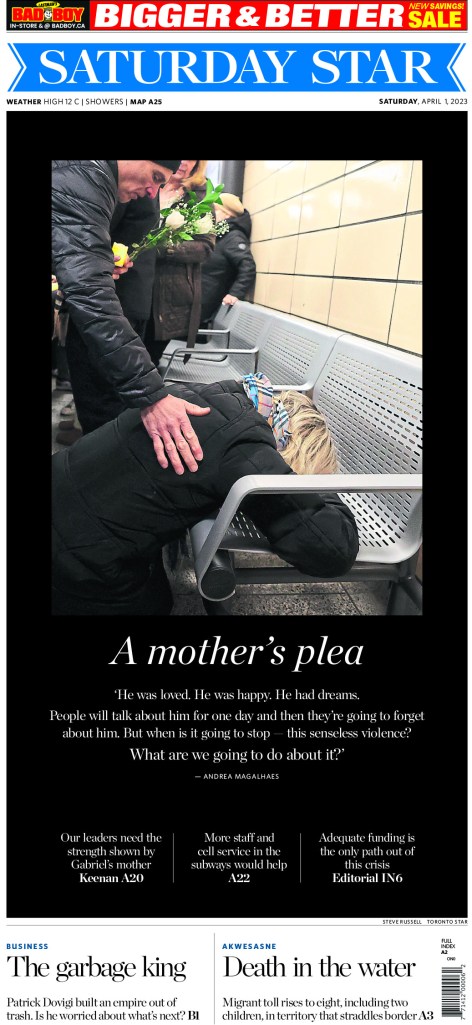
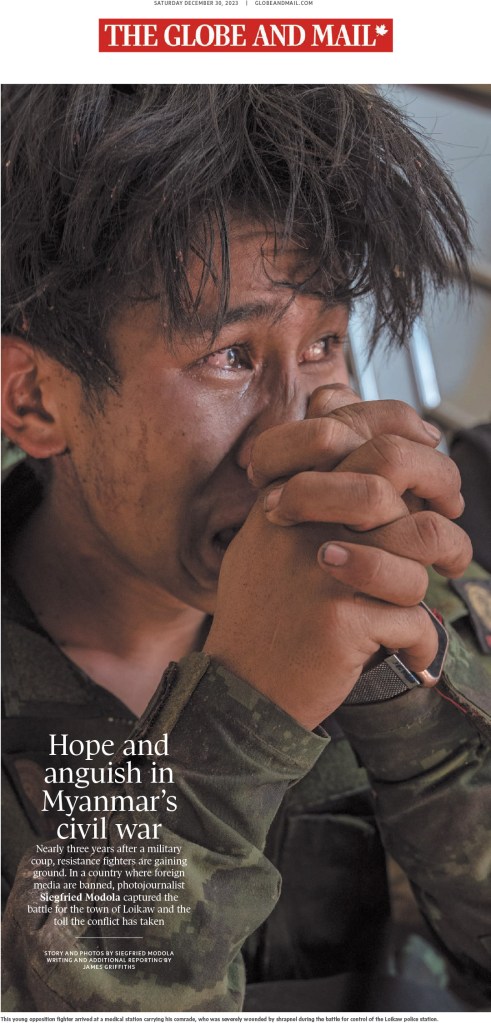
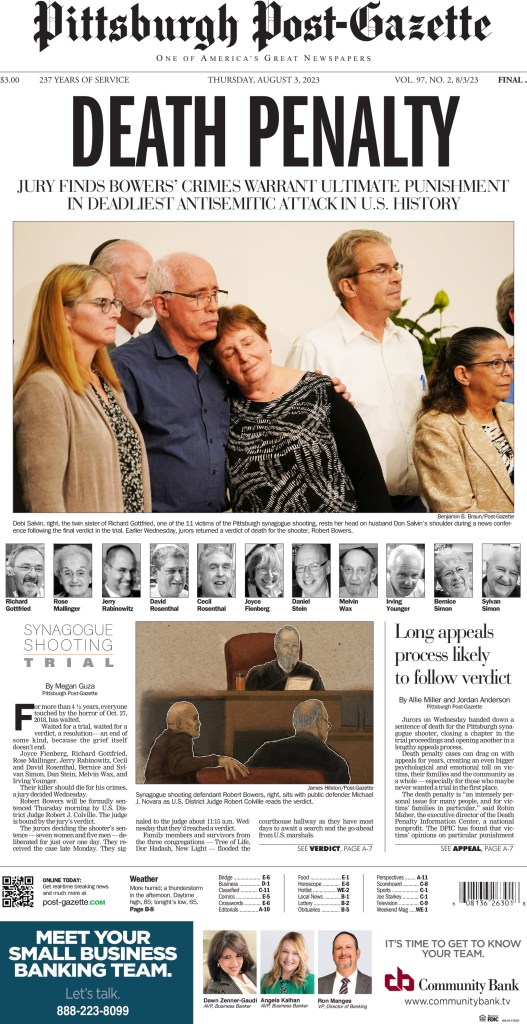
And here are a few other pages tackling hard topics. Included are pages from the Toronto Star, Globe and Mail and the Pittsburgh Post-Gazette. Each of these are driven by emotional art. While these pages can be difficult to look at, I feel they show the power of print journalism. Newspapers still play a vital role, and these pages are examples of this.
What’s black and white and read all over? Still newspapers. Or maybe newspapers again? As the Society for News Design wraps up Day 2 of its 45th (!) Best of Print News Design Competition, I was looking for themes. Not just a shared news topic, but a design concept.
As newspapers struggle to remain relevant and get noticed, they need to stand out. For years, newspapers have been moving to more and more colour. A good portion of newspapers are full colour (but not The New York Times!). So now that we have brilliant colour popping off the pages, and have for years, how do we catch people’s attention? What about … not colour?
One thing that stood out for me this year was a strong focus on the contrast of black and white (often with a splash of red) through a variety of publications. Designers around the world are finding ways to make black and white the new colour.
As per usual, I will write posts about the best from Canada, the U.S. and the rest of the world, and the World’s Best Designed Newspaper (or newspapers), which I again have the honour of assisting with as a facilitator. As a facilitator, I don’t have a say in what wins. I just help the judges with anything they need.
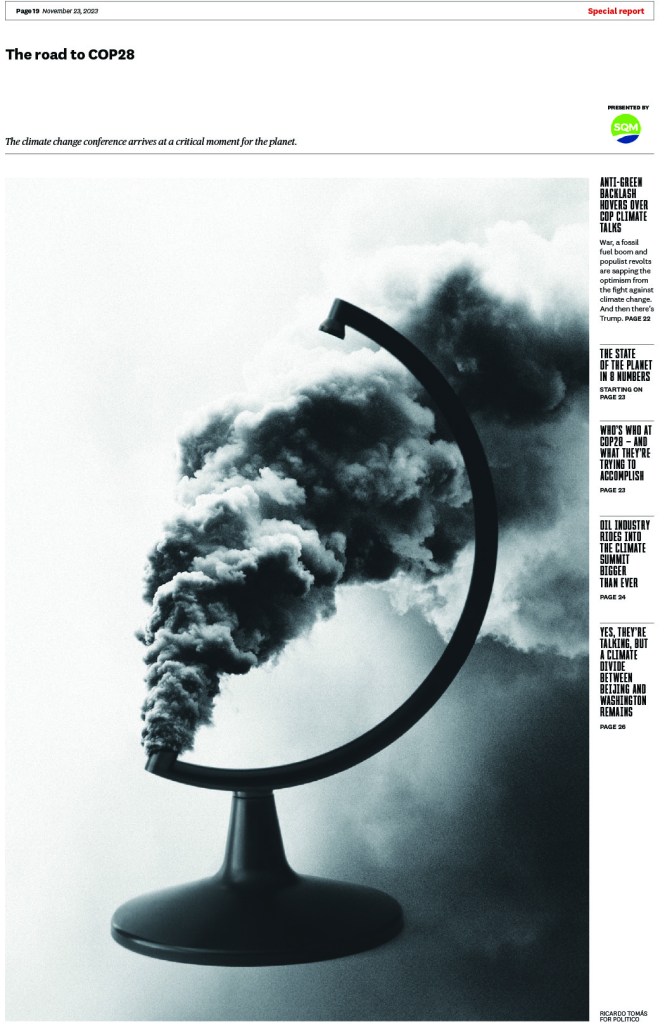
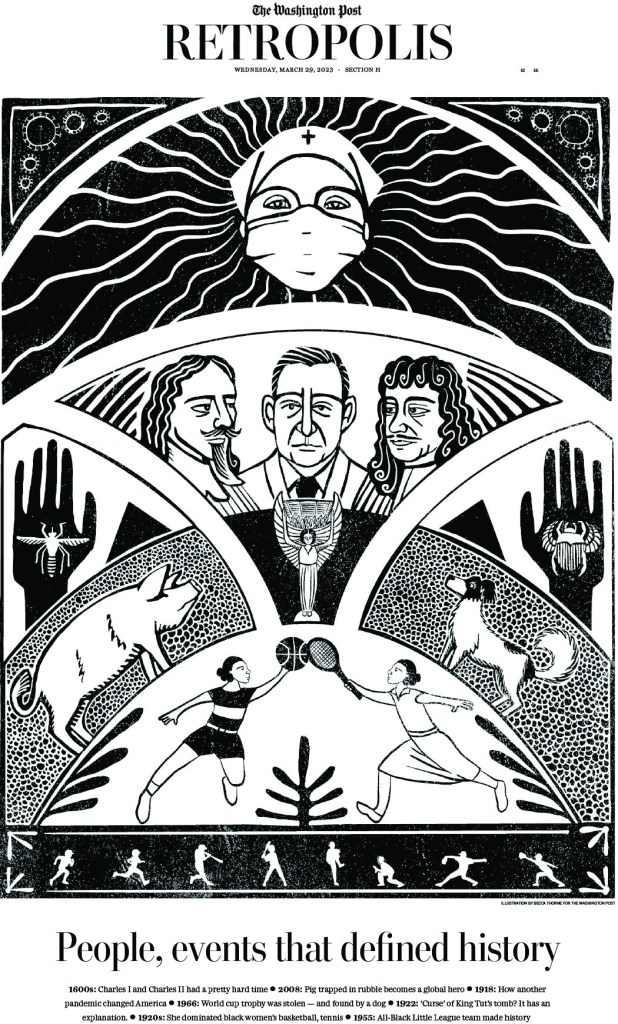
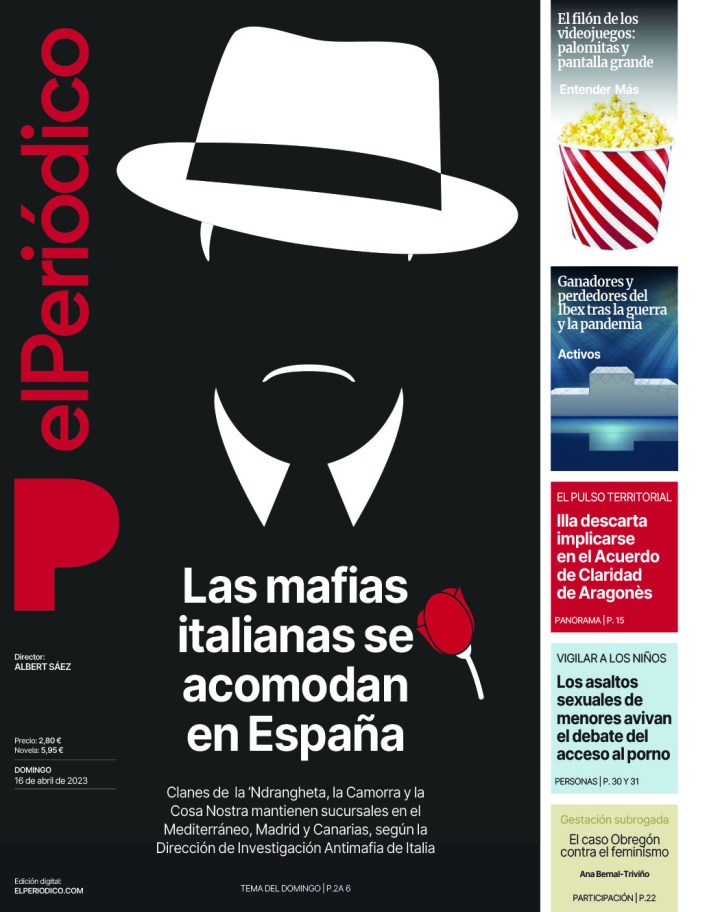
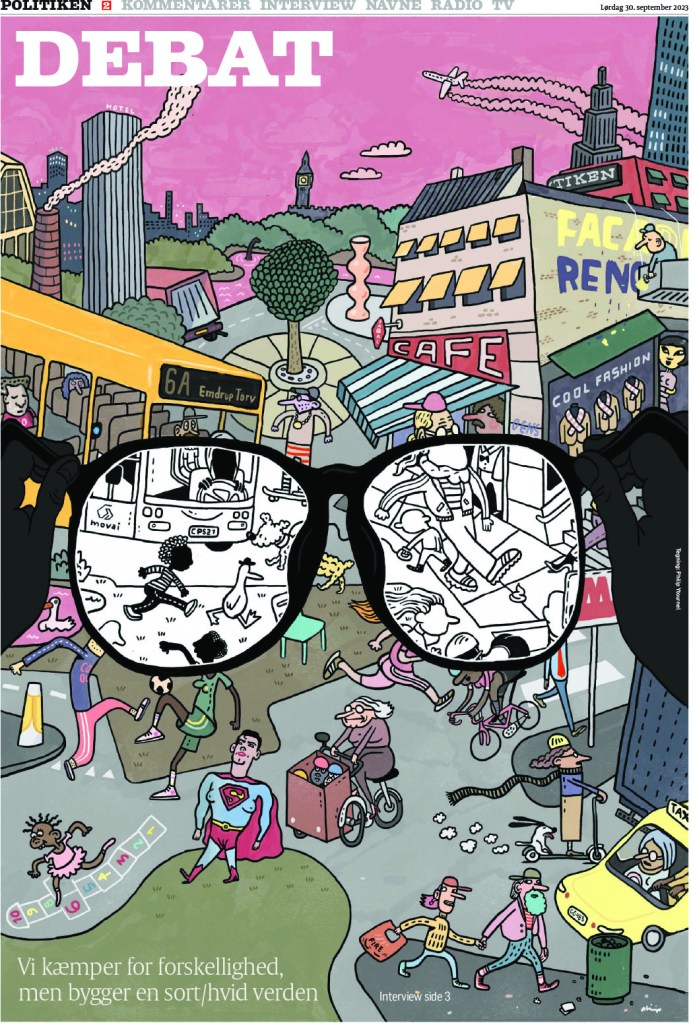
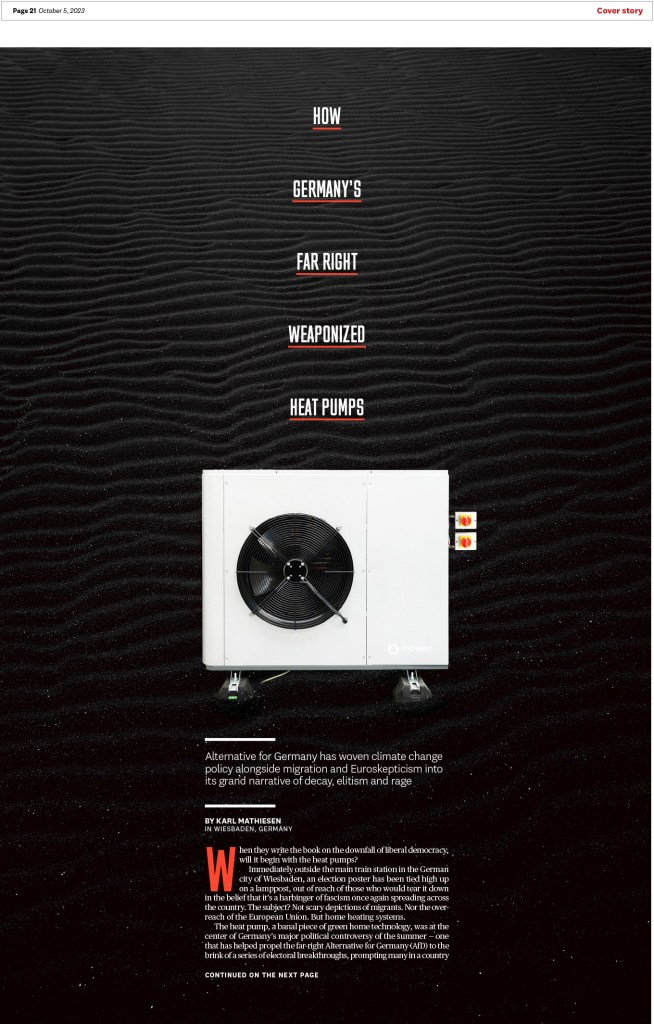
But for now, here are 10 pages that stood out to me (independent from judging and awards, so just my opinion and selections as I get to look through all the entries, winners or not) that used black and white (and sometimes red) well. The first three did it very differently. The Washington Post used strictly black and white, making for a striking contrast. El Periodico used white on black, but added that splash of red. And Politiken, which very commonly uses black, white and red, used a beautiful colour illustration, with a splash of black and white, to draw the focus away from all the colour.
Politico does it all, white on black, splashes of red. Pop. Pop. Pop.
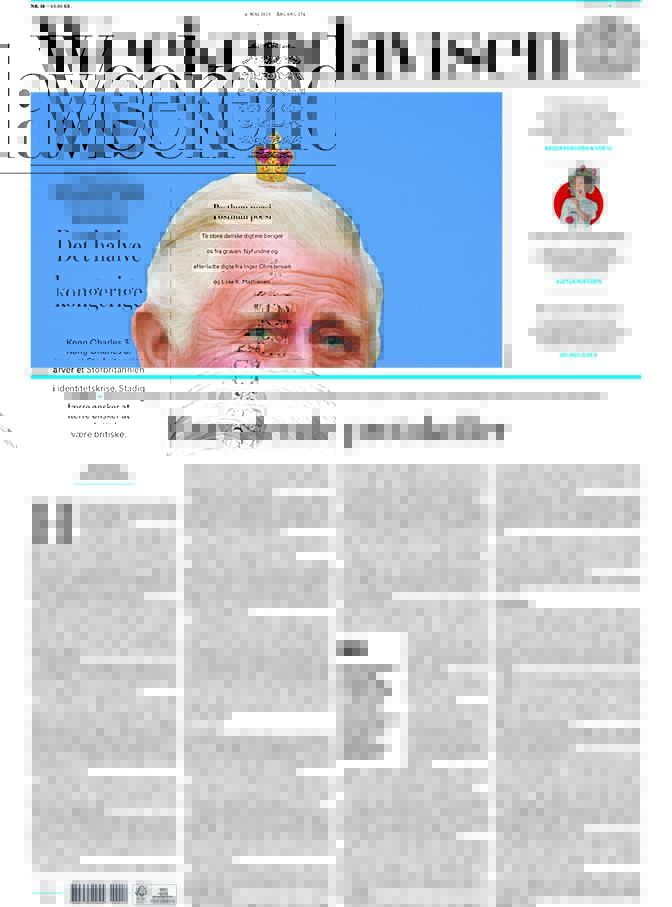
Weekendavisen, a Danish weekly paper, uses a beautiful black and white (or many shades of grey) illustration, and incorporates it into their flag. Anyone who follows my Instagram knows I love it when newspapers play with their flags in creative ways.
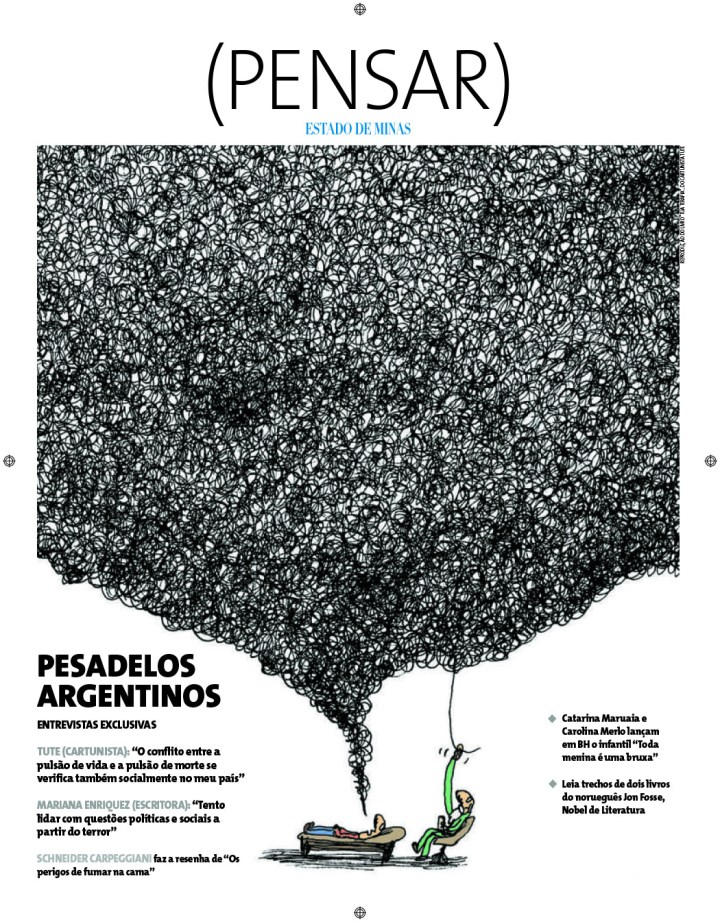
Estado de Minas, a Brazilian newspaper, boldly has a tangle of mostly black, with bits of white peaking through. The small bits of colour really pop against all the black. Also, the illustration is fantastic.
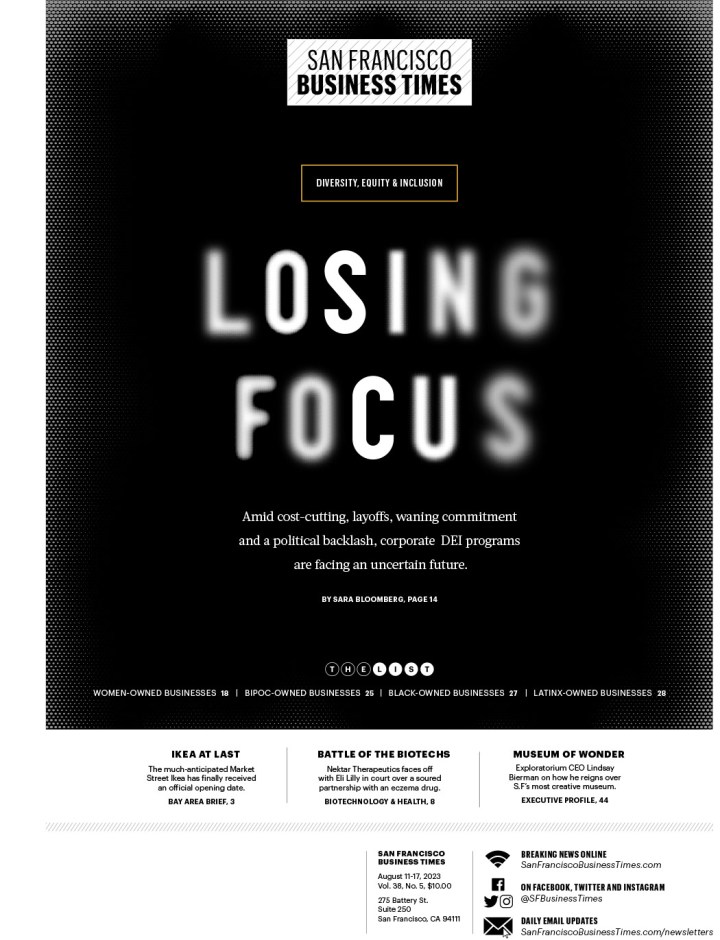
The San Francisco Business Times not only uses reverse text, white on black, but also drives the page with that text. The text is the art, and it’s well played. As a bespectacled person, I feel the blurriness feels legit.
La Nacion, an Argentinian publication, uses the combination of black, white and red to great effect. This says nothing of of the overall design. It’s worth taking a closer look at the image.
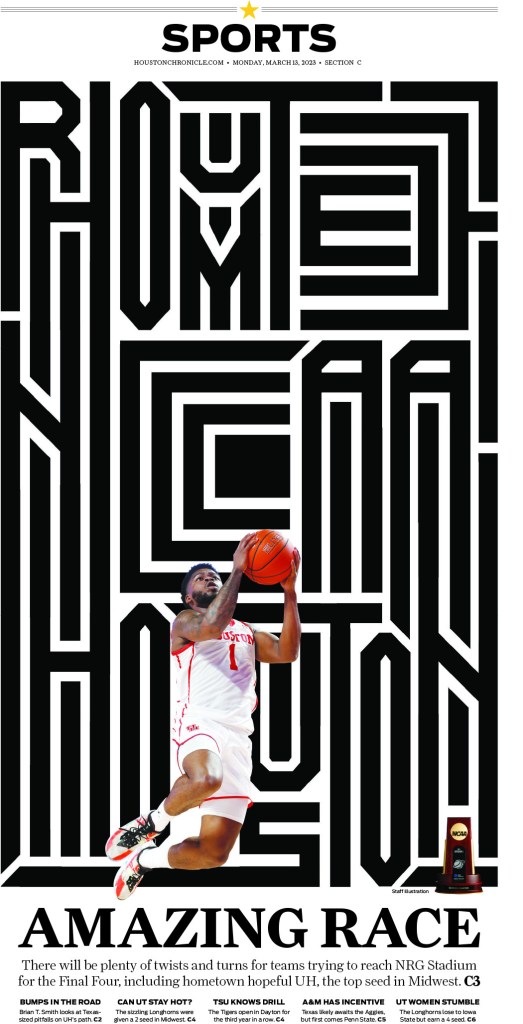
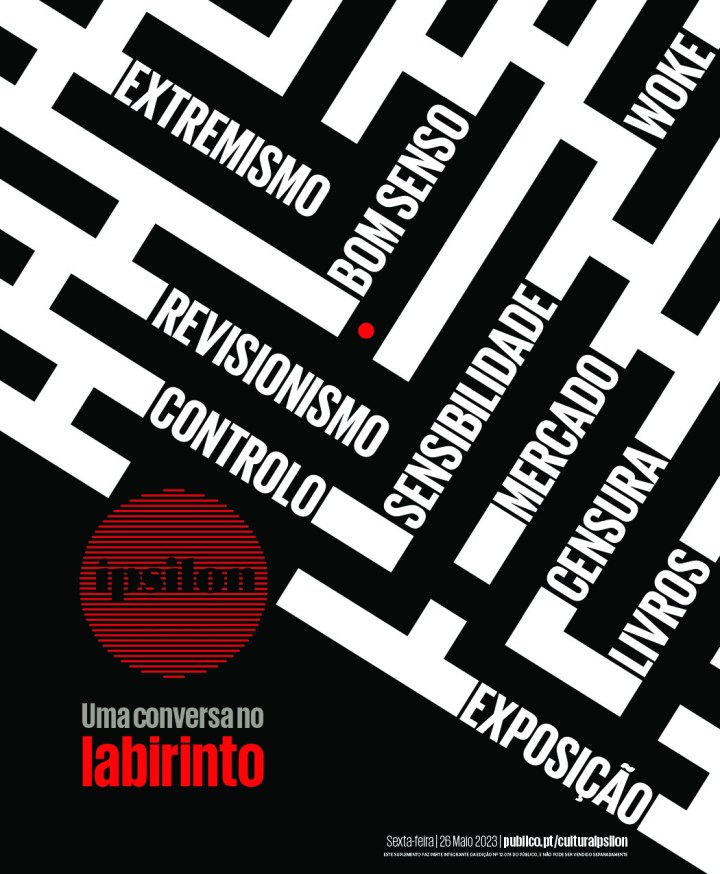
The final two pages use a similar technique, with the strong black and white lines. The first, the Houston Chronicle, uses the black and white as words, but not obvious words at first glance. And they are complemented by a small colour photo on the bottom of the page. And at the bottom is Publico, a Portuguese publication. They use the lines to lead into words, and add a splash of red.
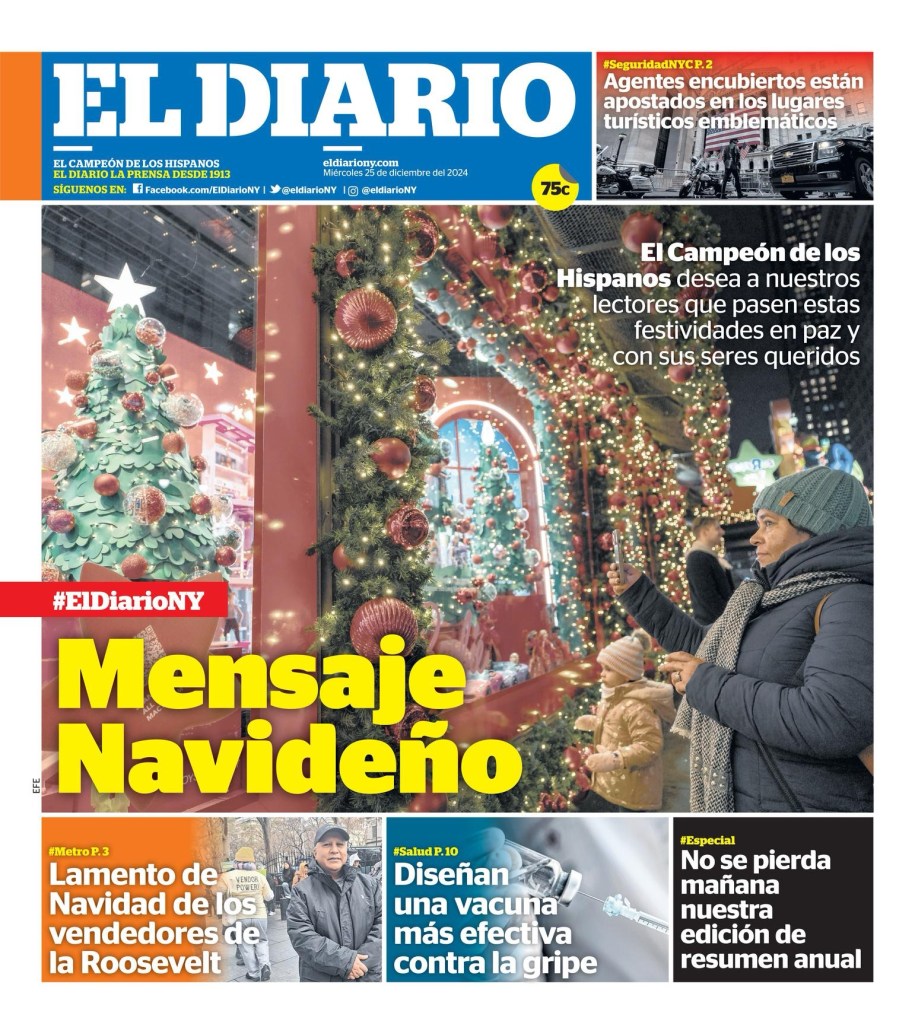
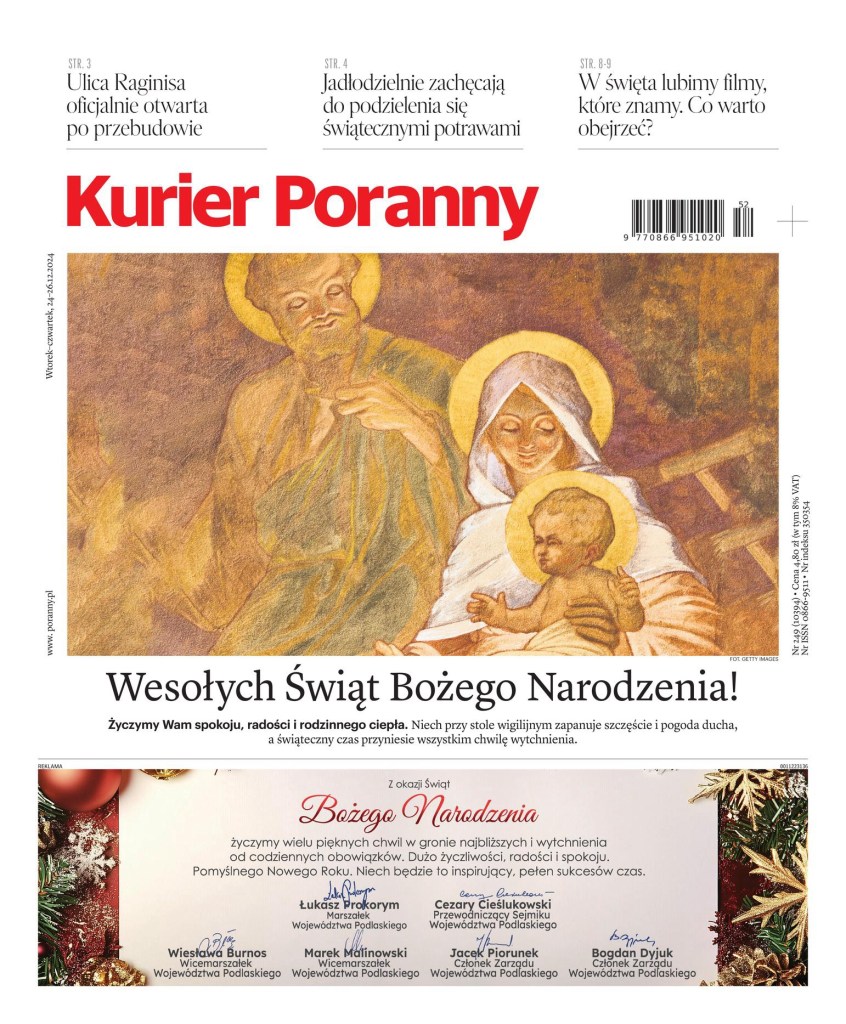
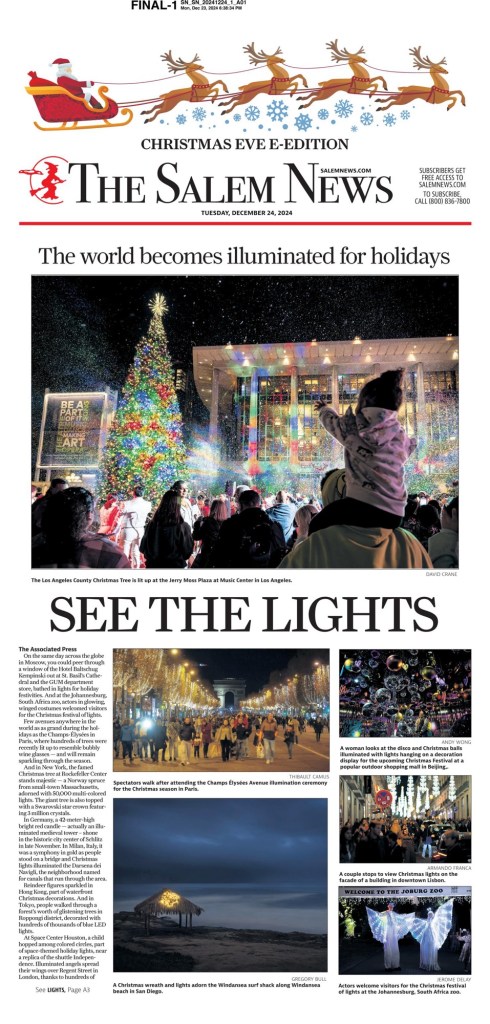
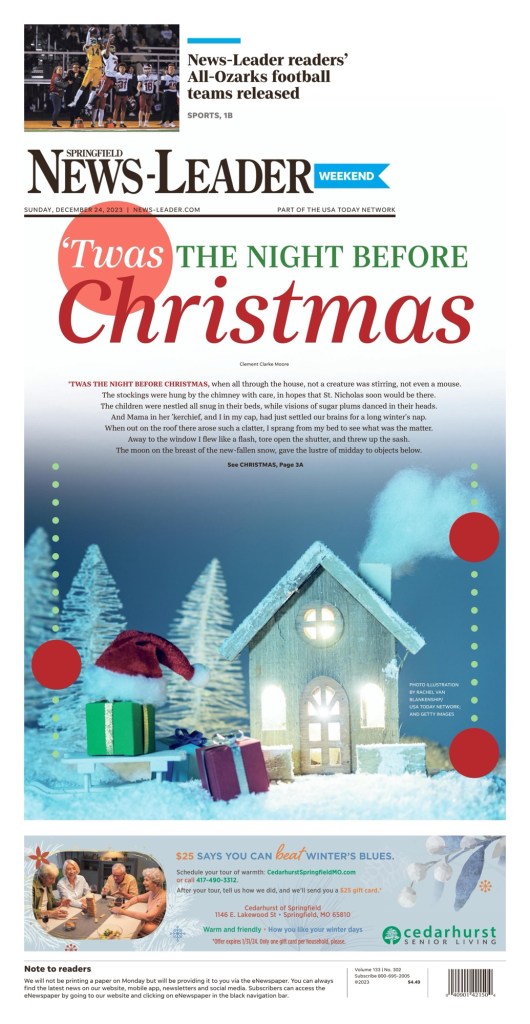
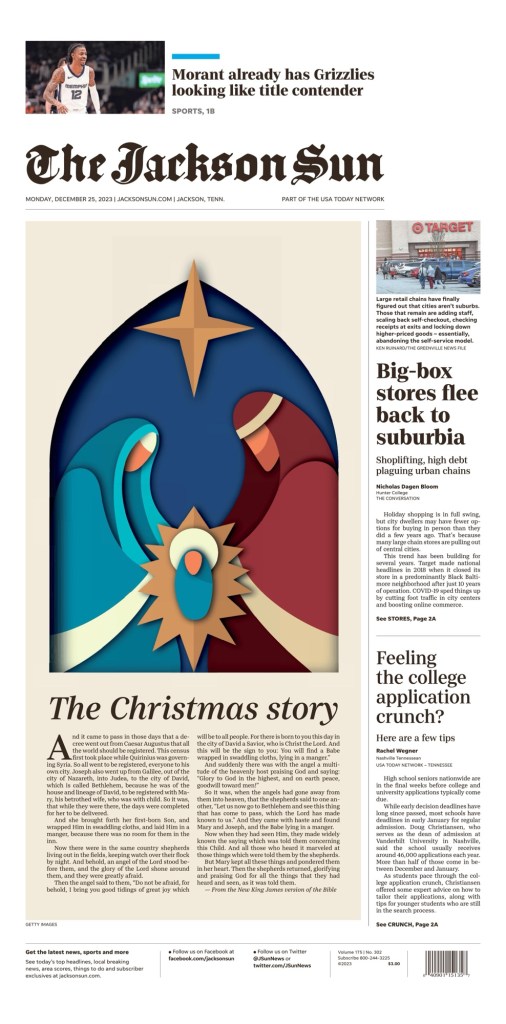
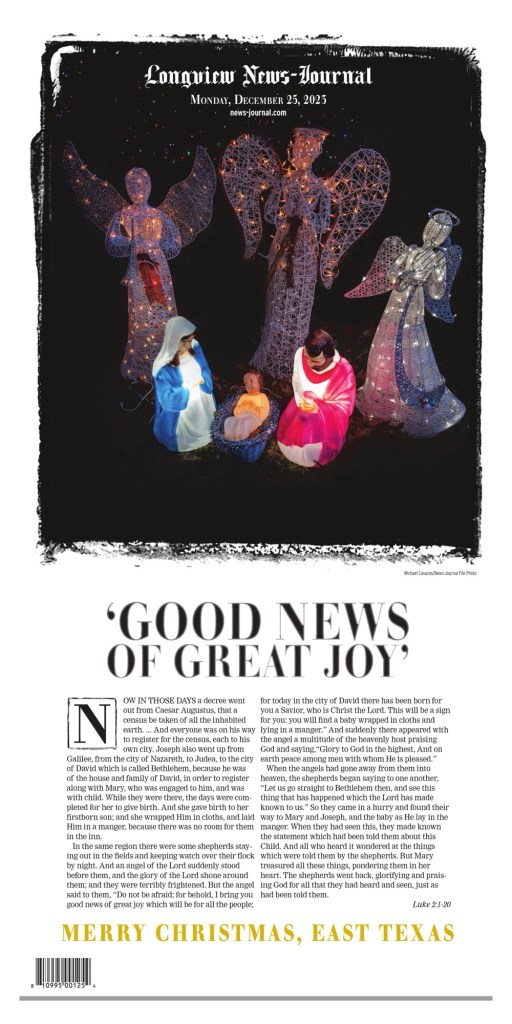
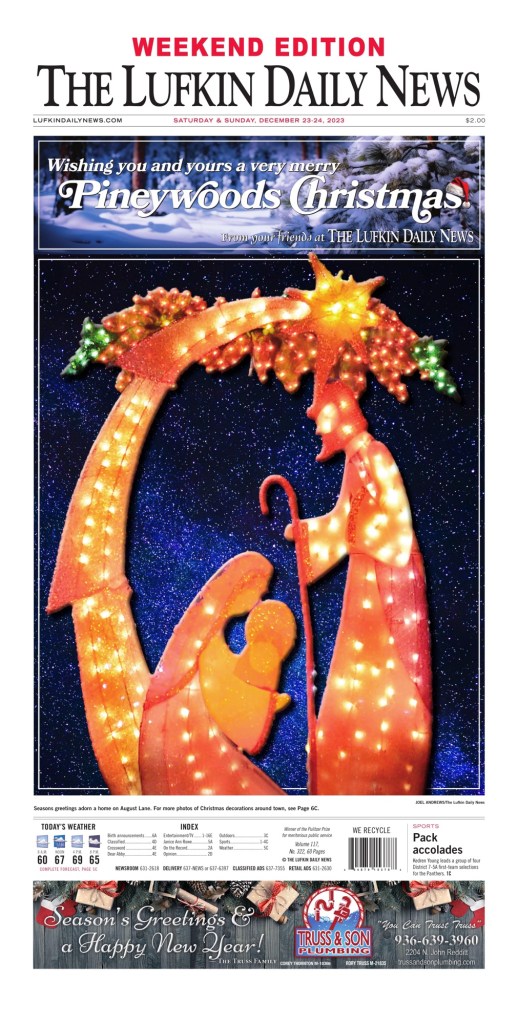
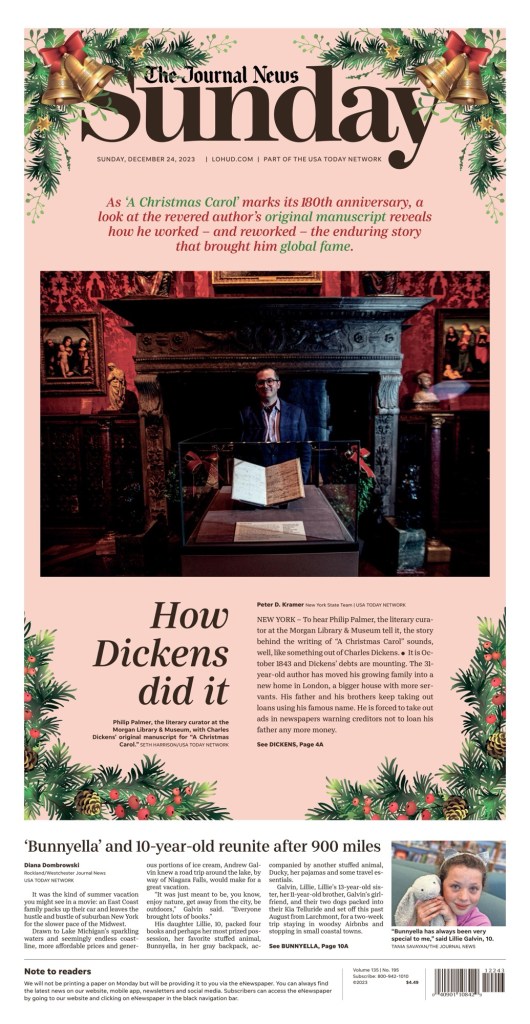
It’s the most wonderful newspaper time of the year. Where covers are shiny, no columnists whining, just all artists’ cheer! It’s the most wonderful newspaper time of the year! At least on the covers of some papers. And this year, I think the world needs a little cheer. It has been an exceptionally challenging year for many reasons, largely due to war. So these covers are meant to symbolize happiness and the dream of peace.
There is not much like Christmas front pages. Many newspapers go all out, with beautiful art taking up most or essentially all of the front page. There are some papers that always go big, and a few that use the same concept year after year (and they do it well).
Christmas front pages were spread over a couple of days this year as a lot of newspapers don’t publish on Sundays. Without further adieu (the most popular opening salvo in Wordle, but according the The New York Times not the best) …
The National Post always runs a stained glass window. It has since its first Christmas cover in 1998. And it’s always lovely.
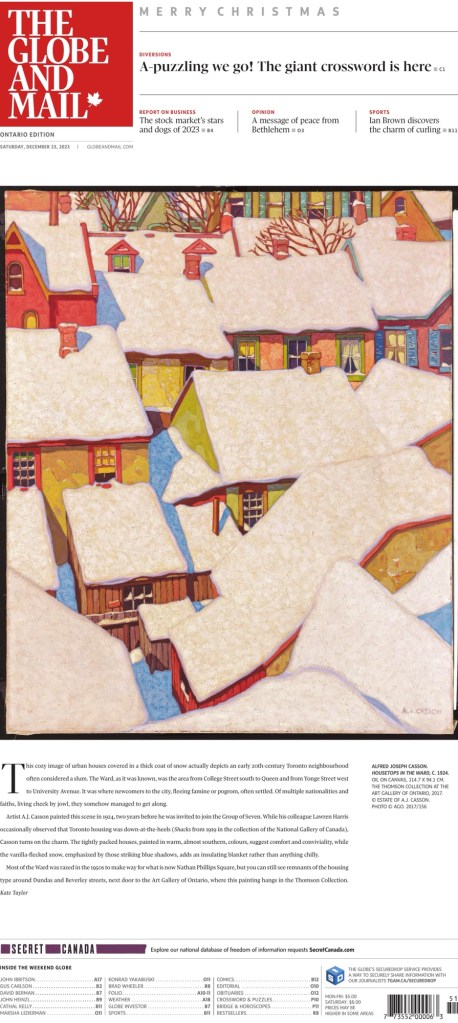
The Globe and Mail is another paper that has long run with the same idea, a piece of art from the Art Gallery of Ontario. This year it’s a piece by Alfred Joseph Casson called Housetops in the Ward. Rumour has it the Globe was inspired to start doing something like this after the launch of the National Post, and seeing what they were doing.
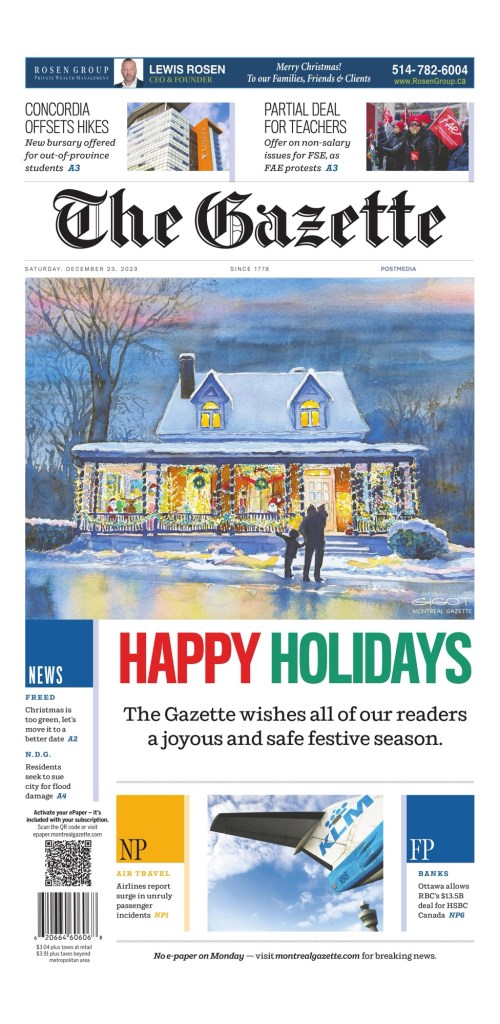
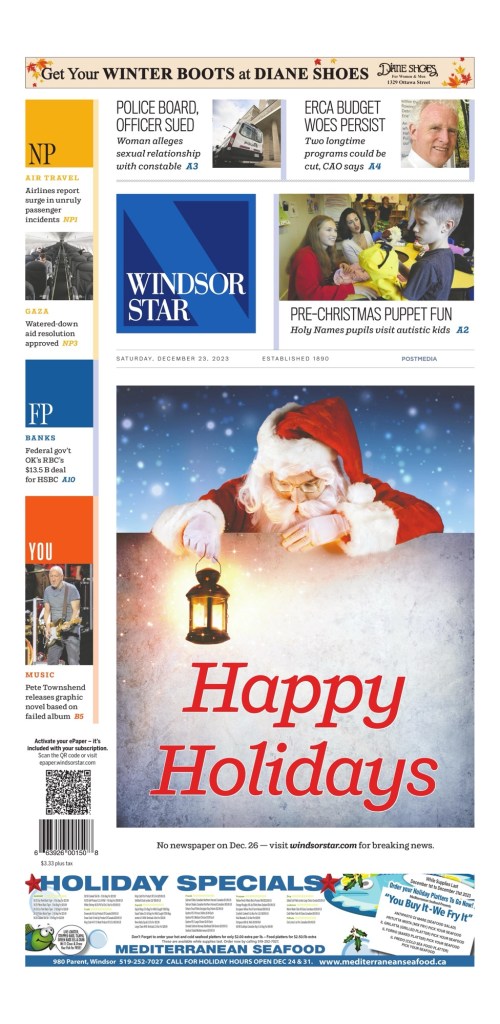
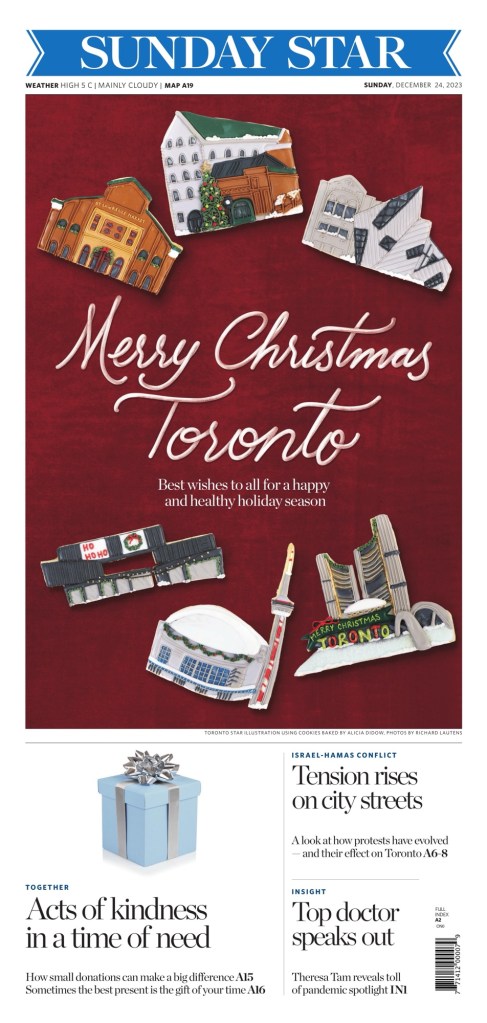
Here are a few other front pages from Canada before we see some of the best from around the world. Included are Postmedia’s Montreal Gazette and Windsor Star, followed by the Toronto Star. I feel like the Toronto star normally looks for wide appeal, but went hyper local this year. It’s fully a Toronto Christmas wish. And you know what? That’s OK because unlike the Globe and the National Post, the Star really is about Toronto.
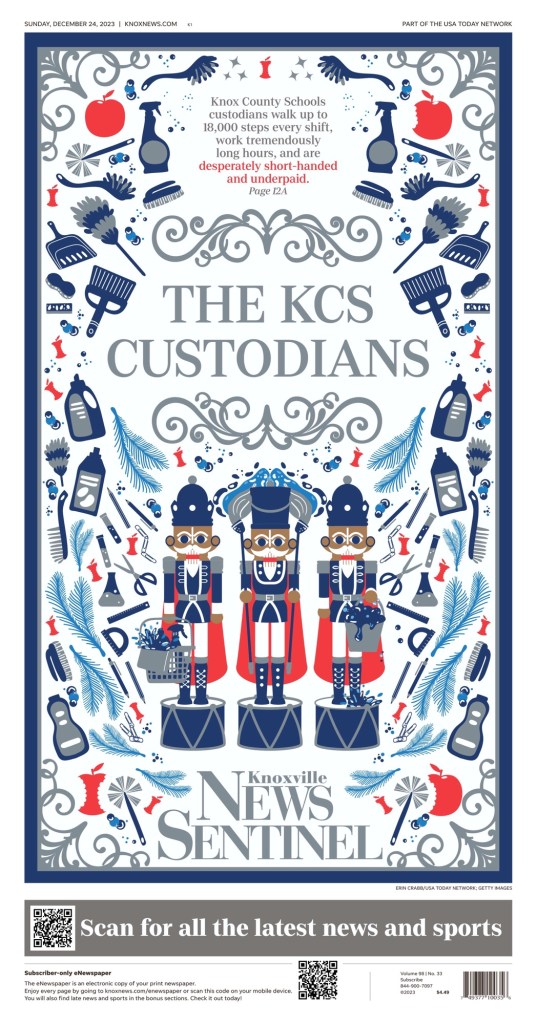
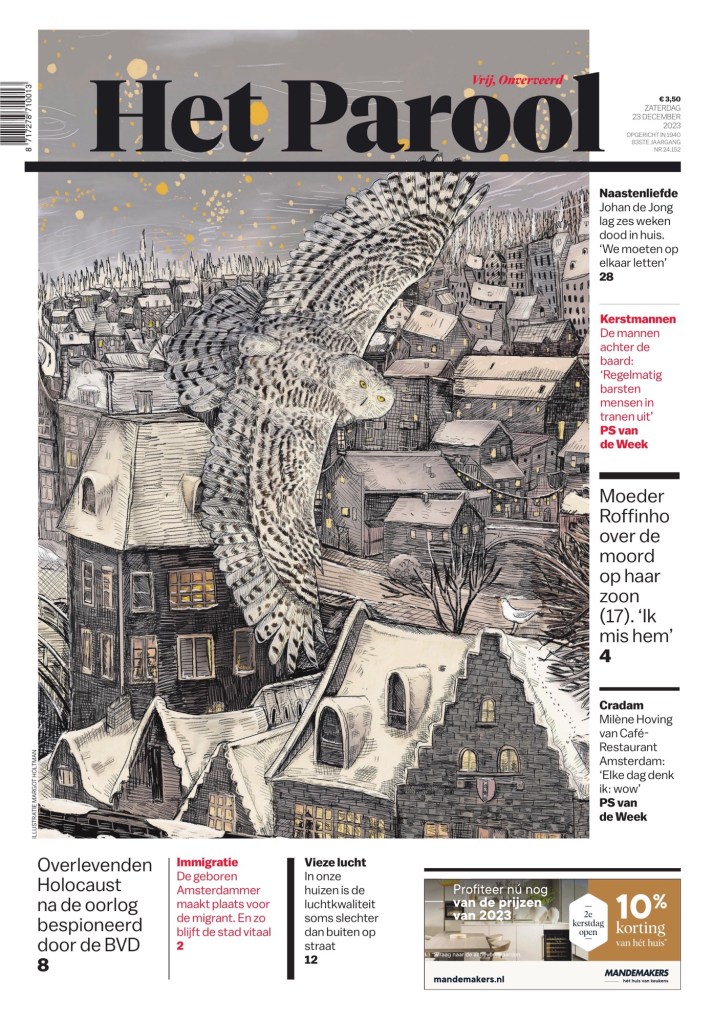
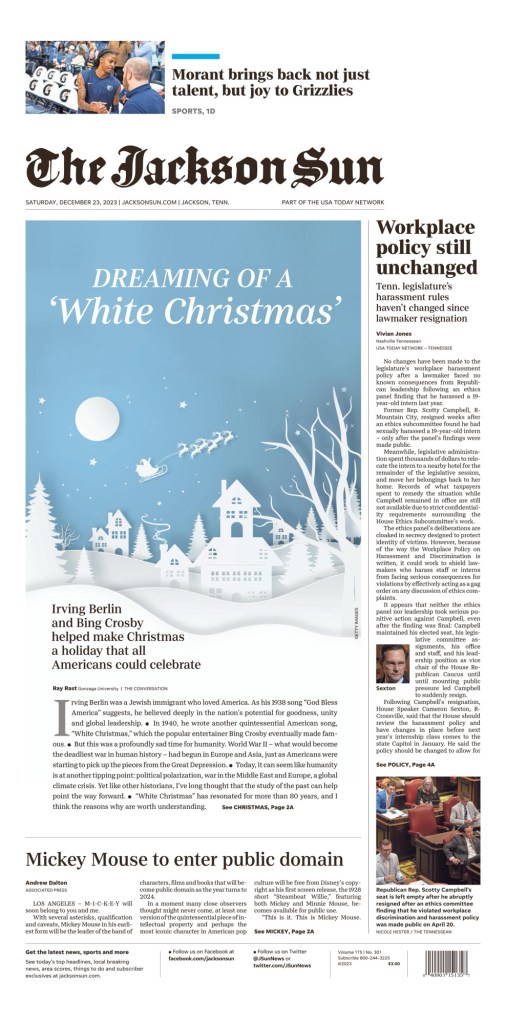
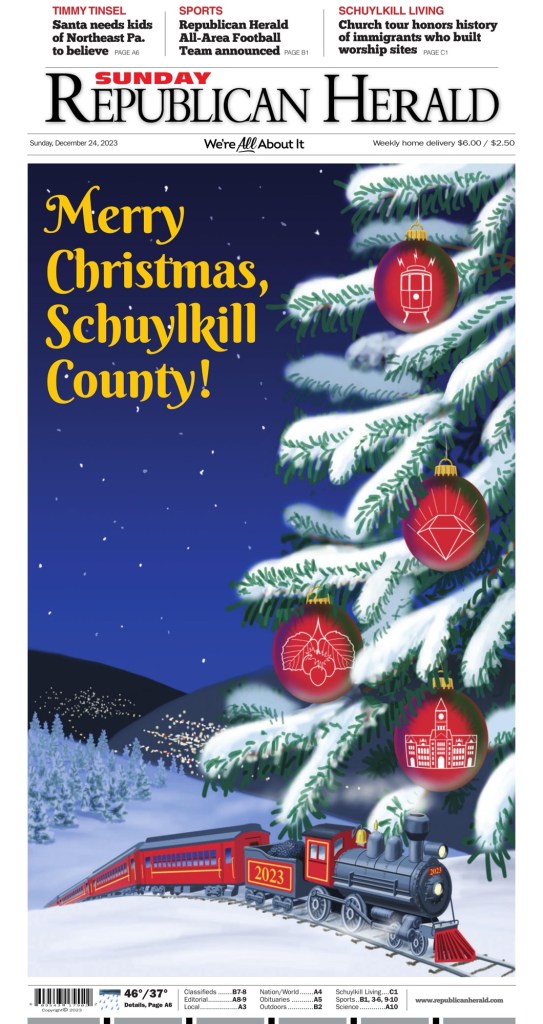
These next three are three of my favourites overall from 2023. The art is just striking and beautiful. they include the Knoxville News Sentinel, Het Parool (Amsterdam) and the Jackson Sun.
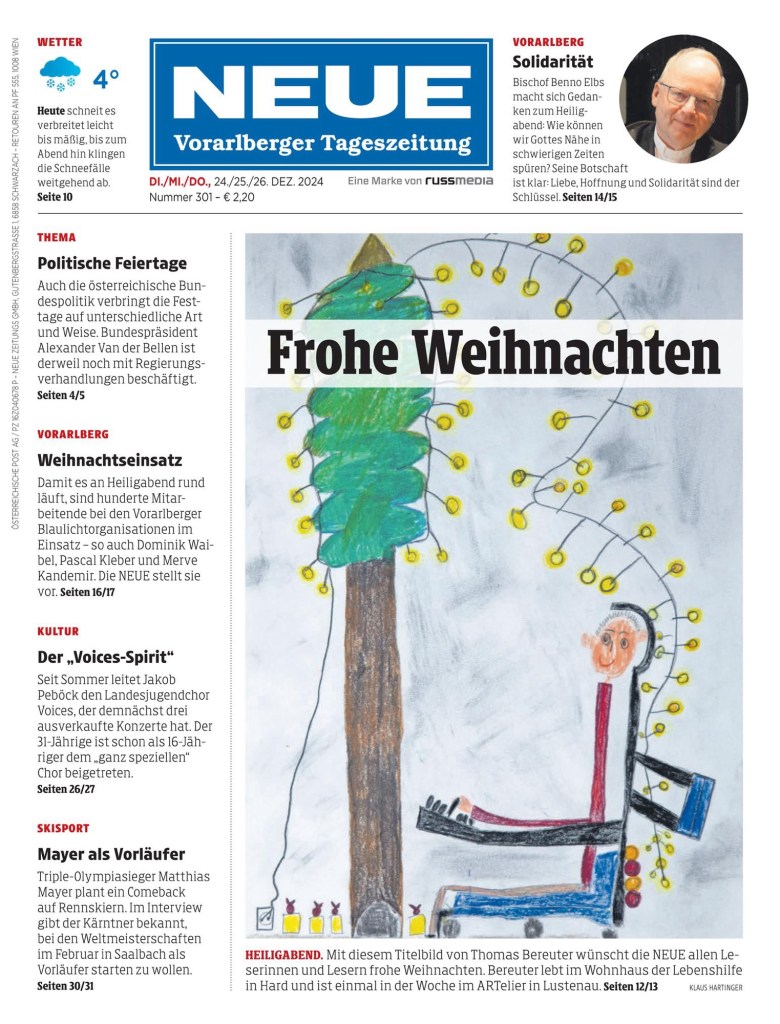
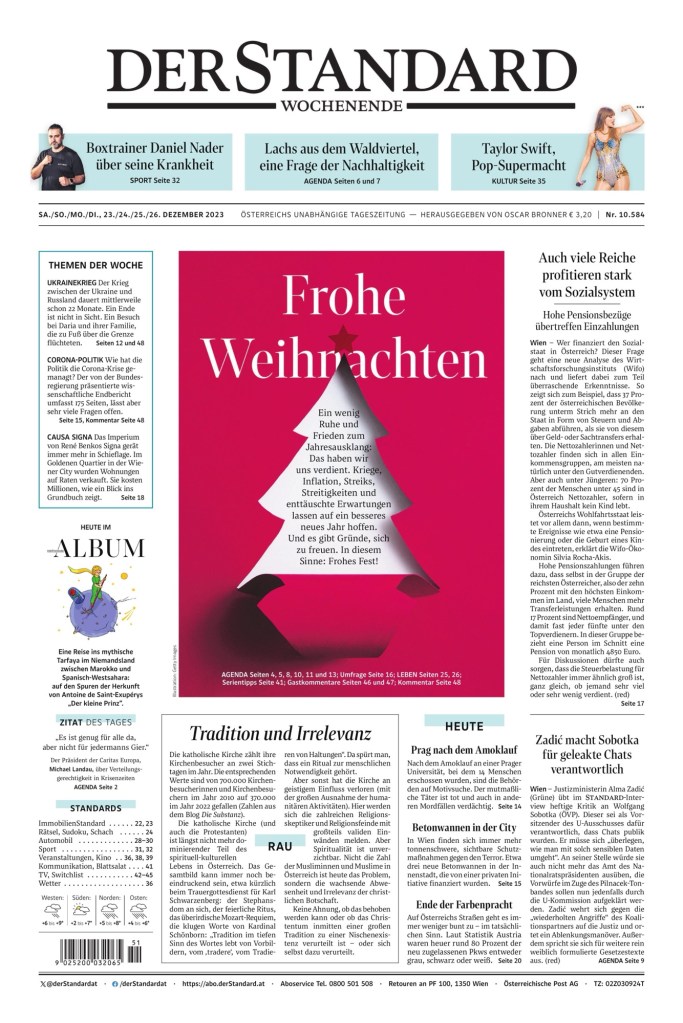
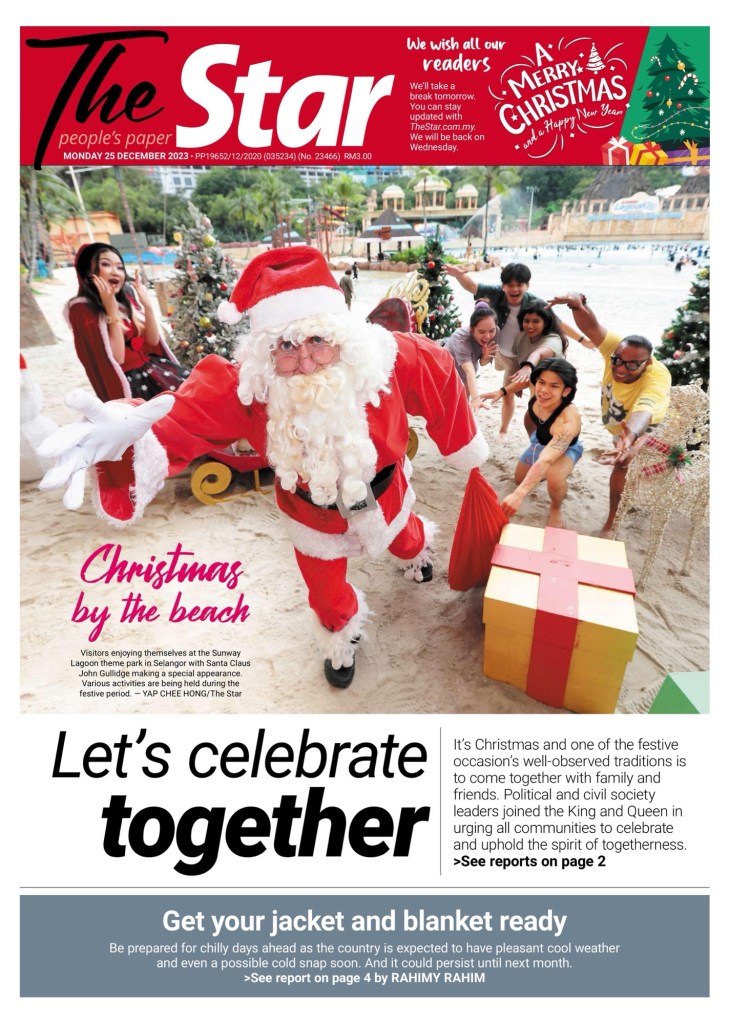
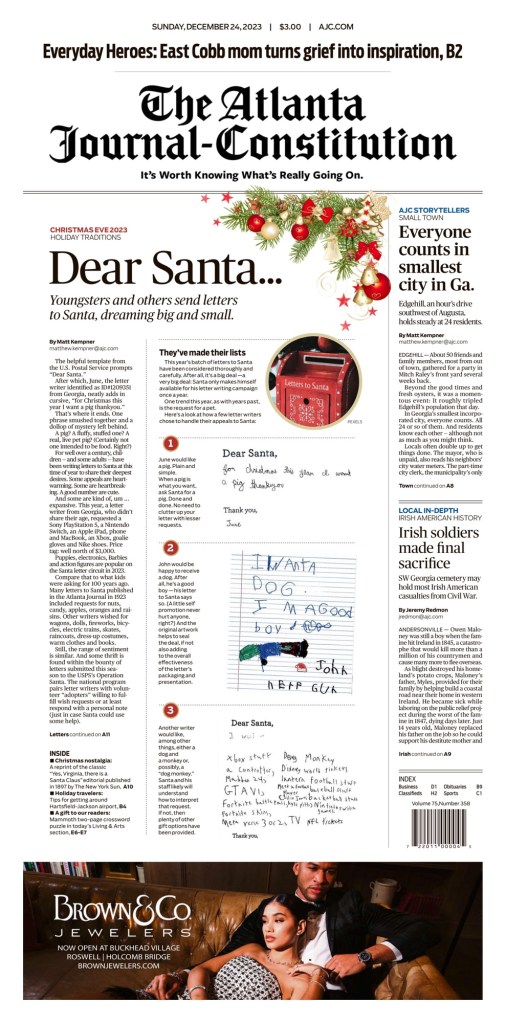
And here are a few more. Mostly from the U.S. but also one from Austria and another from Malaysia. The Jackson Sun makes a second appearance. Also there is a different take by the Atlanta Journal Constitution. Dear Santa …
Merry Christmas to those who celebrate it. And a wish for peace for everyone.
World’s Best Designed Newspaper. Phew. That’s a big deal. Even today, maybe especially today, as newspapers are facing an existential crisis. World’s Best. By no fault of the staff involved in production — the unsung, behind-the-scenes heroes of newspapers, those who play a key role in the daily miracle — many newspapers are mailing it in. They are putting words on paper to wrap around print advertisers, who are still by in large keeping the media world afloat (thank you, print advertisers!). Most in the newspaper world would like to do more, and they do as much as they can with the resources they have. But then there are those publications that stand out. Those who can compete for World’s Best Designed Newspaper.
There were four finalists this year, and two winners. The finalists where The New York Times, Washington Post, Die Zeit (Germany) and and Weekendavisen (Netherlands). I have featured the Washington Post in my American post, and Weekendavisen in my world post. But for now, the winners: The New York Times and Die Zeit, last year’s reigning champion, at the top again.
It can be like comparing apples to Mack trucks, as someone I once worked with used to say. How can you choose between a daily broadsheet and a slightly smaller weekly (though slightly larger that I thought it was only ever seeing it in a PDF format)? How does one compare anything to the mighty New York Times and its resources? The answer? You consider all factors, but in the end it comes down to which newspaper is best executed and puts out the best product, overall and for its readers.
So what makes a newspaper the World’s Best Designed, in the eyes of Society for News Design judges? As the judges change each year, the criteria can also change though the themes are generally very similar. Here are some of the factors they looked at this year:
How the typography is handled
How it interacts with illustrations and photos on page
Is it thoughtful?
Does the hierarchy feel right?
How well do they tell the story using all tools available to them to help readers understand the story easily? They should masterfully use all tools available.
Photo editing
Information graphics usage
Is the design tailored to the content?
Everything should be thoughtfully considered
Hopefully it’s beautiful along the way, and there is still an element of surprise.
An entire publication should be cohesive
The judges also said the winning publication or publications should be setting a standard for other publications to look to for inspiration. And I would say the two winners do just that. And what is great about it is that they do it in very different ways.
The team of judges overseeing this category know a thing or two about design and newspapers. You can read more about each them here, but here is a quick look:
Beto Alvarez, a deputy news editor at the Los Angeles Times; Joe Hutchinson, the creative director for Rolling Stone;Mary Jane Callister, the deputy design director of features for The New York Times (she didn’t vote or take part in discussions on the NYT entries); Mie Brinkmann, visual editor of the Danish weekly Weekendavisen (she didn’t weigh in on her publication either), and Tonia Cowan, director of graphics for The Wall Street Journal.
The New York Times
The New York Times has some of the best designed pages in the world. And more of them. Overall this year the publication won a staggering 188 awards. Of those, eight were gold medals (nearly half of the 17 awarded) and 26 were silver medals. That’s outstanding. Nobody comes close to those numbers. Eight gold medals means eight entries in which a team of judges was hard pressed to find a single flaw. Pages that push boundaries.
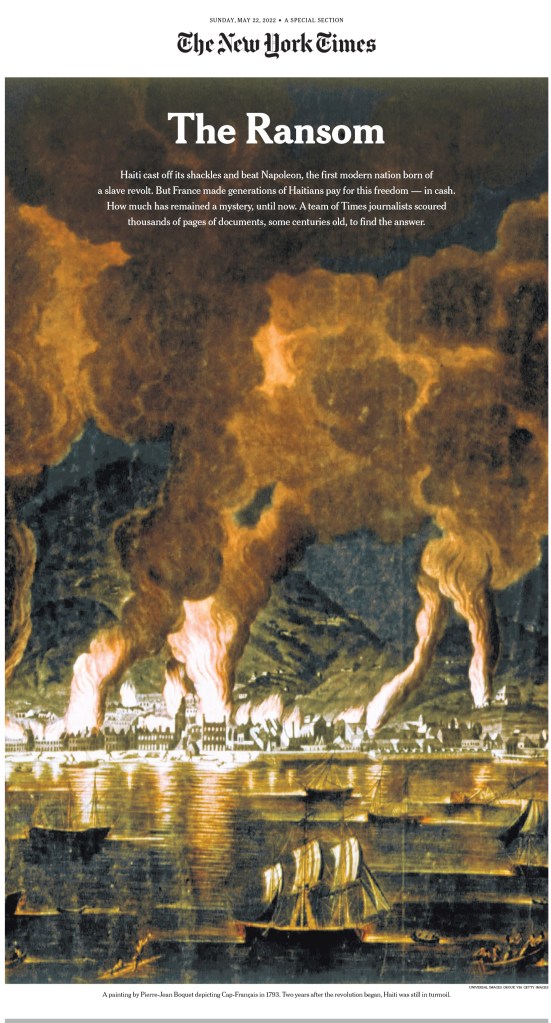
Because of all the amazing pages, The New York Times is very often in contention for this award. What often holds it back are the inside pages in the A section, sometimes even the iconic front page. It’s simple to see that a standard inside A page can’t match a kids section page, or an opinion section cover, or even an inside page in a weekly competitor. But they put those news pages out under intense deadlines, and one thing can be said: they are on brand. Also they serve the purpose they intend to serve. They inform the readers, and they do it at a high level. Despite the moniker of Old Gray Lady (the front page is still a little grey but that’s both part of the charm and the brand, and it’s less grey than it once was) the inside pages use a surprising amount of art. With some world-class photographers in house, why not?
Here is what the judges said about The New York Times:
The New York Times design harnesses a wealth of deep and diverse journalism. The paper has a design approach that enables them to craft solutions for a broad range of storytelling. Their design uses elegant and timeless typography that is instantly recognizable as The New York Times.
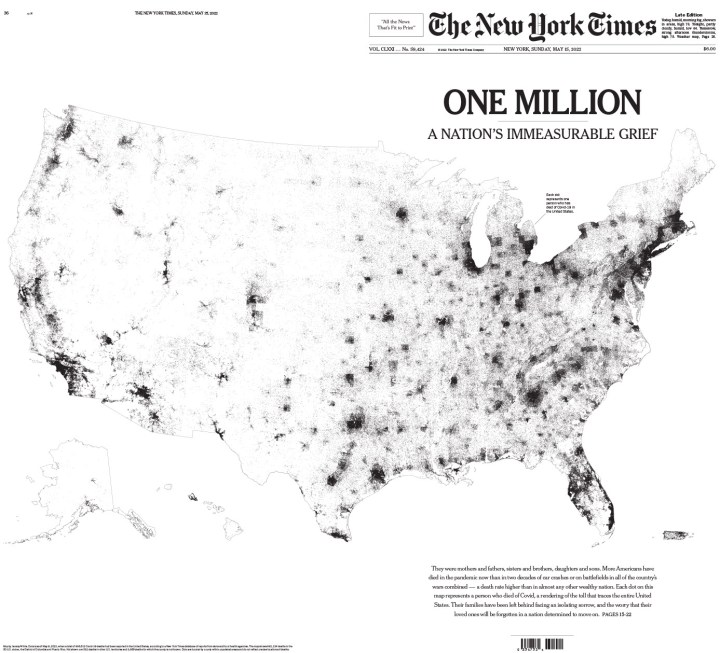
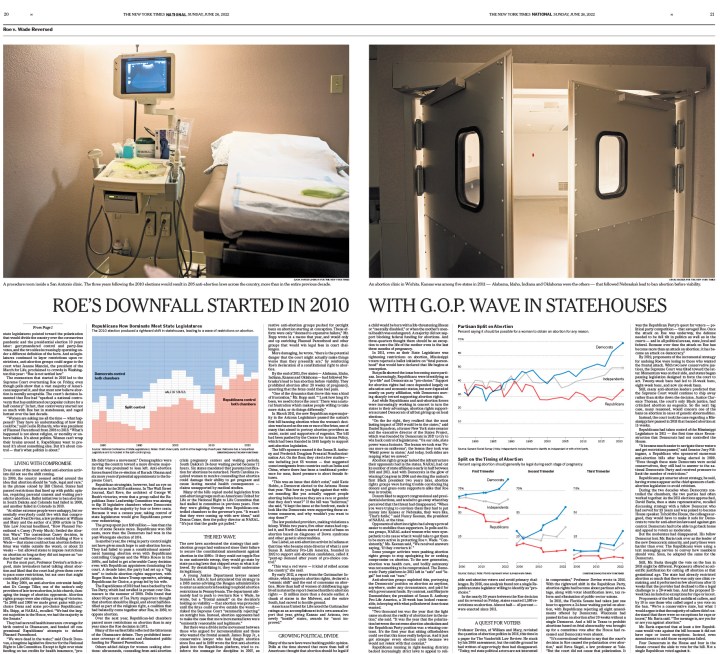
Here are some of the pages, and I’ll try not to have too much overlap with my previous posts, but there will need to be some, and I will start with one. This was just so extraordinary. So powerful, and all in black in white. Black and white and read all over. So classic newspaper, and just so smart, from concept to execution.
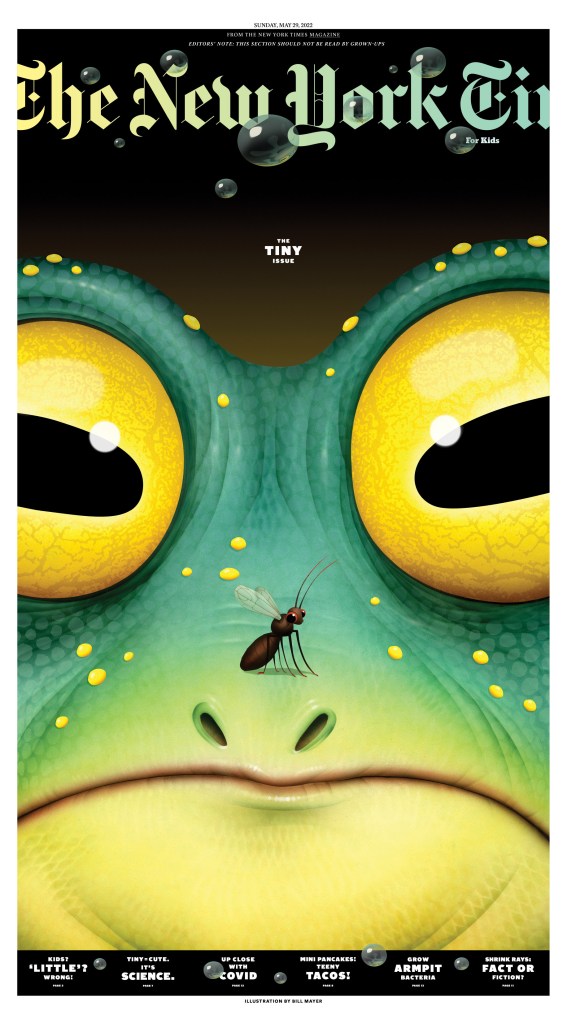
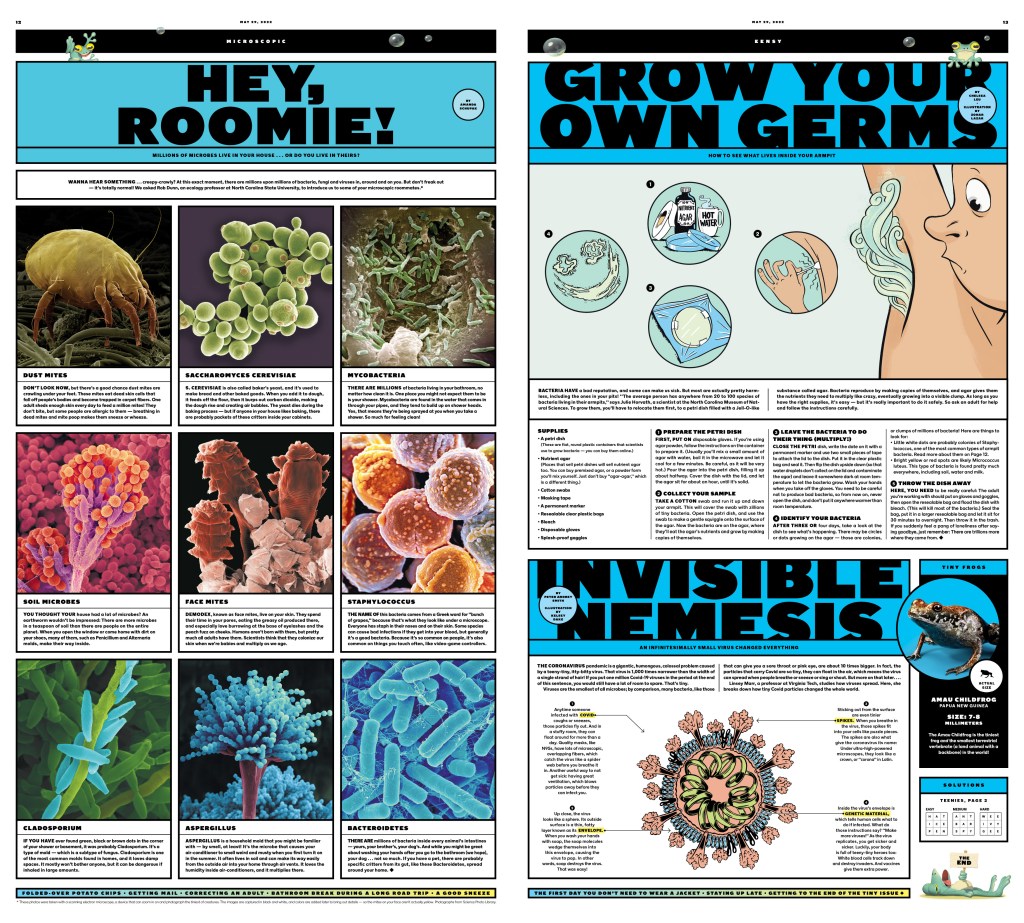
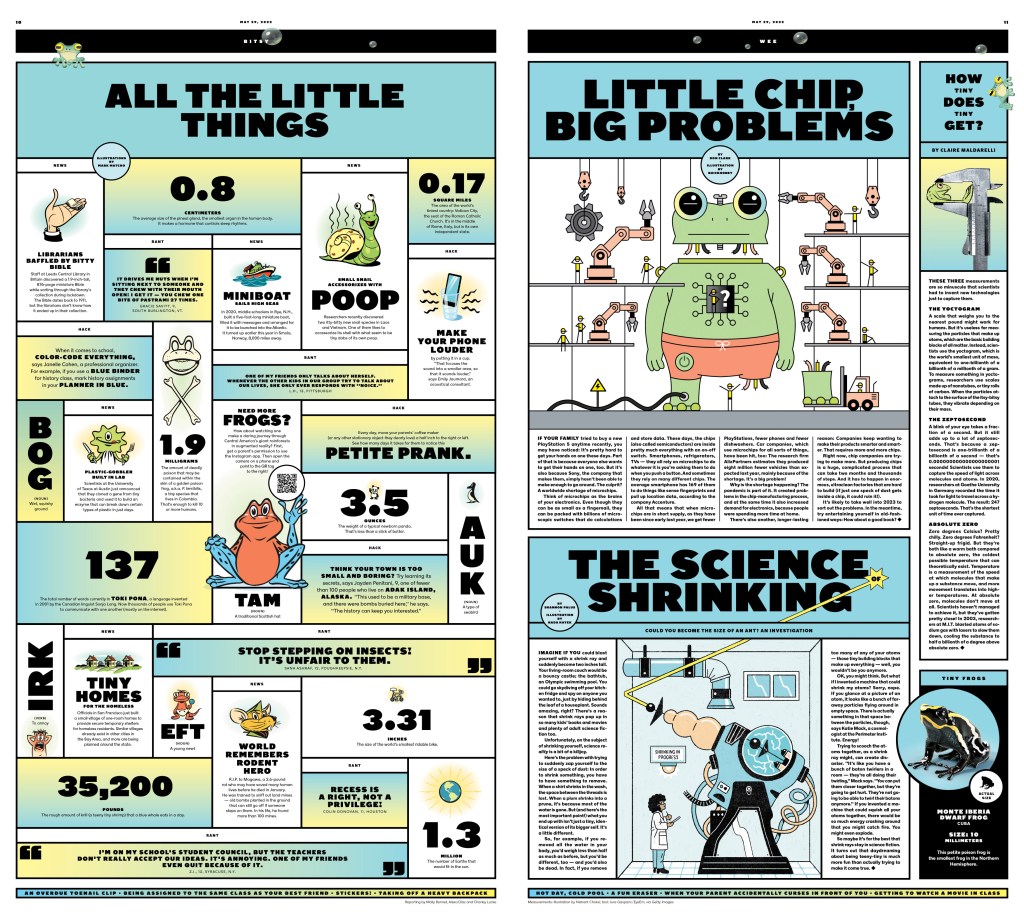
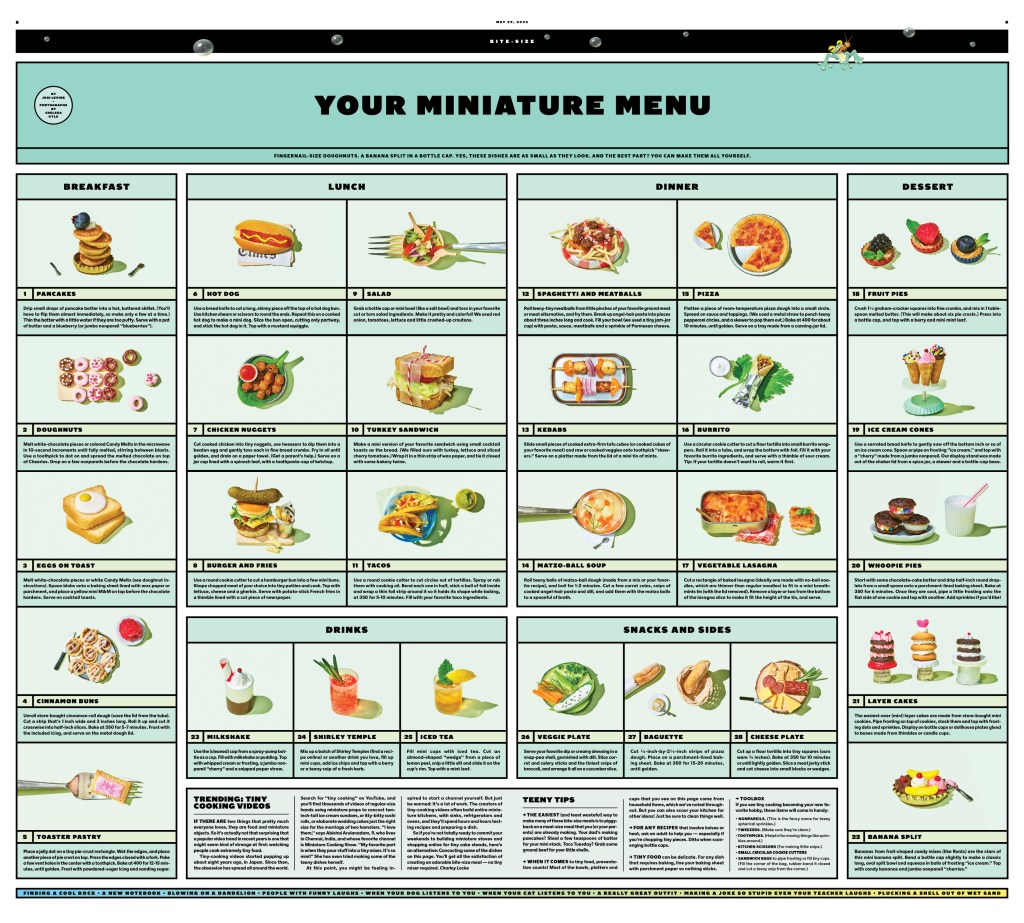
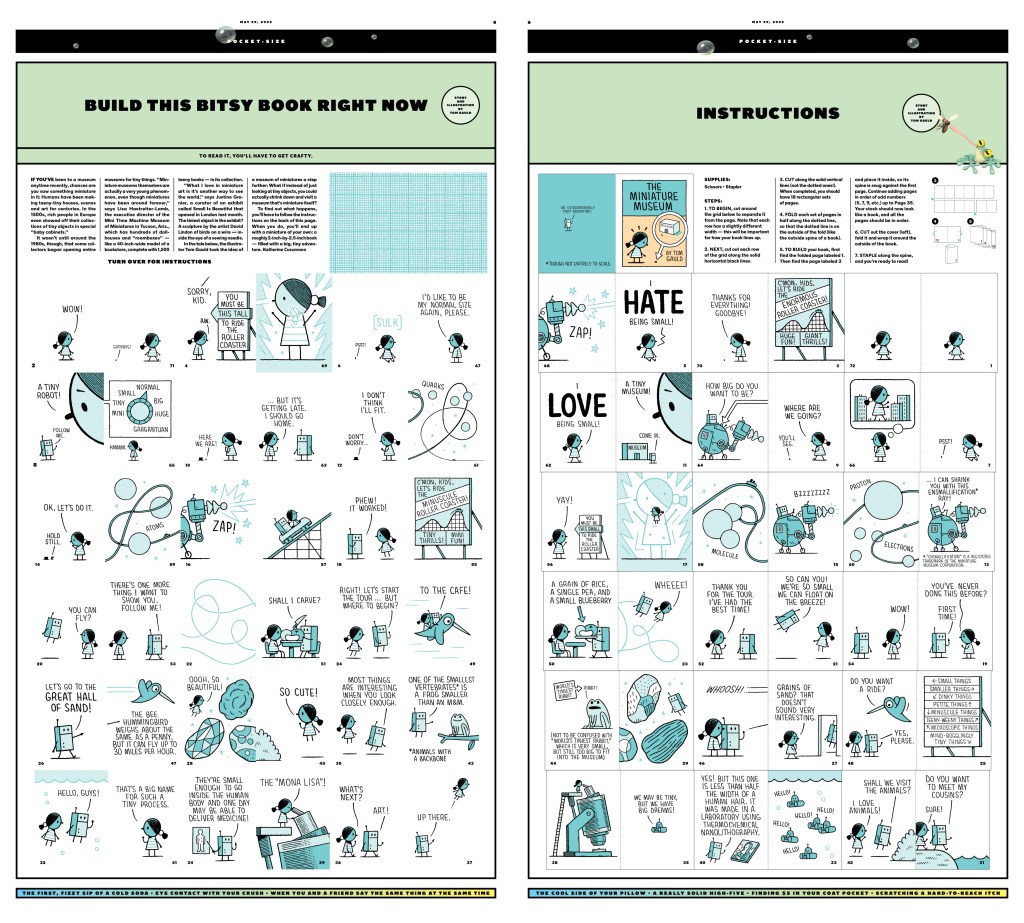
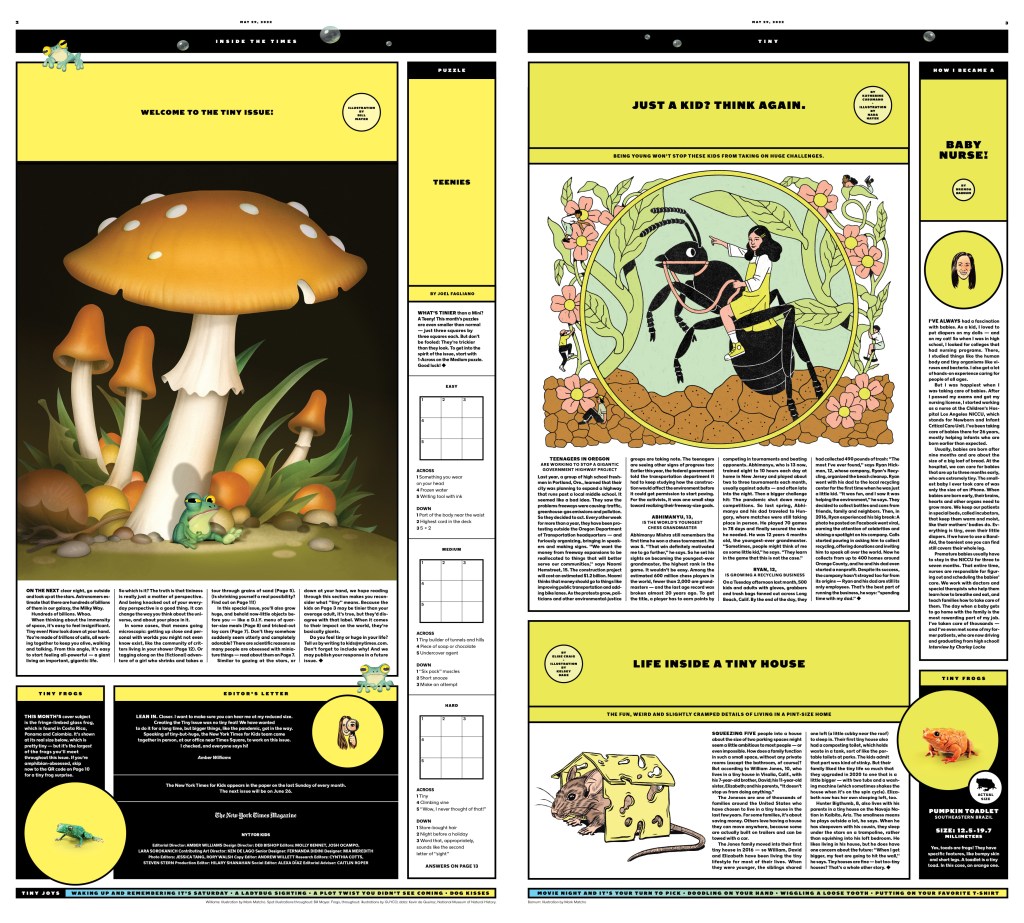
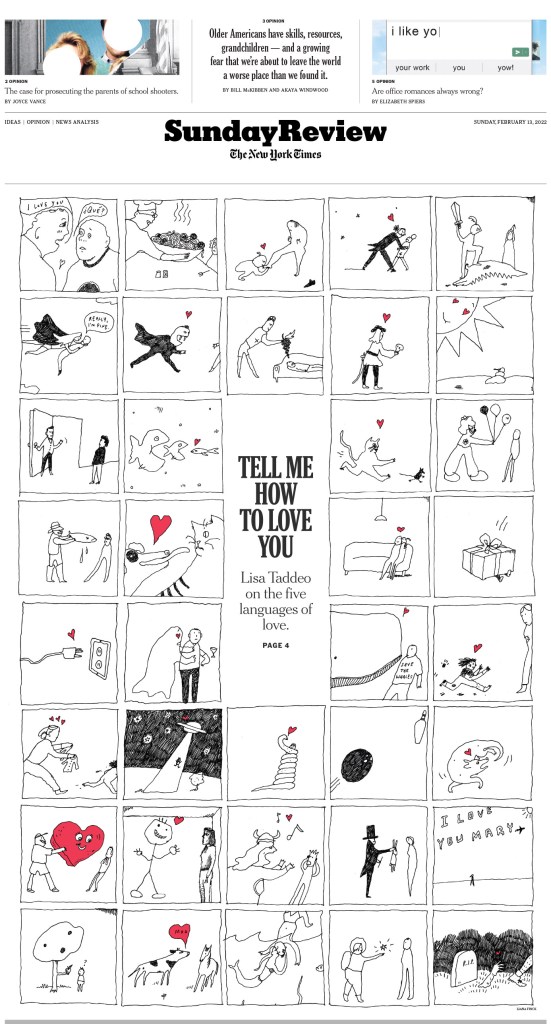
And the kids section. Every year it gets talked about probably more than any other page or section. This is just one of the many incredible samplings. It must take incredible resources to produce something like this, and it’s great to see a media organization willing to invest in this level of content. The illustration on the front below is by Bill Mayer, and it’s also used as my feature image for this post.
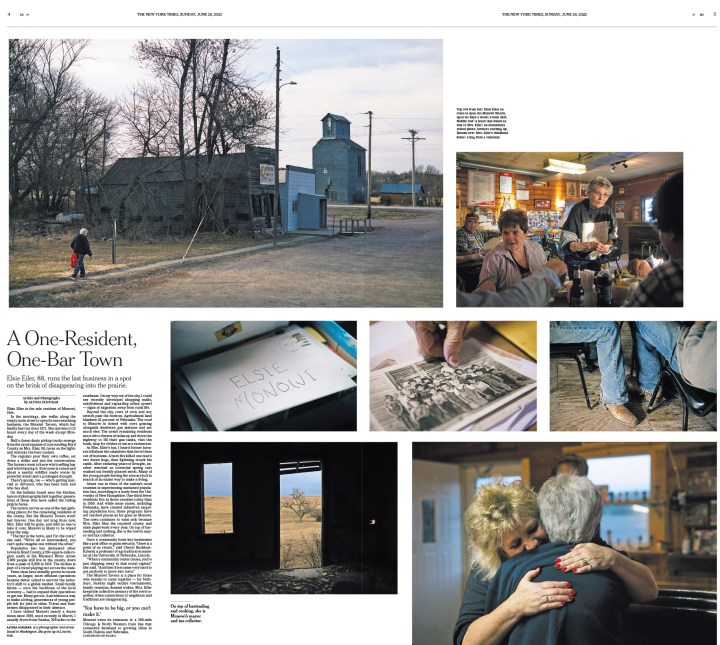
I will get back to the big splashy pages, but here is a selection of more classically designed newspaper pages, just text and photos. They are clean, informative and easy to follow. And also beautiful in their own way.
Here is a sample of a section that is both visually wonderful and very practical.
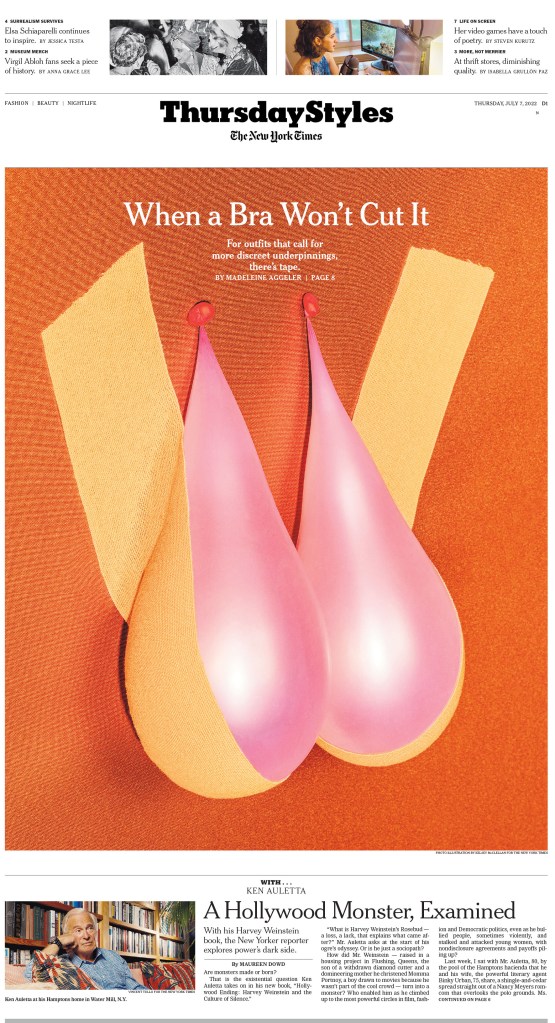
And back to big and splashy. When a New York Times designer gets some time to spend on something, do they ever blow it out of the water.
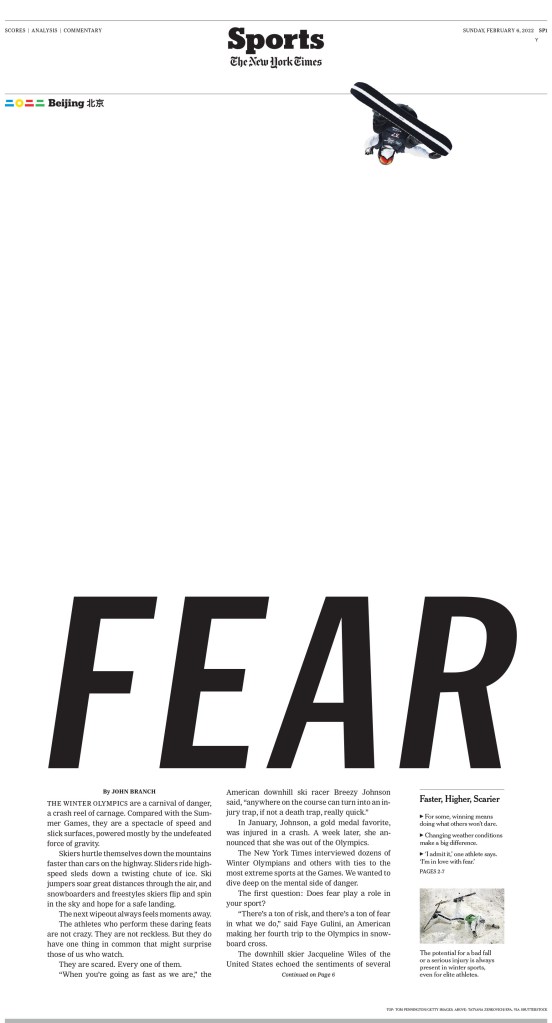
As I mentioned, The New York Times won 188 awards. So this sampling is a drop in the bucket. I will end it on this sports page, which got a lot of love from the judges. The use of white space here is doubly smart.
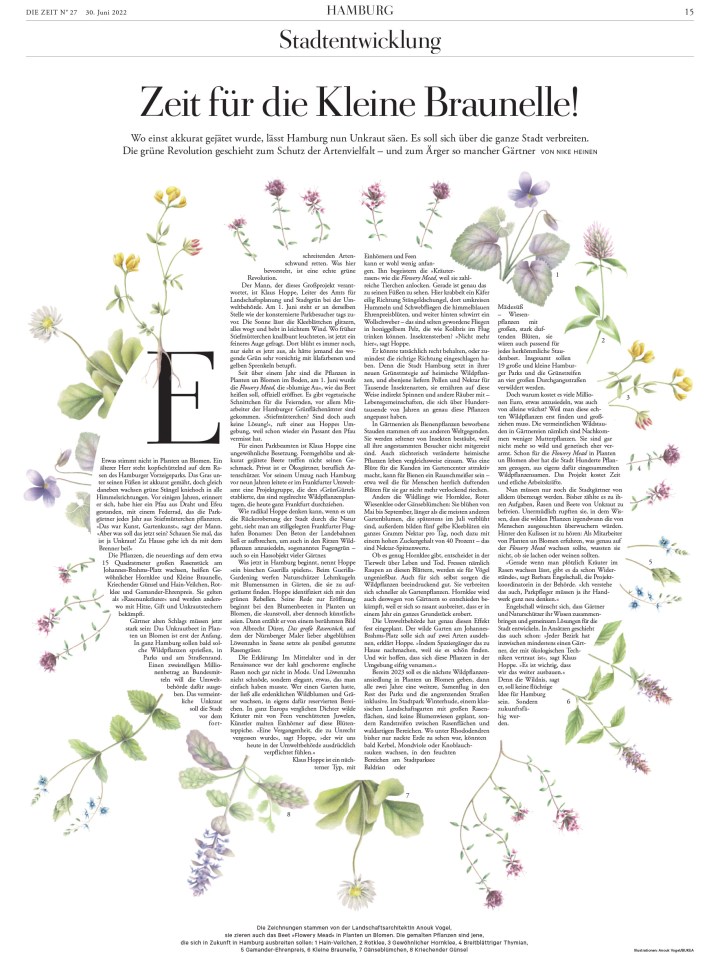
Back on top for a second year in a row is this paper described as almost too perfect. But not quite. It’s just perfect enough. Die Zeit so clean, so consistent. You can tell they pay attention to every detail, like how every line of text wrapping around a image looks. It must be evenly spaced and easily readable. Every drop cap and rule is considered. Every detail seems to be considered.
Here is what the judges said:
Die Zeit’s creativity and cleverness are consistently on display. From their larger typographic illustrations to the tiny illustrative details that adorn their initial caps, Die Zeit never misses an opportunity to delight. The juxtaposition of large amounts of text with judicious white space makes long form stories approachable. The typography, tight photo editing, concise information graphics and a controlled color palette represent an overall wisdom and restraint that allow visuals to shine.
First, a front page. It is elegant and consistent week to week.
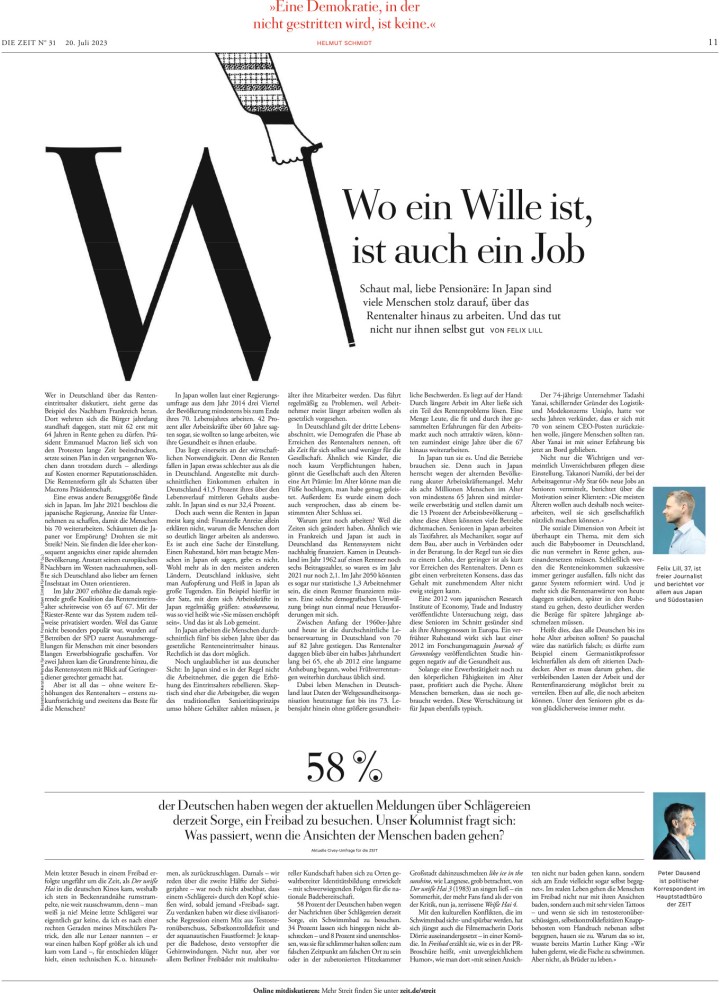
One great thing Die Zeit does, similar to The New York Times, is designing with images and text, rather than a large illustration takes up the entire page, leaving the creativity to the page designer rather than an illustrator. And unlike many newspapers, they can take a big block of text and make it look so good.
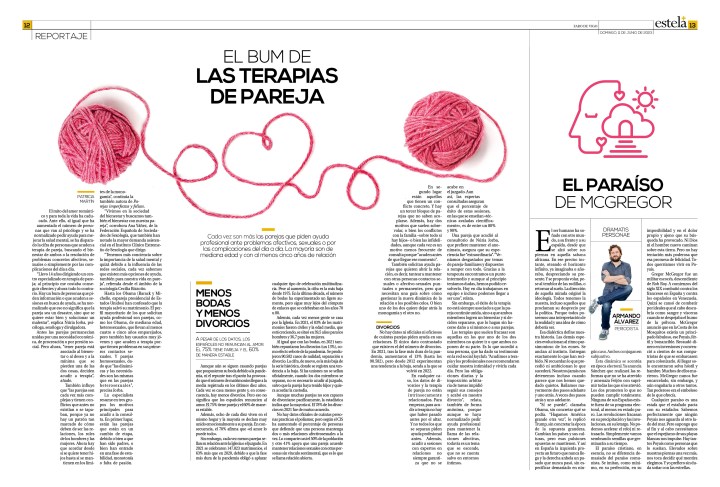
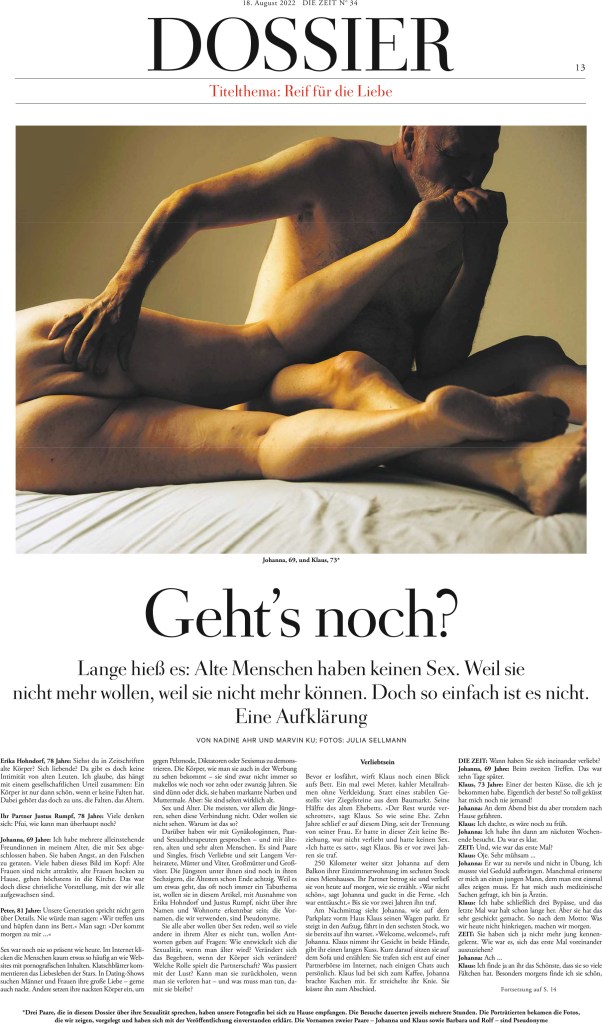
And here is the European side of things. They aren’t afraid to get spicy. The story, as you might be able to tell without being able to read the text, is about older people and sex.
Before jumping into the pages that surprise, because despite being very consistent with their crisp, clean design, they also surprise, here is a basic inside page. It’s clean, the art is funny and eye-catching, and also well considered.
And the surprise. Die Zeit can get very bold in their design. This first page, especially, is so bold. And the 3D effect is unreal. Or … very real! But all of these pages are just stunning.
And as I have mentioned, nobody uses text in/as design like Die Zeit. Many try this, many fail, as the body text is awkwardly spaced or hard to read. But Die Zeit does it so well so often. These pages are some of my favourite from this publication. I have always loved trying to use text as design, and, in fact, my first SND award was for a page that did just that.
All of the entrants had to submit five full editions, and I was also able to look single page entries for this post, so there were hundreds of pages to go through. I could show so many more, from basic but compelling inside pages to other exceptional covers and graphics. But I will leave it here. Congrats to The New York Times and Die Zeit, as well as all those who entered. Every publication that put itself out there to be judged very critically did so much very well.




















 Covers in a dangerous time