By Brad Needham

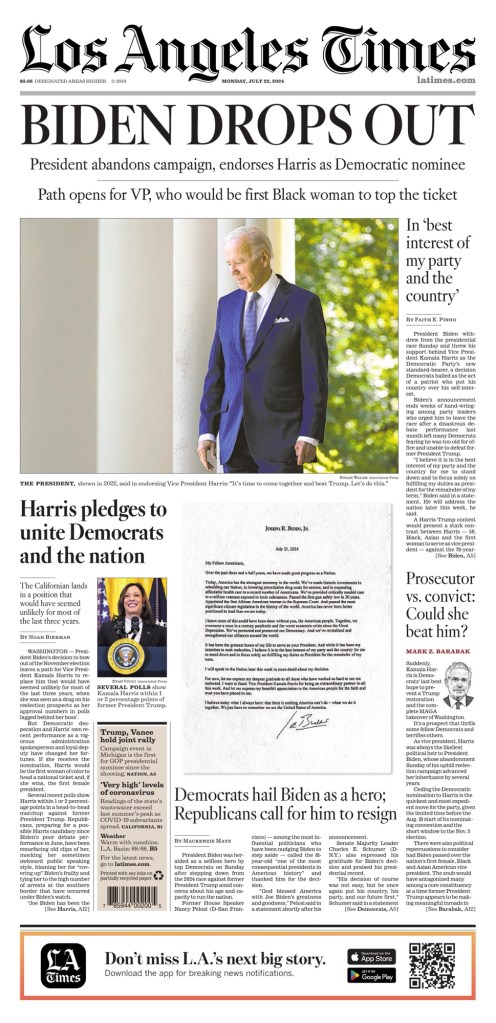
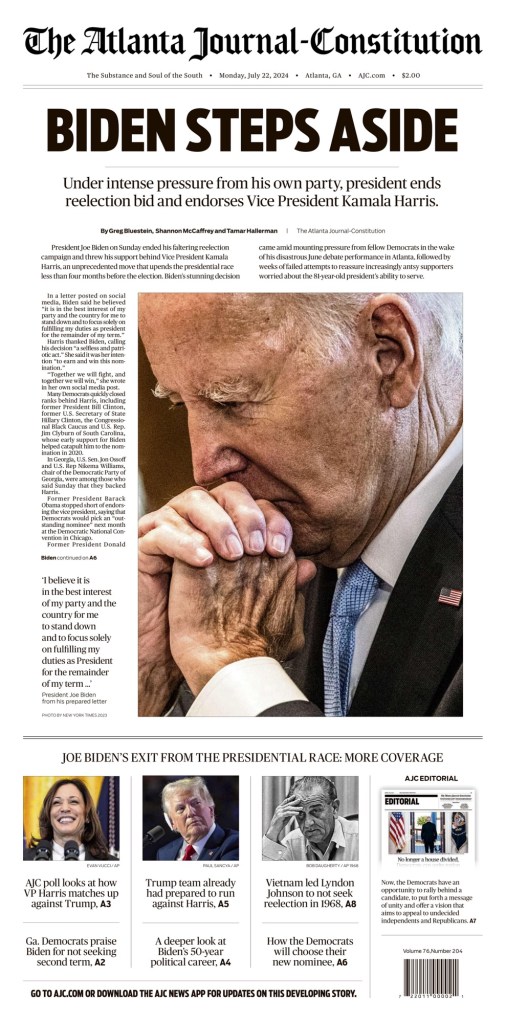
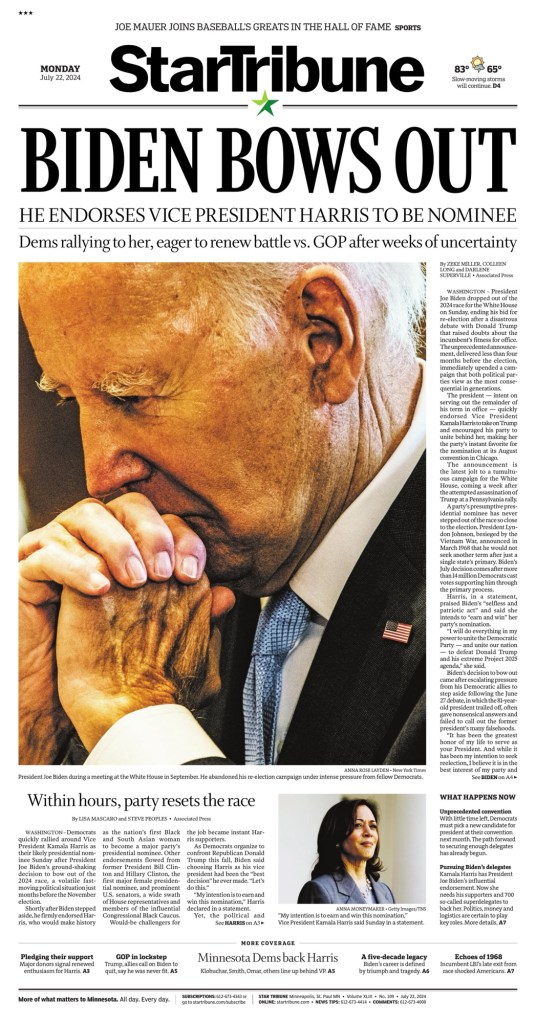
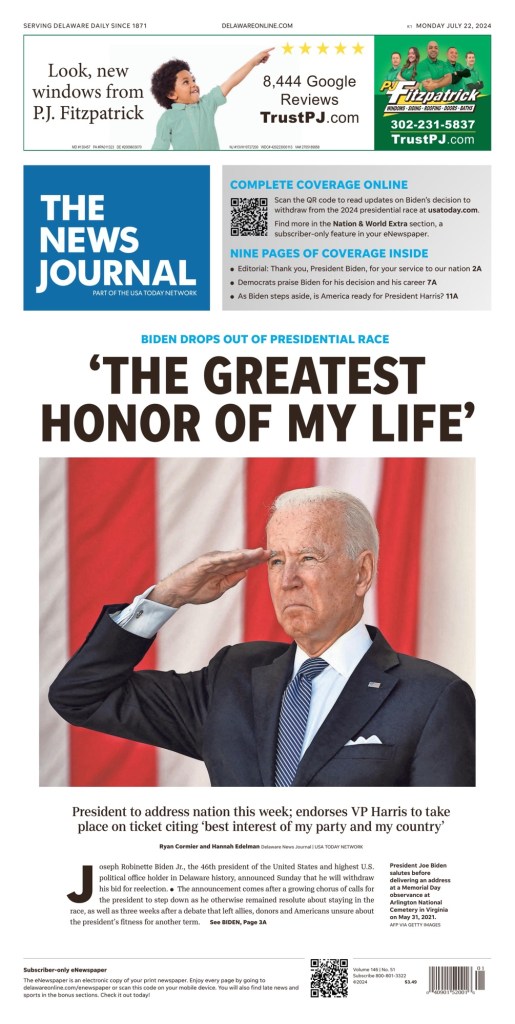
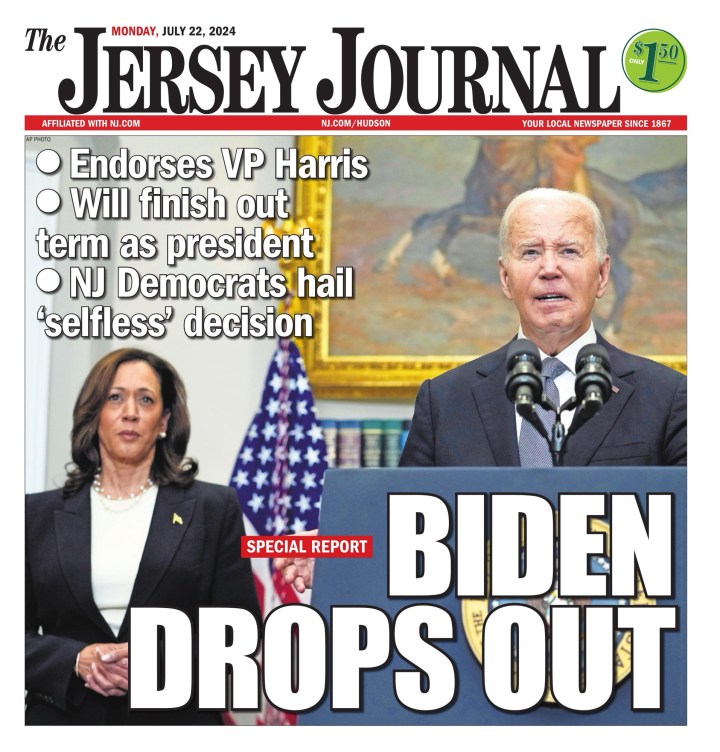
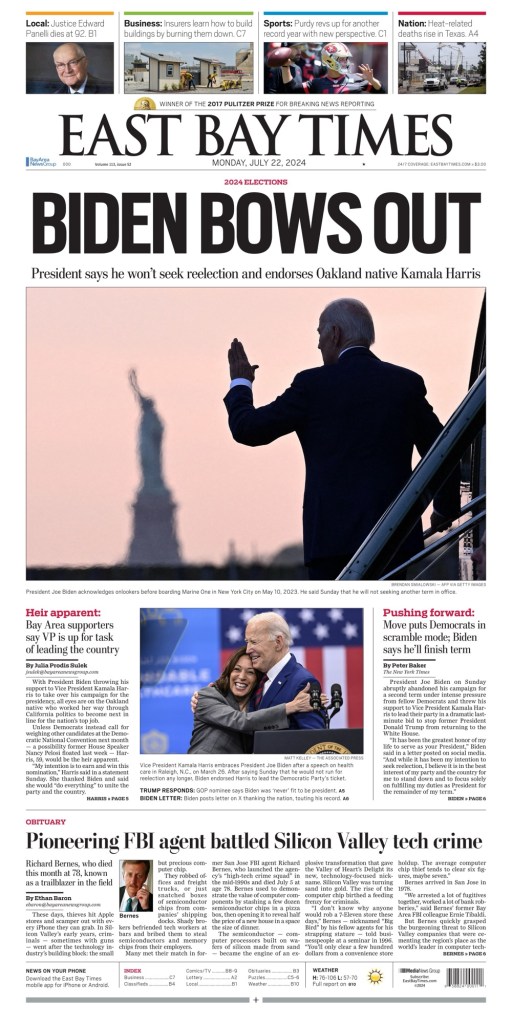
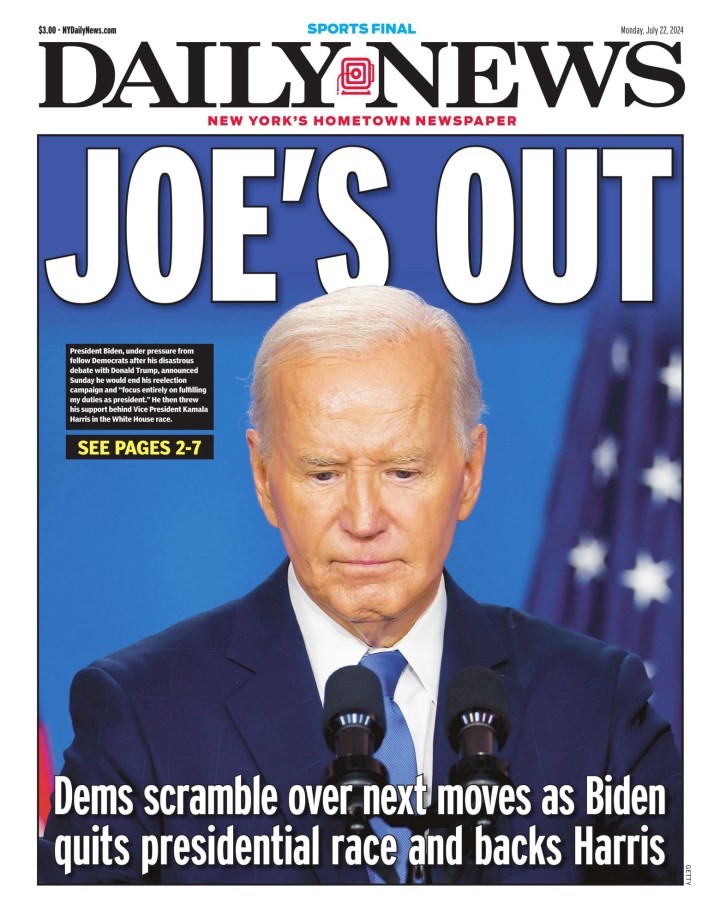
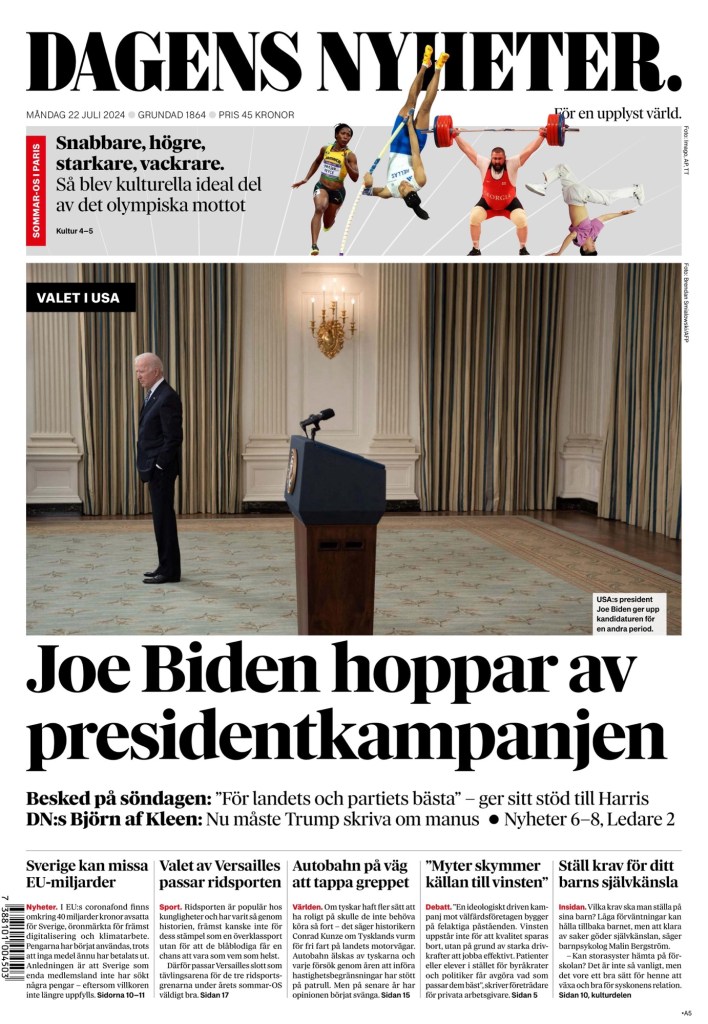
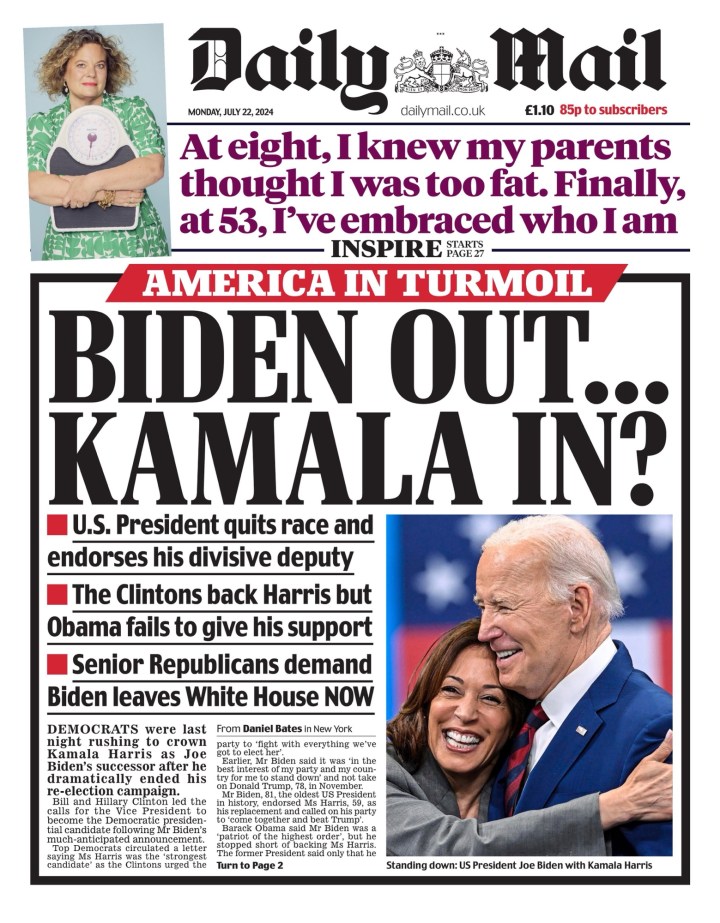
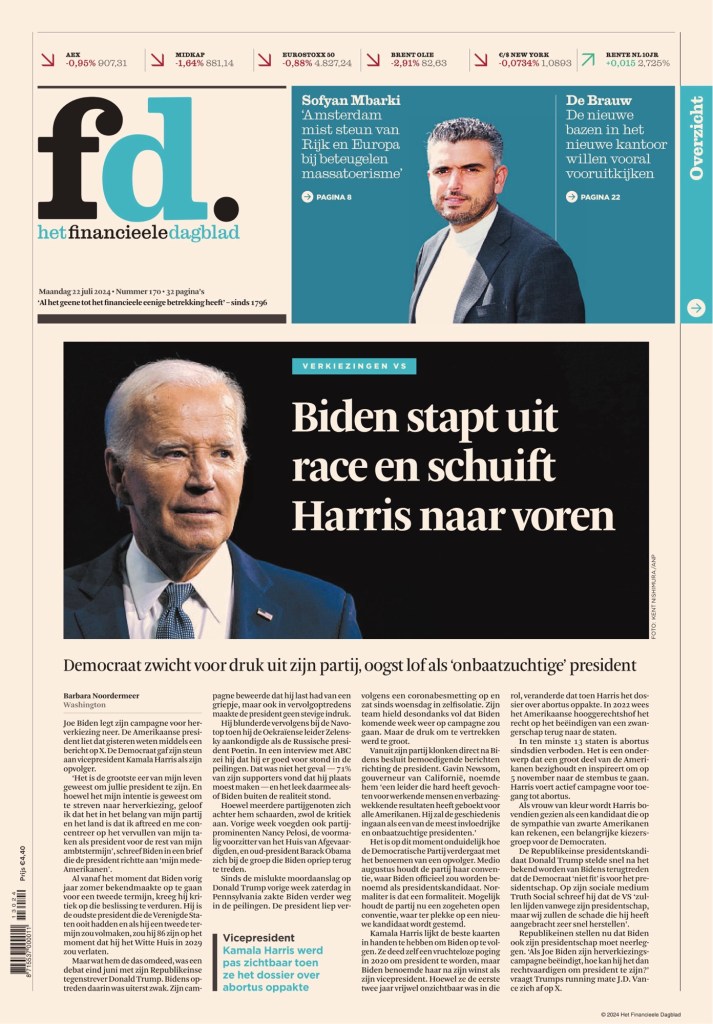
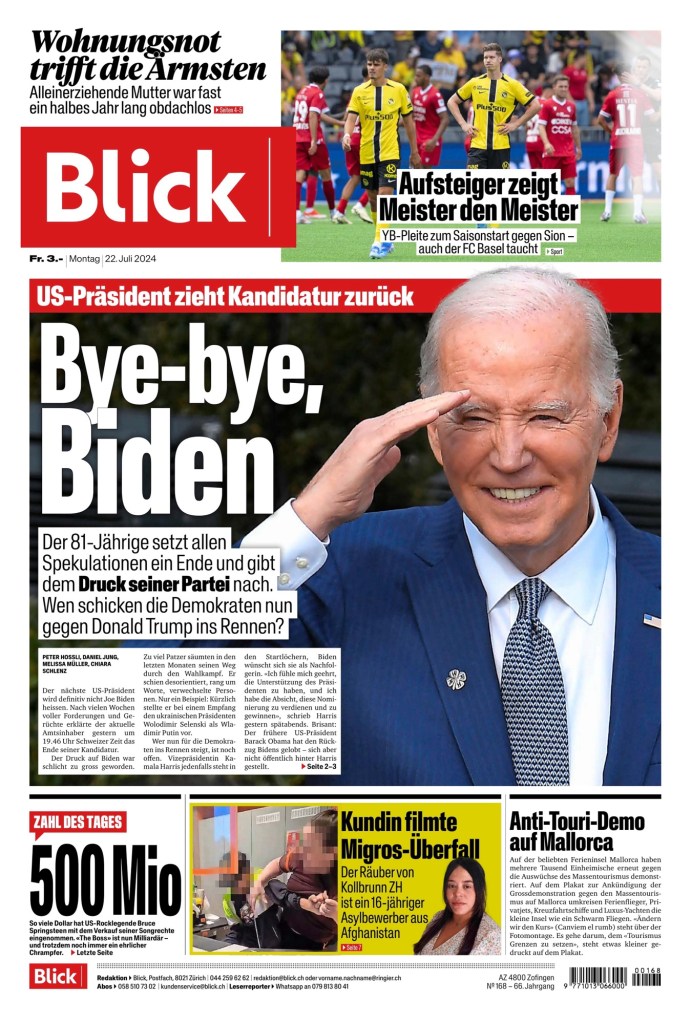
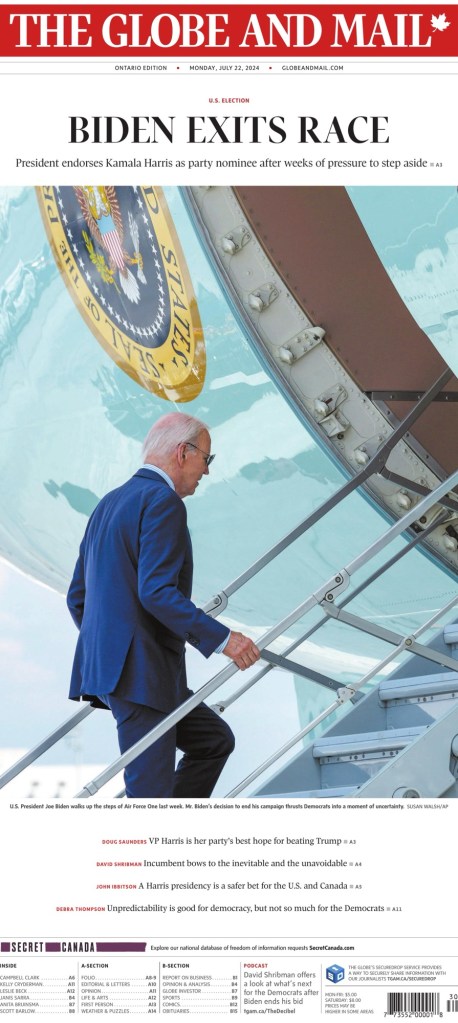
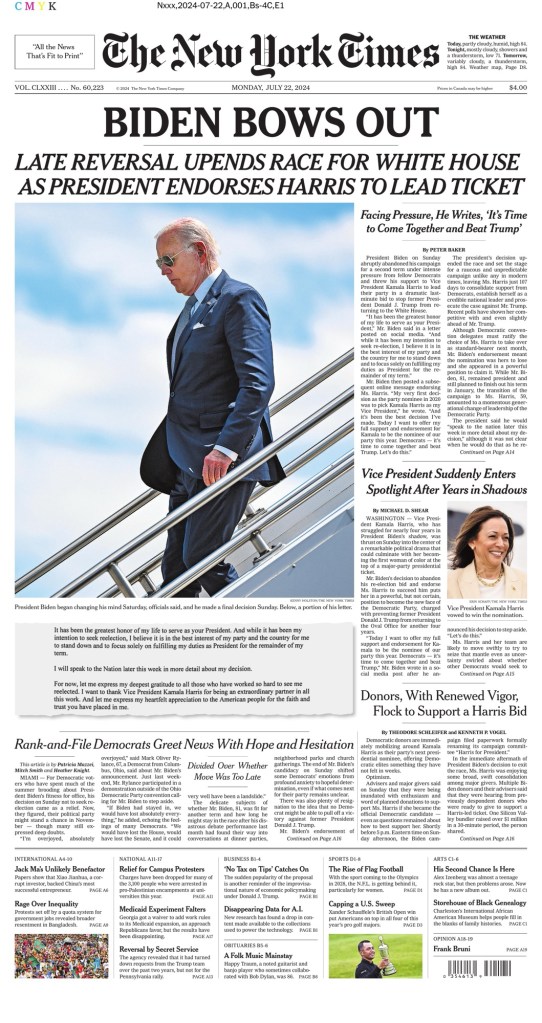
U.S. President Joe Biden took himself out of the 2024 presidential election against Donald Trump, after weeks of calls to step down. After what many have called a brutal election debate performance, and many Democratic allies calling him out, he finally ended his run for a second term. It’s unprecedented in U.S. history. And it’s a hugely consequential election, in a time when America is deeply divided. So it was a resignation played on newspaper front pages around the world.

Most gave it the gravity is deserved. It’s a huge shakeup in what is probably still the most powerful country in the world (for how long remains to be seen and could depend on the outcome of this election). Some had some fun.

Here are 15 front pages. Most are from the U.S., but it got big play on front pages all over the world. It’s beyond the butterfly effect. What happens in the U.S. will have huge consequences everywhere, even with its closest ally and neighbour, Canada. So I will start with The Globe and Mail, before jumping into American papers.

And here is a selection from the U.S., including some of the biggest, starting with The New York Times, Los Angeles Times, and the Minneapolis Star-Tribune and Atlanta Journal-Constitution, which as been all over big political coverage, with some of the finest front pages when there are big stories. AJC and the Star Tribune also used the same photo.

There were a lot of strong photo choices. Here are a few more from the U.S., including The News Journal (Delaware), The Jersey Journal (New Jersey), East Bay Times (California) and Daily News (New York).

But as mentioned, it wasn’t isolated to American newspaper front pages. Here are a number of international papers that gave the story a big splash. De Morgen (Belgium), Dagens Nyheter (Sweden), Daily Mail (U.K.), Het Financieele Dagblad (Netherlands) and Blick (Switzerland).

I can be pretty certain this American election cycle with provide more opportunities for big stories and big splashes on the front page. With U.S. Vice President Kamala Harris being the new likely democratic nominee, there are some big possible stories, with the biggest being the possibility of the U.S.’s first female president. Stay tuned to see how newspapers handle the next few months!

By Brad Needham

World’s best designed newspaper. One could argue as the newspaper world contracts, the title of world’s best designed newspaper means less. I will argue the contrary. As print revenue is in decline, anyone in the newspaper world has heard about cuts or newspaper closures. There are fewer resources available. Yet some newspapers refuse to take their foot off the gas pedal. Some newspapers are still prioritizing the print reader experience. And in this post, I salute them.

For the third year in a row I have been fortunate enough to be a facilitator on the World’s Best Designed Newspaper team at the Society for News Design’s annual creative competition. This year’s was its 45th. My role is to help the judges with anything they need. I always feel so privileged to hear some of the world’s best designers debate what newspaper (or newspapers) should be declared World’s Best.

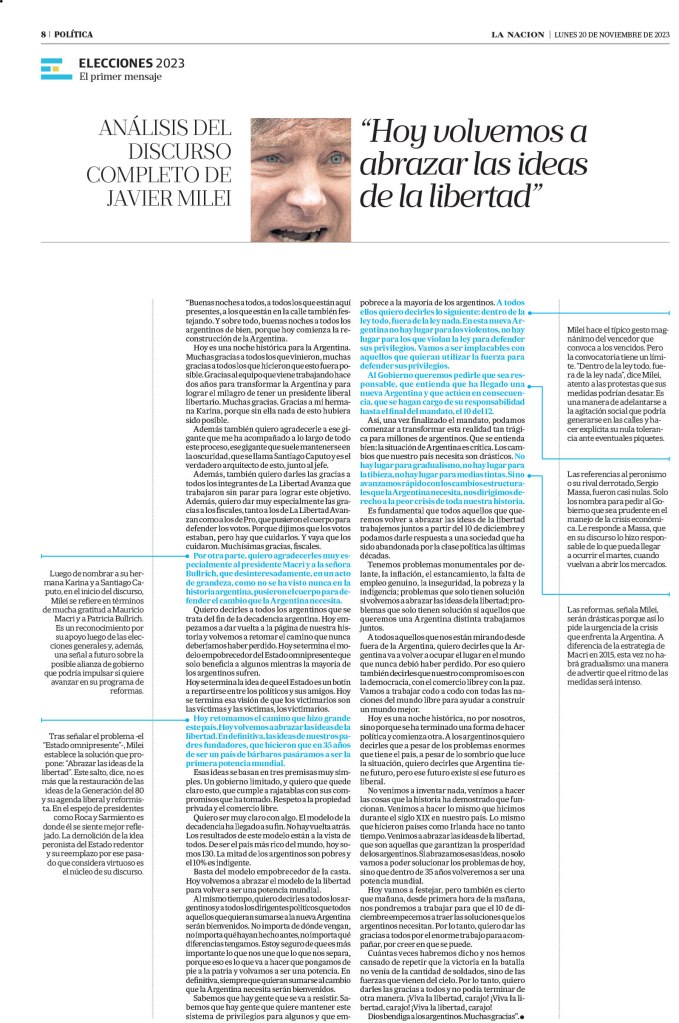
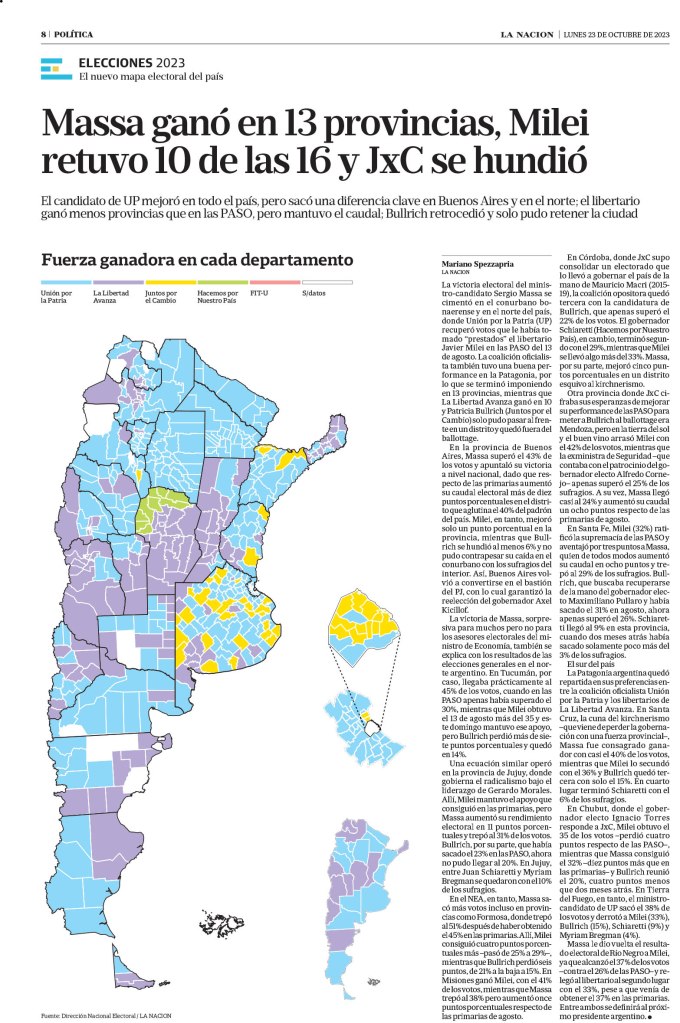
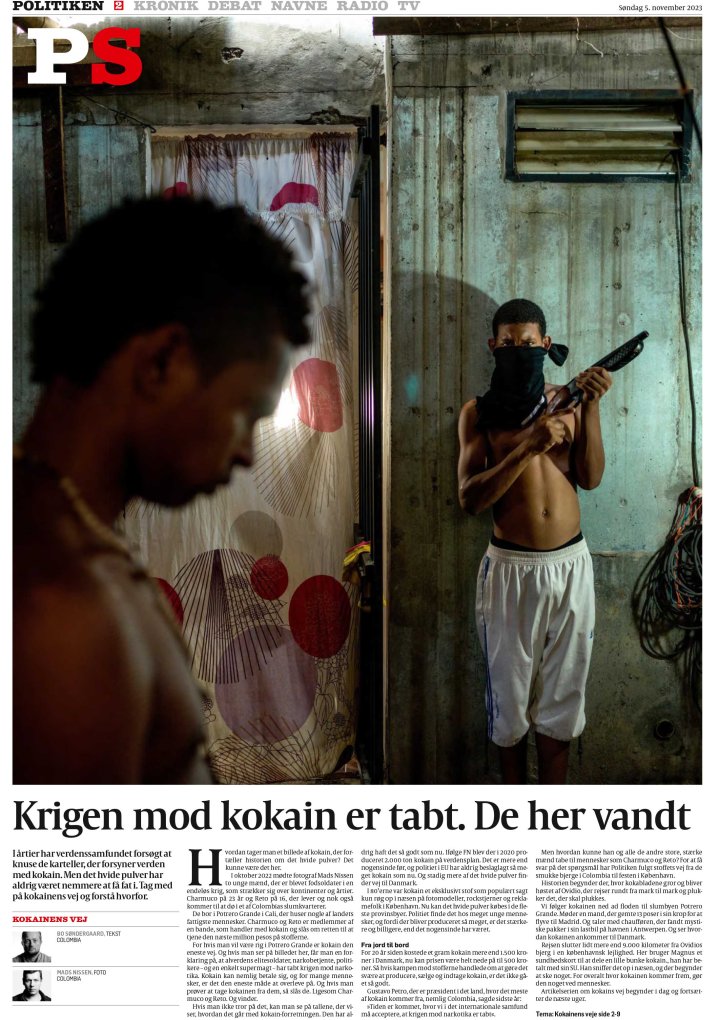
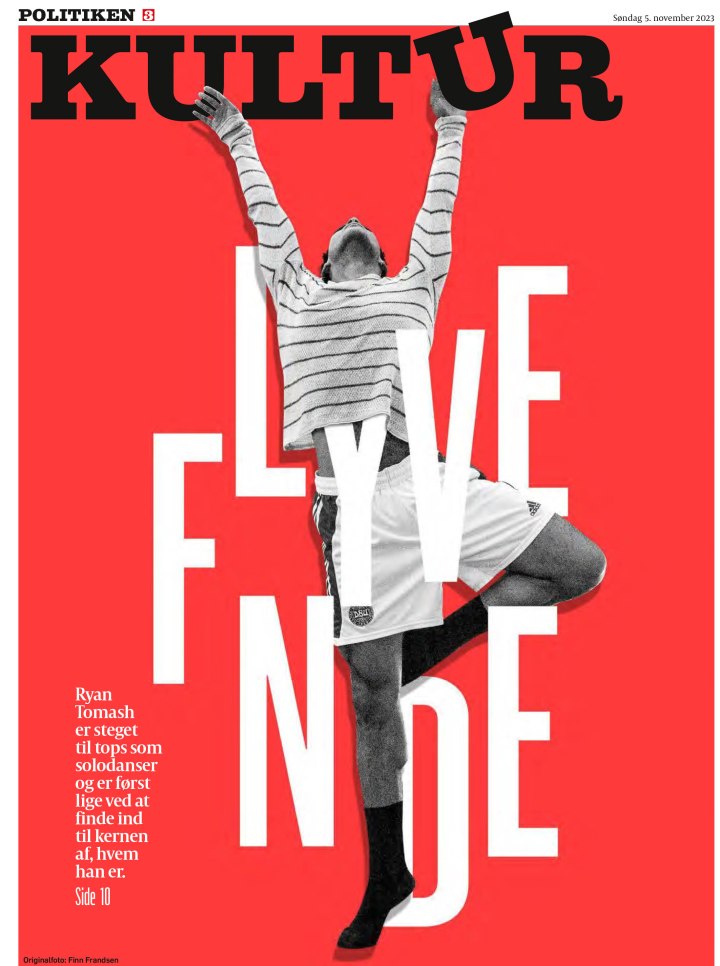
After much back and forth, and some fascinating discussions, the judges pared the entry pool down to four finalists. This year, none of the finalists were from North America. They were: Die Zeit, La Nacion, Politiken and Weekendavisen.

Before I get to the winner (I will talk about and show pages from all finalists), I want to touch on the judging panel at SND45. The panel included Vanessa Wyse (Sudio Wyse), Wayne Kamdoi (The New York Times), Raju Narisetti (McKinsey & Company) and Kris Viesselman (consultant). Below is a little more about them, some taken from their SND bios. There is more to say about all of them as they have had and continue to have impressive careers.

  • Vanessa Wyse is the founder and creative director of Studio Wyse in Toronto. She has over 20 years’ experience working with some of the worlds’ largest media brands and institutions including Pinterest, The Globe and Mail, Fairfax Media, The University of Toronto and Air Canada. The Grid, a smaller but mighty now shuttered Canadian weekly publication, where she was the founding creative director, was the first publication to win three consecutive World’s Best Designed Newspaper awards.
  • Wayne Kamidoi is an art director for The New York Times, focusing on enterprise in its print hub. He was an art director in Sports for more than 20 years after joining The Times from the Detroit Free Press. He is also one of the few newspaper designers I’ve seen people come up to and talk about feeling lucky to be in their presence. He was a rock star at SND45.
  • Raju Narisetti is leader of global publishing at McKinsey & Company. Over a 35-year career, he has created, reimagined and managed major media organizations in the U.S., Europe and Asia. Raju spent 14 years at The Wall Street Journal where he went from a reporting intern to editor of WSJ Europe, and later managing editor, digital, of the global WSJ. Also, Raju has a Wikipedia entry, so that’s fun!
  • Kris Viesselman is a creative director, editor, designer and ring leader. She has been a top editor and top creative at a number of media companies and has worked as a consultant with a wide range of clients. Kris is a past president of SND and has consulted and presented in five continents.

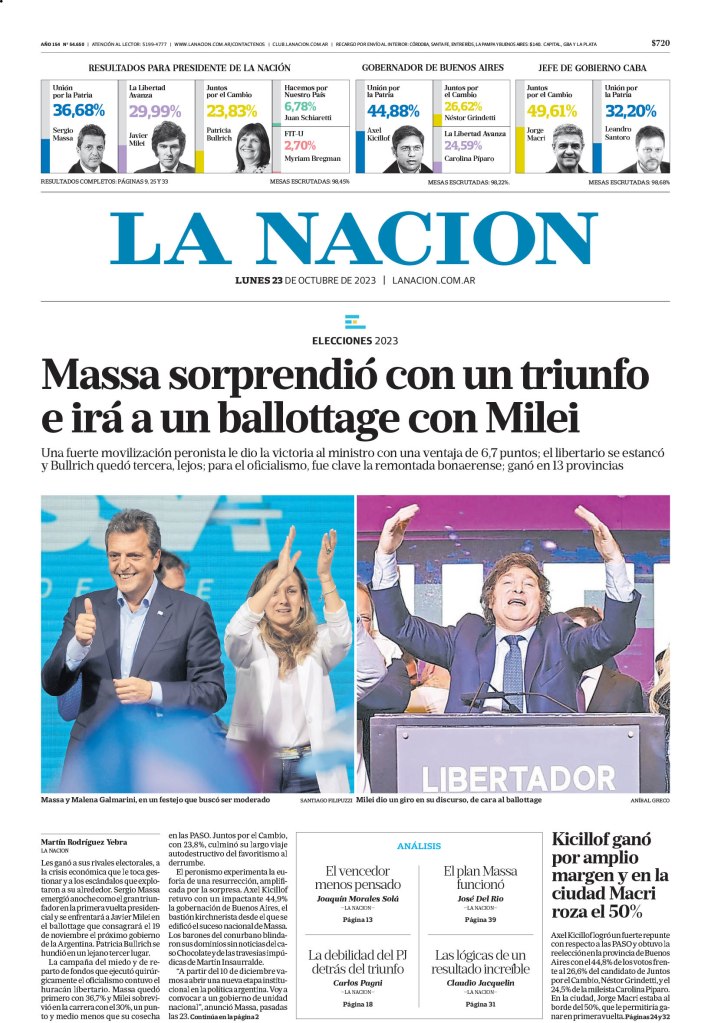
Before I get to what judges were looking for a World’s Best Designed Newspaper, I feel like we need to see some pages! I will start with the runners up, which means I need to announce the winners. This year the judges selected two newspapers as World’s Best Designed. They are … Die Zeit (for the third year in a row!) and Weekendavisen (the second win in four years!). Which leaves us with La Nacion and Politiken. I will start with La Nacion, and the judges’ statement.

La Nacion

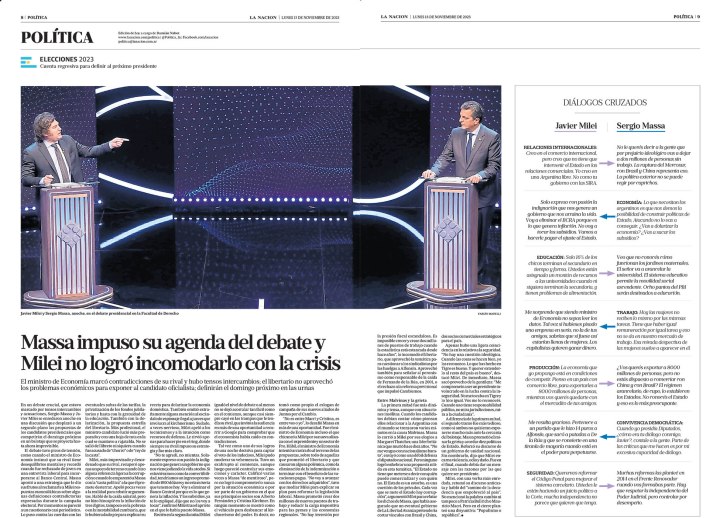
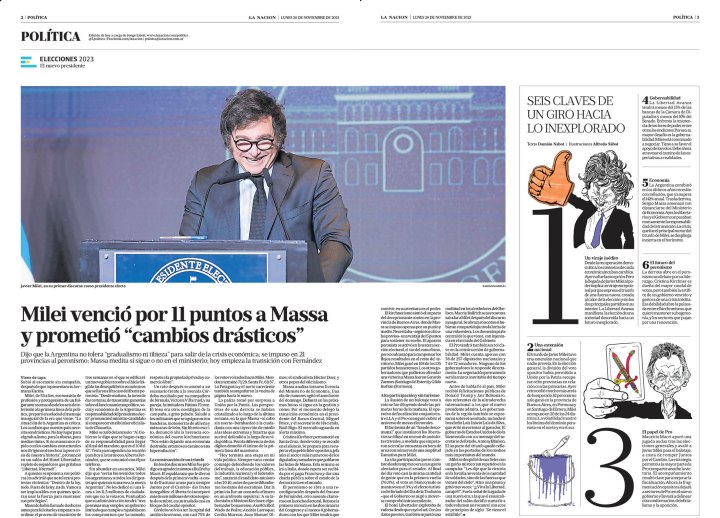
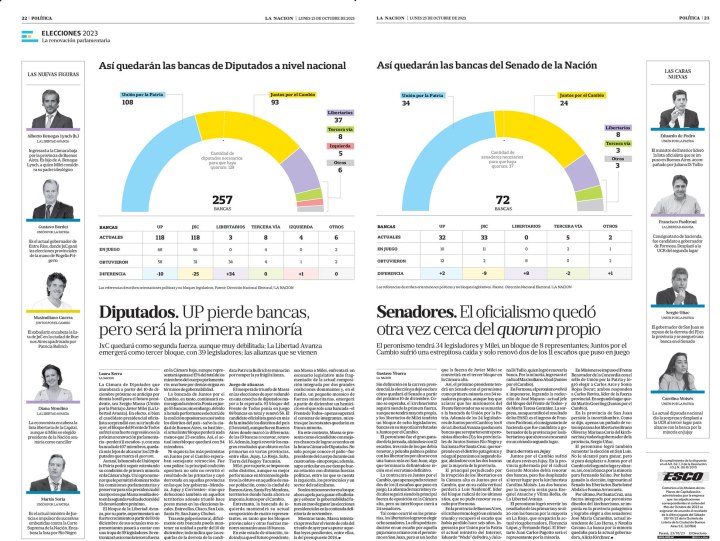
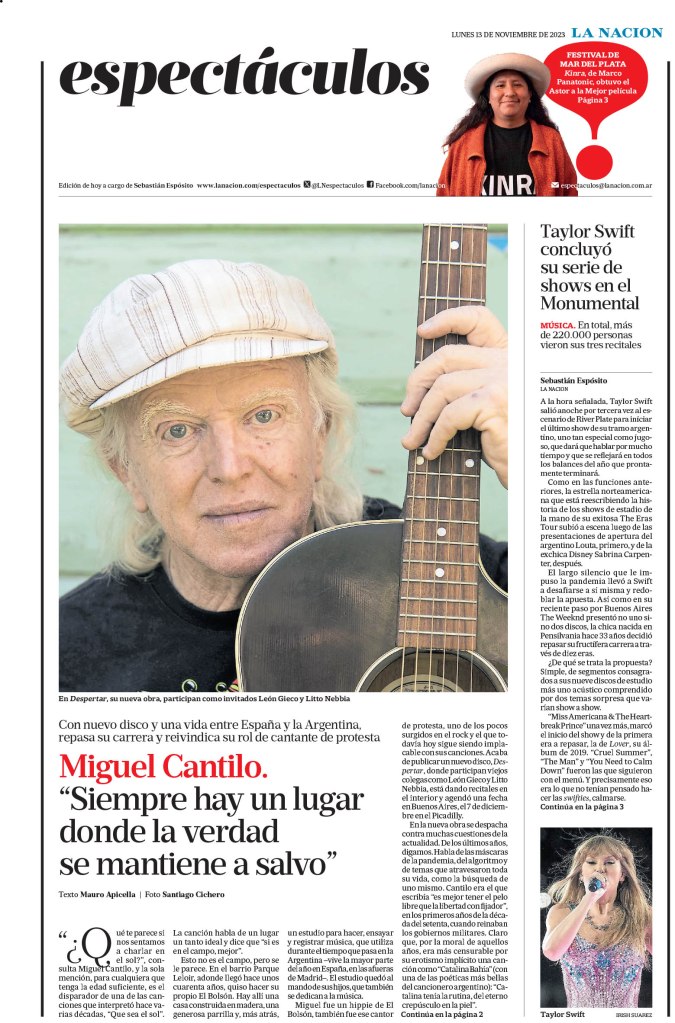
“La Nacion is a terrific example of how to build a 50- to 80-page daily newspaper, one that offers a cohesive reading experience with gravitas and dynamism, even on some of the biggest breaking news days. Its elegant information graphics, powerful blend of illustrations and robust news photography, coupled with consistently smart selection of typefaces poured into organic shapes, is sophisticated yet highly accessible, and makes for a very satisfying, complete offering.”

One of the things I loved about La Nacion was its inside spreads.

And a couple more, where they use nice graphics or photos to drive the pages.

Politiken

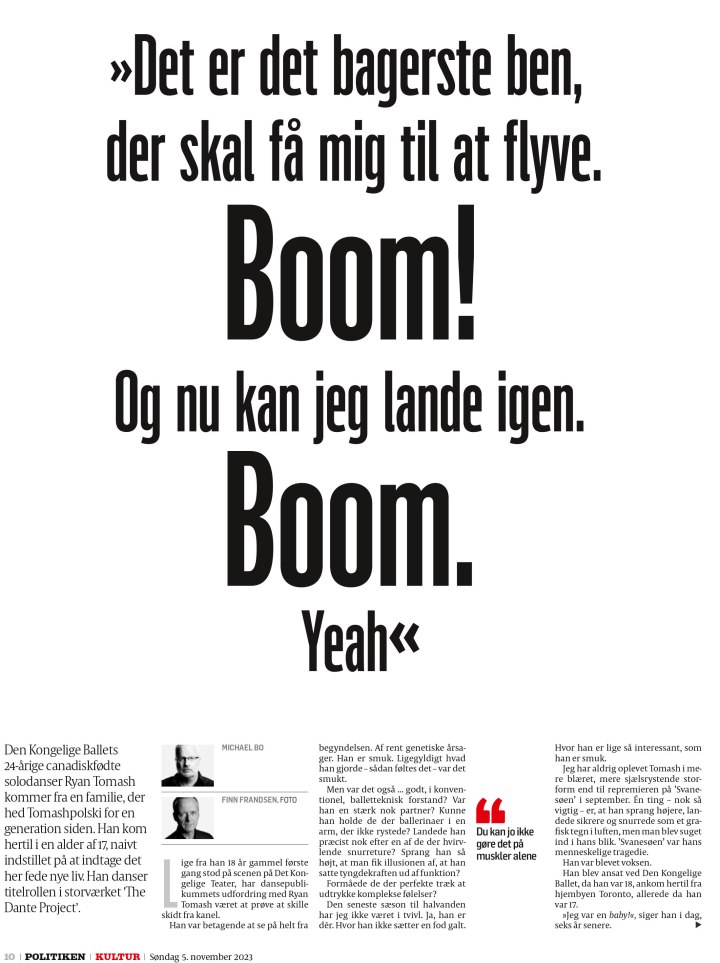
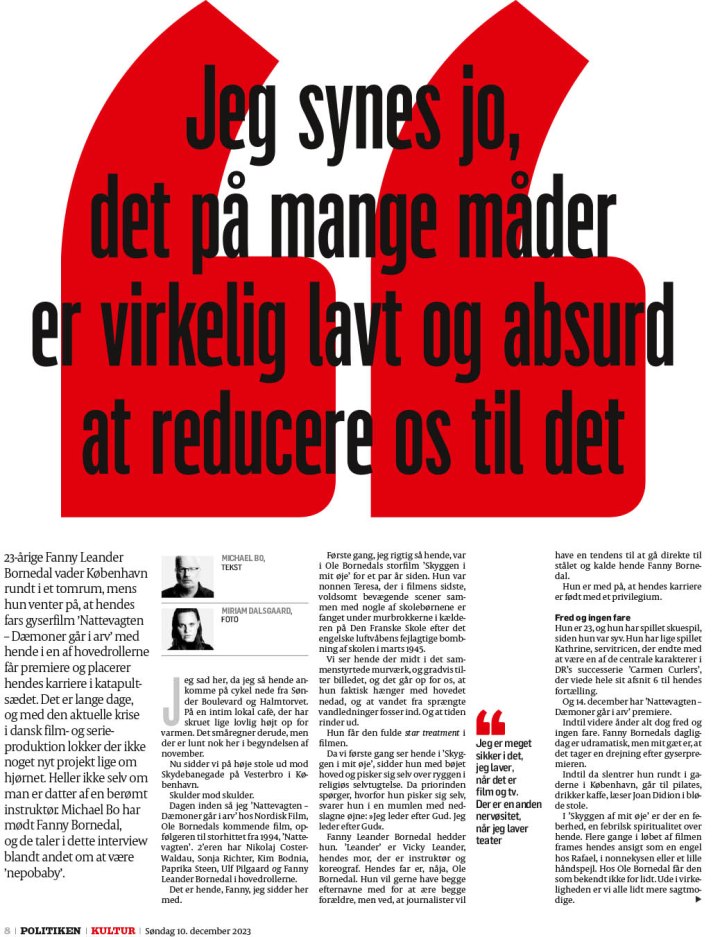
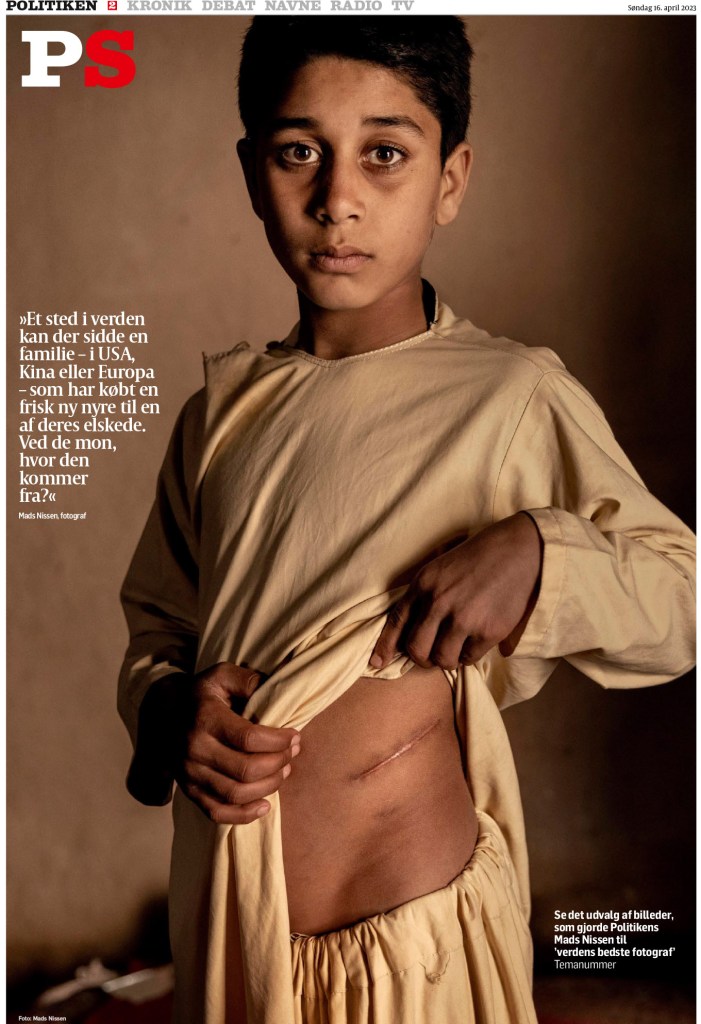
“Politiken’s dynamic design conveys a sense of urgency, while maintaining its overall elegance. Distinctive visual content is the foundation for storytelling that runs the spectrum from sober to edgy to delightful. Despite this range of tones, a cohesive report emerges, propelled by carefully selected — and deployed — typefaces and navigational devices. The result is a curated publication that is iconically Politiken — at once powerful, important and beautiful.”

I will start with a variety of pages, all done differently: big photo, nice illustration, typography. They use such a variety of design techniques, but still remain clearly Politiken. Anyone who follows my Instagram will know I am a fan of Politiken.

And a few more. I have shared more from both these publications in previous posts.

And now for the winners. Here is what the judges said they were looking for.

“We were seeking smart, lively publications that were cohesively designed. The ones that stood out had a clear vision and brand identity that was reflected in their typography and signature visuals. They had a strong sense of place and a clear focus on their target audiences. While we valued consistency, we were delighted to see surprises — places where extra planning, collaboration and innovative ideation was apparent. Maximizing the strengths of print presentation helped some rise above the rest. In our increasingly digital-first world, we applauded print’s ability to offer readers thoughtfully curated content that is both unique and rewarding.”

Weekendavisen

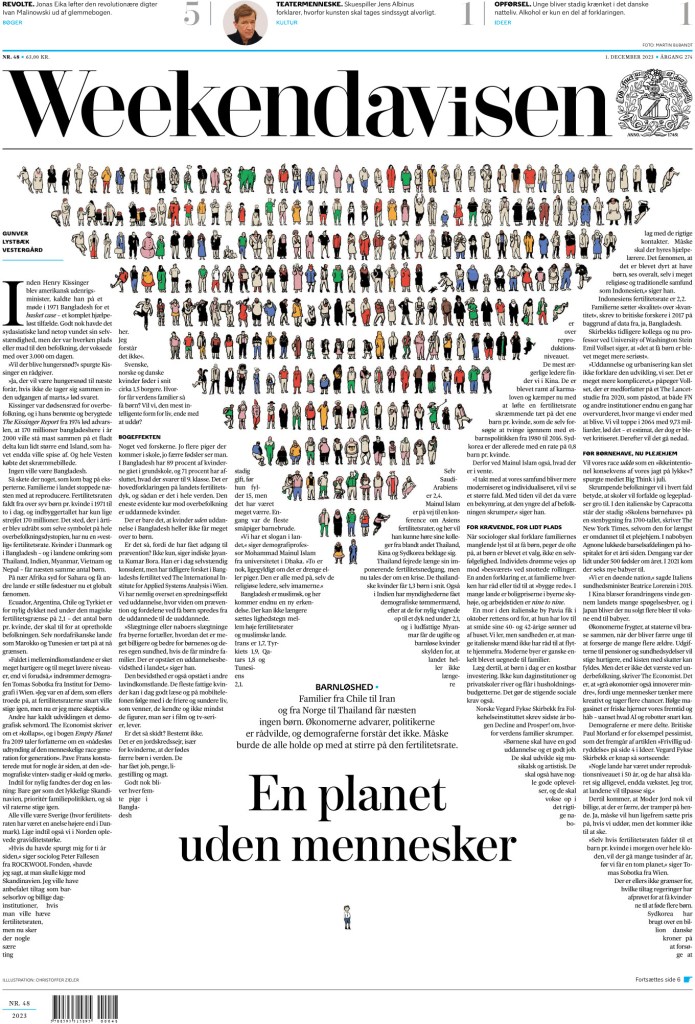
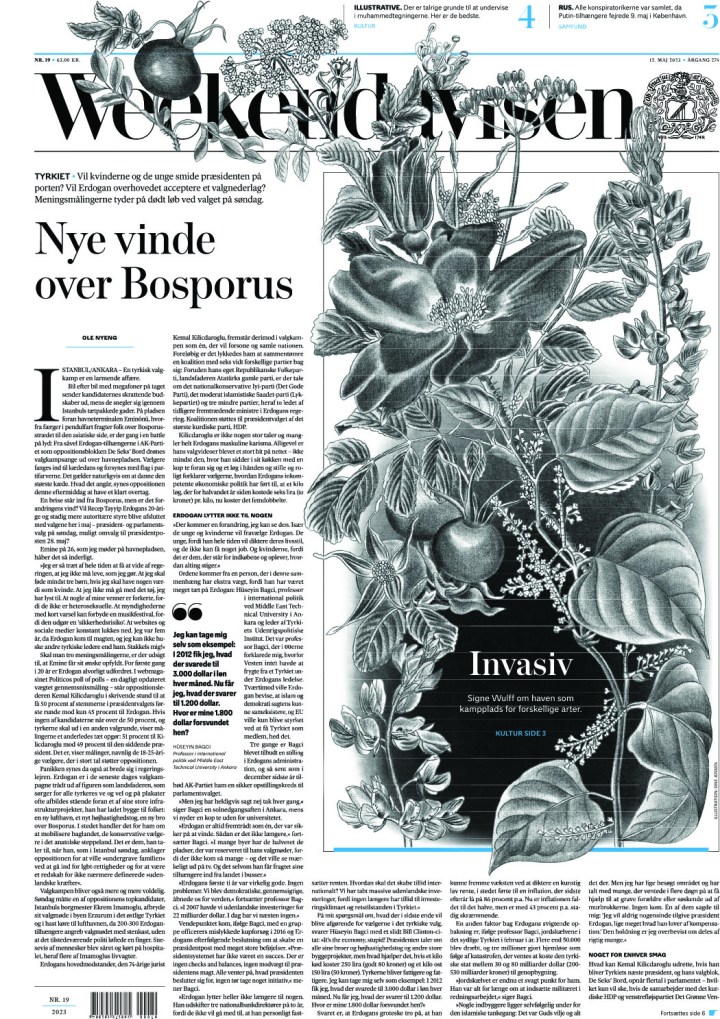
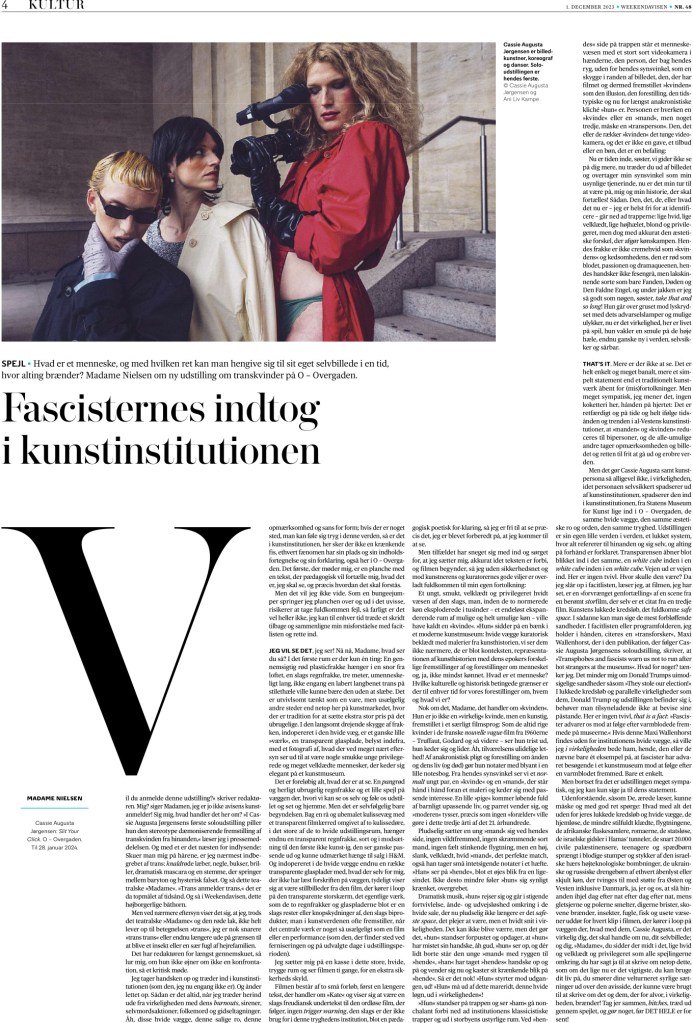
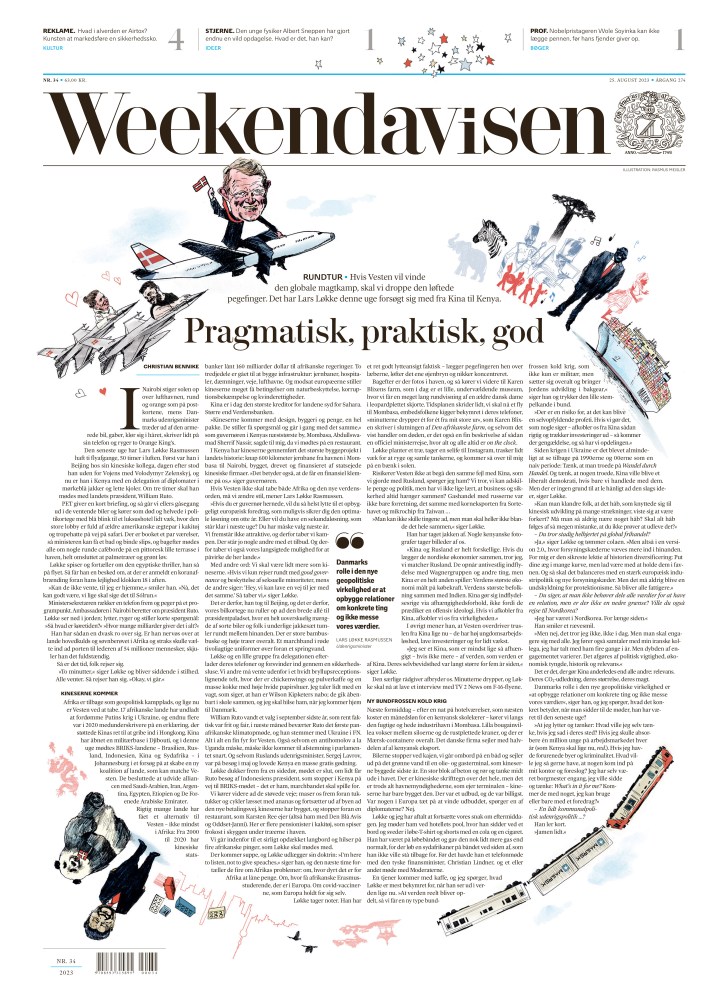
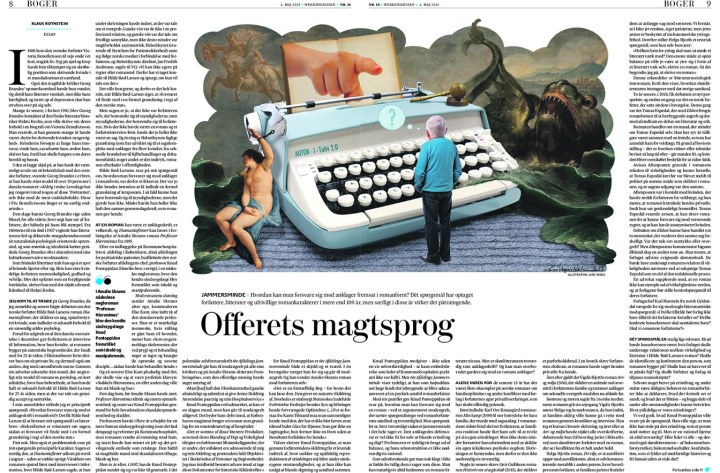
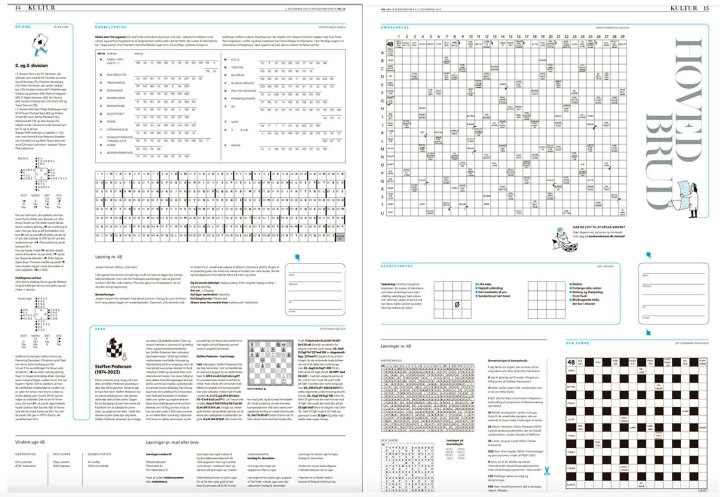
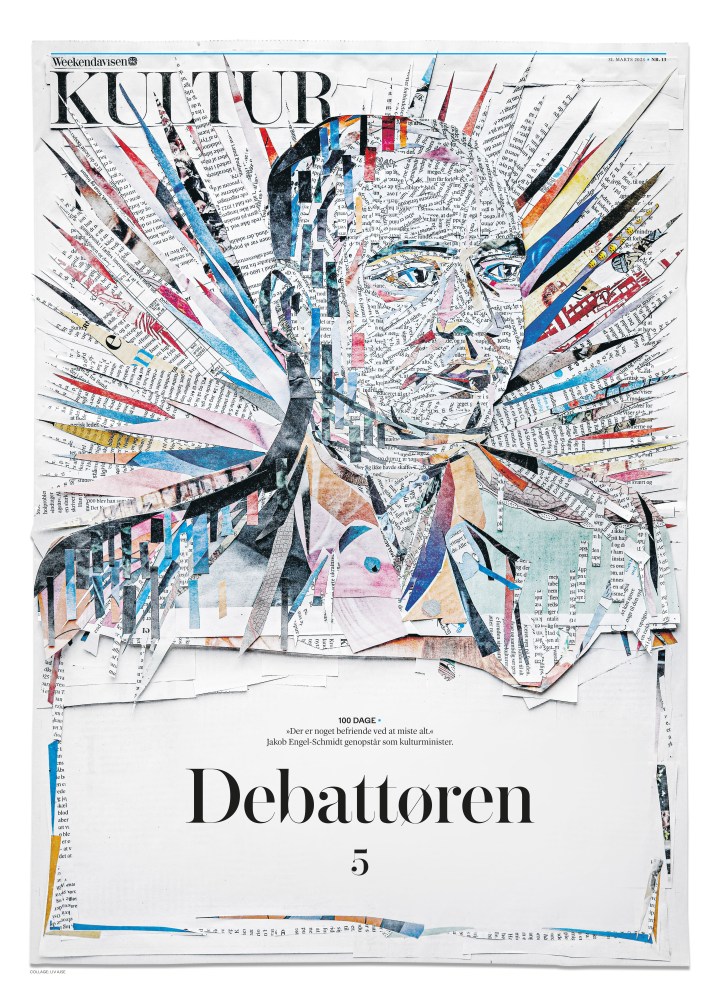
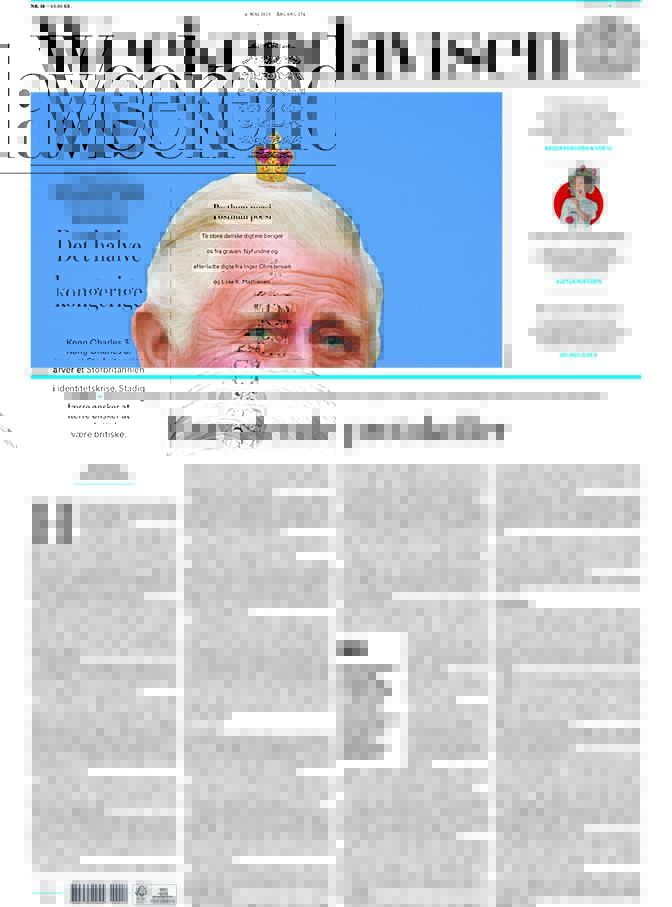
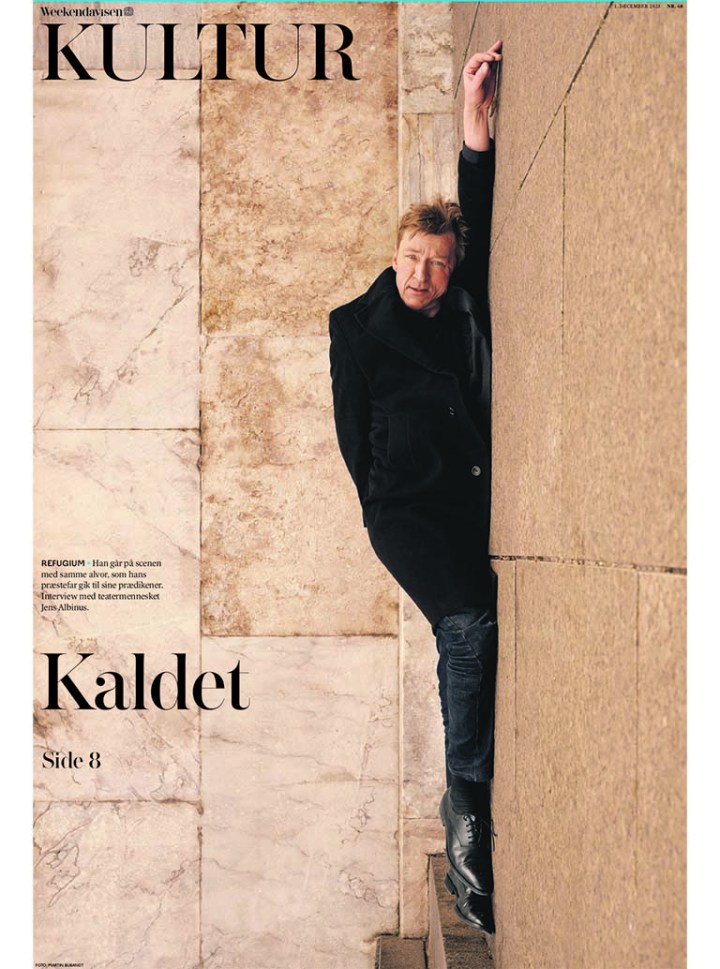
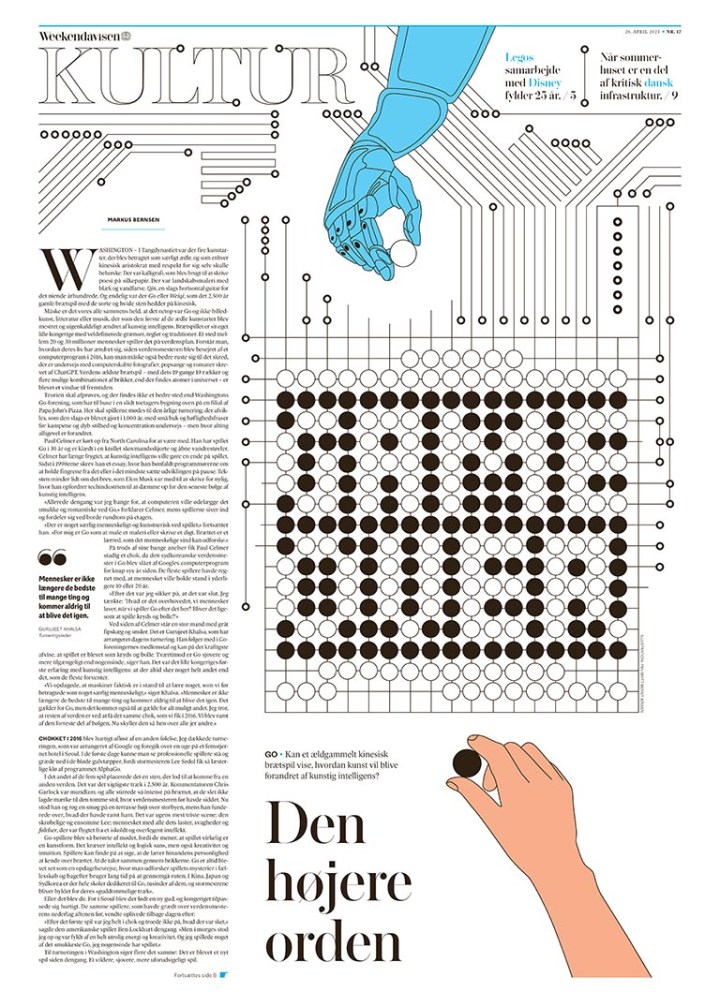
“Weekendavisen is a joy to read, with visual impact in all of the right places. The offspring of one of the oldest newspapers in the world, Berlinske Tidende, Weekendavisen offers its readers a contemporary feel, while adhering to its traditional roots. From front to back, Weekendavisen is a cohesive experience that is serious, evocative, innovative and playful. Its designers are not afraid to take risks. Restraint is the key to its success — nothing seems forced, always executed with purpose. Its many strengths include elegant typography, a carefully curated and restrained color palette, on-point illustrations and a sense of whimsy. The icing on the cake: Solve the puzzles on a smartly packaged spread.”

One of the similarities between the two winners is that they aren’t afraid to take chances. They make some very bold design choices, but one has to ask, are they taking chances if they succeed so often? Or do they just know it’s going to be great? These first to covers. Mind blown.

Both also use typography so well, in ways other papers might be afraid to try. You see a lot of that with Die Zeit, but here are a couple from Weekendavisen.

Here is an example of how to make a lot of text beautiful. I love this spread.

And of course the puzzles the judges loved so much! Image a puzzles pages being cited as a reason for a paper being chosen world’s best designed.

This is very much driven by the illustration, but this page caught my eye and I kept coming back to it. It’s one of my faves from Weekendavisen. A special shout out the illustrator, as I have used a portion of this as my feature image for this post.

And here are a few more. You can see such variety in the pages, but still a strong design voice shining through.

Die Zeit

Here is what the judges said about three-peat champion Die Zeit.

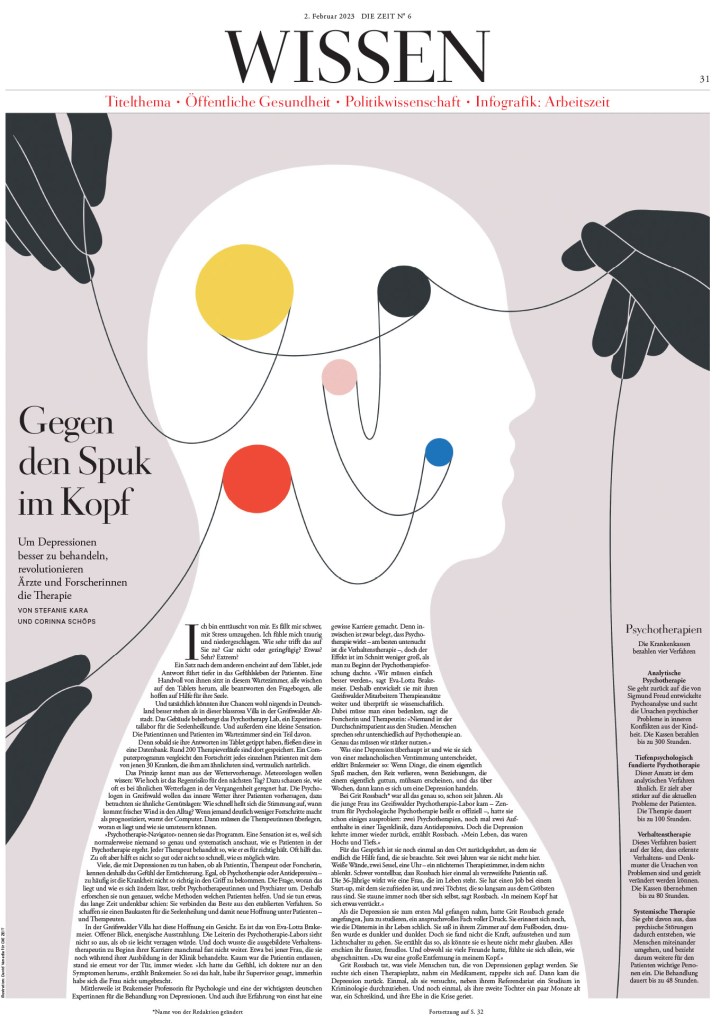
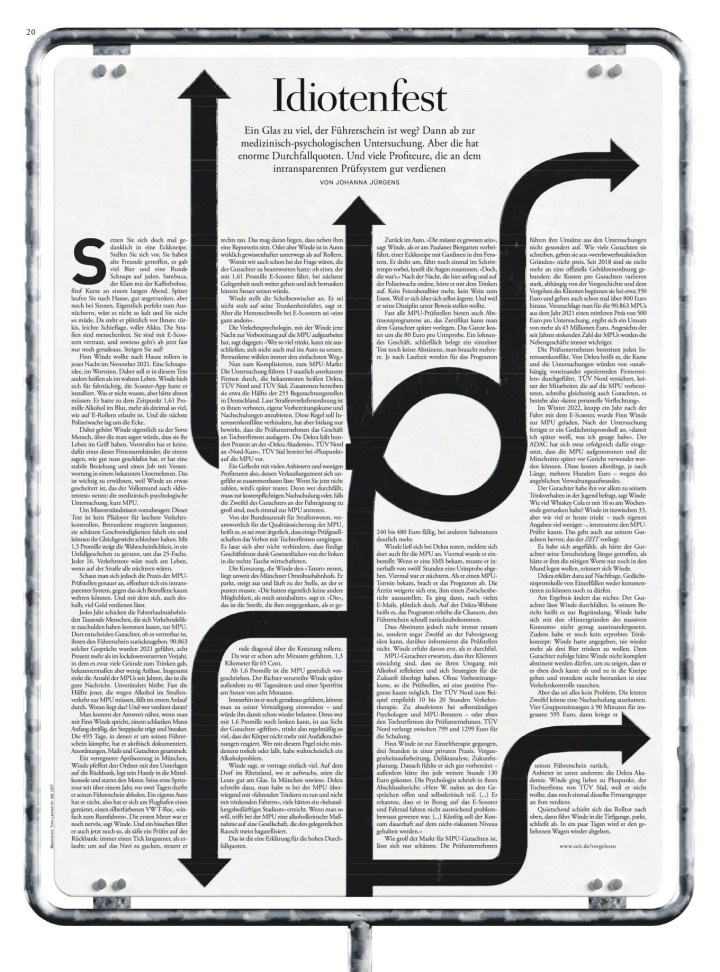
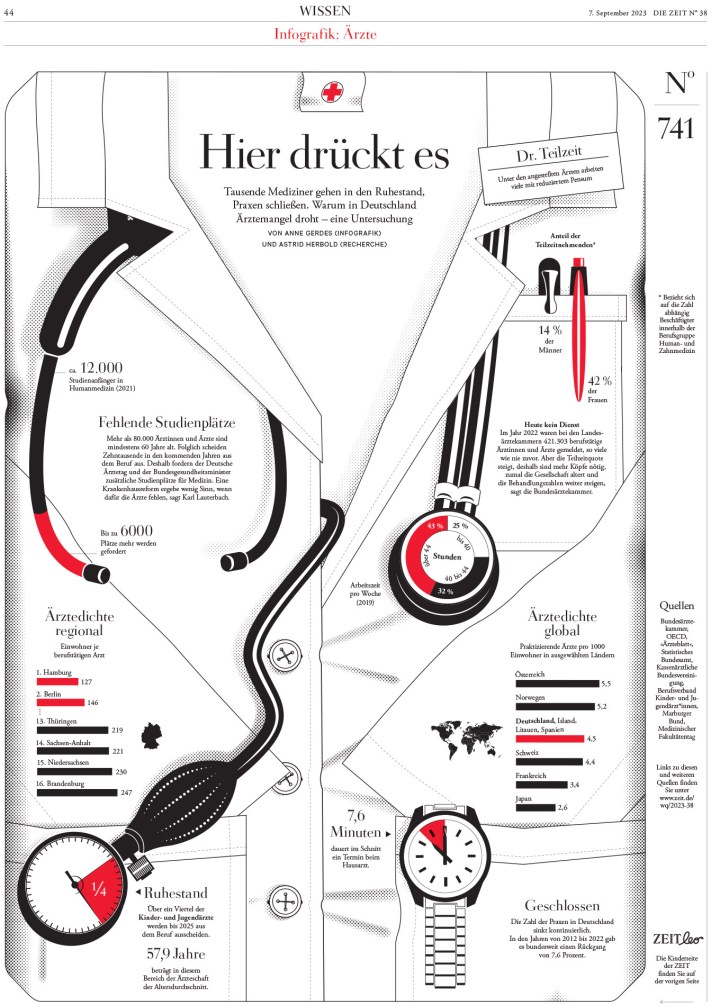
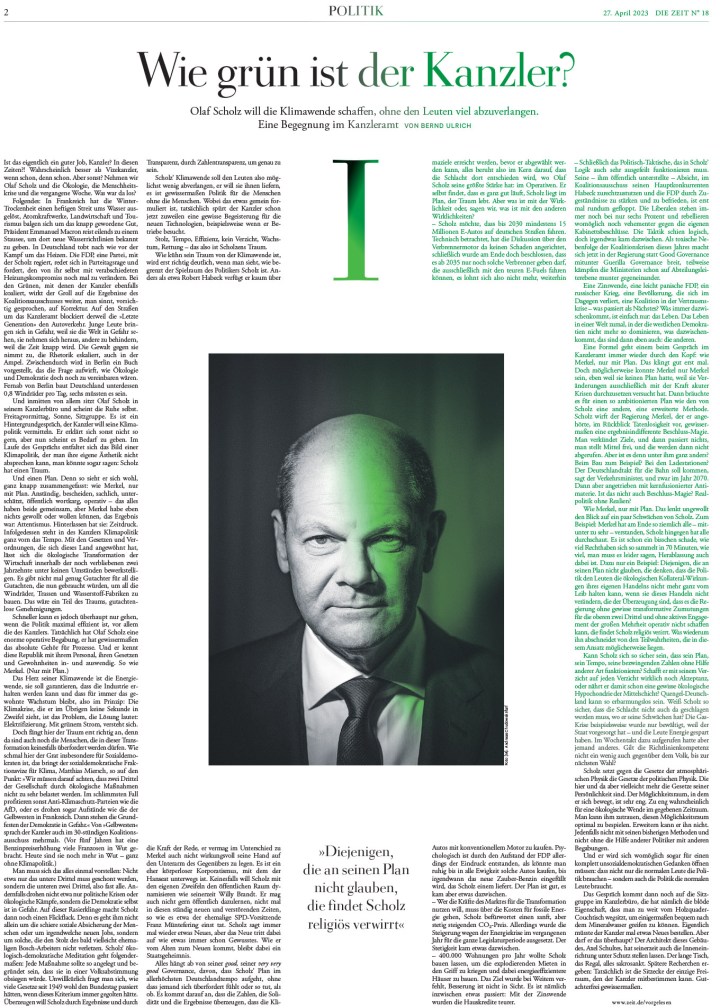
“This is print storytelling at its very best. Every move made by the team at Die Zeit is rooted in intentional decision-making, restraint and surprise. Die Zeit continues to captivate by balancing long-form journalism with exceptionally smart illustrations, impeccable photo editing and beautifully placed typographic touches. Each page reveals subtle, layered details, as Die Zeit’s talented team surfaces delightfully subtle design nuances that engage a busy reader. The real superstar of the newspaper is what isn’t immediately apparent — the strategic use of white space to amplify the content.”

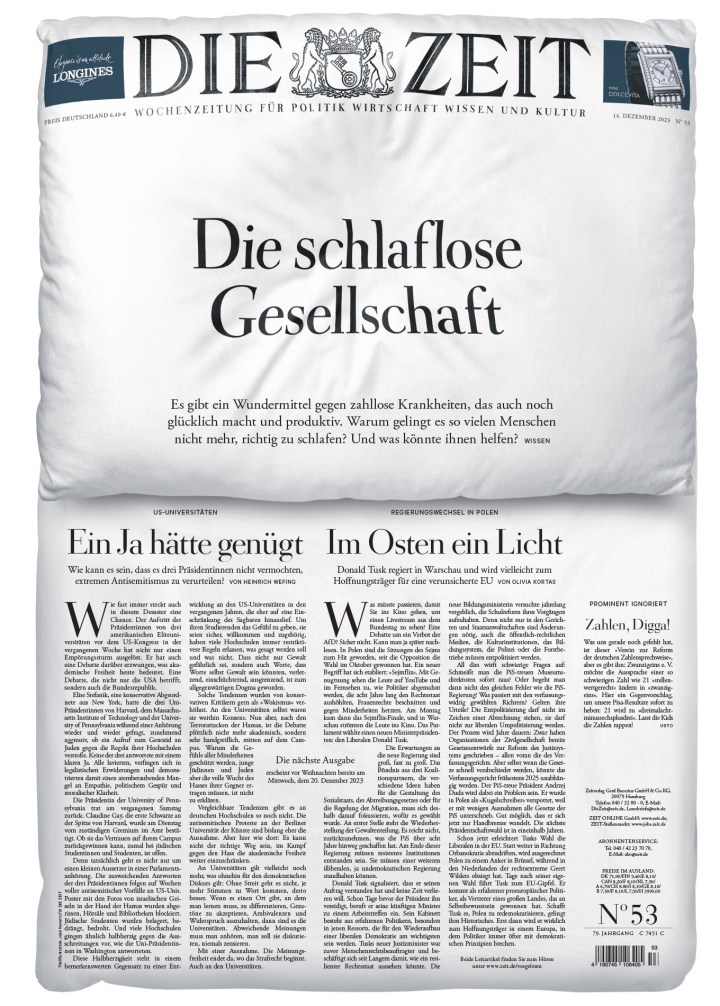
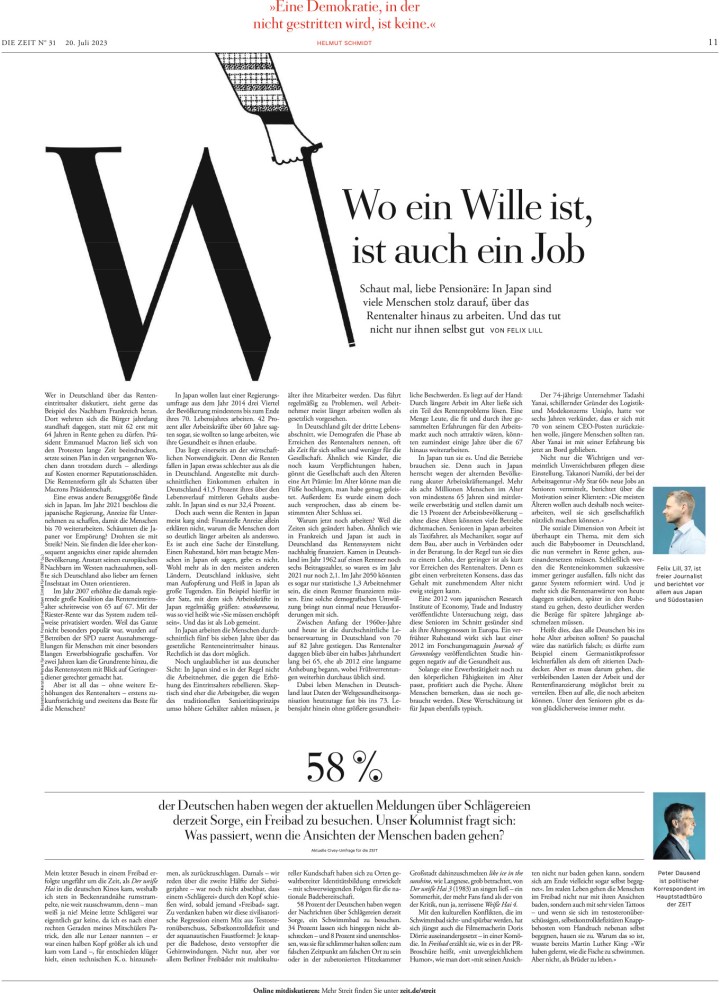
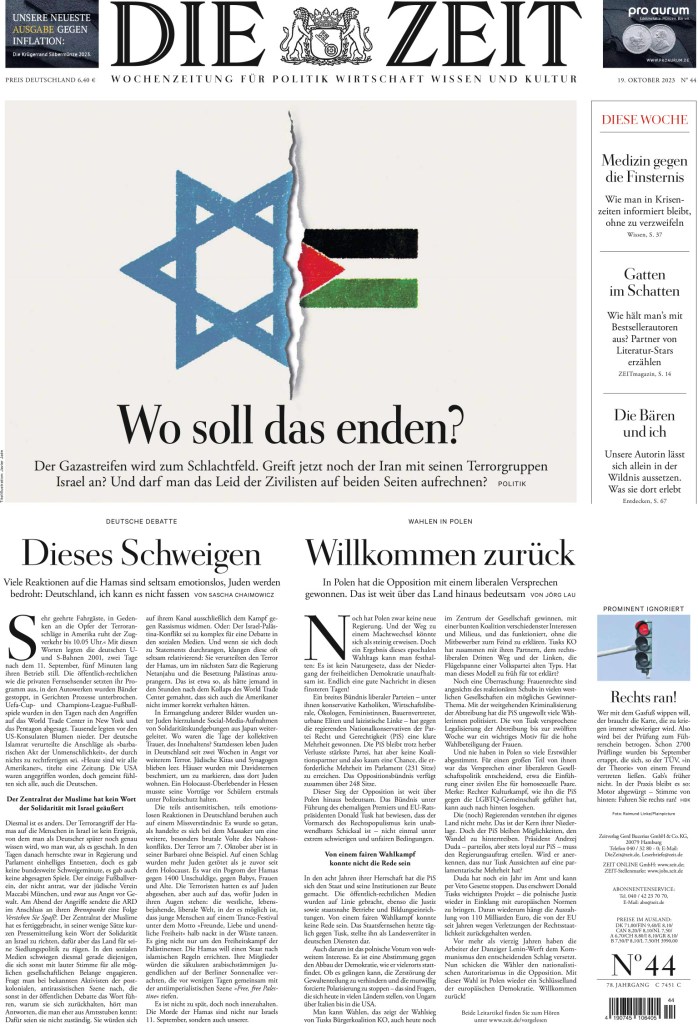
This is a front page. So cool, what else can I say? It’s so smart. Great concept and well executed.

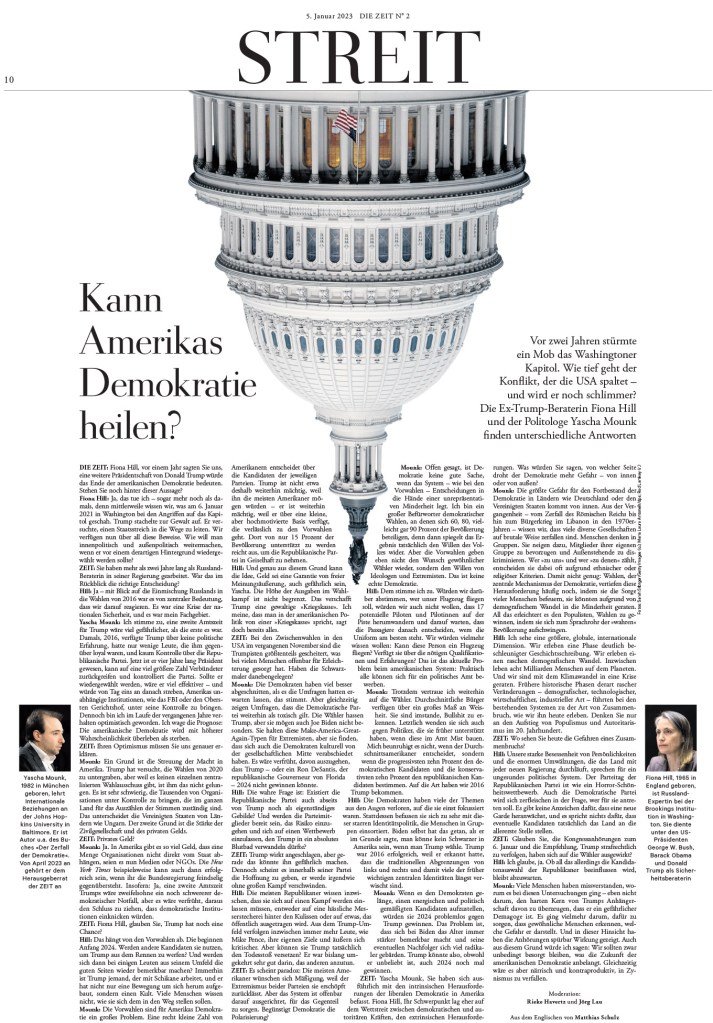
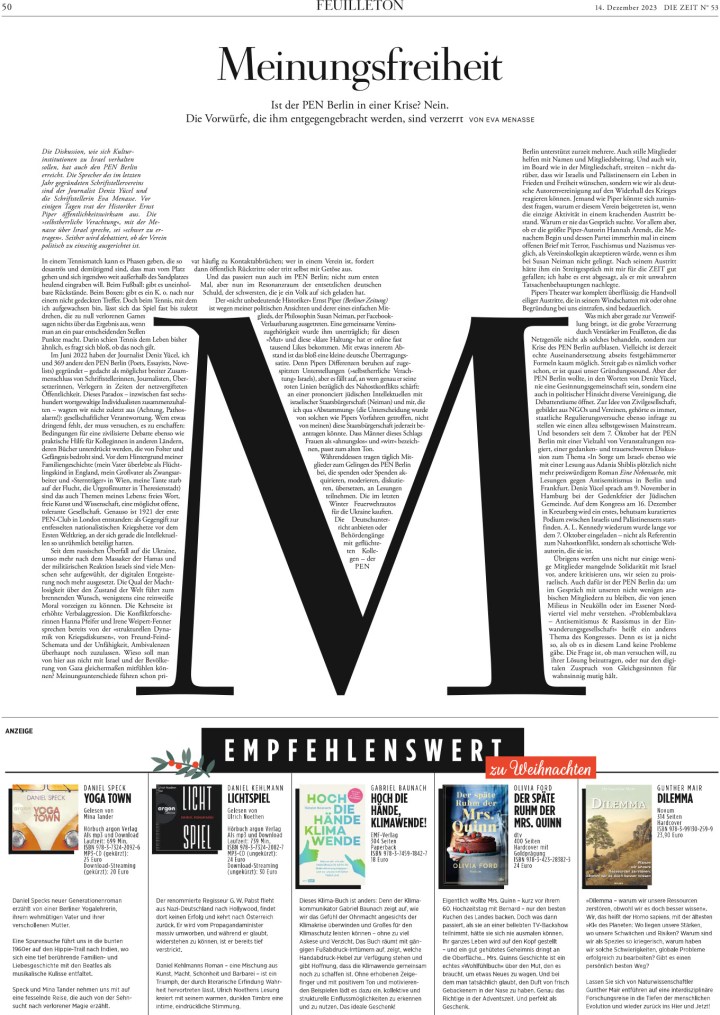
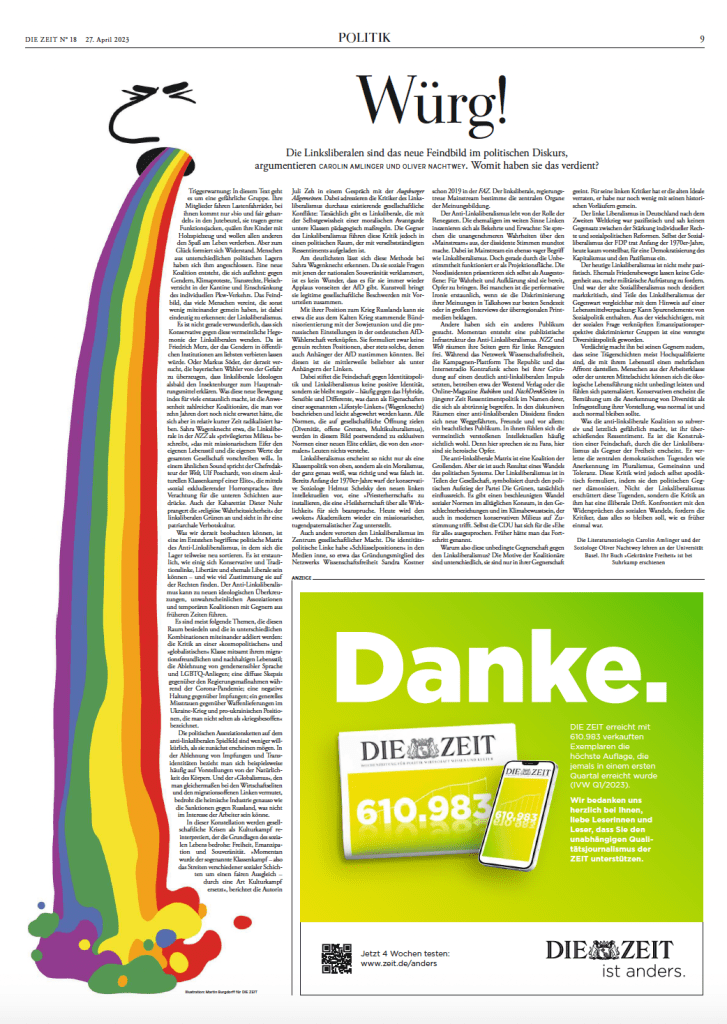
A smart use of the image and the play of the typography in the body copy make this page hard to look away from. It has a ton of copy. But it’s striking.

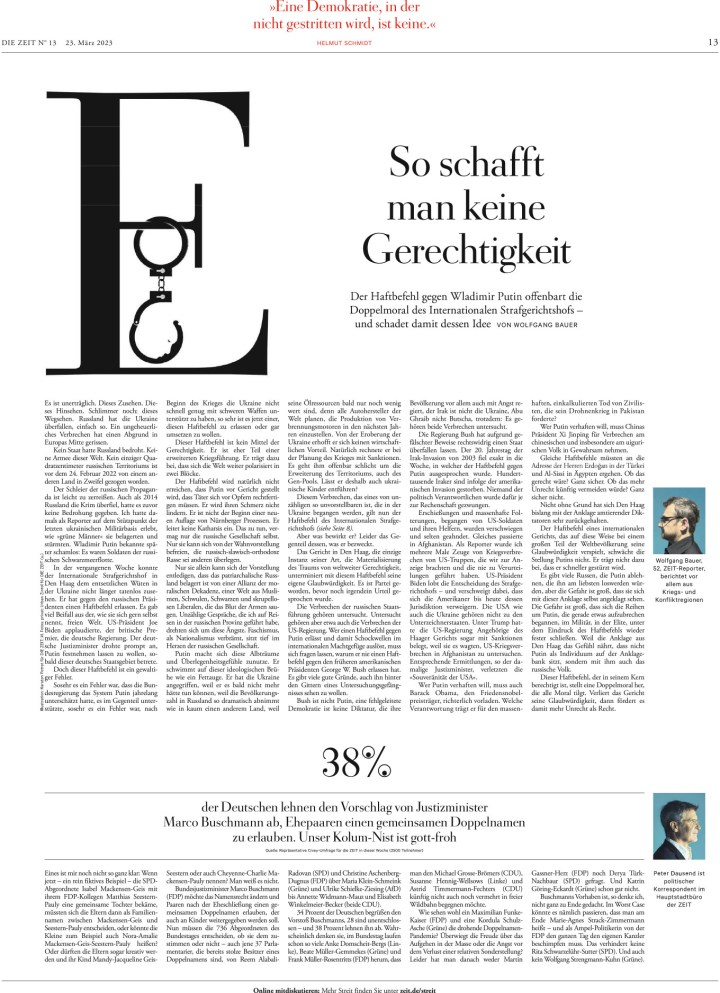
Nobody does bold and smart typography better than Die Zeit, in my opinion, and here are several examples of it.

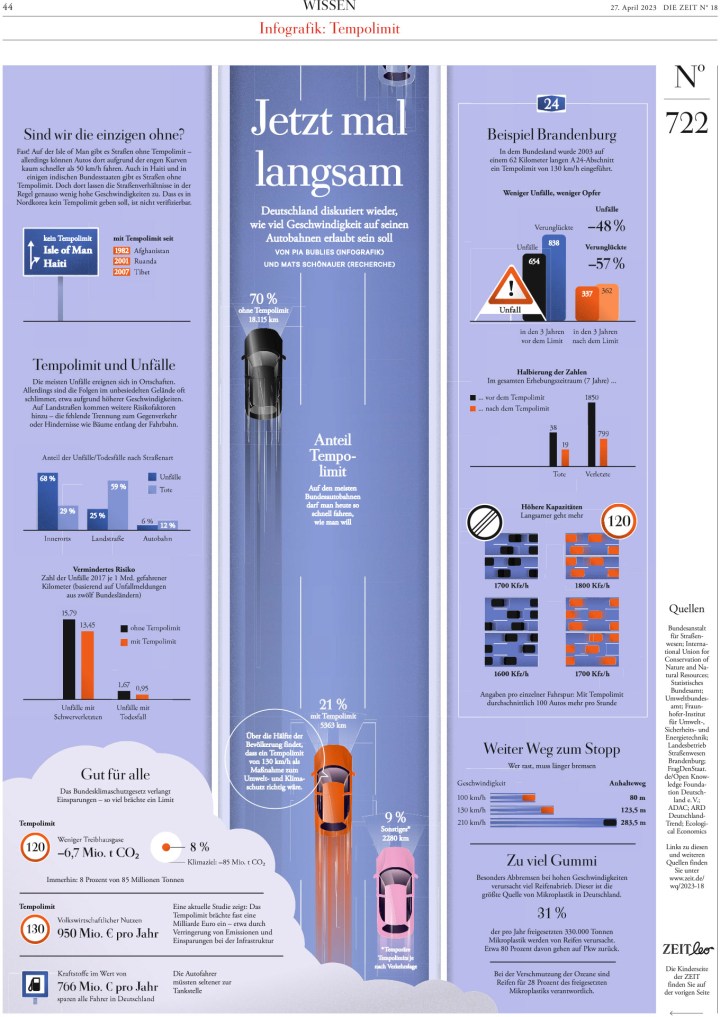
This is such a strong infographic page.

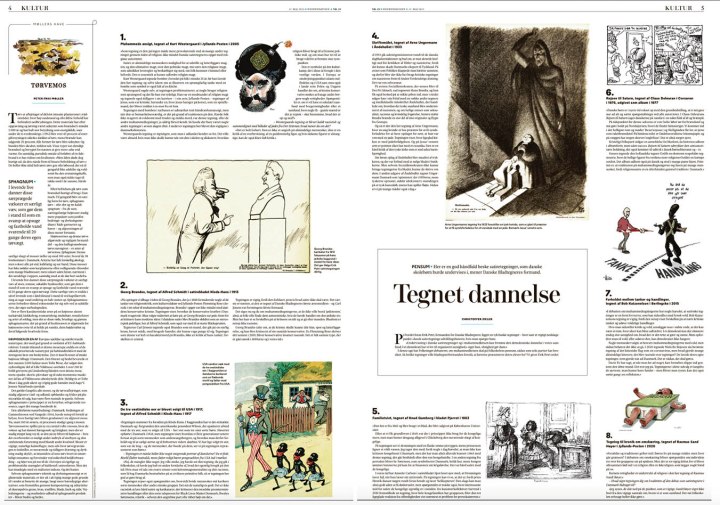
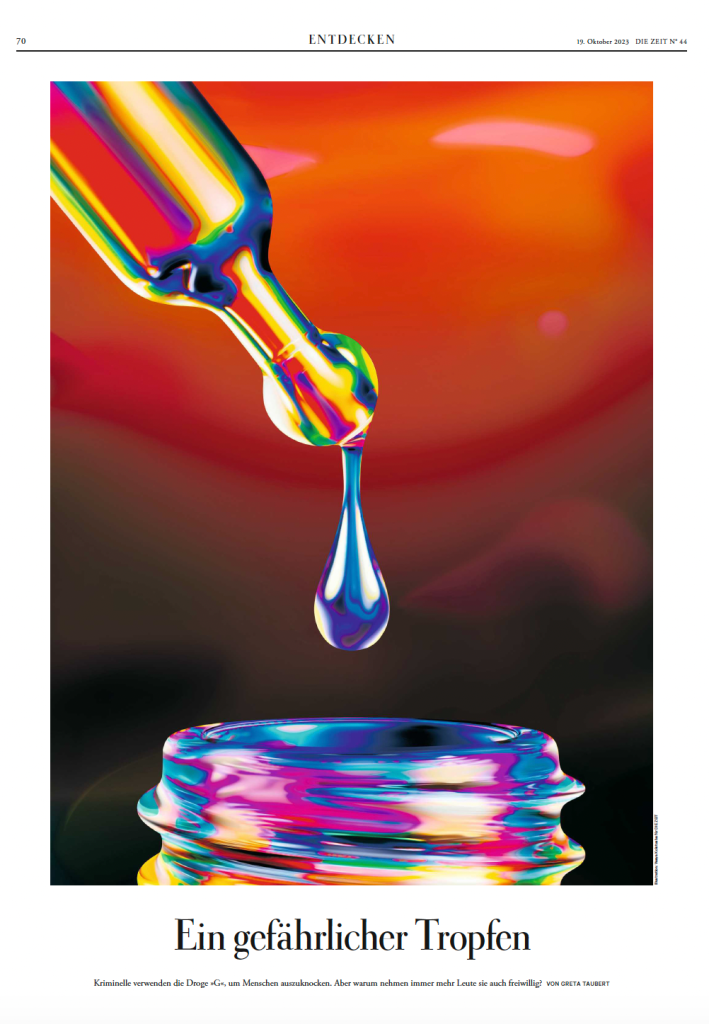
This page does so much well. Not only does it have a strong illustration, it doesn’t rely solely on that to create a compelling package, as we often see. There is a lot of page design going on to complement the illustration. Brilliant.

And a few more!

You can see all the winning pages here.

And that’s another year of SND in the books. Again, it was a great privilege to be a part of it. I always find it so inspiring, both looking at all the incredible submissions, including all those that didn’t win, but also listening to the judges.

More from SND45

The best from Canadian newspapers
The best from American newspapers
The best from the rest of the world
Use of black and white
Dealing with tough topics
By Brad Needham

Covers in a dangerous time. I chose this as the name of my blog to highlight that newspapers are going through a tumultuous time, but I wanted to make sure the great work still happening was recognized. Each year at the Society for News Design’s annual creative competition, I am reminded by how much more prevalent the tumult is in Canadian media.

Again this year there were only entries from three newspapers: the Globe and Mail, Toronto Star and Le Devoir. Between them they won 33 total awards, including one silver medal (awarded for pages that are excellent, but even stand out among the excellence. This was given to the Globe and Mail for its climate coverage package) and 32 awards of excellence. For a page to receive this honour, three of five judges need to agree that this page shines. Overall, the numbers are down for Canadian outlets (The Globe had 32 on its own last year, and managed 26 this year). The Canadian total was 38 last year.

When I won, I submitted for the Guelph Mercury, a small paper that punched way above its weight. I would love to see a few more publications next year.

Alas, this site is meant to celebrate excellence in visual journalism, and despite there being fewer wins this year, Canadian media outlets produced some outstanding stuff.

Full results: SND 45 winners

As a little background, this is my fourth year assisting at SND’s Best of Newspaper Design competition. I have acted a facilitator (I am not a judge; I help the ensure the judges have everything they need, and help organize things for the SND team). I started on the news team and have been on the World’s Best team for the the past three years. It has been an honour to be involved. This year it was held in Minneapolis, Minnesota, at the Star Tribune office.

Time to show off some brilliant newspaper design, the reason anyone comes to this site. These pages may or may not have won awards. I chose them because I liked them. I will start with Le Devoir, as they had one of my favourite pages.

Le Devoir (Montreal)

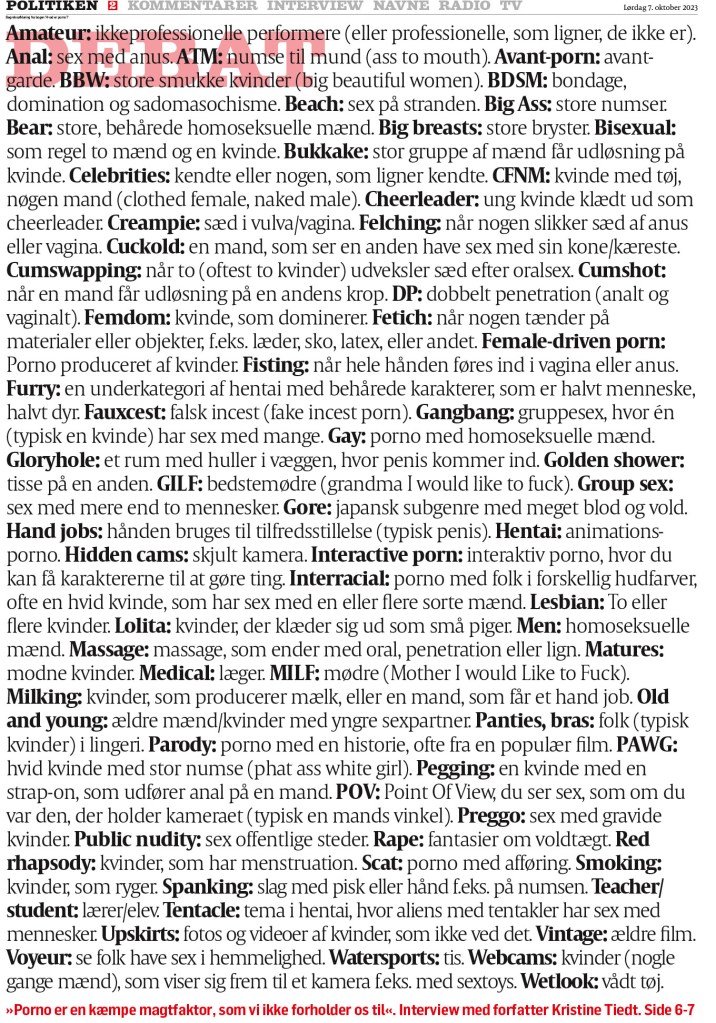
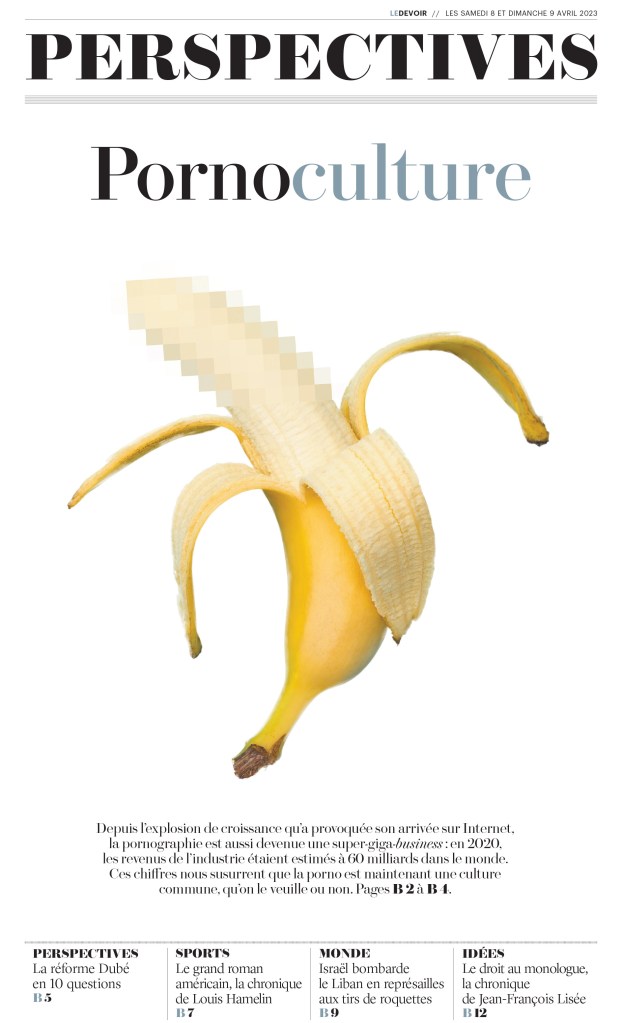
Often when doing newspaper design, designers need to find a way to illustrate things that can be tricky to illustrate. I appreciate the thought that goes into this. In this case it’s porn. Imagine being asked: we want to do a story about pornography, and it will be a section front. How will you illustrate this? Blurry bananas, naturally. Or at least one.

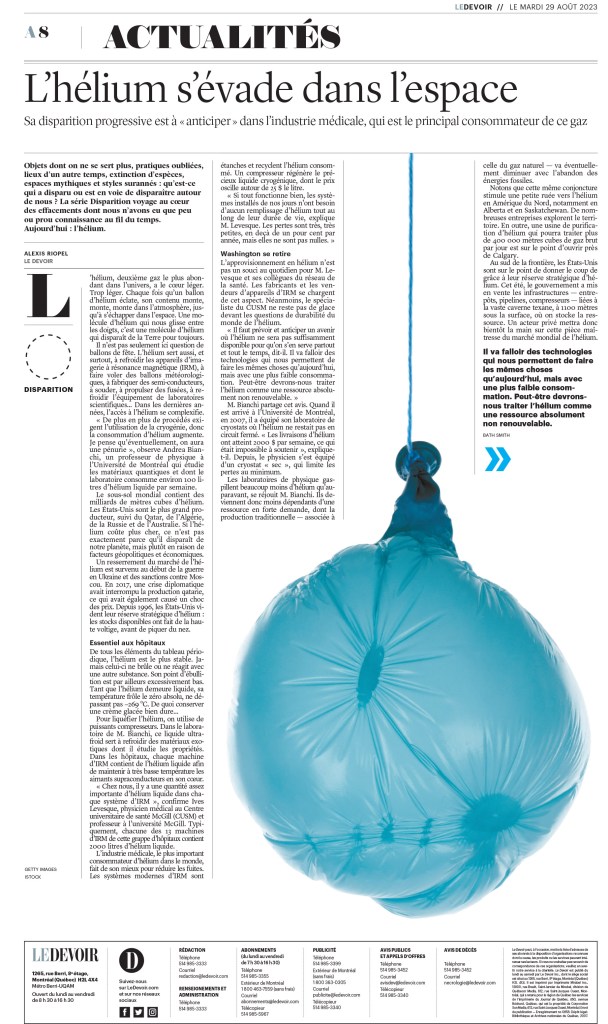
And here is another. A simple but smart photo. A good use of white space, as this paper is known for.

Toronto Star

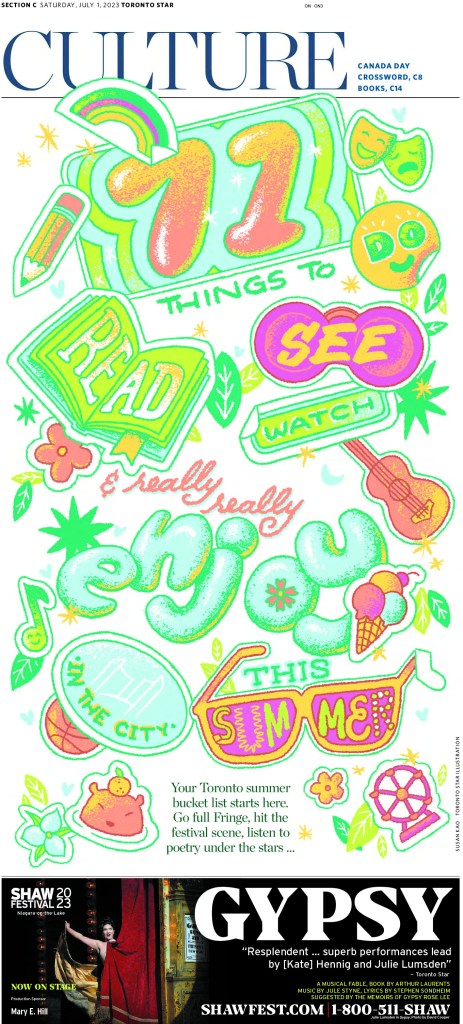
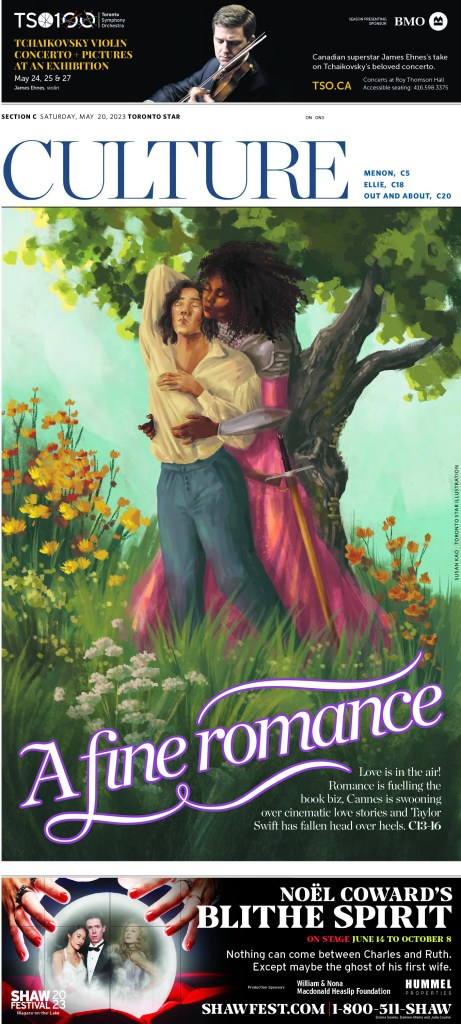
I am always excited to see the Star do great things. I am proud to say I have worked on Star pages and created some I’m proud of. Though I didn’t have the opportunity to do any of this calibre in my time there. This first page, from a staff portfolio submission, has a bit of a Los Angeles Times vibe. It’s bright and fun. Bubble letters.

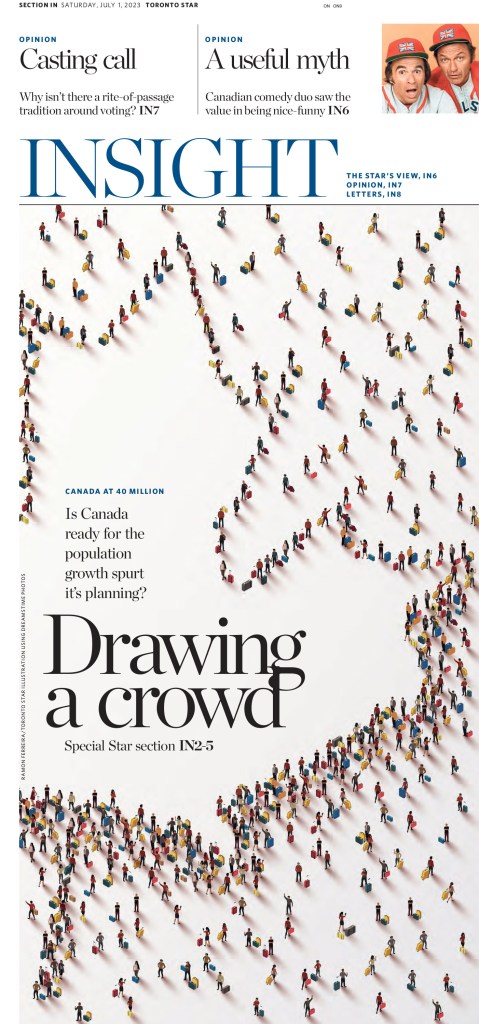
I have seen pages similar to this before. Little people making shapes. This is nicely done. Not only the image but the rest of the design.

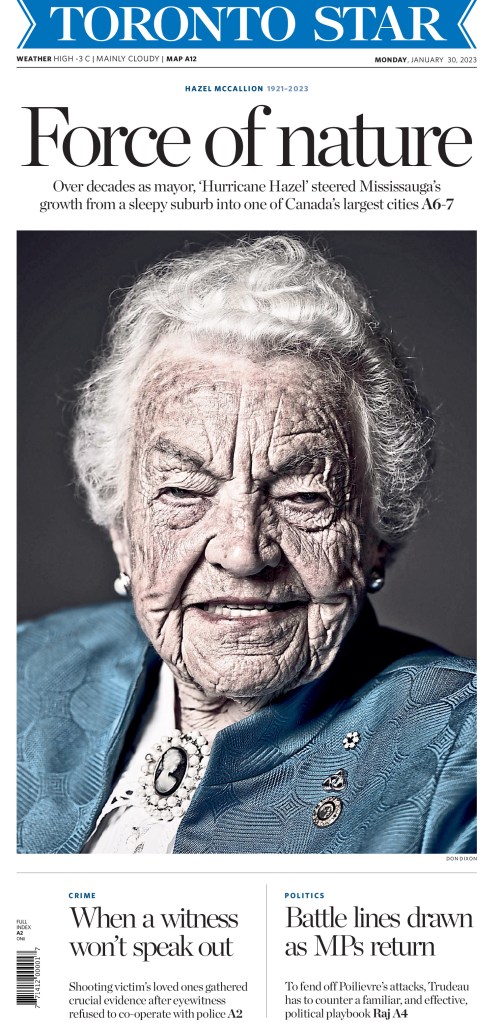
This page created some controversy when it first ran. Many thought the photo was insulting to longtime Mississauga, Ontario, mayor Hazel McCallion. Others thought it should have been identified as being enhanced (it was desaturated, which isn’t normally something a newspaper would do with a photo, but rather a photo illustration). But even when it came out, I posted it on my Instagram. It’s striking as an image, and as a page.

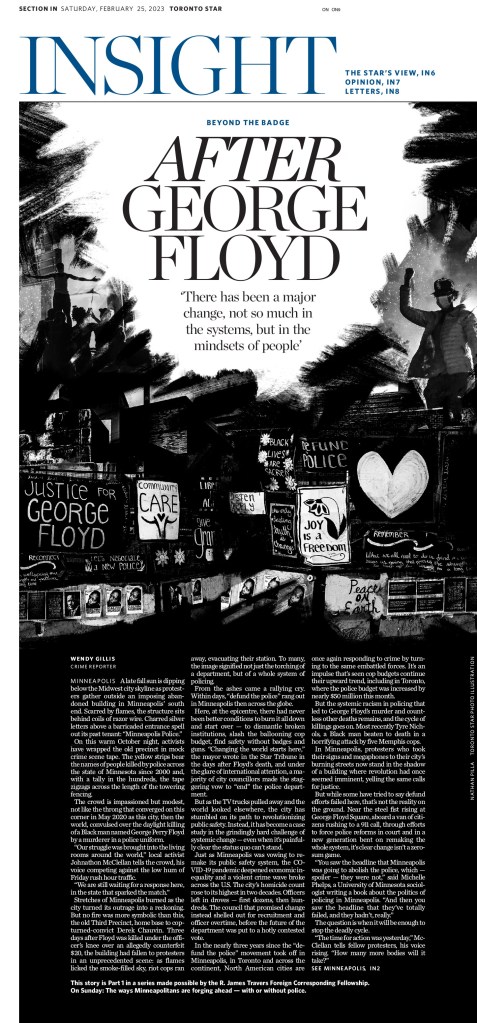
One more from the staff portfolio entry. It’s driven by the illustration, but there is some fun text treatment.

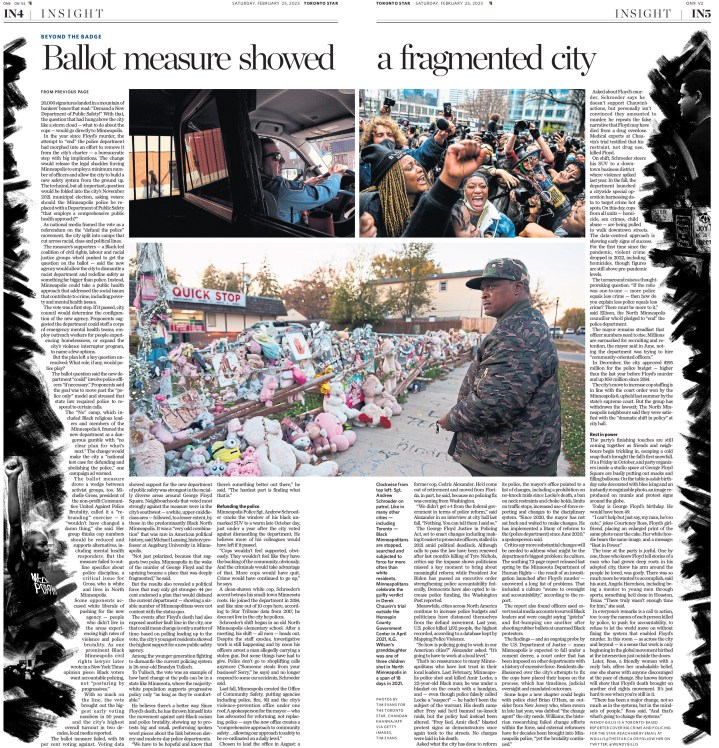
And here are a few more from the Star.

Globe and Mail

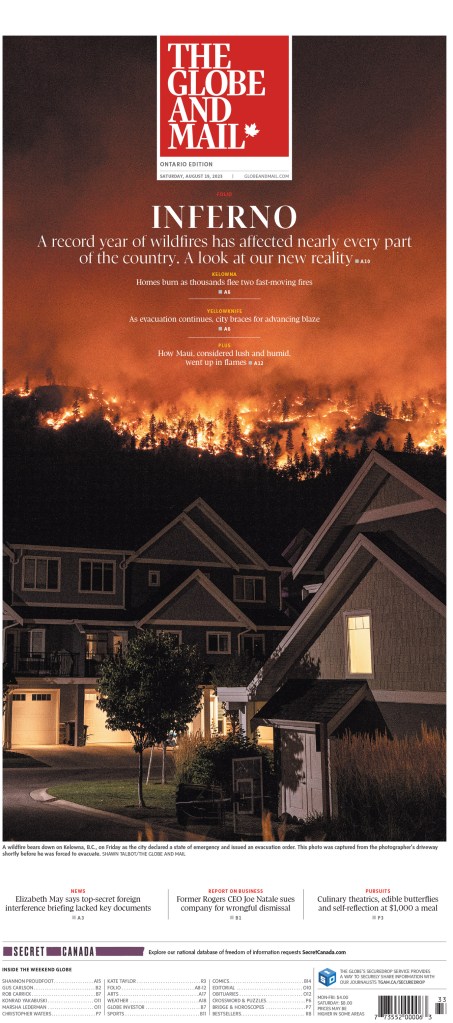
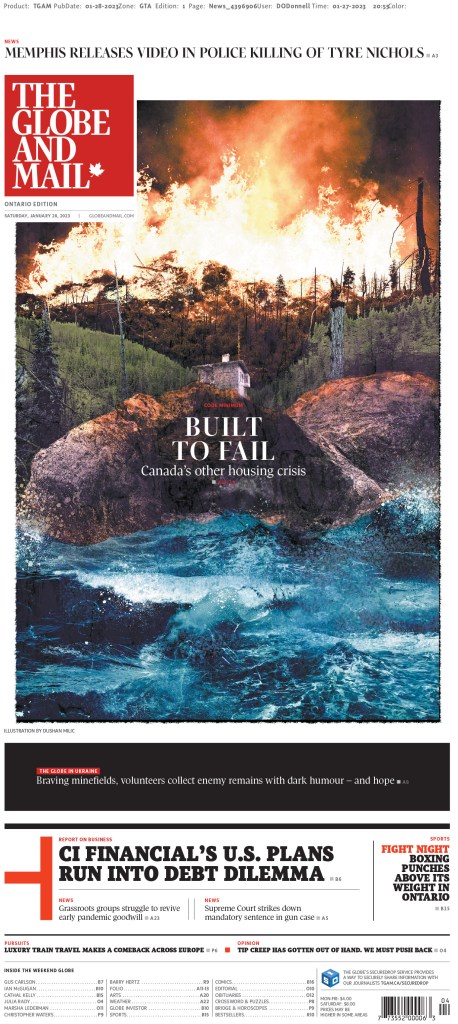
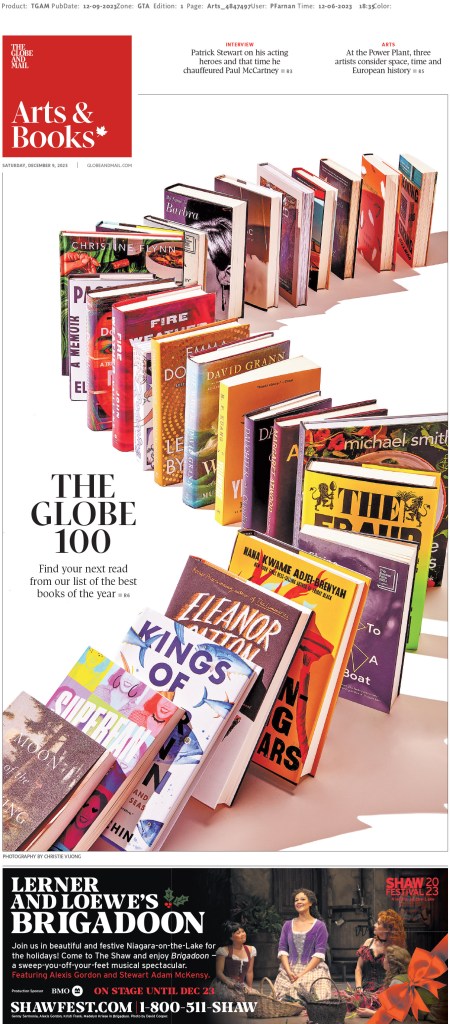
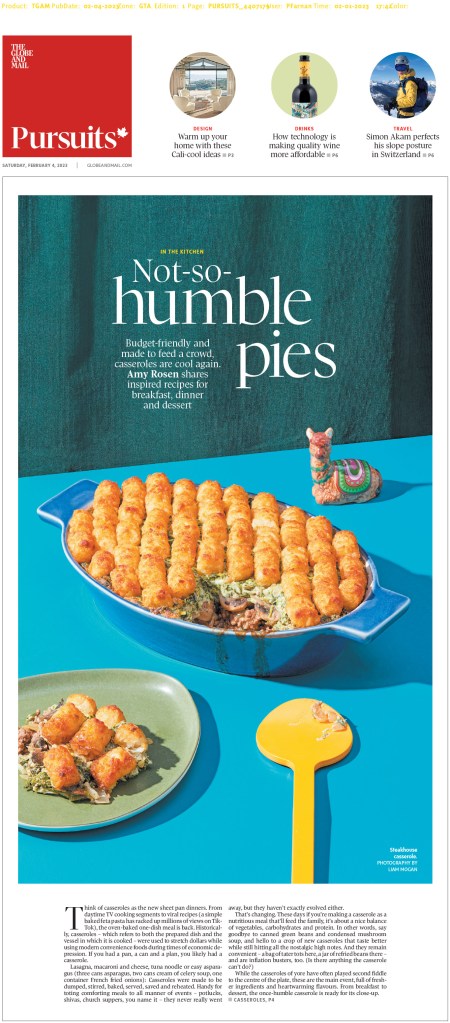
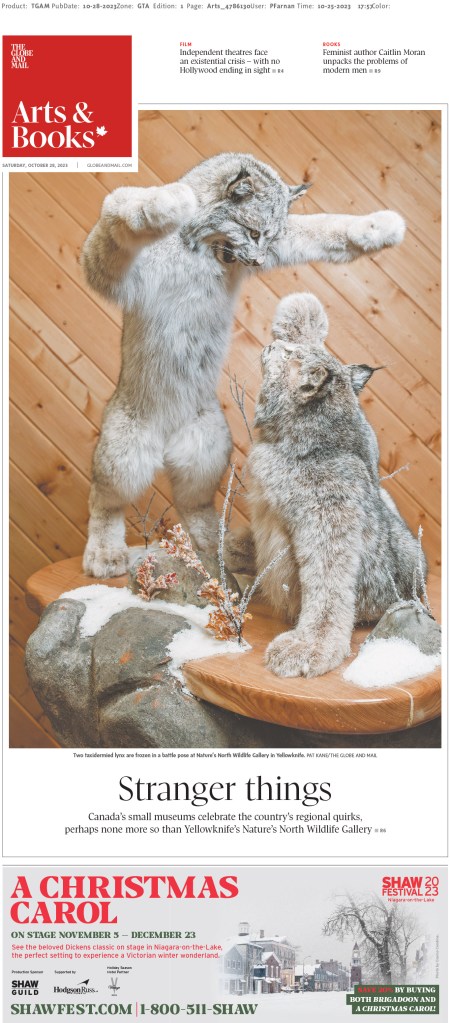
And last, but definitely not least, Canada’s big winner, the Globe and Mail. The results are still being tallied, but looks like the Globe might have squeezed into the top 10 again this year, at number 10. Much of the design the Globe was recognized for was for coverage of serious and heavy topics. Special coverage on climate change won a silver medal. I get the Globe at home (and disclosure: PMNA, where I work, does page production for the Globe) and the next two pages were pages that really stood out for me. All the pages here are handled at the Globe and/or art directed at the Globe.

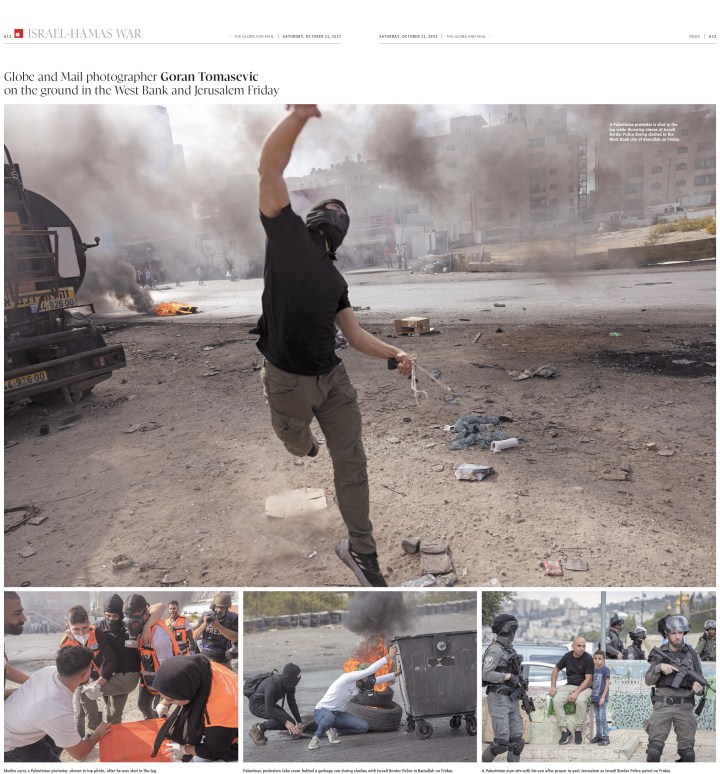
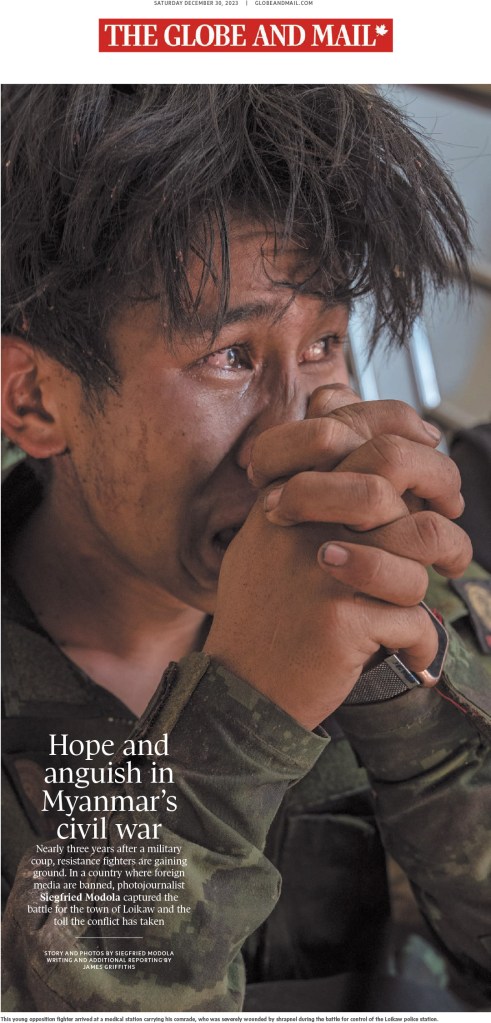
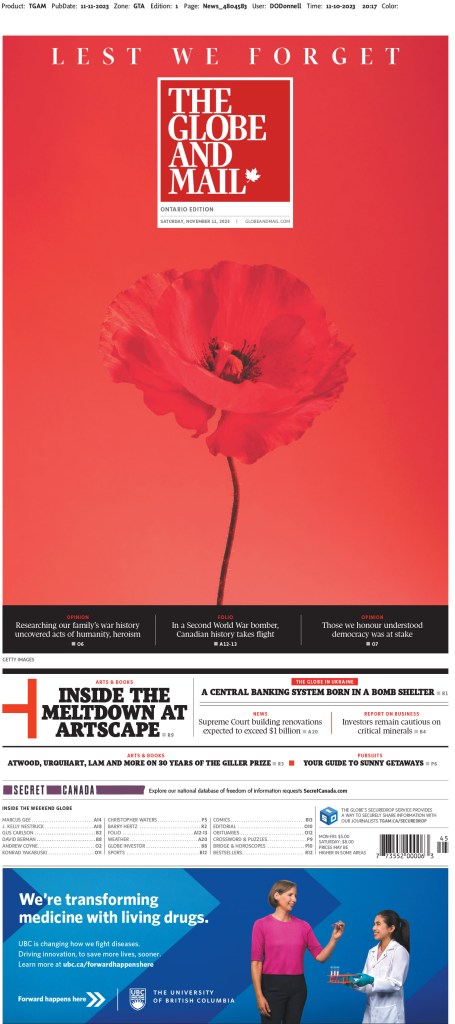
The Globe has also been a leader on coverage of the war in Gaza in Canadian media. It had some striking pages on that topic, like this cover (the Globe does a poster front on Saturdays) and the photo spread below. They do some beautiful photo spread pages.

And one more, driven by this powerful, emotion-filled photo.

The next two were pages from art directors who each won individual portfolio awards. That’s a tricky category to win in, as it recognizes a body work. The first is from Brennan Higginbotham. The second is from Lauren Heintzman.

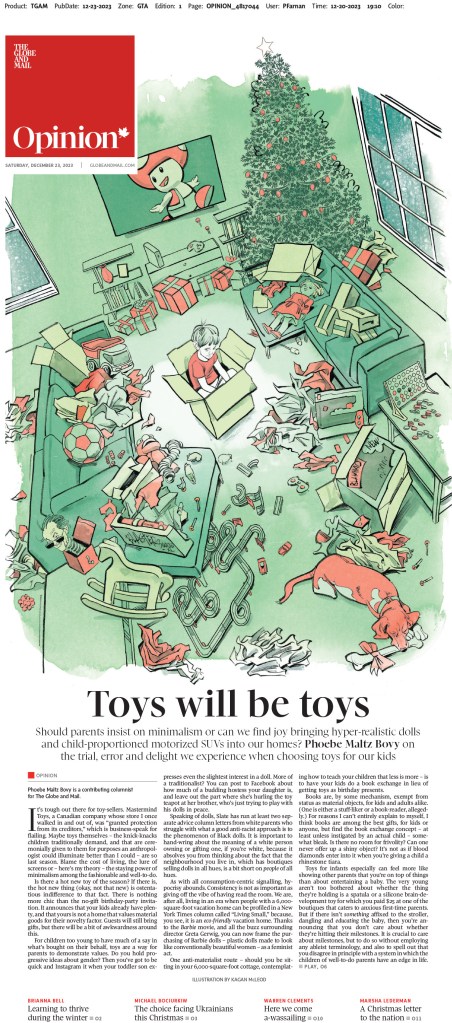
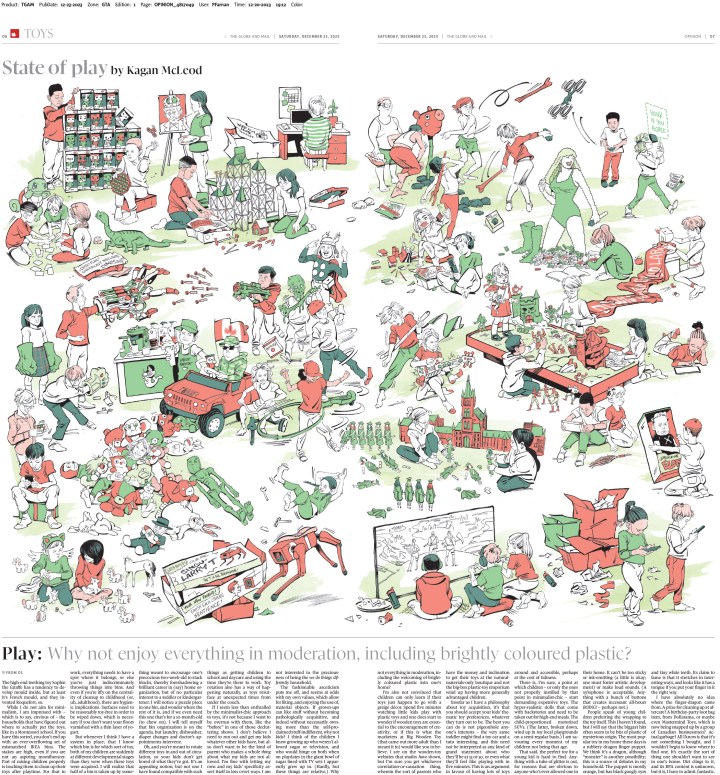
And now for some fun stuff. The Globe, and other Canadian media outlets, often turn to Kagan McLeod when they want a fun illustration. He’s a wizard (also credit to Kagan for the featured image I use with this post, as it’s a portion of one of the illustrations below). And he didn’t disappoint here.

Here are the last couple I will show from this year. They are both so playful and fun. And as has become norm for the Globe, they have fantastic headlines.

Fingers crossed we see more Canadian publications entering next year. Looking at you, Postmedia and Winnipeg Free Press, among others. Stand with print media and celebrate your great work.

Up next: Best from the United States, best from the rest of the world, and finally World’s Best Designed Newspaper. Watch for those sprinkled over the next week or so.

By Brad Needham

In 1999, I started journalism school at Mount Royal University in Calgary, Alberta. I had big plans. National Geographic photographer. Maybe foreign correspondent in war-torn countries. By the time I graduated in 2001, everything was on track. Except the job. In 2002, I set up a meeting on the other side of the country with a well-known Canadian photographer. Maclean’s, here I come, I thought. My best friend, C.J., and I set off on a road trip. Thousands of kilometres, one week, and a 1991 Chevy Sprint Turbo. Bubbles. And now I ask you to come along. Jump in the way-back machine, imagine yourself in a sky blue Sprint Turbo (the Turbo is worth mentioning every time. Every. Time. Just ask C.J.’s brother), and join me on my cross-country, 20-year journalism lookback journey. I don’t like to celebrate myself often, but I also don’t leave my profession often. After this, I will return to regularly scheduled broadcasting in this blog by focusing on designers still in the biz, and those who are lightyears more talented than I am. I peaked in 2010 (there might have been a higher peak, but the journalism world was having none of it, as it started to contract around this time).

Anyway. Bubbles. The journey began in Calgary. A couple of provinces in between, mostly fine, and then Ontario. Many routine police stops later (driving late at night with Alberta plates in Ontario) and almost no time to sleep, 36 hours later in total, we made it. I had my meeting. I brought my best stuff. I was proud. The verdict? Some potential. He loved the photos later in my portfolio, and said about the one for which I nearly had my head run over by race horses: “you were just there.” Yes, I was. And it was a damn fine photo (if I ever find my pre-digital portfolio, I will add the pic here). Alas, maybe photography wasn’t my path.

Enter Fort McMurray. The daily newspaper, the Today, offered me a job as an editor/designer. I moved up there (on a map, as the Friendly Giant would say, look up, look waaaaay up). It was there, as I have mentioned a few times in this blog, that I discovered the Society for News Design’s Best of Newspaper Design books. And I found my new love. Newspaper design (in case the book title didn’t get you there).

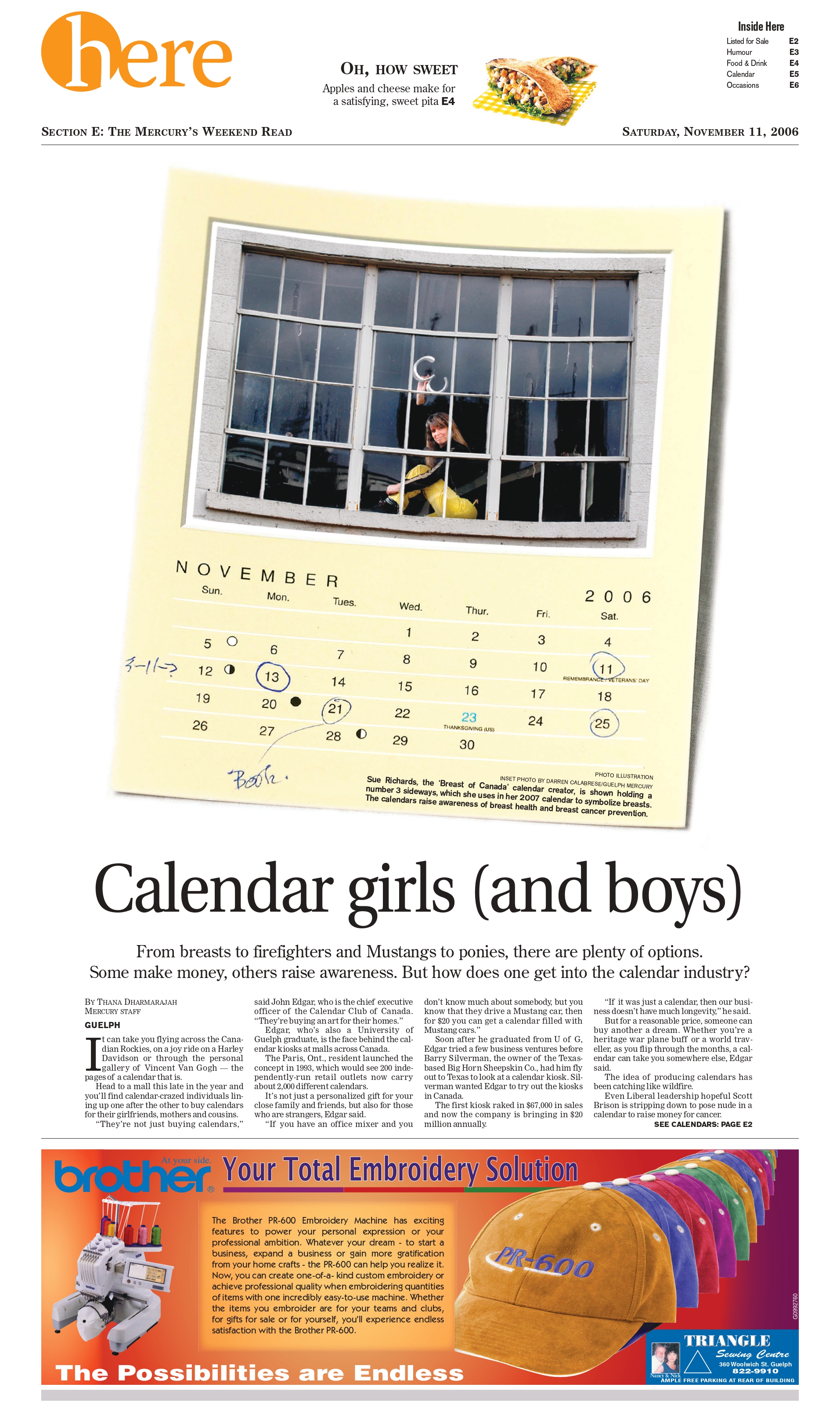
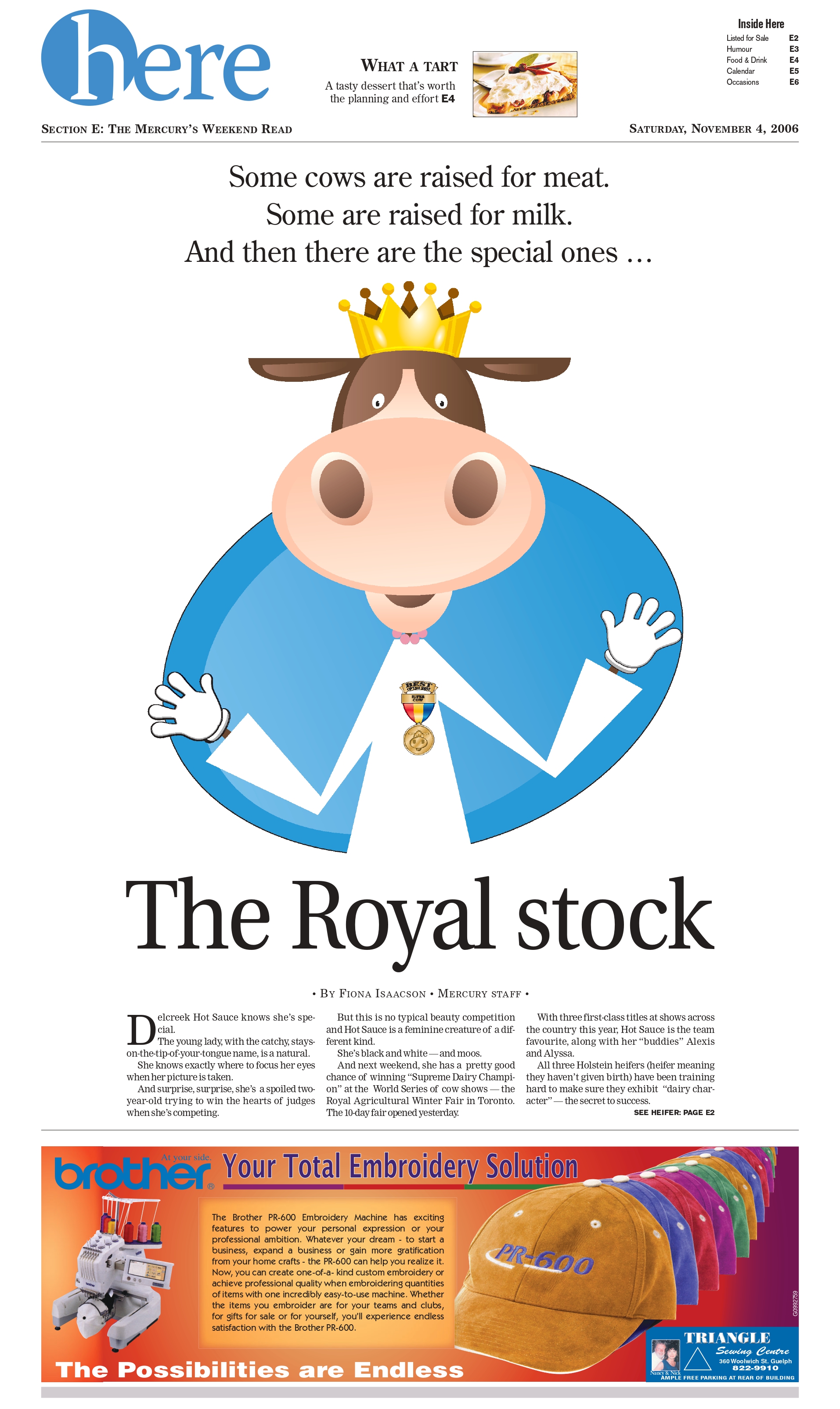
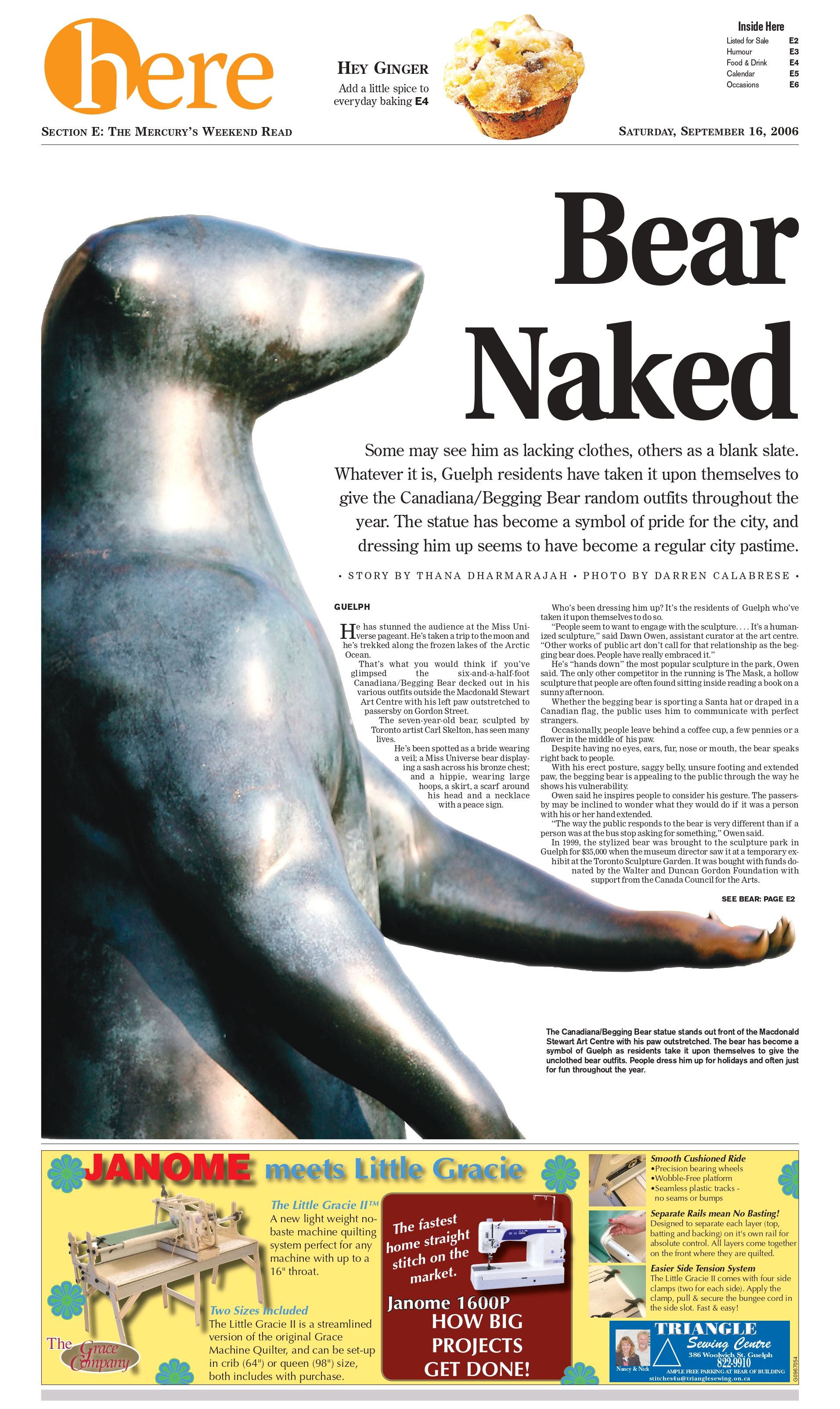
But the city was small (and cold) and the bugs were so, so big (when hot). So I went to test my writing chops in Red Deer, Alberta at the Advocate. Less than a year later, I was off to the promised land: Ontario. First at the Woodstock Sentinel-Review, then to the Barrie Examiner (RIP), then to the paper that firmed up my love for design (because someone told me I was good at it. Spoiler: it was SND), the Guelph Mercury (RIP). I was proud of some of my work in Woodstock and Barrie. Even Fort McMurray. Looking back, pre-Barrie work wasn’t as good as I thought it was at the time. But the Mercury made me. I was given so much freedom and time by my mentor and boss, the legendary Phil Andrews. I oversaw the Here section, a weekend features section all about Guelph. It was for this section that I won my first Society for News Design award, and still the one I’m most proud of as it was for a portfolio of work.

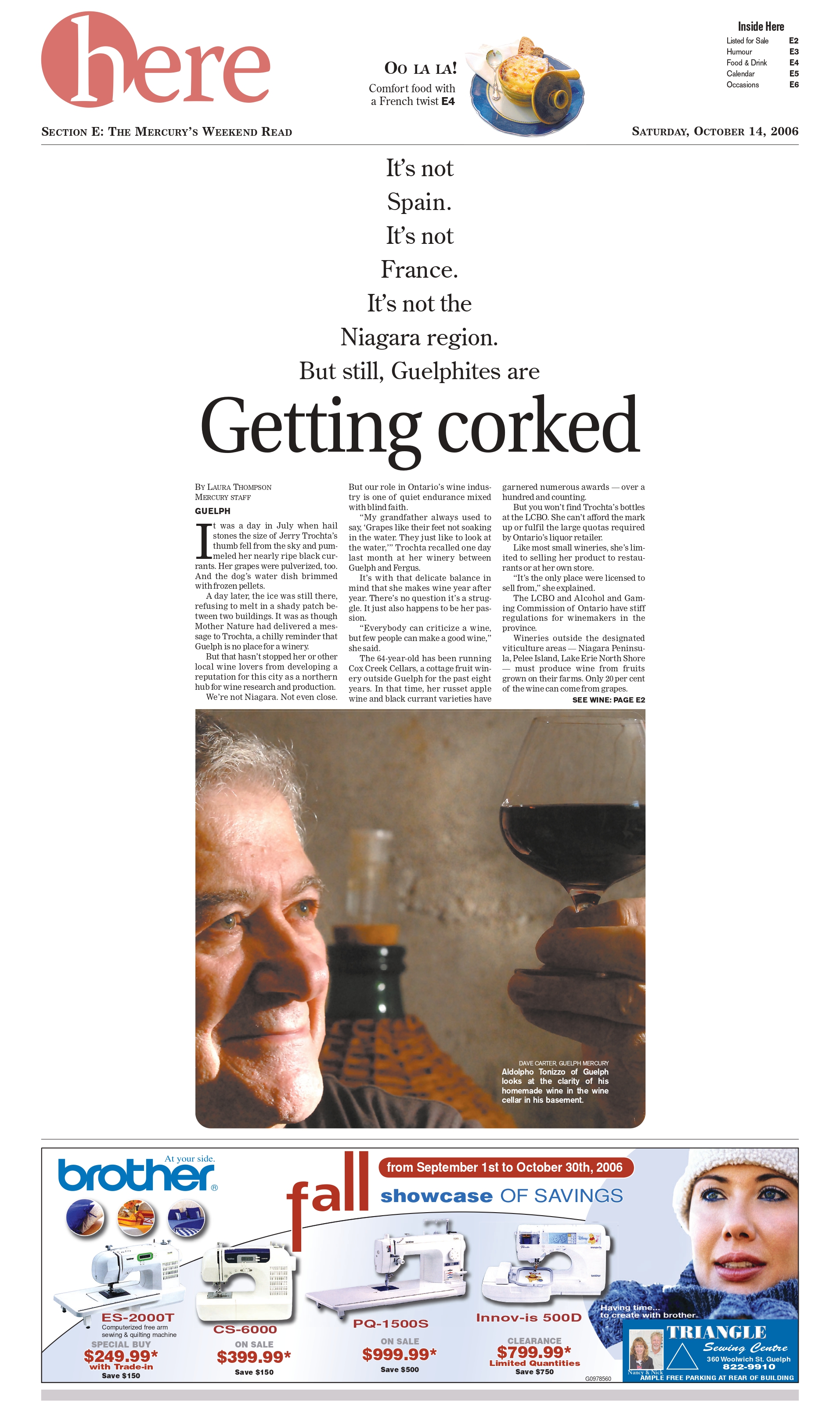
Those are three pages I think were part of my portfolio. I know “Getting corked” was, as it was the one in the book! I made the book (sitting in my soon-to-be-former office, so no pics available). The book that started me down this path. It was a dream come true. I even was fortunate enough to attend SND Boston where I picked up this fashionable … tote bag.
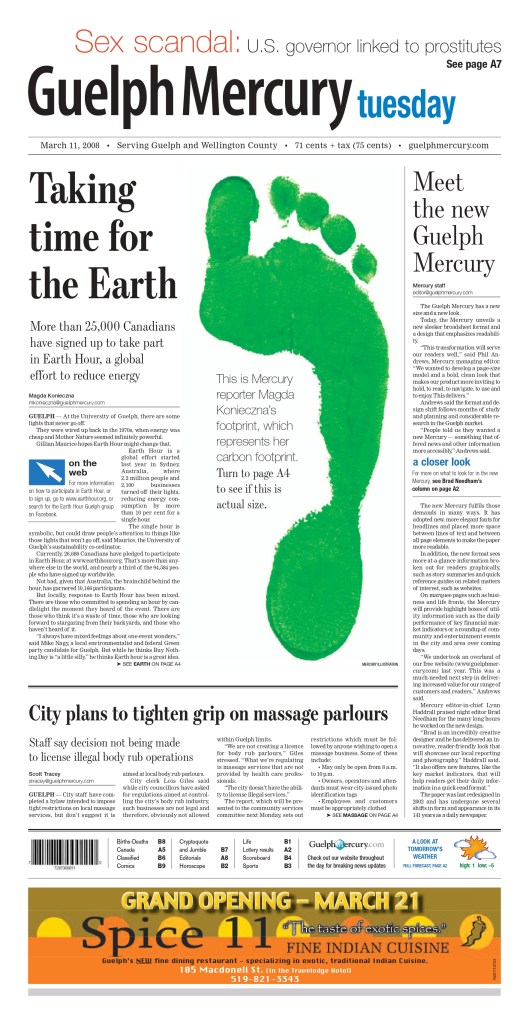
I then had the good fortune (with my newfound design street cred) to be asked to redesign the Mercury, from top to bottom. This was no refresh. I was even tasked with redesigning the flag. That is quite an honour. And scary as hell. Thanks to the Virginian-Pilot (at the time the best designed paper in North America, maybe the world, imho) and the Star-Tribune for the inspiration. Especially to the kind soul at the Pilot who sent me a box full of print copies to help me get further inspired. I was very pleased when the first issue went out (below) and almost all the feedback was positive. That’s almost unheard of! People hate change. But they appeared to like this. To this day, this is one of my proudest career accomplishments.

First day of the new Mercury.

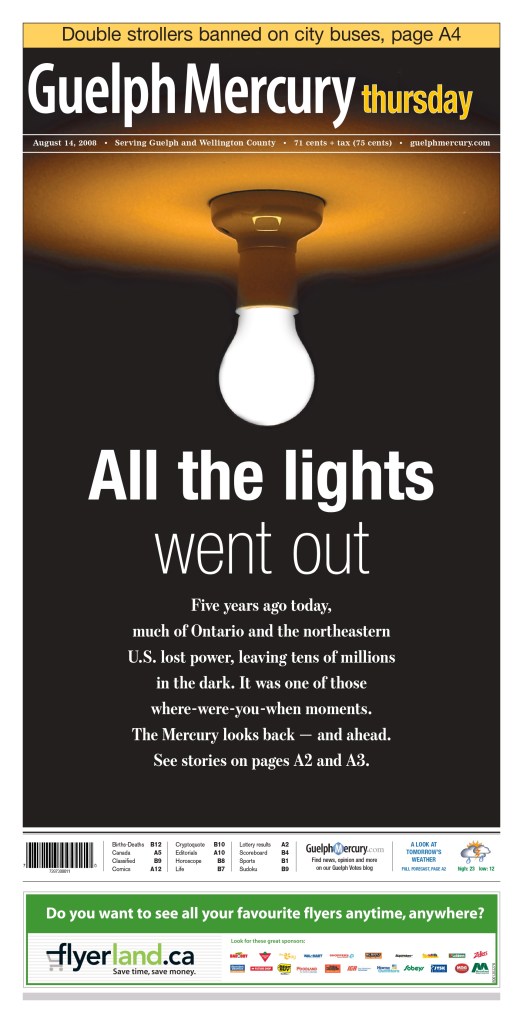
Two years after my first SND award, I won again, this time for a front page that I was given full freedom on, the fifth anniversary of the major blackout that swept through Ontario and much of the northeastern U.S. When I designed it, my boss said he looked forward to seeing that page in the next SND book. And much to my surprise, he was right.

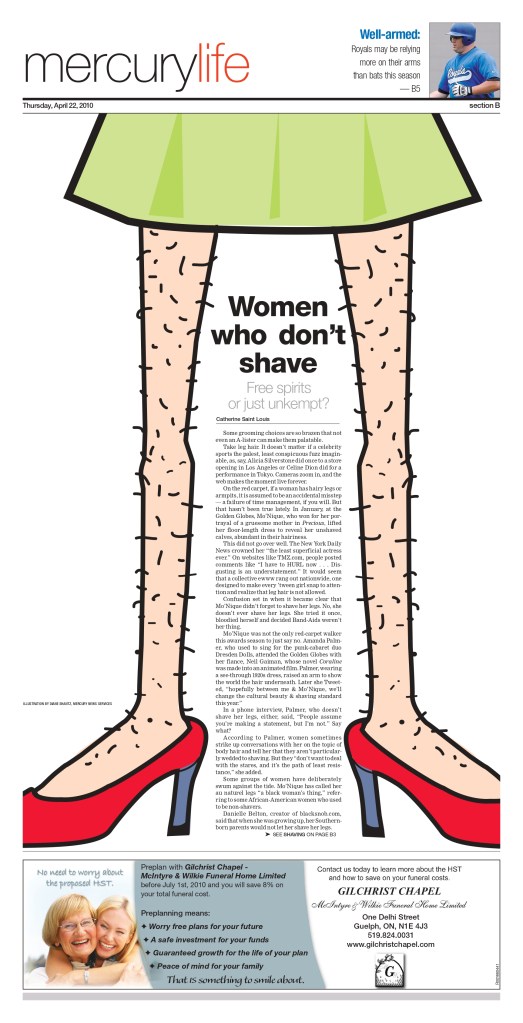
Shortly thereafter, I moved on to the Waterloo Region Record. And shortly thereafter after, so did production of the Mercury. It was a sign of things to come in the industry (and this blog post). But I continued to work on the Mercury from the Record. At the Record I continued designing, but also moved into a very basic art director-type role. I had a vision, drew it poorly on a small yellow sticky note and handed it off to one of the Record’s great designers, Tania Praeg-Geddes and Diane Shantz. And wouldn’t you know it. Two years after “All the lights went out,” with the help of the great Diane, we did it again. We earned the Mercury its fourth SND award in five years (it won another for a page produced by again soon-to-be-former colleague, now at The Canadian Press then at the Mercury, Kate Hopwood). This time the page likely won mostly for Diane’s brilliant illustration. It was much better than the hairy legs I drew on my sticky note. 🙂

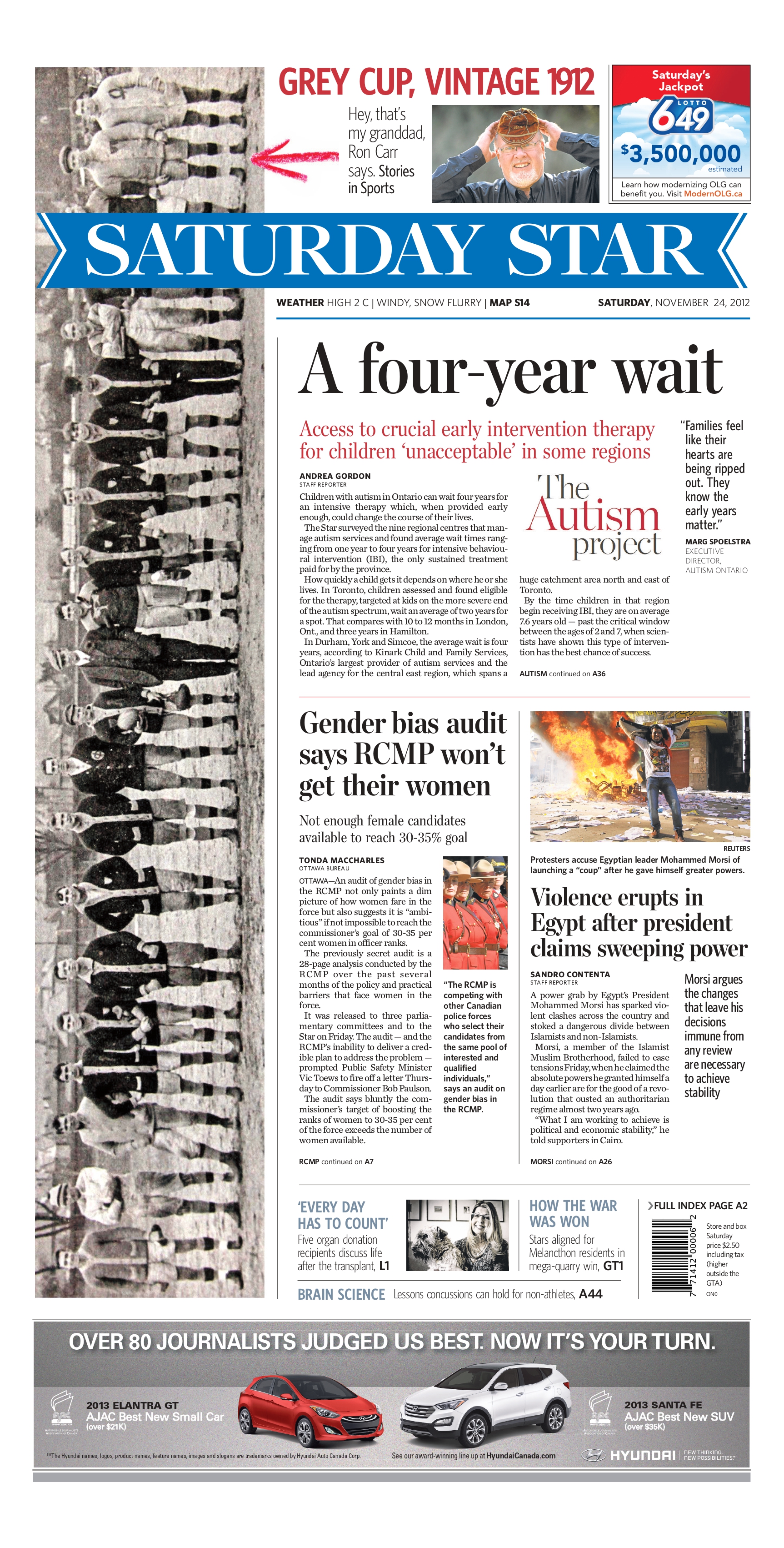
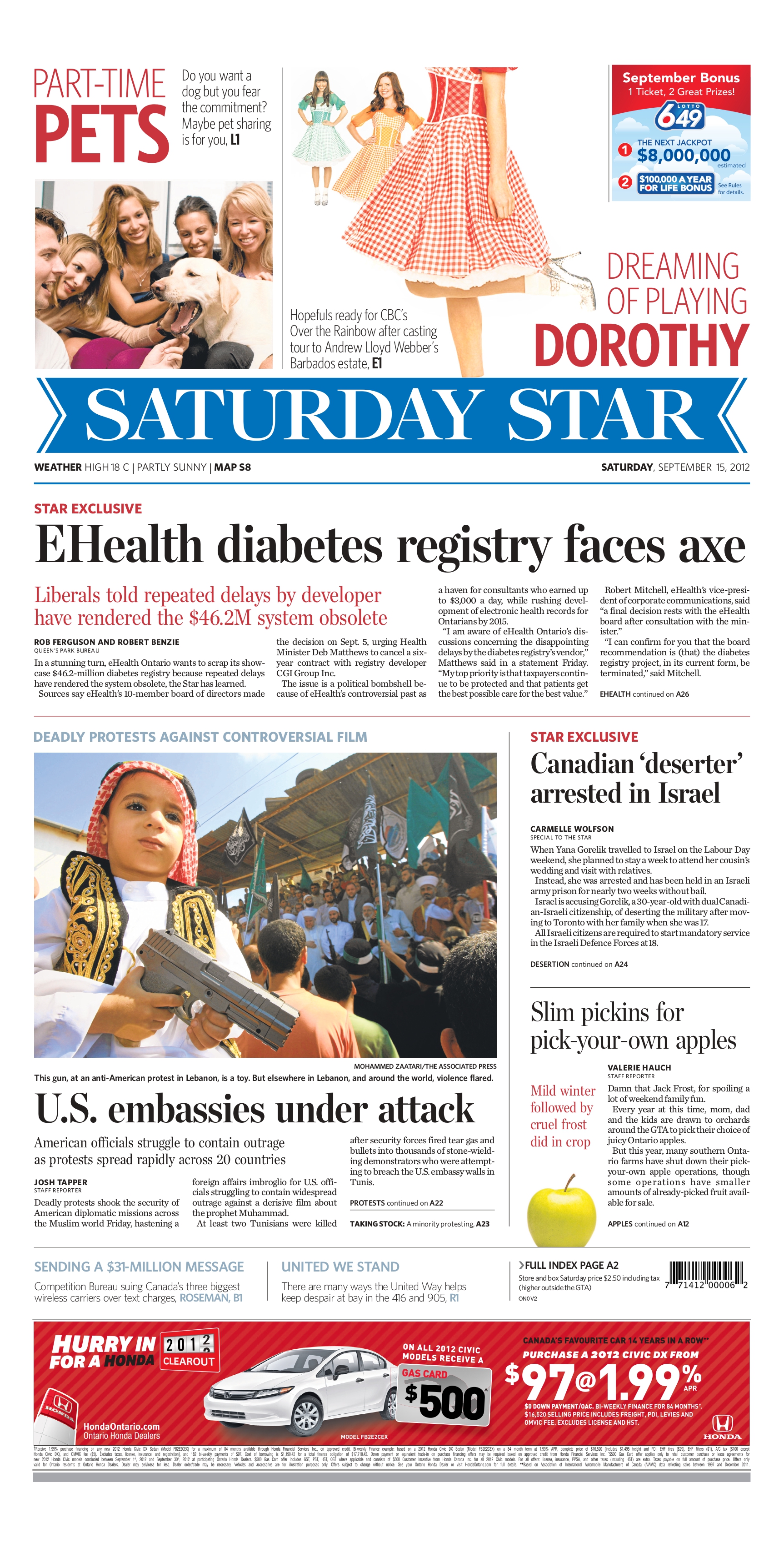
Then came the email from the Toronto Star. They had an opening. I answered the call. I did some work I was proud of at the Star, but my heavy design days were over. Sitting at another bank of desks was a team of designers, whose entire job was to design covers. But I am happy to say I got to do some front pages for what is or was (depending on who you talk to) Canada’s largest daily circulation newspaper. The one on the right below isn’t a super fancy design, but it was my first A1 at the Star. So it’s special to me. I loved my time at the Star. But, as previously mentioned, the industry was contracting.

I was laid off and I moved to Pagemasters North America. It was eight glorious but mostly design-less years as a manager, overseeing a team of incredible editors, helping them grow and develop. So I still had a hand in others’ designs. Even super designer Tammy Hoy occasionally asked for my advice. Five of those years were spent overseeing the Star after they outsourced to Pagemasters North America (see, the Mercury was a sign of things to come in the industry and this post).

And now I depart marking what is likely the end of my journalism journey, at least as an active participant. For now. Anything is possible, but I am excited for what lies ahead. I know I have been so fortunate in this industry. Or as some would say, unfortunate. I made it 20 years. I lived through some not as lean times. I was blessed with opportunities and support. The Mercury was an incubator. It launched many to greatness. As I start looking back, I look ahead. I hope to be able to blog more, and showcase print design talent from around the world, from those who are sticking it out in this industry and doing outstanding work. I will do it here, and hopefully even more often as I will need my print design fix, and on my Instagram. Until then, a journalism cliche …

-30-